Introduction
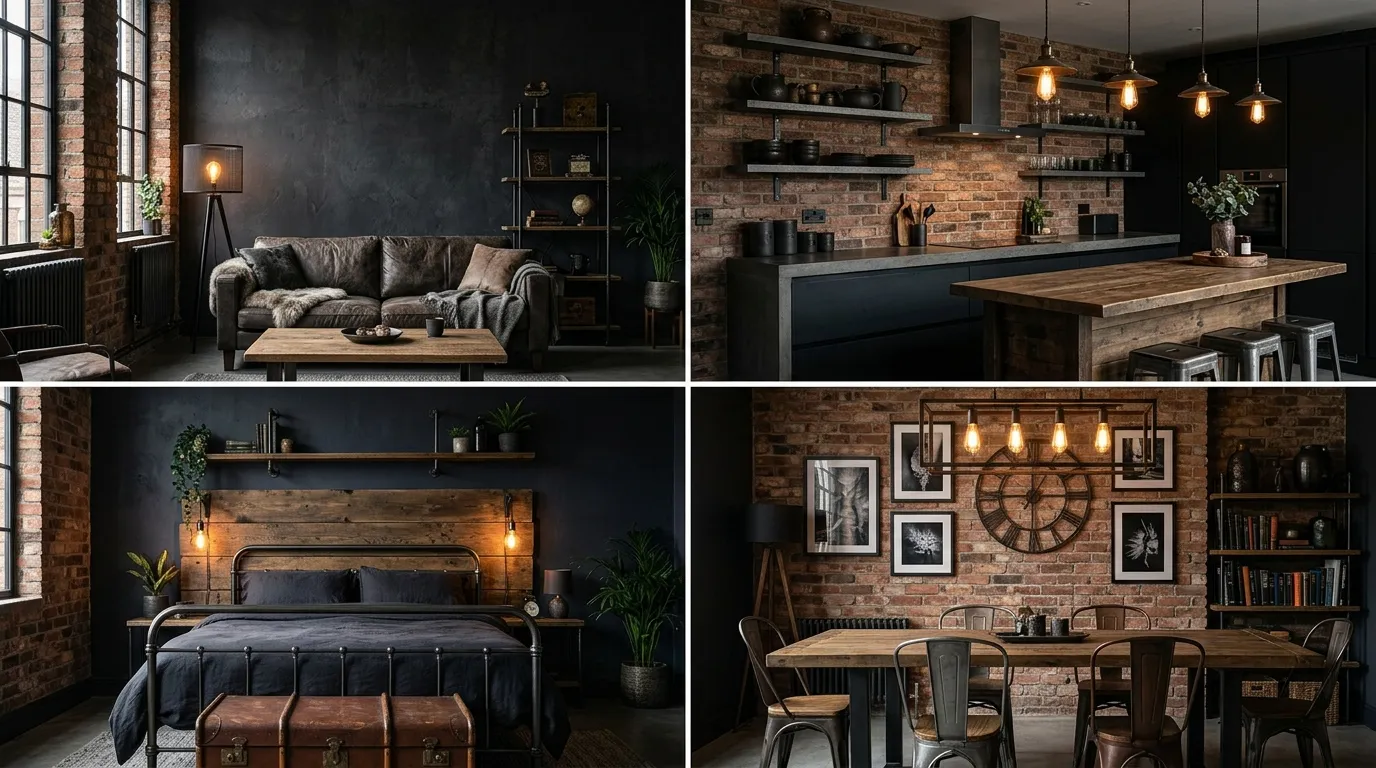
Dark, bold, and effortlessly stylish—moody industrial decor is redefining how modern spaces feel and function. If your home feels flat, too bright, or lacking personality, this design approach offers a powerful transformation without overwhelming complexity.
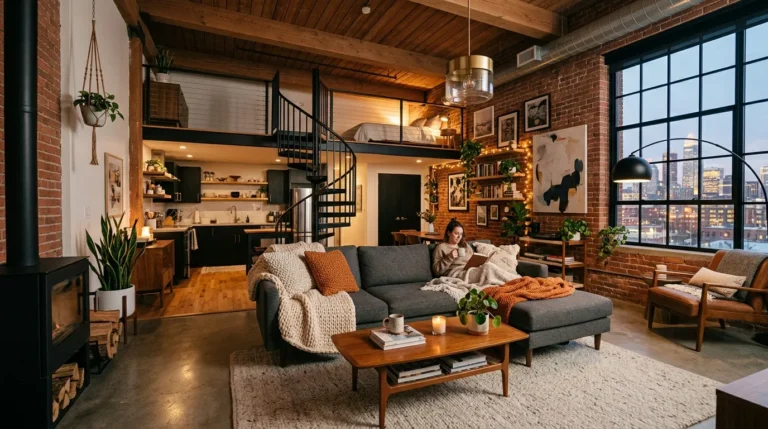
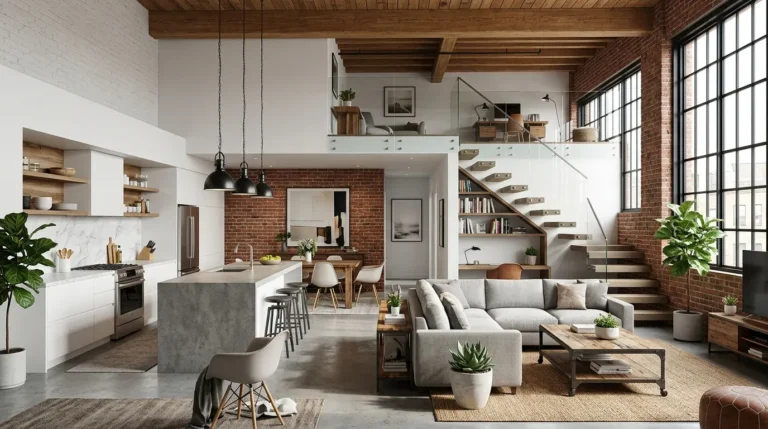
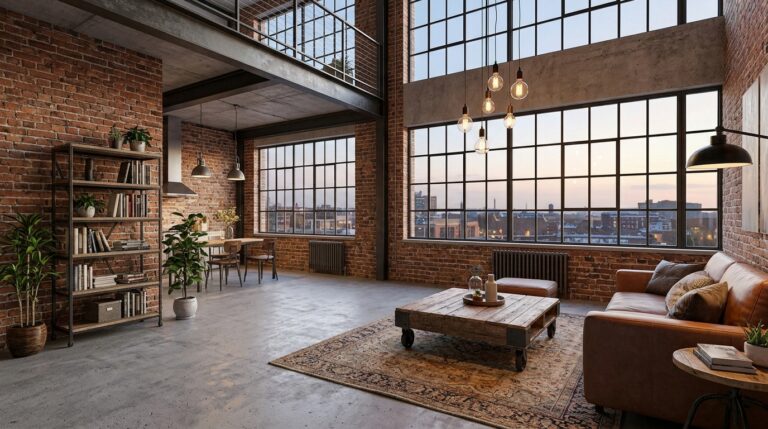
This article brings together 22 carefully curated ideas that help you create depth, contrast, and warmth using industrial-inspired elements. From textured walls to layered lighting, each idea focuses on practical changes you can actually apply. I’ve noticed that even small updates, like switching lighting or adding raw materials, can completely shift the mood of a room without a full renovation.
Whether you’re starting fresh or upgrading your current space, these ideas are designed to inspire and guide you. You’ll learn how to balance dark tones, mix materials, and create a space that feels both bold and inviting. The goal is simple: help you design a home that looks striking, feels comfortable, and reflects your personal style with confidence.
1. Matte Black Walls
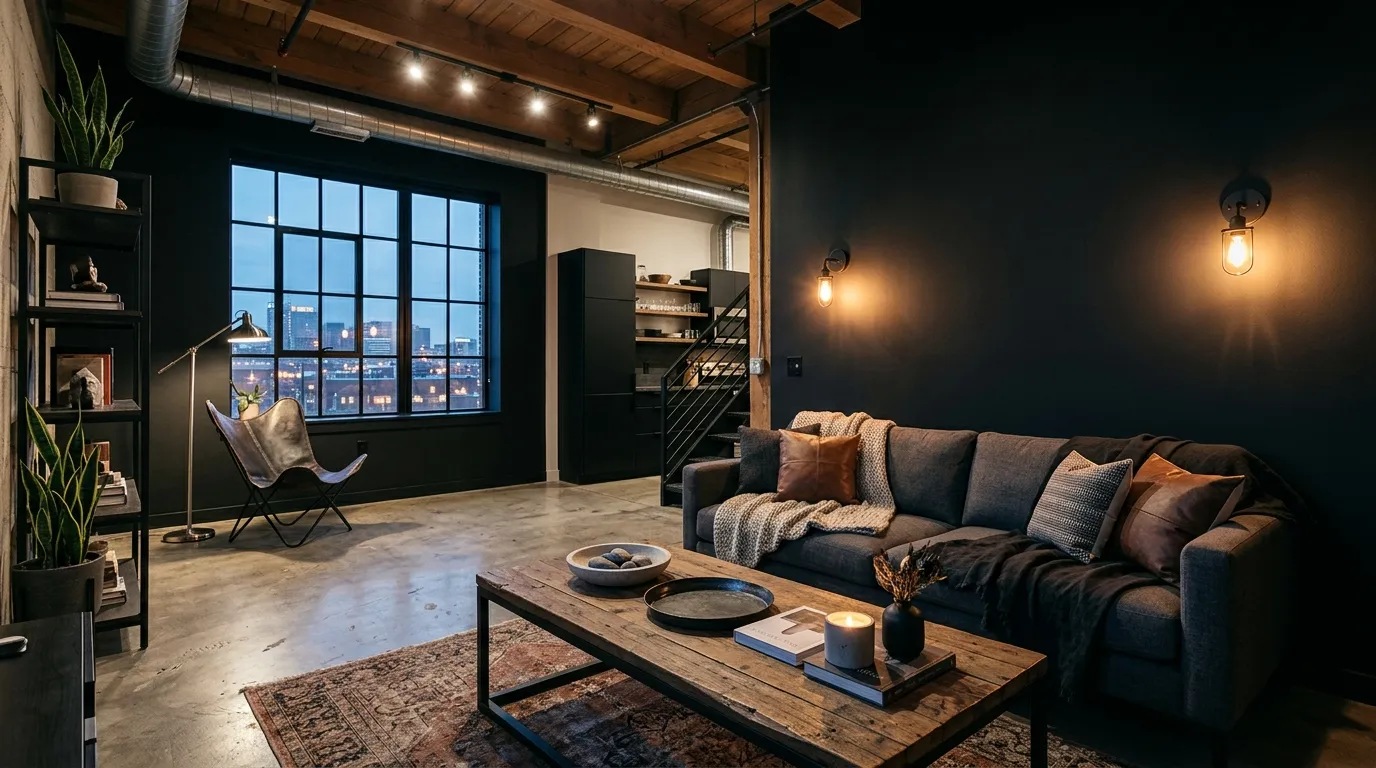
A bold wall color can completely change how a space feels, and matte black does it instantly. It creates depth, contrast, and a grounded atmosphere that feels intentional rather than heavy. When paired with industrial materials like metal and wood, the result feels cohesive and refined. I’ve noticed that even in smaller rooms, this shade doesn’t shrink the space if lighting is layered properly and surfaces are balanced with lighter tones.
What makes this approach so effective is how it enhances everything around it. Furniture, lighting, and decor stand out more clearly against a dark backdrop, creating a curated look without needing excessive styling. This is one of the easiest ways to introduce moody industrial decor without a full redesign. The key is balancing darkness with texture and light so the space feels inviting, not overwhelming.
2. Exposed Brick Texture
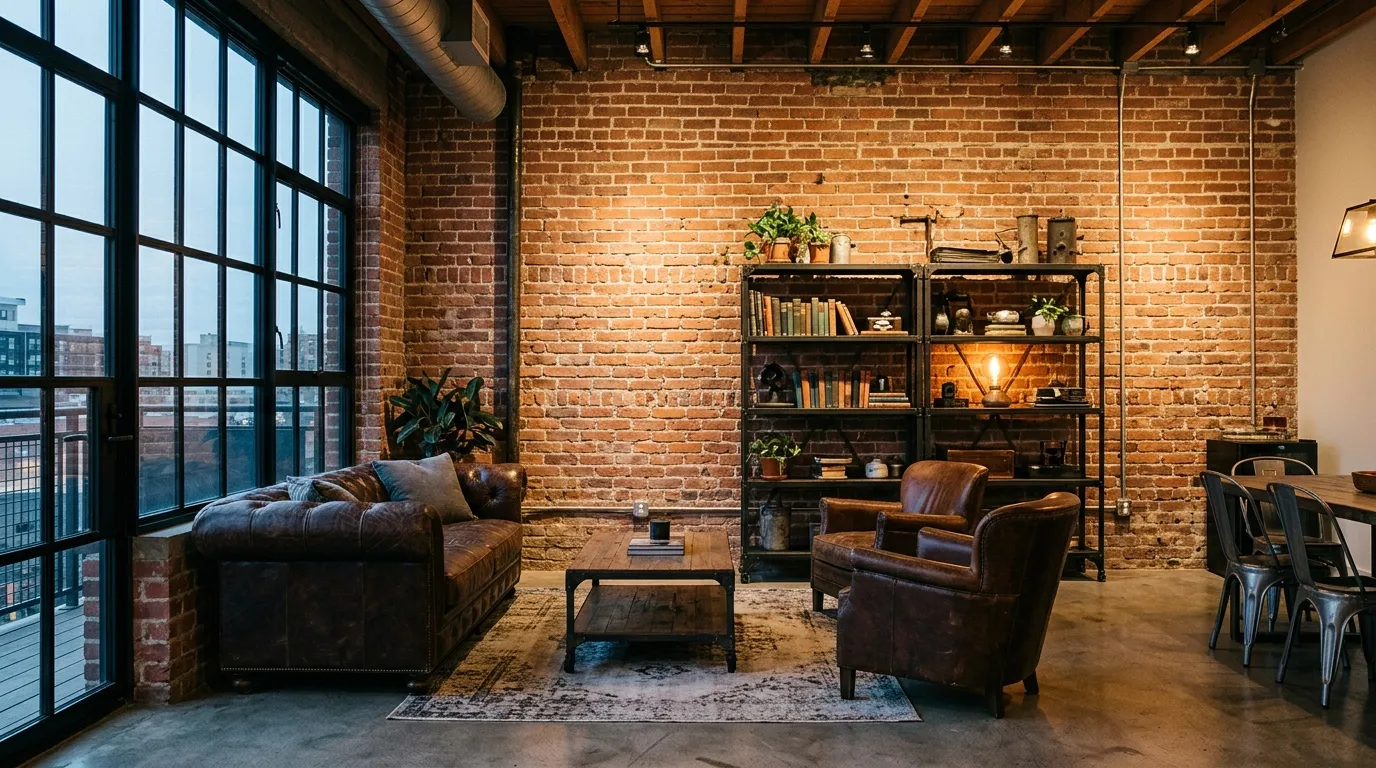
Exposed brick instantly gives a space that lived-in, authentic industrial feel that’s hard to replicate with paint alone. The natural imperfections and color variations make the room feel more grounded and layered. I’ve seen this work especially well in spaces that otherwise feel flat or overly modern. It introduces a sense of history, even in newer homes, making everything feel more intentional and connected.
The beauty of brick is how effortlessly it pairs with darker tones and metal finishes. It softens the overall look while still keeping that bold, edgy style intact. Whether you use real brick or a high-quality veneer, the visual impact is significant. This approach allows you to build a strong foundation for a dark, industrial-inspired space without relying on too many decorative elements.
3. Steel Frame Windows
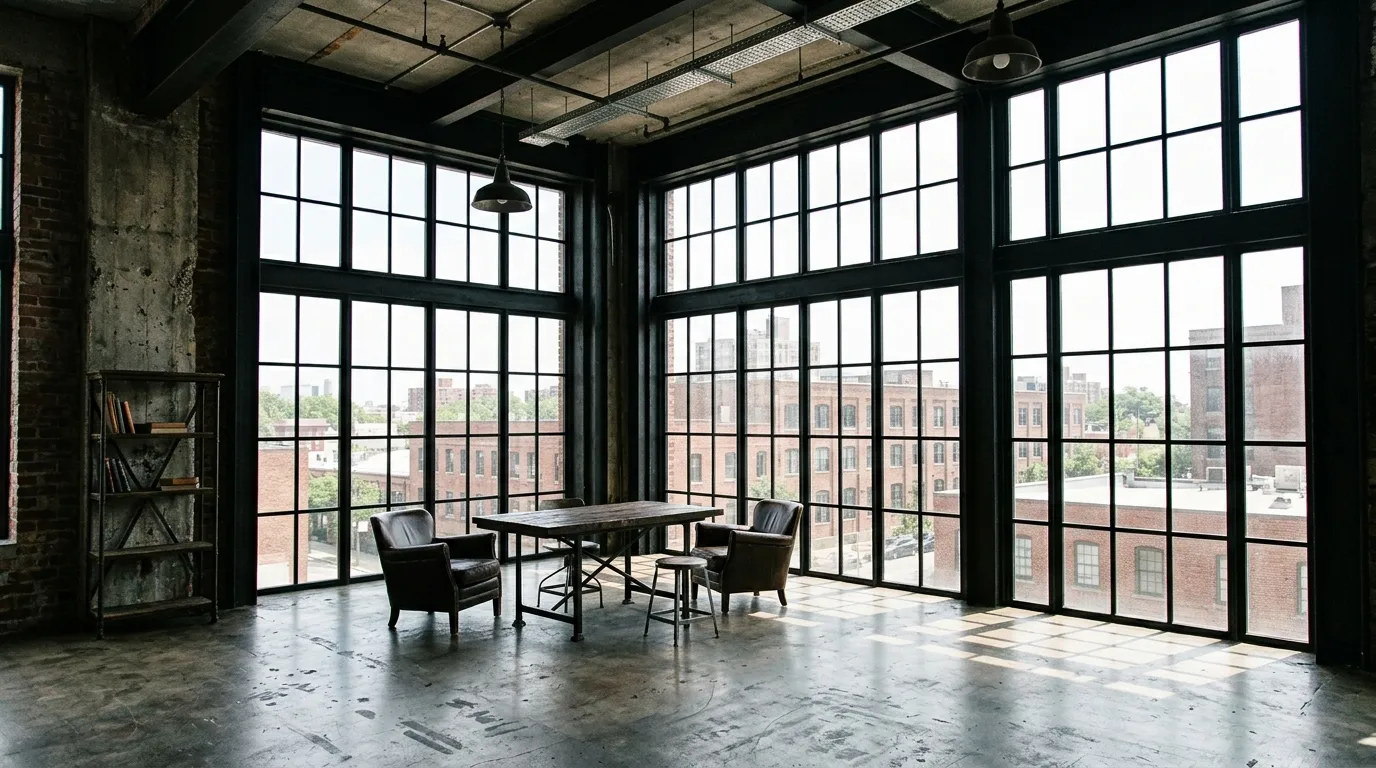
Steel frame windows are one of those features that instantly elevate a space without needing extra decoration. The clean lines and grid patterns create structure, making the room feel more designed and intentional. I’ve noticed that even simple interiors feel more refined when these windows are added, especially in spaces that lean toward darker tones and minimal styling.
What makes them stand out is the contrast they create. Natural light pours in, balancing the heavier elements typically found in industrial interiors. This keeps the space from feeling closed in or too dark. It’s a smart way to maintain that bold, moody atmosphere while still making the room feel open and breathable.
4. Dark Concrete Flooring
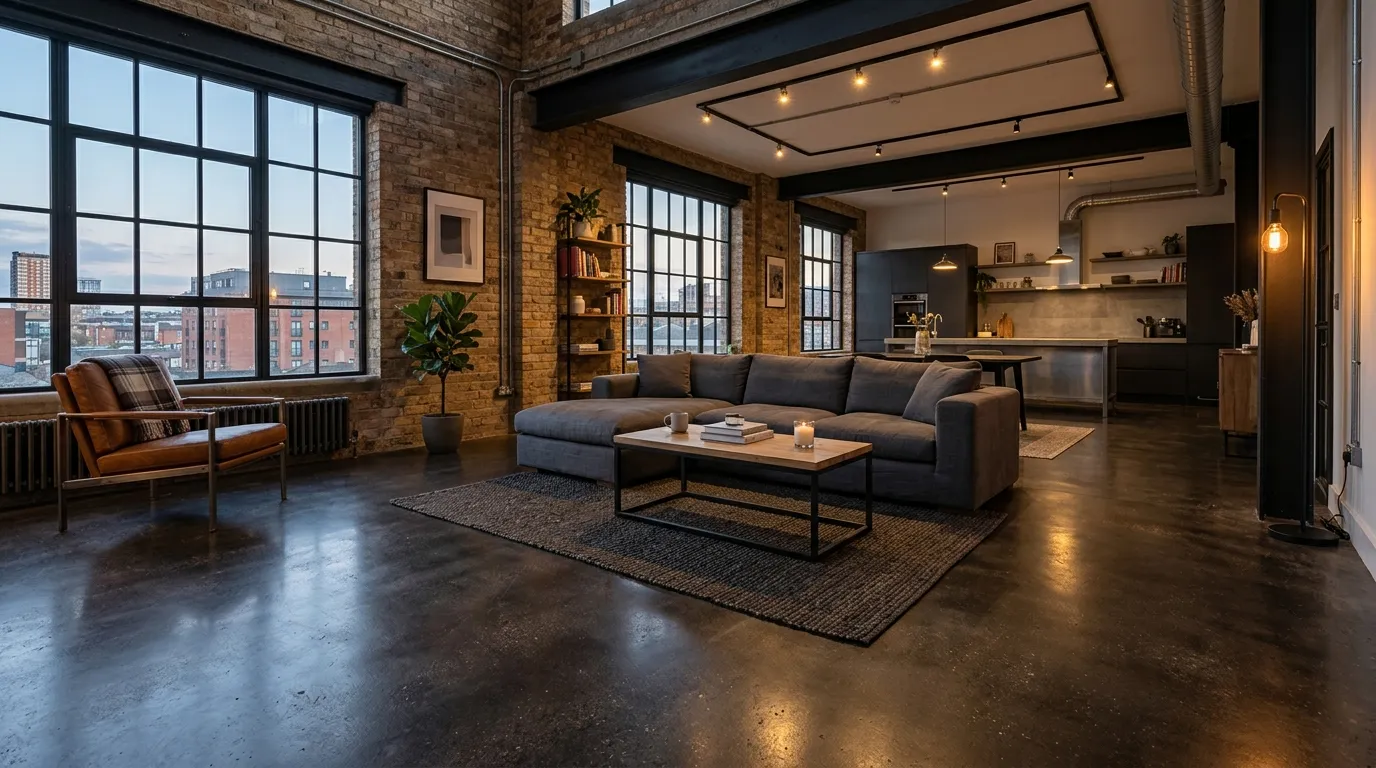
Dark concrete flooring sets a strong foundation that instantly anchors the entire room. It feels raw, modern, and effortlessly industrial without needing extra layers or finishes. I’ve noticed this works especially well in open spaces where continuity matters, as the flooring flows cleanly from one area to another. The subtle reflection adds depth without making the space feel polished or overly sleek, which keeps the aesthetic grounded and authentic.
What makes this choice practical is its balance between style and durability. It handles heavy furniture and daily use without losing its appeal, making it ideal for real homes. The darker tone also helps hide minor wear, which is something many homeowners appreciate over time. When paired with warm lighting and textured decor, the result feels balanced and inviting rather than cold or unfinished.
5. Vintage Leather Seating
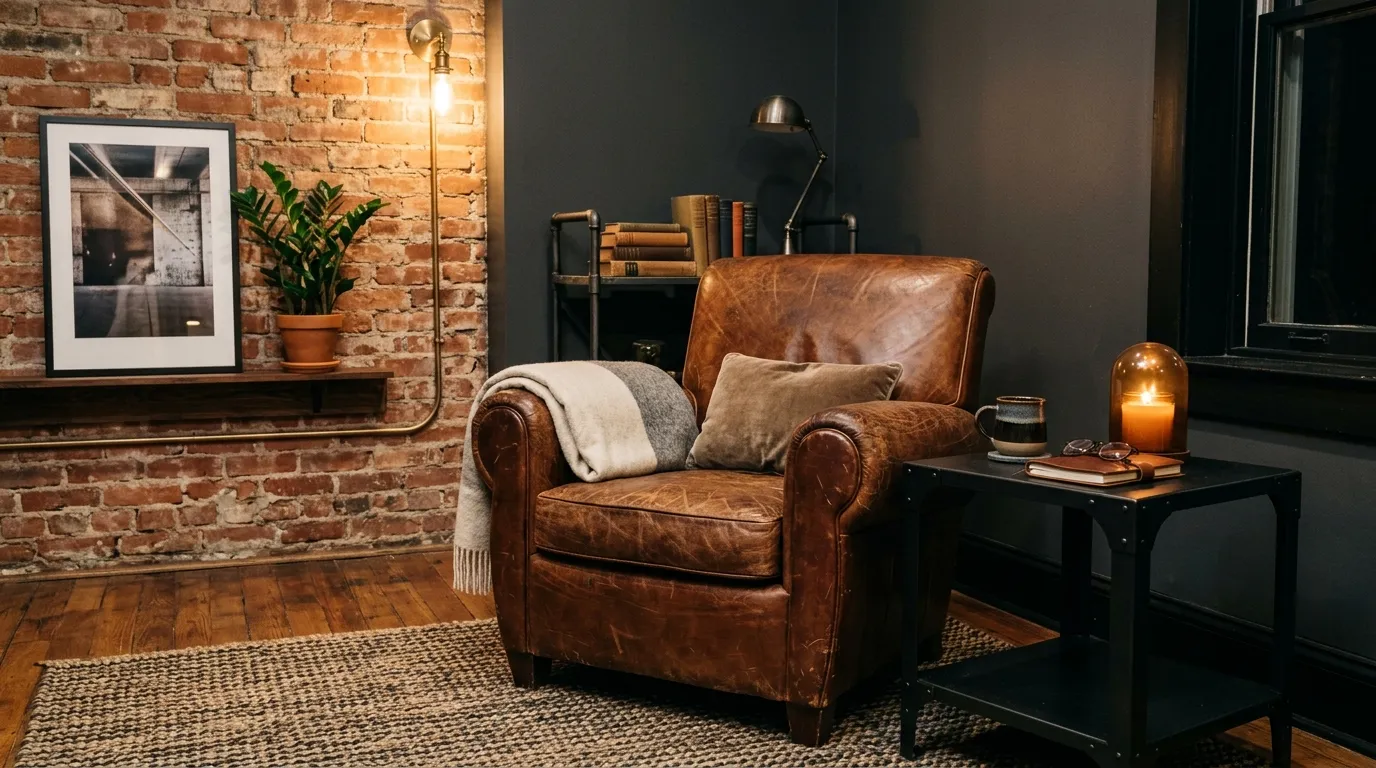
Vintage leather seating brings an unmatched sense of warmth into darker spaces, making everything feel more livable and comfortable. The natural texture and worn-in look create depth that newer materials often lack. In my experience, a single leather chair or sofa can completely shift the mood of a room, making it feel less rigid and more welcoming without losing its bold style.
Another reason this works so well is its ability to age beautifully. Over time, the leather develops a patina that adds even more character and uniqueness. This makes it a long-term investment rather than a temporary trend. When combined with darker tones and industrial finishes, the contrast feels intentional and layered, helping the space feel curated instead of overly designed.
6. Industrial Pendant Lighting
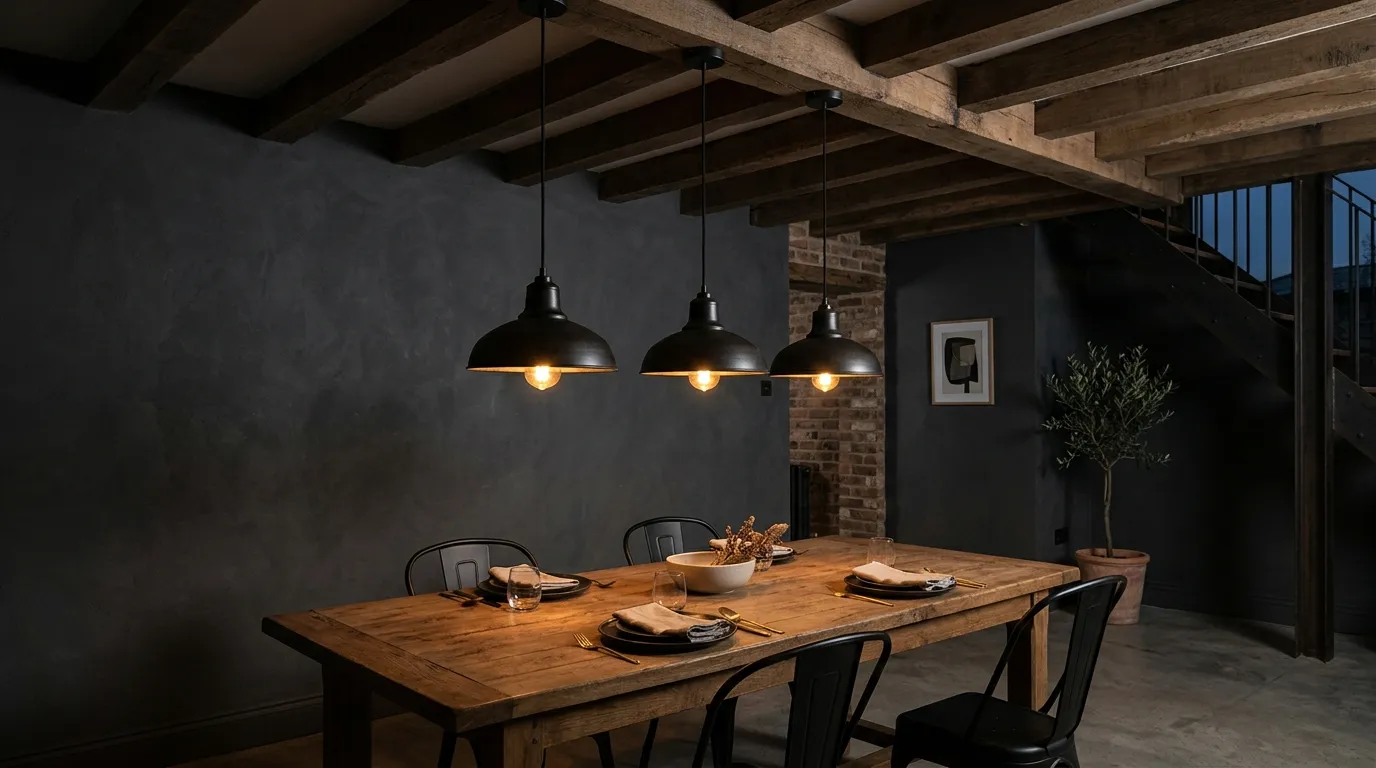
Lighting is where a space truly comes to life, and industrial pendant fixtures do this with both function and style. They create focused pools of light that make areas feel intentional and defined. I’ve seen this work especially well over dining tables or kitchen islands, where the lighting not only improves visibility but also adds a strong visual anchor.
What makes these fixtures stand out is their ability to enhance the overall atmosphere. The combination of metal finishes and warm bulbs creates a soft glow that contrasts beautifully with darker surroundings. This balance prevents the room from feeling too heavy or dim. It’s a simple upgrade that can dramatically improve both the look and usability of the space.
7. Reclaimed Wood Accents
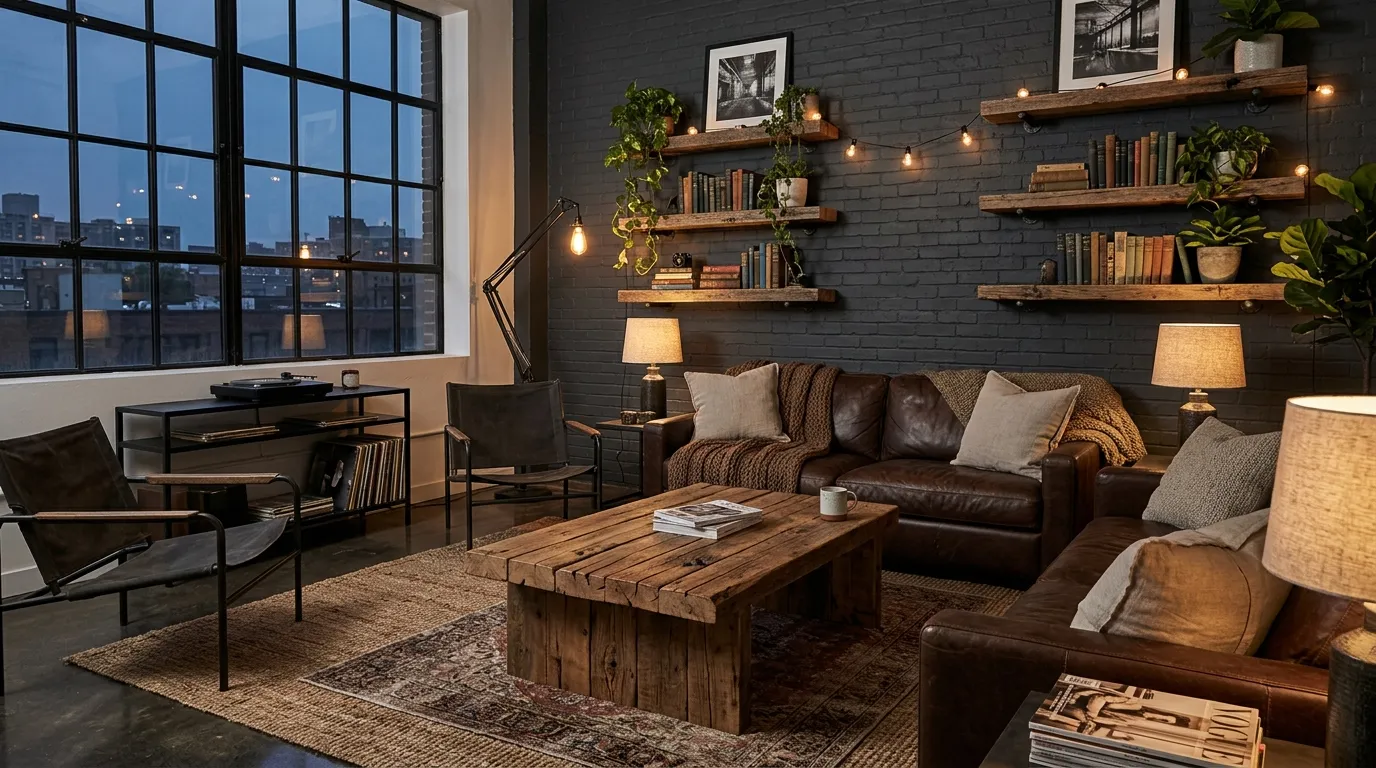
Reclaimed wood has a way of making any space feel grounded and real, especially when paired with darker tones. The natural imperfections, grain patterns, and aged finish add depth that new materials often lack. I’ve noticed that even small touches, like a shelf or table, can make a room feel more balanced and less rigid without overpowering the overall style.
What makes this approach effective is how it introduces contrast without breaking the mood. The warmth of the wood offsets the cooler industrial elements, creating a space that feels both bold and comfortable. This balance is key in keeping the design from feeling too harsh while still maintaining a strong, cohesive aesthetic throughout the room.
8. Black Metal Shelving
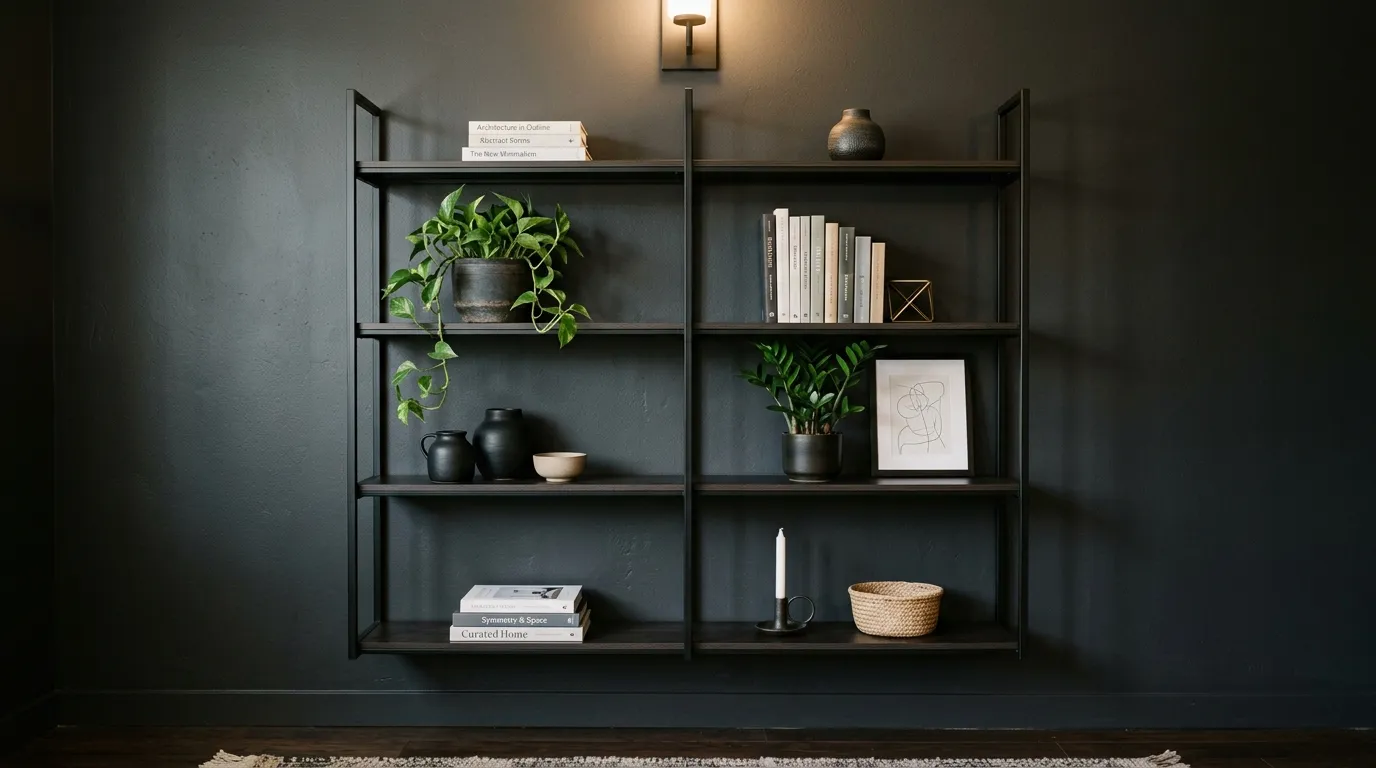
Black metal shelving is one of the easiest ways to add both function and style without overwhelming the space. The open design keeps everything feeling light, even against darker walls. I’ve seen this work particularly well in smaller rooms where bulky furniture can make the area feel crowded or heavy.
The real advantage is how it frames whatever you place on it. Books, plants, or simple decor pieces instantly stand out against the dark structure. This makes styling easier and more intentional. Instead of filling the space with too many items, the shelving itself becomes part of the design, helping maintain a clean and organized look.
9. Concrete Feature Walls
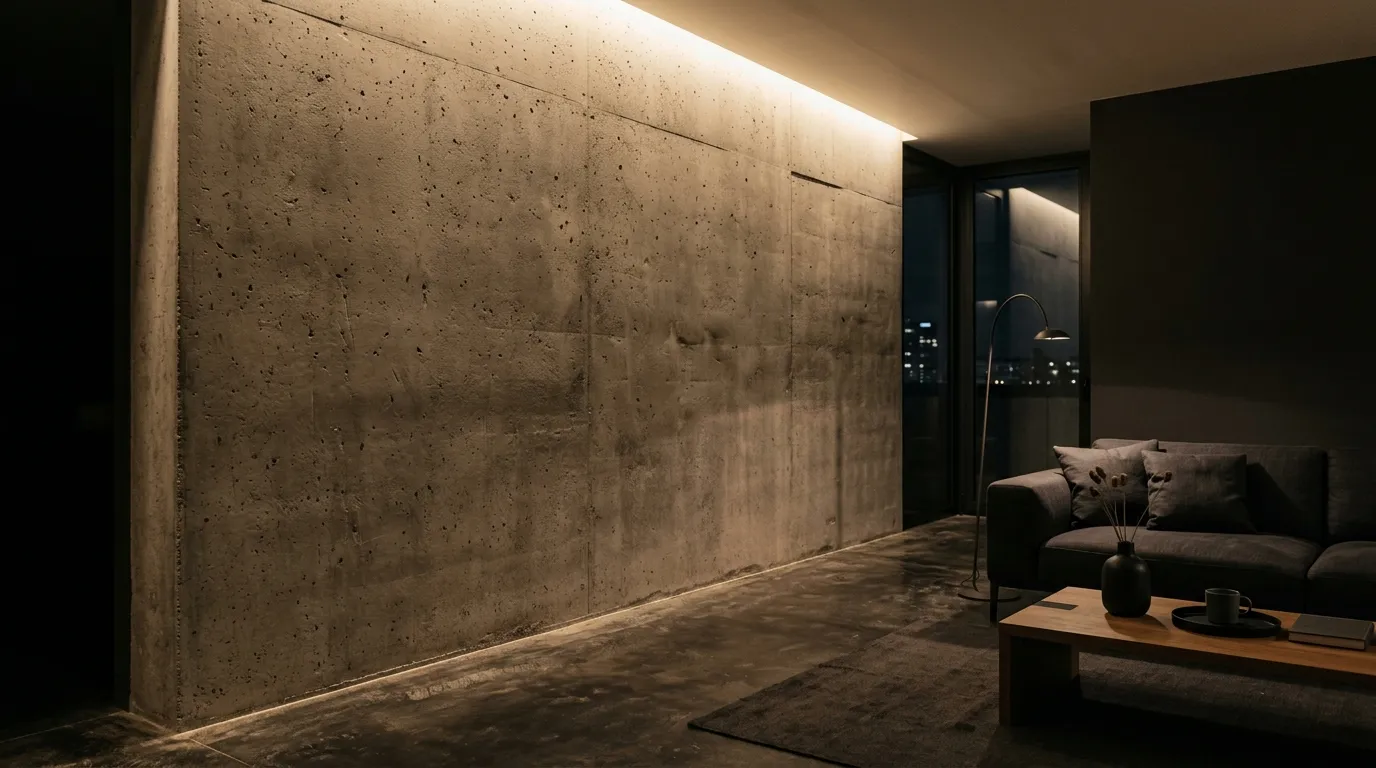
Concrete feature walls bring a raw, understated power to any room, making them perfect for creating a bold focal point. The subtle texture adds interest without needing additional decoration, which keeps the space feeling clean and intentional. I’ve noticed that even a single concrete wall can completely transform how a room feels, especially when paired with darker tones.
What makes this idea stand out is its versatility. It works just as well in living rooms as it does in bedrooms or offices. The neutral tone allows other elements to shine while still holding its own visually. When combined with warm lighting, the surface comes alive, creating depth and shadow that enhance the overall atmosphere without adding clutter.
10. Charcoal Velvet Sofa
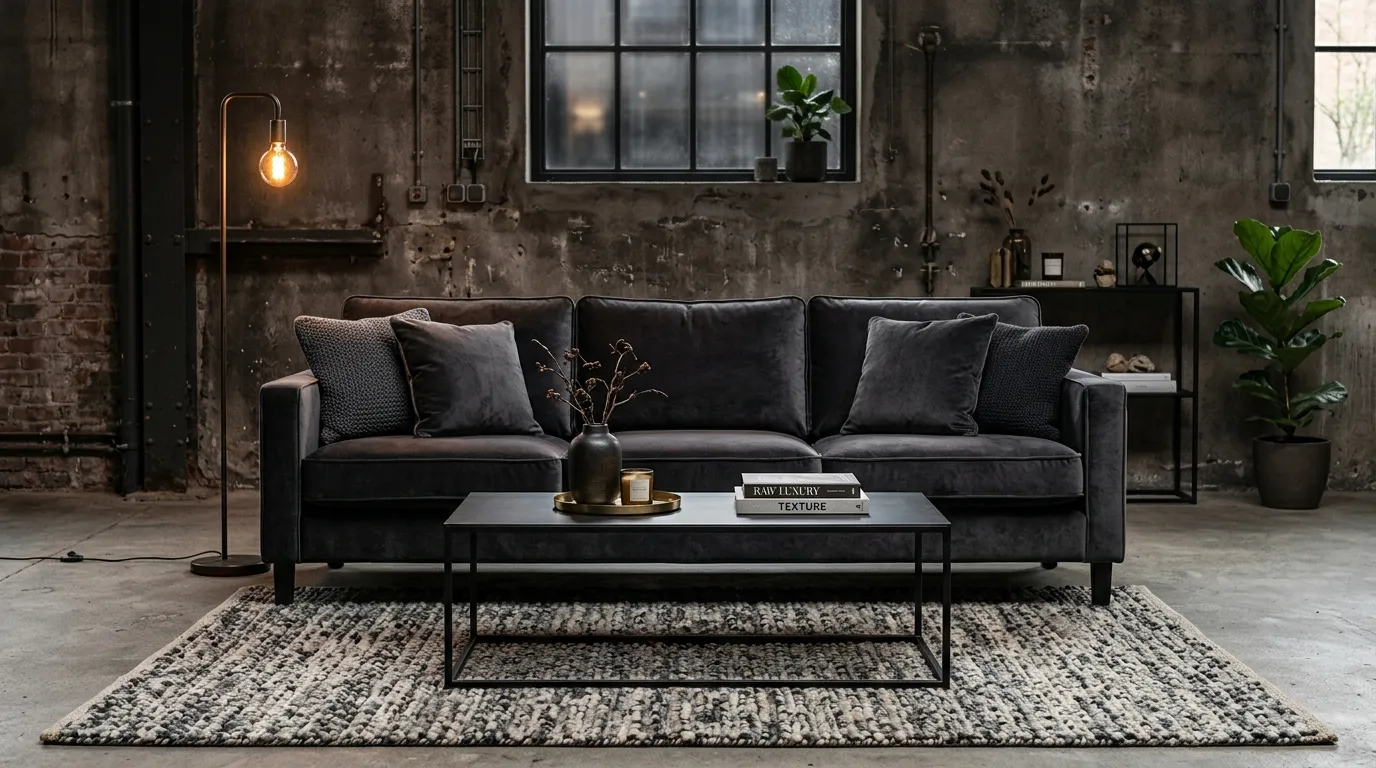
A charcoal velvet sofa instantly softens the look of a darker interior while keeping the overall tone bold and refined. The plush texture absorbs light in a way that adds depth and dimension, making the space feel more layered. I’ve noticed this works especially well in rooms that feel too rigid, as the fabric introduces a sense of comfort without disrupting the design direction.
What makes this piece so effective is its ability to balance style and practicality. It feels inviting and lived-in while still maintaining a strong visual presence. When paired with industrial elements like metal or concrete, the contrast becomes more noticeable and intentional. This combination helps create a space that feels both edgy and comfortable at the same time.
11. Edison Bulb Fixtures
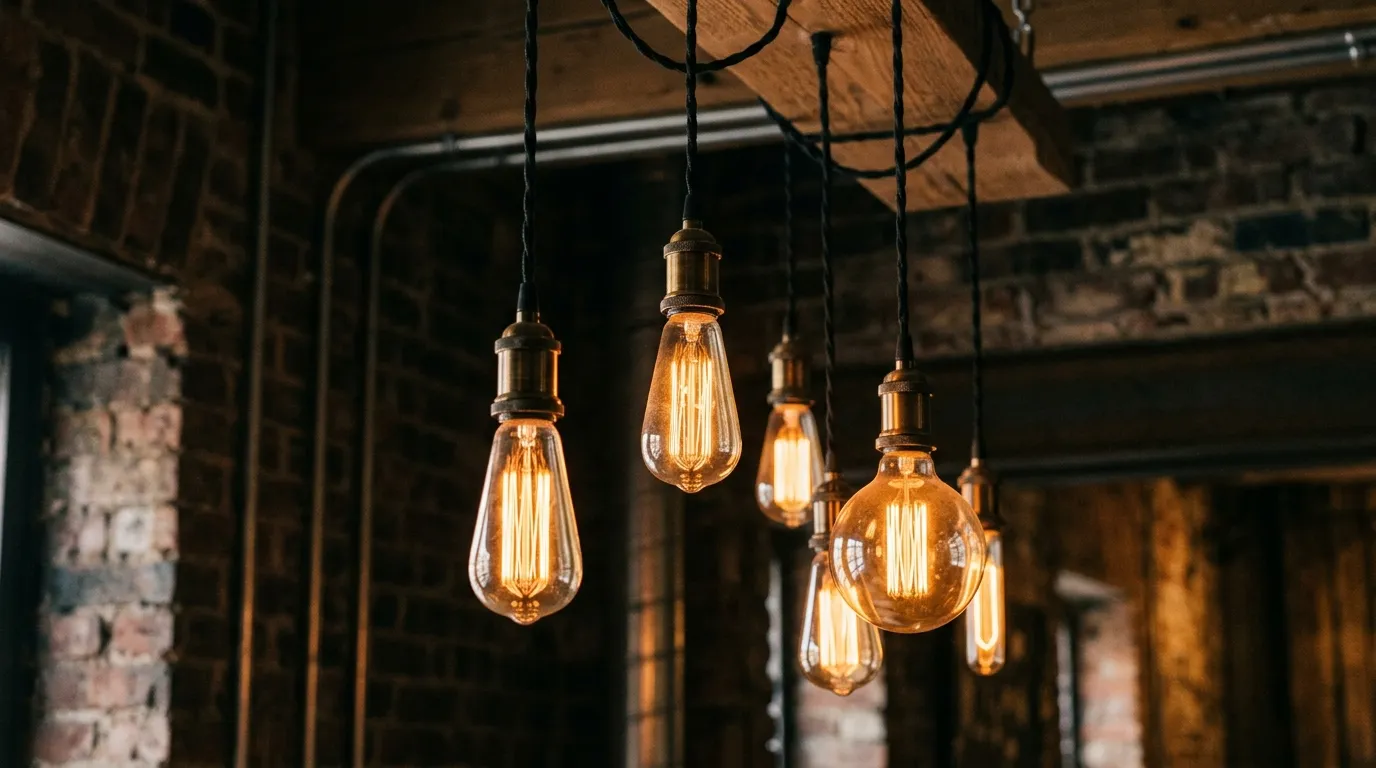
Lighting can completely shift the mood of a room, and Edison bulbs do this in a simple yet powerful way. Their warm glow cuts through darker tones, making the space feel inviting rather than heavy. I’ve seen this work particularly well in areas where softer lighting is needed, such as living rooms or bedrooms, where comfort matters just as much as style.
The exposed filament design also adds a subtle decorative element without needing extra fixtures or shades. This keeps the look clean and consistent with industrial design principles. When grouped together or used as a focal point, these bulbs create a layered lighting effect that enhances the overall atmosphere while staying visually minimal.
12. Metal and Wood Contrast
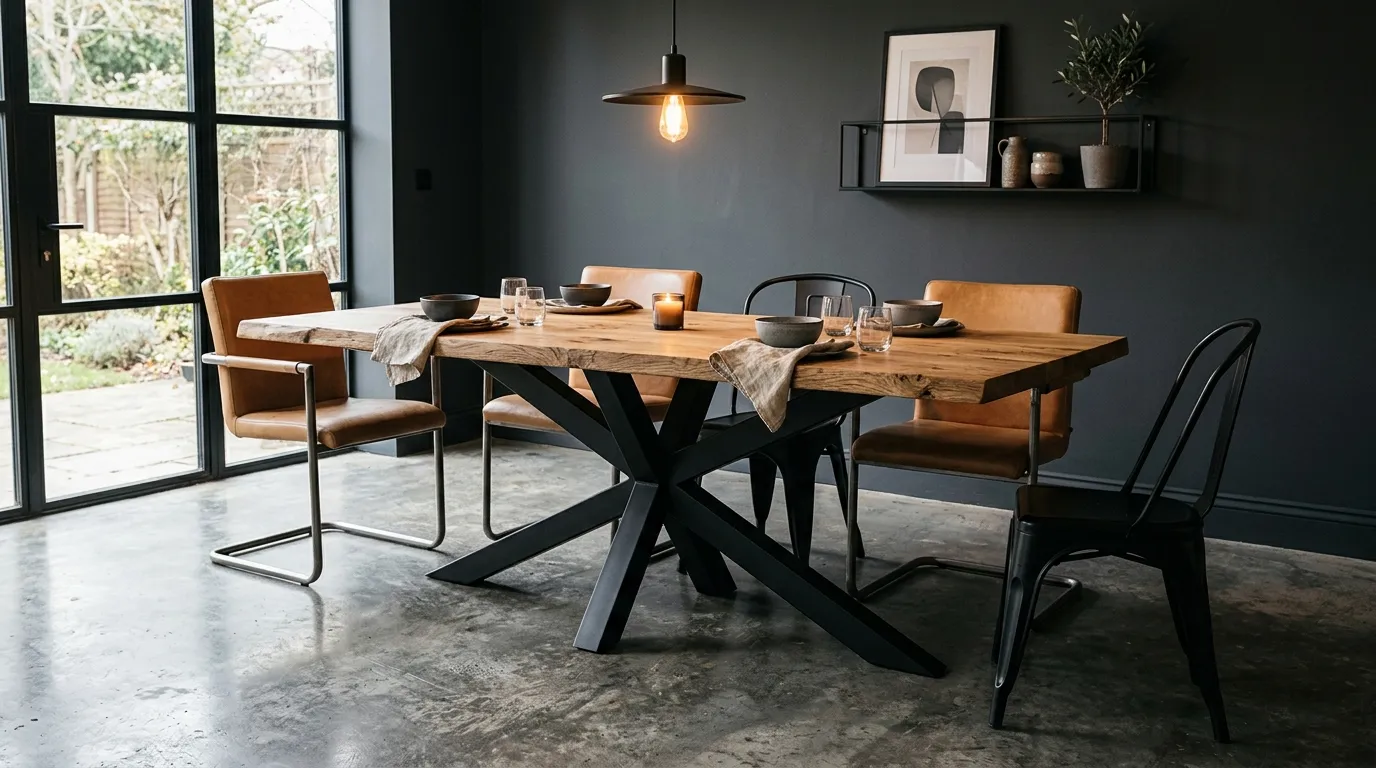
Combining metal and wood is one of the most effective ways to create balance in a darker interior. The cool, structured feel of metal contrasts beautifully with the warmth and organic nature of wood. In my experience, this combination makes a space feel more complete, as it blends strength with comfort in a natural way.
What makes this approach stand out is its versatility across different areas of the home. From dining tables to shelving units, this pairing works almost anywhere. It allows you to maintain a strong industrial look while still keeping the space approachable and livable. The result is a design that feels intentional, layered, and easy to maintain over time.
13. Dark Gallery Wall
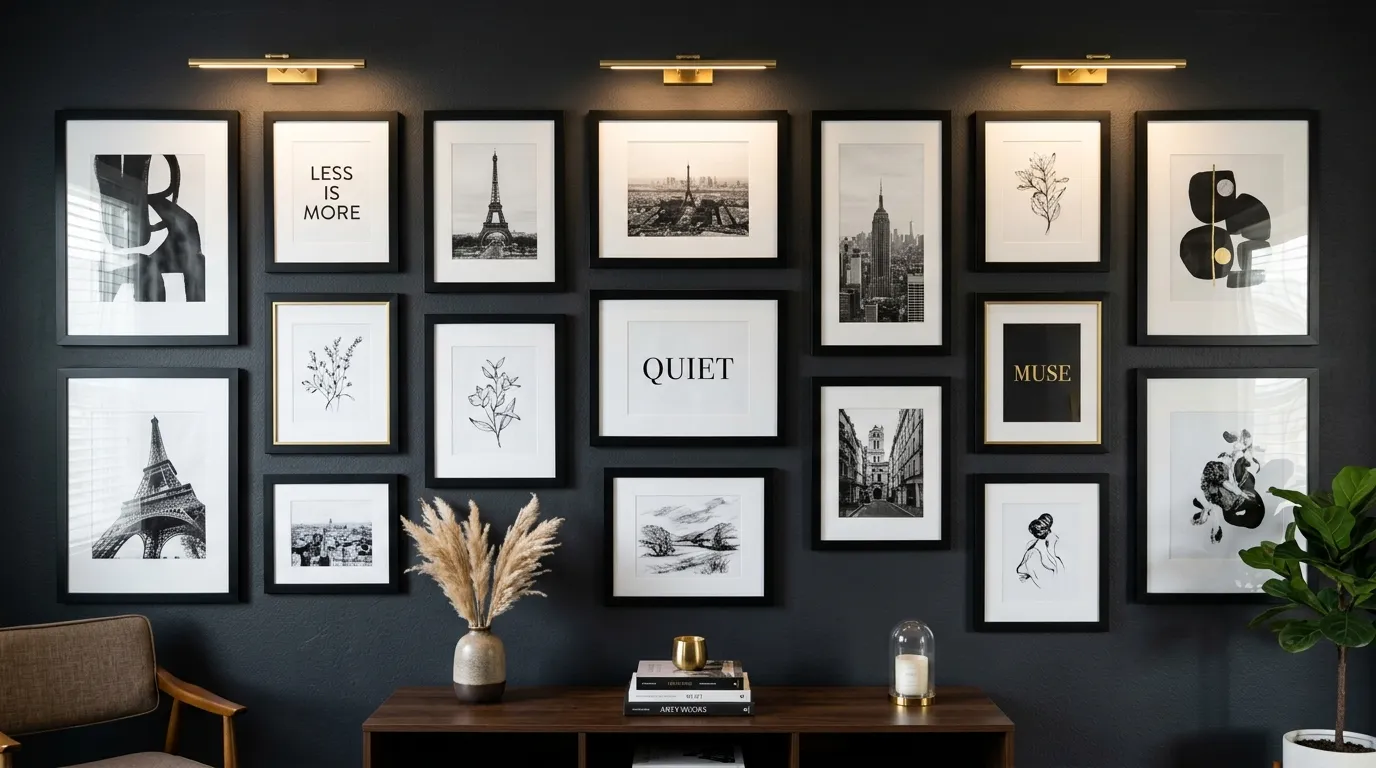
A dark gallery wall can instantly elevate a room by adding personality while keeping the overall look cohesive. The key is using consistent frames and a limited color palette so the arrangement feels curated rather than chaotic. I’ve noticed that black frames on darker walls create a subtle, layered effect that draws attention without overwhelming the space.
What makes this idea effective is its flexibility. You can update artwork over time without changing the entire setup, keeping the space fresh. It also allows you to reflect personal style while maintaining a strong design direction. When paired with warm lighting, the artwork stands out just enough, creating a balanced and visually engaging feature.
14. Industrial Pipe Shelves
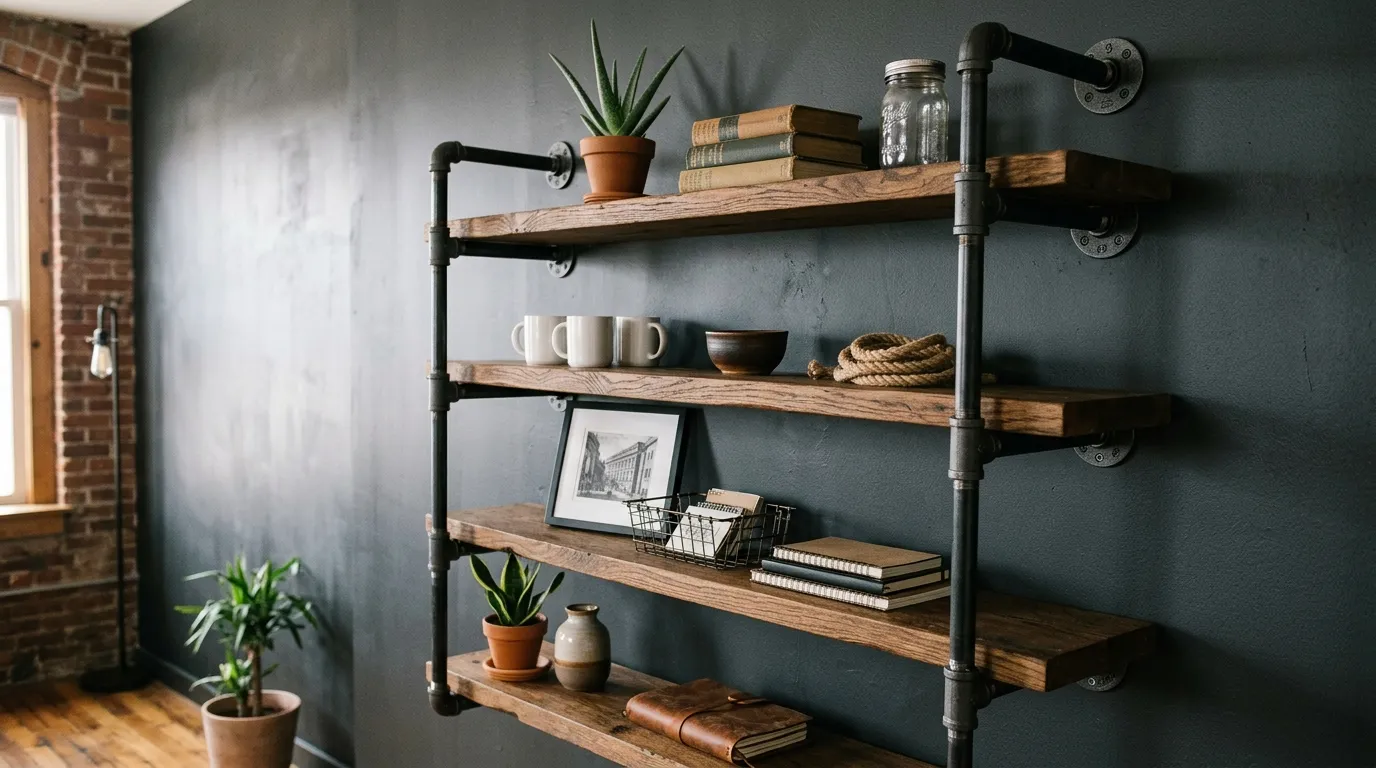
Industrial pipe shelves bring a raw, mechanical feel that perfectly complements darker interiors. The exposed hardware becomes part of the design, making the shelves both functional and visually striking. I’ve seen this work especially well in spaces that need extra storage without sacrificing style or openness.
The combination of metal pipes and wooden planks creates a balanced look that feels sturdy and authentic. It also allows for easy customization, whether you want a small unit or a full wall setup. This flexibility makes it a practical choice for real homes, where both design and function matter equally.
15. Low Ambient Lighting
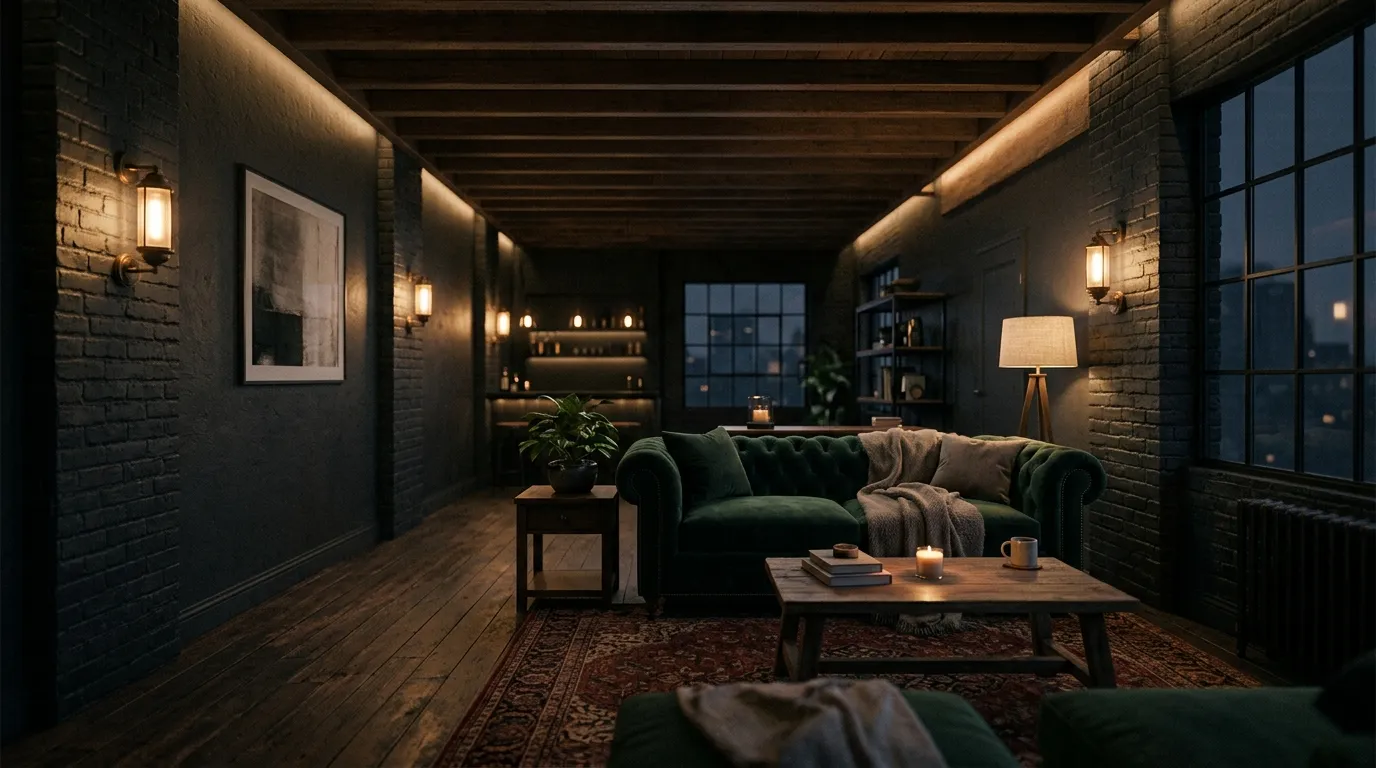
Lighting sets the tone for the entire room, and low ambient lighting creates a calm, immersive atmosphere that feels intentional and relaxing. Instead of relying on bright overhead lights, softer sources spread warmth evenly across the space. I’ve noticed that this approach makes darker interiors feel more comfortable and less overwhelming.
What makes this technique so effective is how it enhances depth and texture. Shadows become softer, and materials like wood, metal, and fabric appear richer. This layered lighting approach helps maintain the bold aesthetic while ensuring the space remains functional and inviting. It’s a simple shift that can completely transform how a room feels.
16. Black Ceiling Design
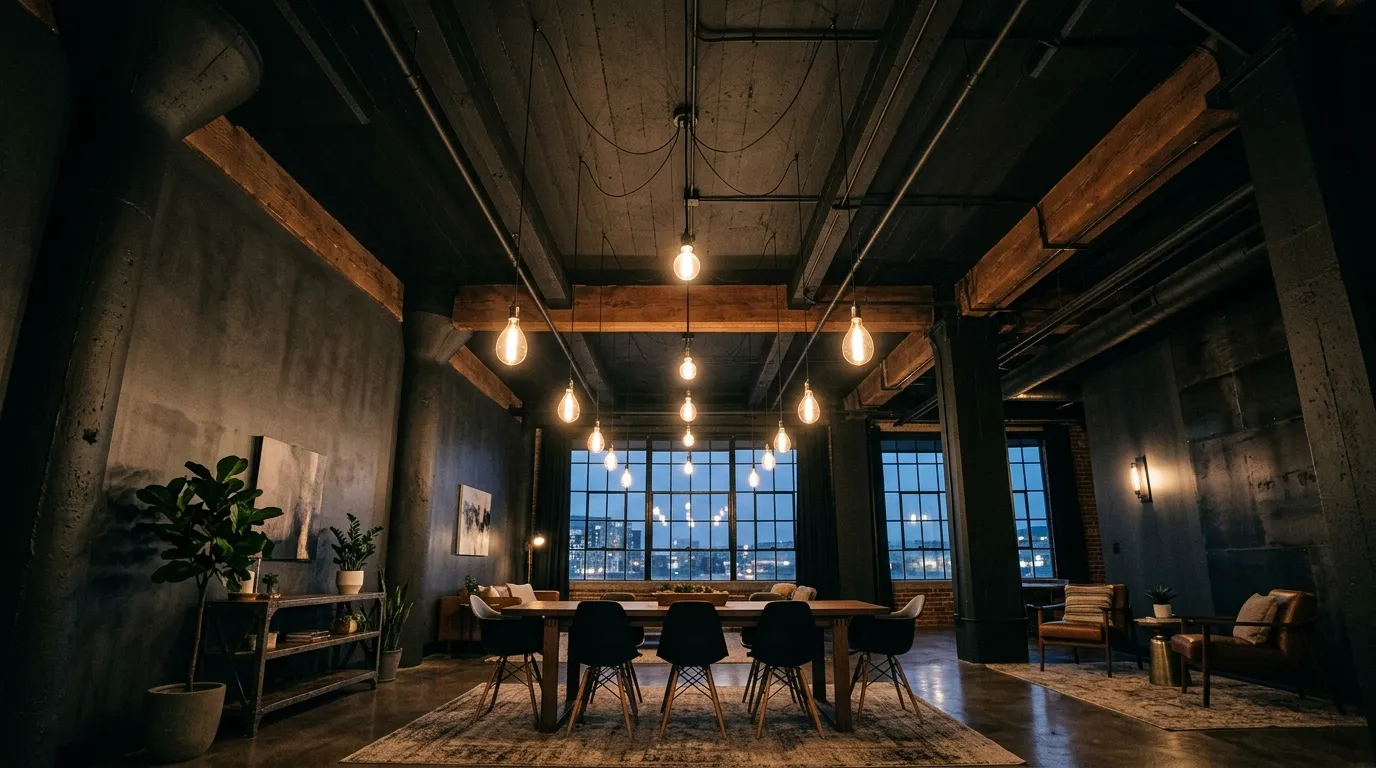
A black ceiling is an unexpected detail that instantly adds depth and a sense of enclosure in a good way. It draws the eye upward while making the space feel more cohesive from top to bottom. I’ve noticed that in rooms with exposed beams or fixtures, this approach actually makes everything look more intentional rather than unfinished.
What makes this idea effective is how it interacts with lighting. Pendant lights and fixtures stand out more clearly against a dark background, creating a layered visual effect. This works especially well in industrial interiors where ceiling elements are often exposed. The result is a bold yet balanced space that feels thoughtfully designed.
17. Minimalist Metal Bed Frame
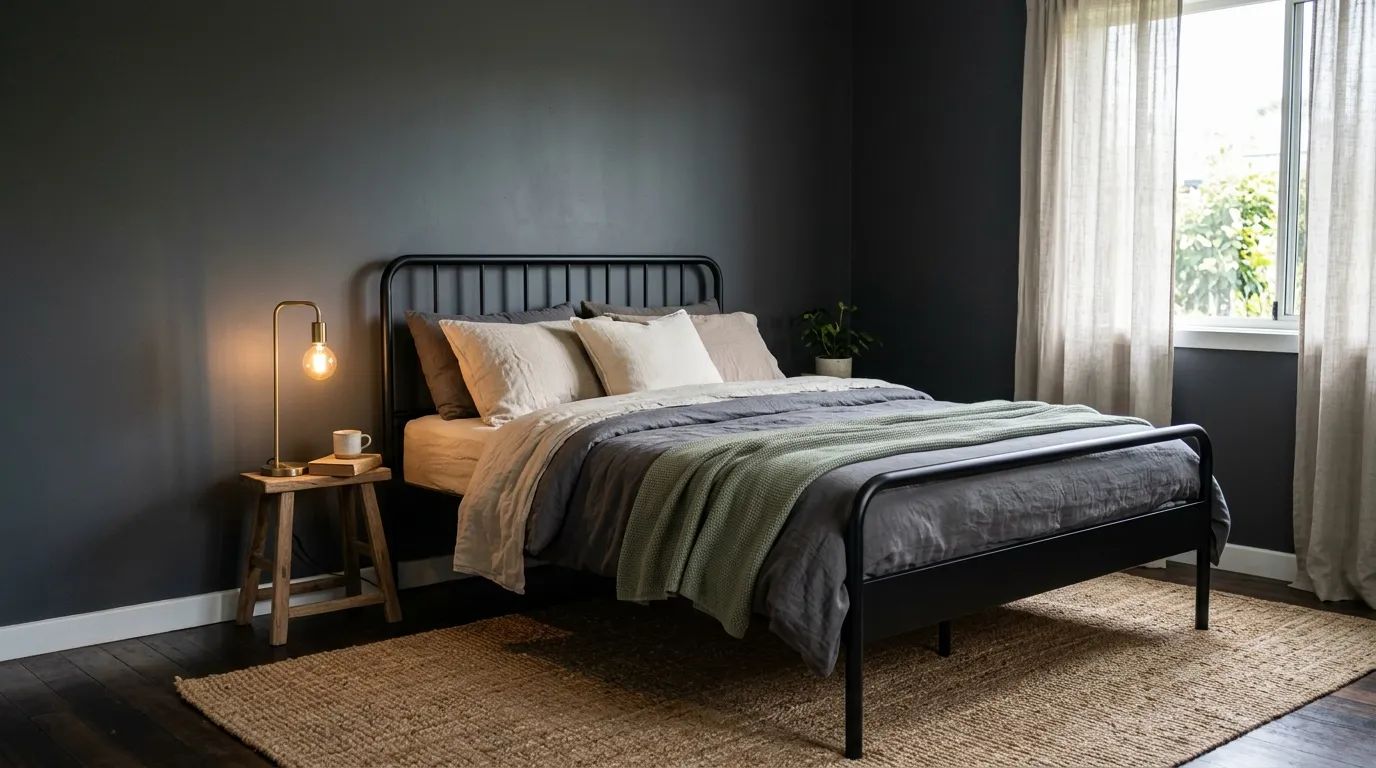
A minimalist metal bed frame is perfect for maintaining a clean and structured look without adding visual weight. The slim design keeps the space open, which is especially helpful in smaller bedrooms. I’ve seen this work well when paired with soft bedding, as it allows textures and layers to take center stage.
The simplicity of the frame also makes it versatile. It blends easily with darker tones while still contributing to the overall design. This balance helps create a bedroom that feels calm and cohesive rather than overly styled. It’s a practical choice that supports both comfort and aesthetic appeal.
18. Dark Textured Rugs
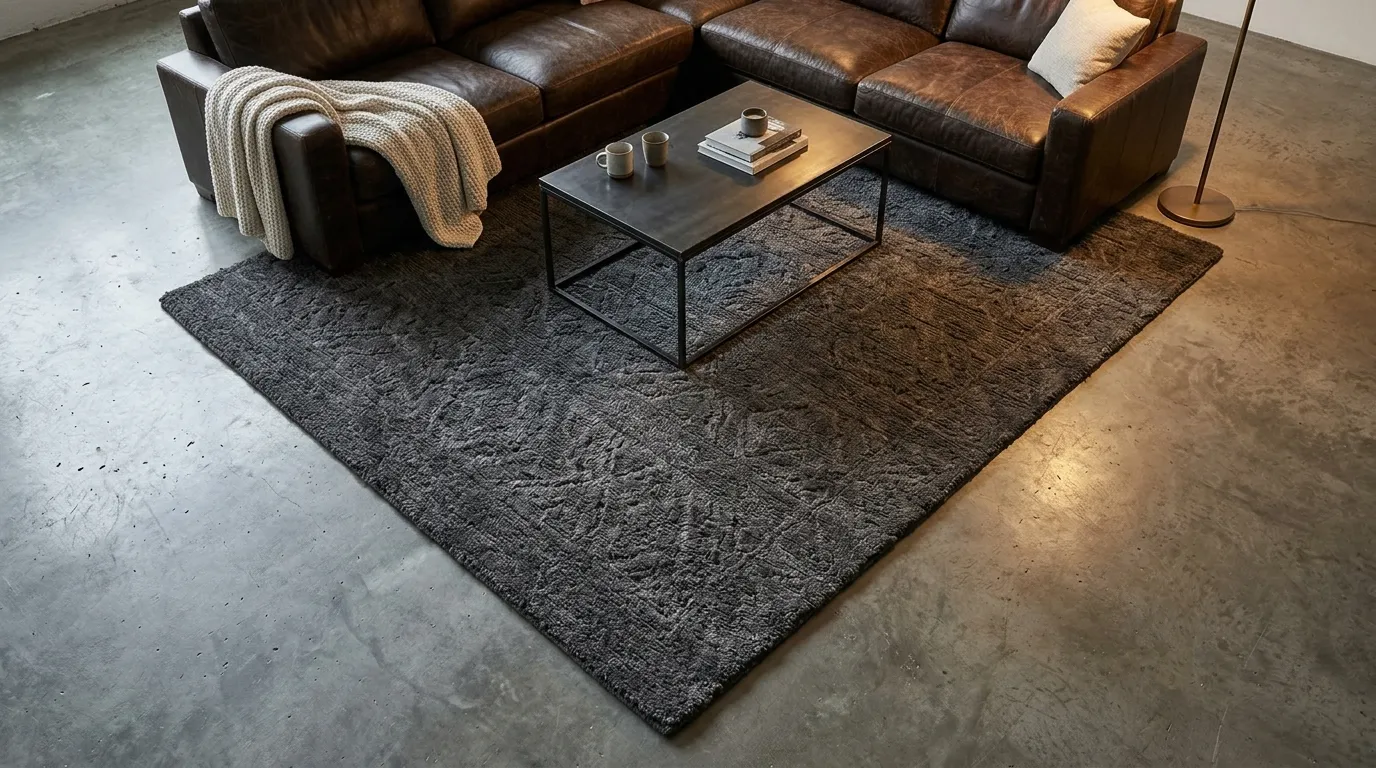
A dark textured rug can completely change how a space feels by adding comfort and visual warmth underfoot. It breaks up hard surfaces like concrete flooring, making the room feel more livable. I’ve noticed that even a subtle pattern can add depth without distracting from the overall design.
What makes this idea work so well is its ability to define areas within an open layout. It creates a sense of structure while still keeping the space cohesive. The added texture also enhances the richness of surrounding materials, making everything feel more layered and intentional without needing bold colors or excessive decor.
19. Smoked Glass Accents
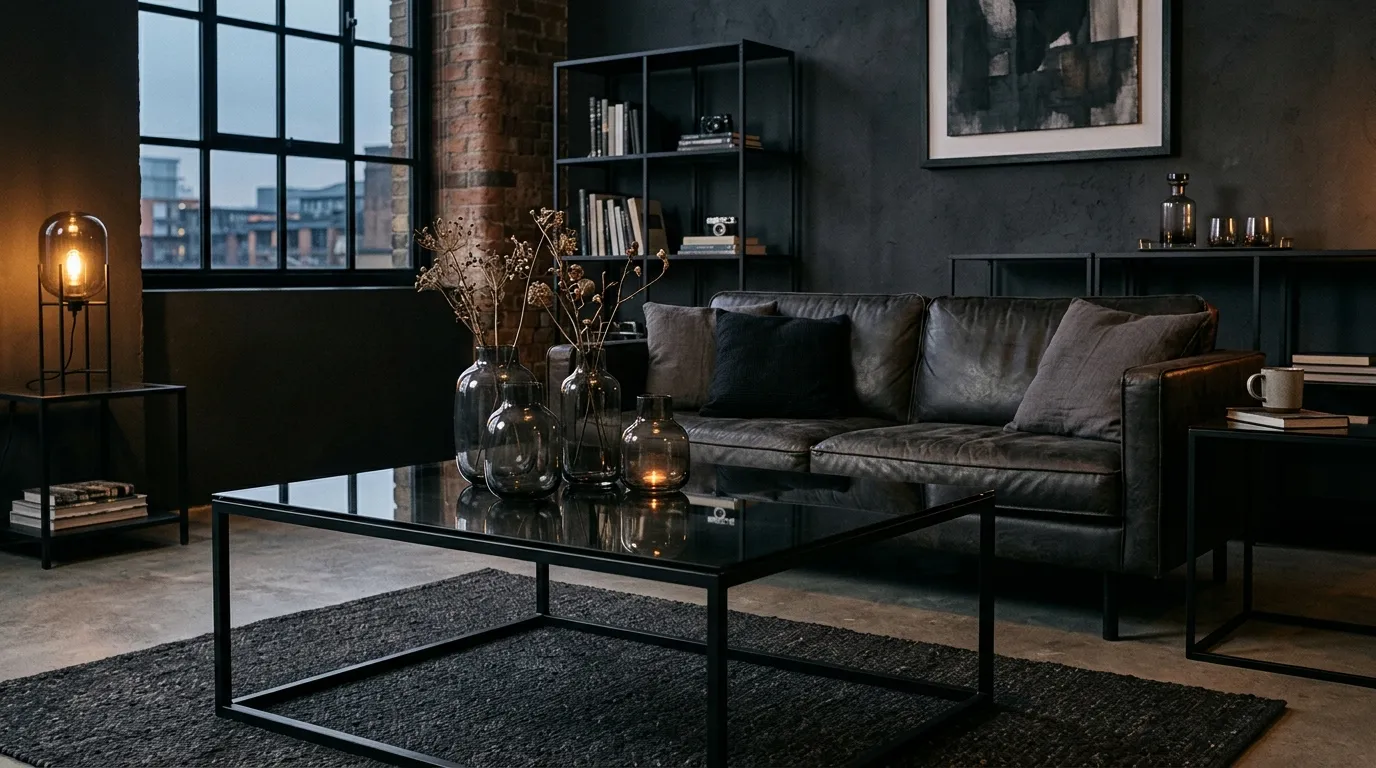
Smoked glass accents bring a refined edge to darker interiors without introducing brightness that feels out of place. The tinted transparency allows light to pass through while still maintaining a cohesive, moody look. I’ve noticed that even small pieces, like vases or tabletops, can make a space feel more layered and visually interesting.
What makes this idea stand out is its ability to reflect light in a controlled way. It adds dimension without overpowering the surrounding elements, which keeps the overall design balanced. When paired with darker tones and industrial finishes, the effect feels subtle yet impactful, enhancing the space without adding clutter.
20. Raw Wood Dining Table
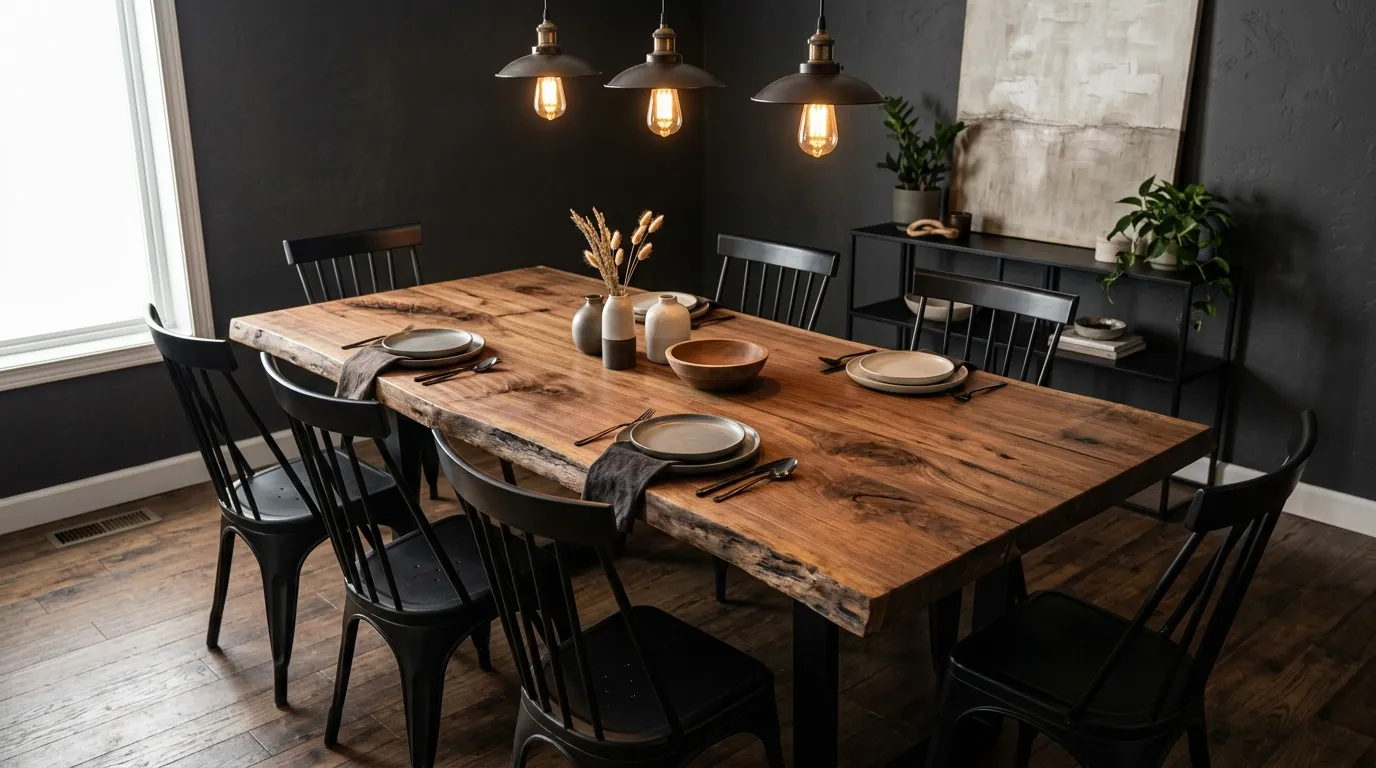
A raw wood dining table instantly becomes the heart of the room, adding warmth and character that balances darker surroundings. The natural grain and imperfections make each piece unique, which adds depth to the overall design. In my experience, this kind of table makes the space feel more inviting, encouraging people to gather and stay longer.
What makes it especially effective is how it contrasts with industrial elements like metal chairs or concrete floors. This combination creates a balanced look that feels both strong and welcoming. The table doesn’t need much styling to stand out, which makes it a practical and visually impactful choice for everyday living.
21. Black Kitchen Cabinets
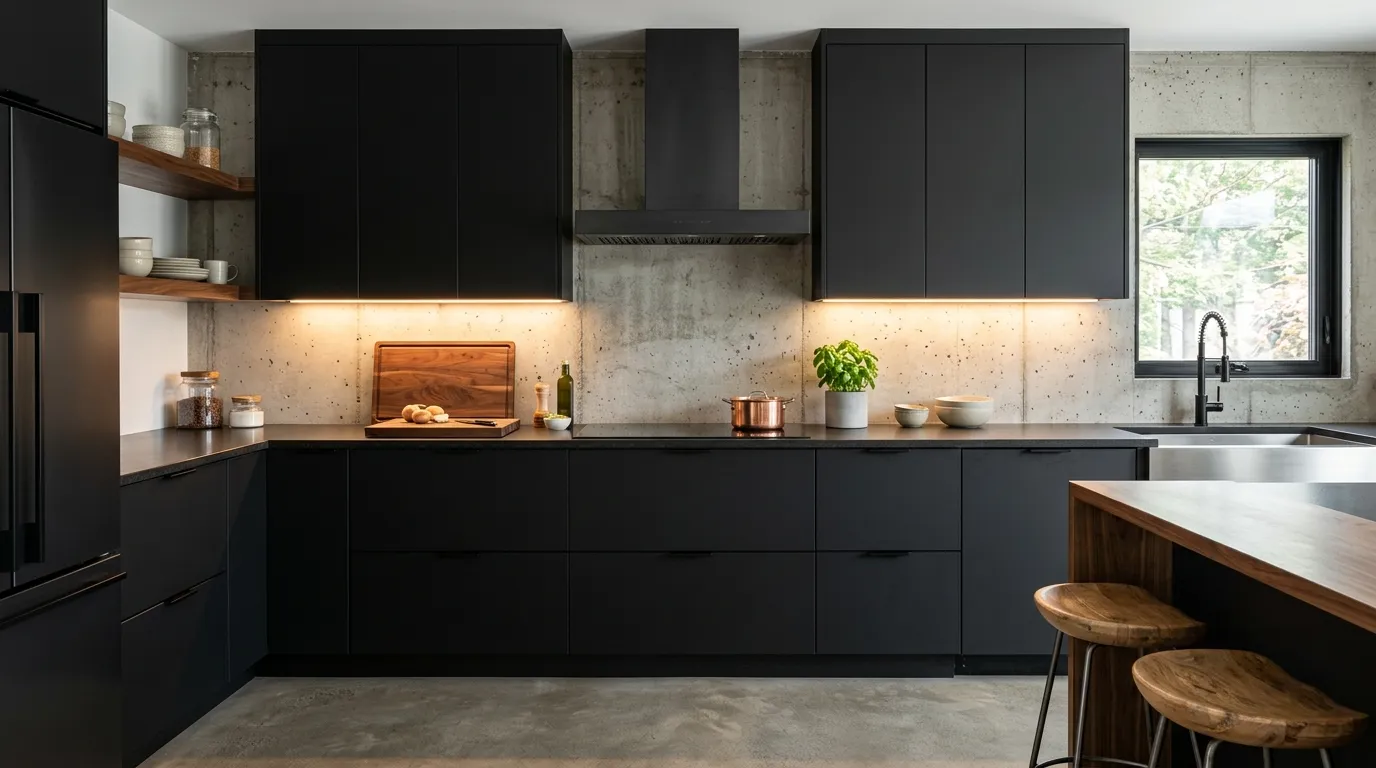
Black kitchen cabinets instantly give the space a bold and refined look that feels both modern and timeless. The darker tone helps create a clean, cohesive appearance, especially when paired with minimal hardware. I’ve noticed that this approach works well in both small and large kitchens when balanced with proper lighting.
What makes this idea practical is its durability in everyday use. Dark surfaces tend to hide minor marks and stains, making maintenance easier over time. When combined with warm lighting and natural accents, the result feels balanced and inviting rather than heavy. It’s a strong design choice that delivers both style and function.
22. Layered Industrial Textures
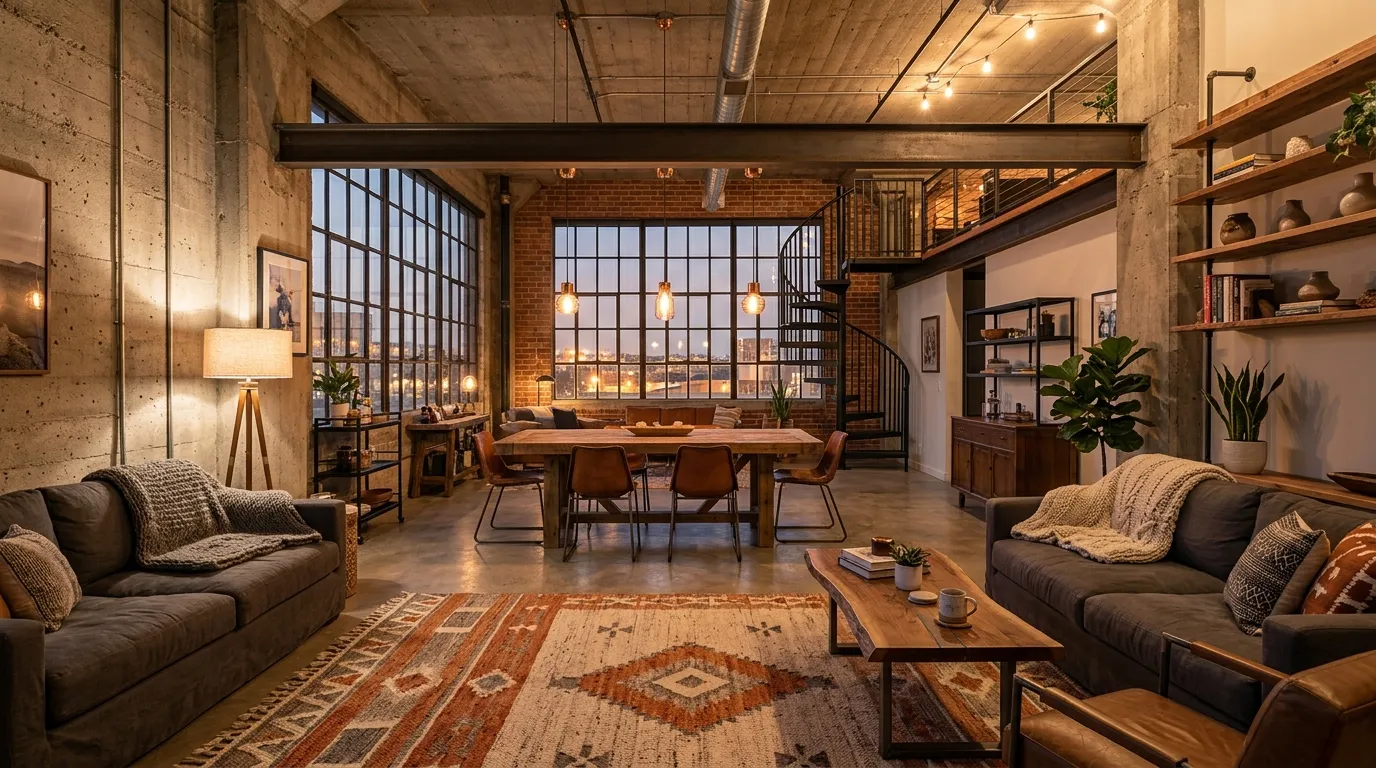
Layering different materials is what truly brings a space together and makes it feel complete. Combining concrete, metal, wood, and soft textiles creates a balanced environment that feels both bold and comfortable. I’ve seen this work well in many homes where a single material alone felt too flat or repetitive.
What makes this approach so effective is its flexibility. You can adjust the balance depending on your preference while still maintaining a cohesive look. This is where moody industrial decor really comes to life, as the mix of textures adds depth without overwhelming the space. The result is a room that feels intentional, dynamic, and easy to live in.
Conclusion
Creating a bold and inviting space doesn’t require a complete overhaul—small, intentional choices can make a powerful impact. These ideas show how moody industrial decor can transform ordinary rooms into spaces filled with depth, texture, and personality.
Start with one idea that stands out to you, whether it’s lighting, materials, or furniture, and build from there. I’ve seen how even a single change can shift the entire atmosphere of a room. Save this guide on Pinterest so you can revisit it anytime, try a few ideas in your own space, and share it with others who want to create something equally inspiring and unique.
FAQs
How do I make a room feel moody without making it too dark?
The key is layering. Use darker walls or furniture, but balance them with warm lighting, reflective surfaces, and lighter textures like rugs or wood. In my experience, adding multiple light sources instead of one overhead light makes a huge difference in keeping the space inviting.
Can this style work in small spaces?
Yes, absolutely. Smaller spaces can actually benefit from darker tones when styled correctly. Use mirrors, good lighting, and minimal furniture to avoid a cramped feeling. I’ve seen small rooms look more intentional and cozy rather than crowded when this style is applied thoughtfully.
What colors work best for this design style?
Deep tones like black, charcoal, dark gray, and rich browns work best. These are often paired with warm wood tones and metallic finishes. The contrast between these elements is what creates that bold yet balanced look.
How do I keep the space from feeling cold or uninviting?
Add warmth through textures and lighting. Soft fabrics, rugs, leather, and warm-toned bulbs help balance the harder materials. That’s why many designers recommend mixing soft and raw elements to create a comfortable and welcoming environment.
What type of lighting works best?
Warm, low ambient lighting works best for this style. Edison bulbs, wall sconces, and pendant lights help create a soft glow that enhances the mood. Avoid harsh white lighting, as it can take away from the cozy atmosphere.
Can I mix this style with other design styles?
Yes, it blends well with modern, rustic, and even minimal styles. The key is to keep a consistent color palette and material balance. I’ve noticed that mixing styles carefully can make the space feel more unique and personalized.
Where should I start if I’m a beginner?
Start with one focal point, like a dark wall, a leather sofa, or new lighting. Then build around it slowly. This makes the process less overwhelming and helps you understand what works best in your space over time.
Is this style suitable for every room?
Yes, it can work in living rooms, bedrooms, kitchens, and even bathrooms. The approach may vary slightly, but the core elements—dark tones, raw materials, and layered lighting—can be adapted to fit any space effectively.