Introduction
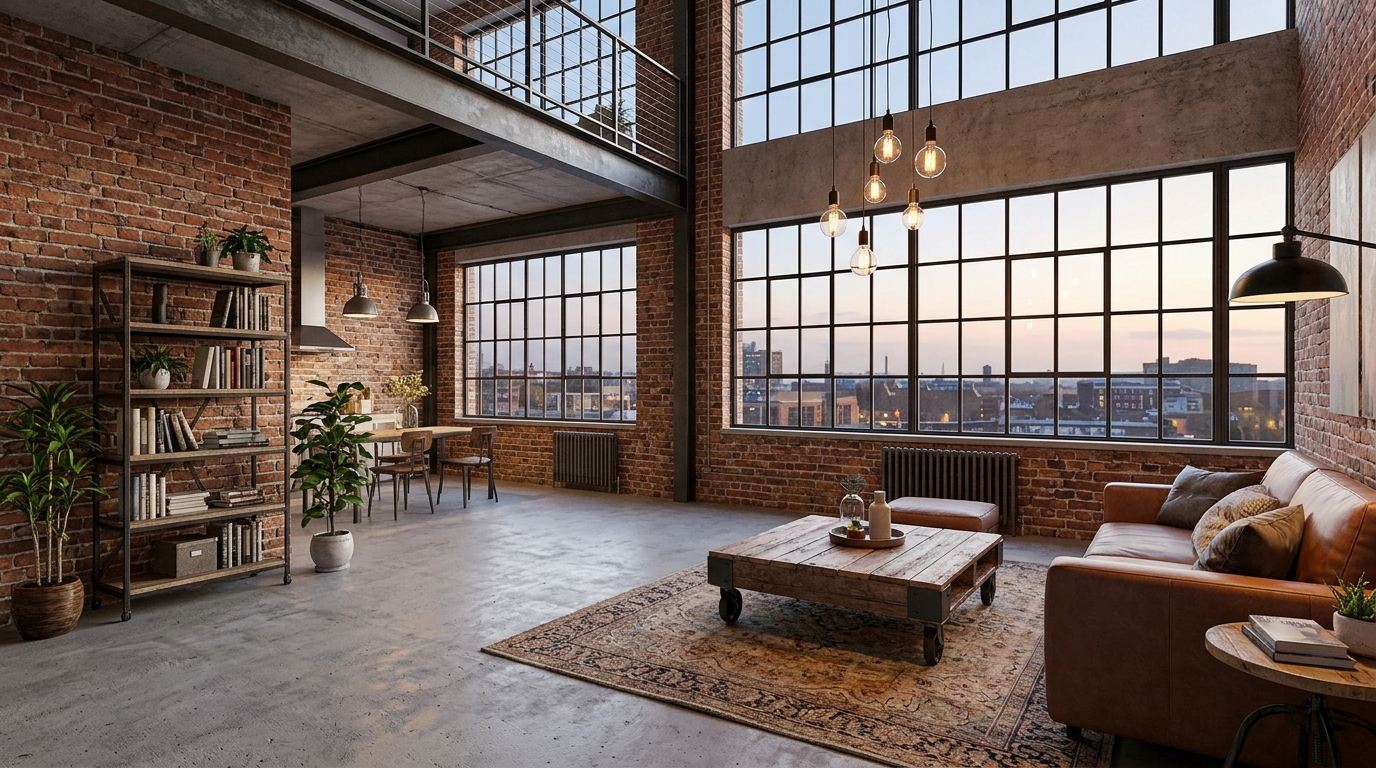
Want a space that feels bold, modern, and effortlessly cool? Industrial living is the perfect way to turn ordinary rooms into stylish, character-filled spaces without overcomplicating your design.
If your home feels flat, cluttered, or lacking personality, these ideas will help you create a clean yet warm environment using simple upgrades. This article shares 22 practical, visually inspiring ideas that bring structure, texture, and balance into your space while still keeping it comfortable for everyday living.
In my experience, even small changes like lighting, materials, or layout can completely shift how a room feels. I’ve seen many people benefit from mixing raw elements with soft touches to create a space that feels both modern and livable. These ideas are designed to be easy to apply, highly visual, and perfect for saving on Pinterest while also giving you real, usable inspiration.
1. Exposed Brick Walls
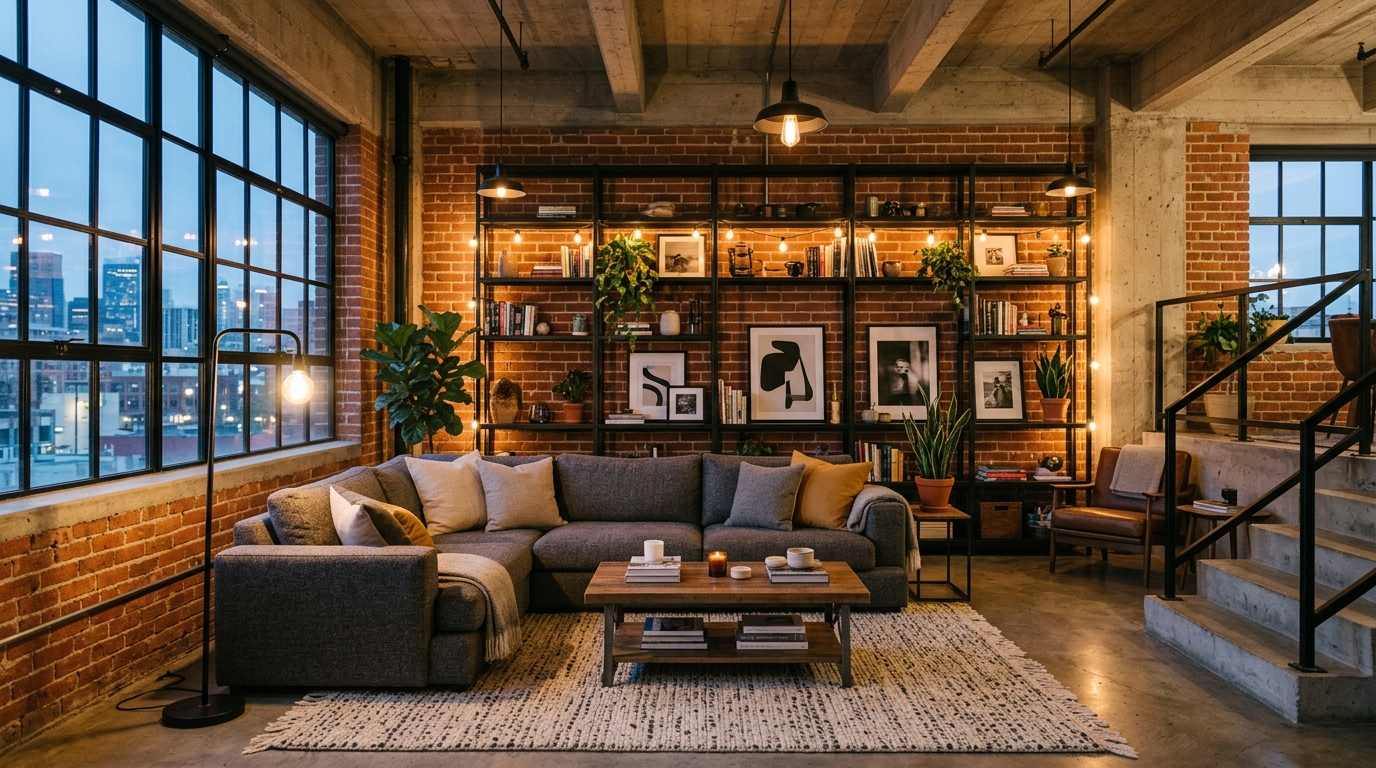
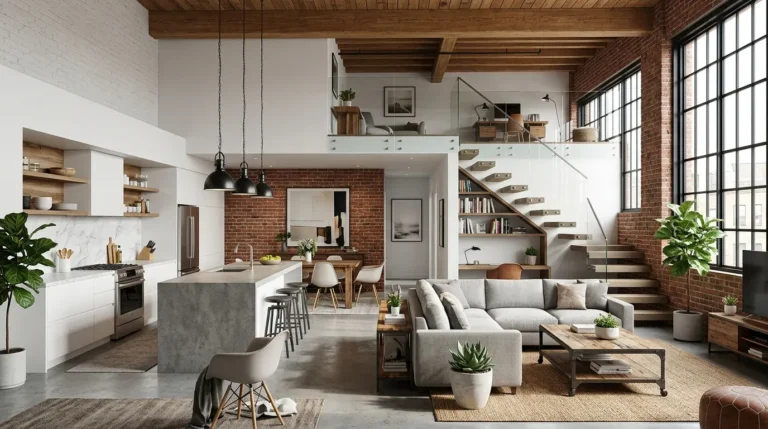
This design instantly creates character the moment you walk into the room. Exposed brick has a naturally imperfect texture that feels authentic and grounded, which is exactly why it works so well in industrial living spaces. Instead of relying on heavy decoration, the wall itself becomes the visual highlight. In my experience, even a single brick accent wall can completely shift the mood of a plain room into something stylish and intentional without adding clutter.
It also balances the coldness of metal and concrete elements often used in this style. The warmth of the brick tones softens the overall look, making the space feel inviting rather than harsh. I’ve noticed that pairing brick walls with soft textiles like rugs or cushions creates a perfect contrast. This idea works especially well in apartments or small homes where you want maximum impact with minimal changes, giving your space a bold yet livable transformation.
2. Black Metal Frames
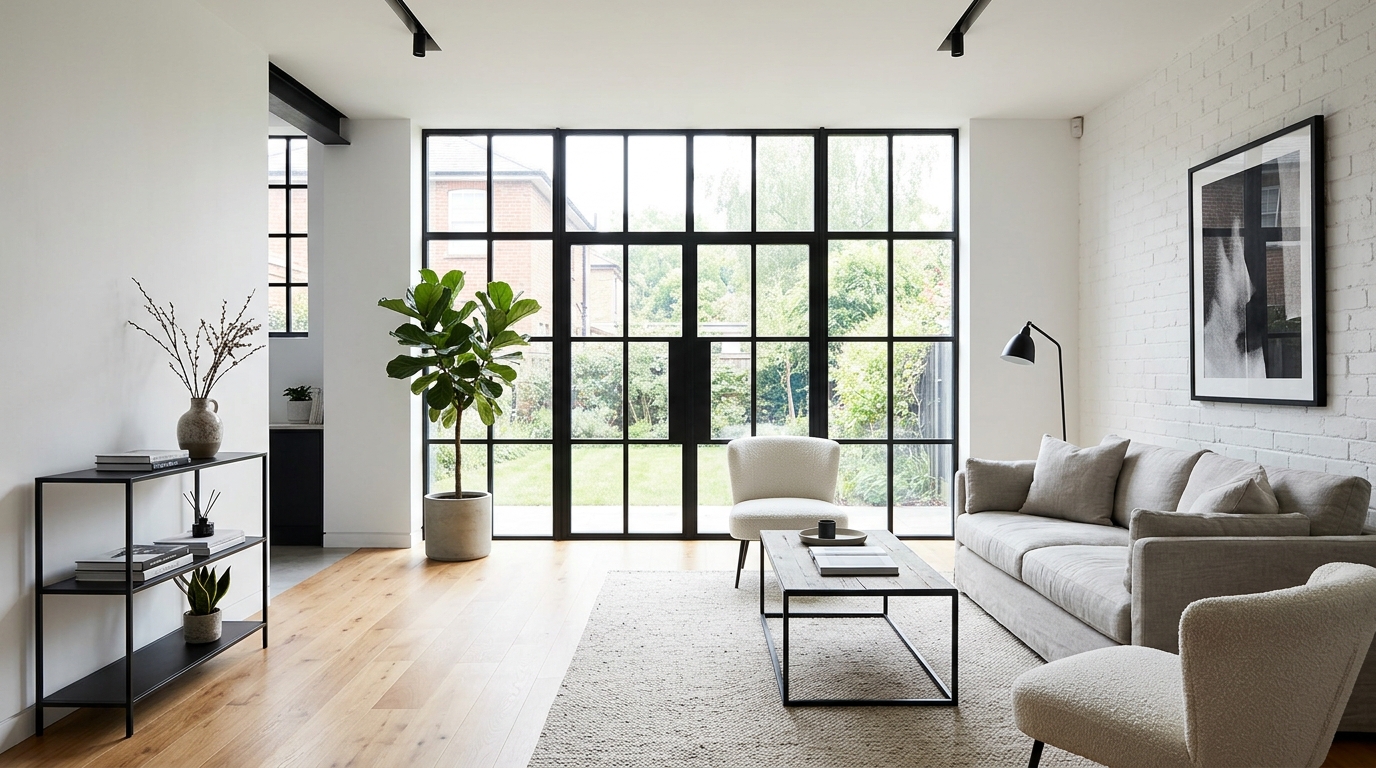
Strong lines can completely reshape how a room feels, and black metal frames do exactly that. Whether used in windows, shelving, or room dividers, they create a clean, structured look that feels both modern and timeless. This approach is a key element in industrial living because it emphasizes simplicity and function without sacrificing style. I’ve seen this work especially well in open spaces where subtle separation is needed without blocking light.
Another advantage is how easily these frames blend with other materials. They pair beautifully with wood, soft fabrics, and even glass, creating a balanced mix of textures. That’s why many designers recommend using metal frames to add definition without overcrowding the room. Even small additions like a framed mirror or shelving unit can make a noticeable difference, helping the space feel more cohesive, polished, and thoughtfully designed.
3. Concrete Flooring
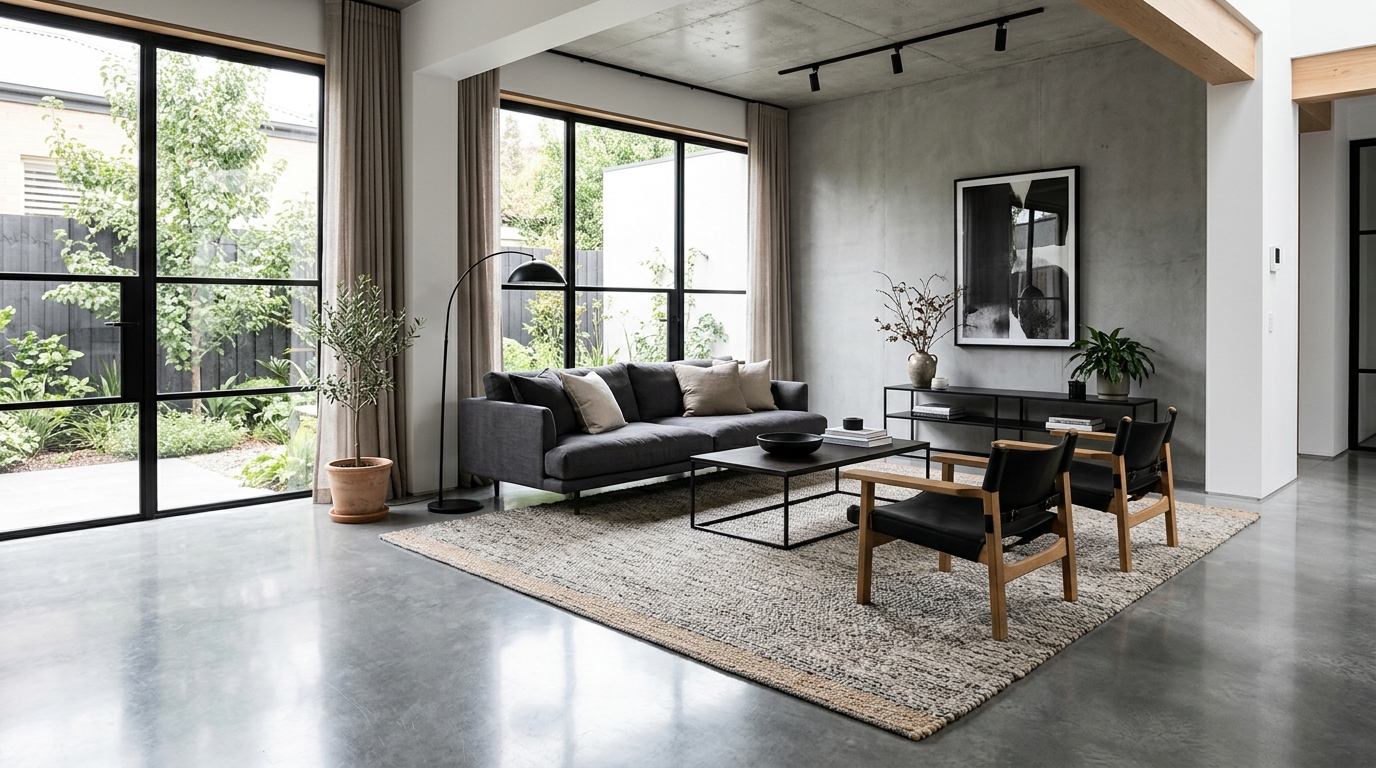
This flooring choice brings a clean, grounded feel that instantly modernizes any room. Concrete surfaces are smooth yet subtly textured, which adds depth without overwhelming the space. In industrial living design, flooring plays a major role in setting the tone, and concrete does this effortlessly. I’ve noticed that it works particularly well in homes where simplicity and openness are priorities, creating a calm and uncluttered foundation.
What makes it even more effective is its versatility. It pairs beautifully with soft elements like rugs, cushions, and warm lighting, helping balance the harder surfaces. That’s why many homeowners choose it for both aesthetic and practical reasons. It’s durable, easy to clean, and long-lasting. With the right styling, concrete flooring doesn’t feel cold—it feels intentional, modern, and perfectly aligned with a clean, contemporary lifestyle.
4. Open Pipe Shelving
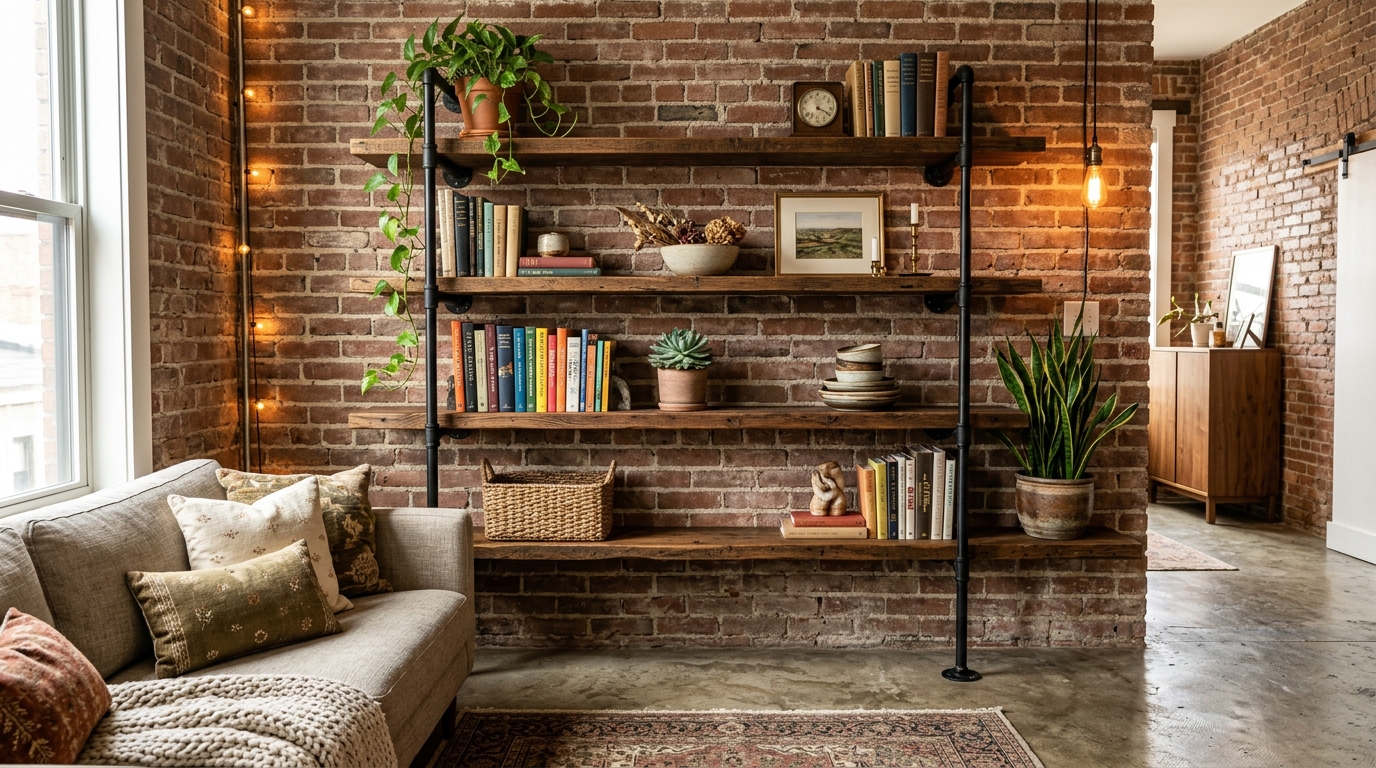
This shelving style brings a raw, handcrafted feel that instantly elevates a plain wall. The mix of wood and metal creates a strong visual contrast that feels both practical and stylish. In my experience, open shelving like this encourages intentional styling, so every item placed becomes part of the design. It’s a simple way to add personality without overwhelming the space with bulky furniture.
It also keeps the room feeling open and breathable, which is especially useful in smaller homes. Instead of heavy cabinets, these shelves provide storage while maintaining visual lightness. I’ve noticed that adding a mix of books, plants, and minimal decor creates a balanced look that feels lived-in but still organized. This idea works well when you want both function and style without sacrificing simplicity.
5. Leather Accent Seating
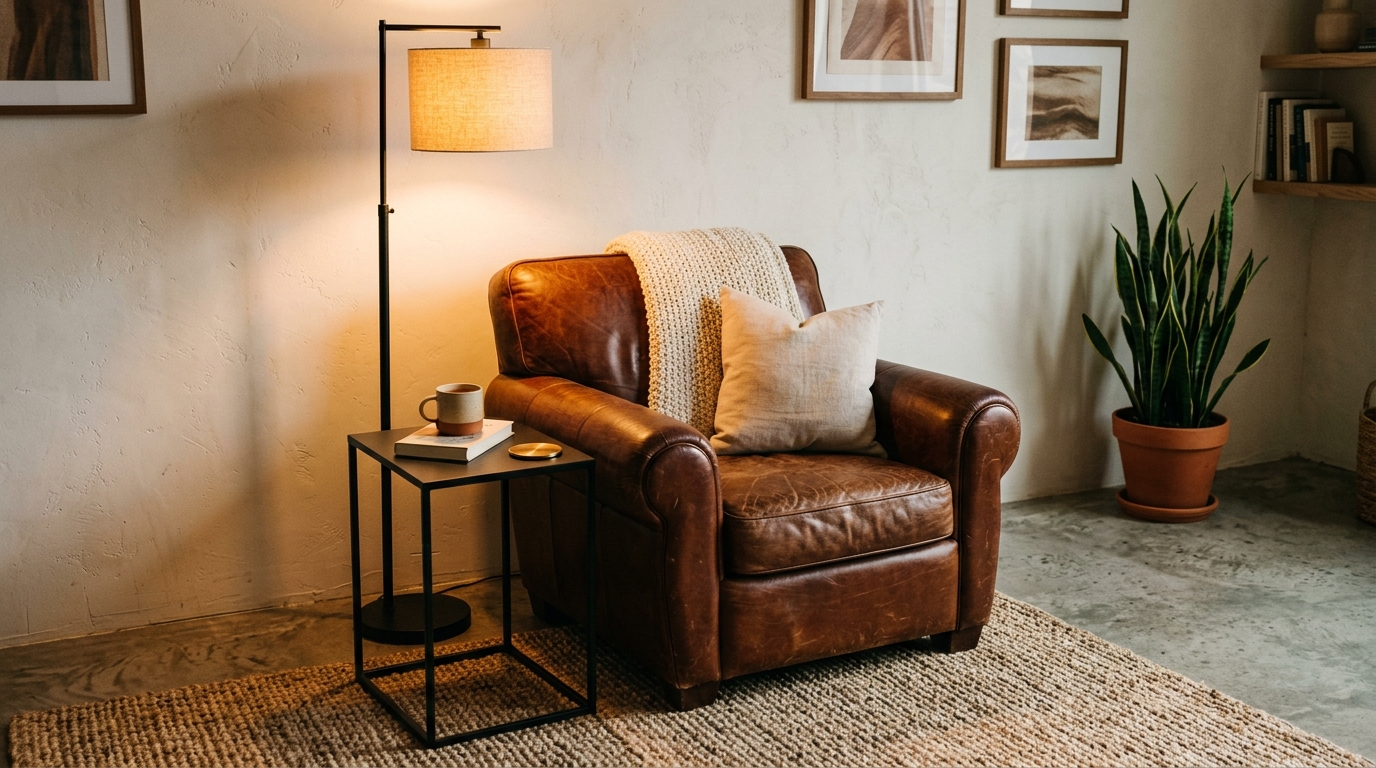
A single leather chair can completely change how a space feels. It introduces warmth and comfort while still staying true to a raw, minimal aesthetic. The natural texture of leather softens the harder elements like metal and concrete, making the room feel more balanced. I’ve seen this work especially well in living rooms that feel too cold or empty, adding just the right amount of richness.
Over time, leather develops a unique patina that adds even more character. That’s why many designers recommend investing in one quality piece rather than multiple cheaper items. It becomes a long-term feature that continues to improve visually. Pairing it with soft lighting and simple decor creates a relaxed atmosphere, making the space feel welcoming, stylish, and easy to enjoy every day.
6. Large Factory Windows
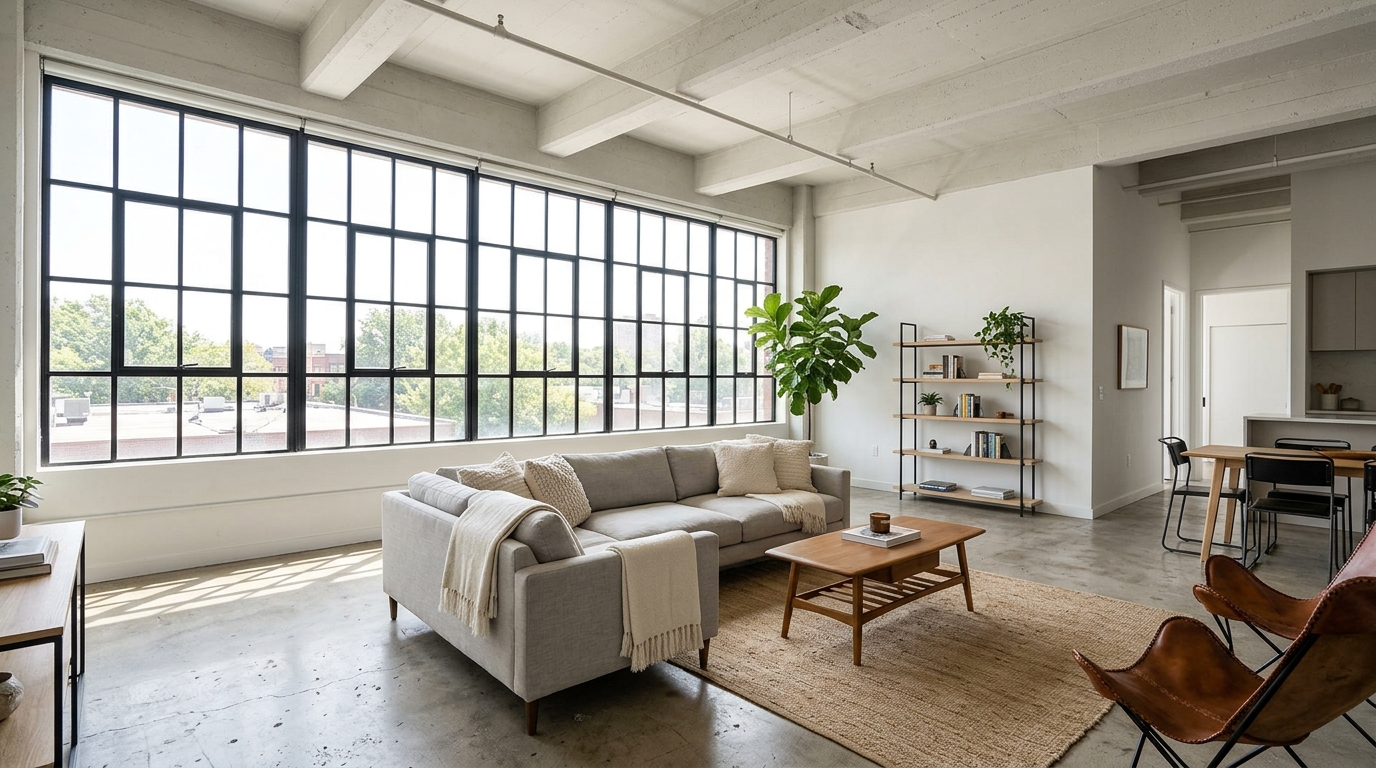
Natural light can completely transform a space, and large factory-style windows are one of the most effective ways to achieve that. These windows create a bright, open environment that feels both modern and refreshing. In industrial living design, they play a key role by highlighting textures like brick, metal, and wood. I’ve noticed that rooms with large windows always feel more inviting and visually balanced.
They also help reduce reliance on artificial lighting during the day, which makes the space feel more natural and comfortable. The black grid frames add structure without blocking light, creating a perfect mix of function and style. This idea works especially well in living rooms where openness is important, giving the entire area a spacious, airy feel that instantly improves everyday living.
7. Neutral Color Palette
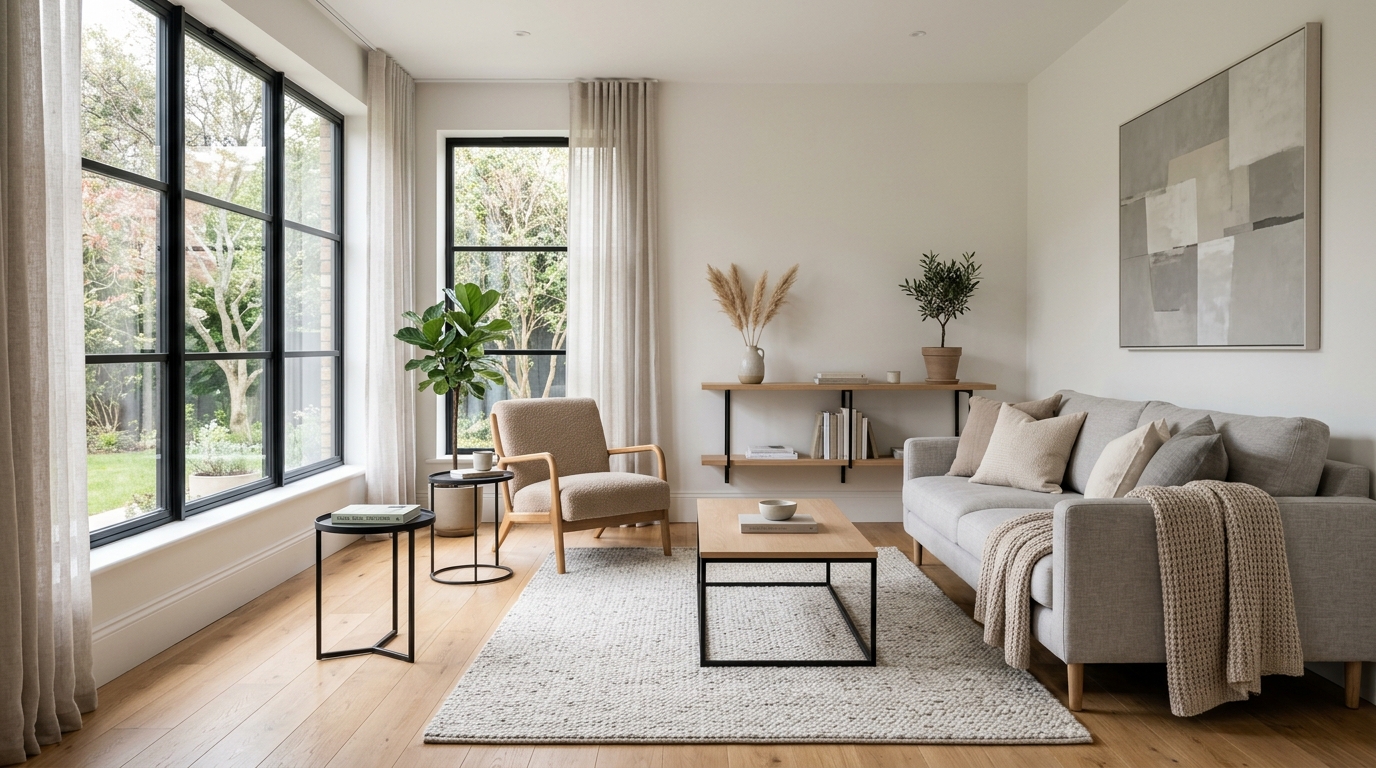
A neutral palette builds the foundation for a clean and balanced space. Soft tones like beige, gray, and white allow materials such as wood, metal, and fabric to take center stage without overwhelming the eye. In my experience, this approach makes it easier to layer different elements while keeping everything visually connected. It’s especially helpful when you want a space that feels both modern and timeless.
It also gives you flexibility to refresh the room without major changes. Small updates like cushions, throws, or decor pieces can shift the entire mood without replacing core furniture. I’ve noticed that neutral spaces tend to feel more relaxing and easier to live in daily. This idea works perfectly for creating a simple, breathable environment that still feels stylish and thoughtfully designed.
8. Vintage Industrial Lighting
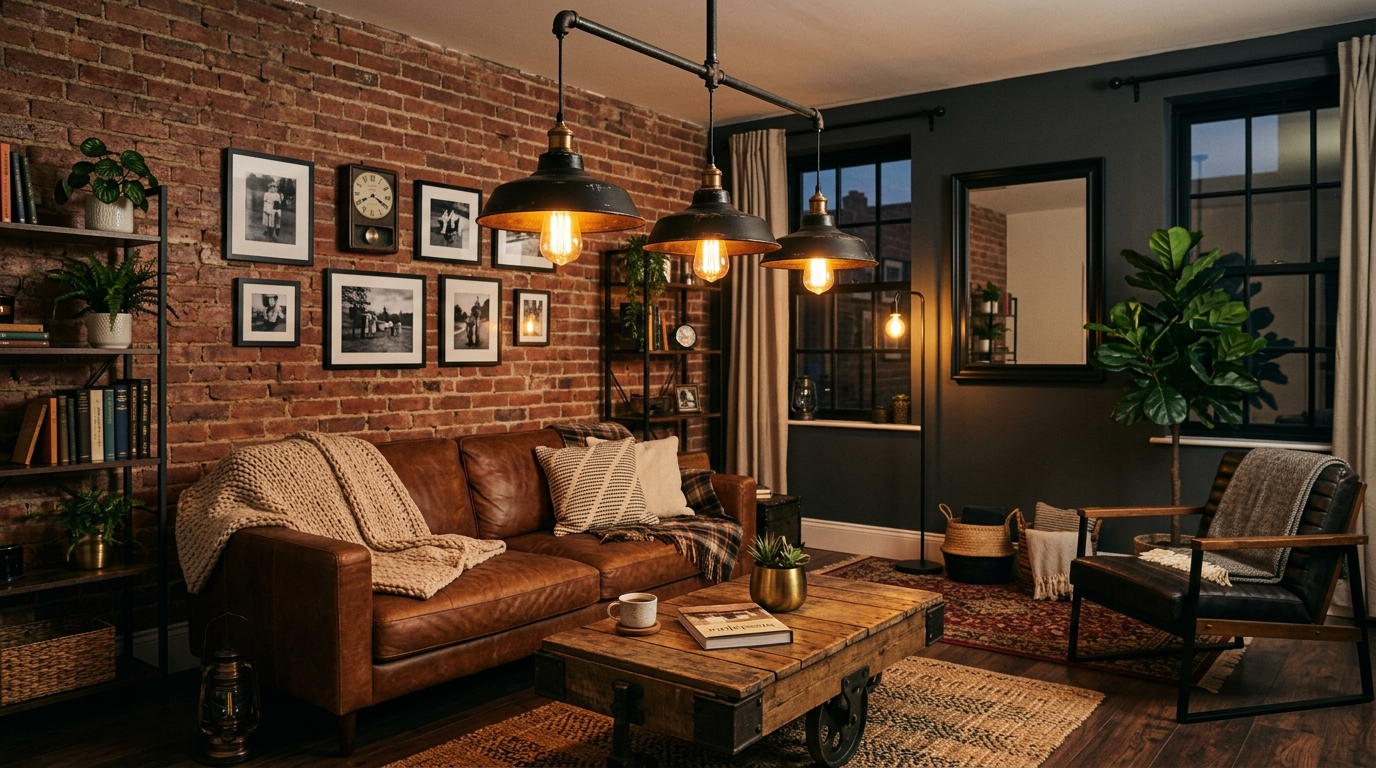
Lighting can completely define the mood of a room, and vintage fixtures bring a unique charm that feels both nostalgic and modern. The soft glow from exposed bulbs adds warmth, making the space feel more inviting and comfortable. I’ve seen this work especially well in rooms that rely heavily on raw materials, as it softens the overall look without losing the industrial edge.
It also serves as both a functional and decorative element. A well-placed pendant or floor lamp can act as a statement piece while improving visibility. That’s why many designers recommend layering different light sources to create depth. Combining overhead lighting with accent lamps helps achieve a balanced atmosphere, making the room feel cozy, stylish, and perfectly suited for everyday living.
9. Mixed Wood Tones
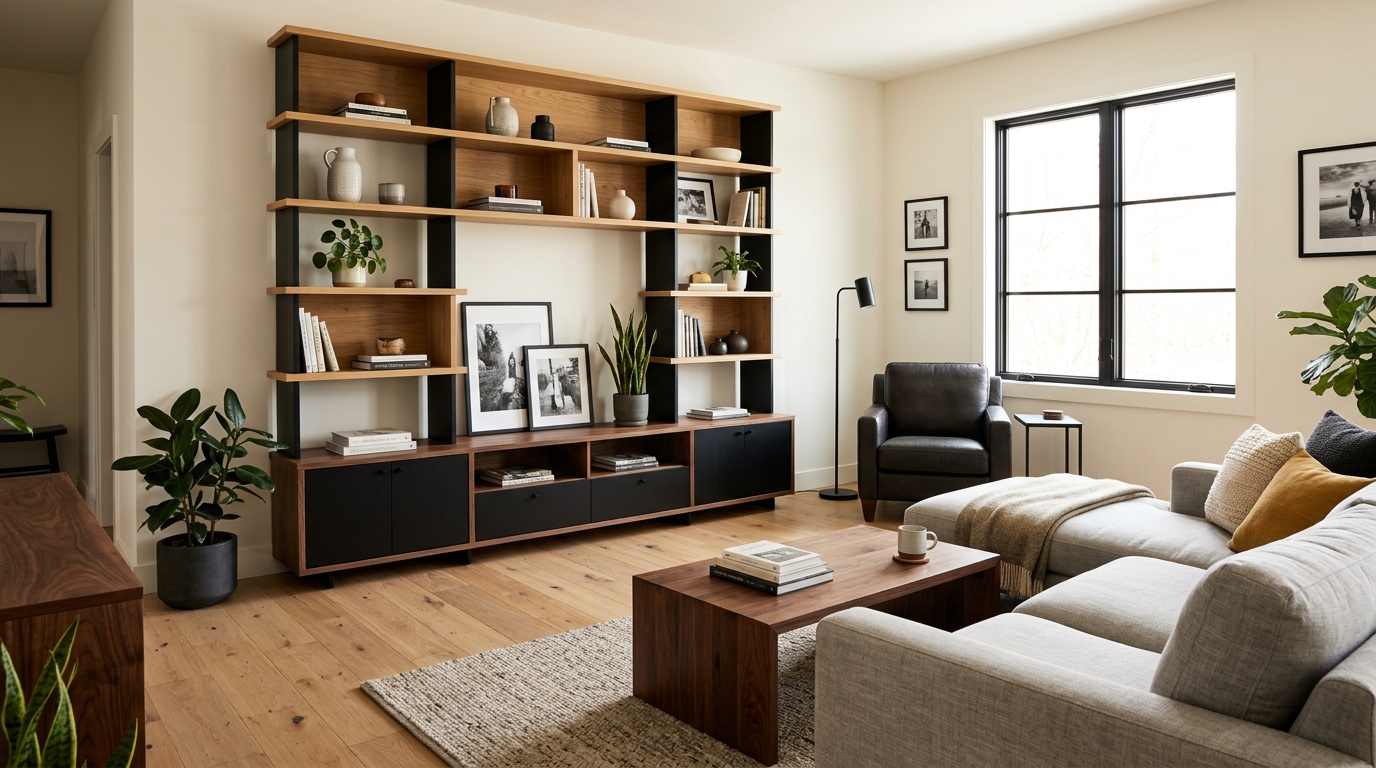
Mixing wood tones is a simple way to add depth and character without making the space feel busy. Combining lighter and darker finishes creates visual interest while maintaining a natural flow. In my experience, this technique helps soften harder materials like metal and concrete, making the room feel more balanced and comfortable. It’s a subtle change that makes a noticeable difference.
It also allows for more flexibility when choosing furniture and decor. You don’t need everything to match perfectly, which makes styling easier and more natural. I’ve noticed that spaces with varied wood tones feel more lived-in and welcoming compared to overly coordinated designs. This idea works especially well when you want a warm, relaxed atmosphere without losing a clean and modern look.
10. Metal Coffee Tables
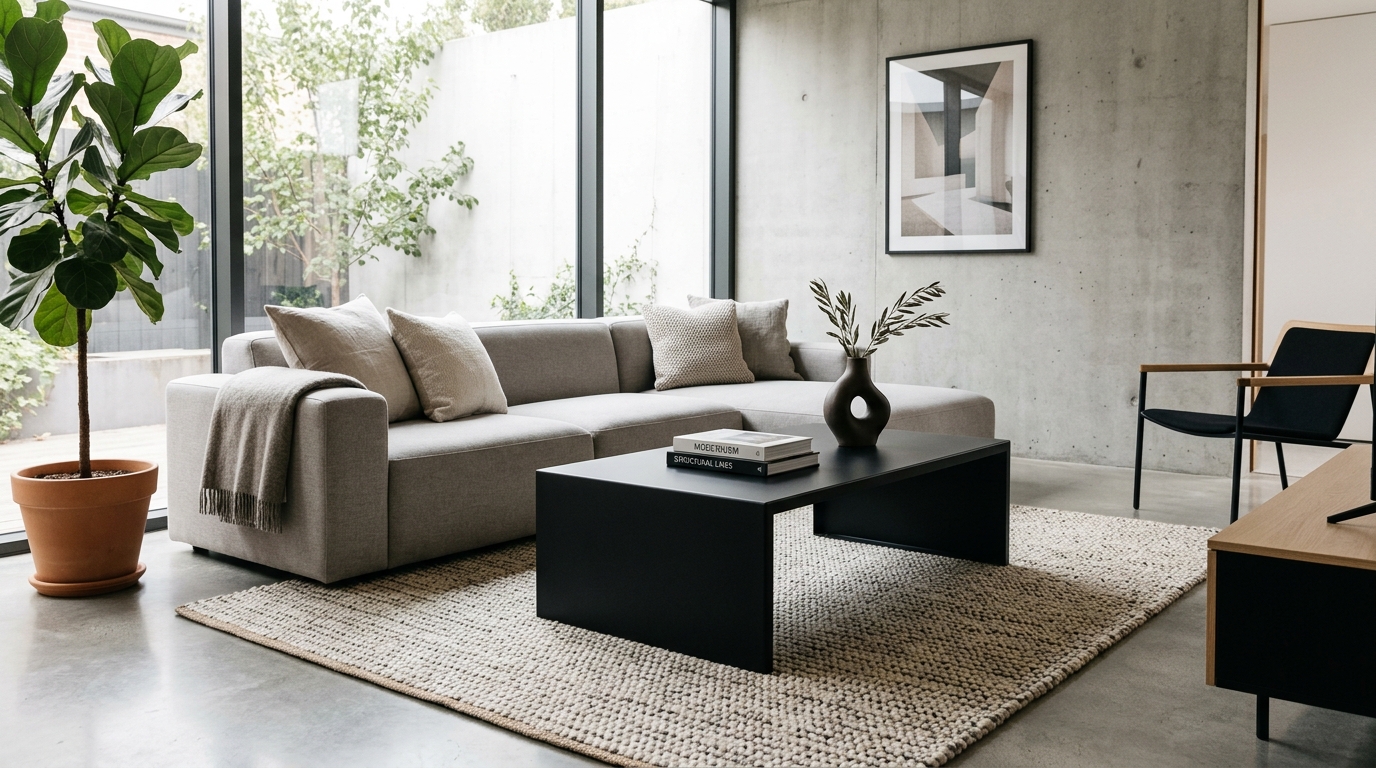
A metal coffee table instantly grounds the seating area with a strong, defined presence. Its clean lines and simple structure make it a perfect fit for spaces that lean toward minimal design. In industrial living setups, this piece acts as both a functional surface and a visual anchor. I’ve noticed that even a simple metal table can make the entire seating arrangement feel more intentional and organized.
It also pairs effortlessly with other materials like fabric sofas, wooden accents, and textured rugs. This balance prevents the room from feeling too harsh or overly polished. That’s why many designers recommend using metal furniture as a base and layering softer elements around it. The result is a space that feels practical, stylish, and easy to maintain without sacrificing comfort.
11. Minimalist Open Layout
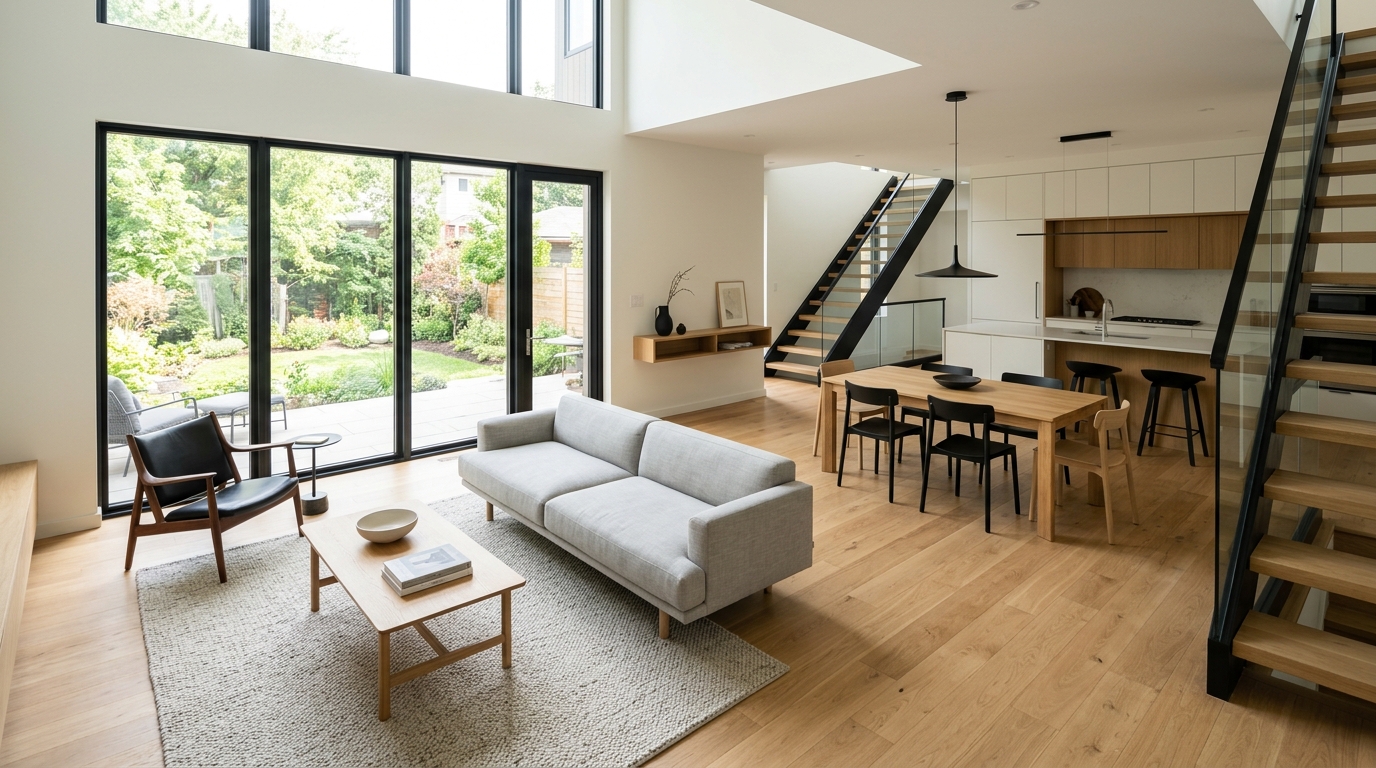
An open layout changes how a space feels and functions every day. By reducing unnecessary furniture and keeping pathways clear, the room becomes more spacious and easier to navigate. In my experience, this approach works especially well in smaller homes where every inch matters. It allows each piece to stand out while maintaining a clean and cohesive look.
It also improves how light moves through the space, making everything feel brighter and more inviting. I’ve seen this work well in homes where natural light is limited, as openness helps maximize its effect. The key is choosing fewer, more meaningful pieces instead of filling the room. This creates a balanced environment that feels calm, modern, and highly functional for daily living.
12. Dark Accent Walls
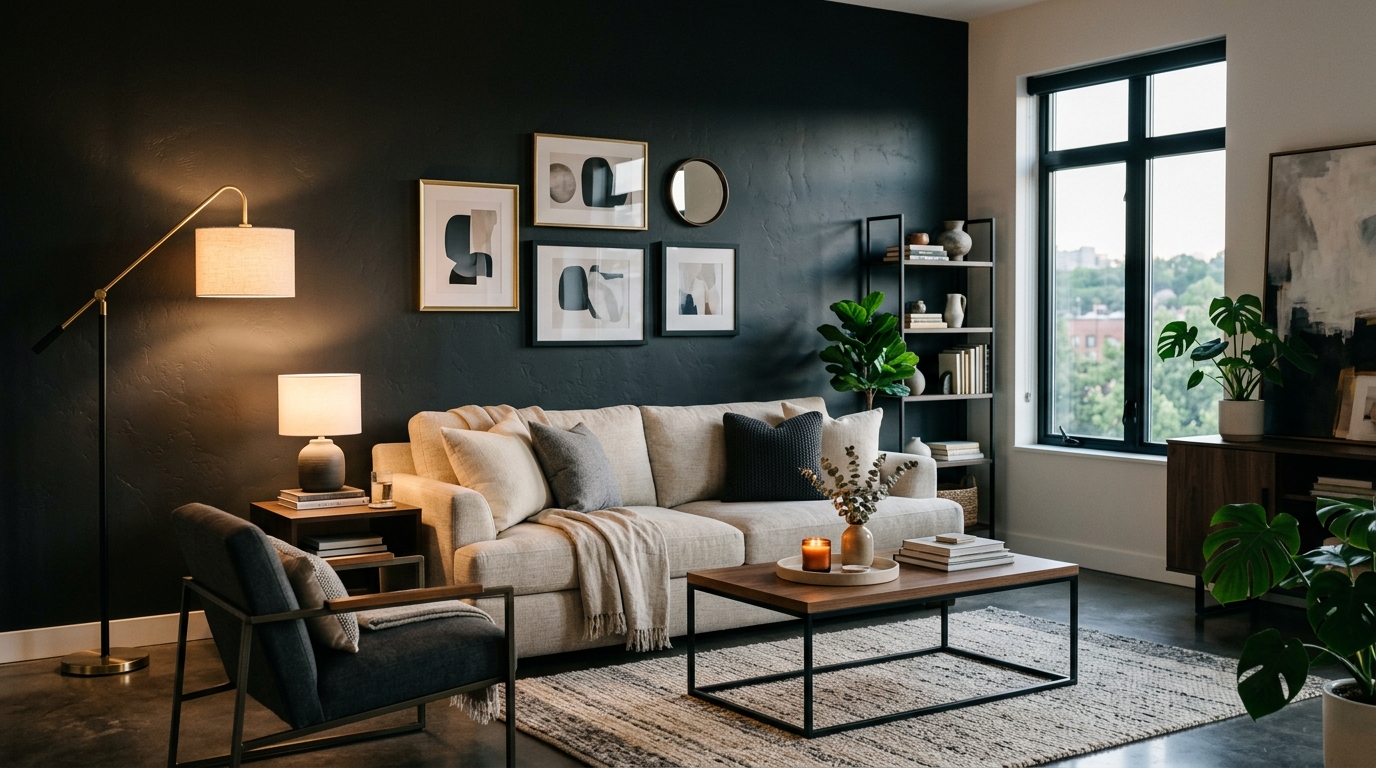
A dark accent wall can instantly transform a plain room into something bold and stylish. It adds depth and creates a strong visual anchor that draws attention without overwhelming the space. I’ve noticed that this works especially well when paired with lighter furniture, as the contrast makes each element stand out more clearly.
It also enhances the overall mood, making the space feel more intimate and cozy. That’s why many designers recommend using warm lighting alongside darker tones to maintain balance. In my experience, even one dark wall can redefine the entire atmosphere, giving the room a modern edge while still feeling comfortable and inviting for everyday use.
13. Industrial Pipe Decor
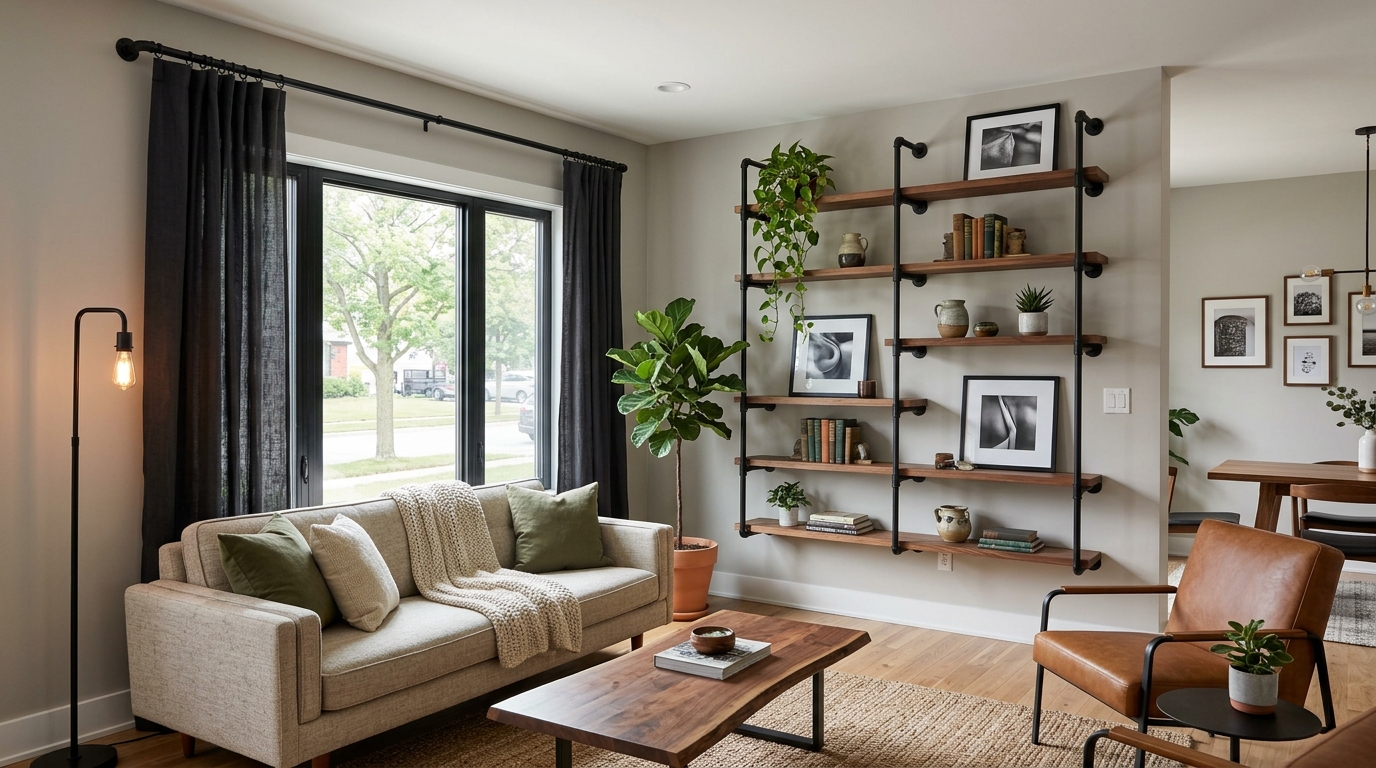
Small details often make the biggest difference, and pipe decor is a perfect example of that. It introduces a subtle industrial touch that feels intentional without overwhelming the room. I’ve seen this work especially well when used in simple ways, like curtain rods or wall accents. It adds character while keeping the overall design clean and uncluttered.
It also blends naturally with other materials, especially wood and soft fabrics. This balance helps prevent the space from feeling too rigid or cold. In my experience, adding just a few pipe elements can create a cohesive look that ties everything together. It’s an easy upgrade that brings structure, texture, and personality into the space without requiring a major redesign.
14. Soft Textured Rugs
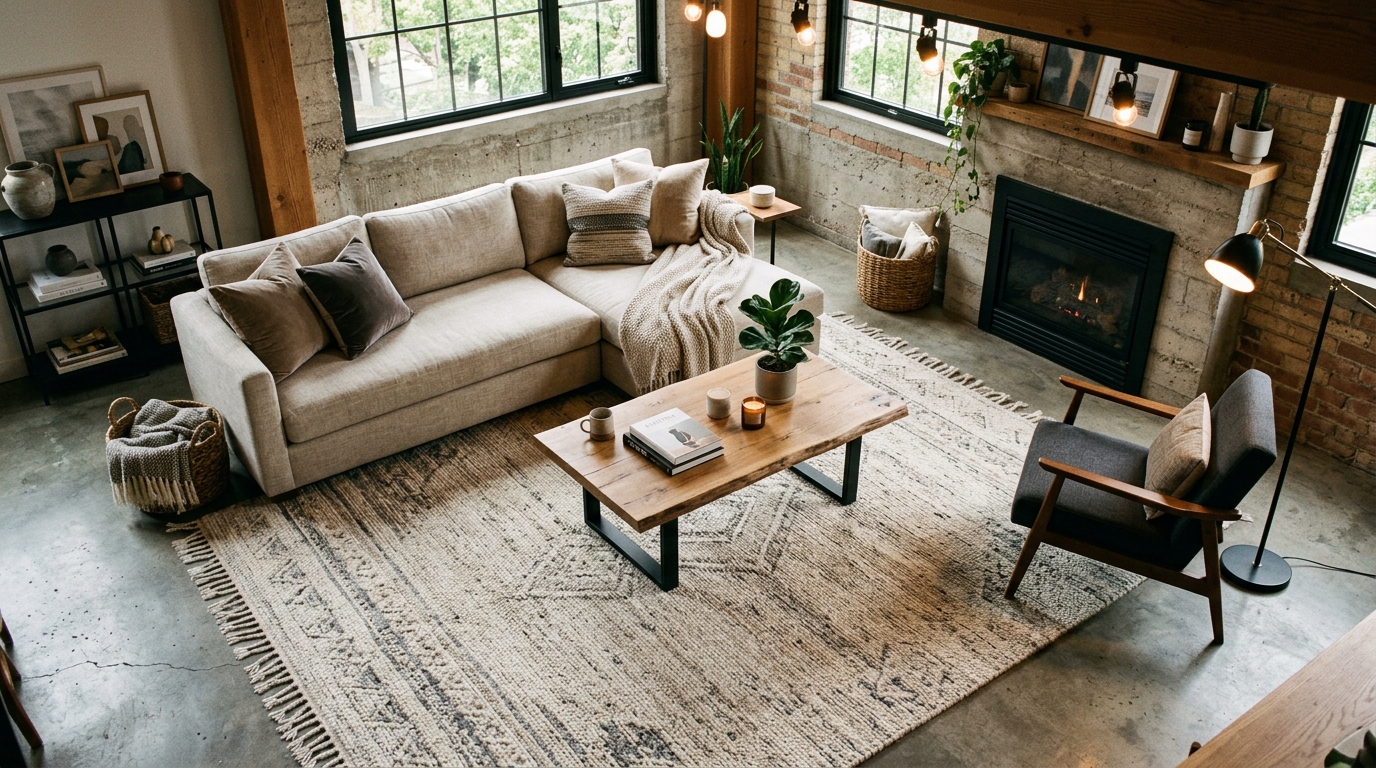
A textured rug instantly makes a room feel more comfortable and complete. It softens the look of hard surfaces like concrete or wood, creating a balanced environment that feels inviting. I’ve noticed that even a simple rug can define a seating area and bring all the elements together visually, making the space feel more organized and intentional.
It also adds warmth without requiring major changes to the design. That’s why many designers recommend layering textures to create depth and interest. In my experience, choosing a rug with subtle patterns or neutral tones works best, as it enhances the space without overpowering it. This idea is a simple yet powerful way to make the room feel cozy, stylish, and easy to live in.
15. Glass and Metal Mix
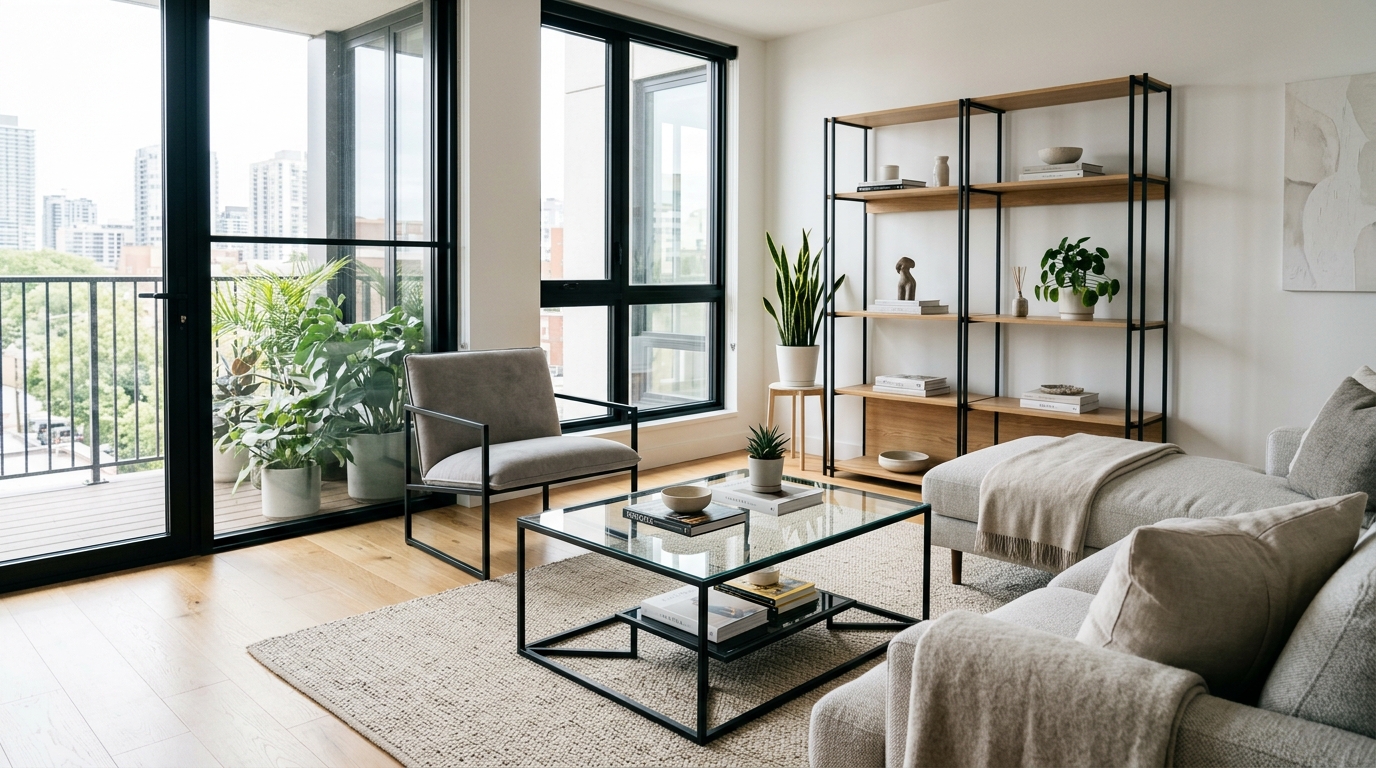
Combining glass with metal creates a clean and balanced aesthetic that feels both modern and practical. The transparency of glass prevents the space from feeling heavy, while metal adds structure and definition. I’ve seen this combination work especially well in smaller rooms where maintaining openness is important.
It also enhances how light moves through the space, making everything feel brighter and more spacious. That’s why many designers recommend using glass elements to reduce visual clutter. In my experience, even a small addition like a glass table can make a noticeable difference. This idea helps create a refined, airy environment that feels stylish without being overwhelming.
16. High Ceiling Beams
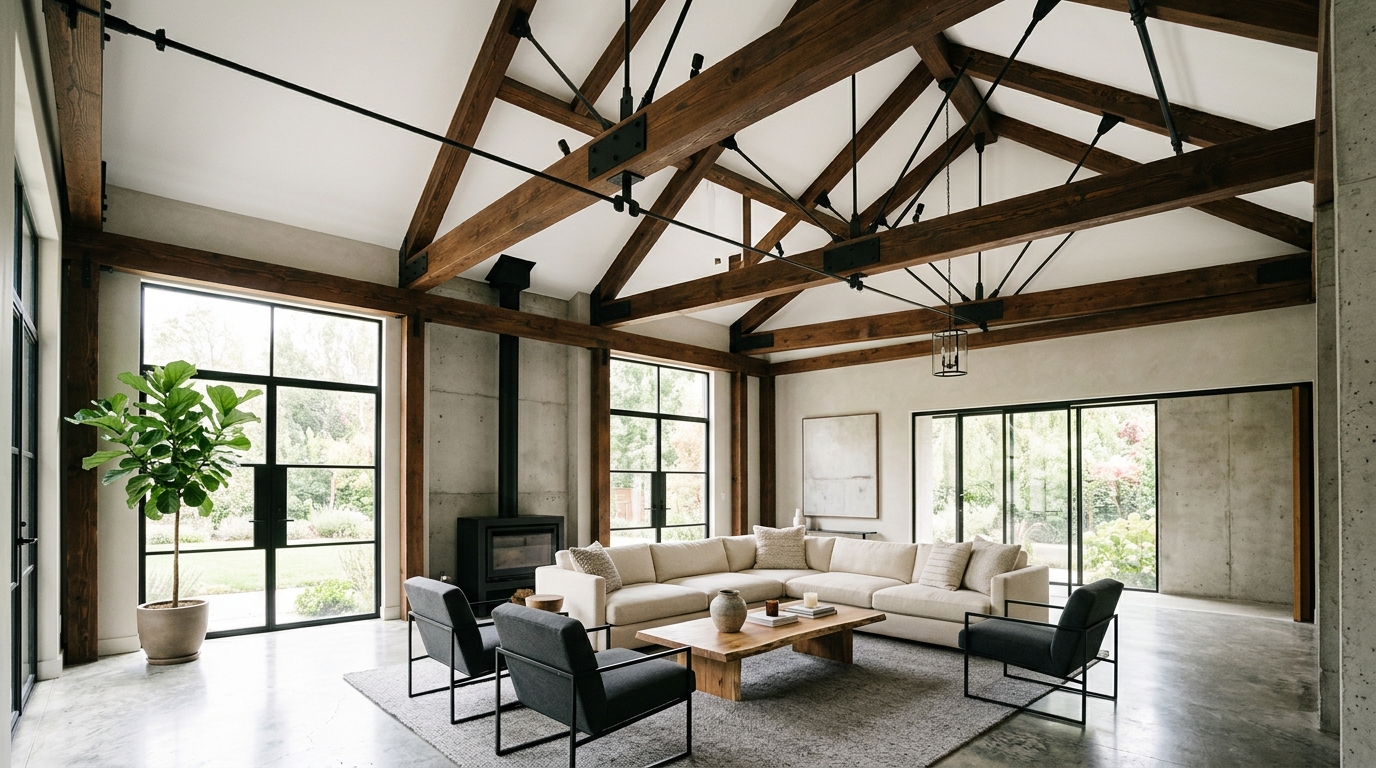
High ceilings with exposed beams instantly create a sense of openness and architectural interest. They make the room feel larger without adding any extra elements, which is why they are highly valued in industrial living spaces. I’ve noticed that this feature naturally draws the eye upward, giving the entire space a more expansive and balanced feel.
It also allows for better light distribution, making the room brighter and more inviting. That’s why many designers recommend highlighting beams instead of covering them. In my experience, pairing them with simple furniture keeps the focus on the structure itself. This approach creates a clean, airy environment that feels both modern and timeless without requiring excessive decoration.
17. Monochrome Decor Styling
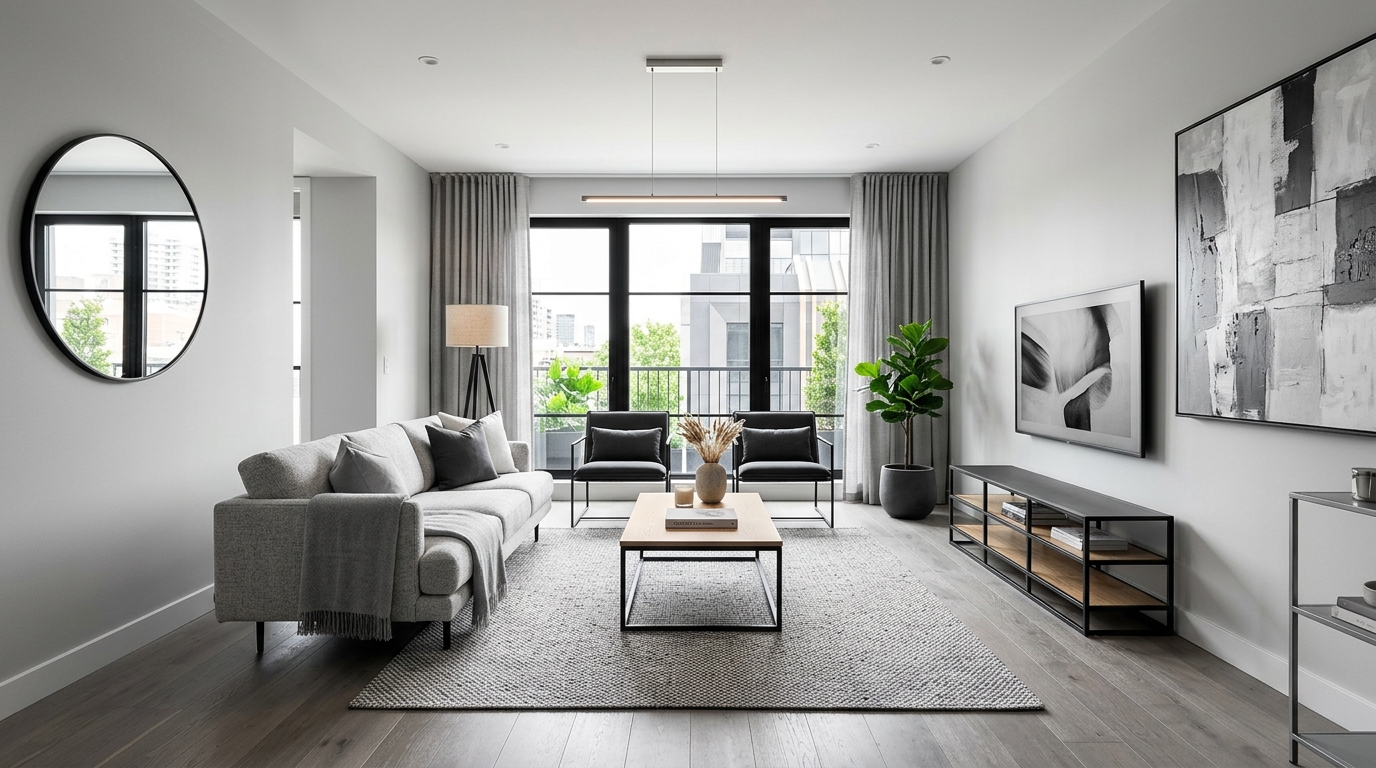
A monochrome palette simplifies design decisions while still creating a strong visual impact. Using shades of black, white, and gray allows textures and shapes to stand out clearly. I’ve seen this approach work especially well in modern interiors where simplicity is key. It creates a polished look without requiring excessive styling or decoration.
It also makes it easier to maintain consistency throughout the space. Small additions like cushions or artwork can enhance the design without disrupting the overall theme. In my experience, monochrome spaces feel more organized and calming, making them ideal for everyday living. This idea delivers a sleek, timeless result that feels both practical and visually appealing.
18. Reclaimed Wood Features
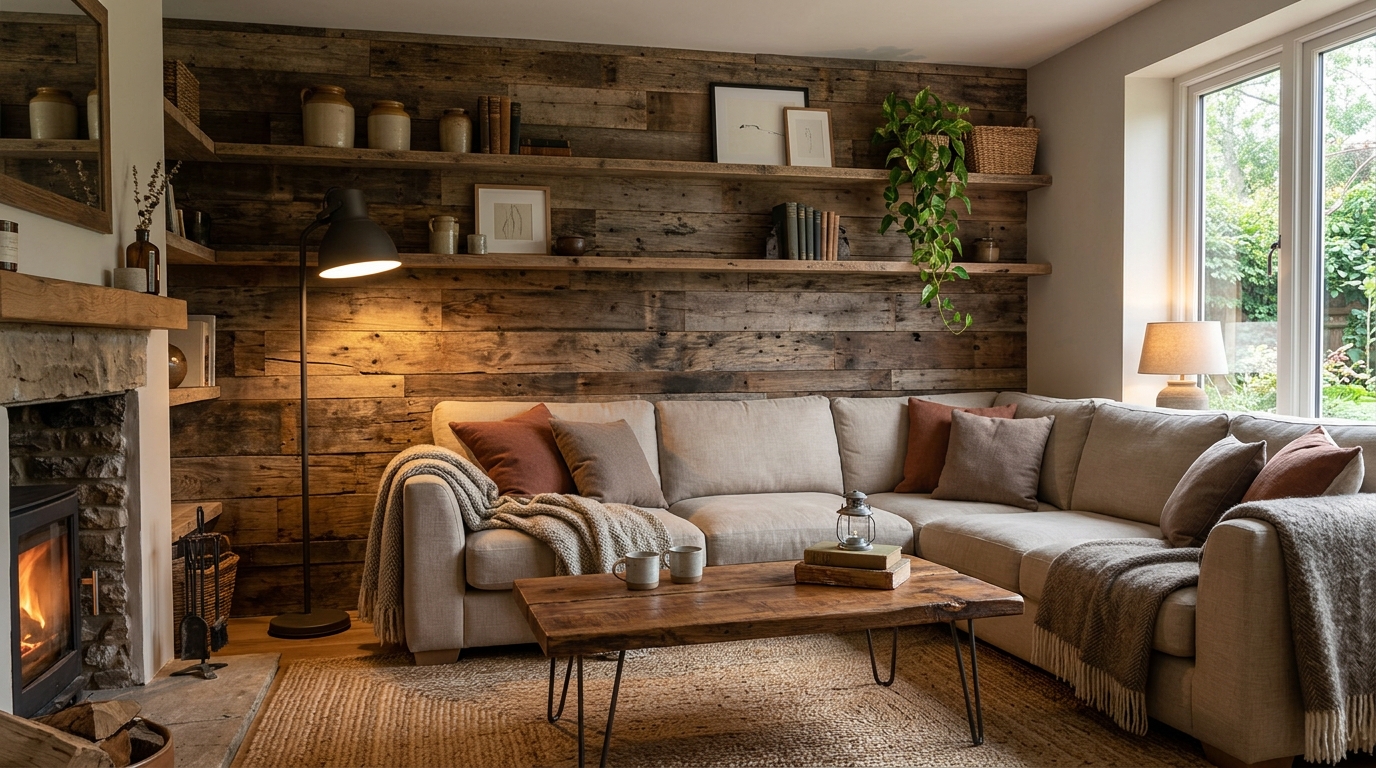
Reclaimed wood introduces a sense of authenticity that new materials often lack. Its natural imperfections and aged texture add depth, making the space feel more lived-in and welcoming. I’ve noticed that even small reclaimed elements can significantly enhance the overall design, especially when combined with cleaner, modern finishes.
It also supports a more sustainable approach to design, which many homeowners value today. That’s why designers often recommend mixing reclaimed pieces with minimal decor to keep the space balanced. In my experience, this combination creates a warm, grounded environment that feels both stylish and meaningful, offering a perfect blend of character and modern simplicity.
19. Statement Pendant Lights
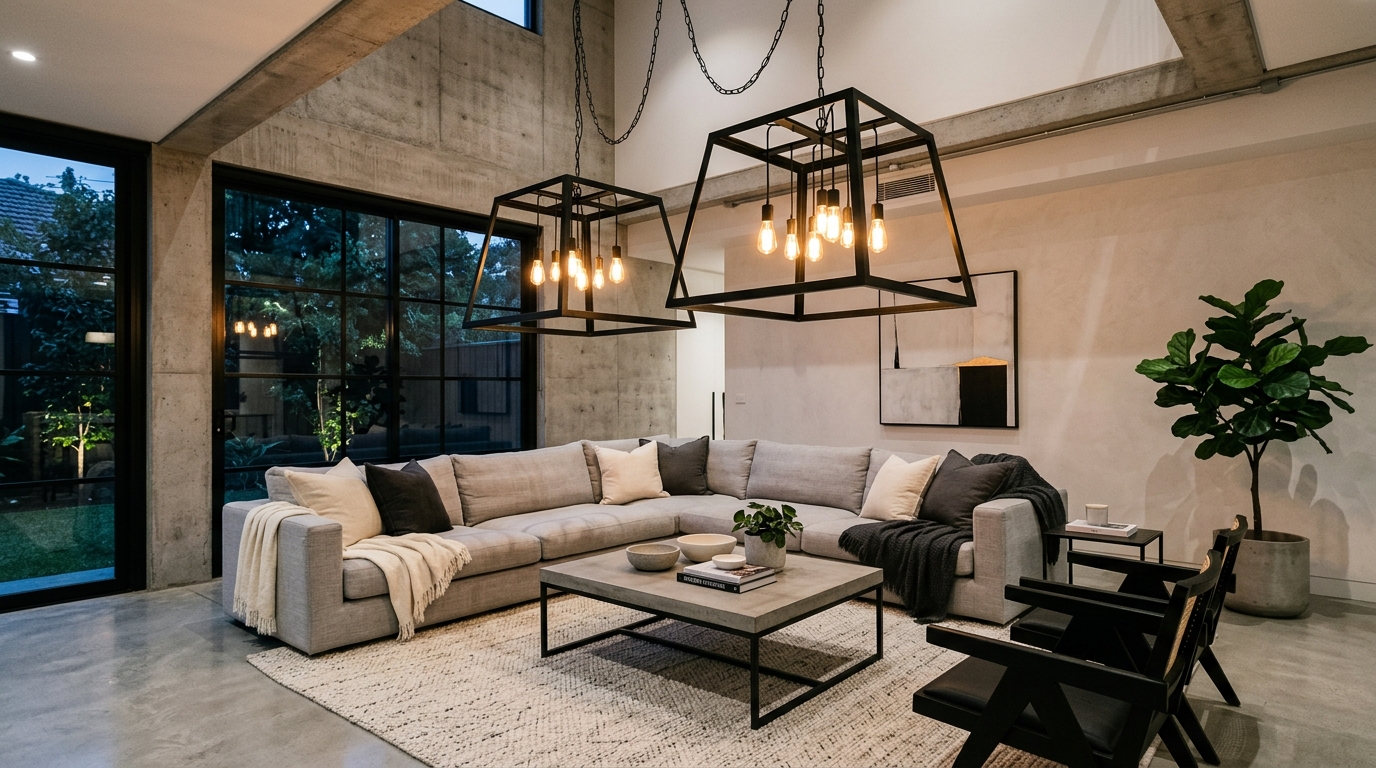
Lighting can completely transform the feel of a space, and statement pendants do it instantly. Their bold design draws attention while also providing practical illumination. I’ve seen this work especially well in rooms with high ceilings, where vertical space needs visual balance. The right fixture can turn an ordinary area into something striking without adding clutter.
It also helps define specific zones within an open layout, such as a seating or conversation area. That’s why many designers recommend using oversized lighting to anchor the room visually. In my experience, pairing warm bulbs with metal finishes creates a perfect balance between comfort and structure. This idea brings both style and functionality into one impactful feature.
20. Open Loft Layout
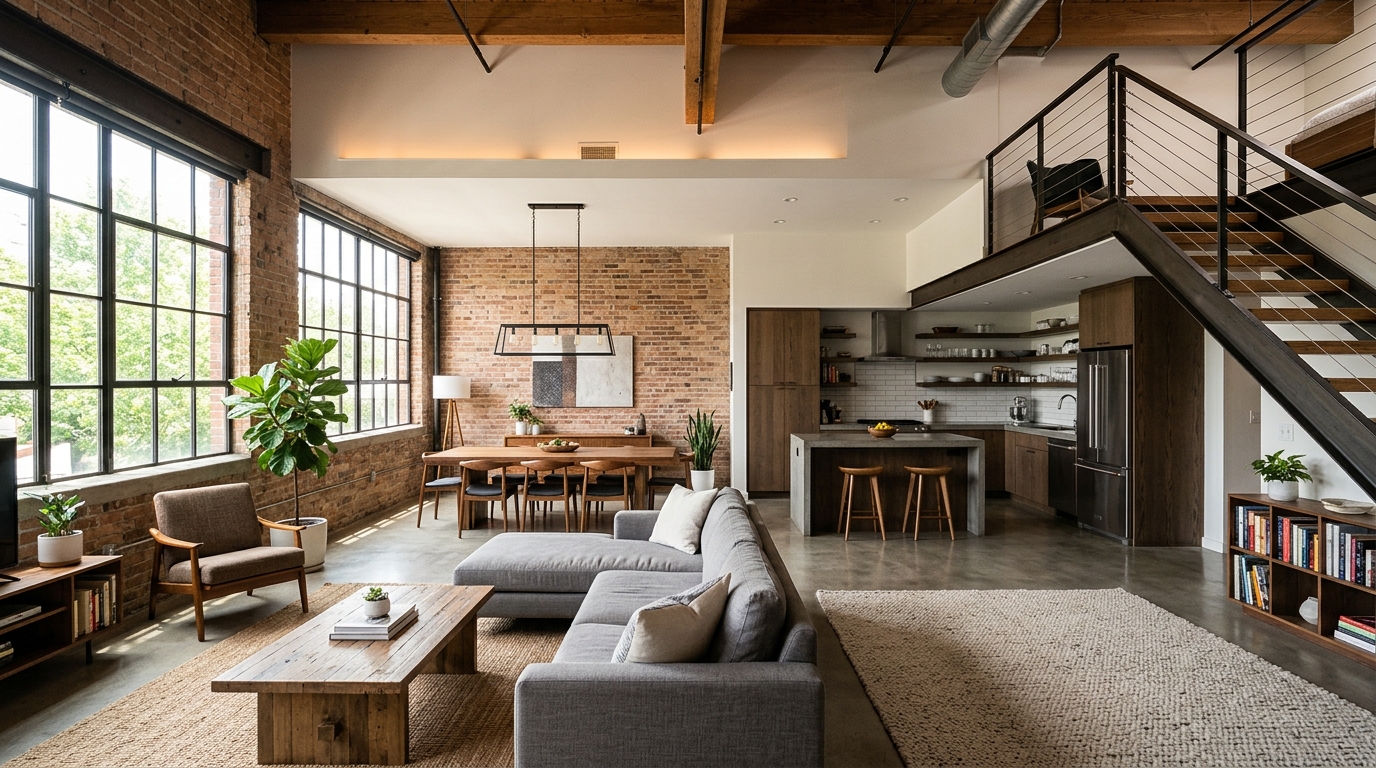
An open loft layout creates a sense of freedom that traditional layouts often lack. By removing unnecessary walls, the space feels more connected and easier to navigate. This approach is a core element of industrial living, where openness and function go hand in hand. I’ve noticed that homes with this layout feel more relaxed and adaptable to daily activities.
It also allows different areas to blend naturally without losing their purpose. Strategic furniture placement helps define zones without closing off the space. In my experience, this setup works especially well for social living, where interaction and flow are important. The result is a home that feels modern, spacious, and perfectly suited for both comfort and functionality.
21. Raw Concrete Walls
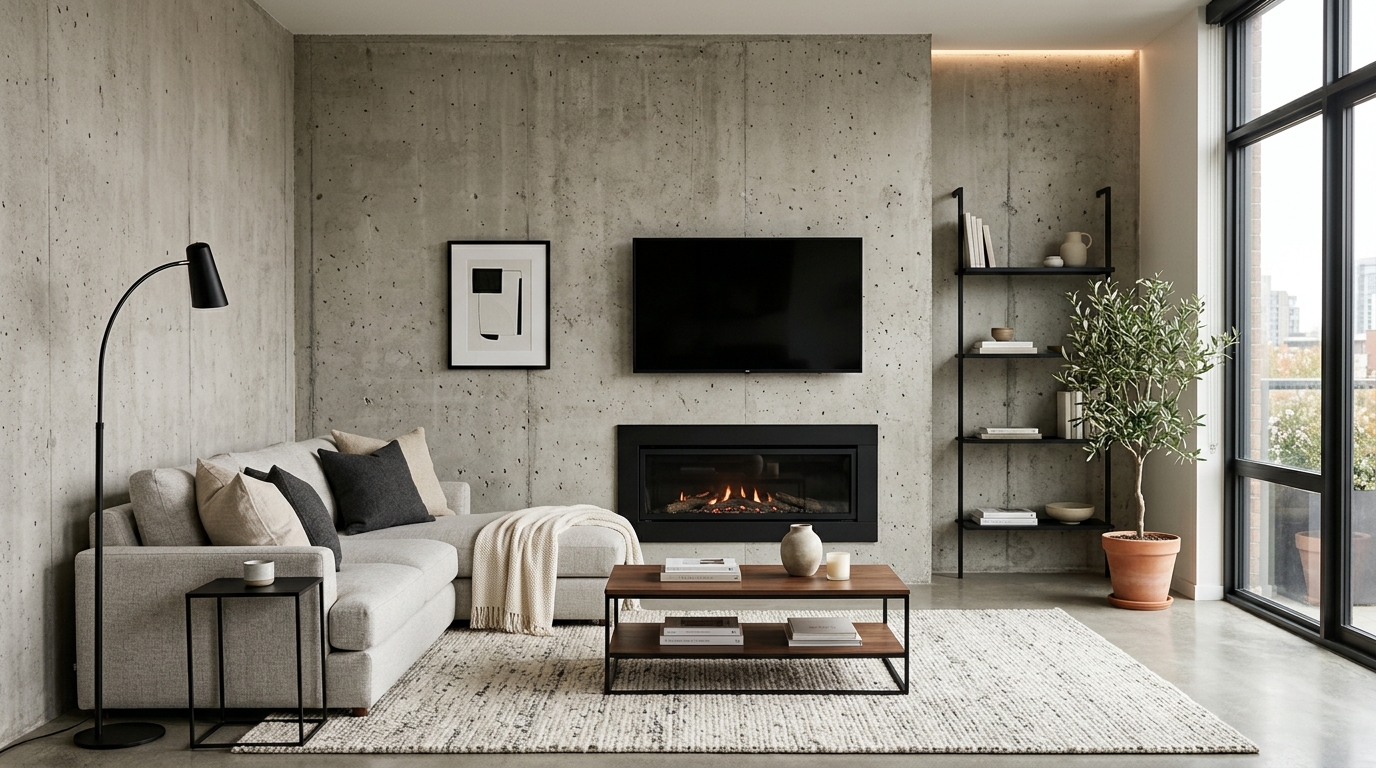
Concrete walls bring a clean, bold look that instantly modernizes a space. Their raw texture creates visual depth without needing additional decoration. I’ve seen this work especially well in rooms where simplicity is the main goal. The wall itself becomes the focal point, allowing other elements to remain subtle and balanced.
It also pairs beautifully with softer materials like fabric, rugs, and warm lighting. This contrast helps prevent the space from feeling too cold or rigid. That’s why many designers recommend mixing textures when using concrete surfaces. In my experience, this idea creates a refined and grounded atmosphere that feels both modern and comfortable for everyday living.
22. Industrial Style Artwork
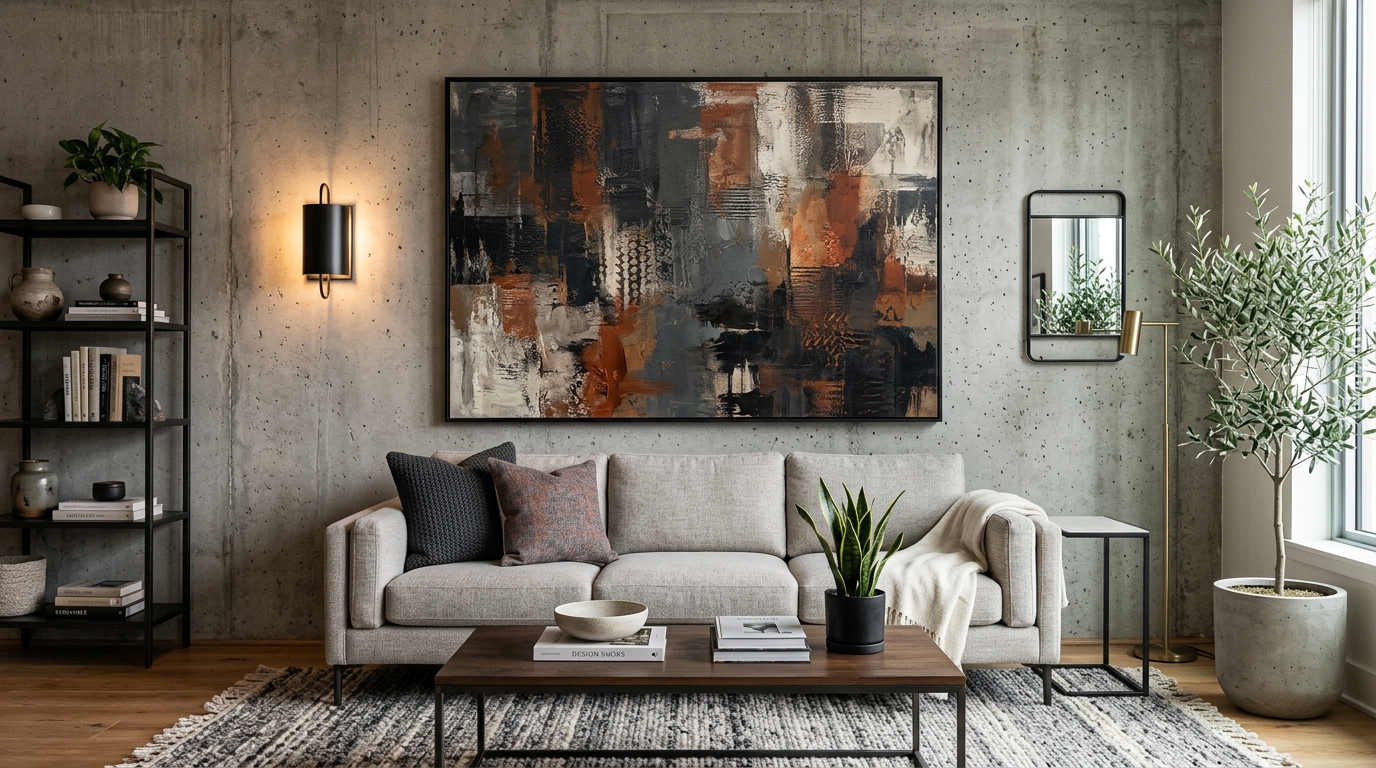
Artwork is one of the easiest ways to bring personality into a space without overwhelming it. Large-scale pieces with abstract or raw textures fit perfectly into industrial living because they echo the materials used throughout the room. I’ve noticed that a single bold artwork can instantly complete a wall that otherwise feels empty or unfinished.
It also helps connect different elements in the room, such as metal, wood, and neutral tones. That’s why many designers recommend choosing artwork that reflects the overall color palette. In my experience, keeping the frame simple or even frameless works best to maintain a clean look. This idea adds depth, style, and individuality while keeping the overall design cohesive and modern.
Conclusion
Creating a home that feels stylish yet comfortable doesn’t have to be complicated. With the right mix of textures, materials, and simple design choices, industrial living can completely transform how your space looks and feels. Each idea in this guide is meant to help you build a space that feels intentional, modern, and easy to enjoy every day.
I’ve seen how small changes like lighting, furniture, or layout can make a huge impact over time. Save this post on Pinterest, try a few ideas in your own home, and share it with others who want a fresh, modern upgrade. Your perfect space is closer than you think.
FAQs
1. What is industrial living style?
Industrial living style focuses on raw materials like metal, wood, and concrete, combined with simple layouts and minimal decor to create a modern, functional, and stylish space.
2. How can I make my home look industrial on a budget?
Start with small changes like adding metal accents, using neutral colors, incorporating open shelving, or switching to industrial-style lighting. Even minor updates can create a big visual impact.
3. Does industrial design make a home feel cold?
Not if balanced correctly. Adding rugs, soft lighting, and warm textures like wood or leather helps create a cozy and inviting atmosphere.
4. What colors work best for this style?
Neutral tones like gray, black, white, and beige work best. You can also add warmth with brown leather or natural wood finishes.
5. Can industrial style work in small spaces?
Yes, it works very well. Using open layouts, minimal furniture, and light-enhancing elements like glass and mirrors can make small spaces feel larger and more open.