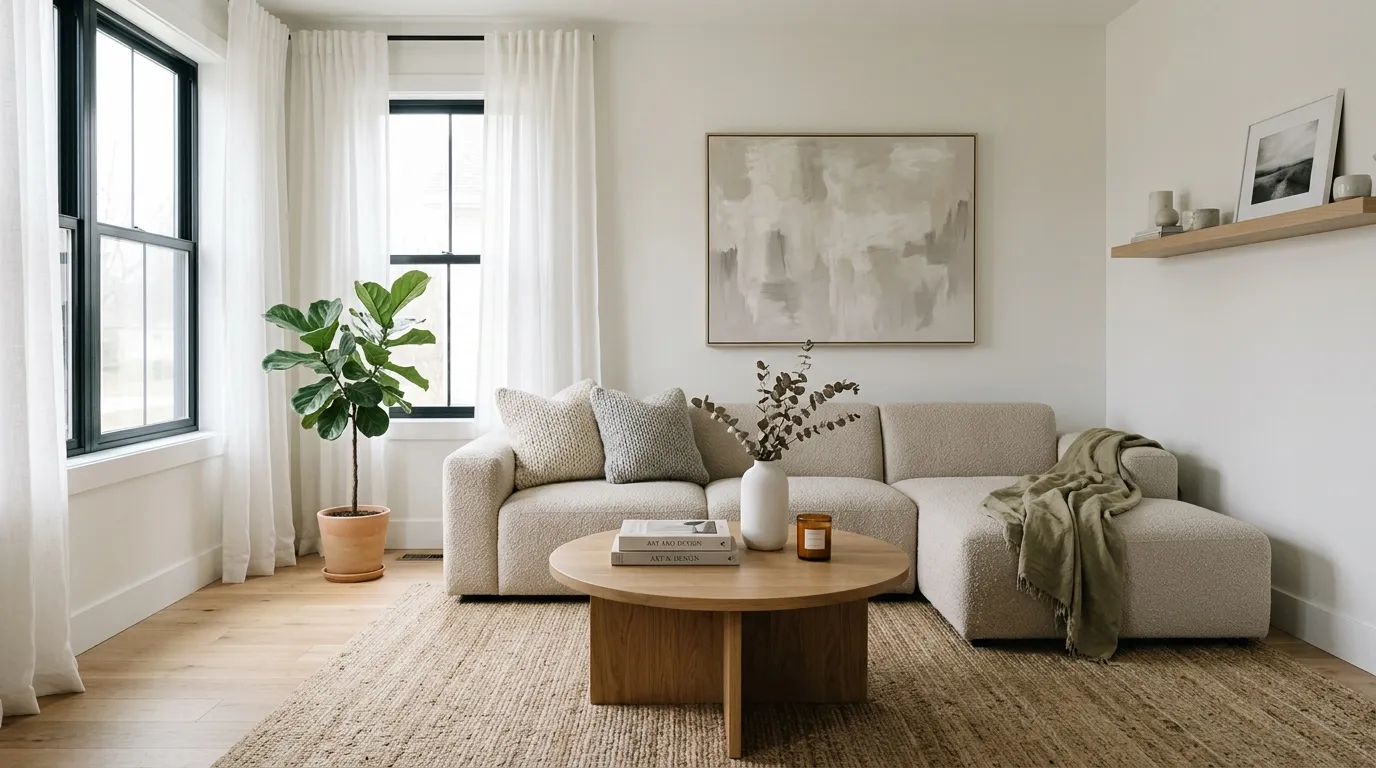
Introduction:
Your living room should feel like a breath of fresh air—not crowded, chaotic, or overwhelming.
If you’re craving a space that feels calm, clean, and effortlessly beautiful, you’re in the right place.
These minimalist living room ideas are designed to help you simplify your space without making it feel empty or cold. Instead, you’ll discover how to create a room that feels warm, functional, and visually balanced using small, thoughtful changes. From furniture choices to lighting and layout, every idea focuses on real-life comfort and everyday usability.
In my experience, the biggest transformation doesn’t come from buying more—it comes from choosing better and removing what no longer serves the space. I’ve noticed that even simple updates, like adjusting lighting or decluttering surfaces, can completely change how a room feels. Whether you’re working with a small apartment or a larger home, these ideas will help you create a space that feels calm, open, and truly yours.
1. Neutral Color Layers
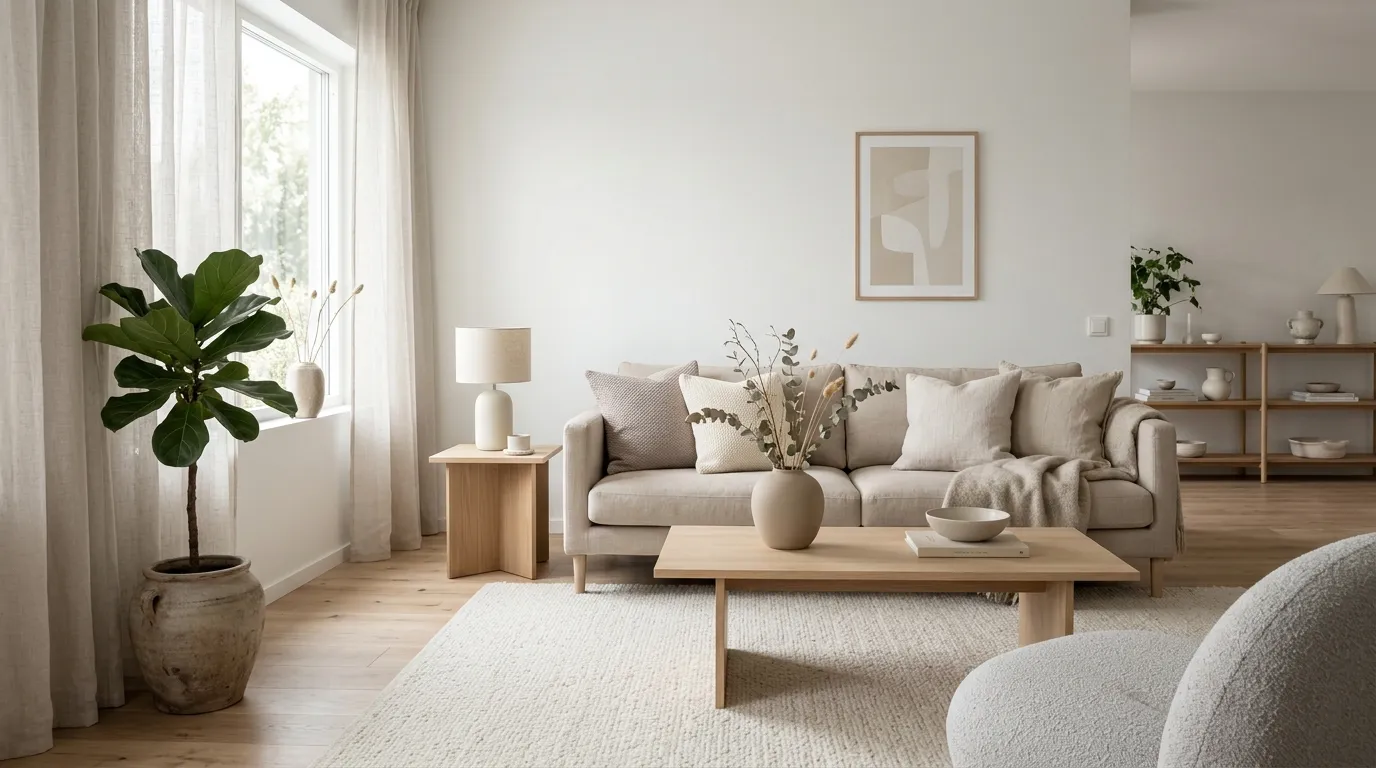
A soft, neutral palette instantly makes a space feel calm, open, and effortlessly refined. This approach focuses on layering whites, beiges, and gentle earthy tones to create depth without visual noise. In my experience, even a compact room feels larger when harsh contrasts are removed and replaced with soft transitions. The subtle mix of textures—like linen, wool, and wood—adds quiet character without breaking the minimalist look. It’s a simple but powerful way to build a timeless foundation that doesn’t feel boring.
What makes this idea so effective is how flexible and forgiving it is in real homes. You can easily update the look with small accents like cushions or throws without disrupting the overall harmony. I’ve noticed that natural light plays a huge role here, enhancing those soft tones and creating a peaceful glow throughout the day. This is why many designers recommend neutral layering as a starting point when exploring minimalist living room ideas that feel both stylish and livable.
2. Low Profile Sofa
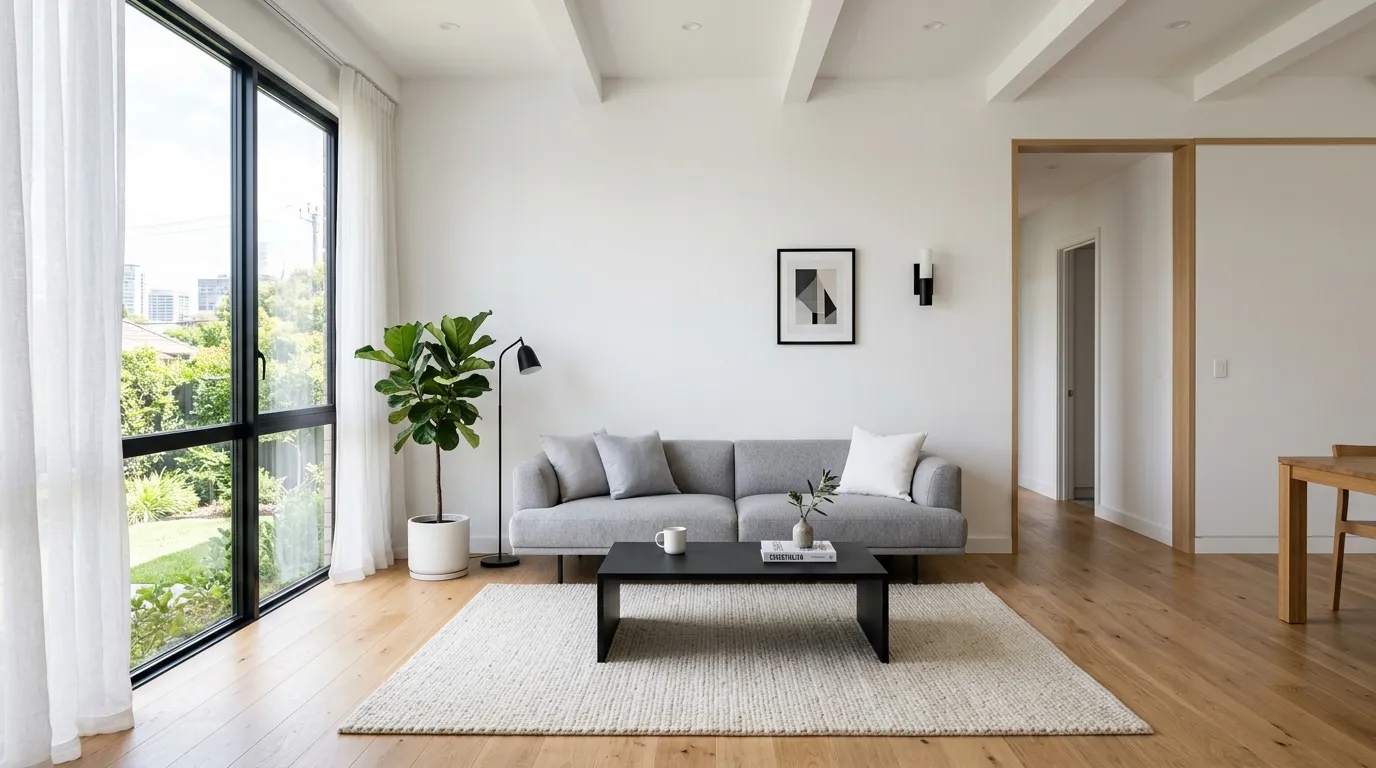
A low-profile sofa can completely shift how a living room feels the moment you walk in. Instead of dominating the space, it sits closer to the ground, creating a more open and breathable layout. This subtle change makes ceilings appear taller and the room feel less crowded. I’ve tried this in smaller spaces, and the difference is immediate—it feels lighter and more intentional. The clean lines also align perfectly with a minimalist approach, helping everything look more structured and calm without extra effort.
Beyond aesthetics, this setup also improves how the room functions in daily life. The lower height encourages a more relaxed, lounge-style seating experience, which feels inviting without being bulky. I’ve noticed that pairing it with a simple rug and a sleek coffee table enhances the overall balance. That’s why this idea works so well when refining modern, clutter-free living room designs—it combines comfort, proportion, and visual clarity in a way that feels both practical and beautifully understated.
3. Floating Wood Shelves
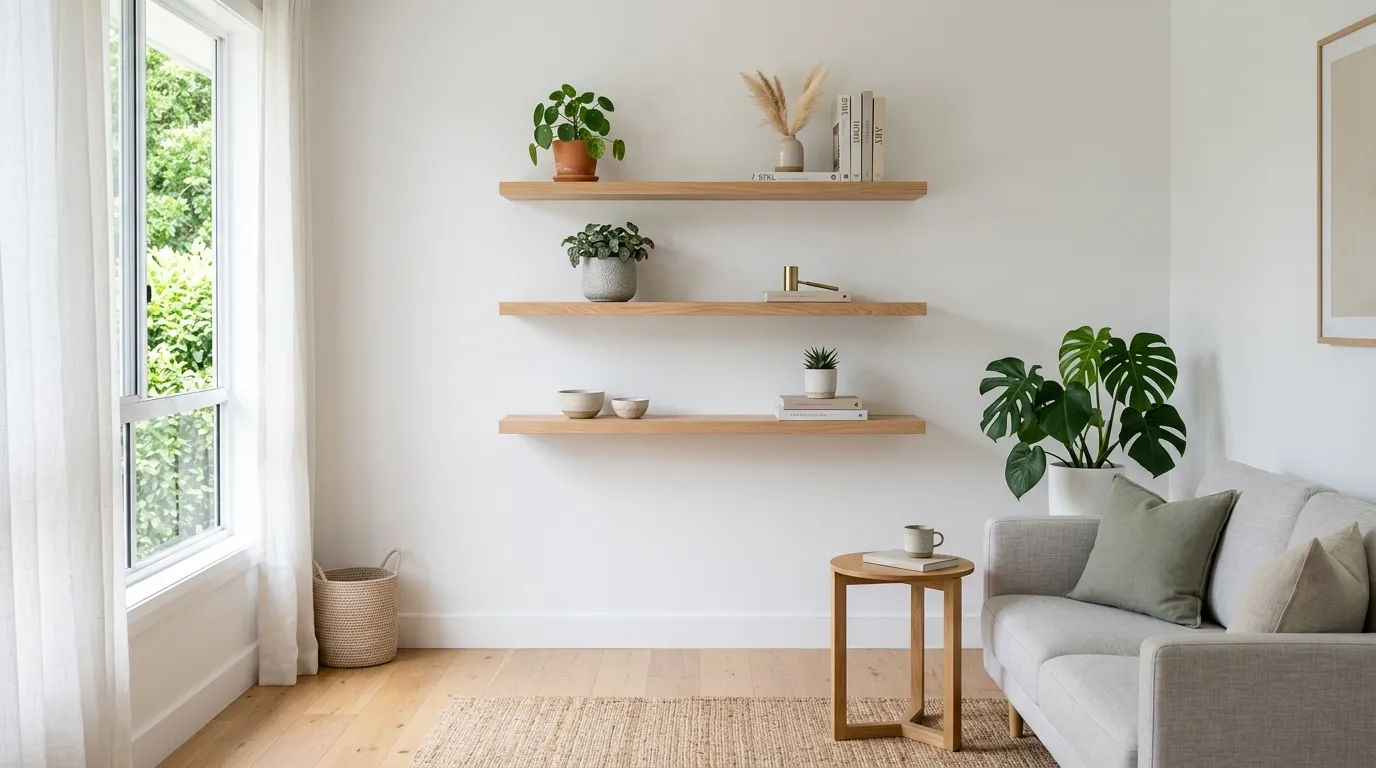
Floating shelves offer a clean and practical way to add personality without overwhelming the room. Instead of bulky cabinets, these slim wooden planks create space for a few carefully chosen items like books, ceramics, or small plants. In my experience, limiting what goes on each shelf makes a huge difference—it keeps the look intentional rather than cluttered. The open design also allows the wall to breathe, which is essential when trying to maintain a minimalist feel that still feels warm and lived-in.
What makes this idea especially useful is how adaptable it is over time. You can easily refresh the look by swapping decor pieces without changing the entire setup. I’ve seen this work well in both small apartments and larger homes because it balances storage with style. The natural wood tones also add subtle warmth, preventing the space from feeling too stark. This is why many designers include floating shelves when shaping clean, modern interiors that feel both functional and visually appealing.
4. Statement Floor Lamp
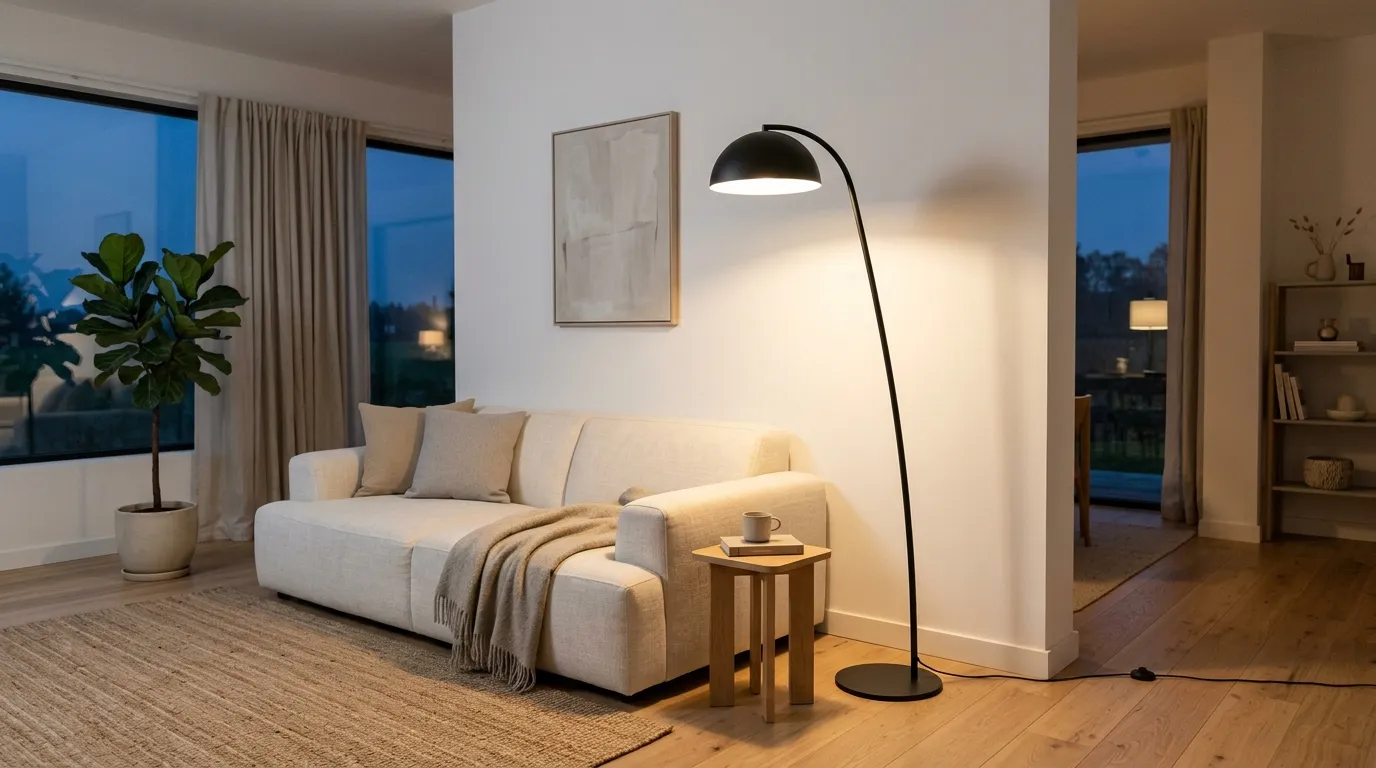
A well-chosen floor lamp can quietly transform the entire atmosphere of your living room. Instead of relying only on ceiling lights, this piece introduces a softer, more layered glow that feels inviting and calm. I’ve noticed that placing it near a sofa or corner instantly creates a cozy zone without adding clutter. The vertical design also draws the eye upward, which helps balance low furniture and makes the space feel more complete without overwhelming the minimalist look.
What makes this idea practical is how effortlessly it blends style with function. You get both lighting and a sculptural element in one piece, which is ideal for simplified interiors. In my experience, warm lighting works best to avoid a harsh or clinical feel. This small upgrade can make evenings feel more relaxed and intentional. It’s a subtle yet powerful addition that supports clean, modern living room styling while keeping everything visually light and thoughtfully arranged.
5. Large Abstract Art
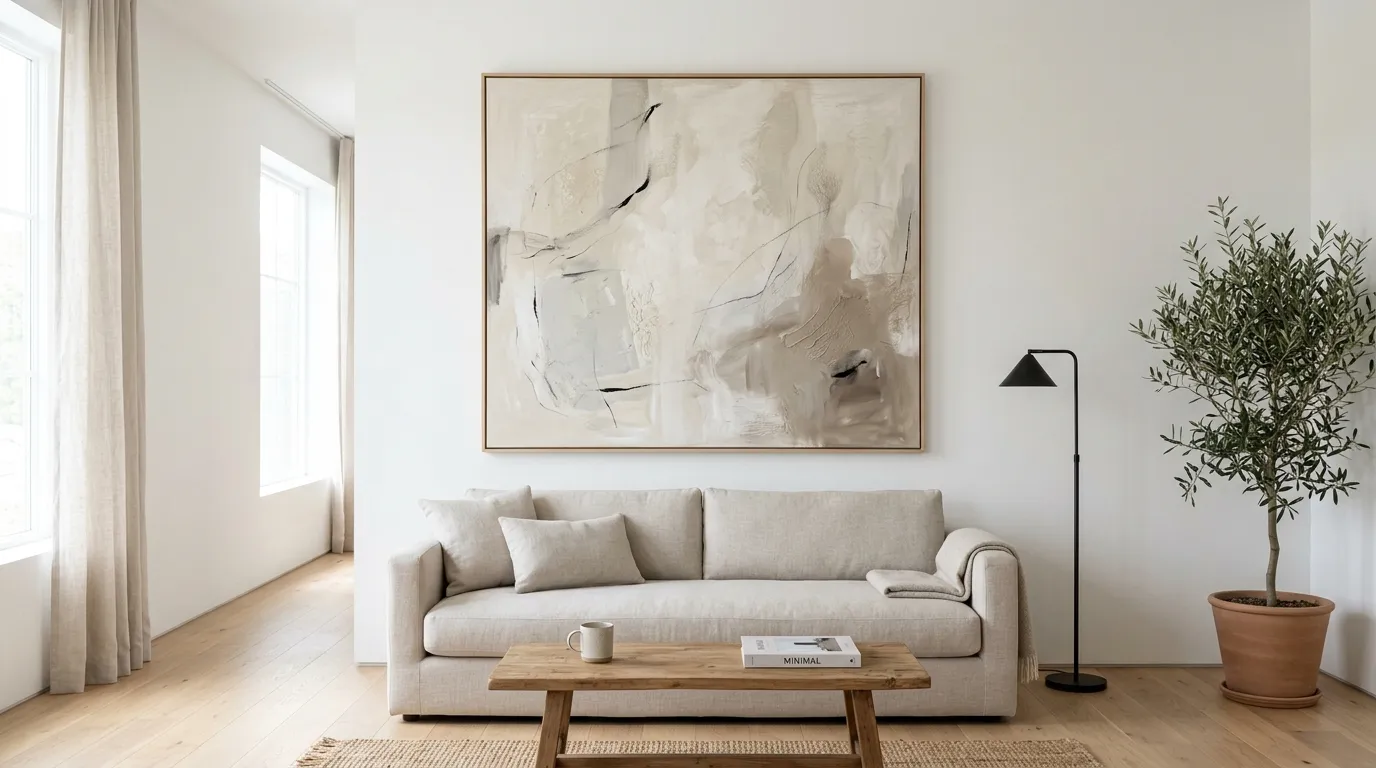
A single large abstract artwork can completely define the mood of your space without adding visual chaos. Instead of multiple small frames, one bold piece keeps everything clean and intentional. I’ve seen this work beautifully in rooms that feel empty but don’t need more furniture. The key is choosing artwork with soft tones or subtle contrast so it complements the room rather than overpowering it. This approach keeps the overall look refined while still adding a layer of personality.
What makes this idea so effective is its ability to anchor the entire room visually. It draws attention in a calm, balanced way, especially when paired with simple furniture and neutral colors. I’ve noticed that oversized art often makes a space feel more curated and complete, even with minimal decor. That’s why many designers use this technique when building minimalist living room ideas that feel elevated, intentional, and visually striking without unnecessary complexity.
6. Hidden Storage Units
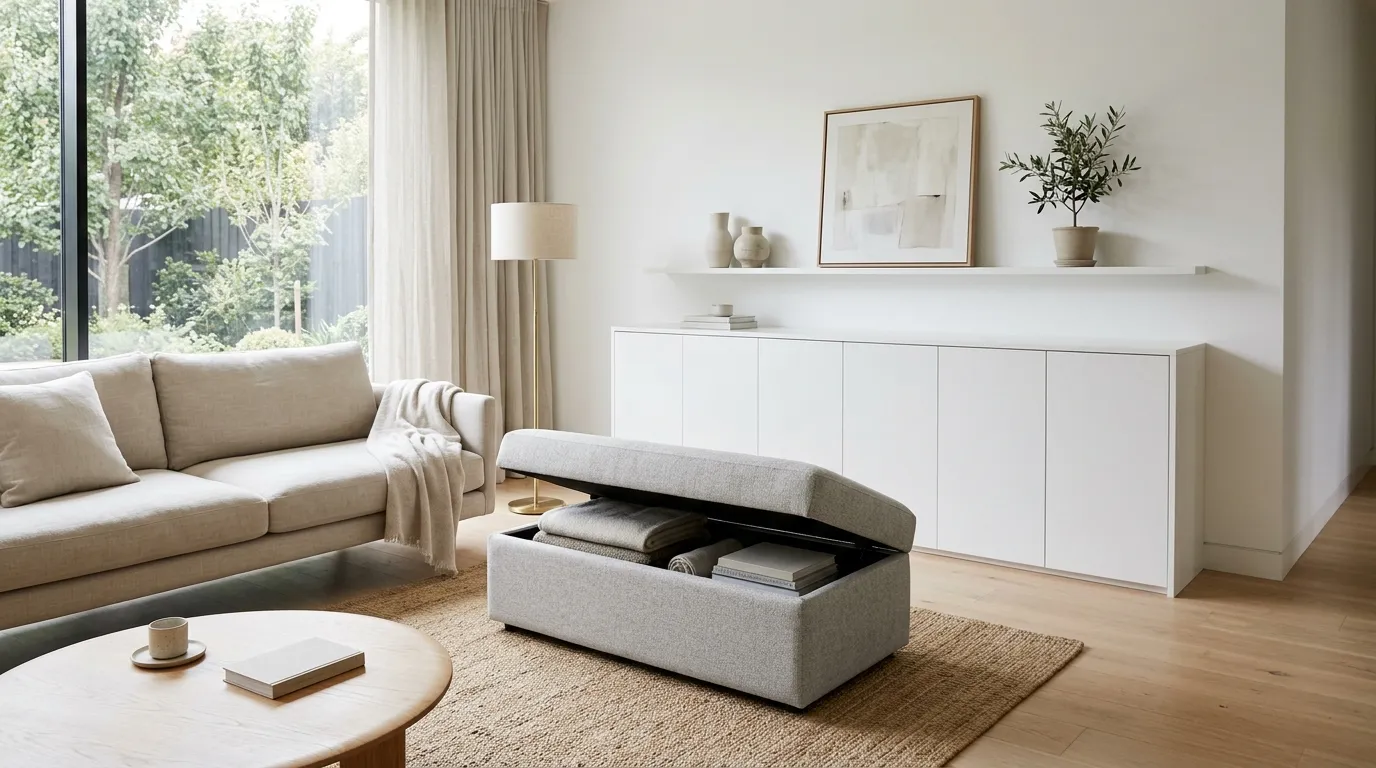
Hidden storage is one of the smartest ways to maintain a clean and calm living space without sacrificing functionality. Instead of open shelves or bulky cabinets, these pieces tuck everything neatly out of sight. In my experience, this makes a huge difference in how the room feels daily—it stays visually peaceful even when life gets busy. Items like blankets, remotes, or magazines can be stored instantly, keeping surfaces clear and aligned with a minimalist approach.
What makes this idea especially valuable is how it supports real-life living without disrupting the design. You don’t have to constantly tidy up to maintain a polished look because everything has a hidden place. I’ve noticed this works particularly well in smaller homes where space is limited. Clean lines and handle-free designs help these units blend effortlessly into the room. This creates a balanced environment that feels both practical and beautifully uncluttered without drawing attention to storage itself.
7. Sheer Curtain Panels
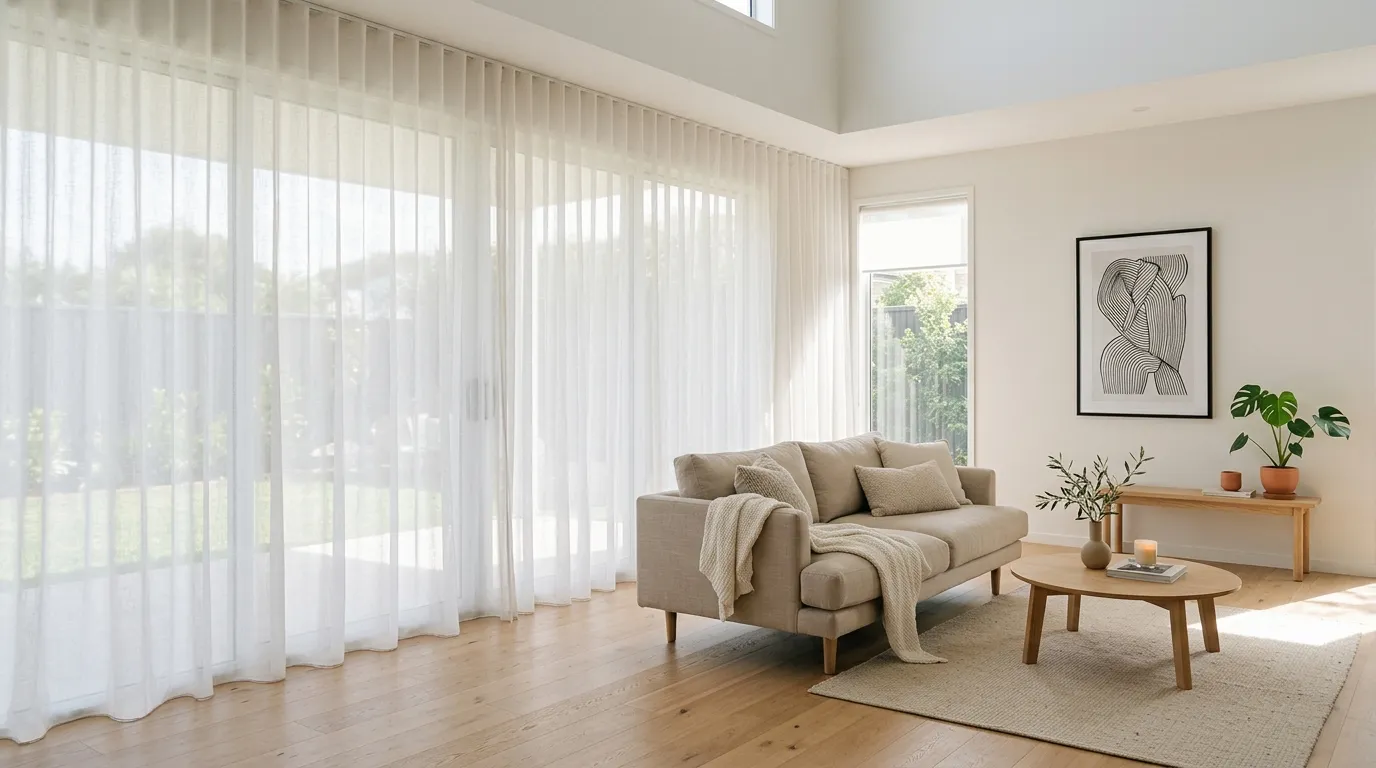
Sheer curtains can completely change how light behaves in your living room, turning harsh sunlight into a soft, glowing layer. This instantly makes the space feel calmer and more inviting. I’ve noticed that even darker rooms feel brighter once sheer panels are added, especially when paired with light-colored walls and furniture. They also create a subtle sense of movement when they catch a breeze, which adds life without cluttering the space visually.
What makes this idea so appealing is how effortlessly it enhances both comfort and style. You still get privacy, but without blocking natural light, which is essential for a clean and open feel. In my experience, floor-to-ceiling placement works best because it elongates the walls and makes the room appear taller. This simple upgrade fits seamlessly into modern, clutter-free interiors and helps maintain a light, breathable atmosphere throughout the day.
8. Monochrome Palette
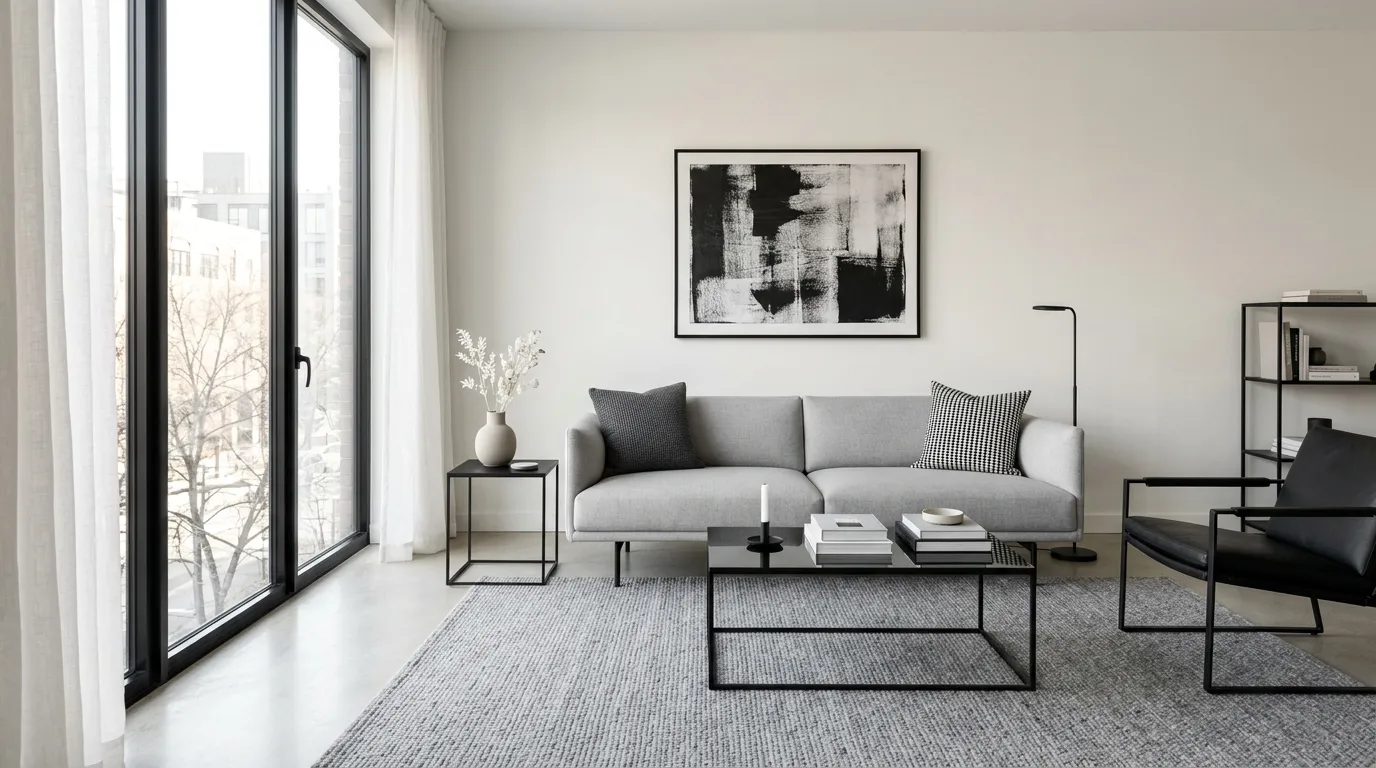
A monochrome palette brings a sense of clarity and structure that instantly elevates a living room. By working within a limited range of tones, the space feels more cohesive and intentional. I’ve seen this approach work especially well when textures are layered—like a soft rug against a sleek sofa—to prevent the room from feeling flat. The contrast between light and dark elements adds quiet drama without overwhelming the simplicity of the design.
What makes this style so effective is how easy it is to maintain over time. You don’t have to worry about clashing colors or over-decorating because everything naturally fits within the same visual language. In my experience, adding a few black accents, like a lamp or table frame, helps anchor the space. This creates a polished look that feels both modern and timeless, making it a reliable choice for clean and balanced interiors.
9. Slim Coffee Table
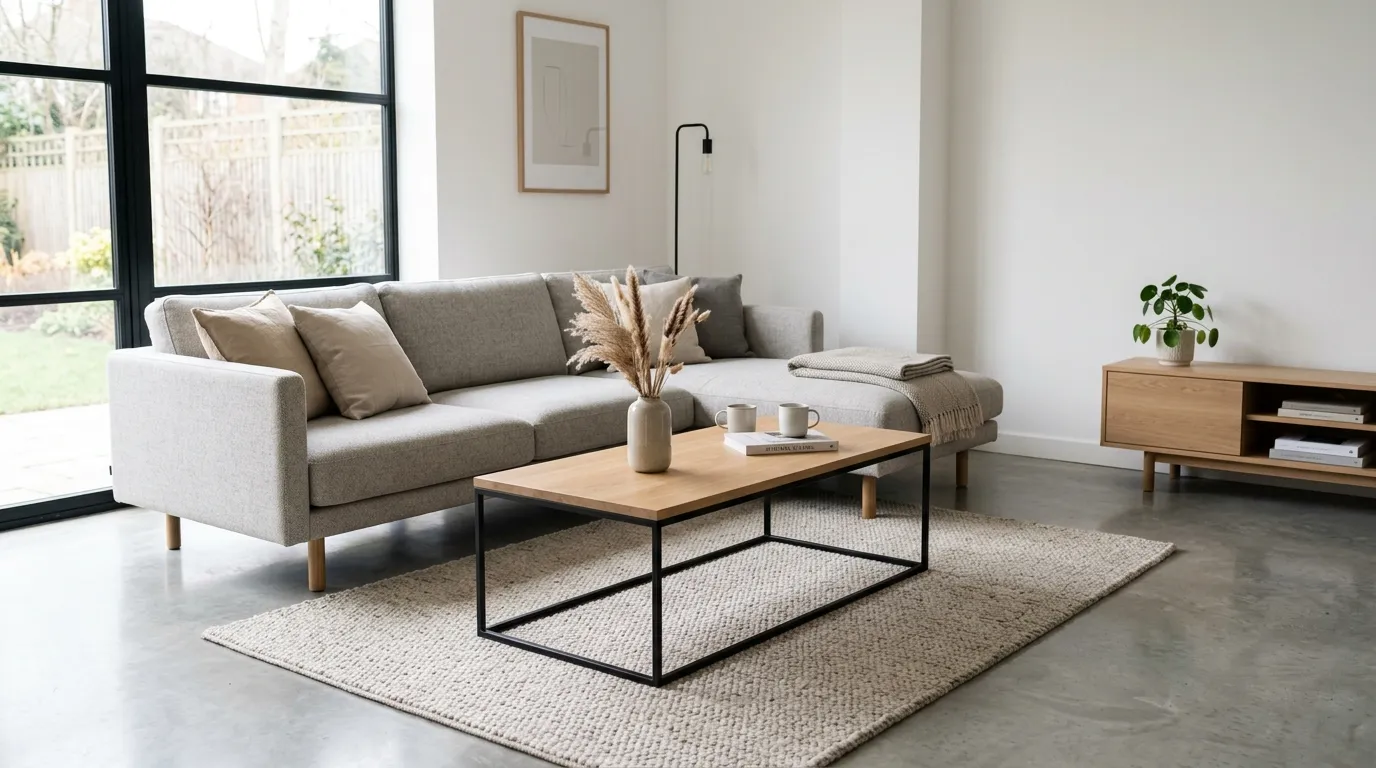
A slim coffee table can make a surprising difference in how open your living room feels. Instead of a bulky centerpiece, this lighter design keeps the layout airy and easy to move around. I’ve noticed that rooms instantly feel less crowded when the table has a thin profile and clean lines. It still provides enough surface for daily use, but without dominating the space or blocking visual flow.
What makes this idea so practical is its balance between function and simplicity. You get a usable surface while maintaining a clean and minimal look. In my experience, choosing one with open space underneath enhances the feeling of lightness even more. This approach works especially well in smaller areas, where every inch matters. It supports a streamlined layout that feels both comfortable and visually effortless.
10. Textured Area Rug
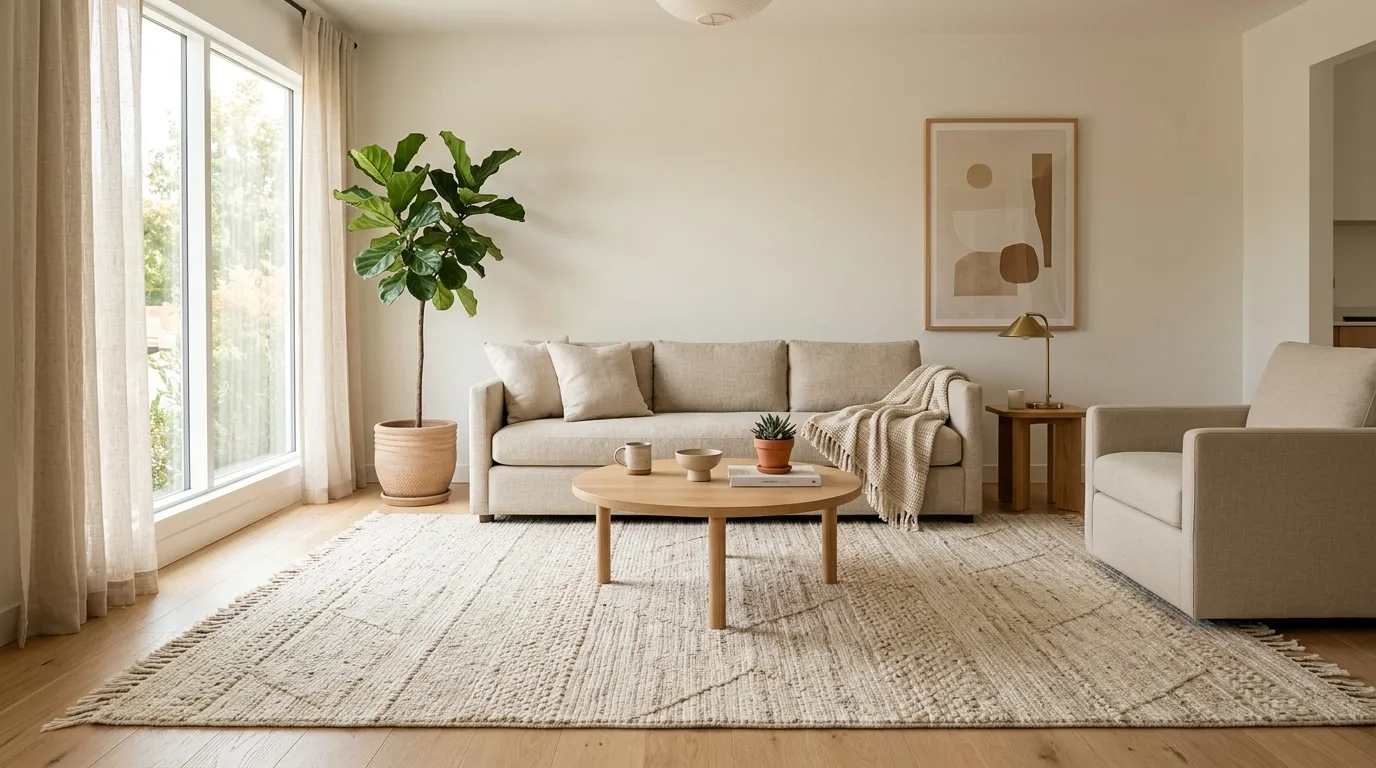
A textured area rug can quietly transform the feel of your living room by adding depth without overwhelming the design. Instead of bold patterns, soft weaves and neutral tones create interest while keeping everything calm and cohesive. I’ve noticed that even the simplest furniture looks more complete when grounded with the right rug. It also softens the overall look, making the space feel more inviting and comfortable without disrupting the minimalist style.
What makes this idea especially effective is how it balances function and visual appeal. It defines the seating area clearly, which helps organize the layout in an open space. In my experience, choosing a slightly larger rug than expected creates a more unified look. The added texture also prevents the room from feeling flat, especially when working with neutral tones. This small addition can make the entire space feel more polished and thoughtfully designed.
11. Indoor Plant Corner
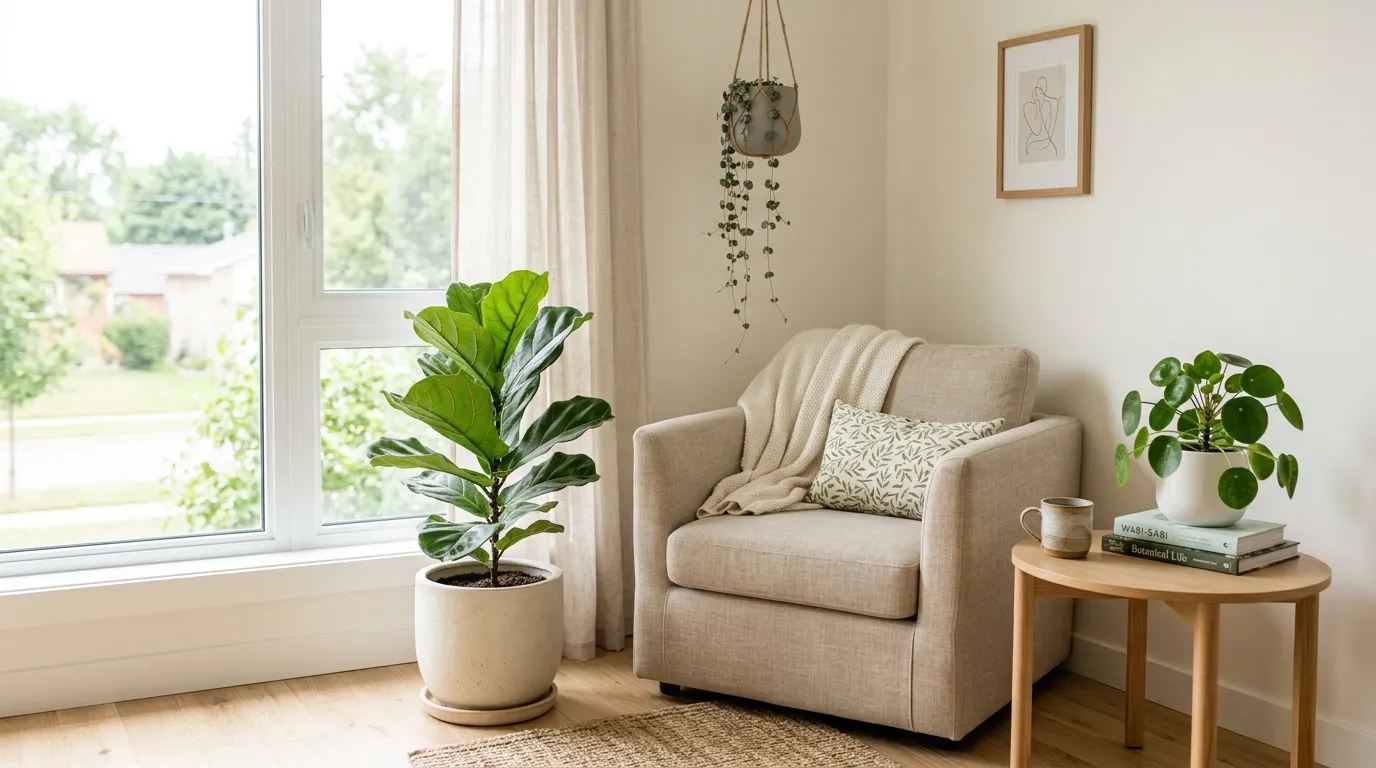
An indoor plant corner can instantly breathe life into a minimalist space without adding clutter. A few well-placed plants introduce natural color and softness, which balances the clean lines of modern furniture. I’ve seen this work beautifully in empty corners that otherwise feel unused or dull. Even a single taller plant paired with a smaller one can create a layered, organic look that feels intentional and refreshing.
What makes this idea so effective is how easily it adapts to different spaces and styles. You don’t need a large collection—just a few carefully chosen plants can make a noticeable impact. In my experience, placing them near natural light helps them thrive while enhancing the overall ambiance. This simple addition creates a calm, welcoming environment that feels more connected to nature, making the space feel both relaxed and visually complete.
12. Minimal Wall Frames
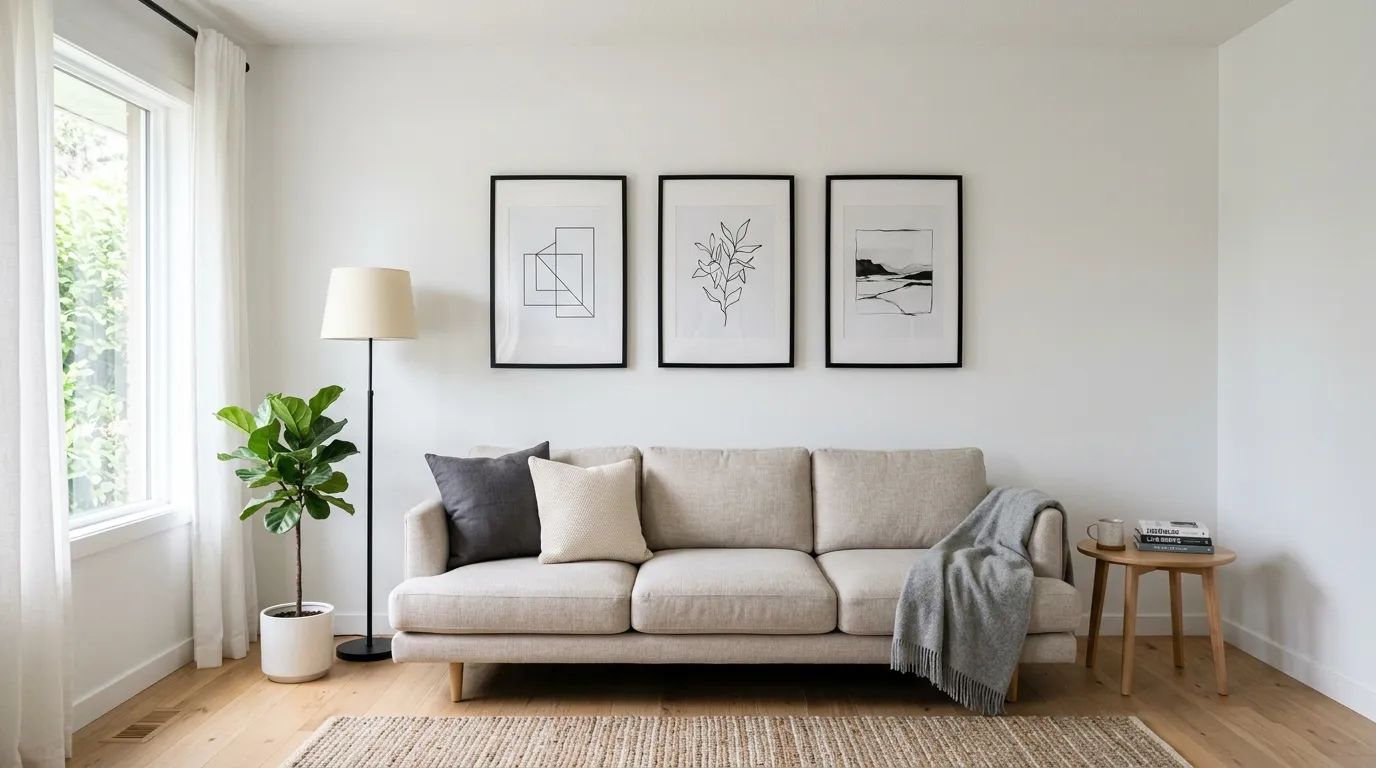
Minimal wall frames offer a simple way to personalize your living room while maintaining a clean and uncluttered look. Instead of filling the wall with many pieces, a few carefully chosen frames create a more refined and intentional display. I’ve noticed that spacing them evenly makes a big difference in how polished the result feels. Black and white prints or soft neutral artwork work especially well to keep everything visually calm.
What makes this idea practical is how flexible it is over time. You can easily swap out prints or adjust the layout without changing the overall design. In my experience, keeping the frames aligned and consistent in style helps maintain that minimalist feel. This approach adds just enough visual interest to prevent the space from feeling empty, while still preserving the simplicity that defines modern interiors.
13. Open Space Layout
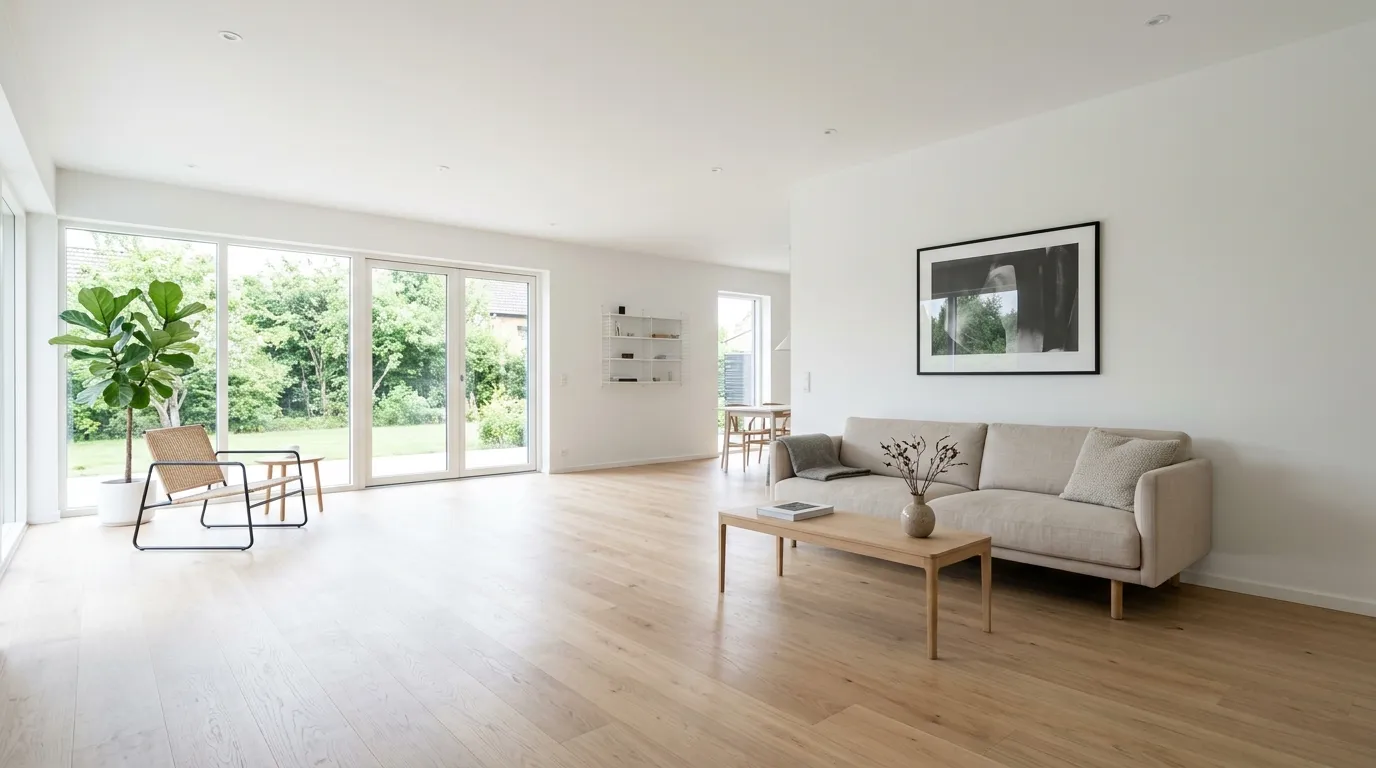
An open space layout can completely transform how your living room feels and functions on a daily basis. Instead of filling every corner, this approach focuses on intentional spacing between furniture pieces. I’ve noticed that even small rooms feel significantly larger when unnecessary items are removed and pathways are kept clear. This setup allows each element to stand out while maintaining a calm and organized atmosphere that feels easy to live in.
What makes this idea so effective is how it improves both comfort and visual clarity at the same time. You can move freely without obstacles, and the room feels less overwhelming overall. In my experience, keeping only essential furniture helps maintain this balance without sacrificing usability. This approach works especially well for creating a clean and modern environment that feels light, functional, and thoughtfully arranged.
14. Light Wood Accents
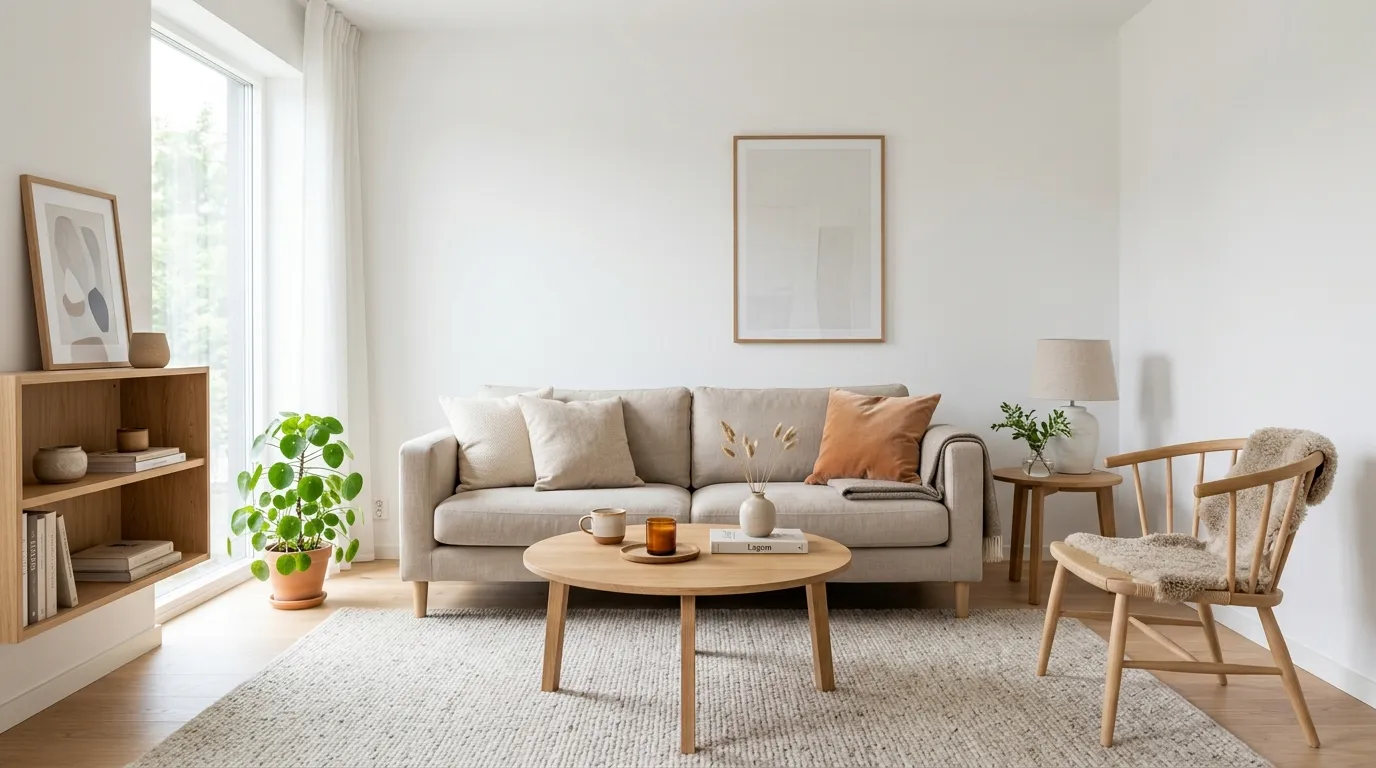
Light wood accents bring a natural warmth that softens the clean lines of a minimalist living room. Instead of dark or heavy materials, these lighter tones keep the space feeling open and relaxed. I’ve seen this work especially well in rooms with white or neutral walls, where the wood adds just enough contrast without overwhelming the design. It creates a balanced look that feels both modern and inviting.
What makes this idea so versatile is how easily it blends with different textures and materials. From a simple coffee table to small decor pieces, light wood can be introduced gradually without disrupting the overall aesthetic. In my experience, combining it with soft fabrics like linen or cotton enhances the cozy feel even more. This subtle addition helps create a space that feels warm, natural, and effortlessly stylish.
15. Accent Chair Focus
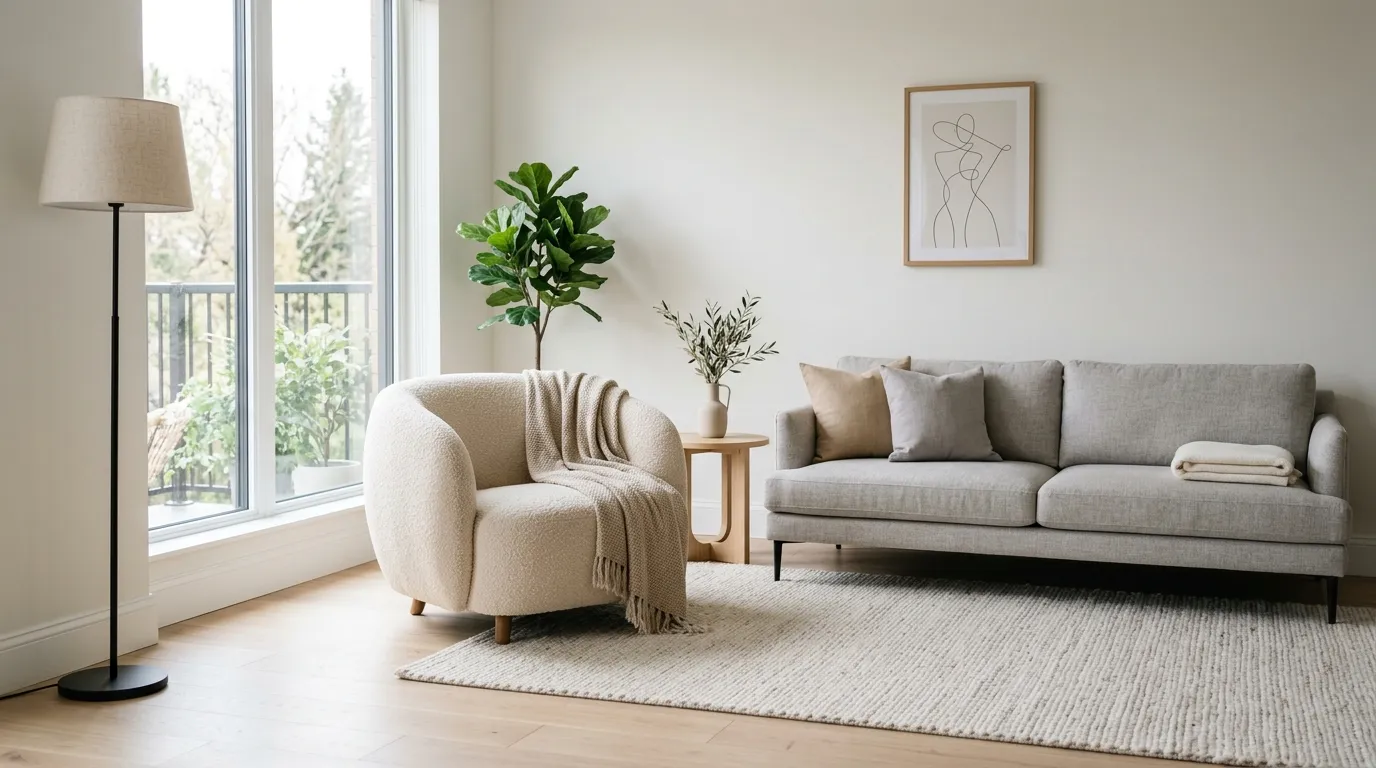
An accent chair can quietly become the highlight of your living room without disrupting its simplicity. Instead of adding more bulky furniture, a single well-chosen chair creates a focal point that feels intentional and refined. I’ve noticed that placing it slightly apart from the main seating area helps define its presence while maintaining an open layout. The right design can also introduce a new texture or shape, adding subtle visual interest.
What makes this idea so effective is its ability to enhance both style and function at the same time. You get additional seating without overcrowding the space, which is essential in a minimalist setup. In my experience, choosing a neutral tone or soft fabric helps the chair blend seamlessly while still standing out. This small addition can make the room feel more complete, balanced, and thoughtfully designed.
16. Recessed Lighting Design
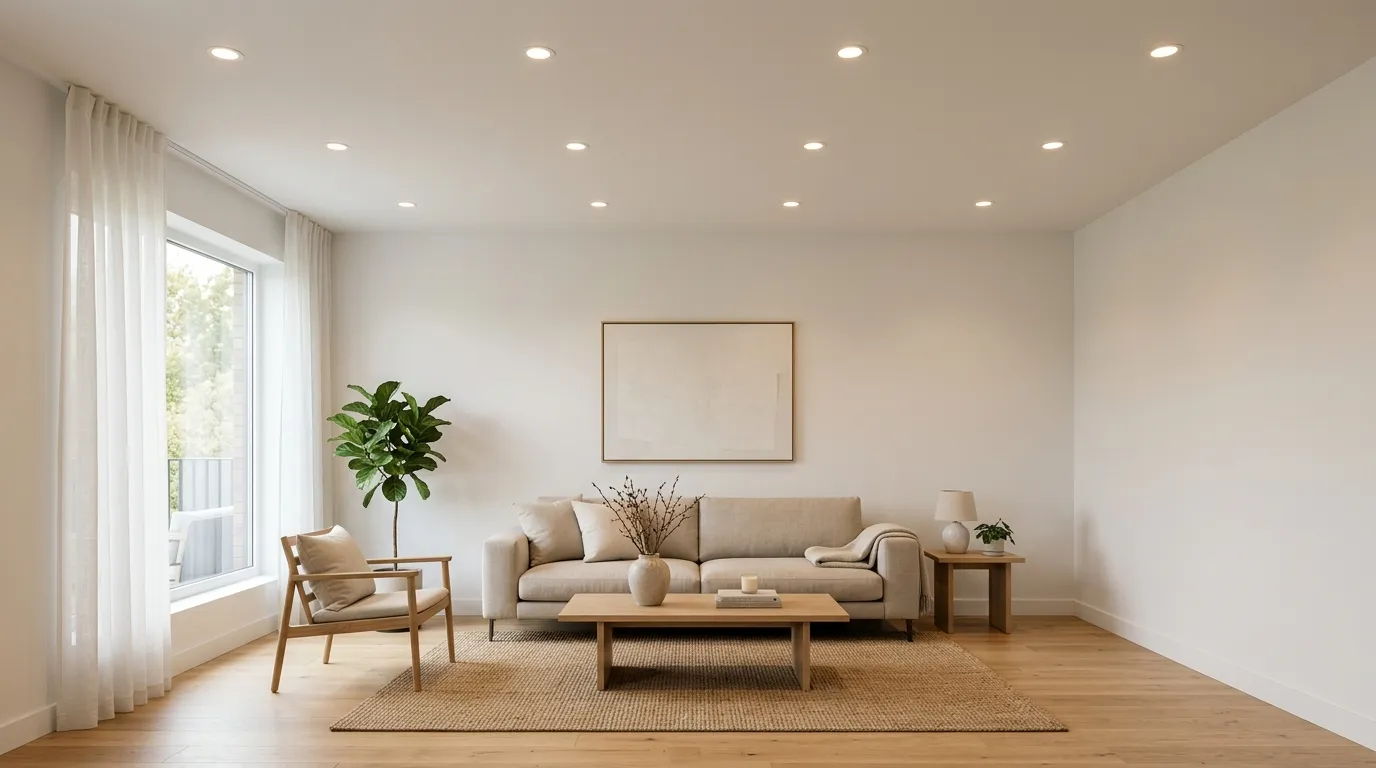
Recessed lighting can instantly elevate the atmosphere of a living room by creating a soft and evenly distributed glow. Instead of relying on visible fixtures, these lights blend into the ceiling, keeping the design clean and distraction-free. I’ve noticed that this setup makes the entire space feel more refined and polished, especially when paired with neutral tones. The light spreads gently across the room, reducing harsh shadows and creating a calm environment.
What makes this idea especially effective is how well it supports both function and aesthetics. You get sufficient lighting without adding visual weight to the room, which is essential for maintaining a minimalist look. In my experience, combining recessed lighting with a floor lamp or natural light creates a more layered and comfortable ambiance. This approach helps the space feel bright, modern, and thoughtfully designed without overwhelming the simplicity.
17. Soft Linen Textiles
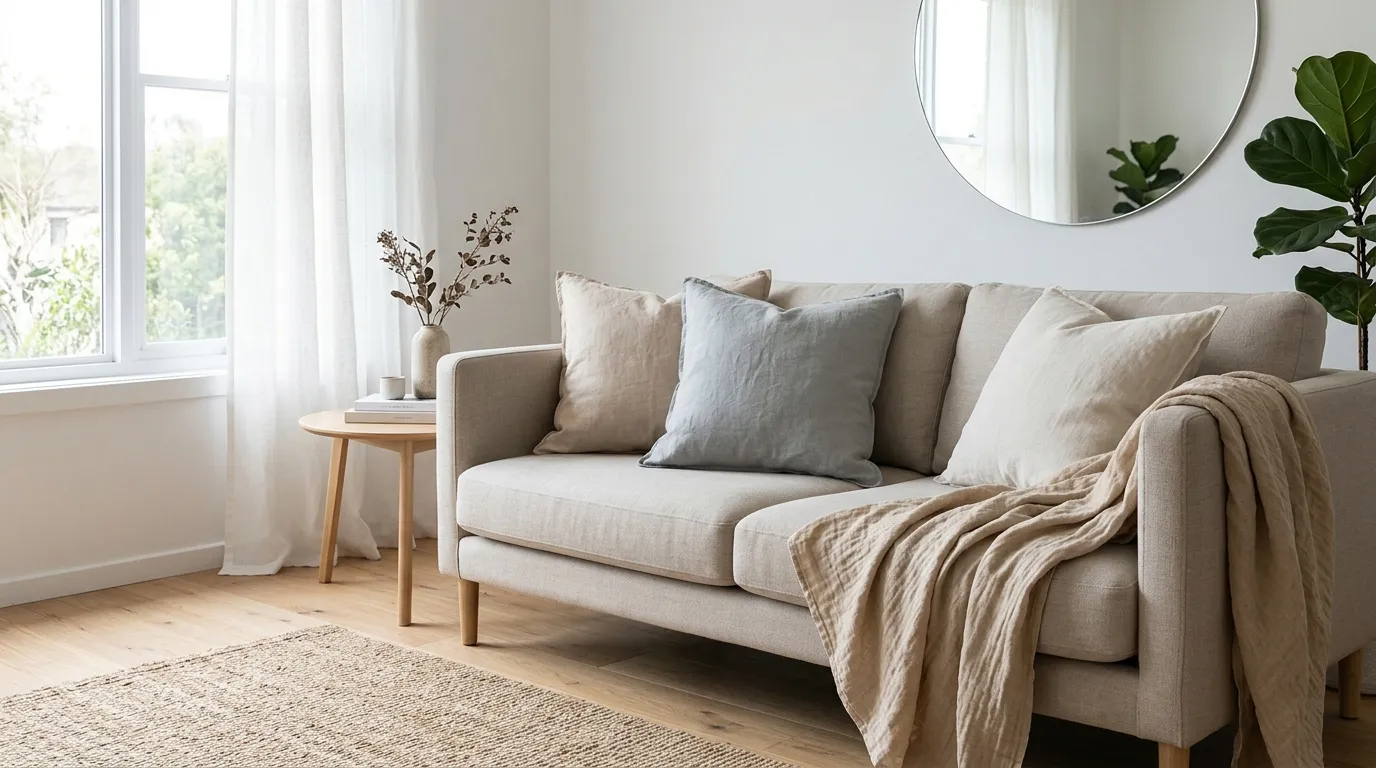
Soft linen textiles can completely change how a living room feels without altering the overall design. Adding a few linen cushions or a light throw introduces a relaxed, lived-in quality that balances the clean lines of minimalist furniture. I’ve noticed that this small detail makes the space feel more inviting and comfortable, especially in everyday use. The natural texture also adds depth, preventing the room from feeling too flat or overly structured.
What makes this idea so practical is how easy it is to update over time. You can switch colors or textures slightly to reflect different seasons while keeping the overall look consistent. In my experience, sticking to soft, neutral tones works best to maintain a calm and cohesive feel. This approach adds warmth and comfort in a subtle way, helping the space feel more welcoming without losing its simplicity.
18. Glass Table Elements
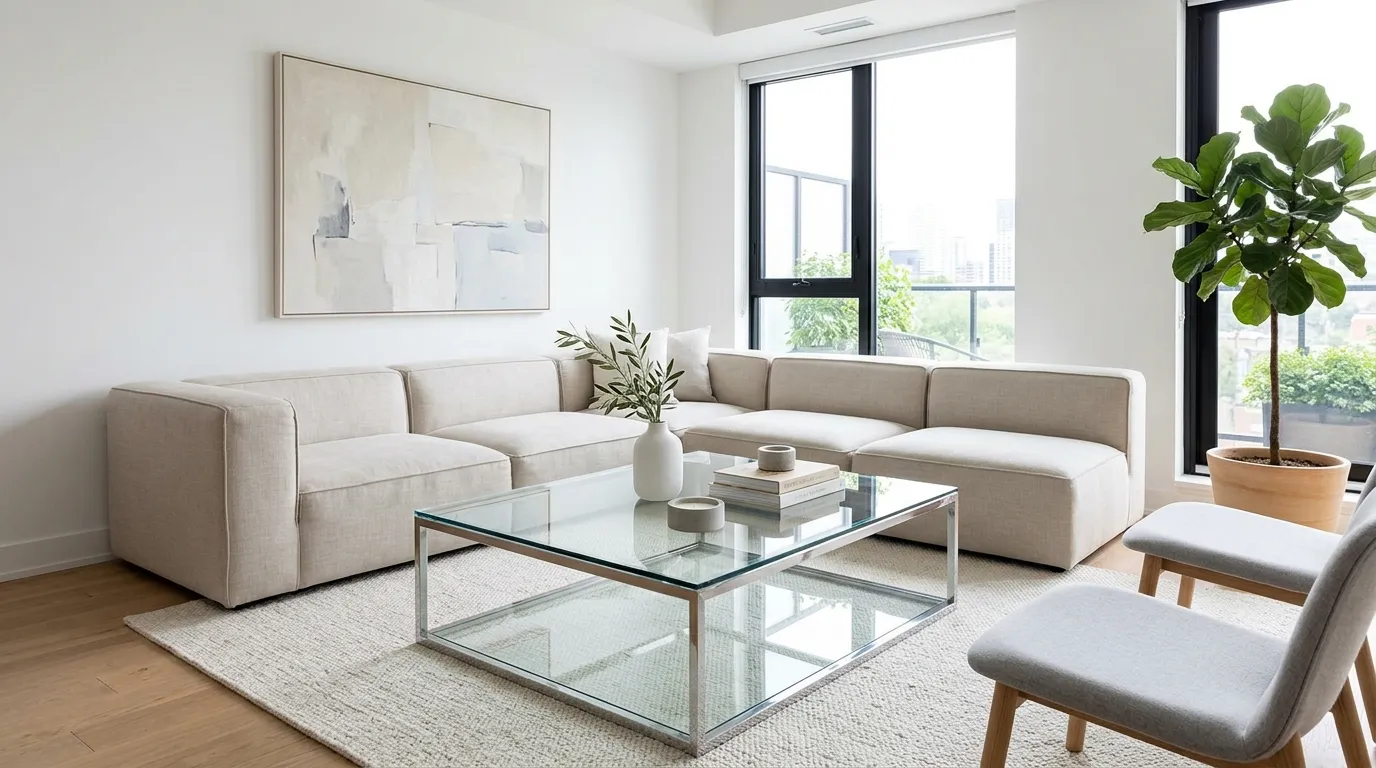
Glass table elements can make a living room feel instantly more open and airy without changing the layout. Because they are transparent, they don’t visually block the space, which helps maintain a clean and uncluttered look. I’ve seen this work especially well in smaller rooms where bulky furniture can feel overwhelming. The reflective surface also adds a subtle layer of brightness, enhancing natural light throughout the day.
What makes this idea so effective is how effortlessly it fits into different styles while maintaining simplicity. You can pair a glass table with wood, metal, or fabric elements without disrupting the overall balance. In my experience, keeping the surrounding decor minimal helps highlight the lightness of the piece. This creates a refined and modern look that feels both functional and visually effortless.
19. Single Statement Piece
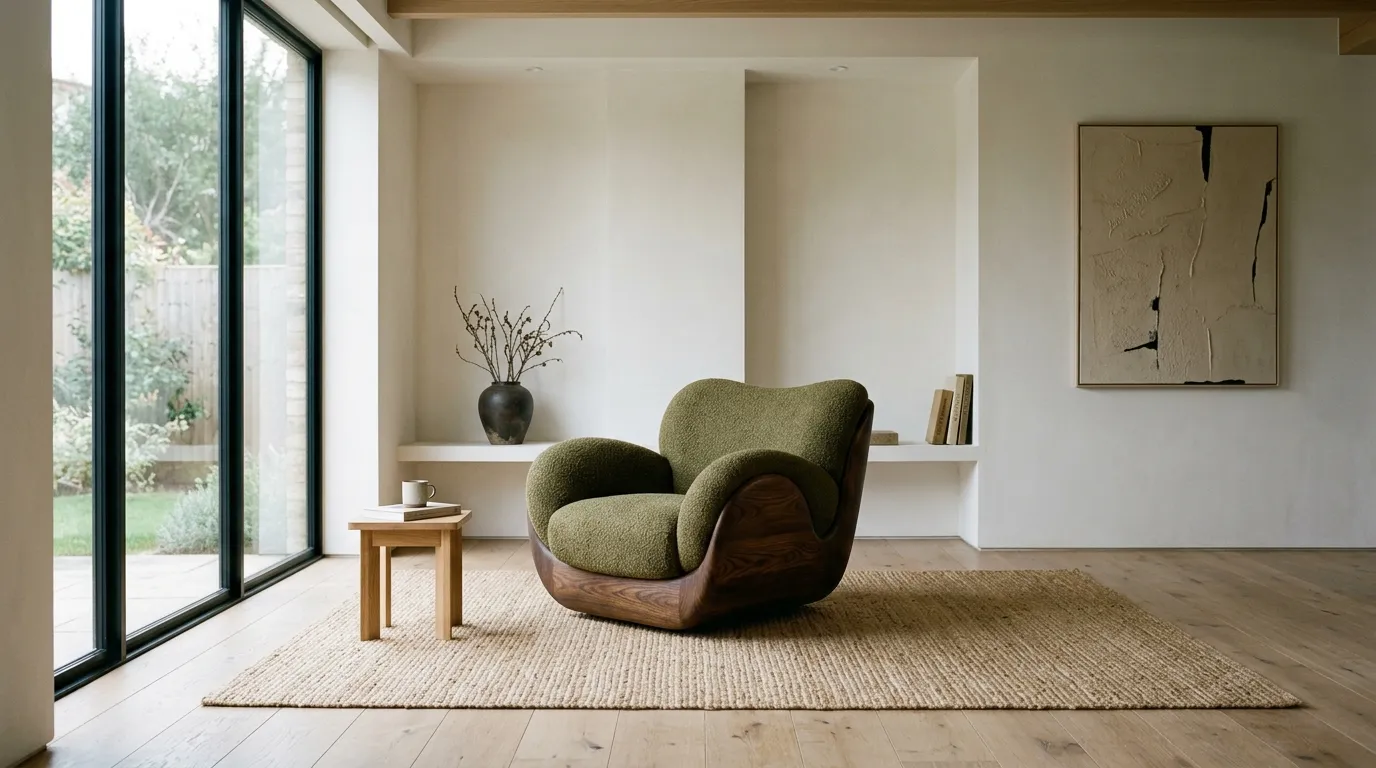
Sometimes, one standout piece is all you need to define the entire room. A sculptural chair, bold decor item, or unique furniture piece can act as a visual anchor without overwhelming the space. I’ve noticed that this approach simplifies decision-making because you’re not trying to fill every corner. Instead, the focus stays on one carefully chosen element that adds character while maintaining a clean and balanced environment.
What makes this idea so effective is how it encourages restraint while still allowing creativity. You can express your style through one impactful choice rather than multiple smaller items. In my experience, this keeps the room from feeling cluttered or overdesigned. The surrounding simplicity helps the statement piece stand out naturally, creating a refined and modern look that feels both intentional and visually striking.
20. Clean TV Wall
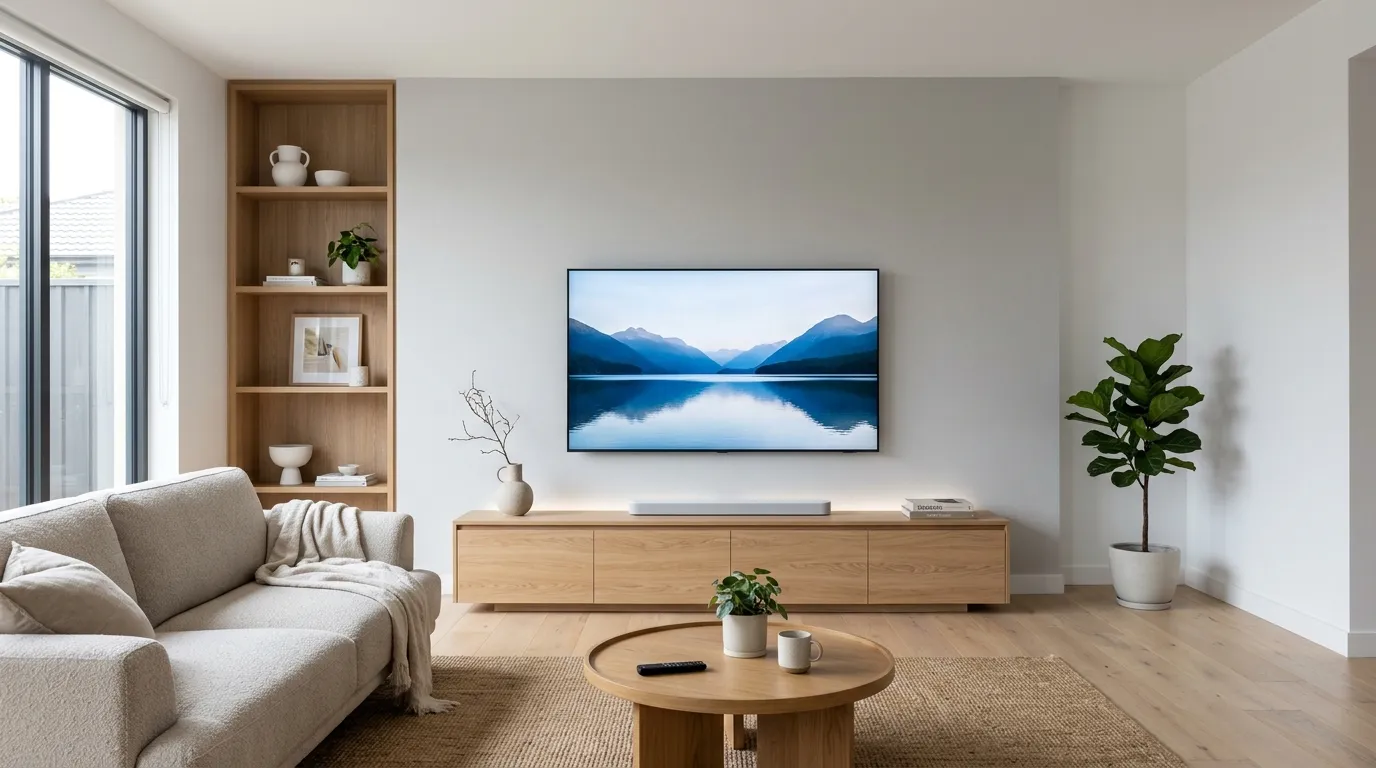
A clean TV wall can dramatically improve the overall look of your living room by removing visual distractions. Mounting the screen and hiding cables creates a streamlined setup that feels modern and intentional. I’ve noticed that even a simple room looks more polished when the TV area is organized properly. It also frees up floor space, making the entire layout feel lighter and more open.
What makes this idea especially practical is how it blends function with design. You still have a fully usable entertainment area, but without the clutter that often comes with it. In my experience, adding a minimal media unit below the screen helps maintain balance while providing subtle storage. This approach keeps everything neat and aligned, creating a calm and cohesive environment that’s easy to maintain daily.
21. Symmetrical Layout Balance
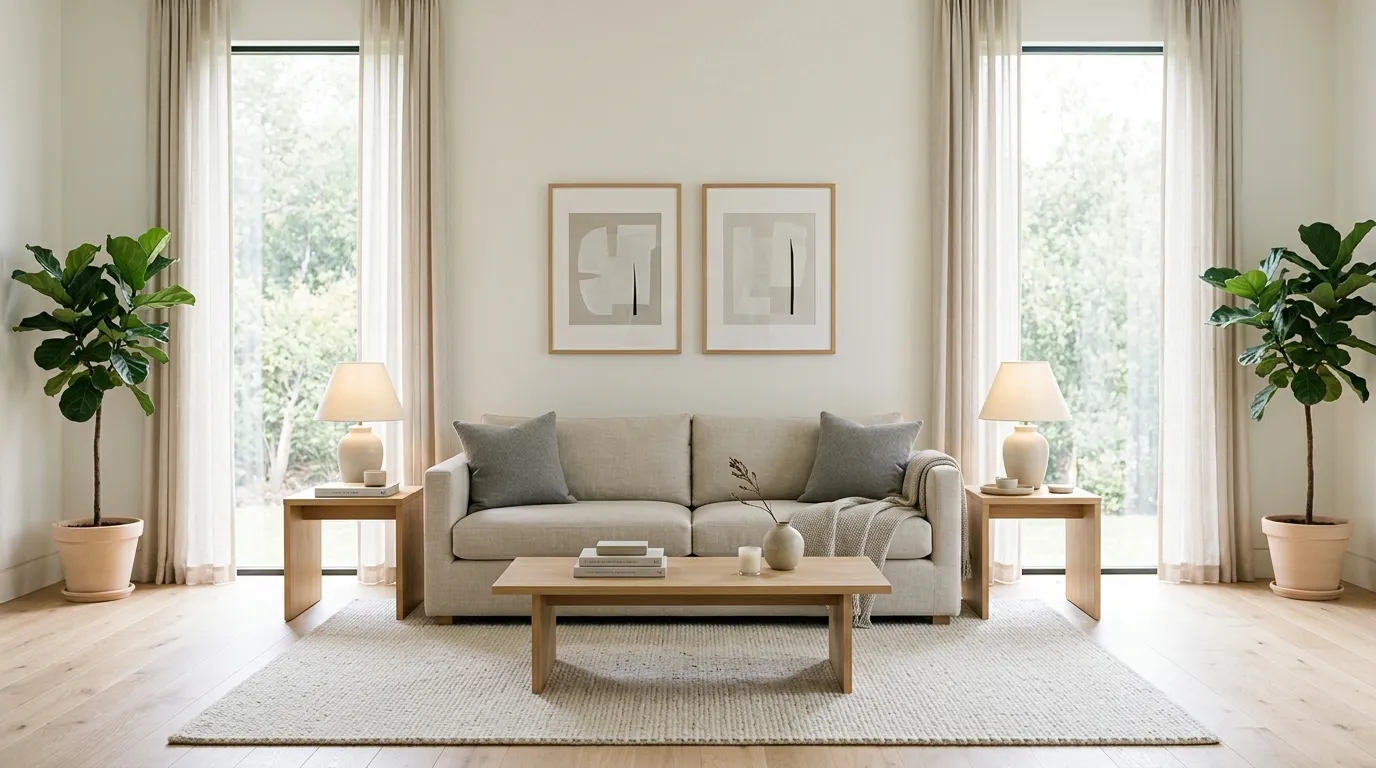
A symmetrical layout brings a sense of calm and order that instantly makes a living room feel more put together. By mirroring furniture or decor on both sides, the space feels balanced without needing extra elements. I’ve seen this work especially well in minimalist designs where simplicity is key. The repetition creates a quiet rhythm that makes the room feel stable and visually pleasing.
What makes this idea so reliable is how easy it is to achieve and maintain. You don’t need complex styling—just a few well-placed pieces arranged thoughtfully. In my experience, symmetry works best when combined with neutral tones and clean lines. This approach creates a harmonious environment that feels organized, calm, and effortlessly refined without adding unnecessary complexity.
22. Minimal Decor Styling
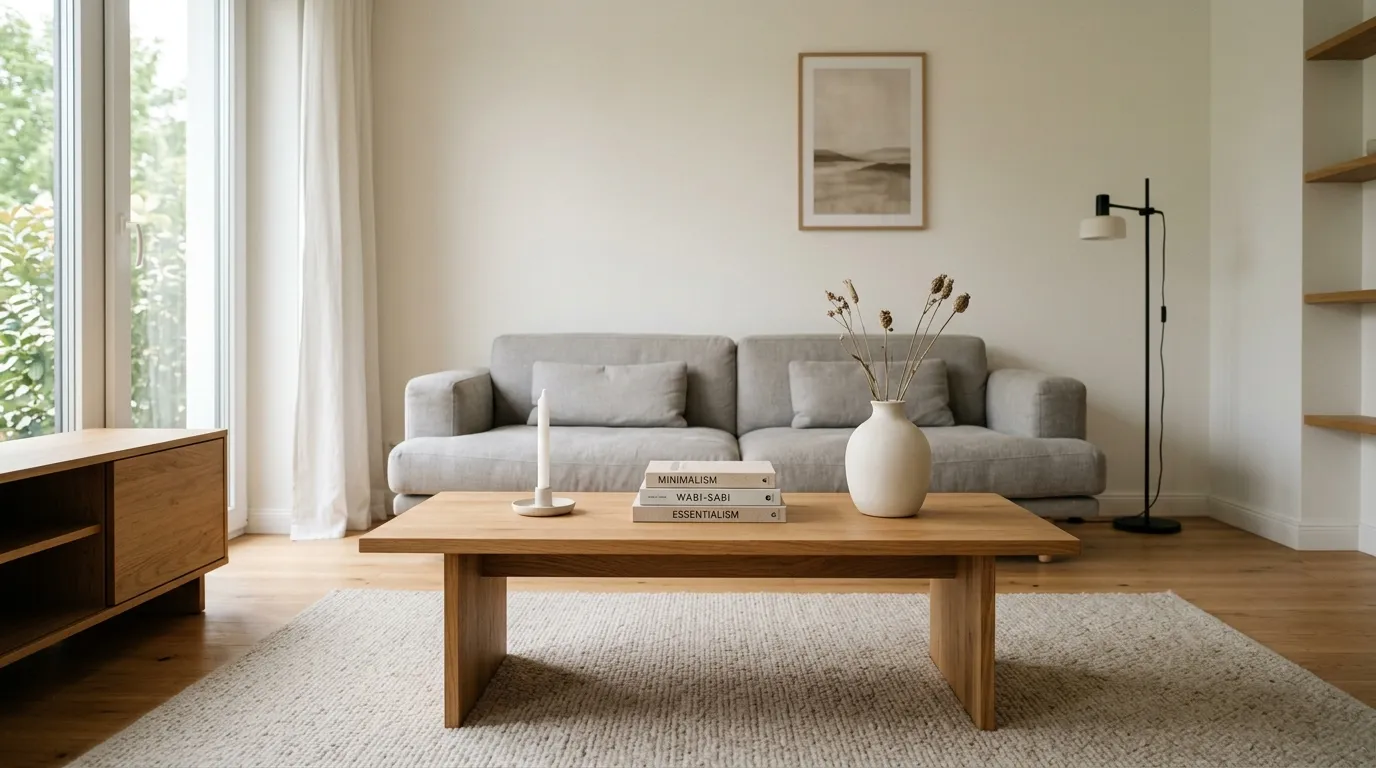
Minimal decor styling is where simplicity truly becomes powerful and noticeable. Instead of filling every surface, this approach focuses on keeping only a few meaningful items in view. I’ve noticed that when decor is limited, each piece stands out more and feels intentional rather than random. A single vase or a small stack of books can create enough visual interest without overwhelming the space, making the room feel calm and thoughtfully arranged.
What makes this idea so effective is how it simplifies both design and daily maintenance. You don’t have to constantly rearrange or clean around too many objects, which keeps the space feeling fresh. In my experience, choosing items with subtle texture or shape adds quiet character without breaking the minimalist look. This approach helps create a refined environment that feels balanced, peaceful, and easy to live in every day.
23. Natural Light Focus
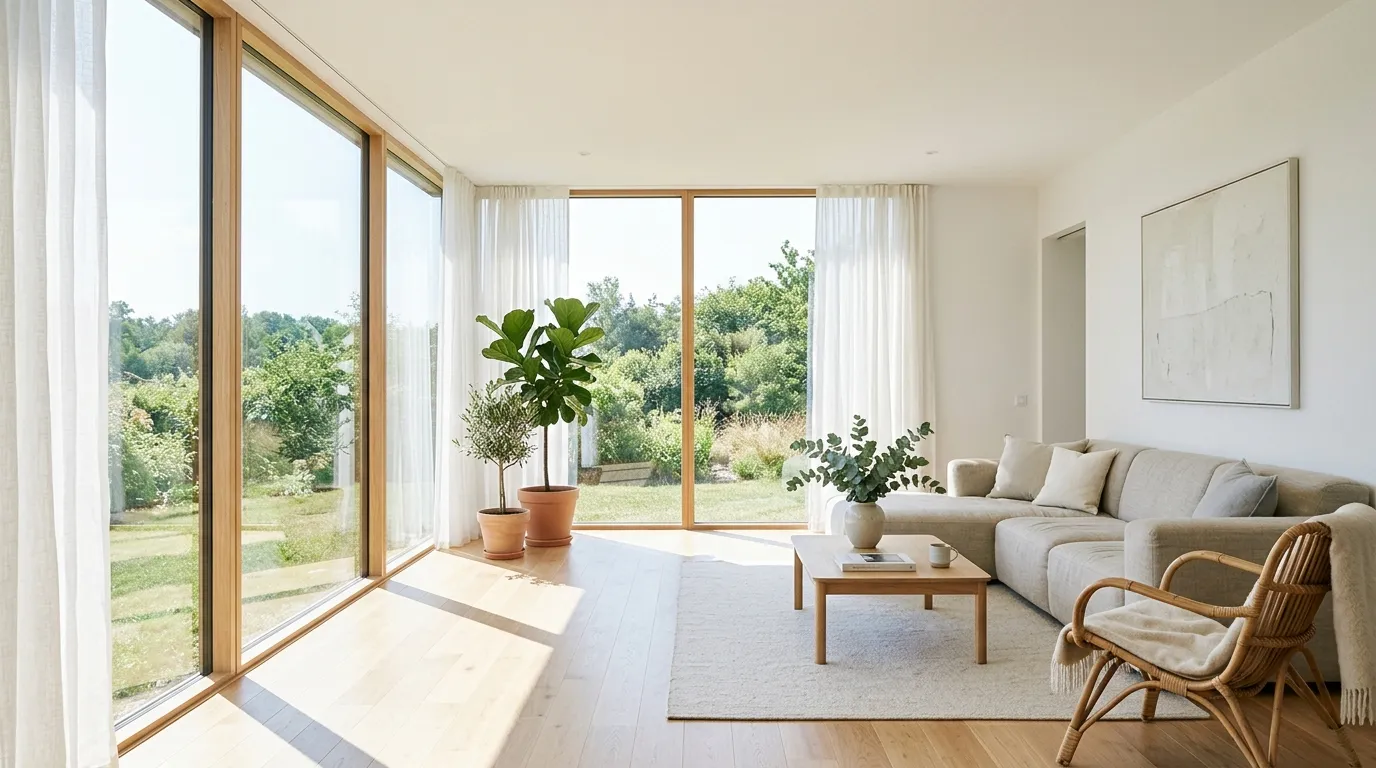
Natural light can completely transform a living room, making it feel more open, warm, and inviting throughout the day. Instead of relying heavily on artificial lighting, this approach focuses on maximizing sunlight through large windows and minimal obstructions. I’ve noticed that rooms instantly feel more alive when natural light is allowed to flow freely. It highlights textures, enhances colors, and creates a soft, ever-changing ambiance that feels calming and refreshing.
What makes this idea so impactful is how it improves both the look and feel of your space without adding anything extra. In my experience, keeping window areas clean and using sheer curtains helps maintain brightness while still offering privacy. This simple adjustment can elevate the entire room, creating an environment that feels light, airy, and naturally beautiful from morning to evening.
Conclusion:
Creating a calm and beautiful space doesn’t require a complete makeover—it starts with small, intentional choices. These minimalist living room ideas show how simple changes can bring clarity, comfort, and balance into your home. I’ve seen how even one thoughtful update can shift the entire feel of a room.
Now it’s your turn—try one idea, adjust your space, and notice the difference. Don’t forget to save this post on Pinterest for inspiration later and share it with anyone looking to refresh their home.
FAQs
1. How do I start designing a minimalist living room?
Start by removing anything that feels unnecessary or cluttered. Focus on keeping only functional and meaningful pieces. In my experience, beginning with a neutral base and then slowly adding a few key elements helps create a balanced space without feeling overwhelming.
2. What colors work best for a minimalist living room?
Soft neutrals like white, beige, gray, and light earthy tones work best. These shades create a calm and open feel. You can add depth through textures rather than bold colors to maintain a clean and cohesive look.
3. How can I make my living room look minimal but not empty?
The key is layering textures and adding a few intentional decor pieces. I’ve noticed that using rugs, cushions, and natural materials keeps the space warm while still feeling simple. It’s about balance, not removing everything.
4. Is minimalist design suitable for small living rooms?
Yes, it actually works even better in small spaces. A clean layout, light colors, and fewer furniture pieces make the room feel larger and more open. Keeping pathways clear also improves movement and functionality.
5. What type of furniture should I choose?
Go for simple, clean-lined furniture with a functional purpose. Low-profile pieces and multi-use furniture work especially well. In my experience, choosing quality over quantity makes a big difference in both look and comfort.
6. How do I keep a minimalist living room organized daily?
Make sure everything has a place, especially with hidden storage options. A quick daily reset, like clearing surfaces, helps maintain the look. I’ve found that less stuff naturally makes it easier to stay organized.
7. Can I still decorate in a minimalist style?
Absolutely. Minimalism doesn’t mean no decor—it means intentional decor. Choose a few meaningful pieces like artwork, plants, or ceramics that add personality without cluttering the space.
8. How important is lighting in a minimalist living room?
Lighting is essential. Natural light works best, but layering with soft artificial lighting creates a warm and inviting feel. I’ve seen how the right lighting can completely transform the mood of a simple space.
9. Are plants necessary in a minimalist living room?
They’re not necessary, but they help a lot. Plants add life, color, and freshness without breaking the minimalist aesthetic. Even one or two can make a noticeable difference.
10. How do I maintain a minimalist look long-term?
Be mindful of what you bring into the space. Regularly declutter and avoid accumulating unnecessary items. In my experience, maintaining minimalism is more about habits than design choices.