Introduction
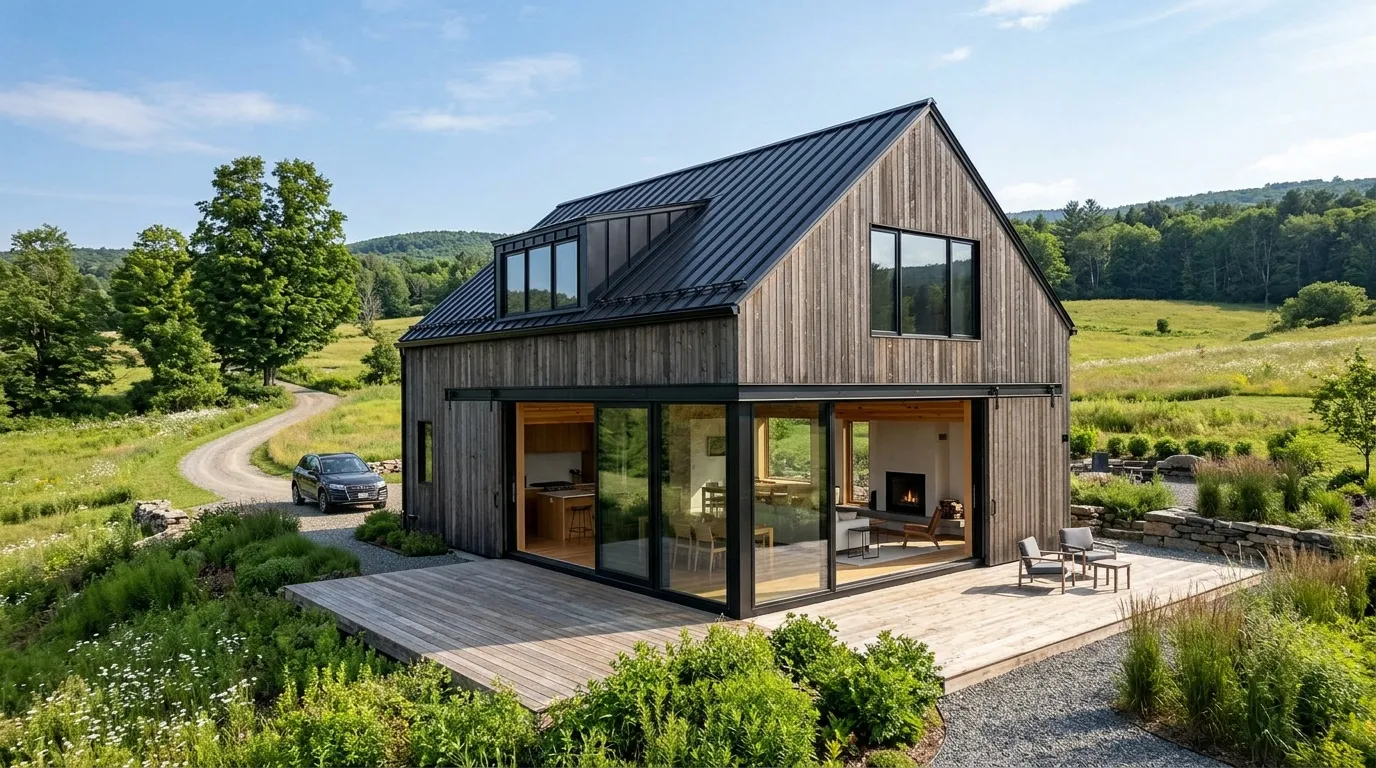
Dreaming of a modern minimalist barn house that feels calm, open, and effortlessly stylish? You’re not alone. This design style has quickly become a favorite for homeowners who want simplicity without sacrificing warmth or character.
In this article, you’ll discover 21 inspiring ideas that show how to create a space that feels both modern and inviting. From clean architectural details to smart layout choices, each idea is designed to help you build a home that looks beautiful and works in real life. I’ve noticed that even small changes—like better lighting or simpler materials—can completely shift how a space feels. If you’re looking for inspiration that’s practical, timeless, and easy to apply, you’ll find plenty of ideas here worth saving.
1. Glass Front Facade
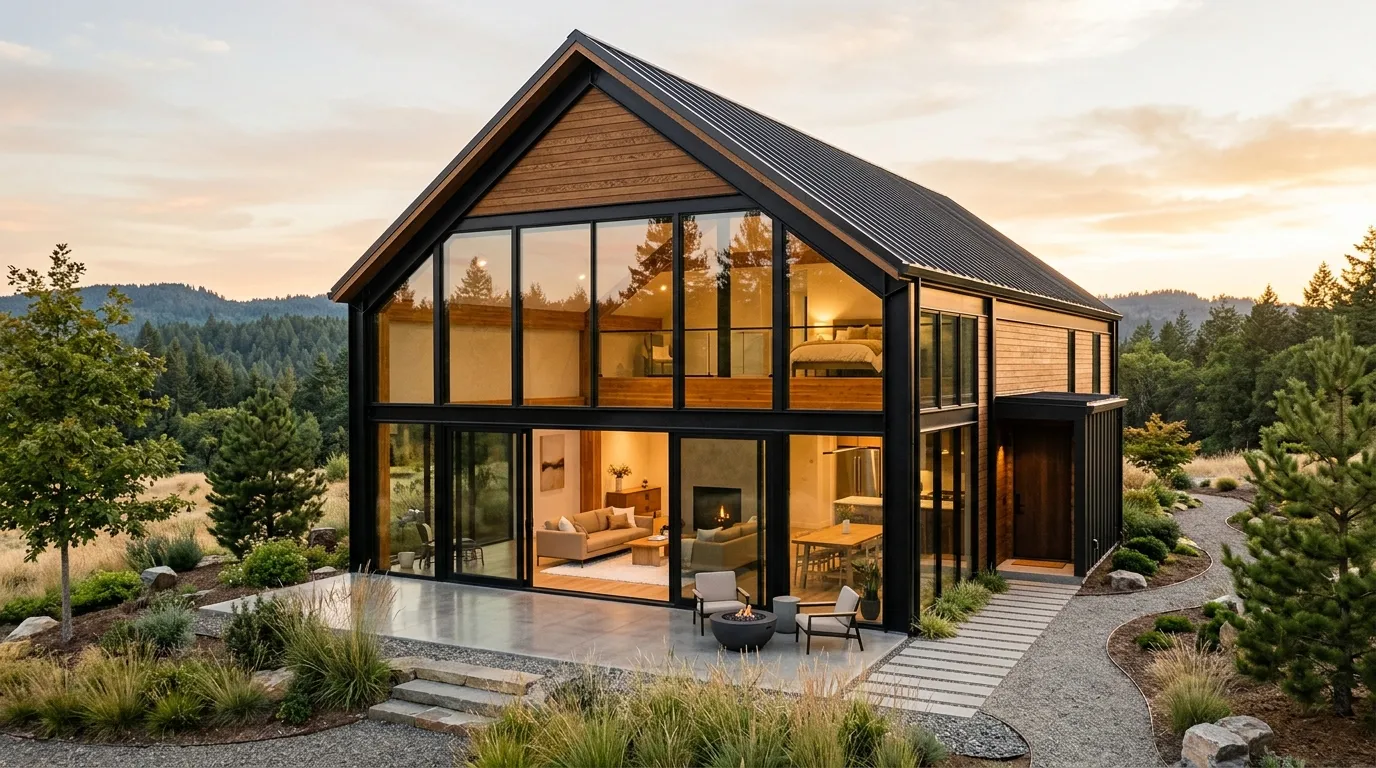
Floor-to-ceiling glass instantly transforms a simple structure into a bright, open retreat that feels connected to nature. This approach works beautifully in a modern minimalist barn house because it balances rustic form with sleek, contemporary elements. I’ve noticed homes with large glass facades always feel more spacious, even when the footprint is modest. The natural light softens sharp architectural lines and highlights textures like wood and stone. This design also reduces the need for artificial lighting during the day, making the space feel more organic and comfortable.
Beyond aesthetics, this feature improves how the home functions in everyday life. Morning light floods living areas, while evening reflections create a cozy, glowing effect from outside. That’s why many designers recommend pairing glass facades with neutral interiors to avoid visual clutter. In real homes, this setup often becomes the focal point, drawing attention without adding extra decor. It also works well in both rural and suburban settings, giving the home a calm, retreat-like atmosphere that feels intentional, not overwhelming.
2. Black Metal Exterior
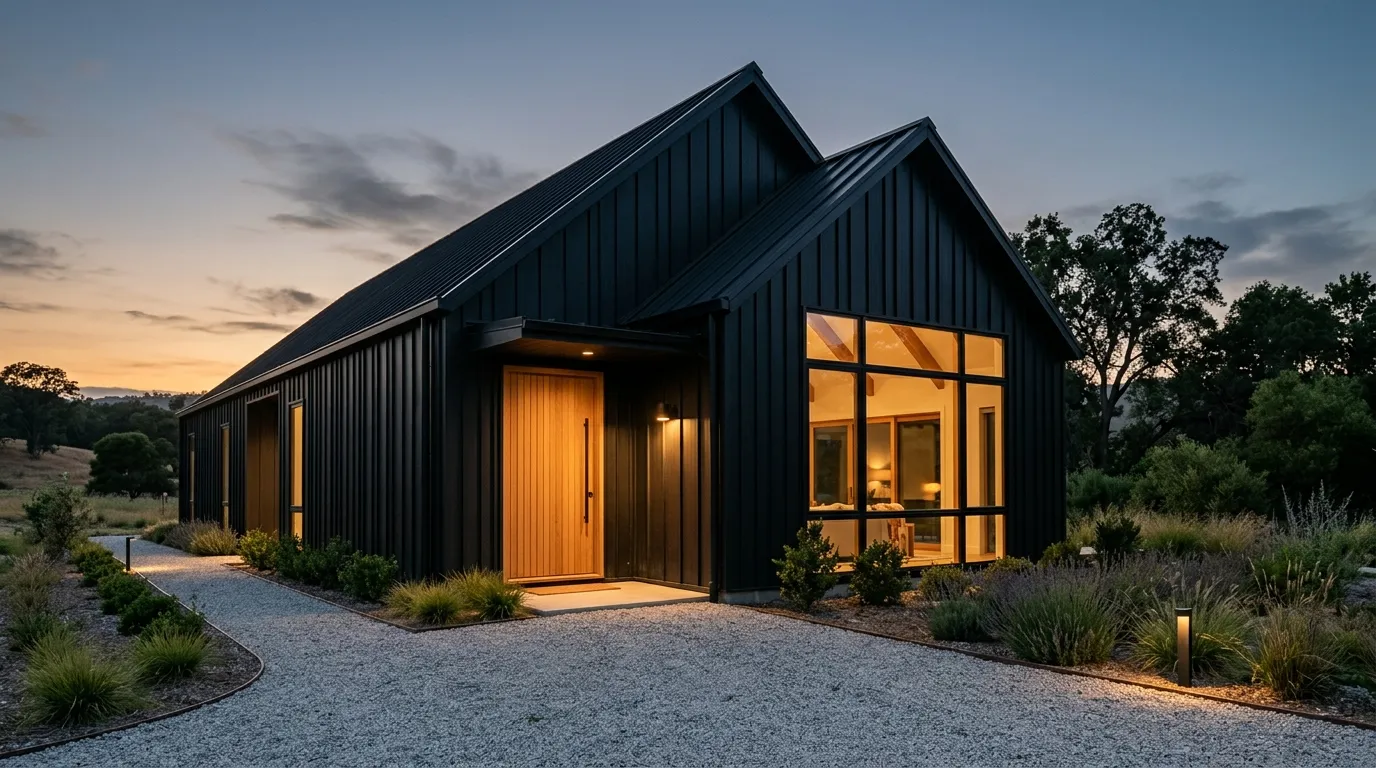
A black metal exterior gives a striking, high-contrast look that instantly modernizes a classic barn shape. It’s a popular choice in modern minimalist barn house designs because it keeps the structure simple while adding visual drama. I’ve seen this work especially well in homes surrounded by greenery, where the dark finish makes the house stand out in a clean, intentional way. The matte texture also reduces glare, making the design feel more refined rather than flashy.
Functionally, metal siding is durable and easy to maintain, which makes it ideal for long-term living. It resists weather damage and keeps its appearance with minimal upkeep. That’s why many homeowners choose this finish when they want both style and practicality. In real-life settings, pairing black metal with wood accents or soft lighting prevents the design from feeling too harsh. Instead, it creates a balanced look that feels bold, grounded, and thoughtfully designed.
3. Open Loft Interior
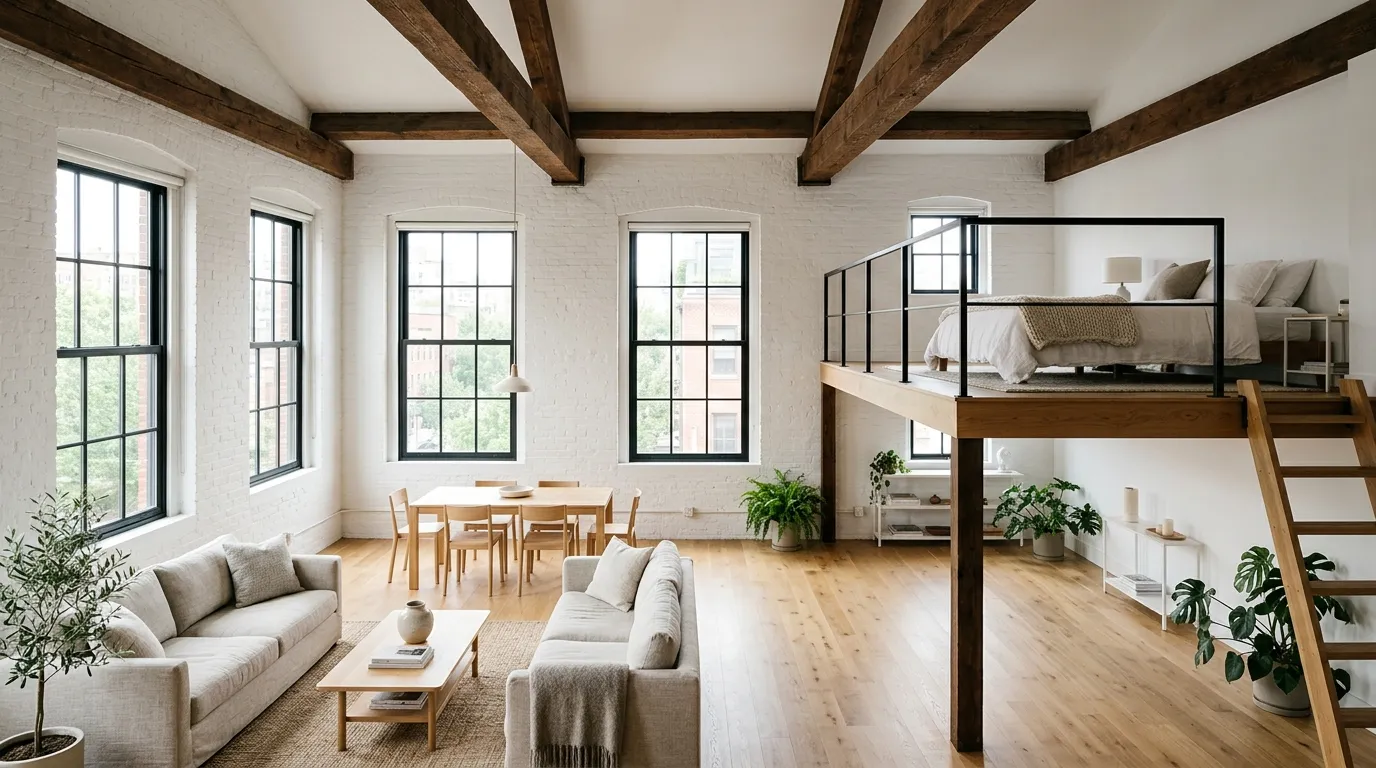
An open loft layout brings a sense of freedom and flow that’s hard to achieve with traditional floor plans. In my experience, removing unnecessary walls allows light to travel further, making every corner feel brighter and more connected. This approach works especially well in barn-style homes where high ceilings are already part of the structure. The loft adds an extra layer of functionality without making the space feel crowded, which is perfect for modern living.
This design also adapts easily to different needs, whether it’s a sleeping area, workspace, or reading nook. I’ve noticed that homes with open lofts tend to feel more relaxed and less confined, even during busy days. Keeping the color palette neutral helps maintain visual calm while letting architectural features stand out. Over time, this layout proves practical because it grows with your lifestyle, offering flexibility without requiring major structural changes.
4. Natural Wood Cladding
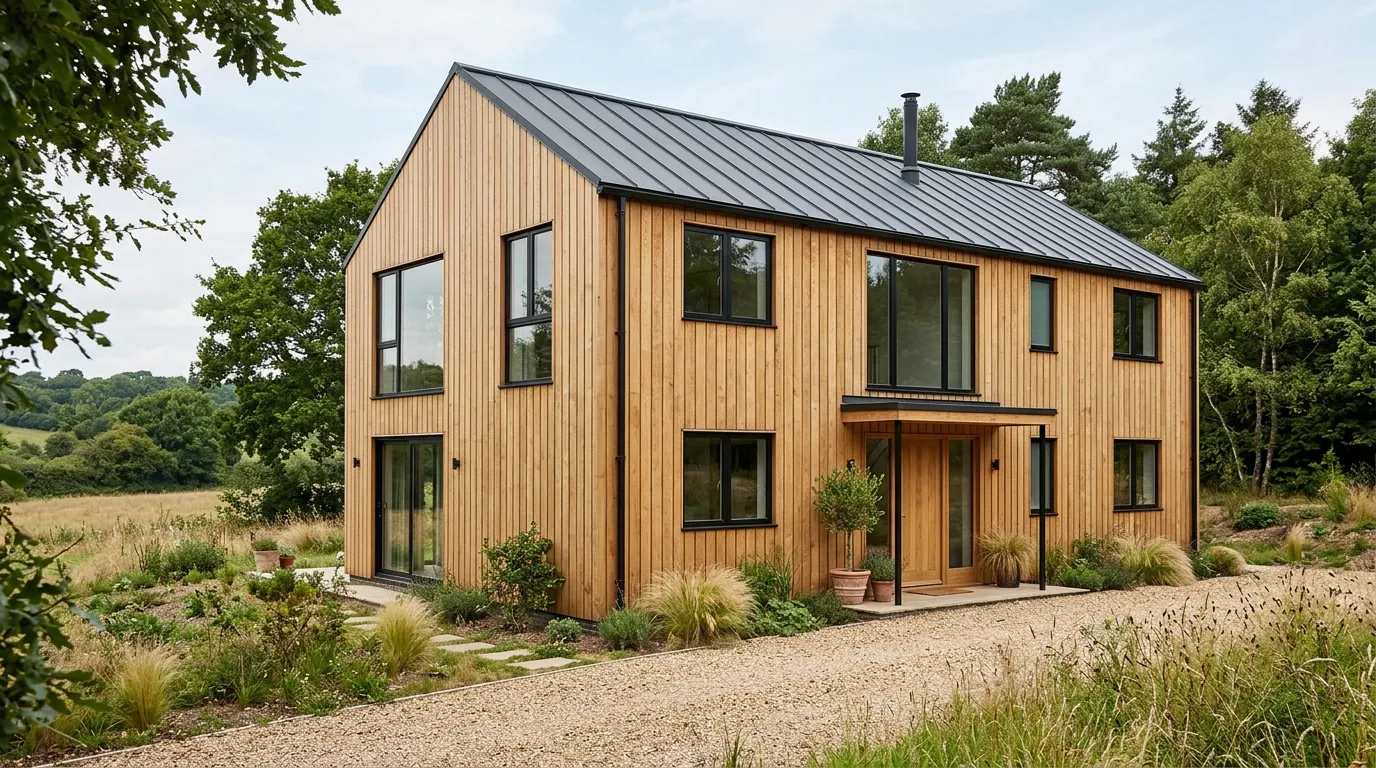
Warm wood cladding instantly softens the sharp edges of a barn-inspired structure, making it feel more welcoming and lived-in. I’ve noticed that even simple forms look richer when natural textures are introduced. The grain patterns create subtle visual interest without overwhelming the design, which is perfect for minimalist spaces. This approach also blends beautifully with outdoor surroundings, helping the home feel grounded rather than isolated. It’s a simple upgrade that adds depth while keeping the overall look calm and cohesive.
Over time, wood develops a natural patina that enhances its character instead of diminishing it. That’s why many designers recommend it for homes aiming for a timeless feel. In real settings, pairing wood with glass or metal creates a balanced contrast that feels intentional and refined. It also works across different climates and landscapes, adapting easily without losing its charm. The result is a home that feels both modern and connected to nature in a very effortless way.
5. Neutral Color Palette
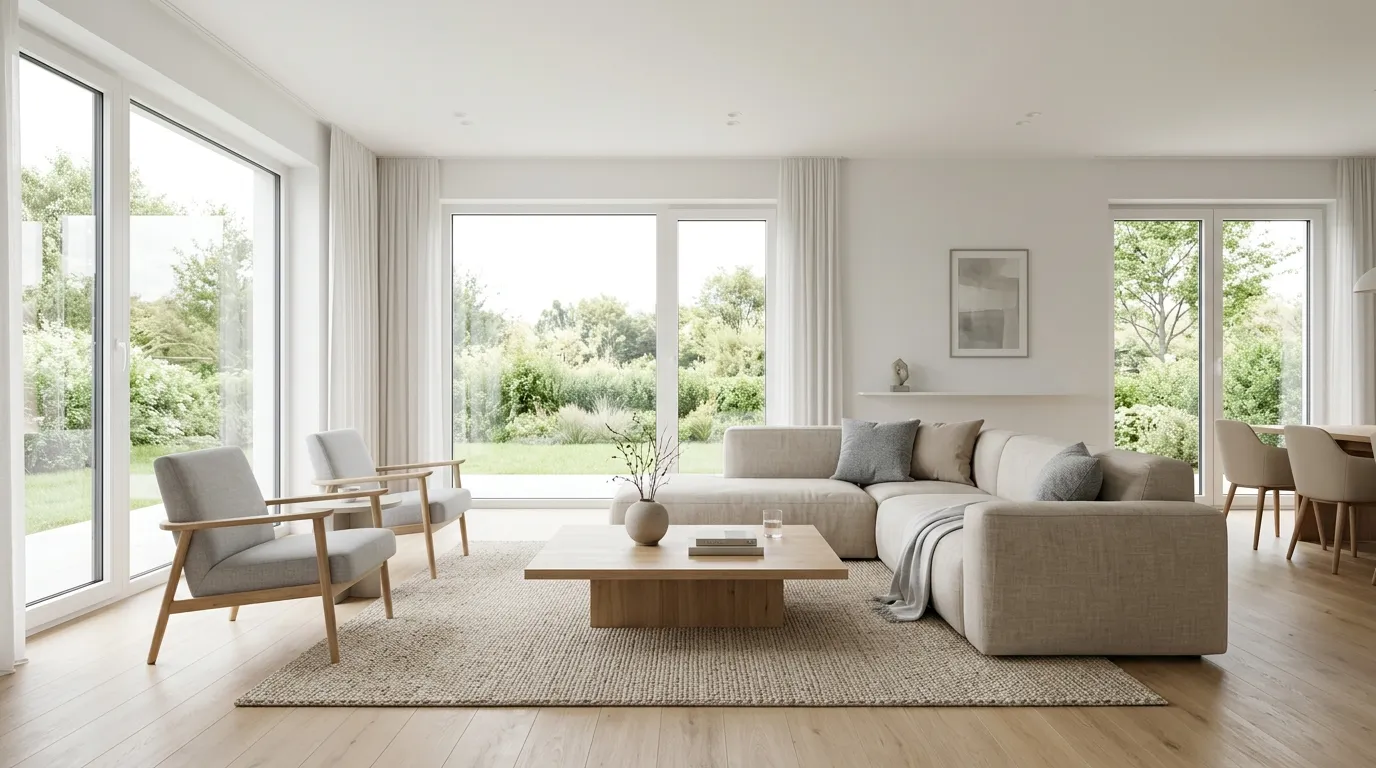
A neutral color palette is one of the easiest ways to create a clean, calming environment that feels timeless. Soft whites, beiges, and muted tones reflect light beautifully, making even compact spaces feel open and breathable. In my experience, this approach helps highlight architectural features and materials instead of competing with them. It also provides a flexible base, allowing you to update decor without needing a full redesign. The simplicity of neutral tones supports a more peaceful, balanced living experience.
Functionally, neutral interiors are easier to maintain and adapt over time. That’s why many designers recommend them for long-term living spaces. I’ve seen this work especially well in homes where natural light plays a big role, as the colors enhance brightness rather than absorb it. Adding small accents like textiles or plants keeps the space from feeling flat while maintaining the minimalist look. The result is a home that feels fresh, uncluttered, and consistently inviting.
6. Exposed Beam Ceiling
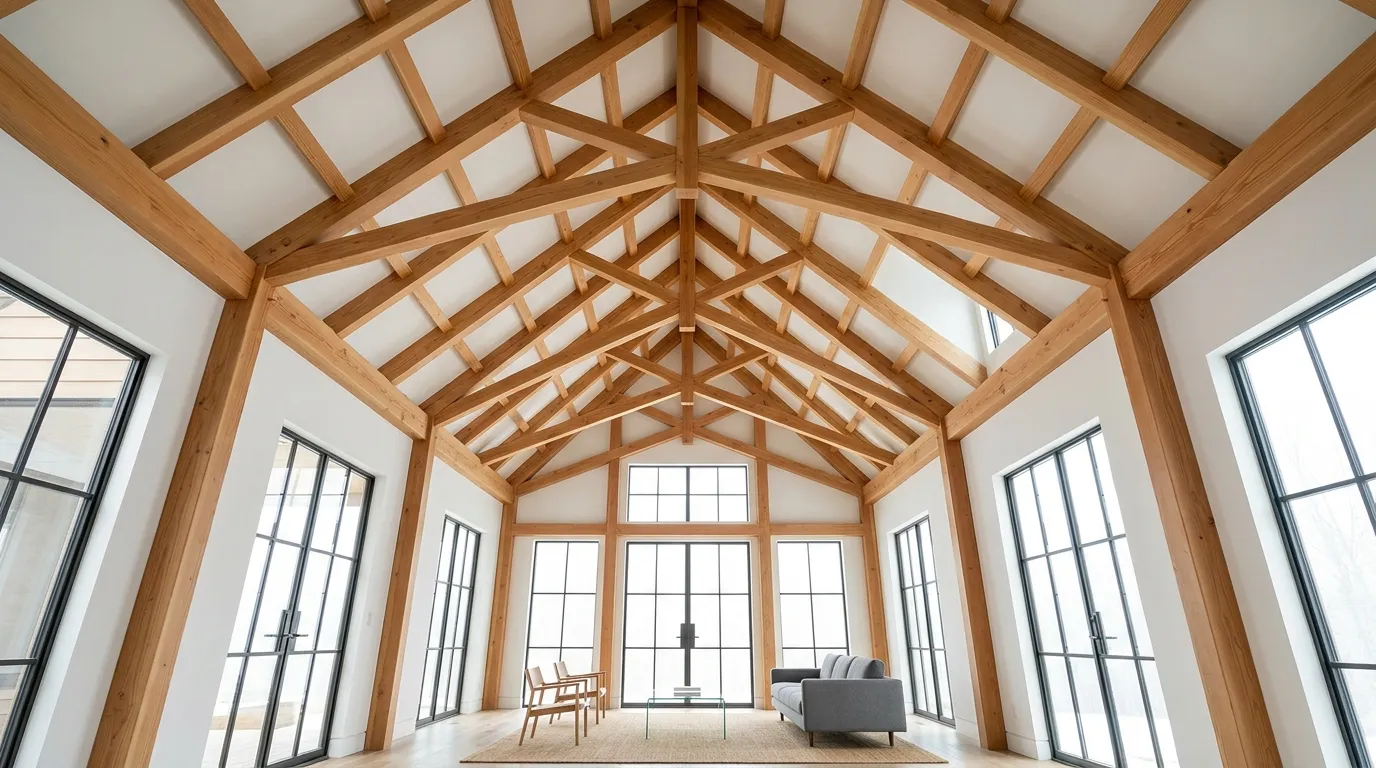
Exposed beams bring a strong architectural presence that defines the entire space without needing extra decoration. They highlight the structure in a way that feels both authentic and visually striking. I’ve seen this work especially well in homes with high ceilings, where the beams naturally draw the eye upward and create a sense of scale. The combination of wood and open space adds warmth while still maintaining a clean, minimalist look that doesn’t feel overwhelming.
Beyond appearance, exposed beams help create a more grounded and balanced interior. That’s why many designers recommend keeping the surrounding elements simple to let the structure stand out. In real homes, this feature often becomes a focal point that doesn’t require constant styling or updates. Pairing beams with neutral tones and soft lighting enhances their impact without making the space feel heavy. It’s a practical way to add character while keeping the design simple and timeless.
7. Floor-to-Ceiling Windows
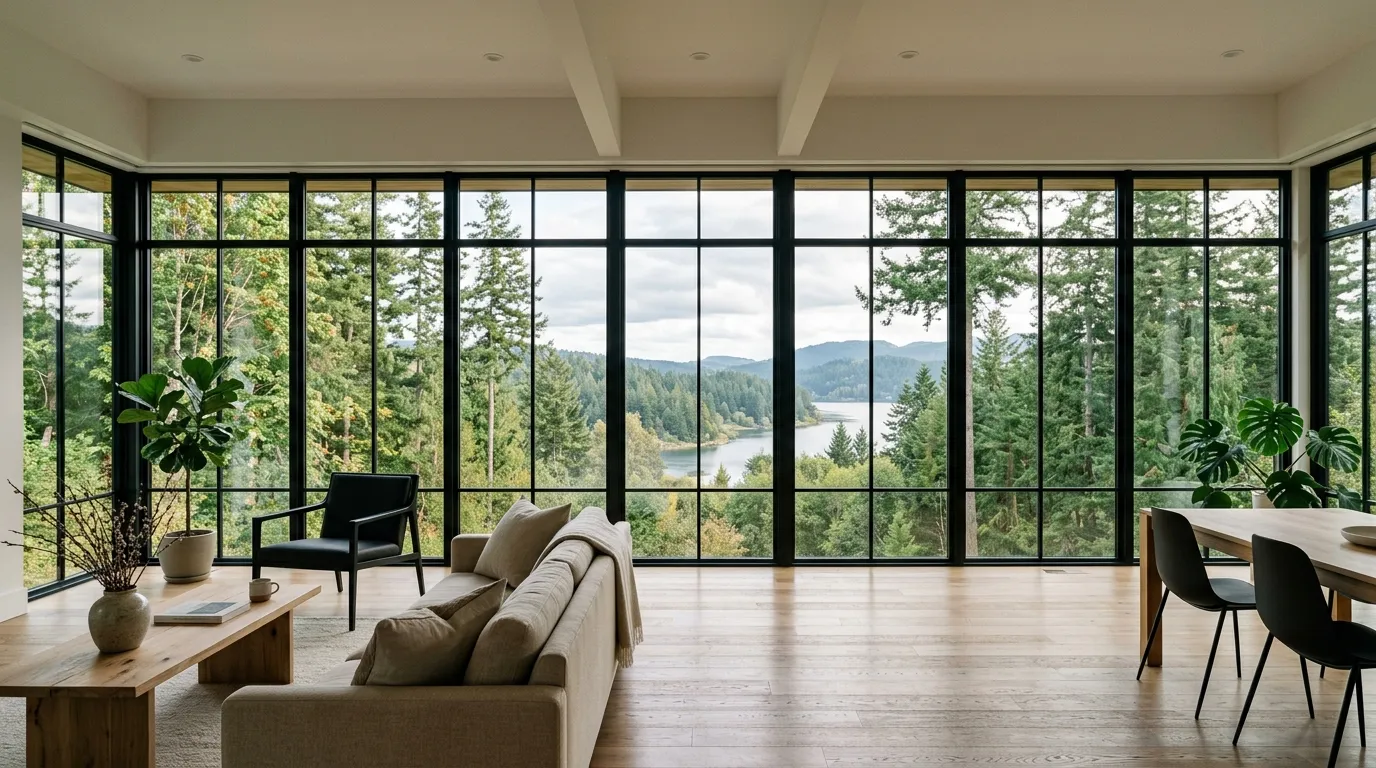
Floor-to-ceiling windows create a powerful visual impact by opening the entire space to natural light and outdoor views. I’ve noticed that rooms with large vertical windows instantly feel more expansive and less confined. This feature works beautifully in barn-inspired homes where simplicity and openness are key. The uninterrupted glass surface allows light to move freely throughout the space, enhancing every material and texture inside. It also creates a calming atmosphere that changes throughout the day with shifting light.
From a practical perspective, these windows improve both mood and functionality. That’s why many designers recommend placing them in main living areas where light matters most. In real homes, they often become the highlight of the design without needing additional decoration. Pairing them with minimal window treatments keeps the look clean while maintaining privacy when needed. The result is a bright, breathable environment that feels connected, modern, and effortlessly stylish.
8. Polished Concrete Floors
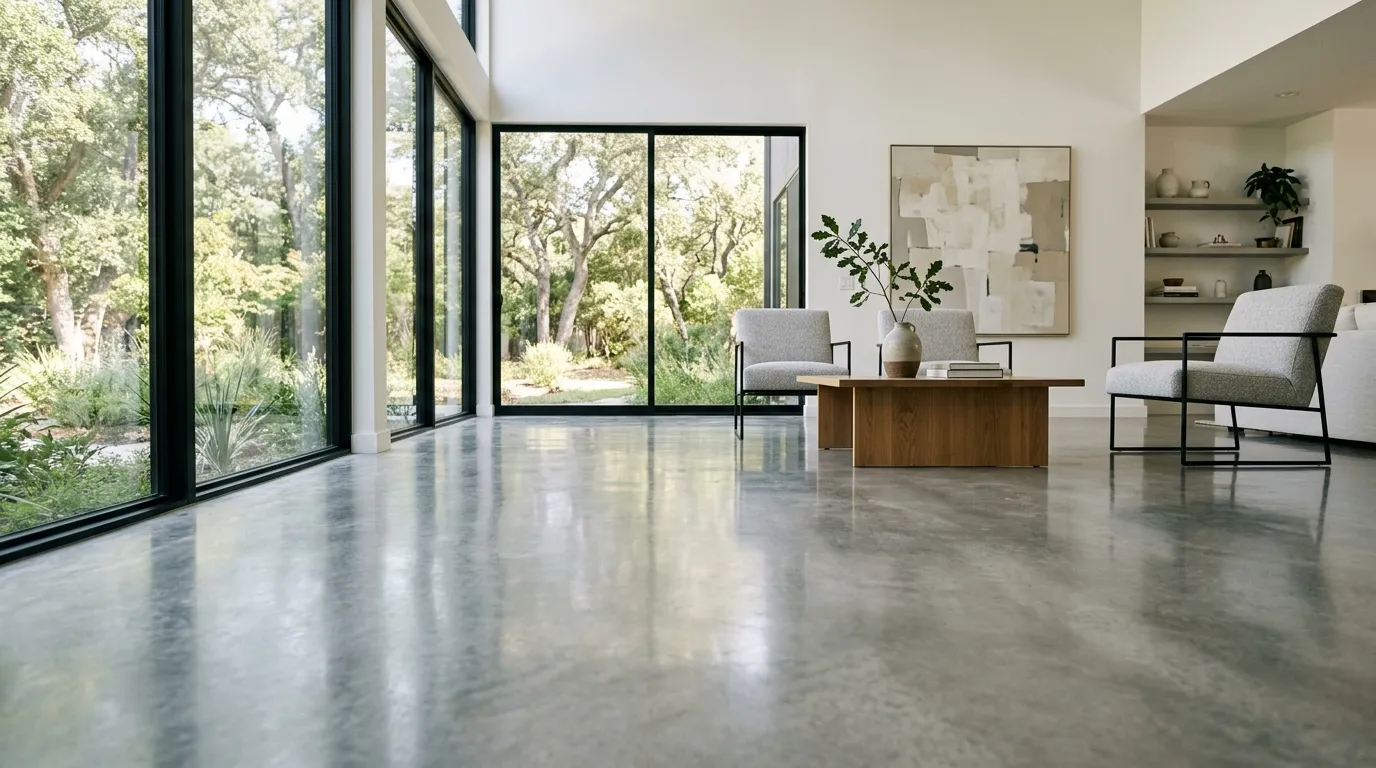
Polished concrete floors offer a clean, modern base that works perfectly with simple architectural forms. The smooth surface reflects light just enough to enhance brightness without feeling glossy or overwhelming. In my experience, this flooring choice is especially effective in open layouts where continuity matters. It creates a seamless flow between spaces, making the home feel more unified and spacious. The neutral gray tone also pairs effortlessly with wood, metal, and soft textiles.
Beyond aesthetics, concrete floors are highly practical for everyday living. They are durable, easy to clean, and resistant to wear, which makes them ideal for busy households. That’s why many designers recommend them for long-term use in minimalist homes. I’ve seen this work well when balanced with warmer elements like rugs or wooden furniture to prevent the space from feeling too cold. The result is a grounded, modern interior that feels both functional and visually refined.
9. Sliding Glass Doors
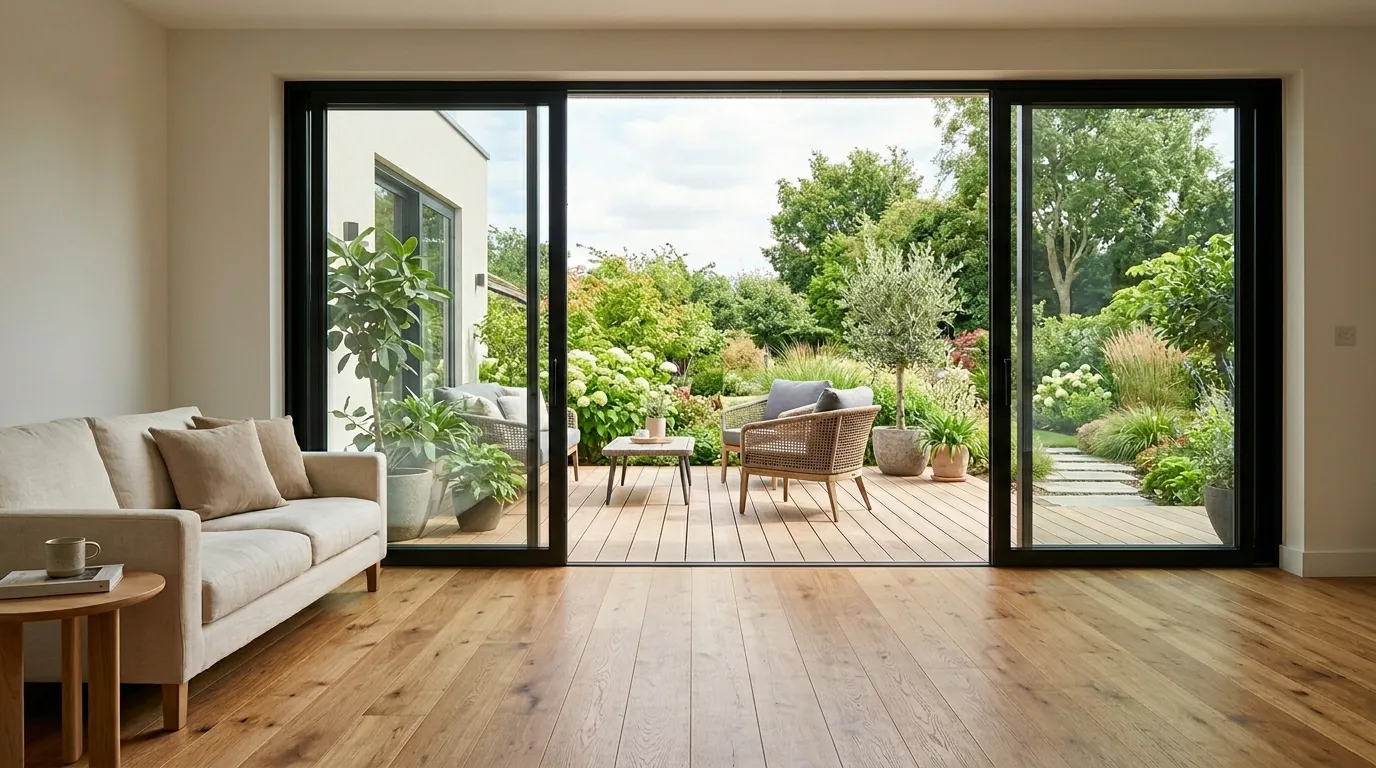
Sliding glass doors are a simple yet powerful way to connect indoor living areas with the outdoors. They open up entire walls without taking up extra space, which makes them ideal for clean, uncluttered layouts. I’ve noticed that homes with sliding doors feel more flexible, especially during gatherings or quiet evenings when you want fresh air flowing through. The transparency also allows natural light to travel deeper into the space, making everything feel brighter and more inviting.
Functionally, these doors improve how the home is used on a daily basis. That’s why many designers recommend installing them between living rooms and patios or gardens. In real homes, they often become a natural extension of the living area rather than just an entry point. Keeping frames slim and finishes minimal helps maintain the overall aesthetic. The result is a space that feels open, connected, and easy to move through without visual interruptions.
10. Minimalist Kitchen Layout
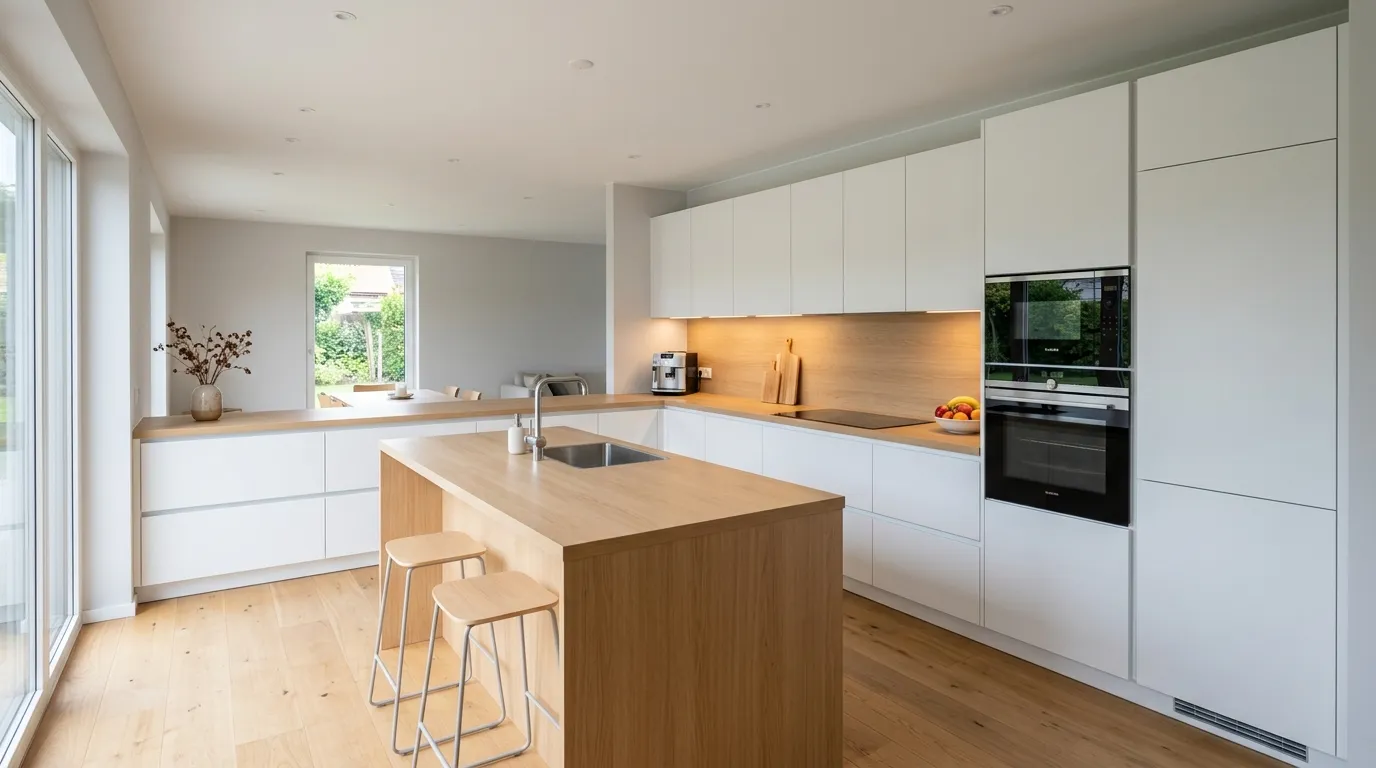
A minimalist kitchen layout focuses on clarity, function, and simplicity, which makes everyday cooking feel more relaxed and efficient. Clean lines, hidden storage, and uncluttered surfaces create a space that feels open and easy to maintain. In my experience, reducing visual noise in the kitchen makes a noticeable difference in how enjoyable the space feels. Everything has a place, and the layout supports smooth movement between cooking, prep, and cleaning areas without unnecessary obstacles.
This approach also supports long-term usability without constant redesign. That’s why many designers recommend investing in simple cabinetry and integrated appliances. I’ve seen this work especially well in homes where the kitchen is part of an open-plan space, as it blends seamlessly with surrounding areas. Adding subtle textures like wood or stone keeps the design from feeling too sterile. The result is a kitchen that feels calm, practical, and consistently functional.
11. Built-In Storage Walls
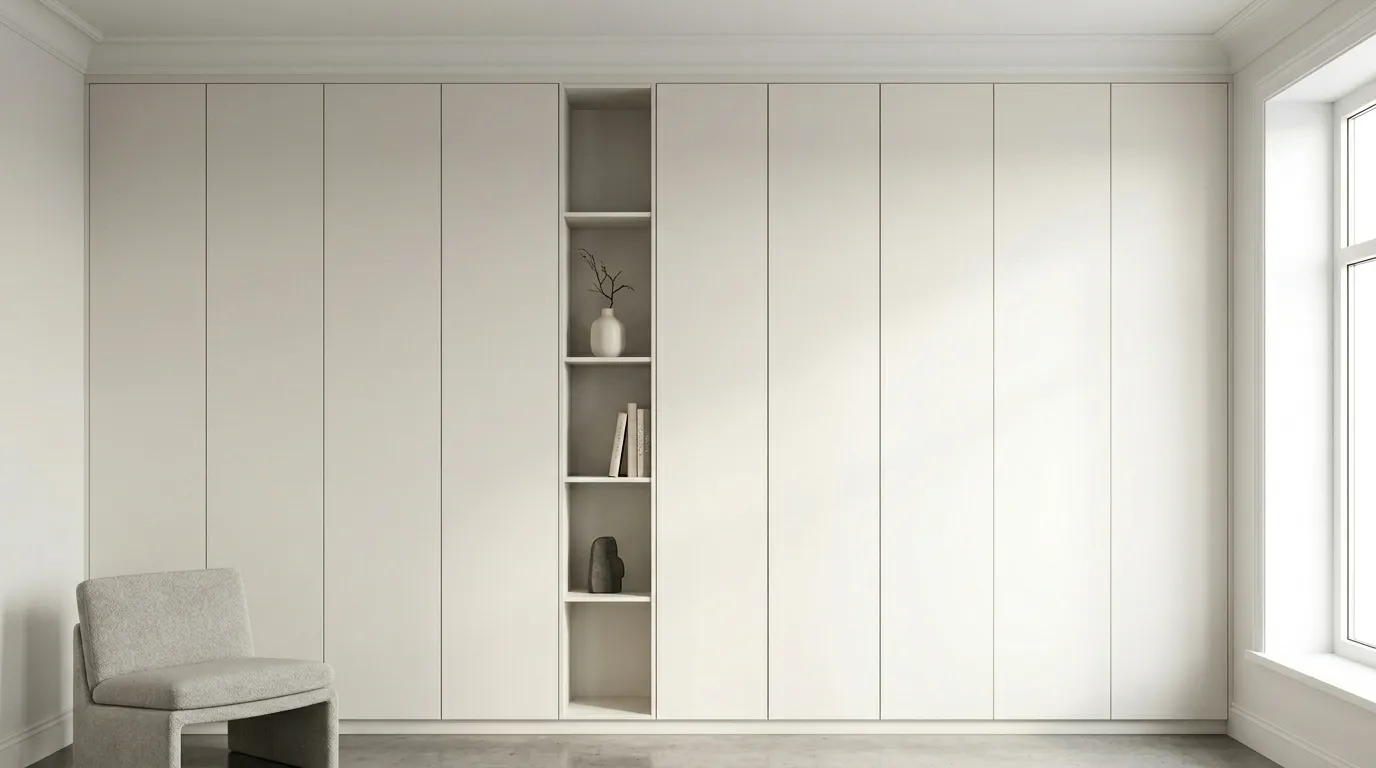
Built-in storage walls are one of the smartest ways to maintain a clean and organized home without sacrificing style. By integrating storage directly into the architecture, you avoid bulky furniture and keep the space visually calm. I’ve noticed that homes with well-designed storage feel instantly more spacious because everything is neatly tucked away. This approach works especially well in open layouts where clutter can easily disrupt the overall aesthetic.
From a practical standpoint, built-in storage simplifies daily routines by keeping essentials accessible yet hidden. That’s why many designers recommend this solution for maintaining long-term organization. I’ve seen this work well in living areas, bedrooms, and even hallways where extra storage is often needed. Keeping the design handleless and neutral helps it blend seamlessly with the surroundings. The result is a space that feels structured, efficient, and effortlessly tidy.
12. Large Statement Fireplace
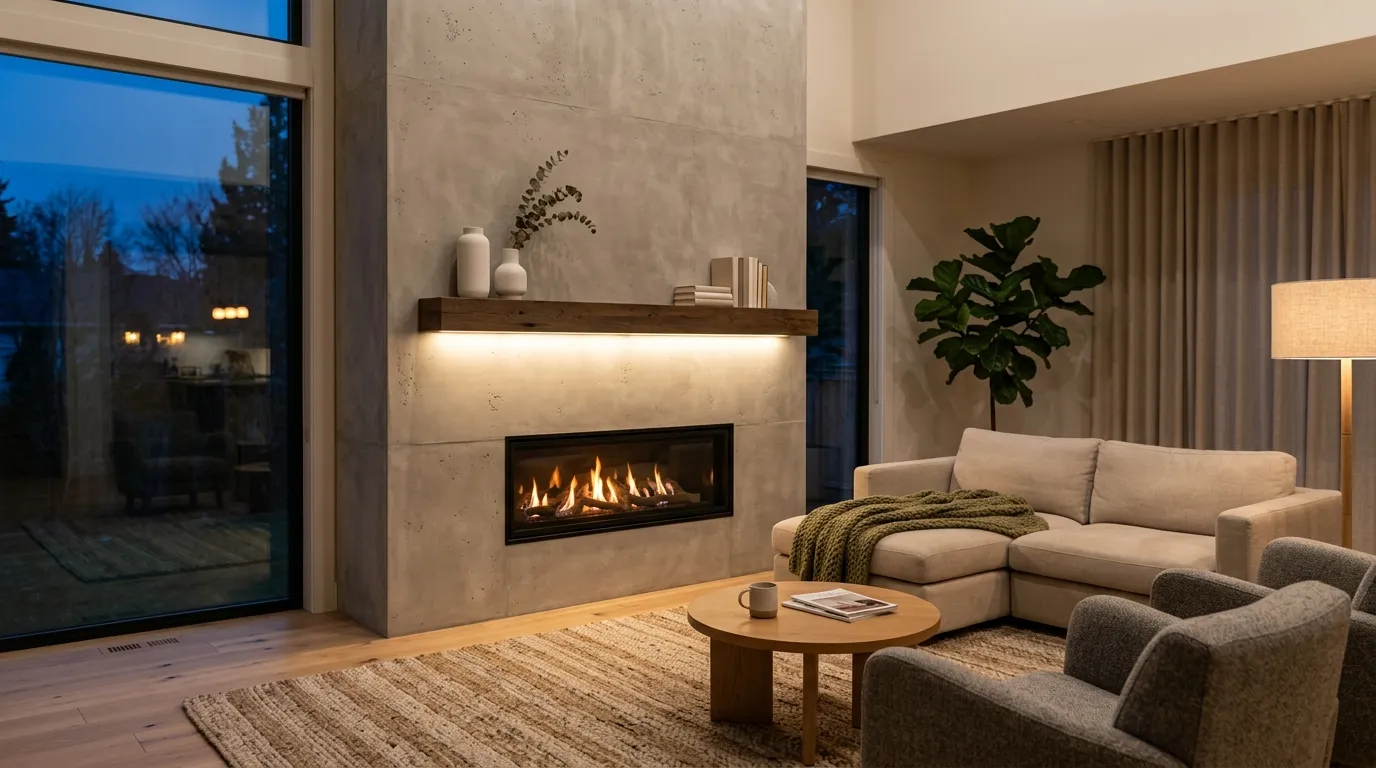
A large statement fireplace anchors the living space and adds a sense of warmth that balances minimal design. In homes with open layouts, it acts as a natural focal point without requiring extra decoration. I’ve seen this work especially well when the fireplace design stays simple but bold, allowing materials like concrete or stone to stand out. The vertical presence also helps define the space, making large rooms feel more structured and inviting.
Beyond aesthetics, a fireplace enhances how the space feels during everyday living. That’s why many designers recommend positioning seating around it to create a cozy gathering area. In my experience, even a simple fire feature can transform the mood of a room, especially during evenings. Keeping the surrounding decor minimal ensures the focus remains on the fireplace itself. The result is a balanced space that feels warm, grounded, and intentionally designed.
13. Floating Staircase Design
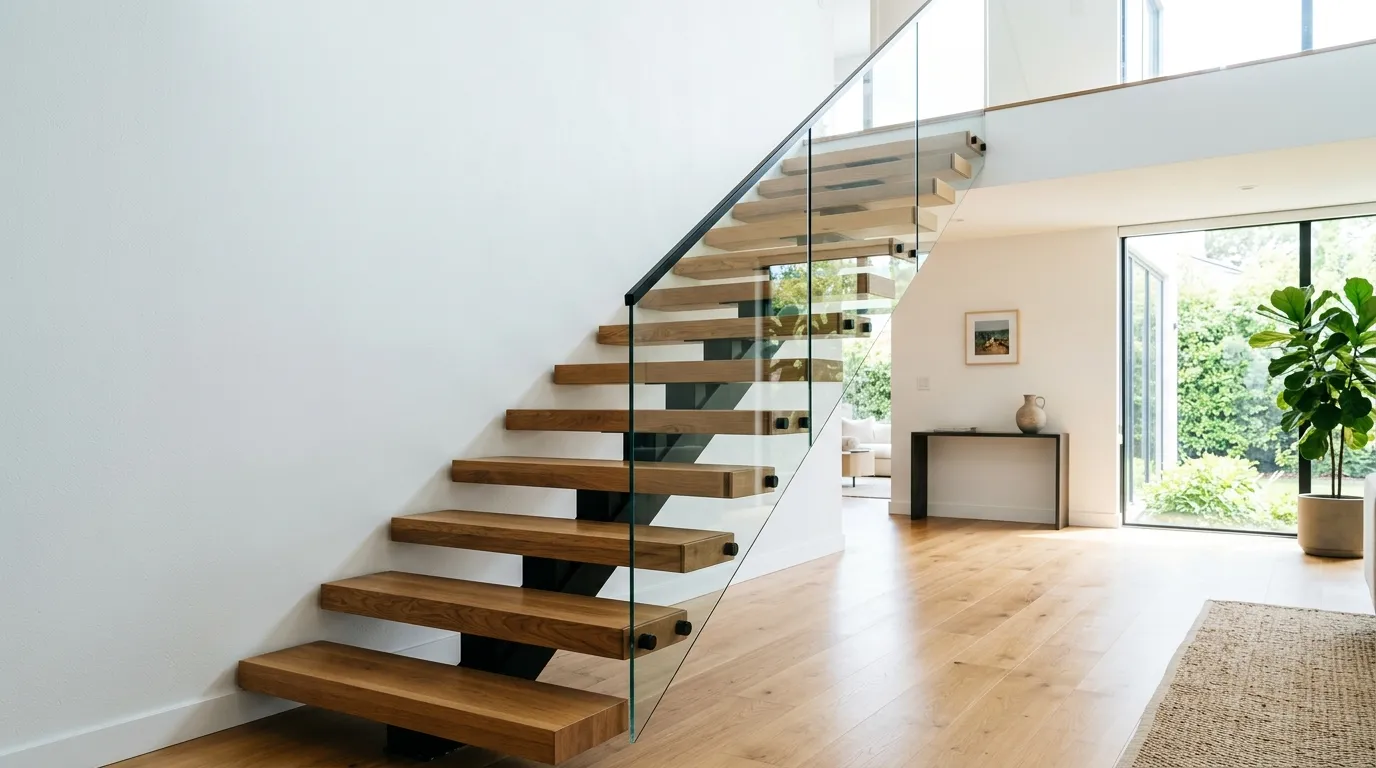
A floating staircase instantly elevates the interior by making movement between levels feel seamless and visually light. Instead of blocking space, it allows light and sightlines to flow freely, which makes the entire area feel larger. I’ve noticed that this design works especially well in open layouts where maintaining visual continuity is important. The clean lines and minimal structure align perfectly with a modern minimalist barn house, keeping the focus on simplicity and form.
From a practical perspective, floating stairs combine functionality with design impact. That’s why many designers recommend pairing them with glass railings or slim metal supports to maintain openness. In real homes, they often become a subtle focal point without overwhelming the space. Keeping materials simple, like wood and metal, ensures durability while maintaining style. The result is a staircase that feels modern, airy, and perfectly integrated into the overall design.
14. Monochrome Exterior Palette
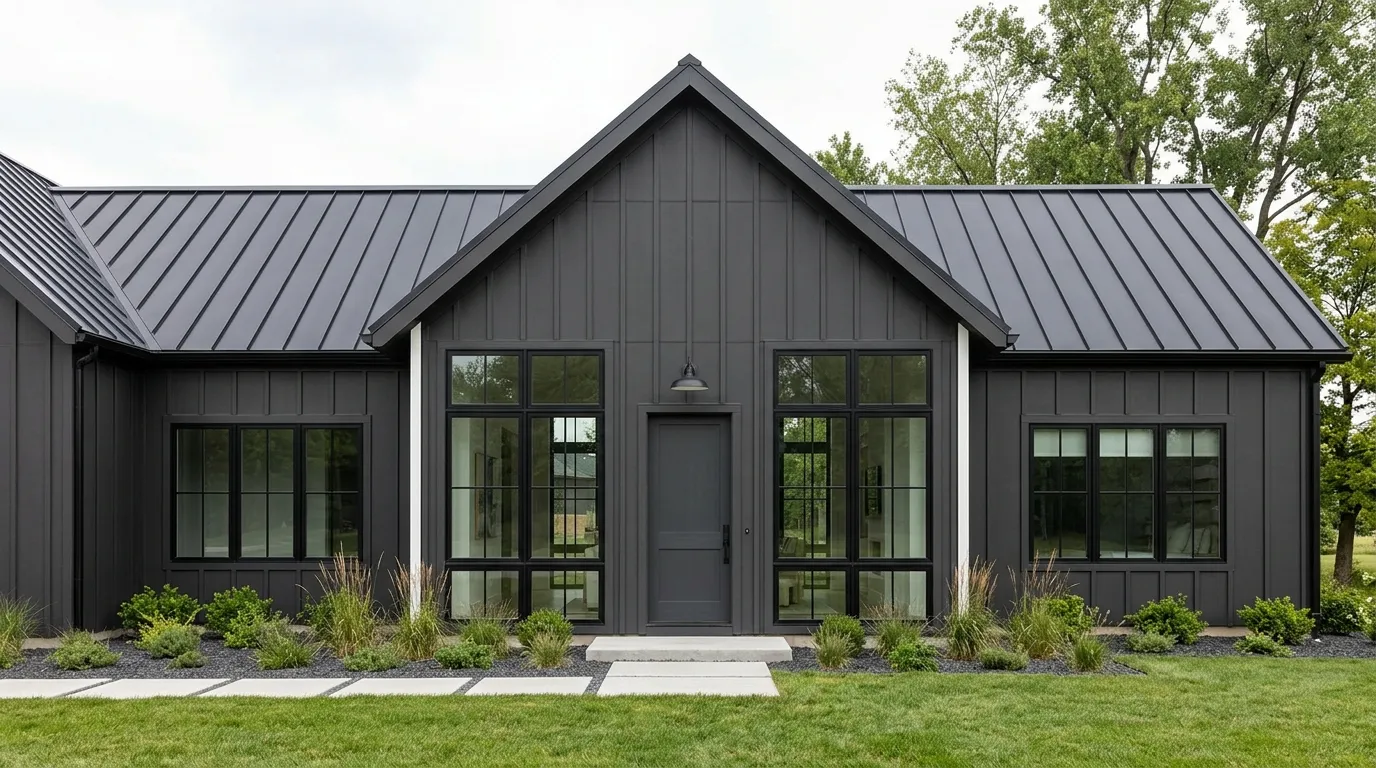
A monochrome exterior palette brings clarity and focus to the structure by removing unnecessary color distractions. Using shades of black, gray, and white helps emphasize the architectural form rather than decorative elements. I’ve seen this approach work especially well in barn-inspired homes where strong shapes define the design. The limited palette creates a calm and controlled look that feels intentional and refined without appearing overly styled.
Functionally, a monochrome scheme is easier to maintain and adapt over time. That’s why many designers recommend it for long-term exterior design. In my experience, subtle variations in texture, like matte and smooth finishes, keep the look interesting without adding complexity. This approach also pairs well with natural surroundings, allowing the home to stand out without clashing. The result is a clean, balanced exterior that feels modern and effortlessly cohesive.
15. Indoor-Outdoor Living Space
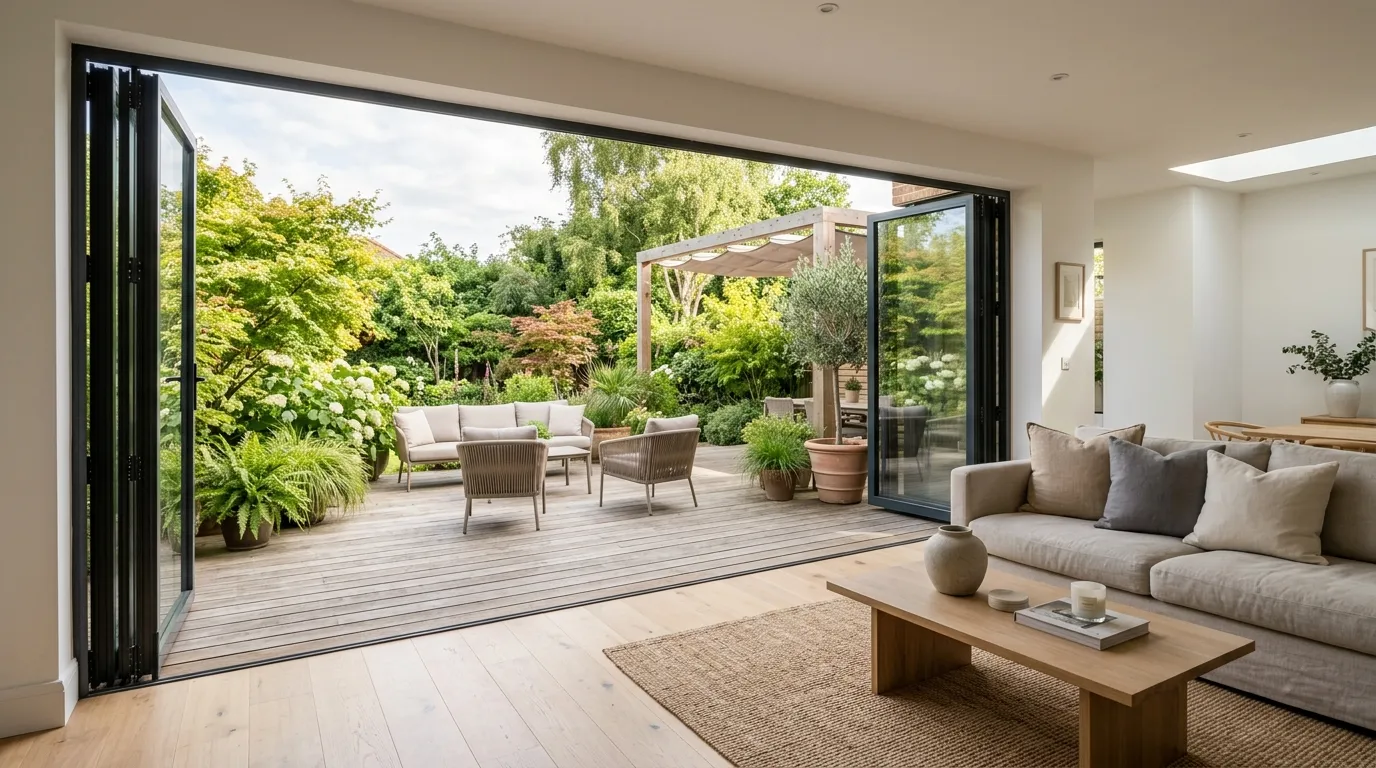
An indoor-outdoor living space transforms how a home feels by blending interior comfort with outdoor openness. Large openings, consistent flooring, and simple layouts help create a seamless transition between the two areas. I’ve noticed that this setup makes everyday living feel more relaxed, especially when natural light and fresh air flow freely. It also adds a sense of freedom that traditional closed layouts often lack, making the space feel more dynamic.
From a practical standpoint, this design improves both functionality and lifestyle. That’s why many designers recommend extending living areas into patios or decks. In real homes, this often becomes the most used space, whether for quiet mornings or social gatherings. Keeping materials and colors consistent helps maintain visual continuity. The result is a home environment that feels open, breathable, and naturally connected to its surroundings.
16. Simple Gable Roof
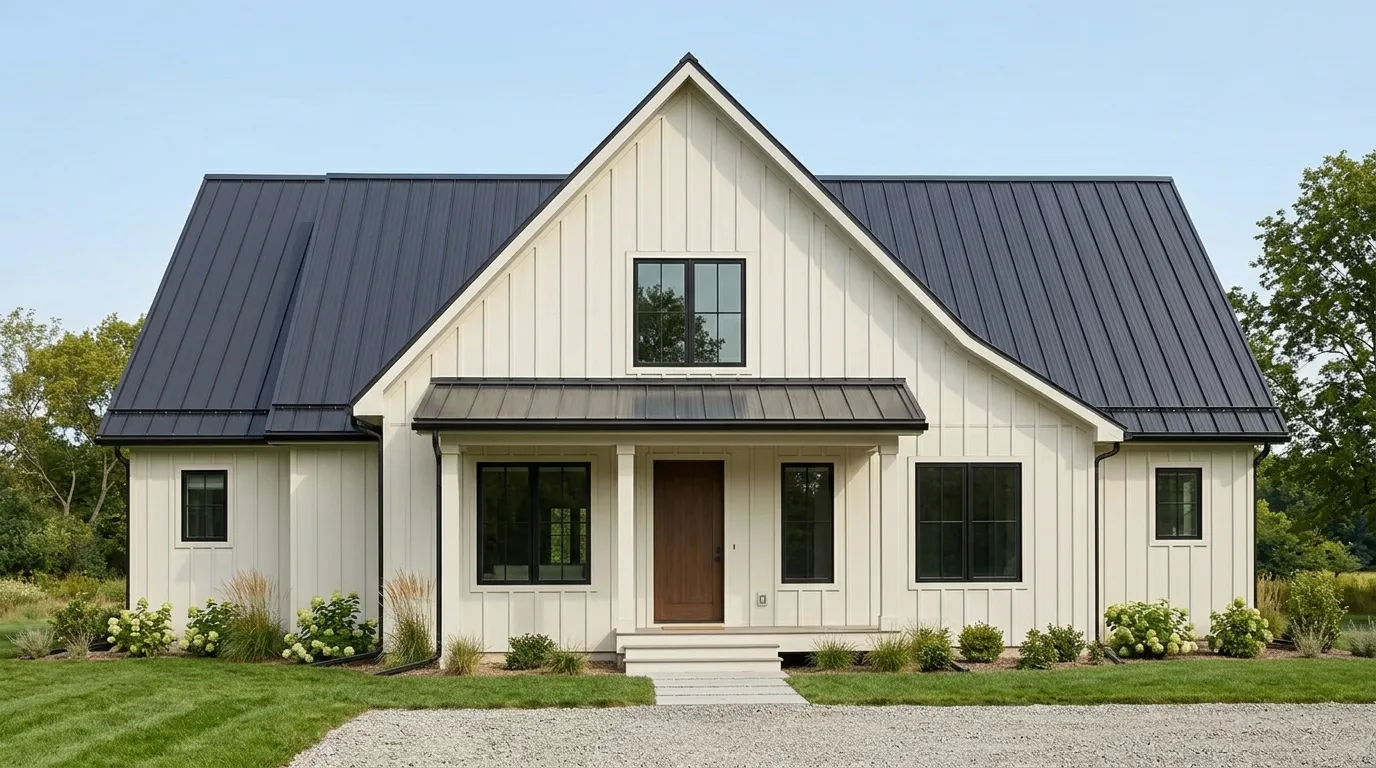
A simple gable roof is one of the most defining elements of barn-style architecture, giving the home its iconic shape. Its clean lines and symmetrical form create a strong visual identity without needing extra details. I’ve noticed that this roof style works especially well when paired with minimal exteriors, allowing the structure itself to stand out. The simplicity also makes it easier to maintain a cohesive look throughout the entire design.
From a functional standpoint, gable roofs are practical and efficient in various climates. That’s why many designers recommend them for both aesthetics and performance. In my experience, their sloped design helps with water drainage and reduces long-term maintenance concerns. Keeping the materials simple, like metal or shingles, ensures durability while maintaining the clean look. The result is a home that feels structured, timeless, and visually balanced.
17. Vertical Panel Siding
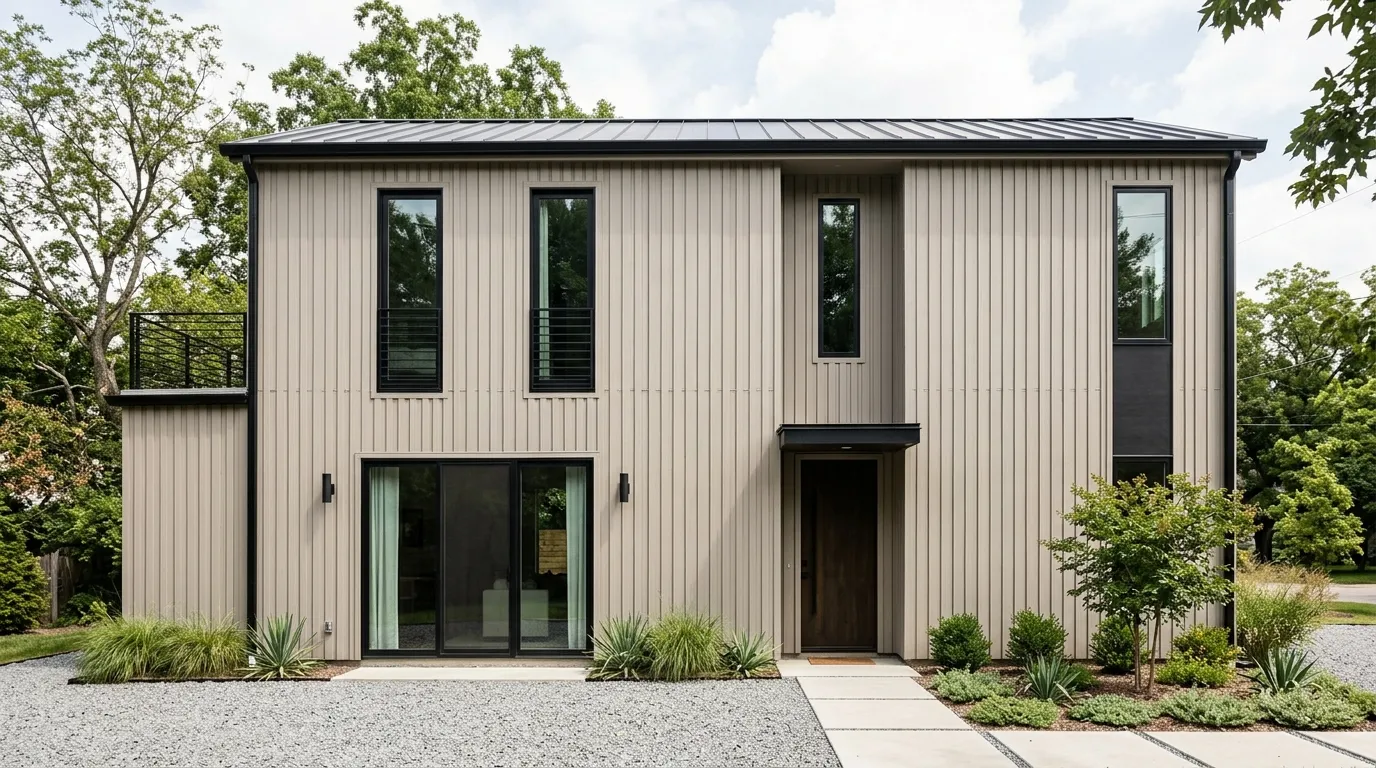
Vertical panel siding enhances the height and structure of a home by drawing the eye upward. This simple detail creates a sense of elegance without adding complexity. I’ve seen this work especially well in barn-inspired homes where the vertical lines complement the tall form. The panels add just enough texture to keep the exterior interesting while maintaining a clean and minimal appearance.
Functionally, vertical siding is easy to maintain and works well with various materials like wood or metal. That’s why many designers recommend it for modern homes aiming for a refined look. In real settings, it pairs beautifully with large windows and simple landscaping, creating a cohesive exterior. Keeping colors neutral ensures the lines remain the focus. The result is a structured, modern finish that feels both subtle and impactful.
18. Skylight Roof Windows
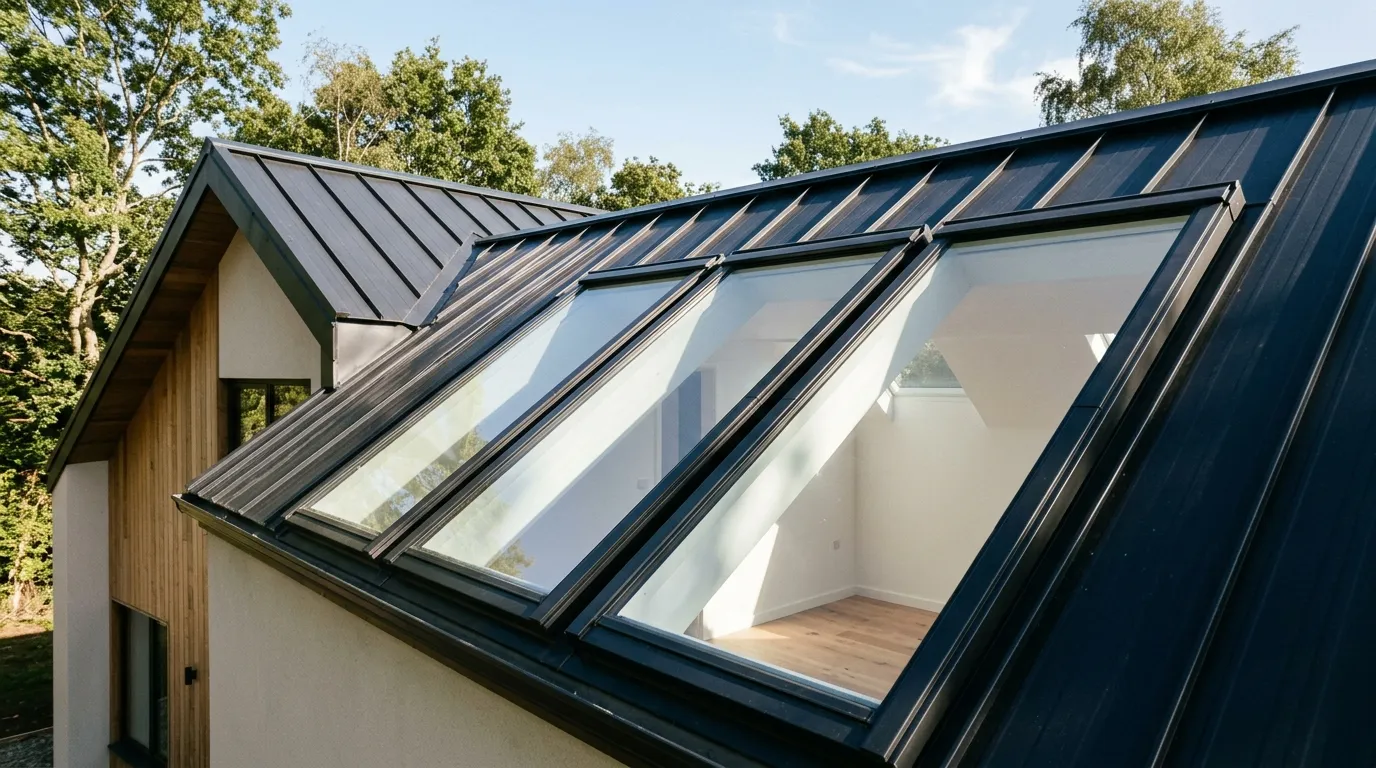
Skylight roof windows introduce natural light from above, transforming darker areas into bright, inviting spaces. This feature works especially well in homes with high ceilings, where light can spread evenly throughout the interior. I’ve noticed that skylights create a softer, more diffused glow compared to traditional windows. This makes the space feel calm and balanced without harsh lighting contrasts.
From a practical perspective, skylights improve both energy efficiency and comfort. That’s why many designers recommend placing them in areas like kitchens or hallways where wall space is limited. In real homes, they often reduce the need for artificial lighting during the day. Keeping the design simple ensures they blend seamlessly into the roofline. The result is a brighter, more open environment that feels naturally uplifting.
19. Minimal Landscaping Design
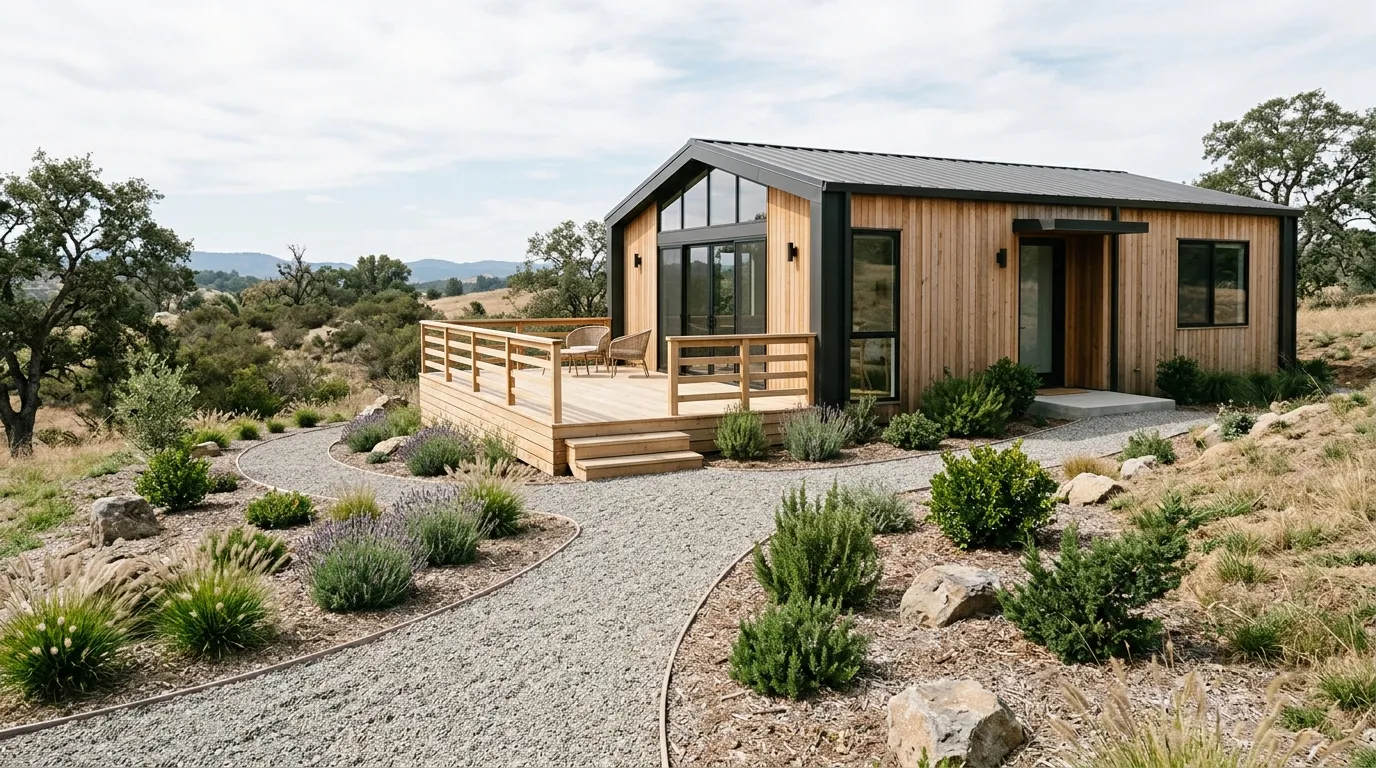
Minimal landscaping allows the architecture to remain the star while still creating a welcoming outdoor environment. Simple elements like gravel, grass patches, and a few well-placed plants can make a big impact without overwhelming the space. I’ve noticed that reducing visual clutter outside helps the home feel more intentional and cohesive. This approach works especially well when the house already has strong design features that deserve attention.
From a practical standpoint, low-maintenance landscaping saves time and effort over the long term. That’s why many designers recommend using native plants and simple layouts. In real homes, this setup is easier to manage and still looks polished throughout the year. Keeping materials natural and colors neutral helps everything blend seamlessly. The result is an outdoor space that feels calm, organized, and perfectly aligned with the overall design.
20. Soft Ambient Lighting
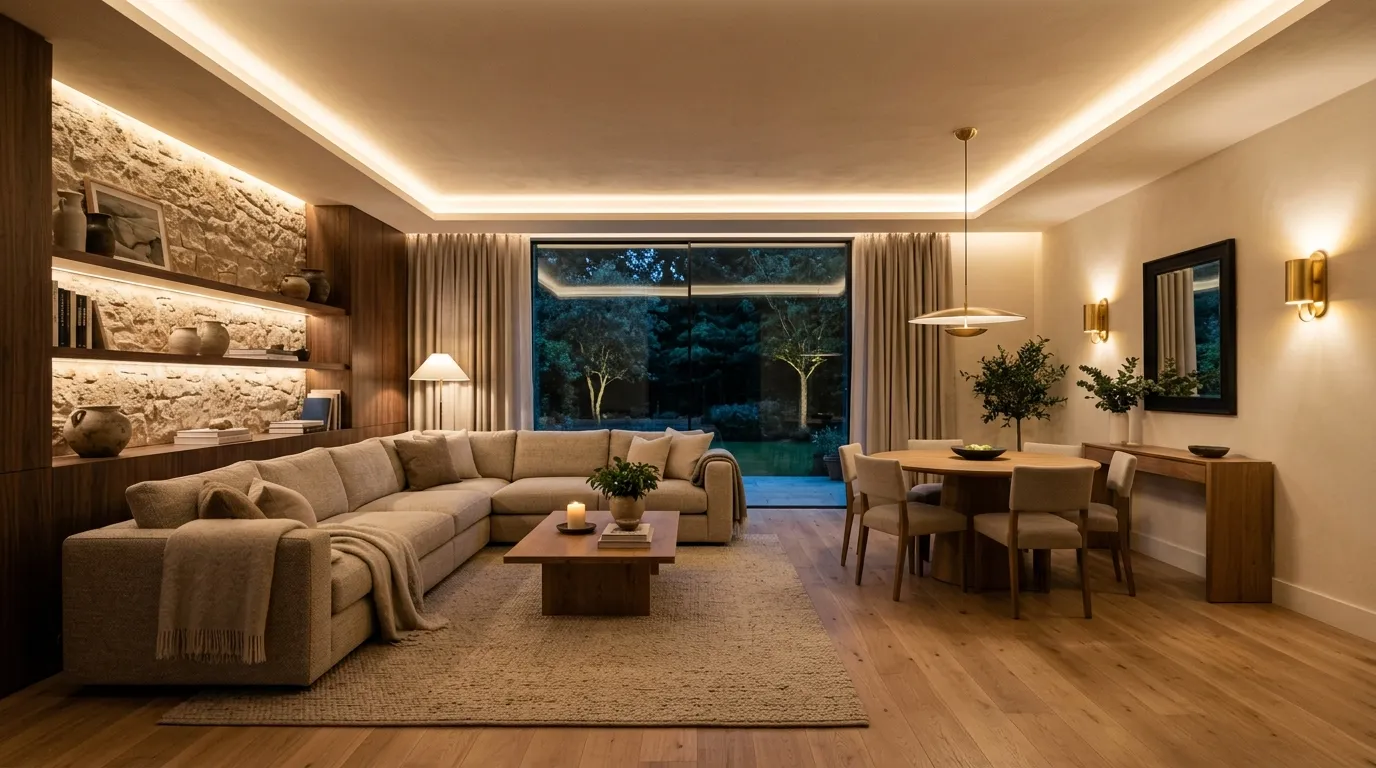
Soft ambient lighting transforms how a space feels, especially after sunset. Instead of relying on harsh overhead lights, this approach uses subtle layers of illumination to create a calm and cozy atmosphere. I’ve seen this work beautifully in homes where the goal is to maintain a relaxed and welcoming environment. The gentle glow enhances textures like wood and fabric without overpowering the design.
Functionally, ambient lighting improves comfort and usability during nighttime. That’s why many designers recommend combining hidden LED strips with warm-toned fixtures. In real homes, this setup reduces eye strain and creates a more peaceful mood. Keeping the lighting simple ensures it blends seamlessly with the overall design. The result is a balanced environment that feels warm, soft, and visually harmonious.
21. Open Concept Living
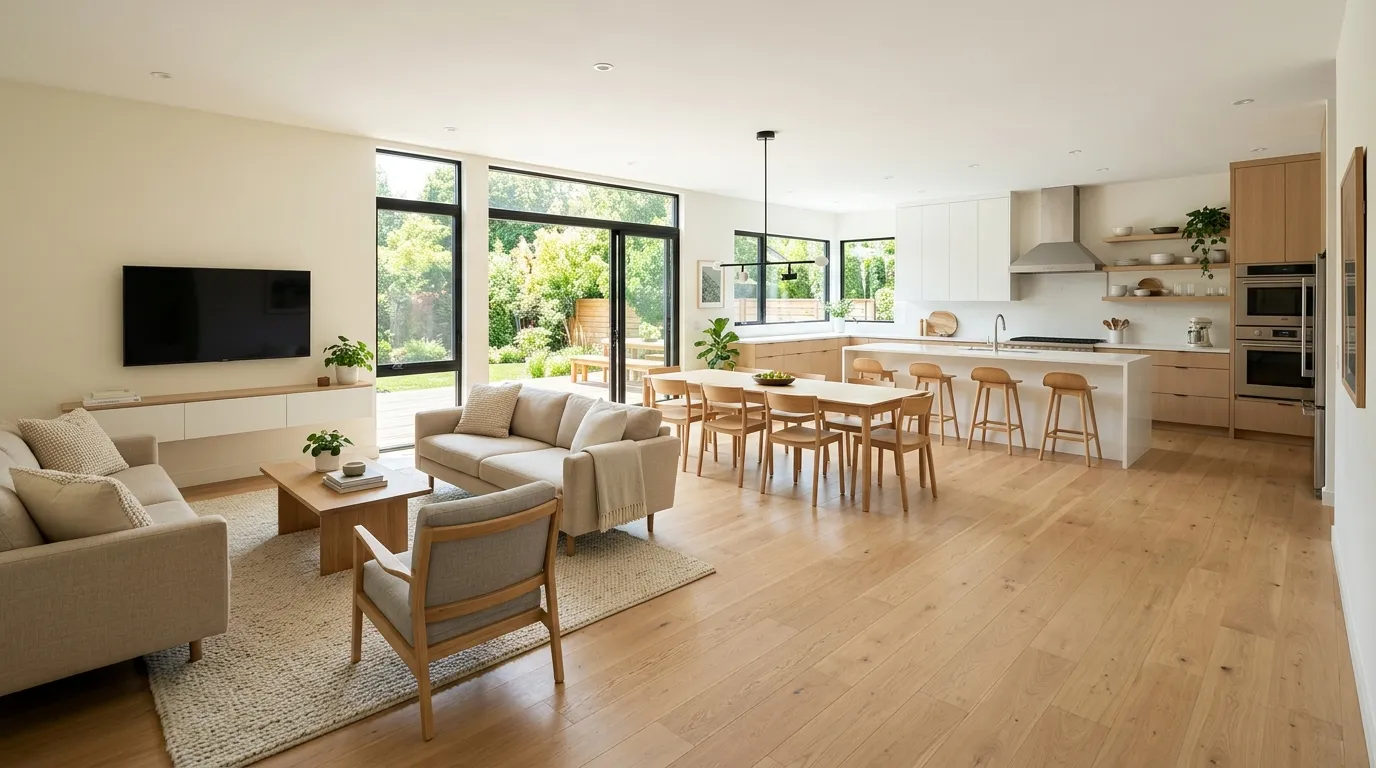
Open concept living removes barriers between key areas, creating a seamless flow that feels both modern and practical. By combining the kitchen, dining, and living spaces, the home becomes more functional and connected. I’ve noticed that this layout makes everyday activities feel easier, especially in smaller homes where space is limited. It also allows natural light to travel freely, enhancing the overall brightness of the interior.
From a lifestyle perspective, open layouts support flexibility and interaction. That’s why many designers recommend them for modern homes focused on comfort and usability. In real settings, this design encourages connection while still allowing each area to serve its purpose. Keeping furniture minimal helps maintain clarity and openness. The result is a space that feels spacious, adaptable, and easy to live in without unnecessary separation.
Conclusion
Creating a home that feels calm, functional, and visually stunning doesn’t have to be complicated. These ideas show how thoughtful design choices can completely transform your space into something more open, peaceful, and intentional. A modern minimalist barn house isn’t just about looks—it’s about how your home supports your everyday life.
Try starting with one or two ideas that resonate with you and build from there. Save this guide on Pinterest so you can come back to it anytime, and share it with someone who’s planning their dream home. I’ve seen how small, smart changes like these can make a lasting difference—and yours can too.
FAQs
What defines a modern minimalist barn house design?
A modern minimalist barn house combines the classic barn shape with clean lines, open spaces, and simple materials. It focuses on functionality, natural light, and a neutral palette. I’ve noticed that the key difference is how uncluttered and intentional everything feels, with every element serving a purpose.
Are barn-style minimalist homes suitable for small spaces?
Yes, they work surprisingly well in smaller homes. Open layouts, large windows, and simple design choices help make compact spaces feel bigger and brighter. In my experience, removing visual clutter is what truly creates that spacious feeling, even in limited square footage.
What materials work best for this design style?
Natural wood, metal, glass, and concrete are commonly used. These materials create a balance between warmth and modern simplicity. Many designers recommend mixing textures—like wood with metal—to keep the design visually interesting without adding unnecessary decoration.
How can I make my home look more minimalist without renovating?
Start by decluttering, using neutral colors, and simplifying furniture choices. Focus on clean surfaces and functional pieces. I’ve seen this work well by just removing excess decor and improving lighting—it can instantly make a space feel more open and calm.
Is this design style expensive to achieve?
Not necessarily. While some materials can be costly, the overall approach is about simplicity, not excess. You can achieve the look with budget-friendly choices by focusing on fewer, high-impact elements rather than filling the space with decor.
Why is natural light so important in this style?
Natural light enhances the openness and highlights textures and materials. It also reduces the need for artificial lighting during the day. That’s why large windows and open layouts are often a key feature in these homes.