Introduction
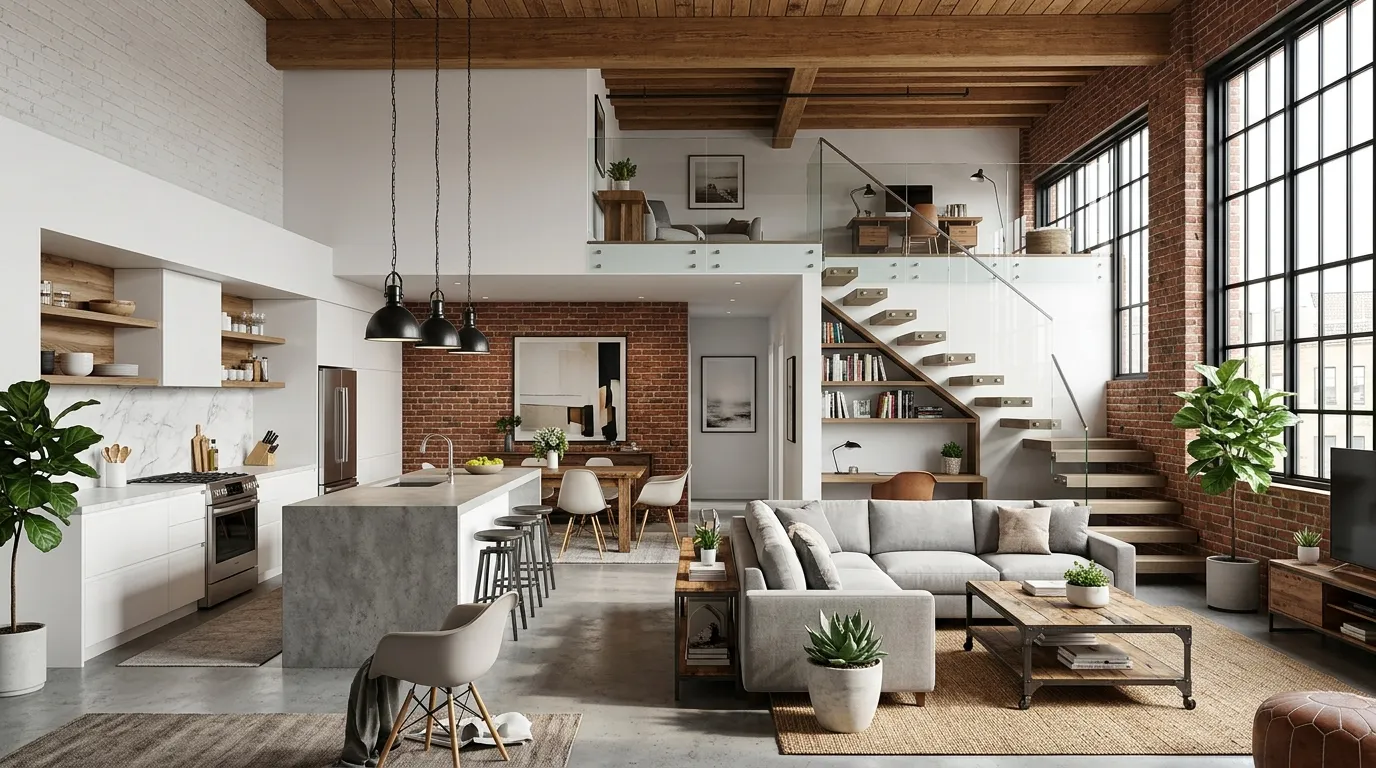
Dreaming of luxe loft apartments that feel open, stylish, and effortlessly modern? You’re not alone. Creating a space that looks high-end yet still feels warm and livable can be challenging, especially with open layouts that are easy to overwhelm or under-style.
This guide is designed to help you turn any loft into a visually stunning and functional home using simple yet impactful design ideas. From lighting and layout to textures and smart storage, each idea focuses on real transformations you can actually achieve. I’ve noticed that even small design changes—like better lighting or layered textures—can completely shift how a space feels. Whether you’re starting fresh or upgrading your current setup, these ideas will help you create a space that feels elevated, inviting, and worth showing off.
1. Industrial Glass Walls
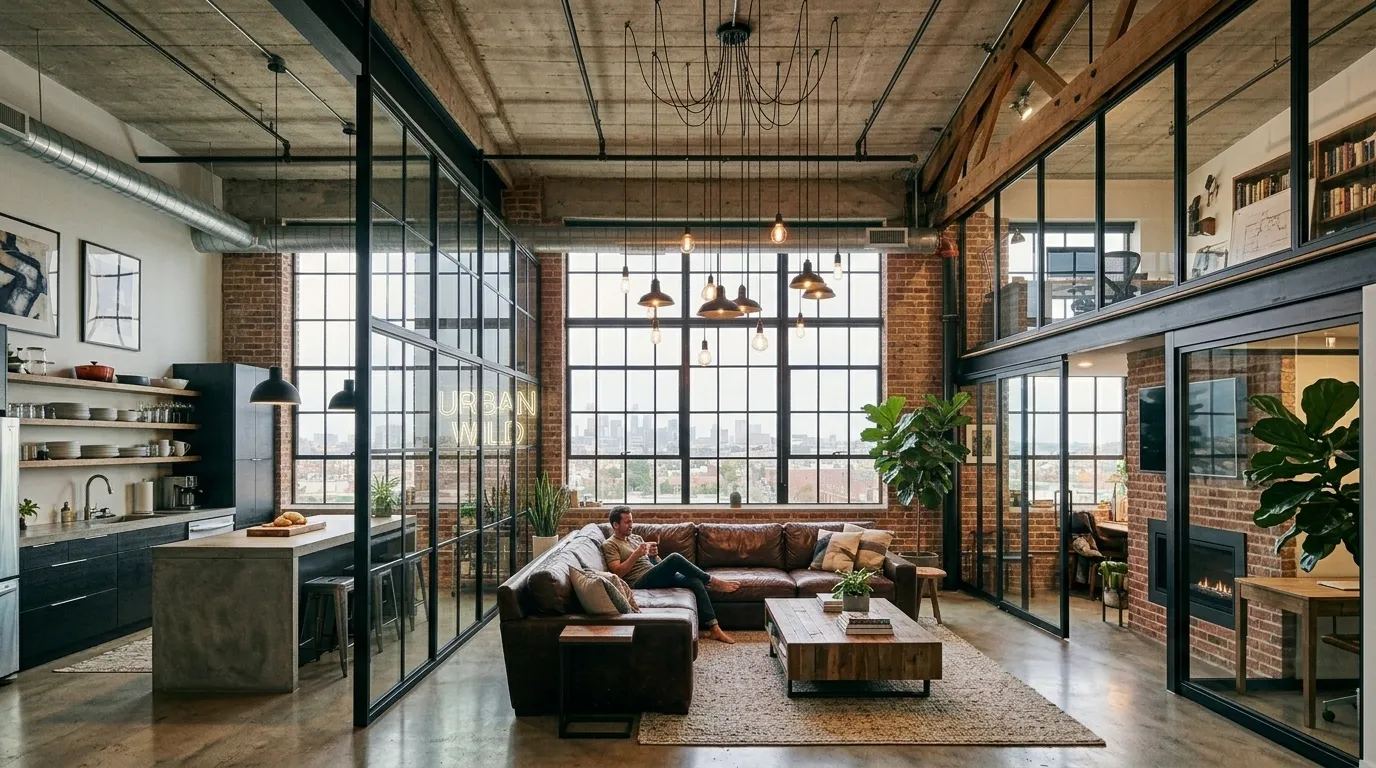
A smart way to define space without sacrificing openness, glass partitions instantly elevate the look of modern loft interiors. Instead of using solid walls, this approach keeps everything visually connected while still creating clear zones for living, working, or relaxing. I’ve noticed that homes with glass dividers feel significantly larger and brighter, even when the actual square footage is limited. The transparency allows light to travel freely, which is especially important in open layouts where dark corners can make the space feel smaller and less inviting.
Beyond aesthetics, this design also adds a refined architectural touch that feels high-end yet practical. The black metal framing introduces contrast and structure, making the entire space look more intentional and styled. In my experience, this setup works especially well in urban loft-style interiors where maintaining that raw, open vibe is key. It’s one of those upgrades that doesn’t just look good in photos—it genuinely improves how the space feels and functions on a daily basis.
2. Double-Height Ceilings
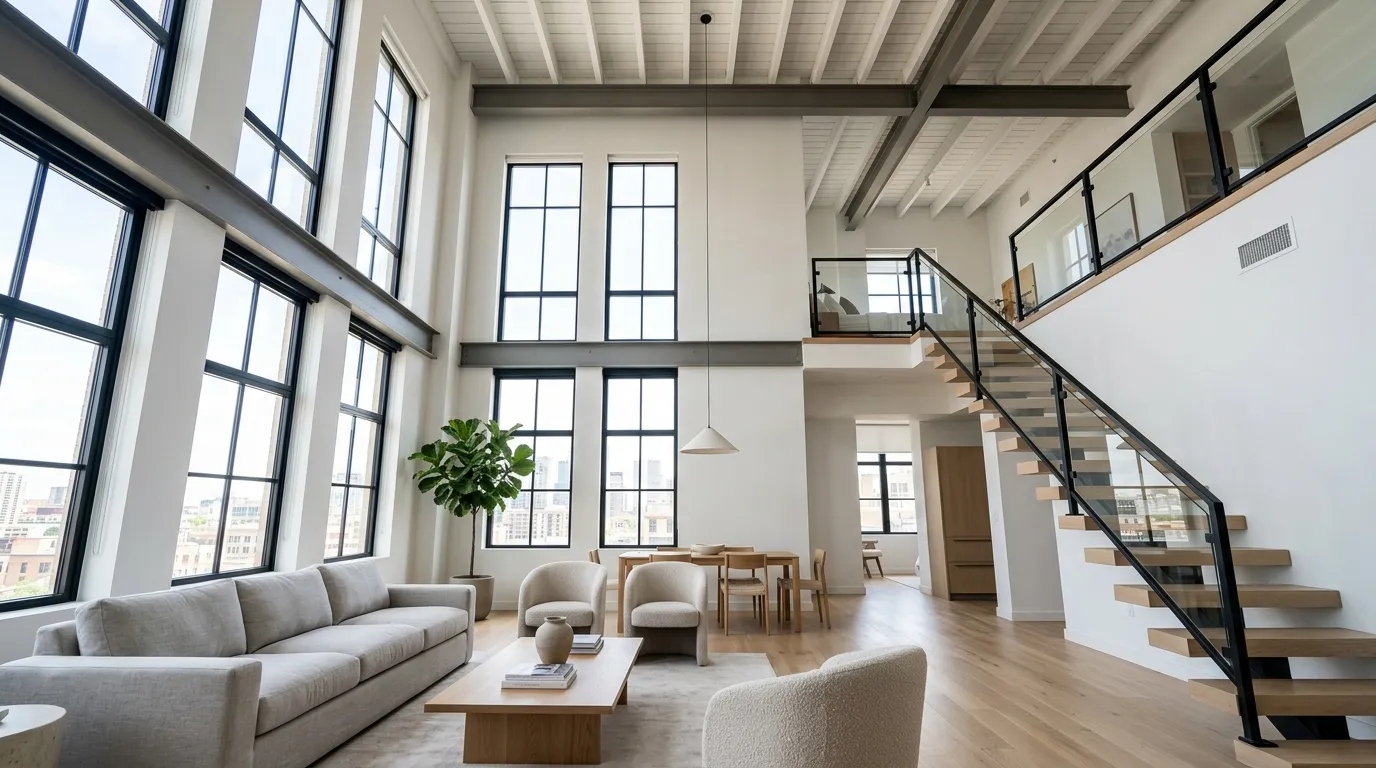
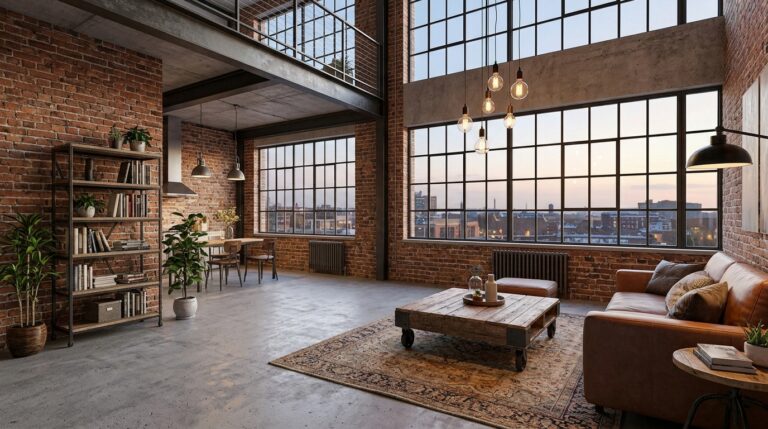
Nothing transforms a loft more dramatically than soaring ceilings that draw the eye upward. This design instantly creates a sense of openness and freedom that’s hard to replicate with standard heights. The added vertical space allows natural light to flood deeper into the home, making everything feel brighter and more expansive. I’ve seen this work especially well in urban spaces where square footage may be limited but height can completely change the perception of size and comfort.
Double-height spaces also open up opportunities for bold design elements that wouldn’t work in lower ceilings. Think oversized pendant lights, tall curtains, or even statement art pieces that stretch vertically. That’s why many designers recommend using this height strategically to create a focal point that anchors the entire room. In my experience, it not only enhances the visual appeal but also improves how the space feels emotionally—open, calm, and undeniably luxurious.
3. Exposed Brick Charm
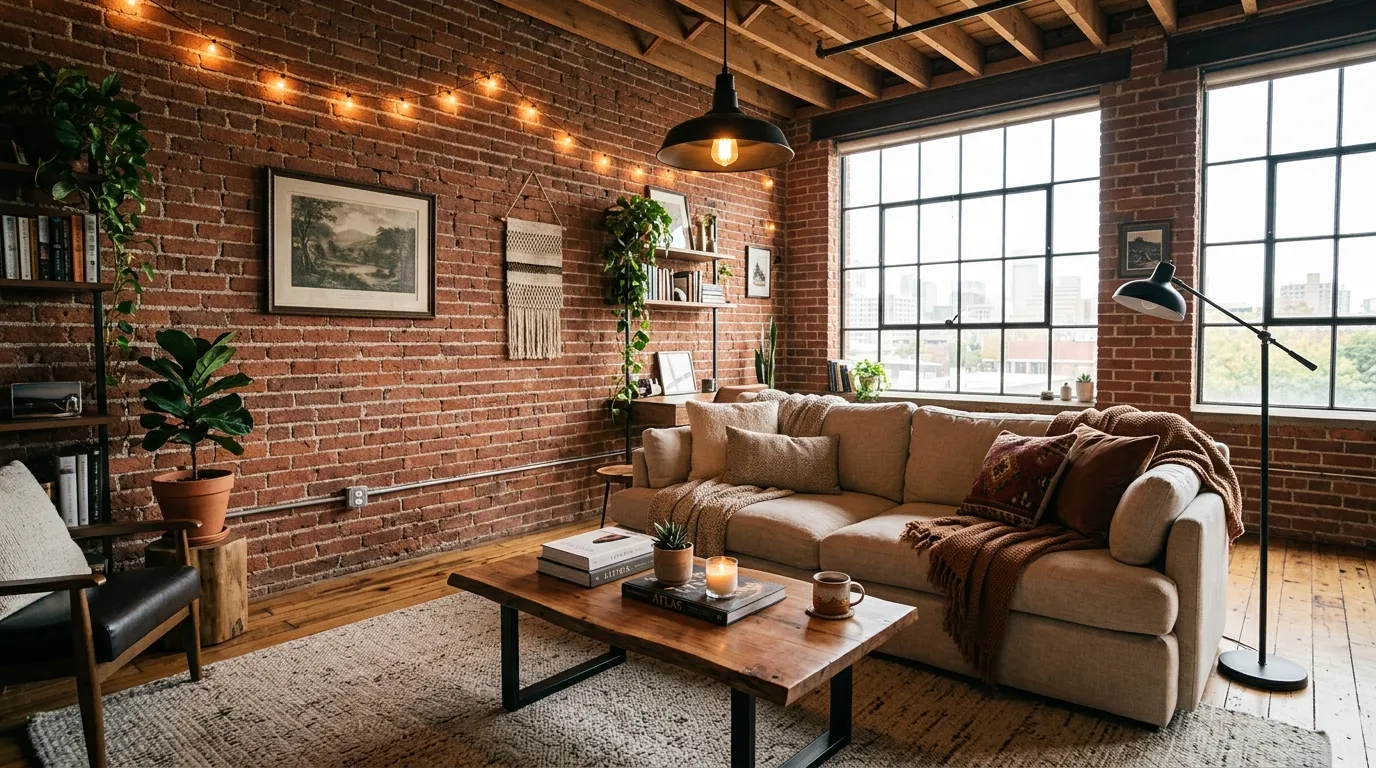
There’s something instantly inviting about exposed brick that makes a space feel both stylish and lived-in. It adds depth and texture in a way that painted walls simply can’t match. In many modern loft interiors, this feature becomes the heart of the design, grounding the space with a raw yet warm character. I’ve noticed that even minimal furniture looks more intentional when paired with brick, as the wall itself carries so much visual weight and personality.
This design works especially well when balanced with softer elements like textiles, warm lighting, and natural wood finishes. The contrast between rough brick and cozy decor creates a layered look that feels thoughtfully designed rather than overly styled. In my experience, keeping the surrounding palette neutral allows the brick to stand out without overwhelming the space. It’s a simple yet powerful way to bring authenticity and charm into an otherwise sleek and modern loft setting.
4. Floating Staircases
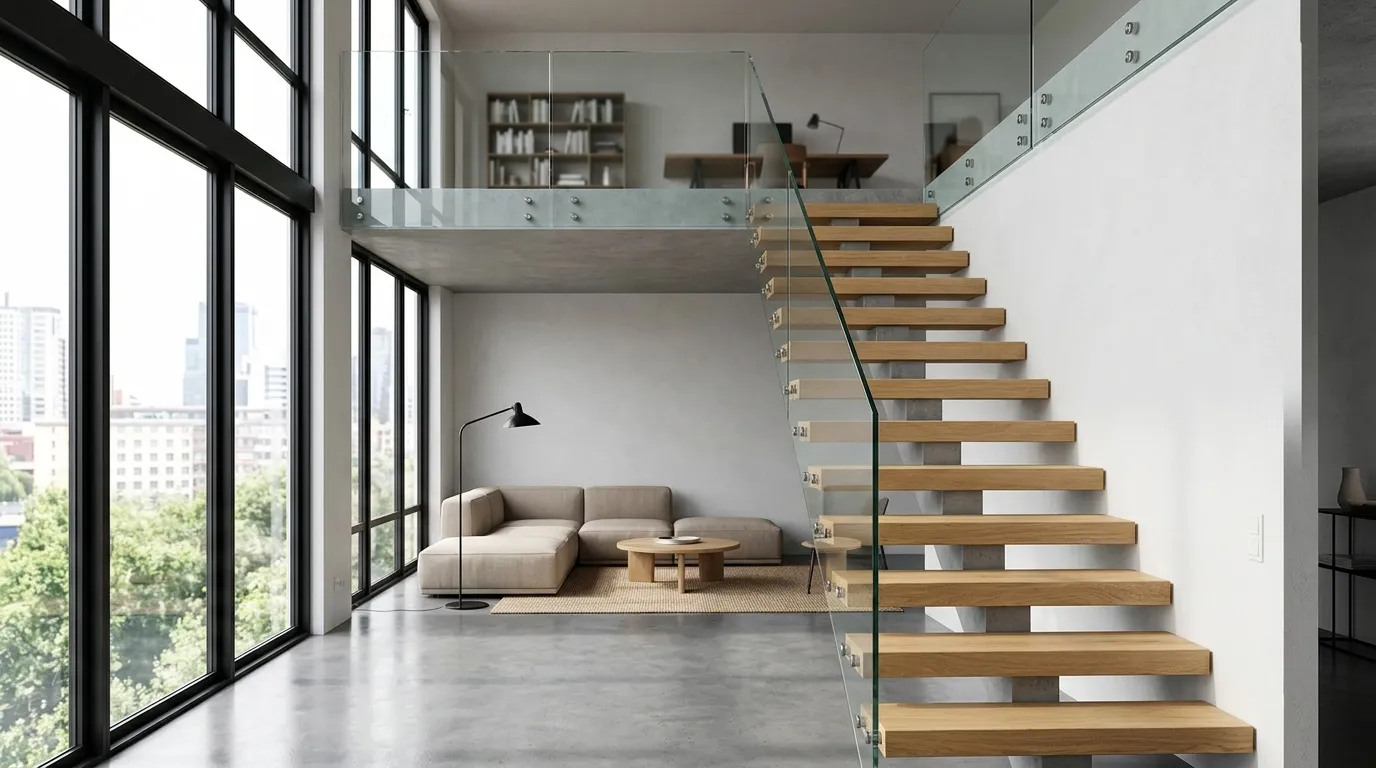
A staircase doesn’t have to feel bulky or intrusive, and that’s exactly where floating designs shine. By removing heavy supports and keeping the structure visually light, this idea helps maintain the openness that loft living thrives on. I’ve noticed that even in compact layouts, a floating staircase makes the entire space feel more breathable and less confined. The clean lines guide the eye naturally upward, adding a sense of movement and architectural elegance without overwhelming the room.
Beyond function, this feature becomes a design statement that elevates the overall aesthetic. The combination of wood, metal, or glass materials adds layers of texture while keeping everything cohesive. That’s why many designers recommend this approach for modern open-plan homes where every element should feel intentional. In my experience, it’s one of those upgrades that instantly makes the space look more high-end while also improving how comfortably everything flows together.
5. Neutral Luxe Palette
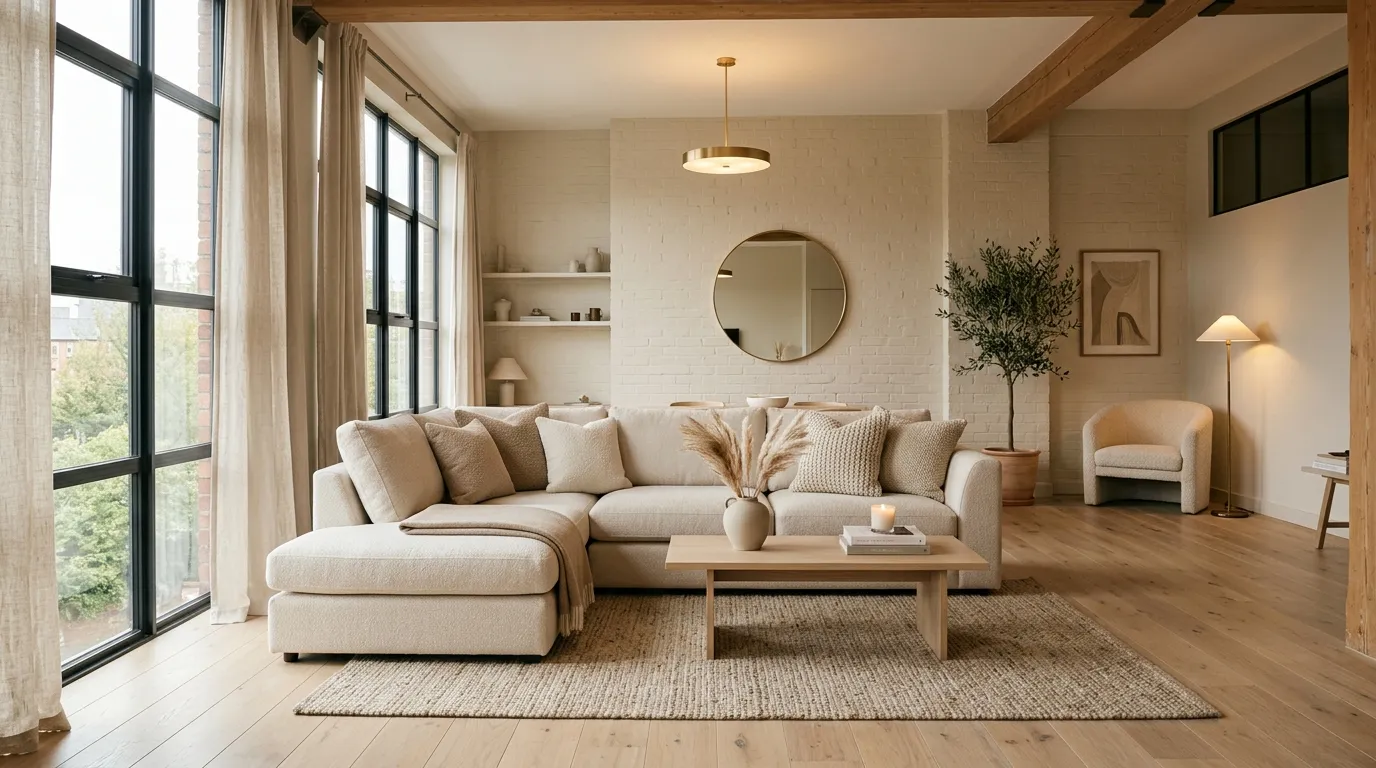
Soft, neutral tones have a way of making any space feel instantly refined and inviting. Instead of relying on bold colors, this approach focuses on layering shades like beige, cream, and soft gray to create depth without visual noise. I’ve seen this work beautifully in open loft layouts where too many colors can feel overwhelming. A neutral palette keeps everything balanced, allowing the architecture and furniture to shine without competing for attention.
This style also makes decorating much more flexible and stress-free over time. You can easily switch out pillows, throws, or small decor pieces without needing a full redesign. In my experience, this is one of the most practical ways to achieve a polished look that still feels comfortable and livable. That’s why many designers lean toward neutral schemes when designing upscale spaces—they create a timeless foundation that always looks effortlessly elegant.
6. Oversized Statement Lighting
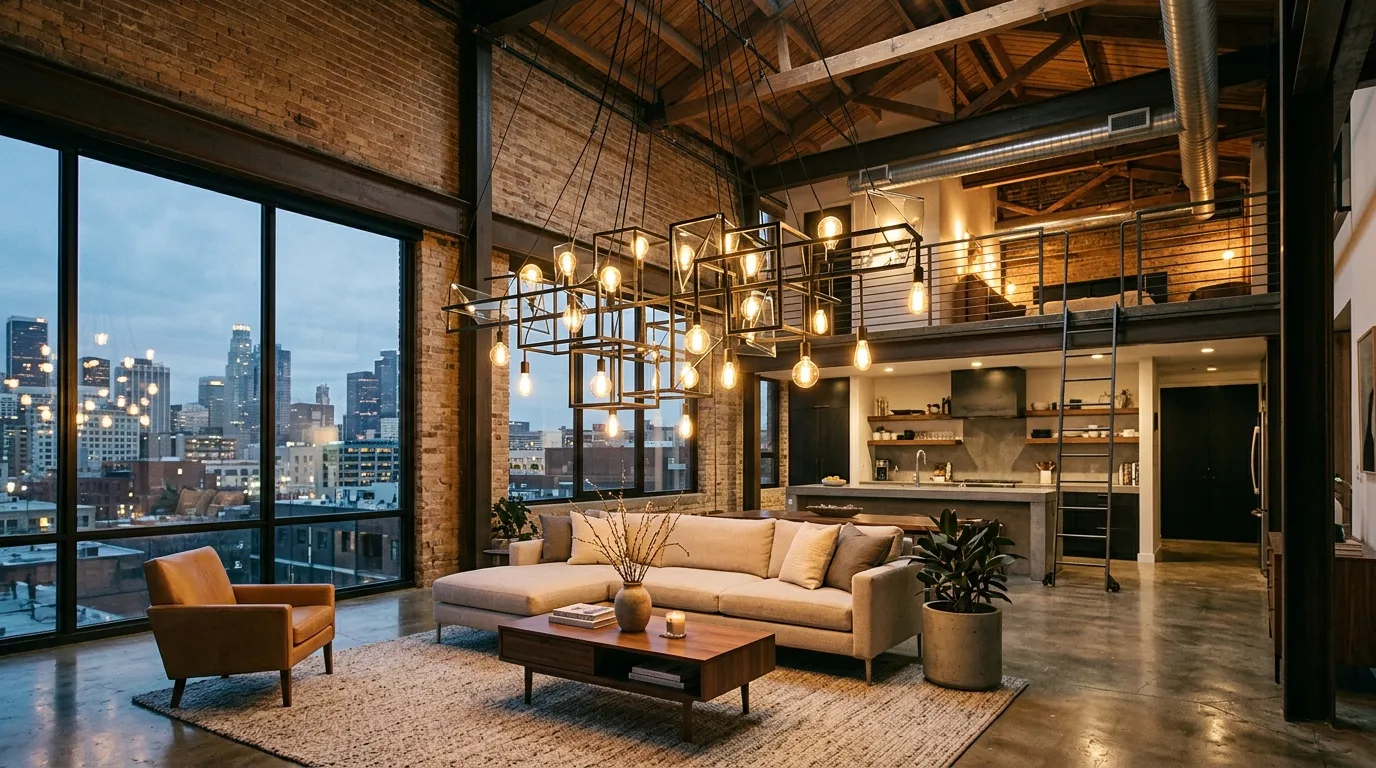
Lighting can completely change how a space feels, and oversized fixtures take that impact to another level. Instead of blending into the background, these pieces command attention and anchor the entire room. In loft interiors with high ceilings, they help fill vertical space that might otherwise feel empty or disconnected. I’ve noticed that a bold light fixture often becomes the first thing people notice, setting the tone for the entire design.
Beyond visual appeal, this idea also improves how light is distributed across open areas. A well-placed statement piece can create a warm, inviting glow that makes the space feel more comfortable, especially in the evenings. That’s why many designers recommend going bigger than you think when choosing lighting for tall spaces. In my experience, it’s one of the easiest ways to add character and elevate the overall look without making major structural changes.
7. Floor-to-Ceiling Windows
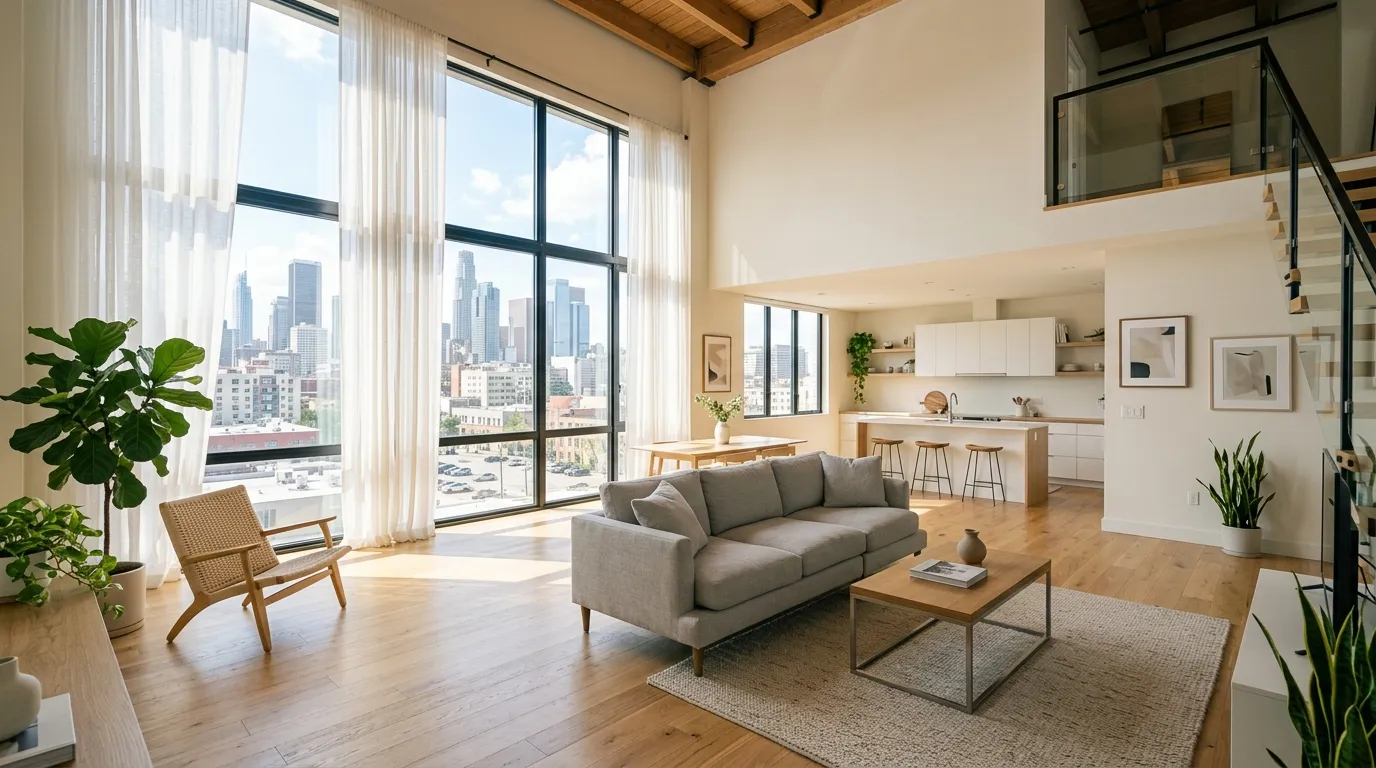
Natural light can completely redefine how a space feels, and large vertical windows are one of the most powerful ways to achieve that. They open up the room visually, making even smaller layouts feel expansive and breathable. I’ve noticed that spaces filled with daylight instantly feel more welcoming and energizing, especially in open loft settings where light can travel freely. This design also highlights textures and materials more beautifully, adding depth without needing extra decor.
Beyond aesthetics, this feature improves daily living in subtle but meaningful ways. The connection to outdoor views creates a calming effect that many people don’t realize they need until they experience it. That’s why many designers prioritize window scale when planning modern open spaces. In my experience, it not only enhances visual appeal but also boosts comfort and mood, making the home feel more alive and naturally balanced throughout the day.
8. Open Mezzanine Level
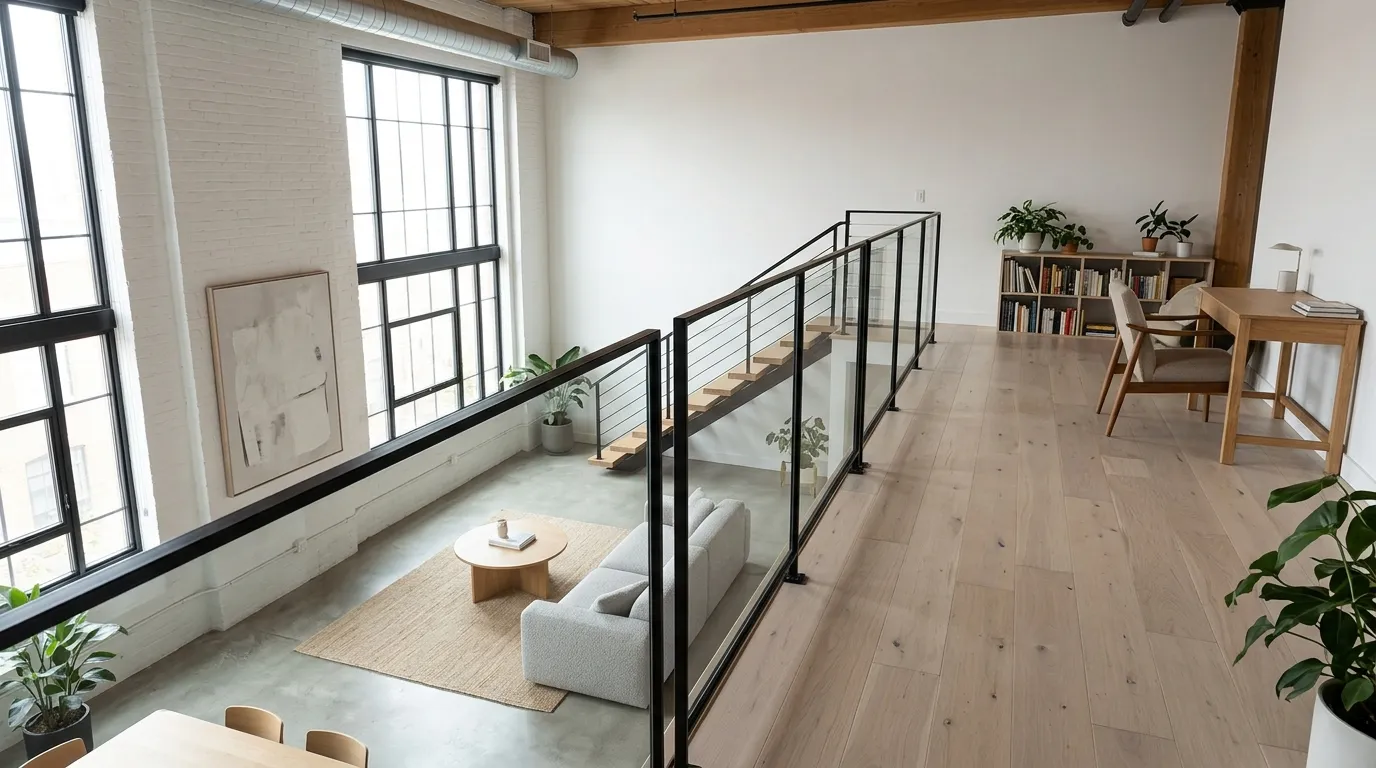
A mezzanine level is a smart way to expand functionality without sacrificing the open feel that defines loft living. Instead of building full walls, this elevated space keeps everything visually connected while adding a second layer of usability. I’ve seen this work especially well for creating cozy sleeping areas or quiet workspaces that still feel part of the larger environment. The openness allows light to flow between levels, preventing the upper area from feeling boxed in.
This design also adds a sense of dimension that makes the entire home feel more dynamic. The layered layout naturally draws the eye upward, enhancing the perception of space and height. That’s why many designers recommend mezzanines in homes with high ceilings—it’s an efficient way to maximize both form and function. In my experience, it’s one of the most practical upgrades that transforms how the space is used without compromising its airy character.
9. Polished Concrete Floors
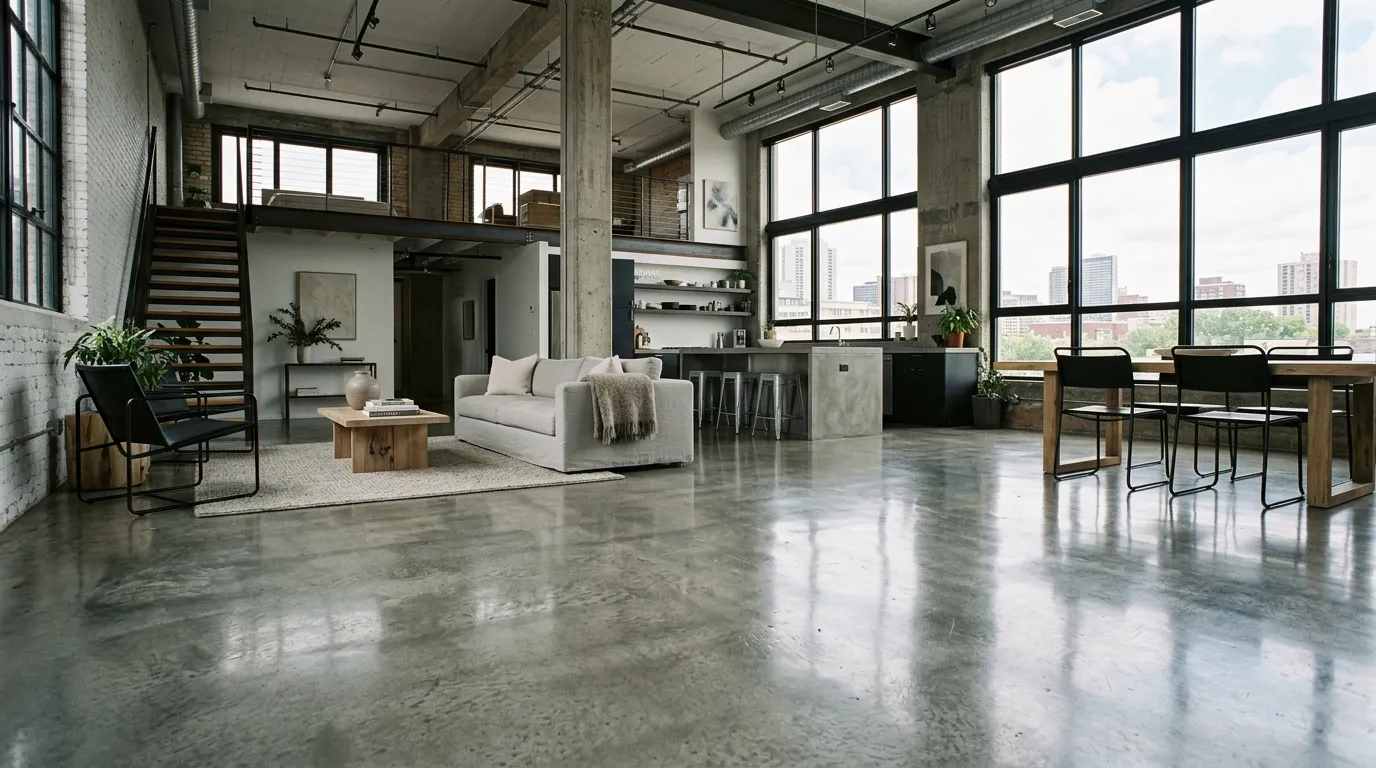
Polished concrete floors bring a sleek, grounded feel that perfectly complements open loft interiors. Their smooth, reflective surface helps bounce light around the room, making the entire space feel brighter and more expansive. I’ve noticed that this type of flooring creates a strong foundation that allows furniture and decor to stand out more clearly. It’s especially effective in modern spaces where simplicity and clean lines are key to achieving a refined look.
Beyond appearance, this flooring choice is incredibly practical for everyday living. It’s durable, easy to maintain, and holds up well in high-traffic areas without losing its appeal. That’s why many designers recommend it for urban-style homes where both function and style matter equally. In my experience, pairing concrete floors with softer elements like rugs or textiles helps balance the look, creating a space that feels both stylish and comfortable.
10. Minimalist Open Layout
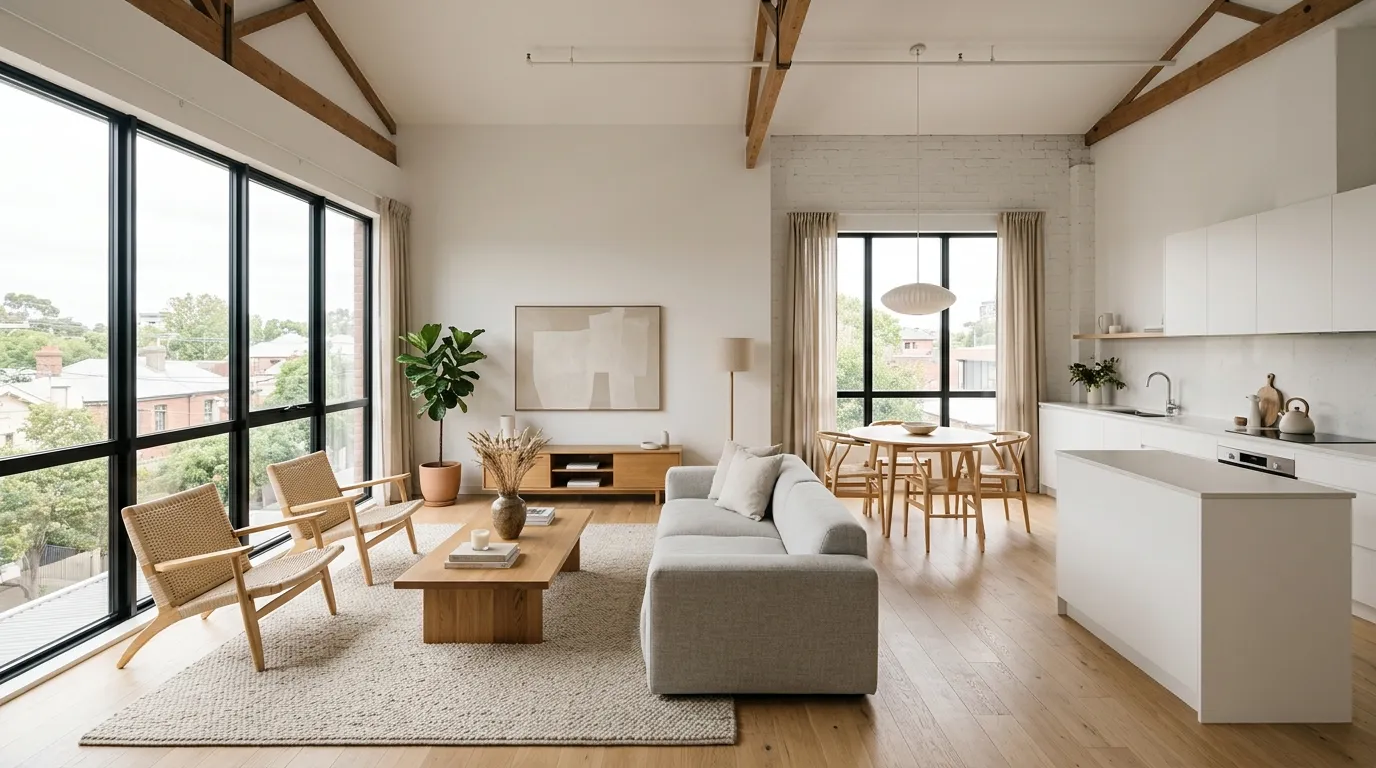
A clean, open layout can completely transform how a loft feels and functions. By removing unnecessary barriers and keeping furniture minimal, the space becomes more breathable and visually relaxing. I’ve noticed that when there’s less clutter, every piece in the room feels more intentional and impactful. This approach works especially well in open-plan homes where too many elements can quickly overwhelm the eye and disrupt the natural flow of the space.
Beyond aesthetics, this design also makes daily living more practical and efficient. Moving around becomes easier, cleaning takes less effort, and the entire home feels more organized without constant upkeep. That’s why many designers recommend starting with a minimalist base before layering in personality through decor. In my experience, it creates a strong foundation that keeps the space feeling fresh, functional, and effortlessly stylish over time.
11. Warm Wood Accents
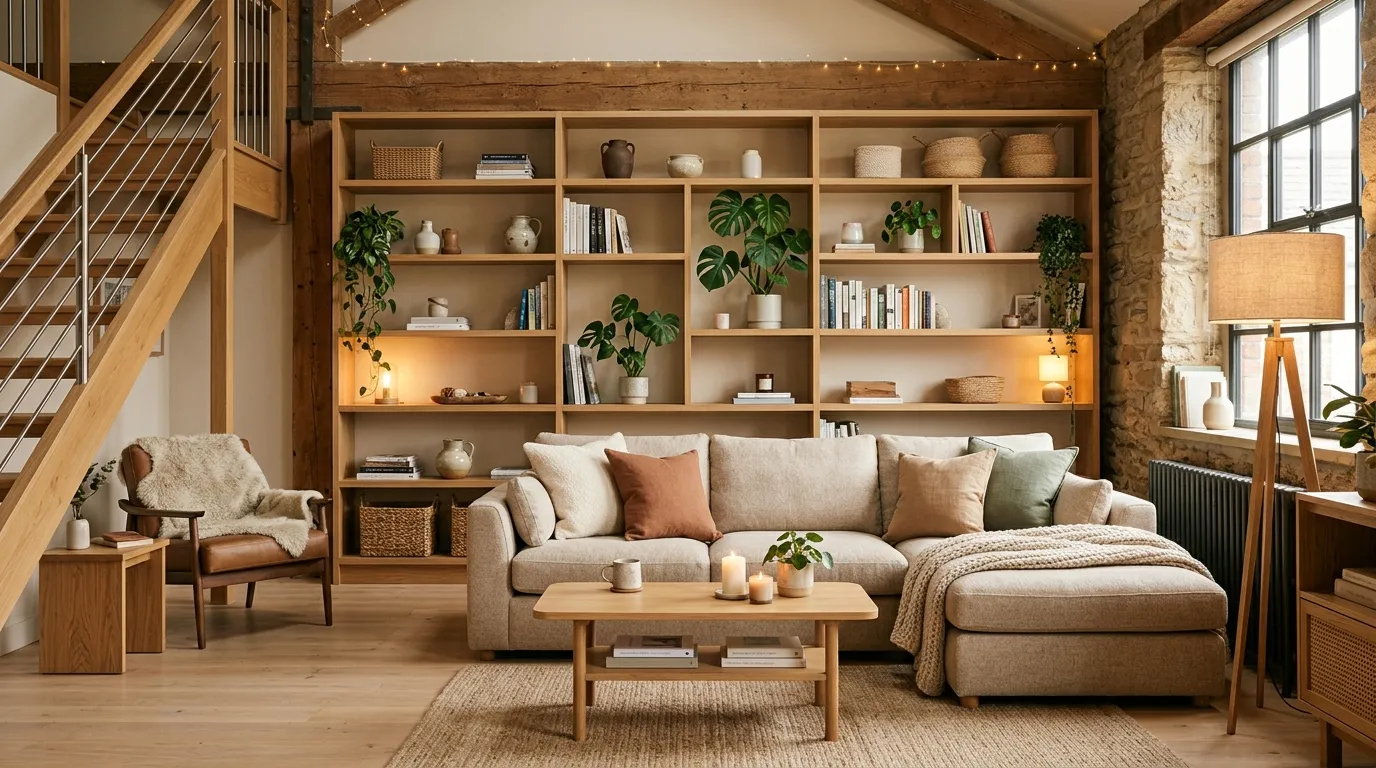
Introducing wood elements is one of the easiest ways to make a loft feel more welcoming and balanced. Natural tones instantly soften the sharp edges of industrial materials, creating a space that feels both modern and comfortable. I’ve seen this work especially well in interiors that rely heavily on concrete or metal, where wood helps break up the coldness and adds a sense of warmth that feels more livable.
This idea also brings a timeless quality that doesn’t go out of style. Whether it’s through flooring, shelving, or small furniture pieces, wood adds subtle richness without overpowering the design. That’s why many designers recommend layering different wood tones to create depth while keeping the overall palette cohesive. In my experience, even small touches can make a big difference, turning a sleek space into something that feels truly like home.
12. Monochrome Color Scheme
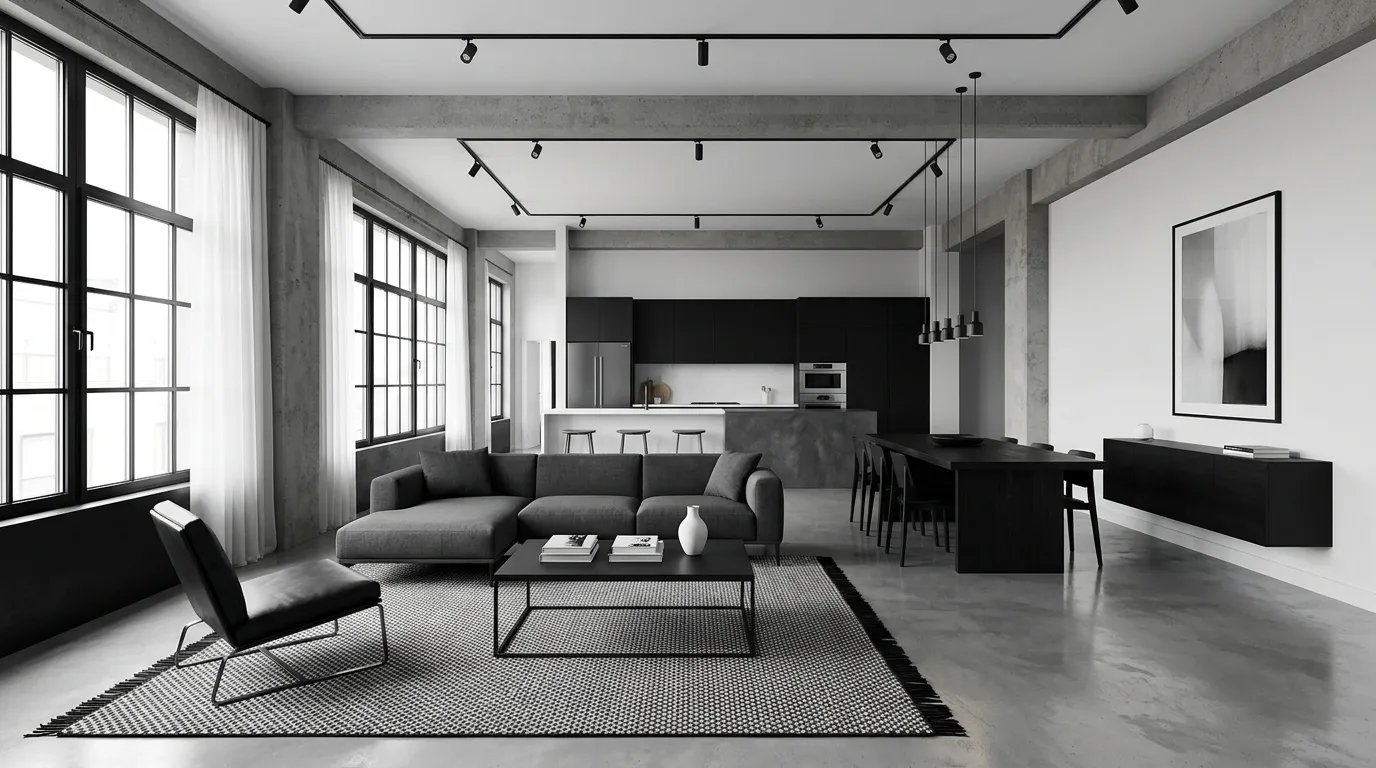
A monochrome palette brings a sense of clarity and sophistication that’s hard to achieve with mixed colors. By focusing on shades of black, white, and gray, the design feels intentional and visually balanced. I’ve noticed that this approach works particularly well in modern loft interiors where strong architectural features deserve attention without distraction. The simplicity allows textures and shapes to stand out more clearly.
This style also offers flexibility while maintaining a polished look. You can easily introduce subtle variations through materials like fabric, metal, or stone without breaking the cohesive feel. That’s why many designers rely on monochrome schemes when aiming for a high-end, minimalist aesthetic. In my experience, it’s a reliable way to create a space that feels both bold and understated at the same time.
13. Industrial Metal Accents
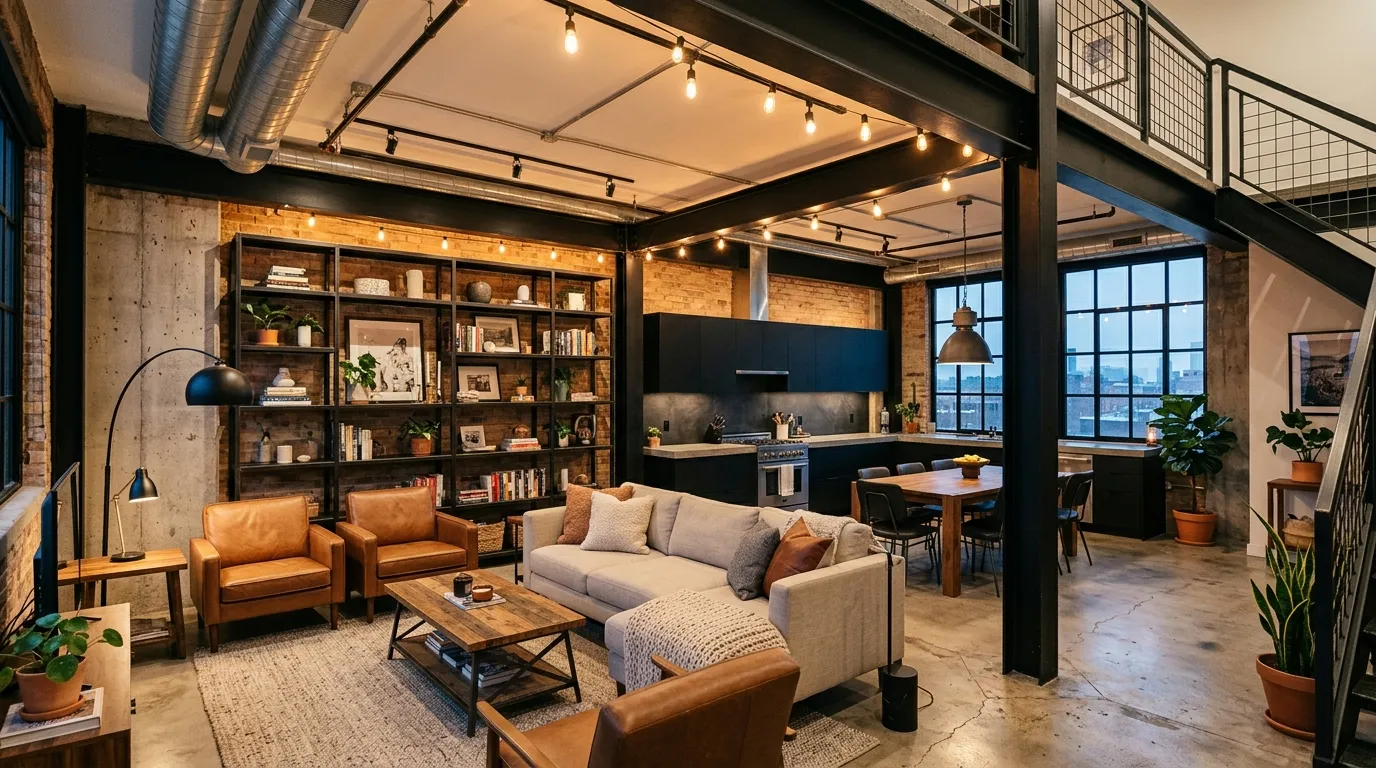
Metal accents bring a strong, defined edge that perfectly complements open loft interiors. From exposed beams to sleek shelving, these elements add structure without making the space feel heavy. I’ve noticed that even small touches of metal can anchor a room visually, giving it a more intentional and cohesive feel. This works especially well in spaces that already feature raw materials like concrete or brick.
At the same time, balancing metal with softer textures is key to avoiding a cold or overly harsh look. Pairing it with warm lighting, textiles, or wood helps create a more comfortable and livable environment. That’s why many designers recommend using metal as a contrast element rather than the dominant feature. In my experience, this balance creates a refined industrial style that feels both modern and inviting.
14. Layered Textured Rugs
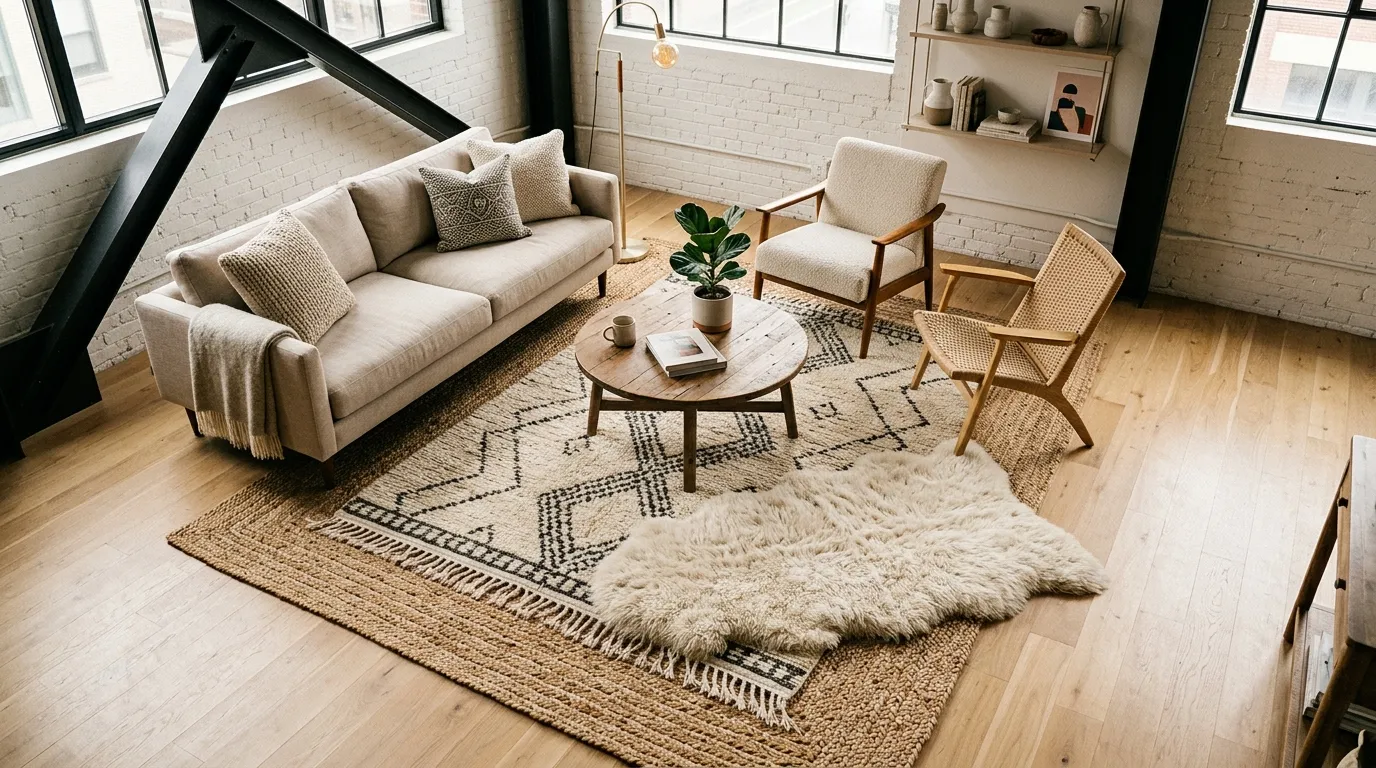
Layering rugs is a simple yet effective way to soften the look of open loft interiors. Hard surfaces like concrete or wood can sometimes feel cold, but adding textured layers instantly makes the space feel warmer and more comfortable. I’ve seen this work especially well in seating areas, where rugs help visually define the space without the need for walls or dividers.
This approach also adds depth and personality without overwhelming the overall design. Mixing subtle patterns and textures creates a more dynamic look while still maintaining a cohesive feel. That’s why many designers recommend sticking to a consistent color palette when layering rugs. In my experience, this technique not only improves comfort but also makes the space feel more thoughtfully styled and complete.
15. Built-In Wall Shelving
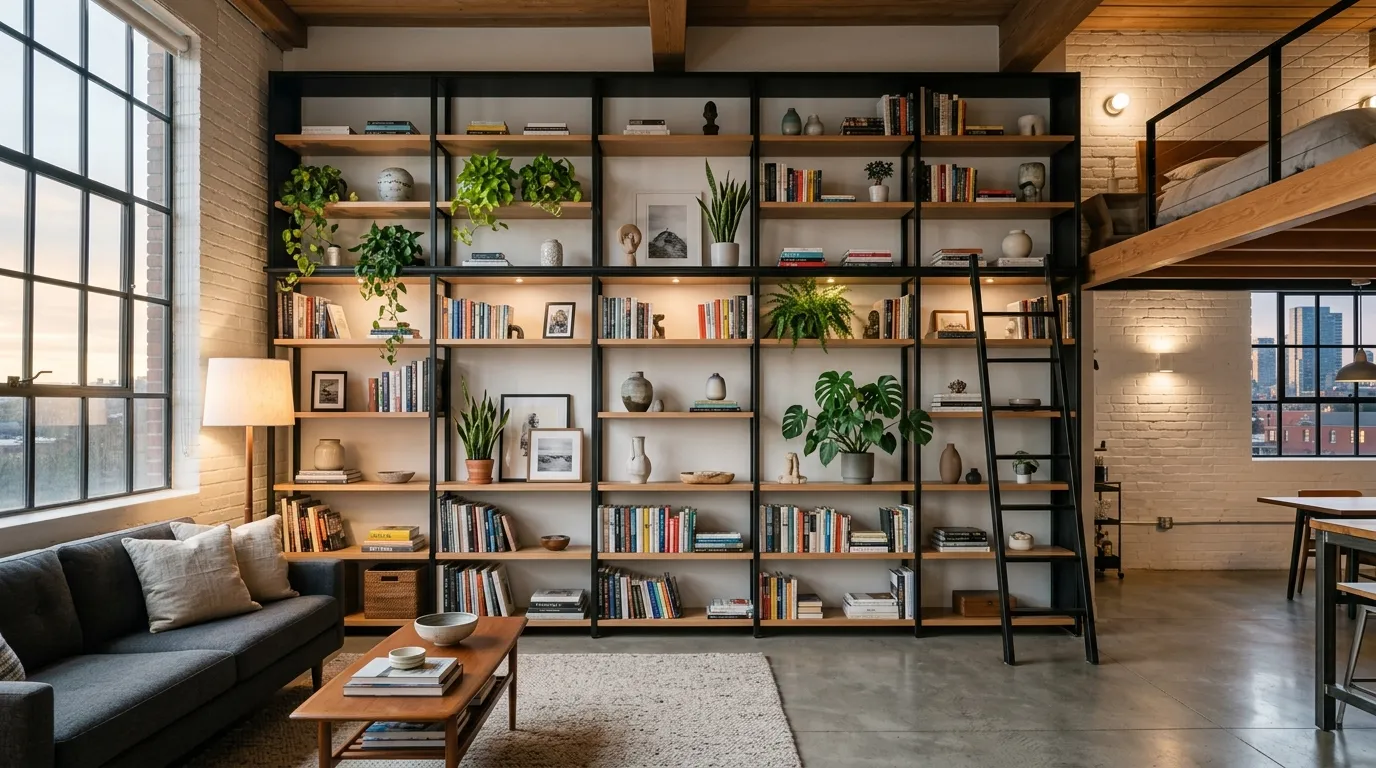
Built-in shelving is one of the smartest ways to combine storage and style in an open loft. Instead of bulky furniture, this approach keeps everything integrated into the walls, maintaining a clean and uncluttered look. I’ve noticed that well-styled shelves can act as a focal point while still serving a practical purpose, especially in smaller spaces where every inch matters.
This design also encourages intentional decorating, as each item on display becomes part of the overall aesthetic. That’s why many designers recommend keeping a balance between decorative objects and functional pieces like books or storage boxes. In my experience, built-in shelving not only improves organization but also adds a polished, custom feel that elevates the entire space.
16. Soft Ambient Lighting
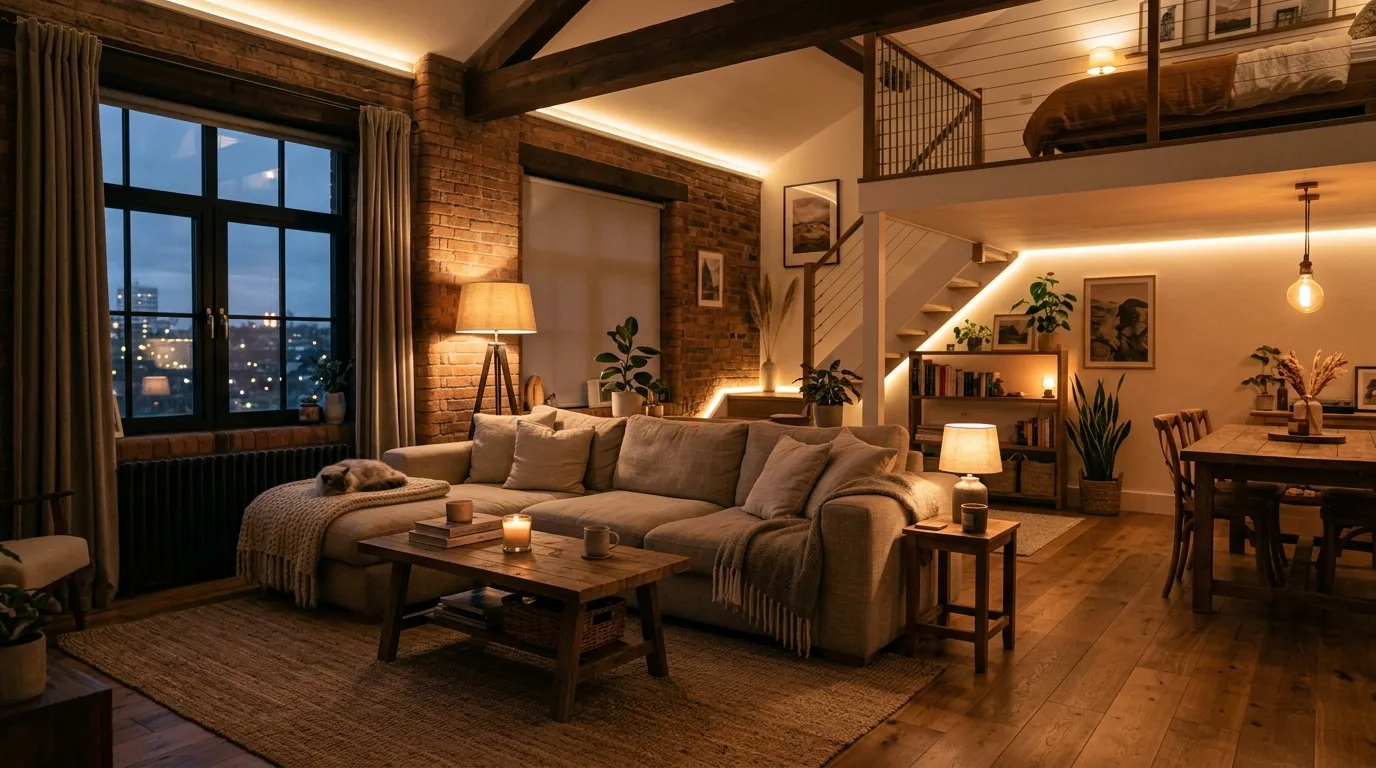
Lighting can completely change the mood of a space, and soft ambient layers make a loft feel instantly more comfortable. Instead of relying on a single bright source, this approach uses multiple subtle lights to create a warm, balanced glow. I’ve noticed that spaces with layered lighting feel more relaxing and less harsh, especially in the evenings when overhead lights can feel too strong or clinical.
This idea also helps highlight the textures and materials that make loft interiors unique. Gentle lighting enhances wood grains, fabrics, and architectural details without overpowering them. That’s why many designers recommend mixing floor lamps, wall lights, and hidden LED strips to build depth. In my experience, it’s one of the simplest ways to make a space feel cozy and lived-in without changing the overall design.
17. Sculptural Furniture Pieces
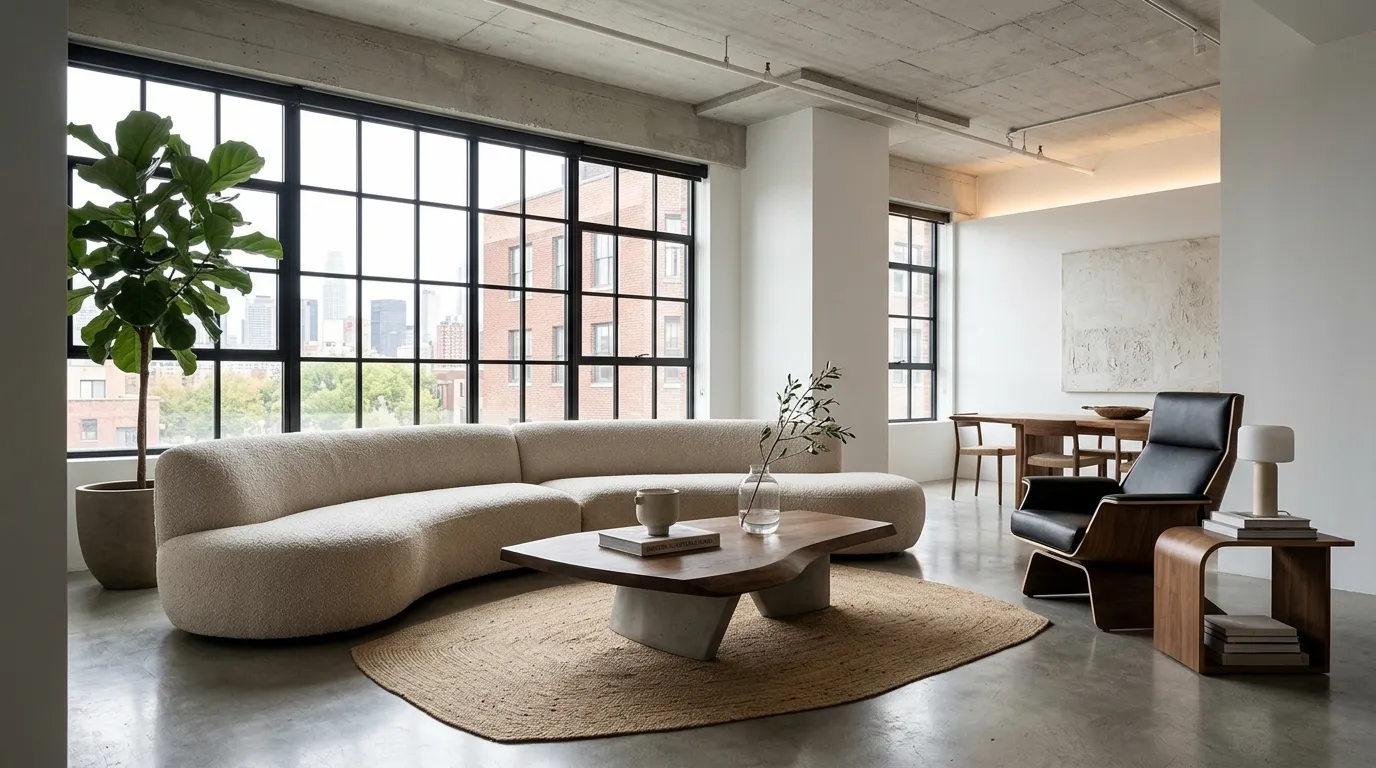
Furniture doesn’t always have to blend in, and sculptural pieces prove that beautifully. Unique shapes and bold forms instantly draw attention, making the space feel curated and intentional. I’ve seen this work especially well in open layouts where fewer pieces are used, allowing each item to stand out and make an impact. It’s a great way to add personality without cluttering the room.
This approach also keeps the design clean while still feeling expressive and dynamic. Instead of adding more decor, the furniture itself becomes the highlight. That’s why many designers recommend investing in one or two standout pieces rather than filling the space with smaller items. In my experience, this creates a more refined look that feels both modern and effortlessly stylish.
18. Black Frame Partitions
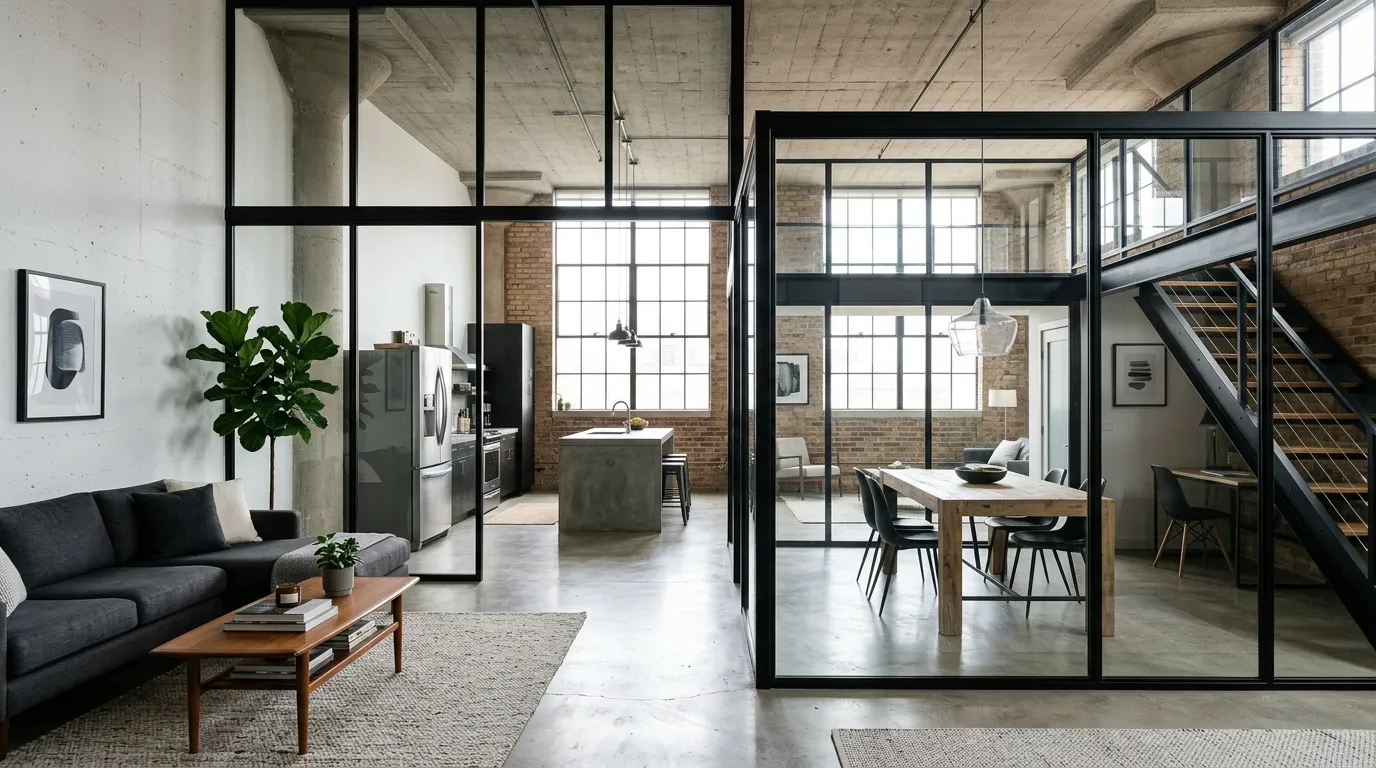
Black-framed partitions are a stylish way to create separation while keeping the open feel intact. Unlike solid walls, they allow light to pass through, making the entire space feel connected and bright. I’ve noticed that this design works especially well for dividing living and workspace areas without making either side feel isolated or confined.
This feature also adds a strong visual element that enhances the overall design. The clean lines and dark frames create contrast, helping define zones in a subtle yet effective way. That’s why many designers recommend this approach for modern interiors that need both openness and structure. In my experience, it’s a practical solution that improves both functionality and visual appeal at the same time.
19. High-Contrast Decor
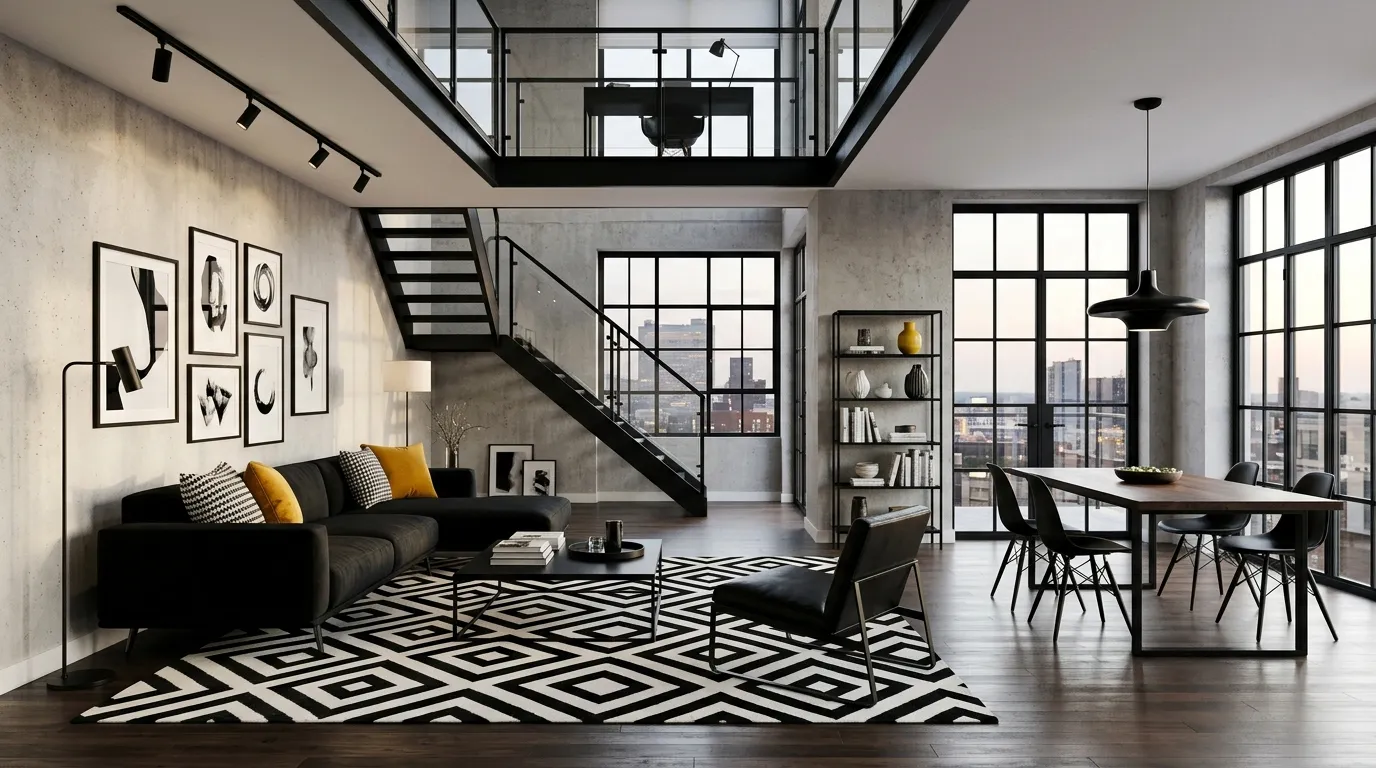
High-contrast styling is one of the easiest ways to make a loft feel bold and visually engaging. By pairing light and dark elements, the space gains depth and definition without needing extra decor. I’ve noticed that even simple rooms feel more dynamic when contrast is used thoughtfully, especially in open layouts where everything is visible at once. This approach naturally draws attention to key features like furniture, lighting, or architectural details.
It also helps maintain a clean and modern aesthetic while still feeling expressive. Instead of adding more items, the contrast itself becomes the design element. That’s why many designers recommend starting with a neutral base and layering in darker accents for balance. In my experience, this technique creates a strong visual identity that feels both polished and effortlessly stylish.
20. Indoor Greenery Touch
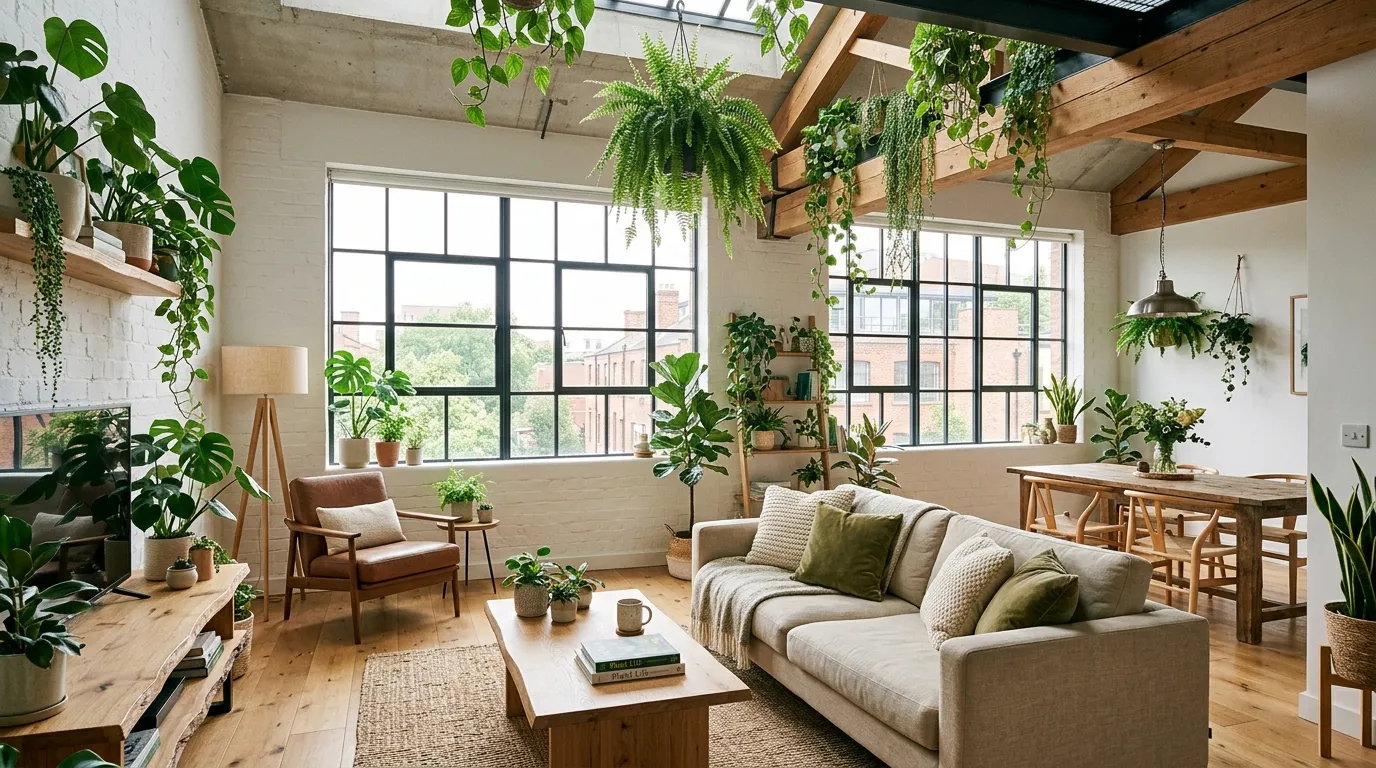
Adding greenery is one of the simplest ways to make a loft feel more alive and welcoming. Plants introduce natural color and texture that balance out hard surfaces like concrete or metal. I’ve seen this work especially well in modern spaces that might otherwise feel too minimal or cold. Even a few well-placed plants can completely shift the mood, making the environment feel calmer and more inviting.
This idea also offers flexibility, as plants can be moved, swapped, or styled in different ways over time. That’s why many designers recommend mixing floor plants, small pots, and hanging greenery for a layered look. In my experience, incorporating natural elements like this not only enhances the design but also creates a more comfortable and relaxing living space.
21. Loft Bed Platform
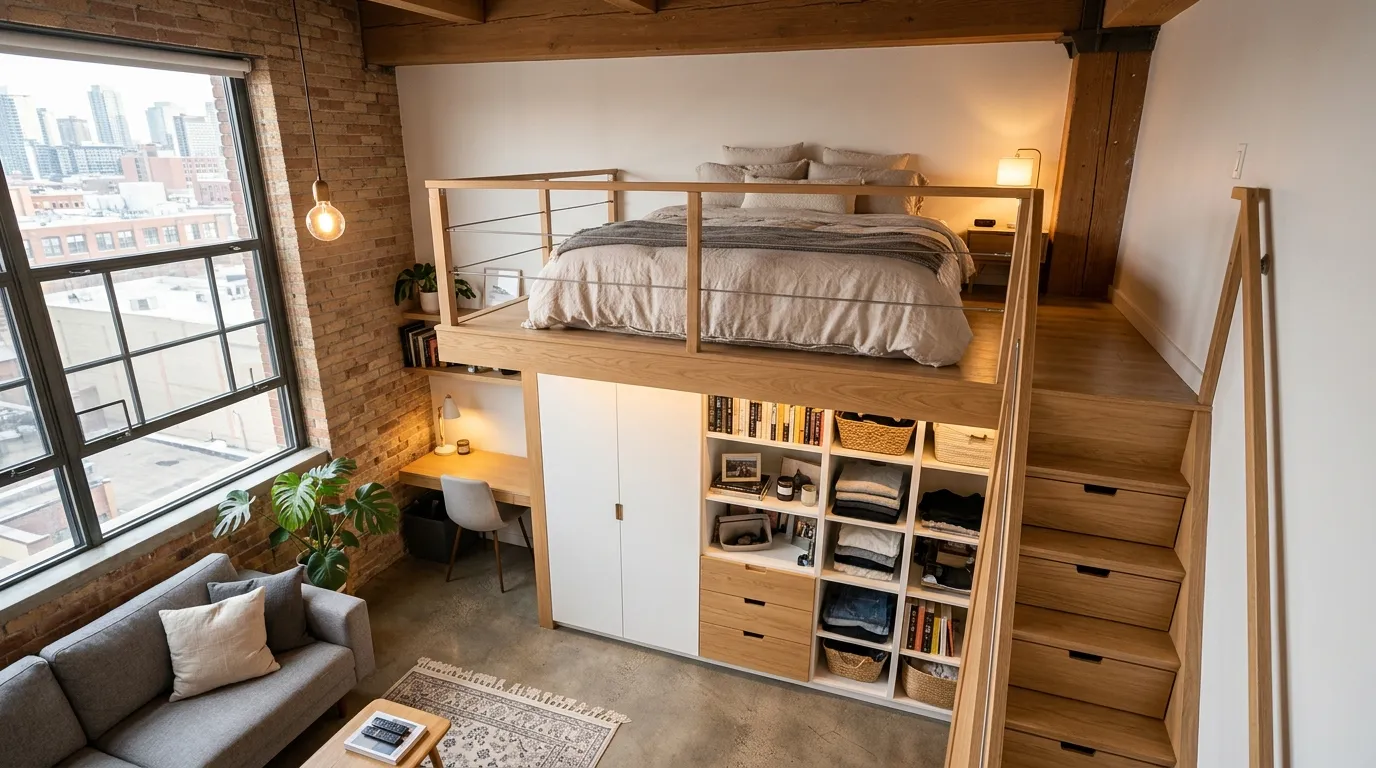
A raised bed platform is a practical solution that makes the most of vertical space in open loft interiors. Instead of spreading everything across one level, this design creates a defined sleeping zone while keeping the rest of the space open. I’ve noticed that this setup works especially well in compact layouts where every square foot matters, allowing the main area to remain uncluttered and functional.
This approach also adds a sense of structure without needing walls or partitions. The elevated design naturally separates zones while maintaining visual flow throughout the home. That’s why many designers recommend this idea for smaller spaces looking to balance comfort and efficiency. In my experience, it’s a smart upgrade that improves both organization and overall usability.
22. Hidden Storage Solutions
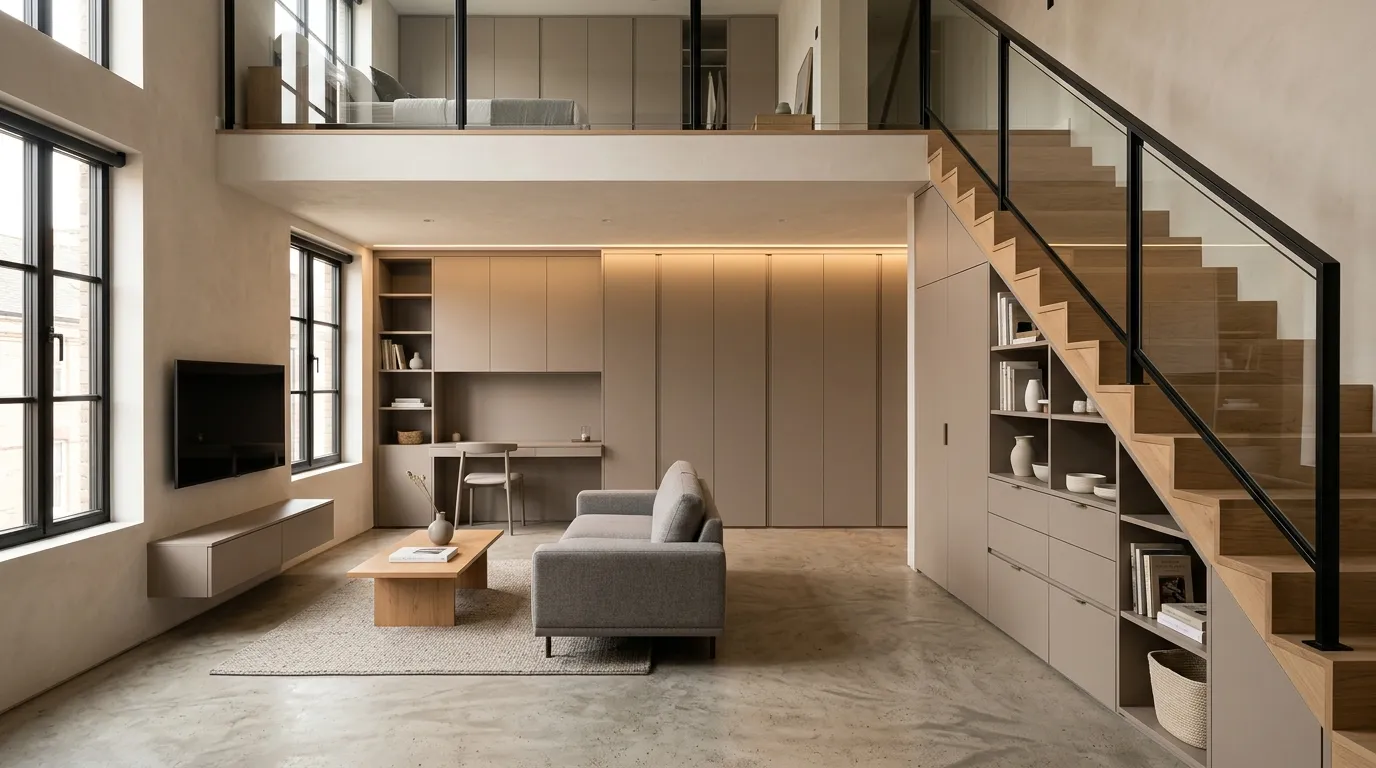
Smart storage can completely change how a loft feels, especially when everything has a place but nothing feels visible. Hidden solutions blend seamlessly into the design, allowing the space to stay clean and open without sacrificing functionality. I’ve noticed that when storage is integrated this way, the entire room feels more relaxing because there’s less visual noise competing for attention.
This idea works particularly well in open layouts where clutter can quickly become overwhelming. Built-in cabinets, under-stair compartments, or concealed units help maintain that airy feel while still being highly practical. That’s why many designers recommend planning storage early in the design process rather than adding it later. In my experience, it’s one of the most effective ways to keep a space both stylish and easy to live in.
23. Statement Art Walls
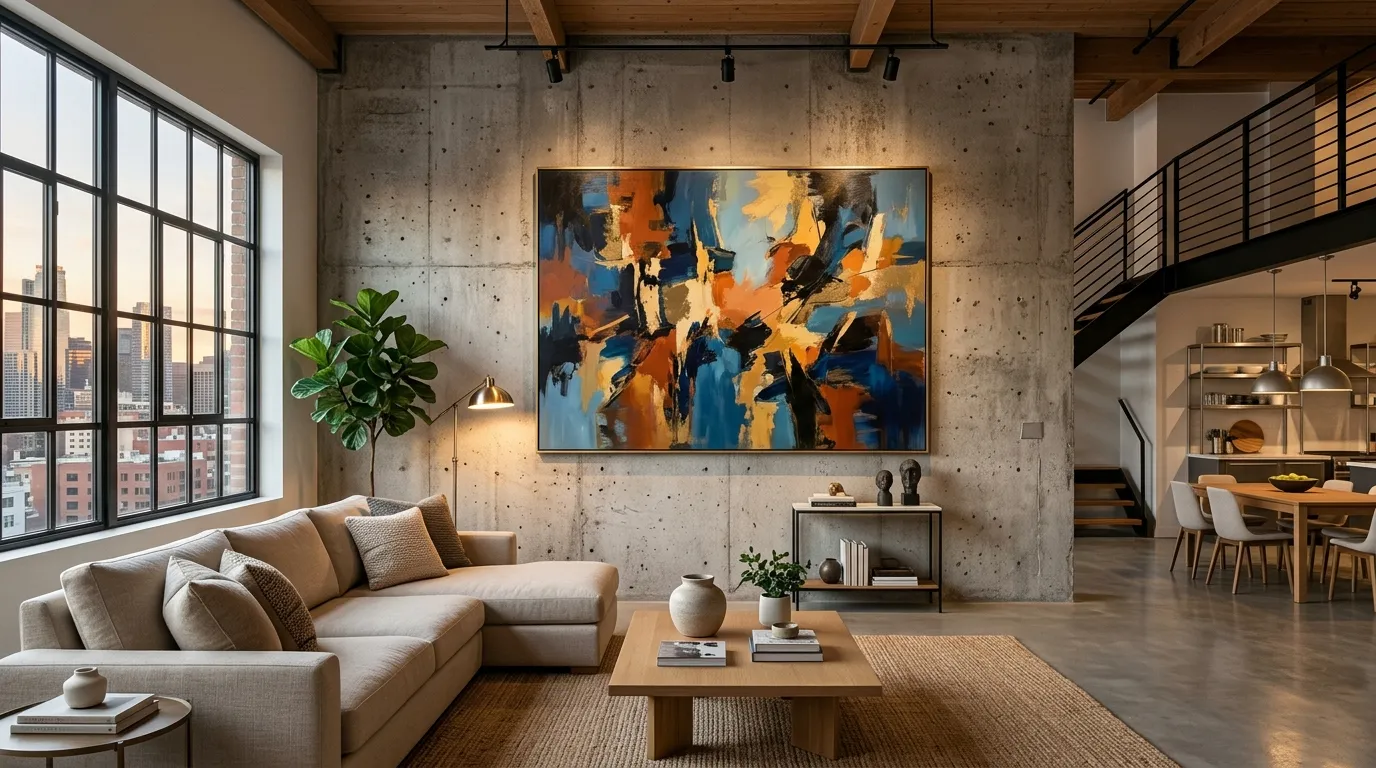
A bold art wall can instantly elevate the look of any loft by adding personality and visual interest. Instead of filling the space with multiple small pieces, one large artwork creates a clear focal point that anchors the room. I’ve seen this work especially well in open interiors where large walls can otherwise feel empty or unfinished.
This approach also allows the rest of the design to stay simple while still feeling complete. The artwork becomes the highlight, reducing the need for excessive decor. That’s why many designers recommend choosing pieces that reflect personal style while complementing the overall color palette. In my experience, a well-placed statement piece can transform the entire mood of a space without requiring major changes.
24. Glass Railing Details
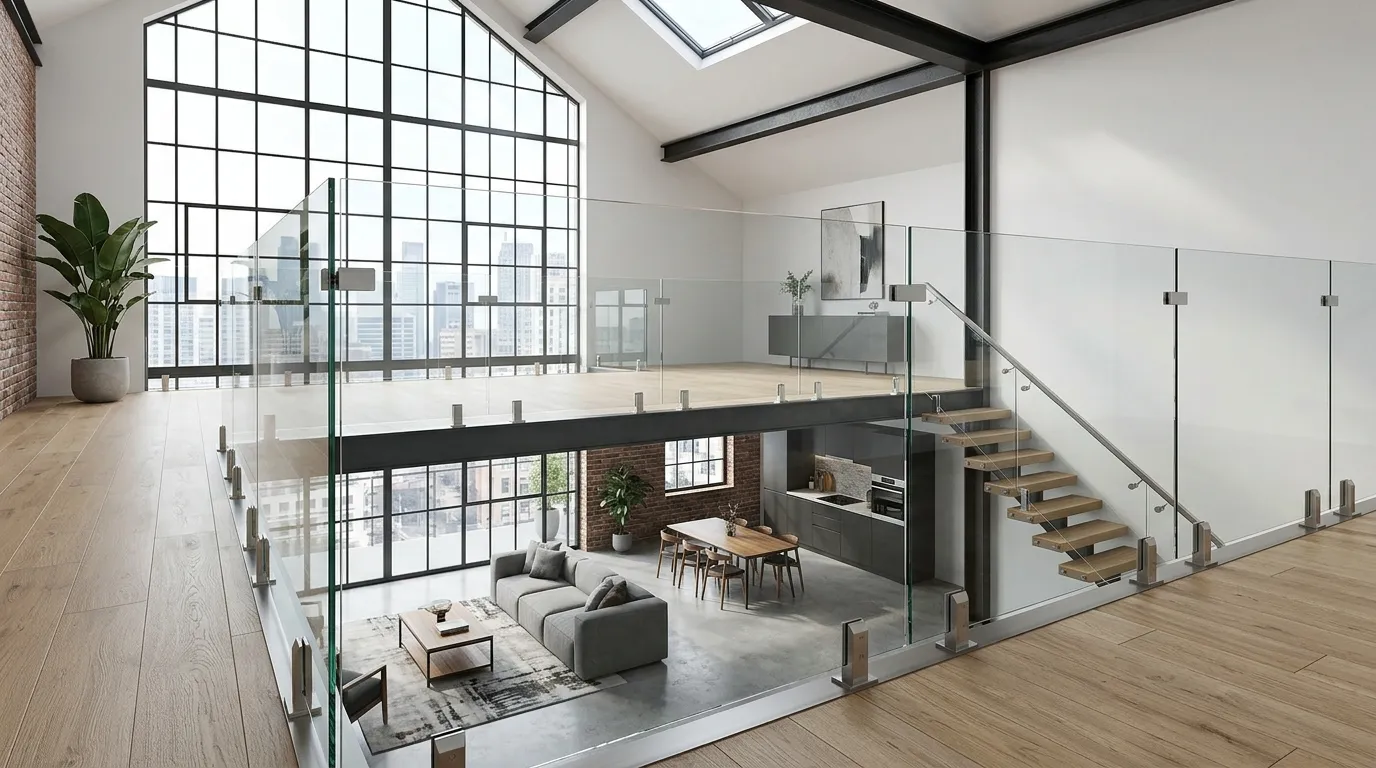
Glass railings are a subtle yet powerful way to maintain openness in multi-level loft interiors. Unlike solid barriers, they allow the eye to move freely across the space, making everything feel more connected. I’ve noticed that this small detail can make a big difference, especially in homes where preserving light and visibility is important.
This feature also blends seamlessly with modern design styles, adding functionality without drawing too much attention. The transparency keeps the focus on the architecture and decor rather than the structure itself. That’s why many designers recommend glass railings for spaces aiming to feel light and uncluttered. In my experience, it’s a simple upgrade that enhances both safety and overall aesthetic.
25. Cozy Lounge Corner
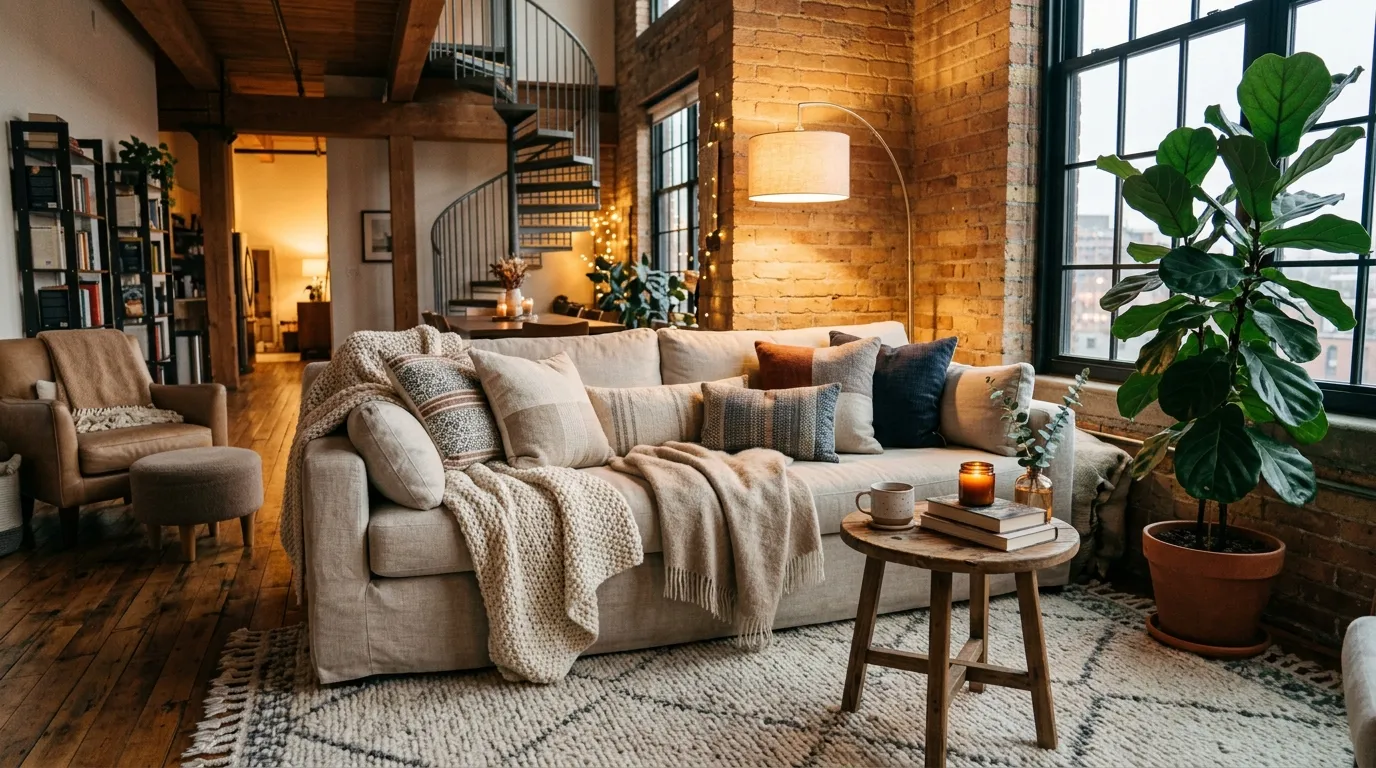
Every open space needs a spot that feels personal and comforting, and a cozy lounge corner does exactly that. By layering soft textures, warm lighting, and comfortable seating, this area becomes a retreat within the larger layout. I’ve noticed that even in spacious interiors, having a smaller, intimate zone makes the home feel more inviting and complete.
This idea also helps balance the openness that lofts are known for. While large spaces are visually appealing, they can sometimes feel too expansive without defined comfort zones. That’s why many designers recommend creating a dedicated corner for relaxation using simple elements like rugs, cushions, and lighting. In my experience, this small addition can significantly improve how the space feels and is used daily.
Conclusion
Creating a beautiful and functional loft doesn’t require a complete overhaul—just thoughtful design choices that work together. These ideas show how small upgrades can bring warmth, structure, and personality into open spaces while keeping that signature airy feel. I’ve seen how simple changes like lighting, textures, or layout adjustments can completely transform a home. If you’re inspired by these luxe loft apartments, start with one idea and build from there. Save this post on Pinterest for later, try your favorite look, and share it with anyone ready to elevate their space into something truly special.
FAQs
1. What makes a loft apartment feel more luxurious?
A loft feels more luxurious when it balances openness with intentional design details. Features like layered lighting, warm textures, and statement pieces elevate the overall look without overcrowding the space. I’ve noticed that focusing on a few high-impact elements—like large windows or sculptural furniture—can instantly make a loft feel more refined and high-end.
2. How can I decorate a small loft without making it feel crowded?
The key is to keep things minimal and functional. Use multi-purpose furniture, hidden storage, and light color palettes to maintain an open feel. In my experience, avoiding bulky items and sticking to clean lines helps the space feel larger and more breathable while still looking stylish and complete.
3. What colors work best for modern loft interiors?
Neutral tones like white, beige, gray, and soft earth shades work best because they create a calm and cohesive foundation. These colors also reflect light well, making the space feel brighter. You can always add contrast through black accents or natural textures for more depth.
4. How do I make an open loft feel cozy?
To make an open space feel cozy, focus on layering. Add rugs, soft lighting, cushions, and warm materials like wood or fabric. I’ve seen many homes transform just by adding these elements, creating a more inviting and comfortable atmosphere without losing the open layout.
5. Is industrial style necessary for loft apartments?
Not at all. While industrial design is common, you can style a loft in many ways, including modern, minimalist, or even cozy and rustic. The structure of the space matters more than the style you choose. It’s all about adapting the design to match your personal taste.
6. What is the best lighting setup for a loft space?
A mix of lighting works best. Combine ambient lighting, task lighting, and statement fixtures to create depth and flexibility. In my experience, relying on just one overhead light makes the space feel flat, while layered lighting adds warmth and dimension.
7. How can I divide spaces in an open loft?
You can use rugs, furniture placement, shelving, or glass partitions to define areas without closing them off. This keeps the flow intact while giving each zone a clear purpose. It’s a practical way to organize the space without sacrificing openness.
8. Are loft apartments good for everyday living?
Yes, they can be very comfortable when designed thoughtfully. With the right layout, storage solutions, and cozy elements, a loft can feel both functional and relaxing. I’ve seen many people turn open lofts into highly livable homes that balance style and practicality perfectly.