Introduction
Dark, dramatic, and effortlessly stylish—moody loft designs are the secret to creating a space that feels both modern and deeply inviting. If your loft feels too plain, too open, or lacking personality, this guide will show you exactly how to transform it into something rich and visually stunning.
This article is packed with simple, realistic ideas that elevate your space without overwhelming it. From lighting to textures and smart layout choices, each idea helps you build depth, warmth, and character step by step. I’ve noticed that even small changes, like switching lighting or adding layered textiles, can completely shift how a loft feels.
In my experience, people often think achieving a high-end look requires a big budget, but that’s not true. With the right details and thoughtful choices, you can create a space that feels curated, cozy, and visually powerful. These ideas are designed to inspire you, guide you, and help you confidently design a loft you’ll love living in every day.
1. Charcoal Accent Walls
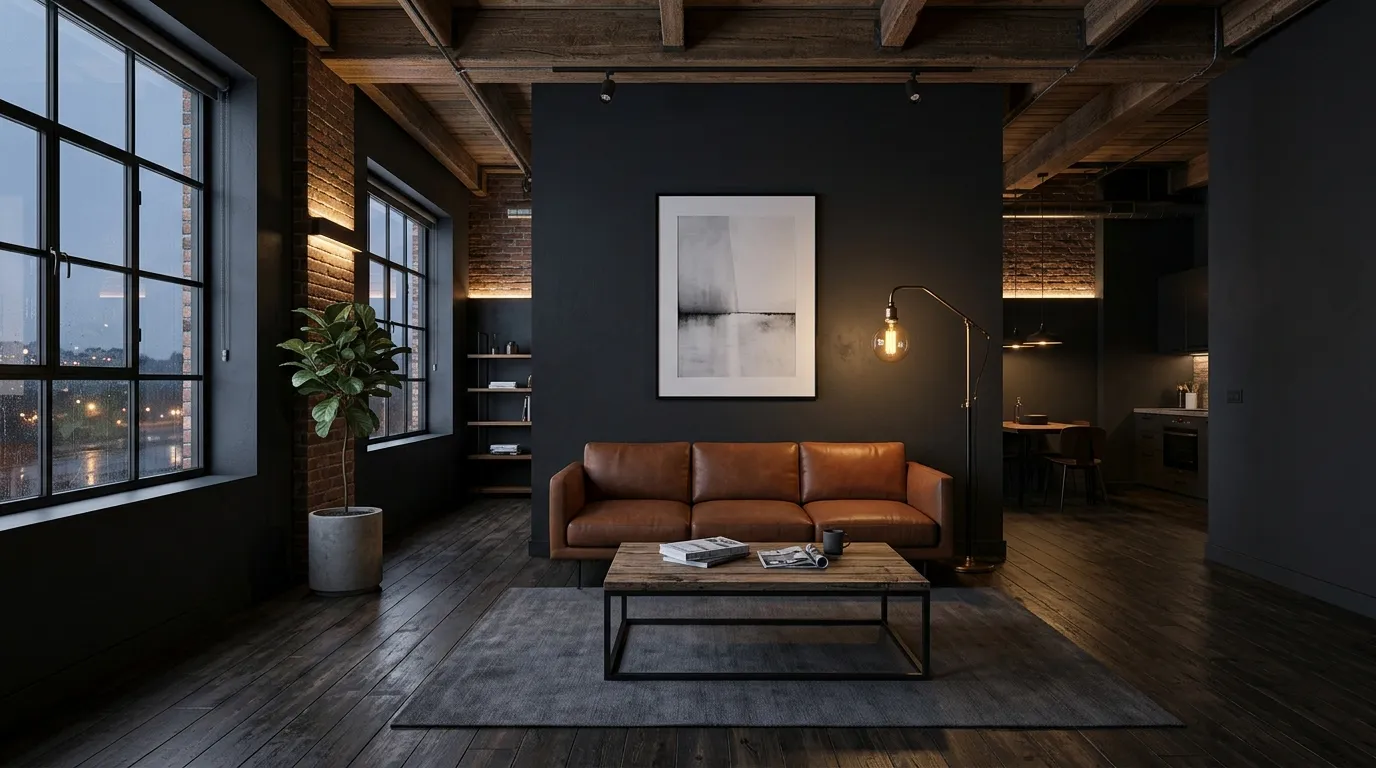
A dark charcoal wall can completely redefine how a loft feels the moment you step in. Instead of flat, bright surfaces, this deeper tone creates a sense of calm, grounding the entire space visually. In my experience, it makes even simple furniture look more expensive and intentional without adding extra decor. The contrast between the dark walls and lighter elements like rugs or lighting instantly elevates the room, making it feel layered and thoughtfully designed rather than empty or unfinished.
What makes this idea especially powerful is how adaptable it is across different loft layouts. Whether you’re working with exposed brick, concrete, or plain drywall, charcoal blends effortlessly while enhancing texture. I’ve noticed it also helps large, open spaces feel more intimate without making them look smaller. When paired with warm lighting and subtle metallic accents, the result feels polished and dramatic, giving that rich, high-end atmosphere people often try to achieve with far more complicated design changes.
2. Black Metal Framing
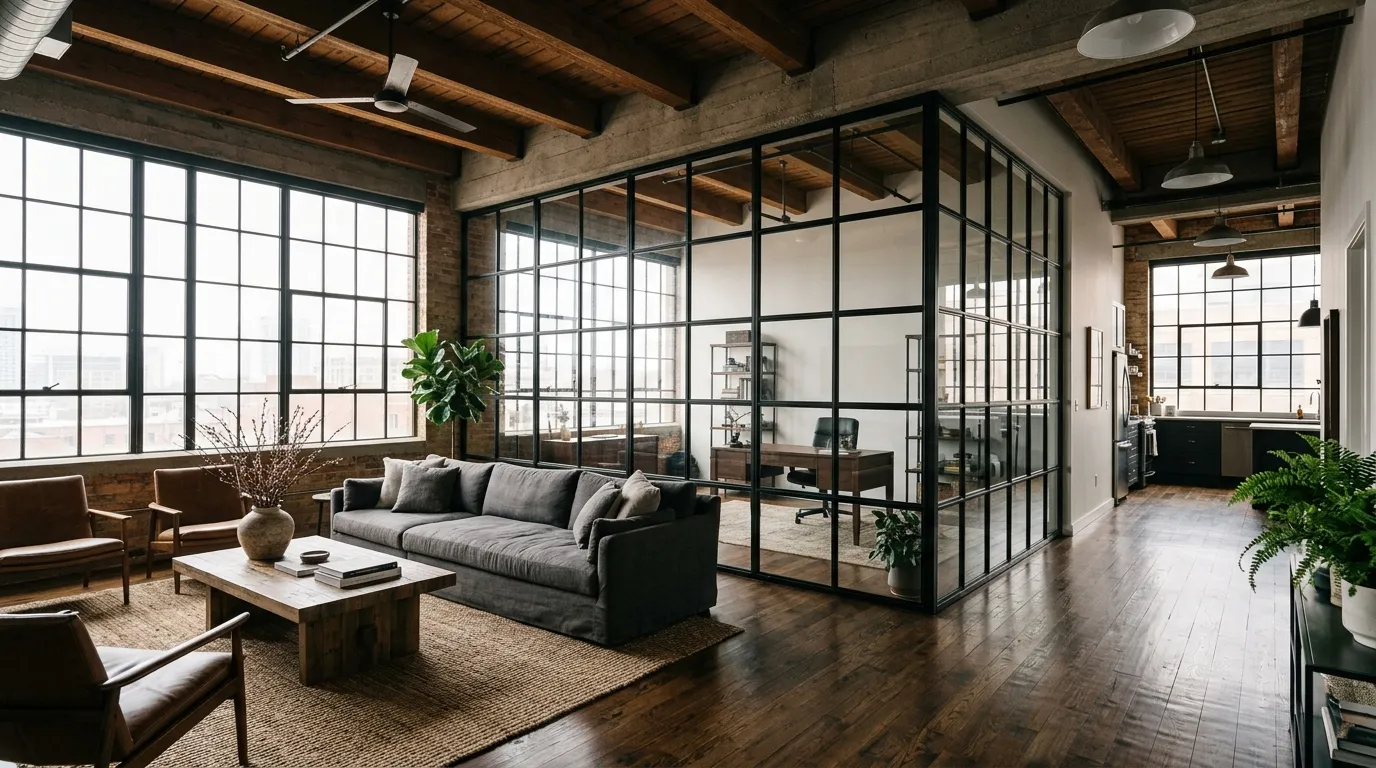
Black metal framing brings structure into an open loft without closing it off, which is exactly why it works so well in these spaces. Instead of building full walls, these sleek frames create subtle divisions that feel intentional and modern. I’ve seen this approach transform chaotic open layouts into organized, functional zones while still allowing light to flow freely. The clean lines add a sharp contrast against softer textures, giving the space a balanced and curated look that feels both practical and stylish.
This design element also plays a big role in achieving that rich, polished vibe often seen in moody loft designs. The combination of glass and black metal creates depth without visual heaviness, which is crucial in smaller or compact lofts. That’s why many designers recommend it for maintaining openness while still adding character. When paired with darker tones and layered lighting, the frames almost act like artwork themselves, making the entire room feel more architectural and thoughtfully composed.
3. Dark Wood Flooring
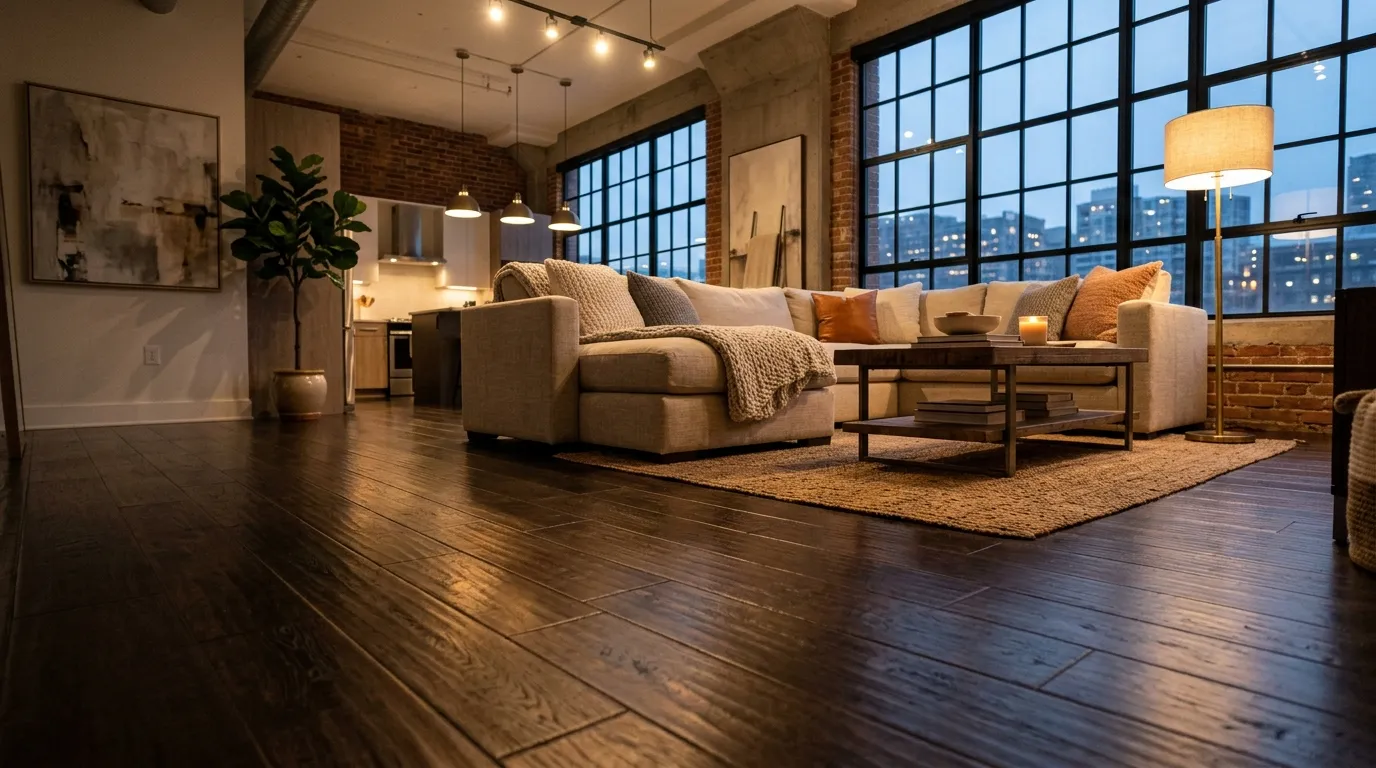
Dark wood flooring instantly anchors a loft, giving it a sense of weight and sophistication that lighter floors often lack. The rich tones create a strong foundation that ties all other design elements together, making the space feel cohesive and complete. I’ve noticed that even simple layouts start to feel more refined once darker flooring is introduced. It reflects light in a subtle way, adding warmth without brightness, which is essential for achieving that cozy yet elevated atmosphere many people want in their homes.
Another reason this idea works so well is its versatility across different styles and layouts. Whether paired with industrial features like exposed pipes or softer elements like plush rugs, dark wood adapts beautifully. That’s why many designers recommend it when aiming for depth without overwhelming the space. It also pairs naturally with moody loft designs by enhancing contrast and emphasizing textures, helping every piece in the room stand out while still feeling connected and harmonious.
4. Exposed Brick Texture
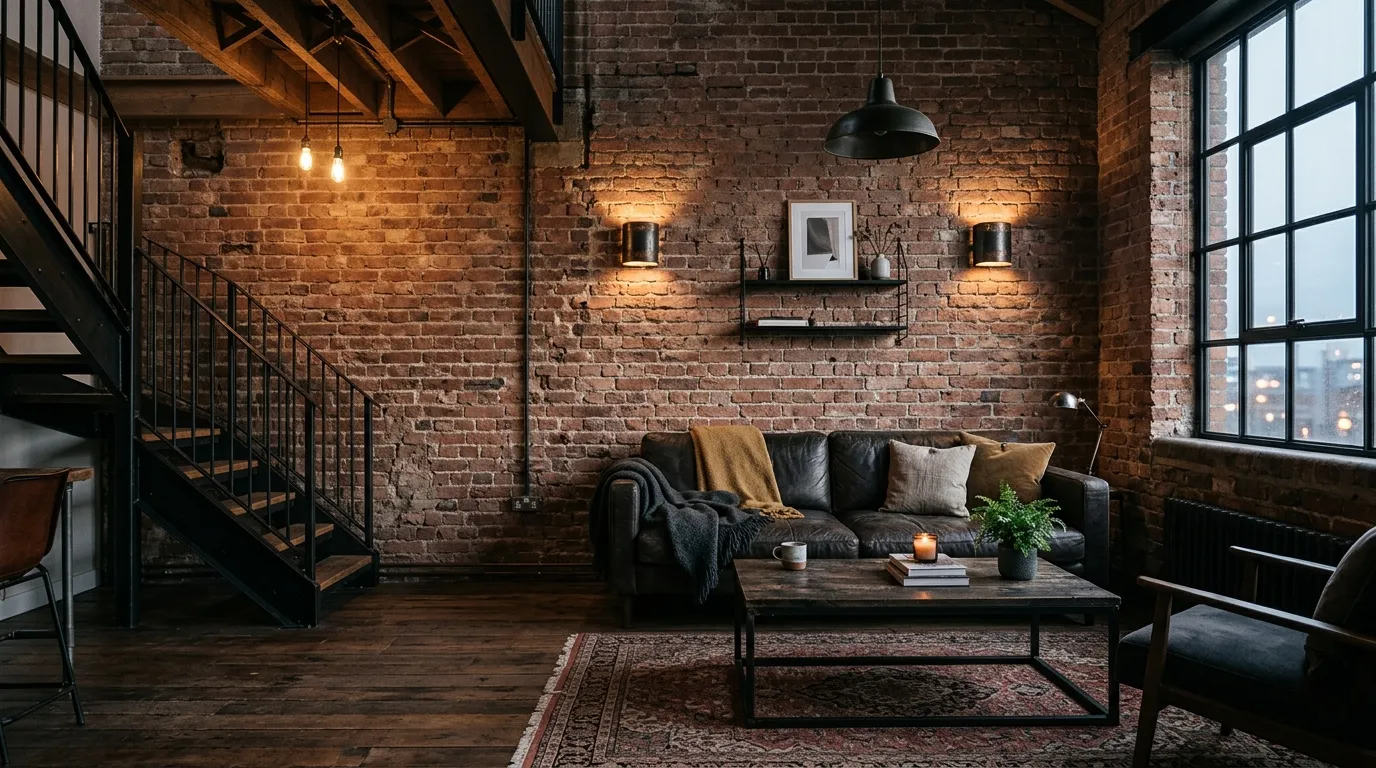
Nothing brings instant character to a loft quite like exposed brick. The raw, uneven texture creates visual interest without needing additional decoration, making the space feel naturally rich and layered. I’ve noticed that even a single brick wall can completely change the atmosphere, adding warmth and history to an otherwise modern layout. The imperfections in the brick give the room personality, which is something many newer spaces lack, making it feel more lived-in and authentic.
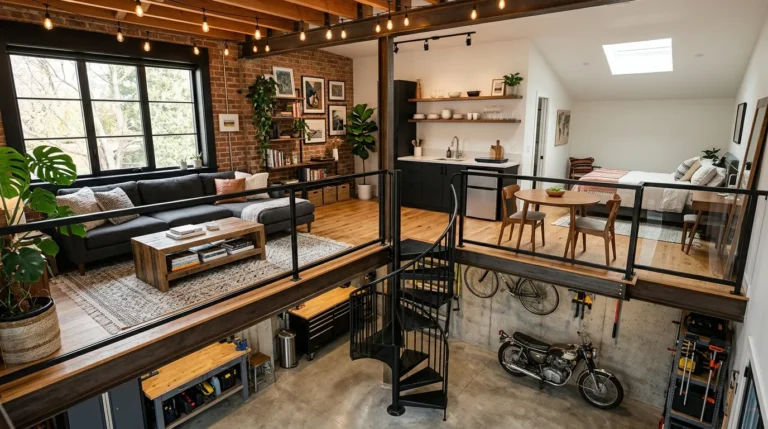
What makes this feature especially valuable is how effortlessly it blends with darker tones and industrial elements. The natural red and brown hues soften the intensity of black and charcoal accents, creating balance in the design. That’s why many designers recommend keeping brick exposed rather than covering it up. It not only enhances depth but also pairs beautifully with soft lighting, allowing shadows to play across the surface and giving the entire loft a cozy yet elevated feel.
5. Matte Black Kitchen
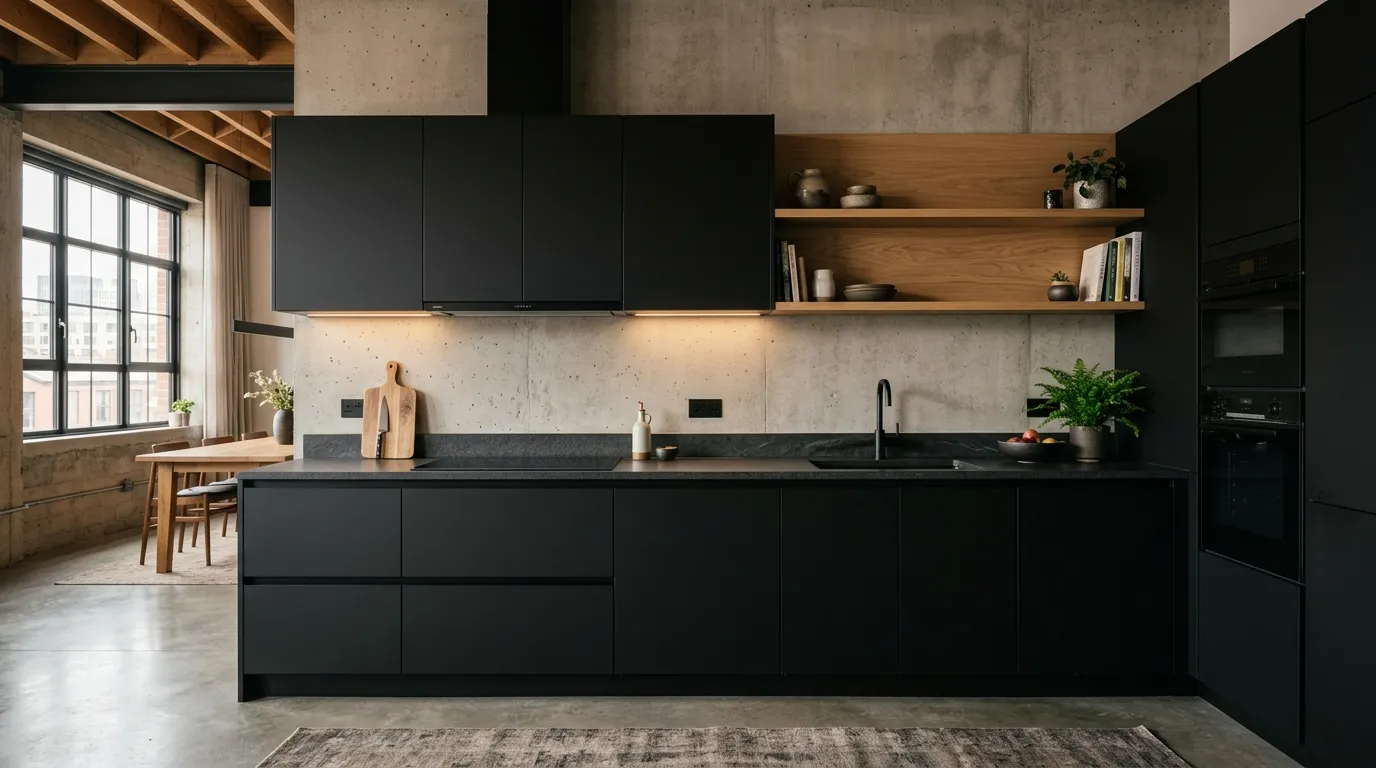
A matte black kitchen instantly turns an ordinary loft into something that feels high-end and intentional. The smooth, non-reflective surfaces absorb light in a way that creates depth rather than glare, making the entire area feel calm and refined. In my experience, this style works especially well in open layouts where the kitchen is visible from the living space. It becomes a statement feature without feeling overwhelming, blending seamlessly into the overall design while still standing out.
This approach also enhances functionality while maintaining a strong visual impact. Unlike glossy finishes, matte surfaces are more forgiving with everyday use, which makes them practical for busy homes. I’ve seen this work well in both compact and large lofts because it creates a clean, uncluttered look. When paired with subtle lighting and natural materials like wood or stone, the result feels balanced and sophisticated, giving the space a polished finish without requiring excessive decoration.
6. Low Profile Furniture
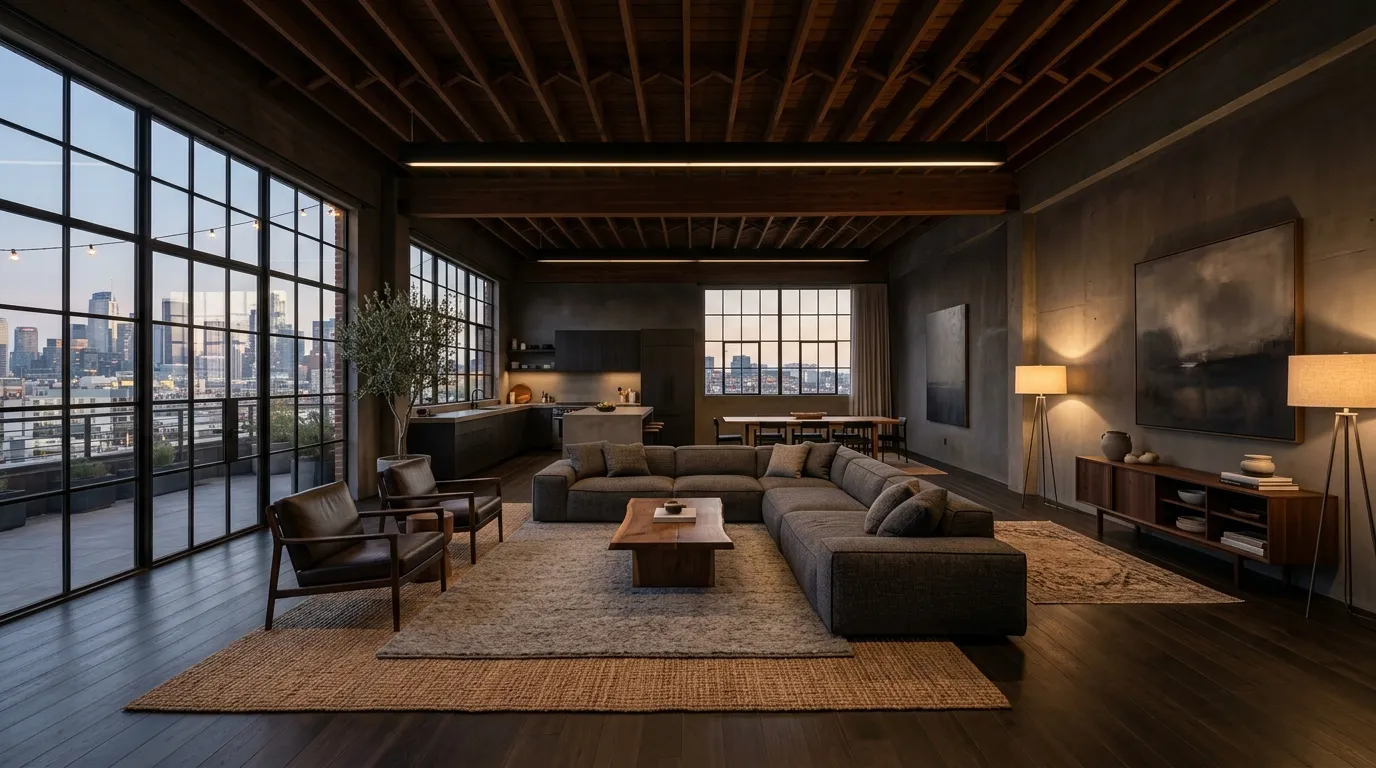
Low profile furniture changes how a loft feels by emphasizing space rather than filling it. Instead of bulky pieces that block sightlines, these lower designs keep everything open and breathable. I’ve noticed that this approach makes ceilings appear taller and rooms feel more expansive, even in smaller lofts. The horizontal lines create a calm visual flow, which is essential when working with darker tones and layered textures. It helps balance the depth without making the space feel heavy.
Another advantage is how well it complements darker interiors and moody loft designs without overpowering them. Since the furniture sits lower, it allows architectural features like brick walls or metal frames to stand out more. That’s why many designers recommend this style for achieving a clean, modern look. It also makes decorating easier, as you can layer rugs, lighting, and accessories without creating visual clutter, resulting in a space that feels both relaxed and thoughtfully curated.
7. Warm Ambient Lighting
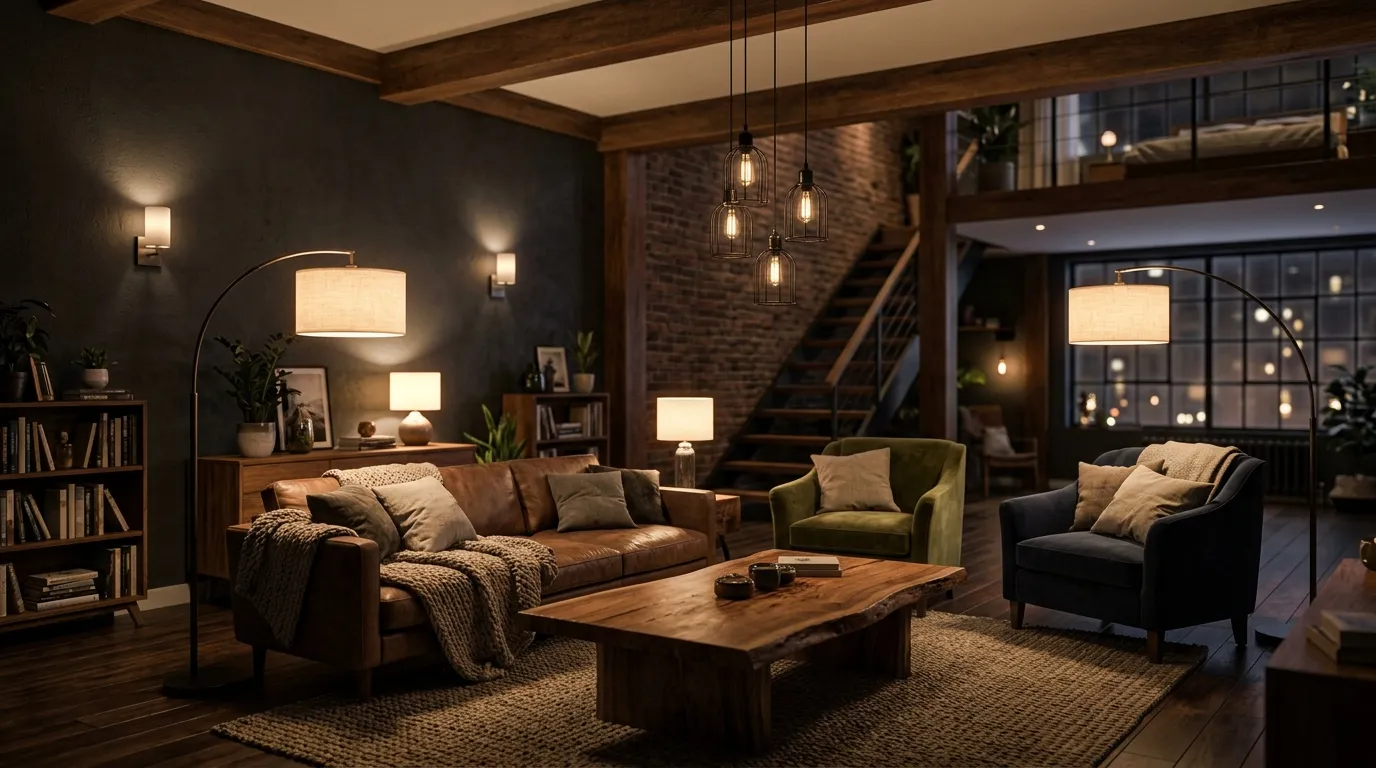
Lighting can completely change how a loft feels, especially when darker tones are involved. Warm ambient lighting softens the intensity of deep colors and prevents the space from feeling too heavy or cold. I’ve noticed that even a simple switch from bright white lights to warmer tones can make the entire room feel more welcoming and comfortable. Instead of harsh brightness, the gentle glow spreads evenly, creating a relaxed environment that feels perfect for both everyday living and unwinding at night.
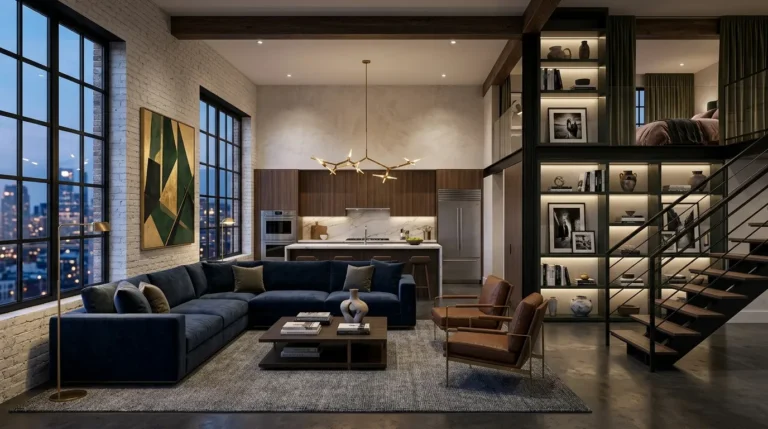
This approach also enhances textures and materials that define the overall aesthetic. Light hitting brick walls, wooden floors, or fabric surfaces creates subtle shadows that add dimension and depth. That’s why many designers recommend layering different light sources rather than relying on a single overhead fixture. In my experience, combining floor lamps, wall lights, and hidden LED strips creates a balanced effect, making the loft feel thoughtfully designed while maintaining a calm and visually rich atmosphere.
8. Industrial Ceiling Beams
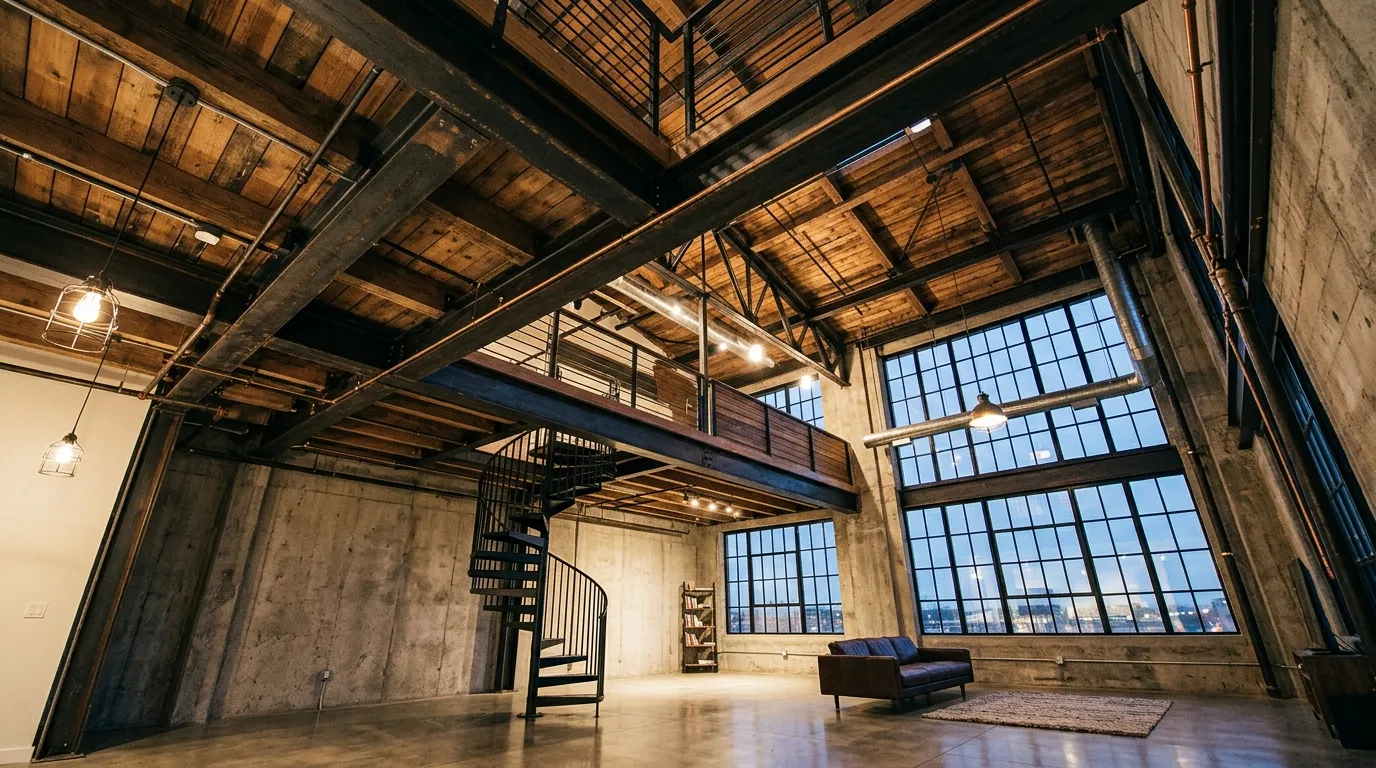
Exposed ceiling beams instantly draw the eye upward, adding structure and character to an otherwise plain ceiling. Instead of hiding these elements, highlighting them creates a bold architectural statement that feels intentional and refined. I’ve seen this work especially well in lofts with high ceilings, where the beams help define the space without making it feel closed in. The combination of metal and wood adds contrast, giving the room a layered and balanced look that feels both raw and polished.
What makes this idea stand out is how it adds depth without taking up any floor space. The beams naturally guide the visual flow of the room, making the layout feel more organized and cohesive. That’s why many designers recommend emphasizing ceiling details in open lofts. When paired with warm lighting and darker tones, the shadows created by the beams add dimension, making the entire space feel richer and more visually engaging without adding clutter or unnecessary elements.
9. Textured Area Rugs
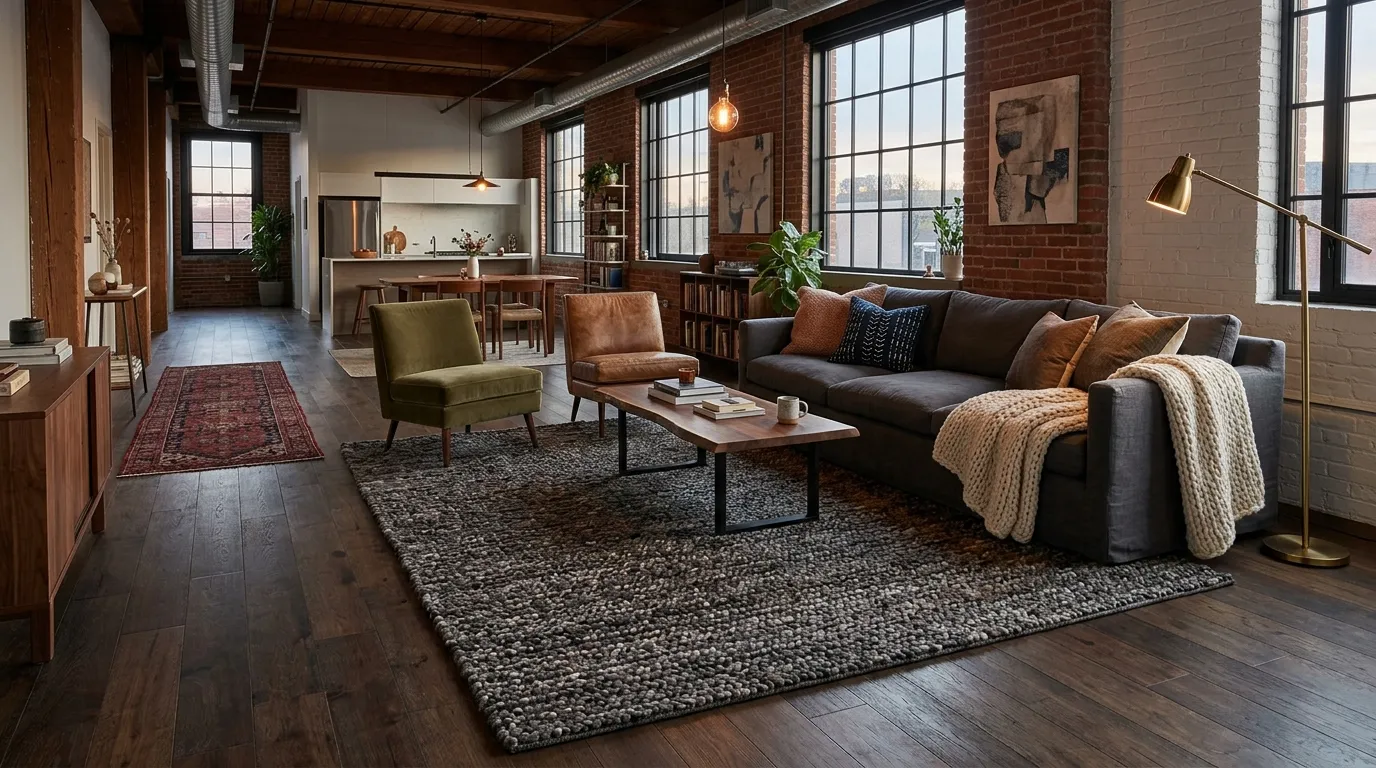
A textured rug can completely transform how a loft feels underfoot and visually. In a space dominated by wood, concrete, or tile, adding a soft layer instantly brings warmth and comfort. I’ve noticed that rugs also help define different zones in open layouts, making the space feel more organized without adding walls. The texture itself adds another dimension, which is especially important when working with darker tones and minimal decor.
This simple addition also plays a key role in balancing the overall design. Without it, the space can feel too hard or unfinished, especially in industrial-style lofts. That’s why many designers recommend layering rugs to create depth and variation. In my experience, choosing subtle patterns or rich textures works better than bold prints, as it keeps the look cohesive while still adding interest. The result is a space that feels grounded, comfortable, and visually complete.
10. Smoked Glass Decor
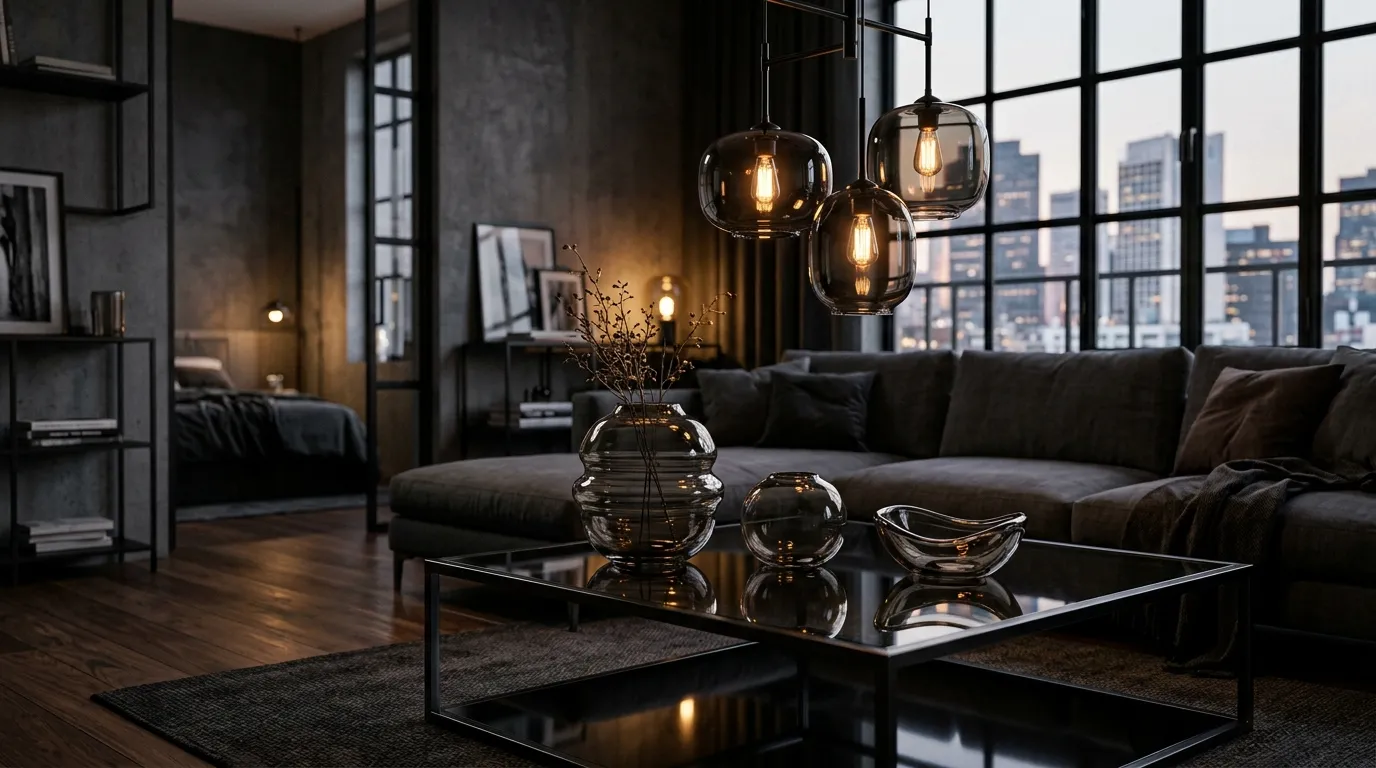
Smoked glass decor introduces a quiet elegance that instantly elevates a loft without making it feel flashy. The tinted transparency allows light to pass through while softening reflections, creating a balanced and refined look. I’ve noticed that even small pieces like vases or side tables can make a noticeable difference in how polished a space feels. Instead of adding visual clutter, these elements enhance depth and layering, making the entire room feel more intentional and complete.
This material also works beautifully alongside darker tones and industrial features. The slight reflection helps break up matte surfaces, preventing the design from feeling too flat or heavy. That’s why many designers recommend incorporating glass elements when working with deeper color schemes. In my experience, combining smoked glass with metal accents and warm lighting creates a cohesive and modern aesthetic, giving the loft a sophisticated finish without requiring bold or excessive decoration.
11. Layered Dark Textiles
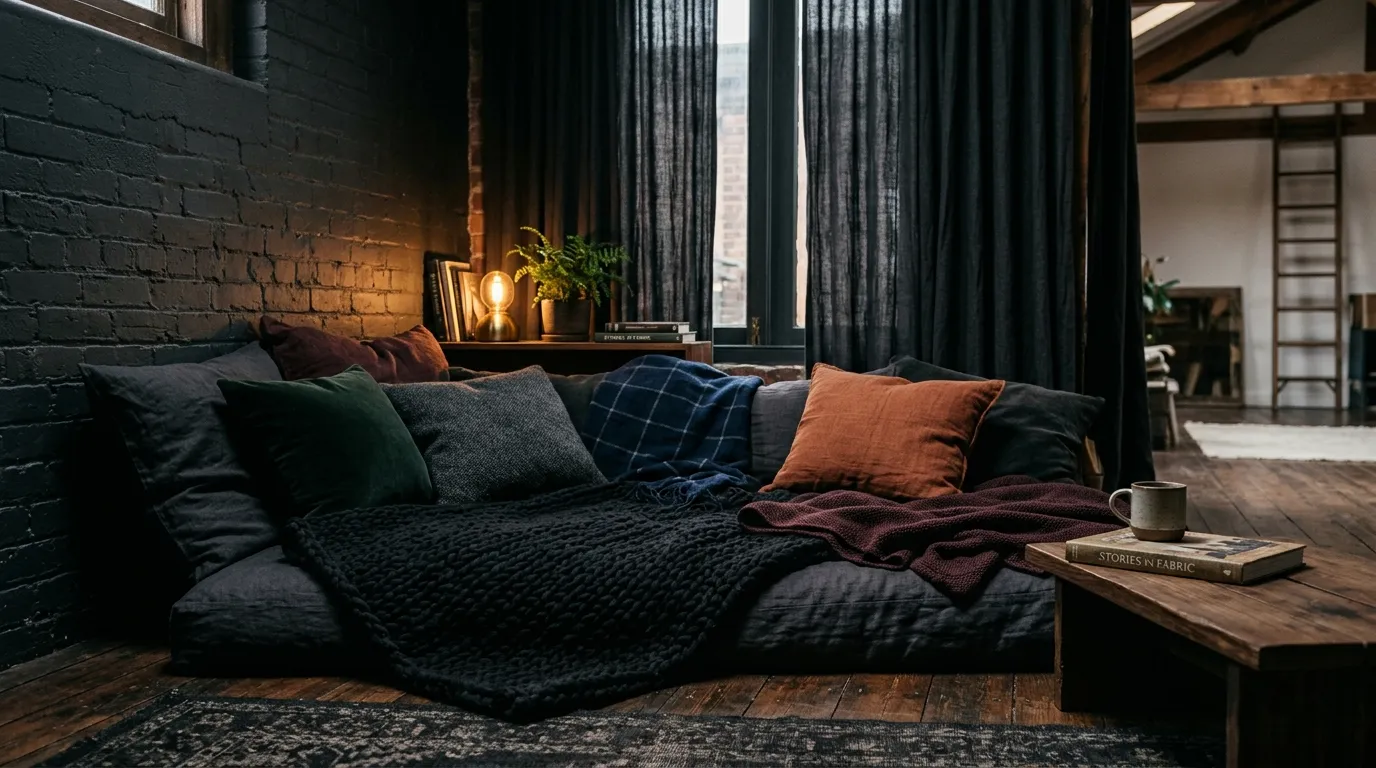
Layering dark textiles is one of the easiest ways to make a loft feel warm and inviting without changing the structure of the space. Soft materials like cushions, throws, and curtains add comfort while also introducing visual depth. I’ve seen this work especially well in spaces with concrete or metal elements, where fabrics help soften the overall look. The mix of textures creates a rich, layered effect that makes the room feel complete rather than minimal or unfinished.
This approach also allows flexibility in styling without major investment. You can easily switch out fabrics to refresh the look while maintaining the overall aesthetic. That’s why many designers recommend focusing on texture rather than color variation when working with darker palettes. In my experience, combining different materials like velvet, linen, and wool creates a balanced feel, making the space look thoughtfully styled while still remaining cozy and practical for everyday use.
12. Statement Pendant Lights
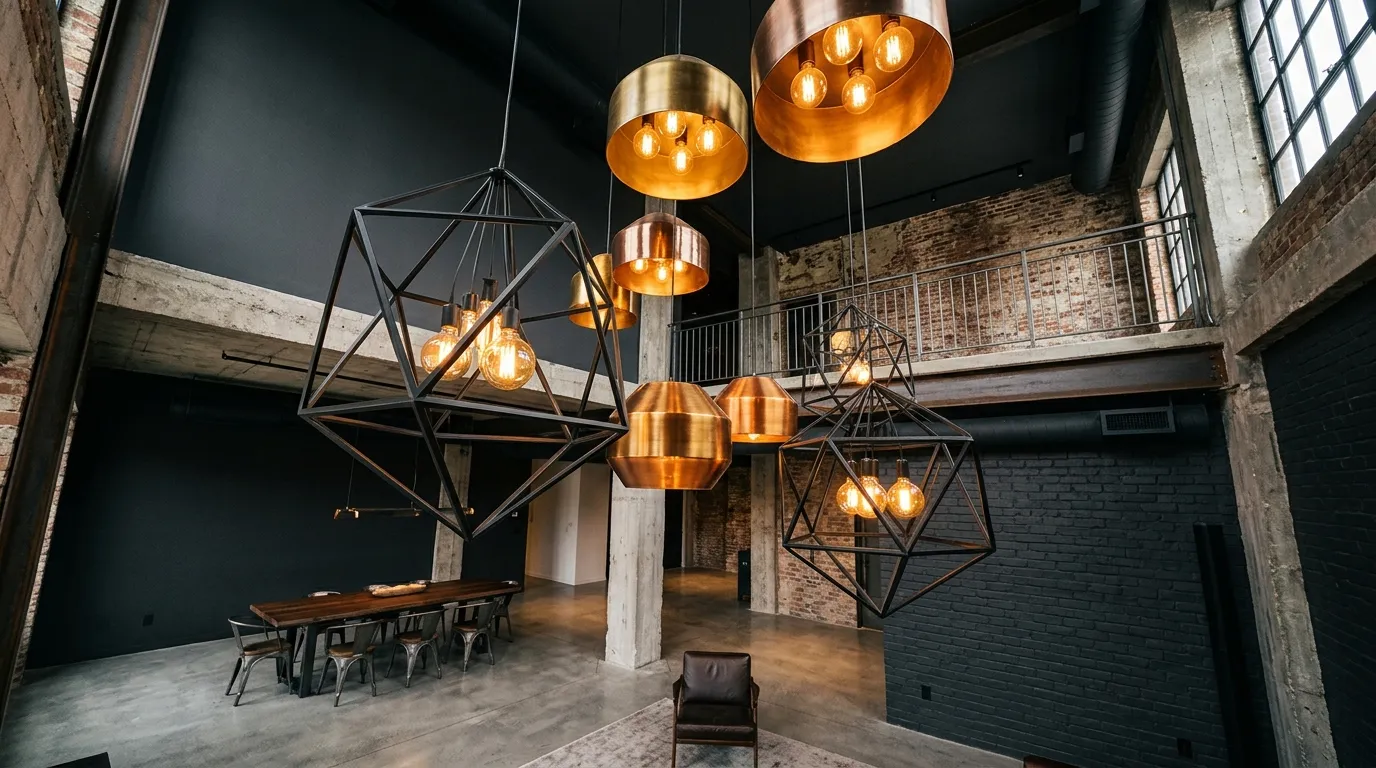
Statement pendant lights instantly draw attention and define the atmosphere of a loft. Instead of relying on standard fixtures, larger or uniquely shaped pendants become a central design feature that anchors the space. I’ve noticed that they work especially well in lofts with high ceilings, where they help fill vertical space and create balance. The warm glow from these lights adds depth and softness, making the room feel more inviting while still maintaining a bold and modern look.
This idea also combines practicality with style, making it a smart design choice. Good lighting improves functionality, while the design itself enhances the overall aesthetic. That’s why many designers recommend investing in standout lighting pieces rather than multiple smaller fixtures. In my experience, choosing simple yet bold designs works best, as they complement the space without overwhelming it. The result is a loft that feels both well-lit and visually striking, with a clear focal point that ties everything together.
13. Concrete Feature Walls
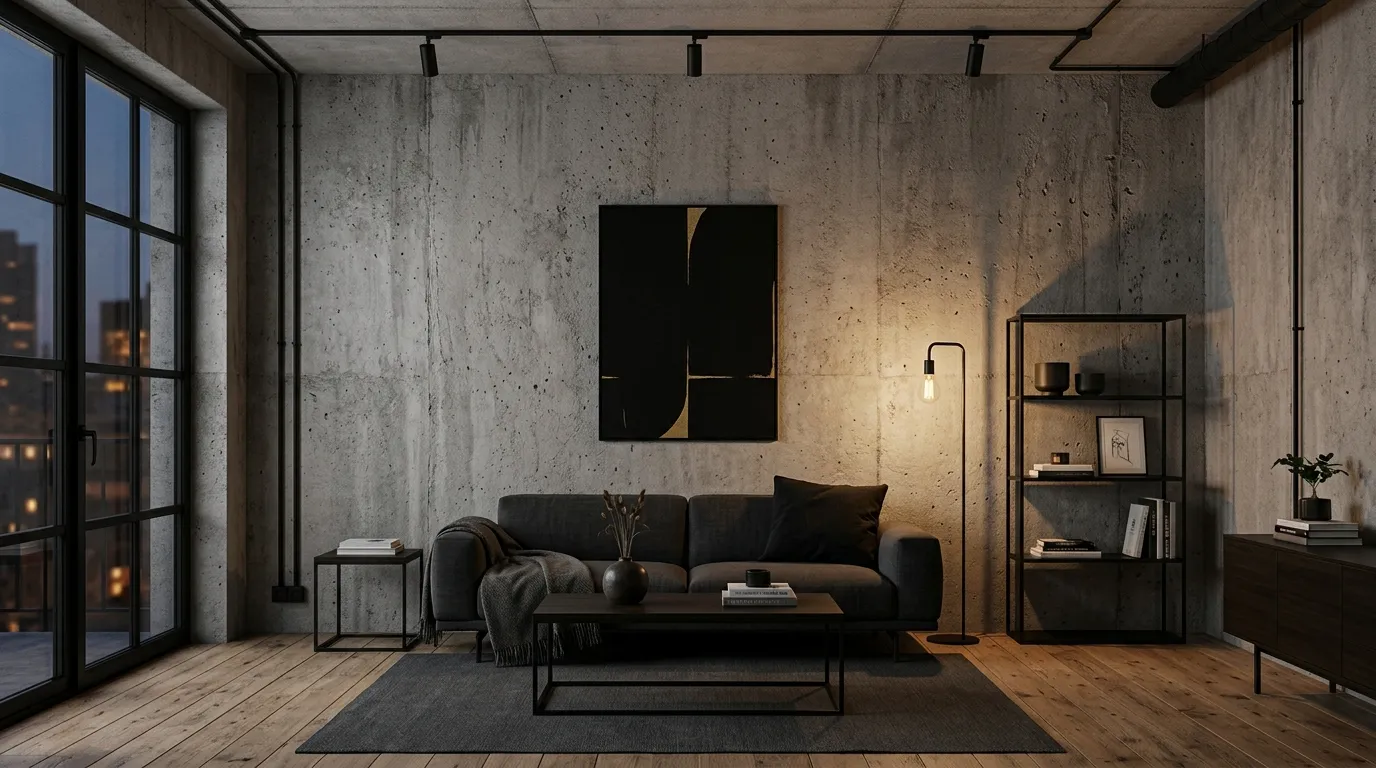
Concrete feature walls bring a bold, architectural presence that instantly defines the space. The natural texture adds depth without needing extra decoration, making the room feel clean yet visually rich. I’ve noticed that concrete works especially well in lofts because it reflects the industrial roots of the design. The subtle variations in tone prevent the wall from looking flat, while the matte finish absorbs light in a way that creates a calm and grounded atmosphere.
What makes this idea effective is its ability to balance both simplicity and impact. Instead of relying on artwork or busy patterns, the texture itself becomes the focal point. That’s why many designers recommend using concrete as a statement element in open spaces. In my experience, pairing it with warm lighting and softer materials like wood or fabric creates contrast, making the loft feel more inviting while still maintaining that sleek, modern edge.
14. Floor-to-Ceiling Curtains
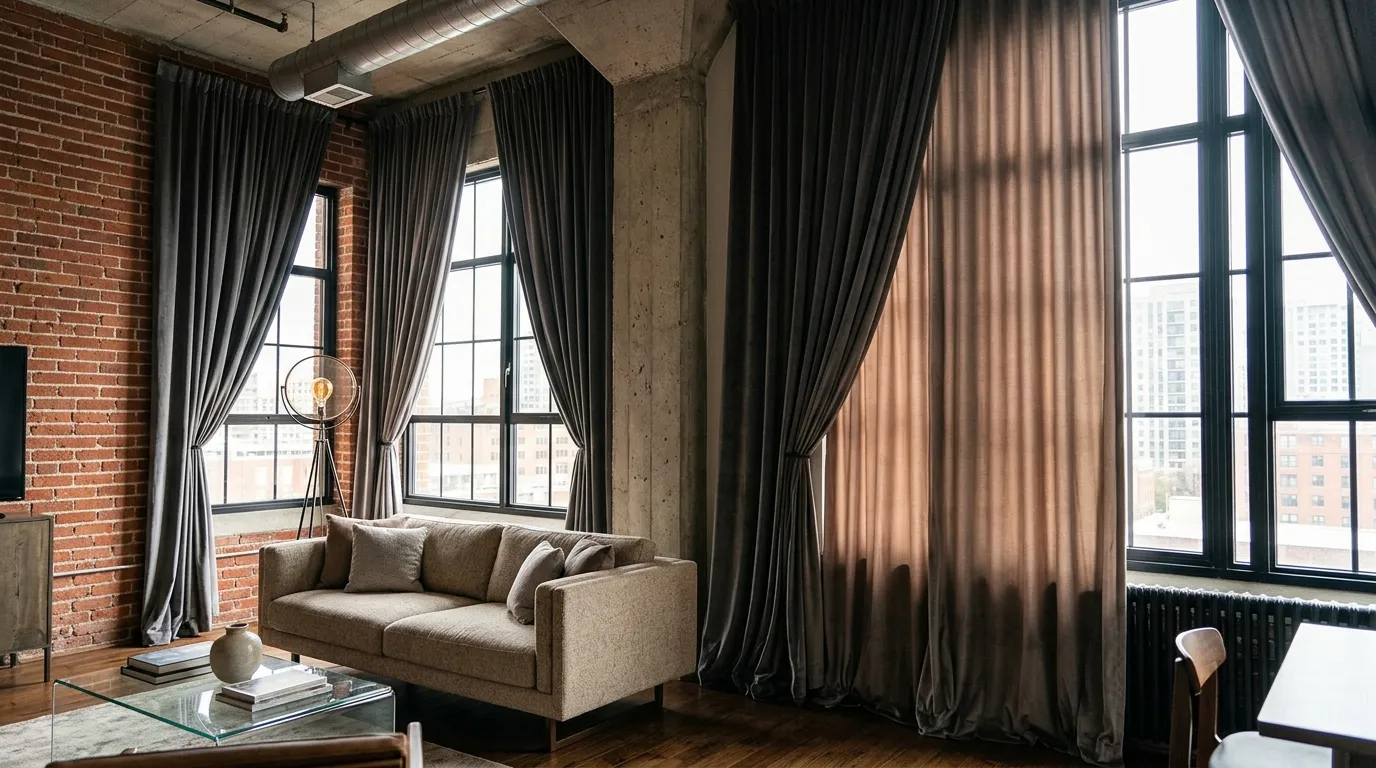
Floor-to-ceiling curtains instantly elevate a loft by drawing the eye upward and emphasizing height. The long, flowing fabric creates a sense of movement and softness that balances out harder materials like brick or concrete. I’ve seen this work especially well in spaces with large windows, where the curtains frame the view while adding depth to the room. The vertical lines make the space feel more expansive, even if the actual dimensions are limited.
This design choice also improves both comfort and functionality. Curtains help control light levels, making it easier to create a cozy atmosphere during different times of the day. That’s why many designers recommend using heavier fabrics in darker tones for a more dramatic effect. In my experience, this approach not only enhances privacy but also adds a polished, finished look, making the loft feel thoughtfully designed rather than incomplete or overly minimal.
15. Leather Accent Pieces
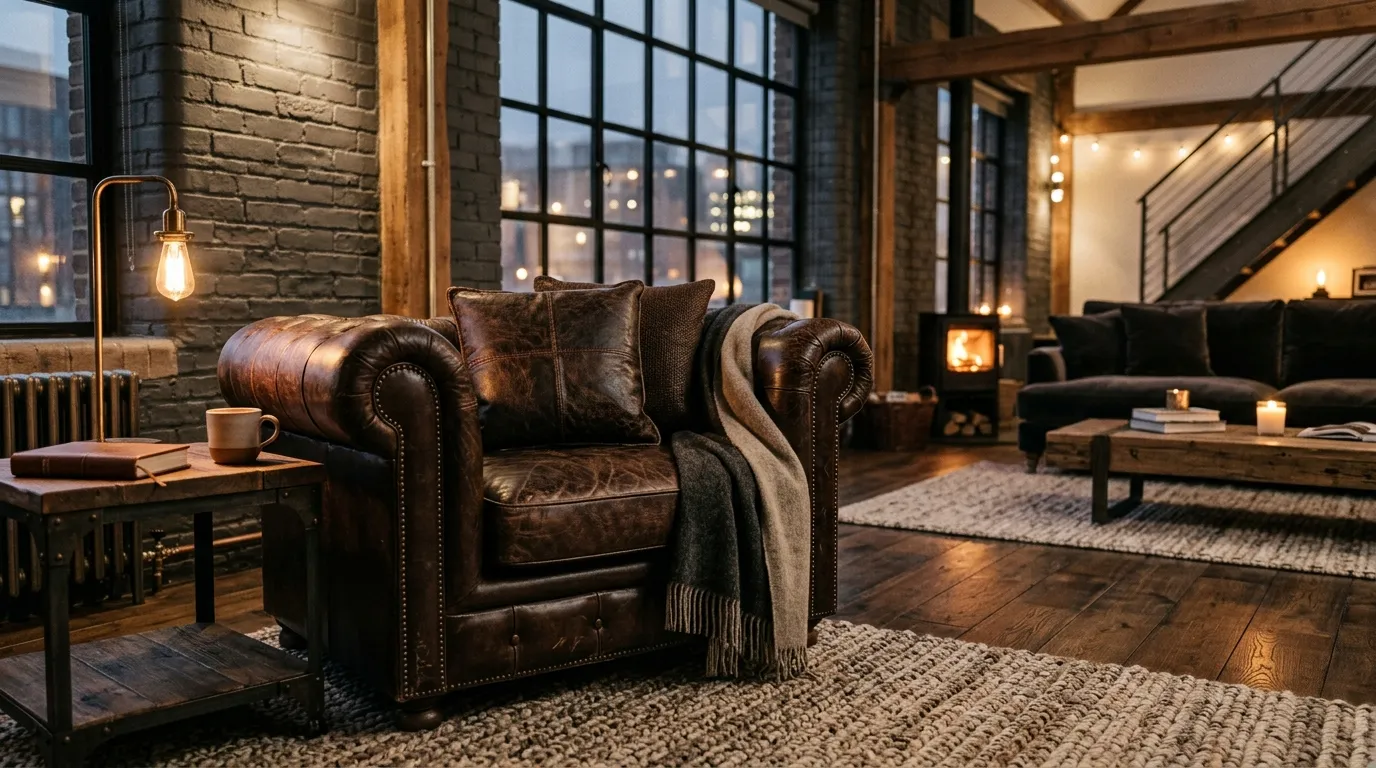
Leather accents bring a sense of luxury that feels both natural and effortless in a loft setting. Whether it’s a chair, cushions, or small decor pieces, leather adds warmth and depth that softer materials alone cannot achieve. I’ve noticed that even a single leather element can elevate the entire room, making it feel more refined and complete. The texture stands out against darker tones, creating contrast while still blending seamlessly with the overall aesthetic.
Another reason this idea works so well is its durability and timeless appeal. Leather develops character over time, which adds to the lived-in feel of the space. That’s why many designers recommend it as a long-term investment piece. In my experience, pairing leather with wood and metal creates a balanced combination of textures, giving the loft a sophisticated yet comfortable atmosphere that feels both stylish and practical for everyday living.
16. Minimalist Wall Art
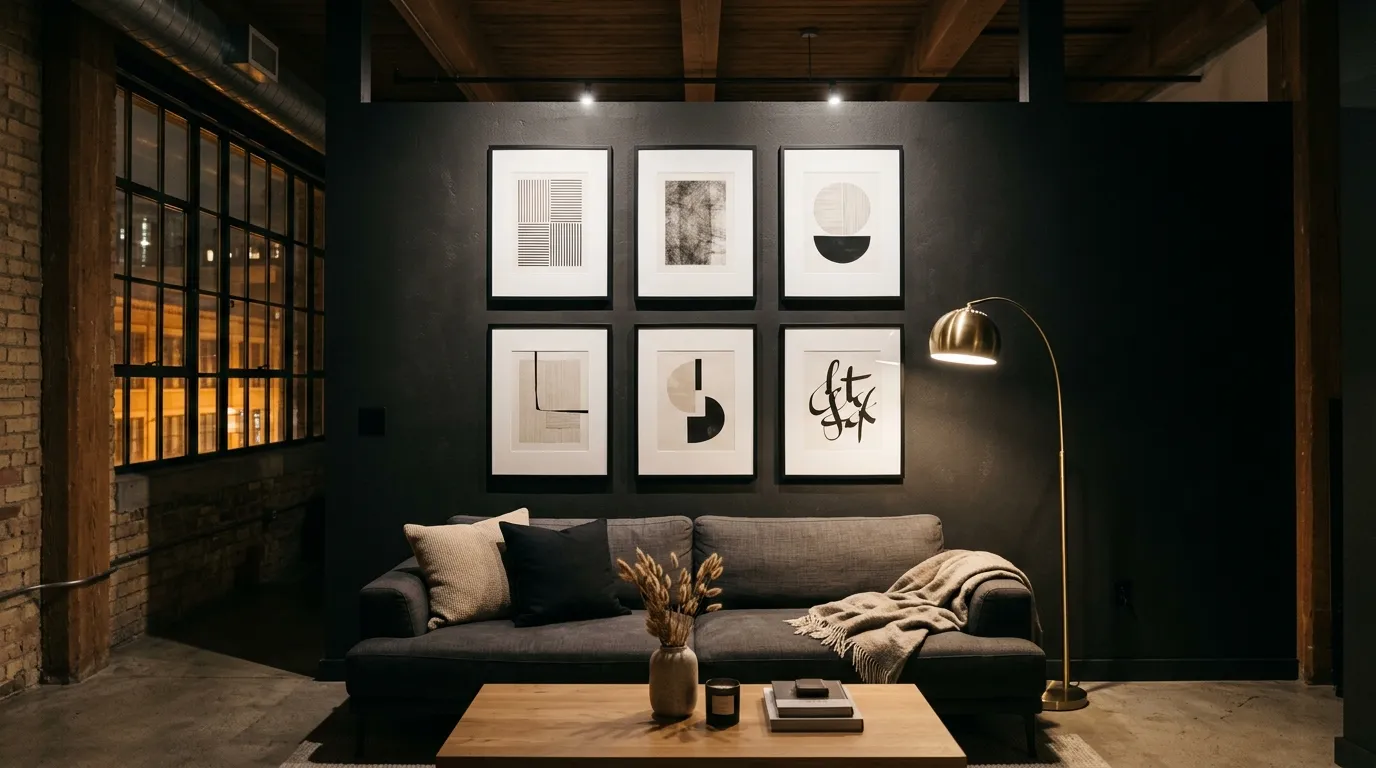
Minimalist wall art adds personality without overwhelming the space, which is essential in a loft with strong textures and darker tones. Instead of filling walls with busy designs, simple pieces create a calm and intentional look. I’ve noticed that a few well-placed artworks can completely transform a blank wall into a refined focal point. The clean lines and limited color palette help maintain balance, ensuring the space feels curated rather than crowded.
This approach also makes it easier to adapt your style over time. Since the art is subtle, it complements changes in furniture or decor without clashing. That’s why many designers recommend choosing pieces that focus on form, contrast, or texture rather than bold colors. In my experience, spacing is just as important as the artwork itself, as it allows each piece to breathe, giving the loft a polished and thoughtfully arranged appearance.
17. Open Shelving Displays
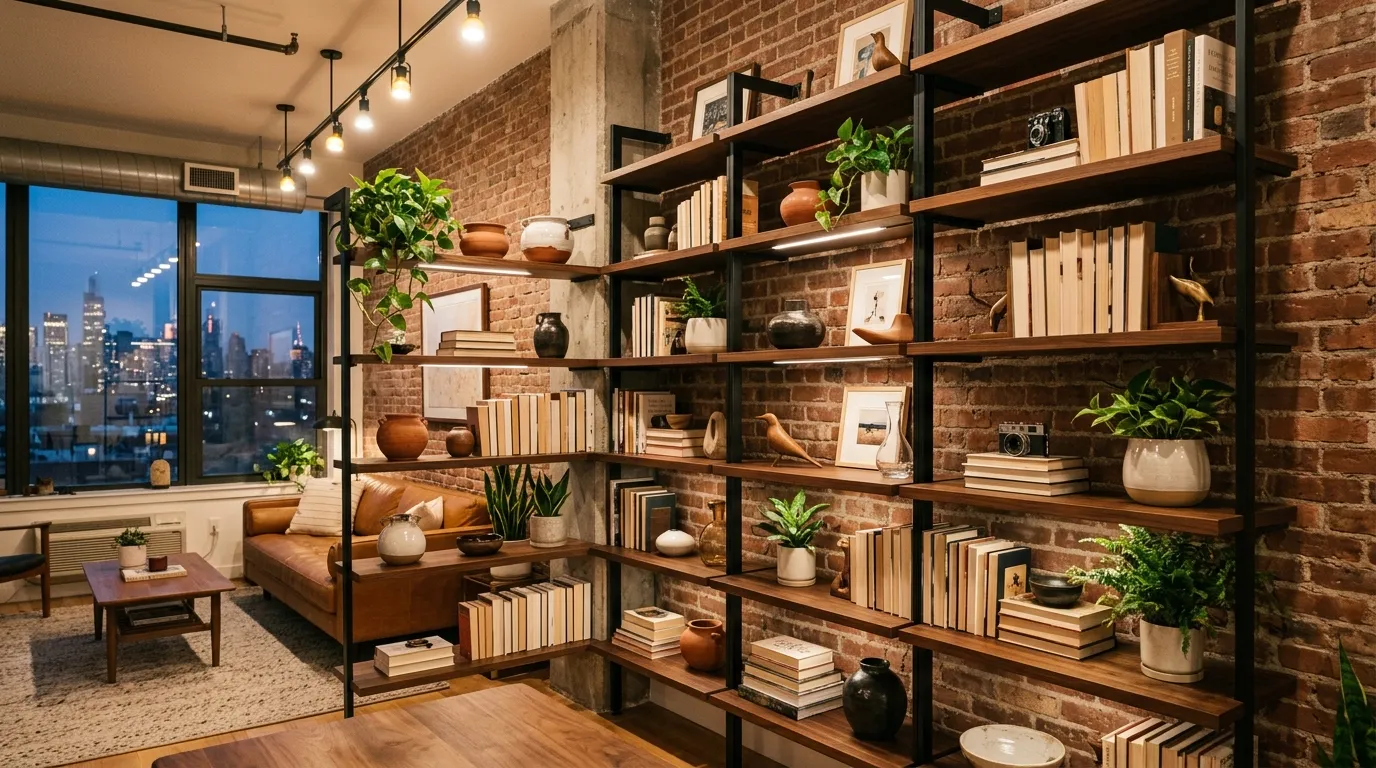
Open shelving brings both function and style into a loft without making it feel crowded. Instead of closed cabinets, these shelves allow you to showcase carefully selected items, adding personality to the space. I’ve seen this work especially well in smaller lofts where visual openness is important. The layered arrangement of books, ceramics, and decor creates depth, making the space feel more dynamic and lived-in without requiring additional furniture.
This idea also encourages intentional styling, which helps avoid clutter over time. That’s why many designers recommend keeping displays simple and balanced rather than overfilling shelves. In my experience, mixing textures like wood, metal, and glass creates a more interesting visual composition. When paired with soft lighting and darker tones, open shelving becomes more than just storage—it turns into a design feature that enhances the overall aesthetic.
18. Moody Bedroom Corner
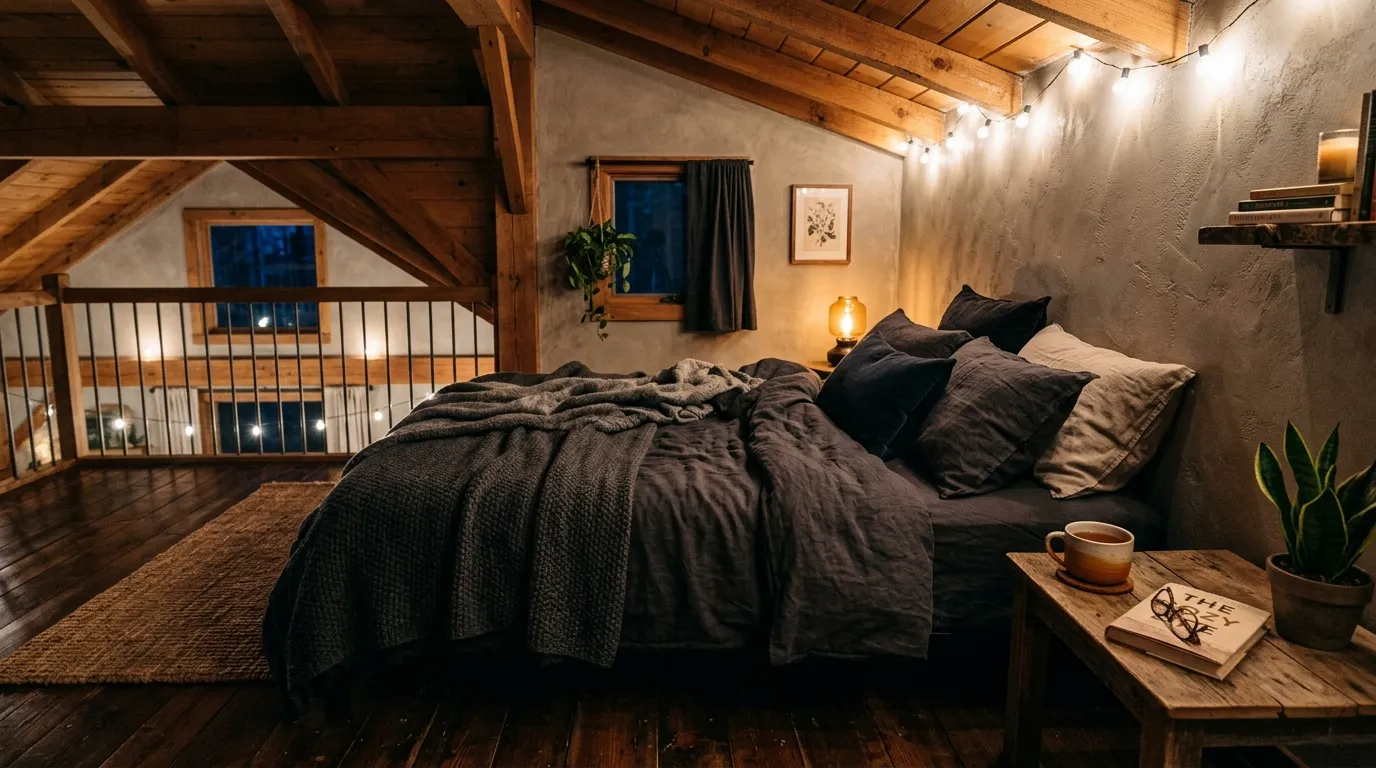
A moody bedroom corner transforms a simple sleeping area into a cozy retreat within the loft. Instead of treating the bedroom as just a functional space, this approach focuses on comfort and atmosphere. I’ve noticed that darker bedding combined with soft lighting instantly makes the area feel more relaxing and private. The layered textures add depth, making the space feel inviting rather than plain or unfinished.
This setup works especially well in open layouts where defining separate zones can be challenging. By using textiles, lighting, and subtle decor, you can create a clear boundary without adding walls. That’s why many designers recommend focusing on comfort elements when designing sleeping areas in lofts. In my experience, keeping the palette consistent while adding soft layers helps maintain a cohesive look, resulting in a space that feels both stylish and restful.
19. Black and Brass Accents
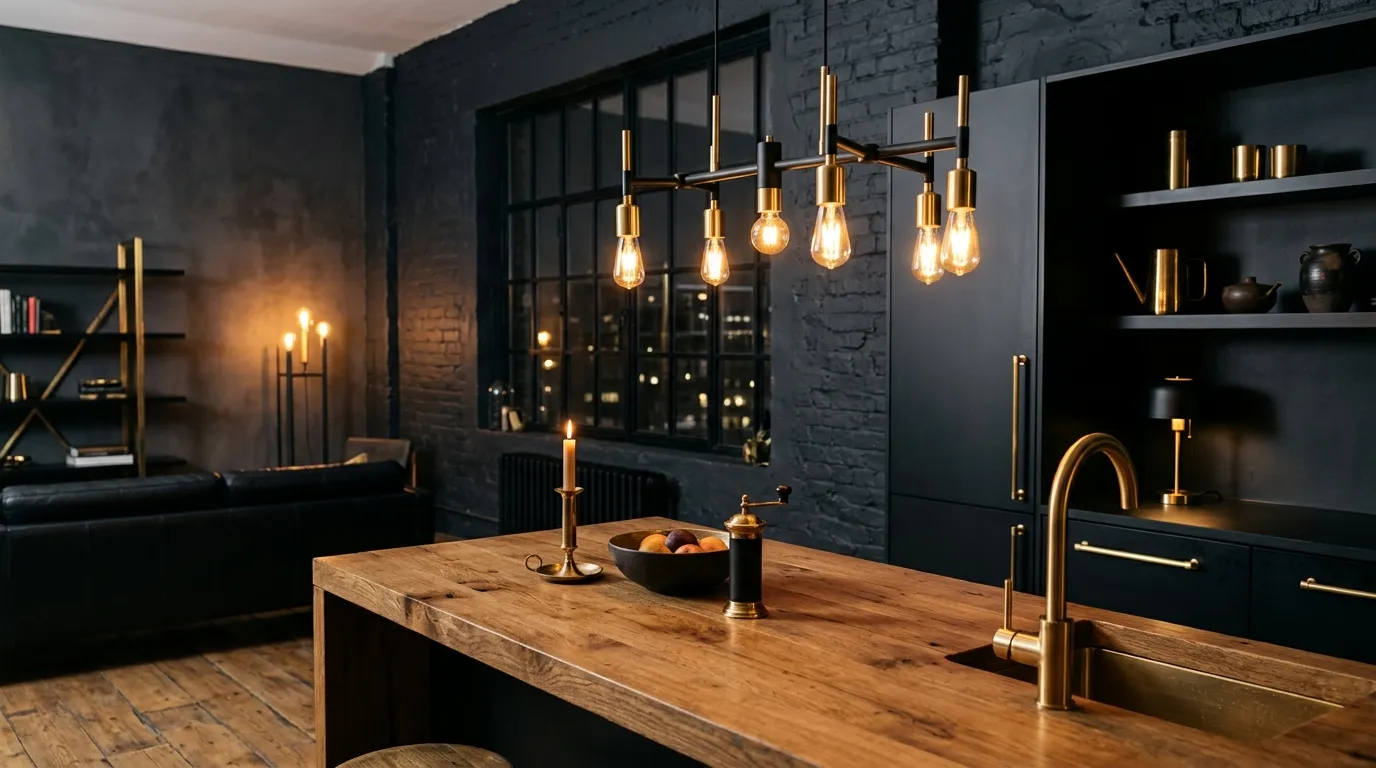
Black and brass accents instantly bring a sense of balance and sophistication to a loft. The contrast between deep black tones and warm metallic finishes creates a layered look that feels both modern and timeless. I’ve noticed that even small additions like handles, light fixtures, or decor pieces can make a noticeable difference in how polished a space feels. The brass adds just enough warmth to soften darker elements, preventing the design from feeling too cold or flat.
This combination also works well across different styles, making it a versatile choice for many homes. That’s why many designers recommend using brass sparingly to highlight key areas rather than overwhelming the space. In my experience, placing these accents where light naturally hits them enhances their effect, creating subtle reflections that add depth. The result is a loft that feels thoughtfully designed, with a refined finish that looks both intentional and effortlessly stylish.
20. Large Abstract Art
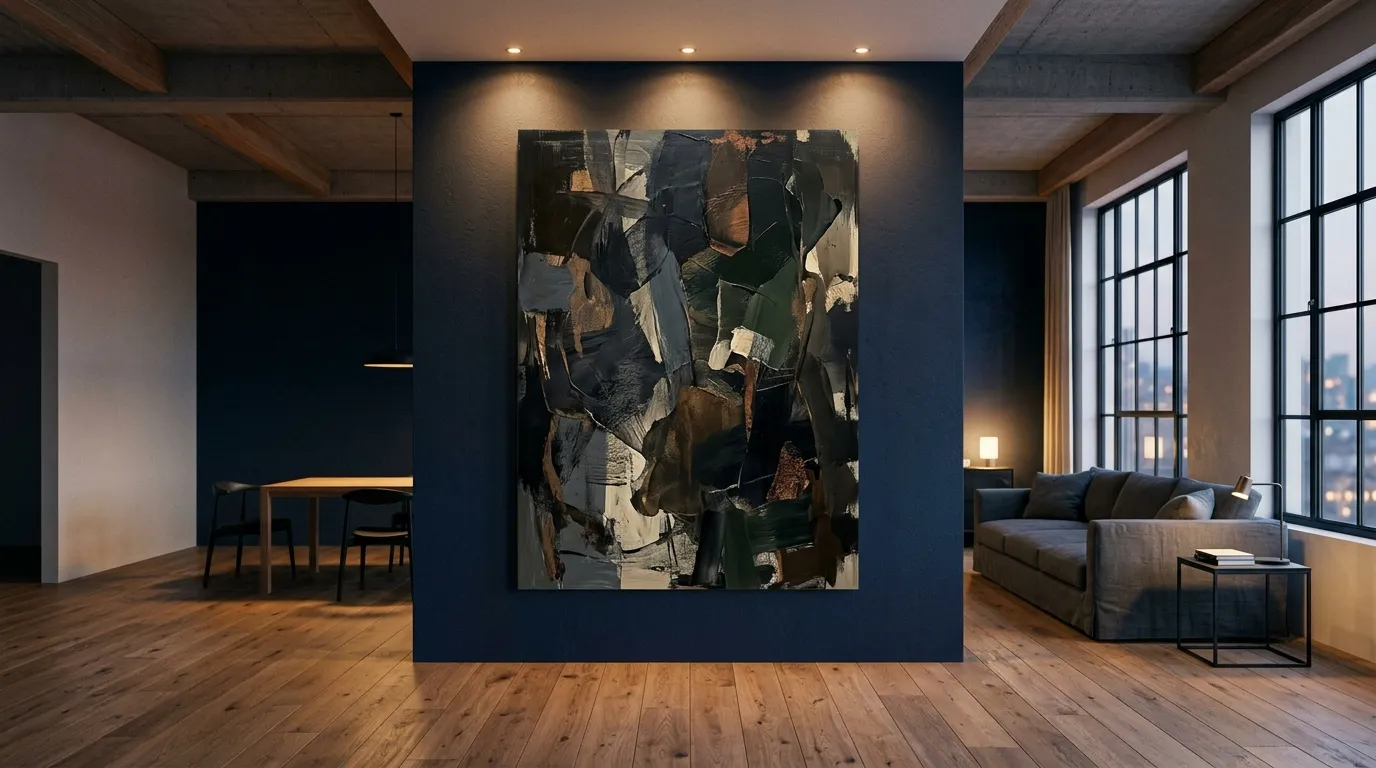
Large abstract art can completely transform a loft by giving it a strong focal point that draws attention immediately. Instead of multiple small pieces, a single oversized artwork creates a clean and impactful look. I’ve seen this approach work especially well on wide, empty walls where smaller decor would feel scattered. The abstract design adds movement and interest, making the space feel more dynamic without overwhelming the overall aesthetic.
This idea also allows flexibility in styling while keeping the space cohesive. That’s why many designers recommend choosing artwork that complements the existing color palette rather than competing with it. In my experience, darker or neutral abstract pieces blend seamlessly into the design while still standing out as a feature. When paired with soft lighting, the artwork becomes even more prominent, giving the loft a gallery-like feel that looks both curated and visually striking.
21. Hidden LED Lighting
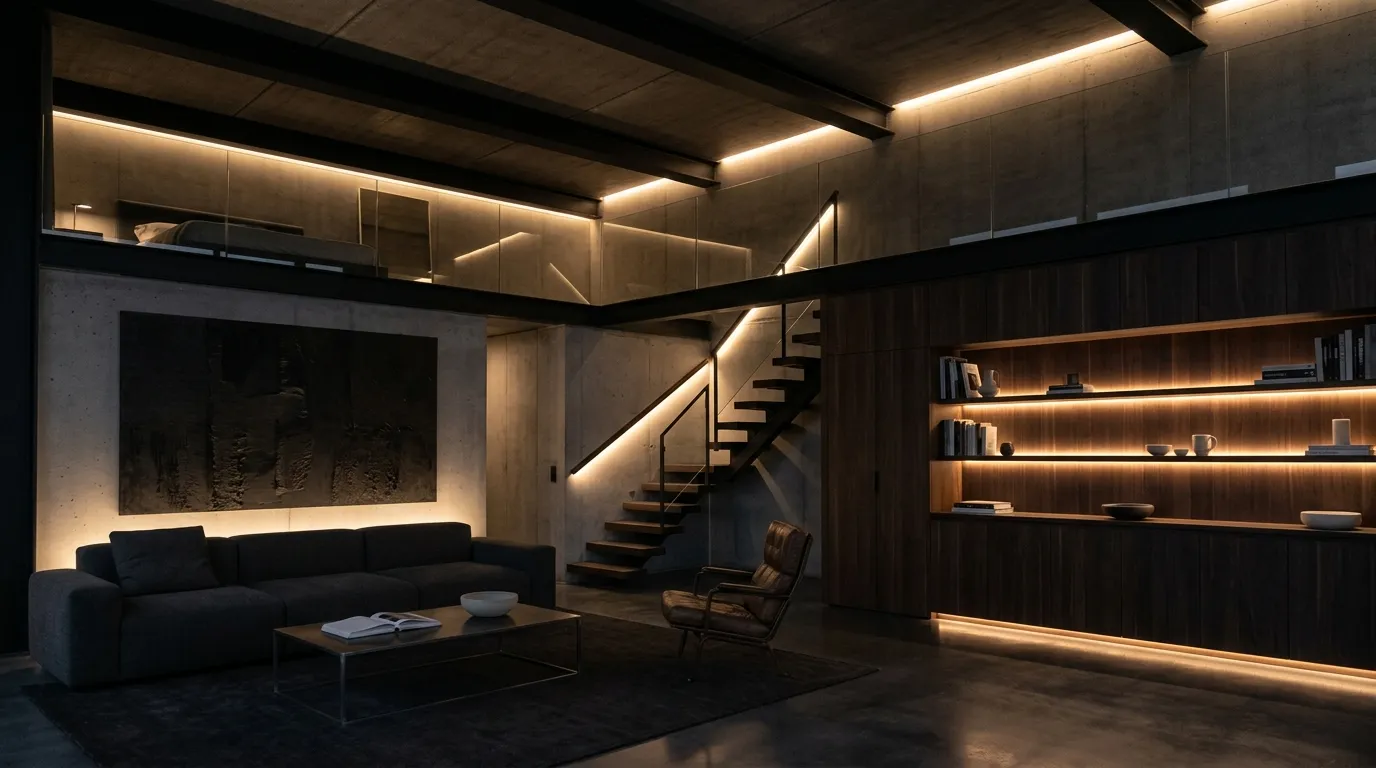
Hidden LED lighting is one of the most effective ways to add depth and atmosphere without introducing visible clutter. The soft glow from concealed strips creates a layered lighting effect that feels modern and intentional. I’ve noticed that placing LEDs under shelves or along ceilings can completely change how a space looks at night, making it feel more refined and visually interesting. The indirect light highlights textures and edges, adding dimension without overwhelming the design.
This approach also improves functionality while maintaining a sleek appearance. Instead of relying on multiple fixtures, hidden lighting provides consistent illumination in a subtle way. That’s why many designers recommend it for creating a calm and cohesive environment. In my experience, warm-toned LEDs work best in darker interiors, as they enhance comfort while preserving the overall aesthetic. The result is a loft that feels both stylish and inviting, with a carefully crafted ambiance.
22. Dark Built-in Storage
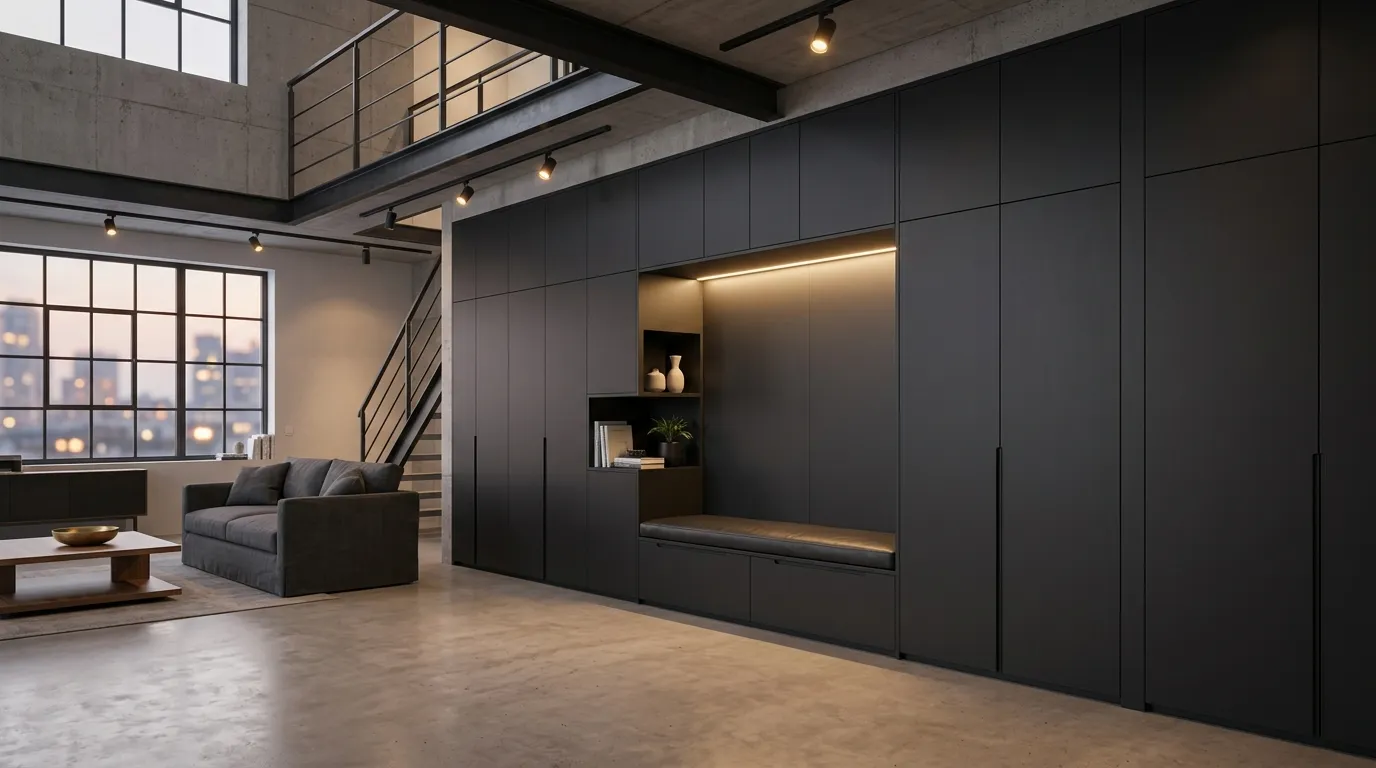
Built-in storage in darker tones creates a seamless and polished look that instantly makes a loft feel more refined. Instead of bulky standalone furniture, these integrated units blend into the walls, keeping the space visually clean and uncluttered. I’ve noticed that this approach works especially well in smaller lofts where every inch matters. The dark finish helps the storage recede into the background, allowing other design elements to stand out while still providing practical functionality.
This idea also adds a custom, high-end feel without requiring excessive decoration. That’s why many designers recommend built-ins for maintaining both style and efficiency in open layouts. In my experience, combining hidden storage with soft lighting enhances depth and makes the space feel more intentional. The result is a loft that looks organized and sophisticated, where everything has its place without disrupting the overall aesthetic or flow.
Conclusion
Creating a space that feels rich, cozy, and visually striking doesn’t have to be complicated. These ideas show how small, intentional changes can completely transform your loft into something more refined and personal. Whether it’s lighting, textures, or layout choices, each detail plays a role in building that elevated atmosphere.
I’ve seen how even one or two updates can make a space feel brand new. That’s the beauty of moody loft designs—they focus on depth, comfort, and style without needing constant changes.
Save this post on Pinterest so you can revisit these ideas anytime, try a few in your own space, and share it with anyone looking to upgrade their home with a bold, modern touch.
FAQs
1. What makes a loft design feel “moody”?
A moody loft typically uses darker color palettes, warm lighting, and layered textures to create depth and atmosphere. It’s less about darkness alone and more about balance, contrast, and intentional styling.
2. Can I create this style in a small loft?
Yes, absolutely. In fact, darker tones and smart lighting can make small spaces feel more cozy and defined rather than cramped. I’ve noticed that using mirrors and layered lighting helps maintain openness.
3. Do I need expensive furniture to achieve this look?
Not at all. Many of these ideas focus on lighting, textures, and arrangement rather than cost. Simple upgrades like rugs, curtains, or paint can make a huge difference.
4. What lighting works best for this style?
Warm ambient lighting is key. Avoid harsh white lights and instead use soft, layered lighting like floor lamps, wall lights, and hidden LEDs to create depth.
5. How do I avoid making the space feel too dark?
Balance is everything. Mix dark tones with lighter textures, reflective surfaces like glass or metal, and warm lighting to keep the space inviting rather than heavy.