Introduction
Tiny space, big possibilities—that’s the magic you’re about to explore. If you’ve ever felt limited by a small layout, these ideas will completely change how you see your home. This guide to shipping container homes is packed with smart, stylish solutions that help you create more space, more comfort, and more beauty without expanding your footprint.
From clever layouts to simple design upgrades, each idea is designed to solve real challenges people face in compact living. I’ve noticed that even small changes—like better lighting or multi-use furniture—can instantly make a space feel twice as functional. Whether you’re planning your own setup or just looking for inspiration, you’ll discover practical ideas that are easy to visualize, apply, and love. Get ready to transform small into stunning.
1. Compact Studio Layout
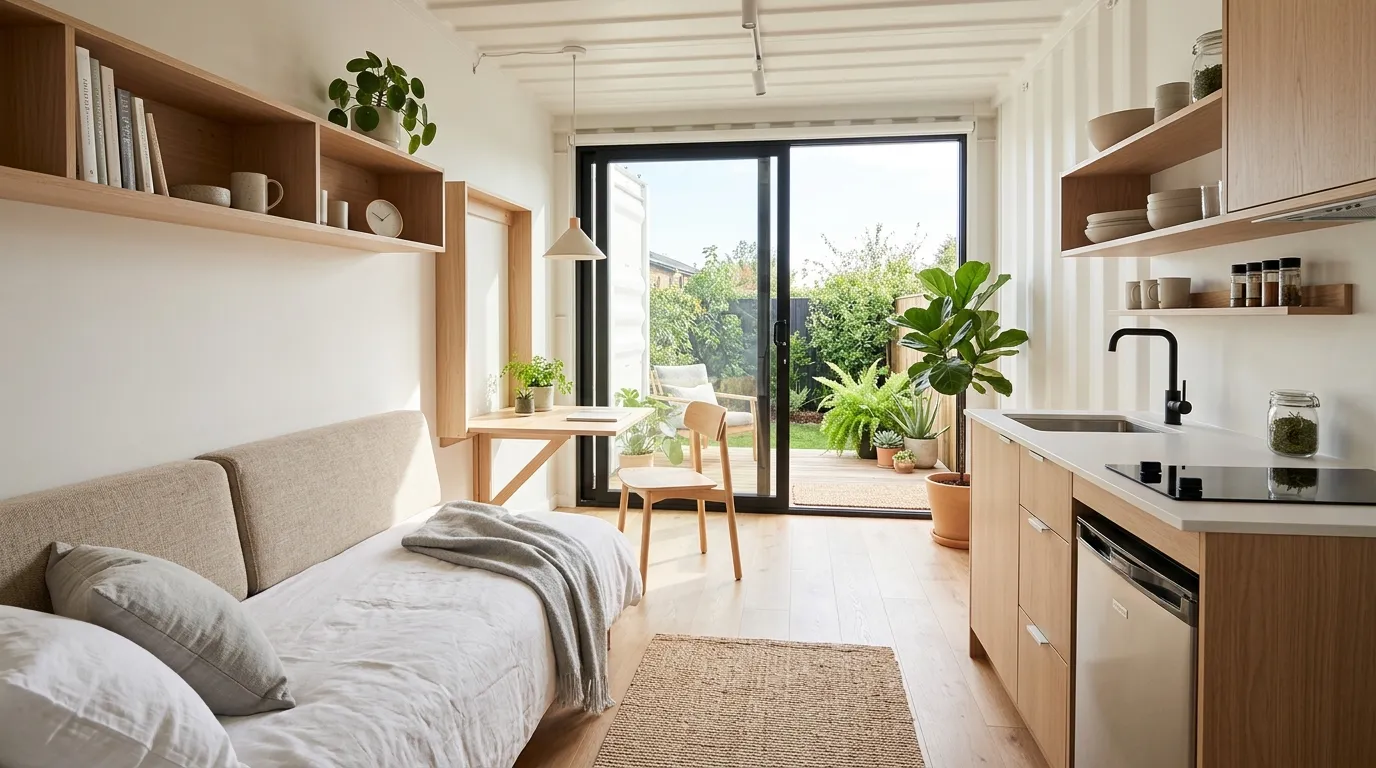
A small space can feel surprisingly luxurious when every inch is designed with intention. This compact studio layout blends functionality and simplicity, creating a seamless flow between living, sleeping, and cooking areas without visual overwhelm. In many shipping container homes, this approach helps eliminate wasted corners and awkward transitions, making the space feel larger than it actually is. Clean lines, neutral tones, and multi-use furniture all work together to maintain an open, breathable feel that invites relaxation and comfort.
What makes this layout truly effective is how effortlessly it supports daily living without feeling cramped. I’ve seen this work especially well when furniture is kept low-profile and aligned along walls to maximize walking space. The result is a home that feels calm, organized, and easy to maintain. Instead of dividing the space with walls, subtle zoning techniques like rugs or lighting shifts define each area. This creates a natural rhythm in the room while keeping everything visually connected and practical for everyday use.
2. Sliding Glass Front
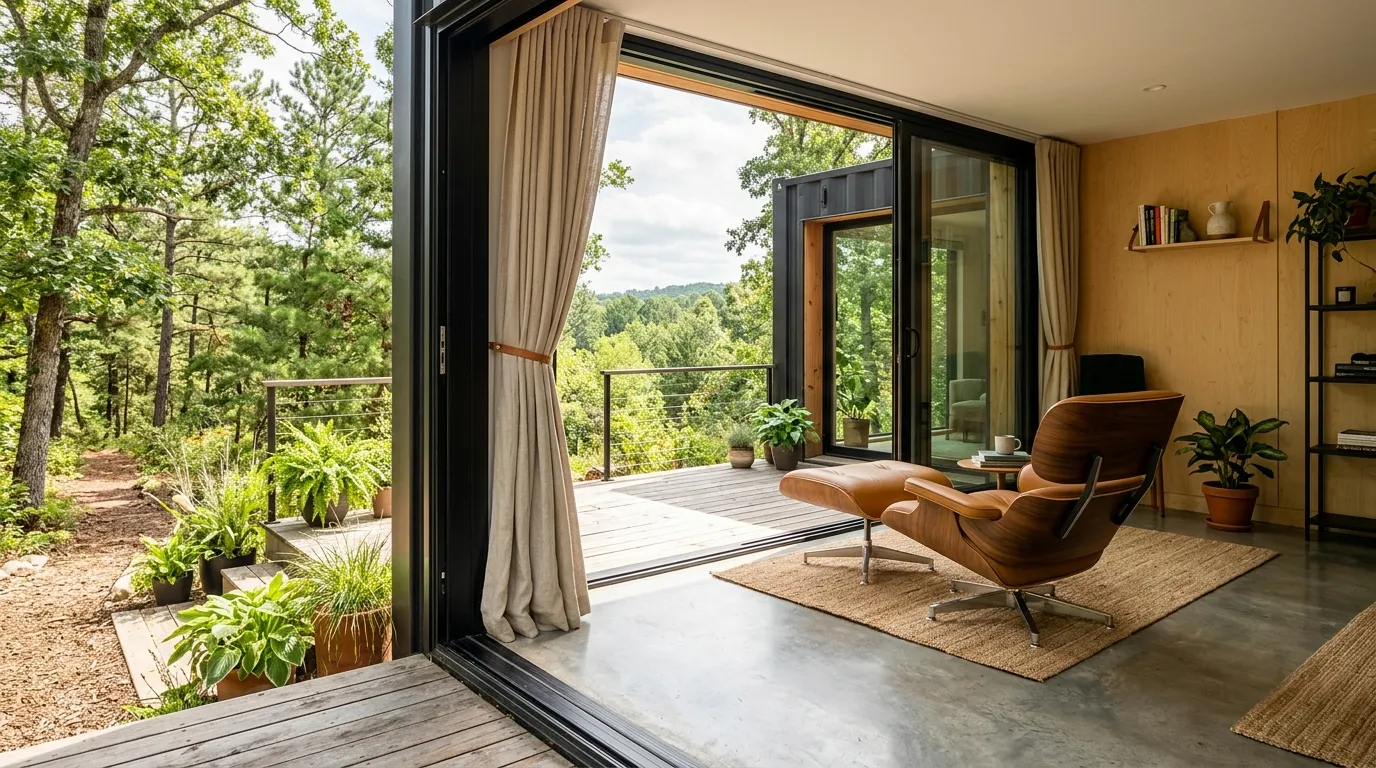
A full sliding glass front completely transforms how a container space feels and functions. Instead of closed, boxy walls, this feature opens the entire living area to natural light and outdoor views, making the interior feel expansive and inviting. That’s why many designers recommend it for compact homes, as it removes the visual boundary between inside and outside. The sunlight flooding in enhances colors, textures, and materials, giving the space a warm, lively atmosphere that changes beautifully throughout the day.
Beyond aesthetics, this design also improves how the space is used daily. I’ve noticed that homes with large glass openings tend to feel less restrictive, especially in smaller footprints. It encourages more interaction with outdoor areas like decks or patios, effectively extending the living space. With the right placement and orientation, it can also improve ventilation and airflow. The result is a home that feels fresh, open, and connected to its surroundings, rather than confined within four metal walls.
3. Loft Sleeping Space
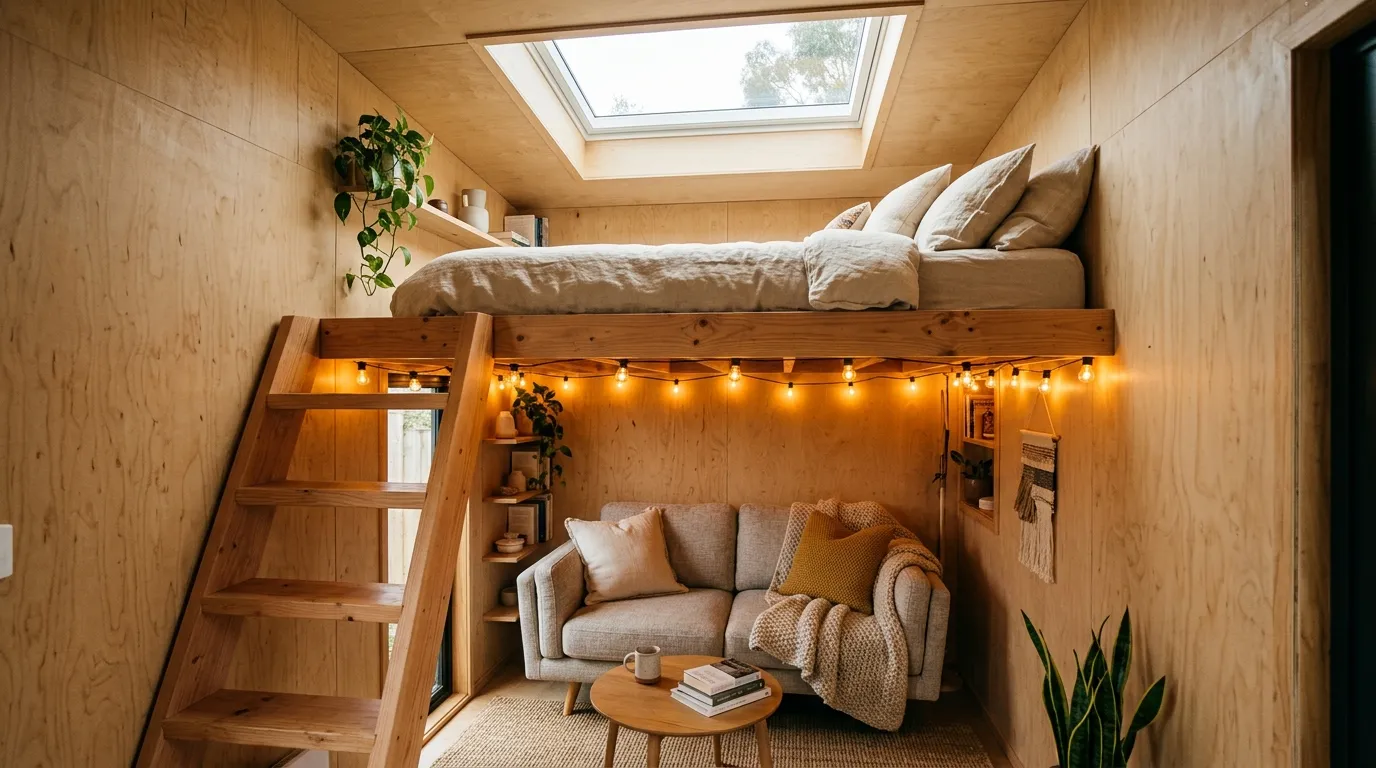
Using vertical space is a game-changer in compact living, and a loft sleeping area does exactly that. By elevating the bed, the main floor remains open for seating, cooking, or working, which instantly makes the space feel more functional. In many shipping container homes, this approach helps separate rest from activity without needing walls. The loft naturally creates a cozy, tucked-away retreat that feels private and comfortable while still being part of the overall design.
What I’ve seen work best is keeping the loft simple, light, and easy to access. A well-placed ladder or compact stairs ensures usability without taking up too much room. Soft lighting and minimal decor make the sleeping area feel calm rather than cramped. This setup not only improves space efficiency but also adds a layered, architectural feel to the interior. It turns a basic layout into something more dynamic, giving the home both character and practical comfort.
4. Foldable Furniture Setup
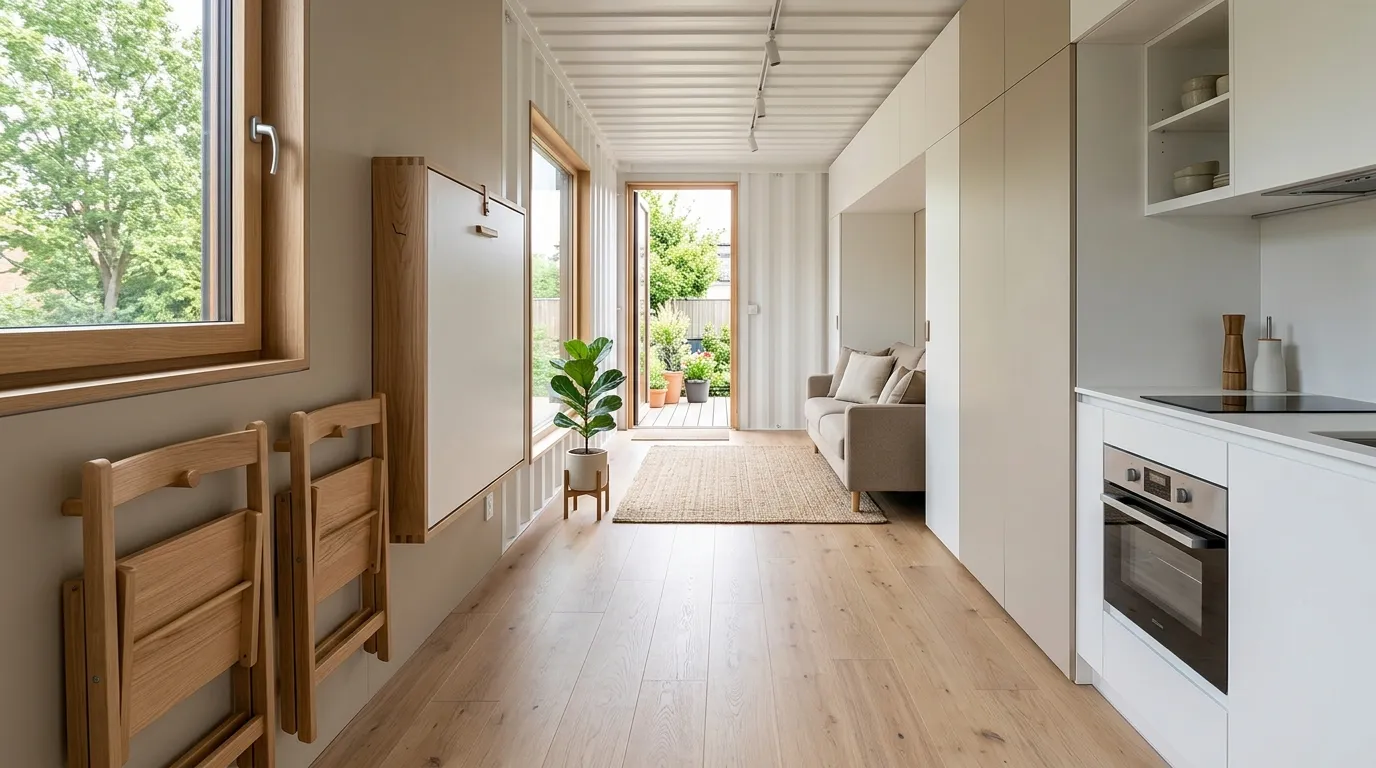
A space that adapts to your needs instantly feels bigger and more livable. Foldable furniture allows you to switch between functions without permanently occupying valuable floor space. In compact container living, this flexibility becomes essential, especially when one area serves multiple purposes throughout the day. A dining table that folds away or chairs that tuck neatly into walls create a clean, open environment that feels calm and organized rather than crowded or overwhelming.
What makes this idea so effective is how naturally it fits into everyday routines. I’ve seen many small homes transform completely just by removing visual clutter when furniture is not in use. It also encourages intentional living, where every item has a clear function. When combined with smart storage, foldable setups create a seamless balance between practicality and aesthetics. The result is a home that feels spacious, efficient, and surprisingly comfortable despite its compact size.
5. Minimalist White Interior
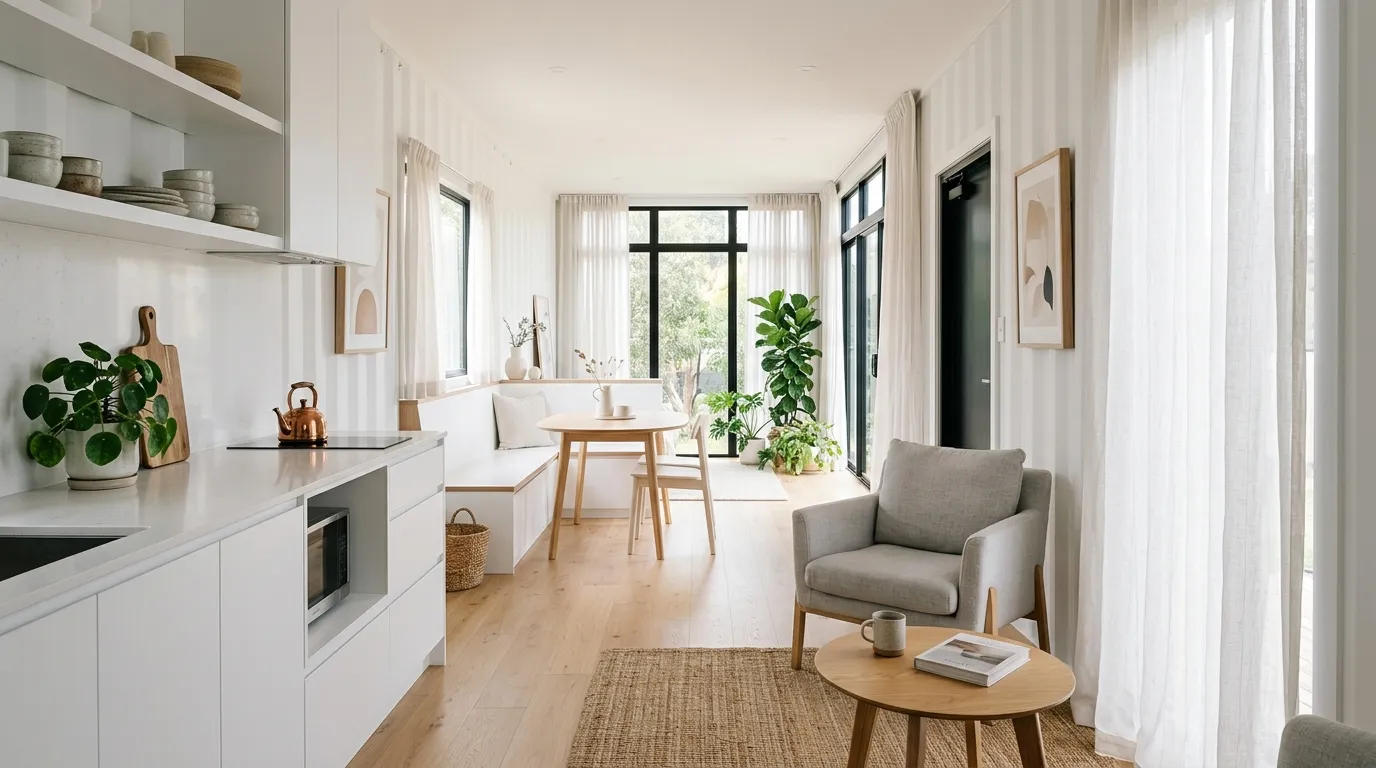
A clean white interior can completely change how a compact home feels from the moment you step inside. Light tones reflect natural daylight, making the space appear more open and expansive than its actual size. In smaller container designs, this approach helps eliminate visual heaviness and keeps everything feeling fresh and breathable. The simplicity of white surfaces also creates a perfect backdrop for subtle textures, allowing the space to feel styled without becoming overwhelming or busy.
In my experience, the key to making this work is layering soft contrasts rather than adding bold colors. Small touches like wood finishes, fabric textures, or greenery keep the design from feeling too sterile. This balance creates warmth while maintaining the clean aesthetic. It also makes the home easier to maintain visually, as clutter becomes more noticeable and easier to manage. The result is a peaceful, modern environment that feels both functional and visually relaxing.
6. Open Shelf Storage
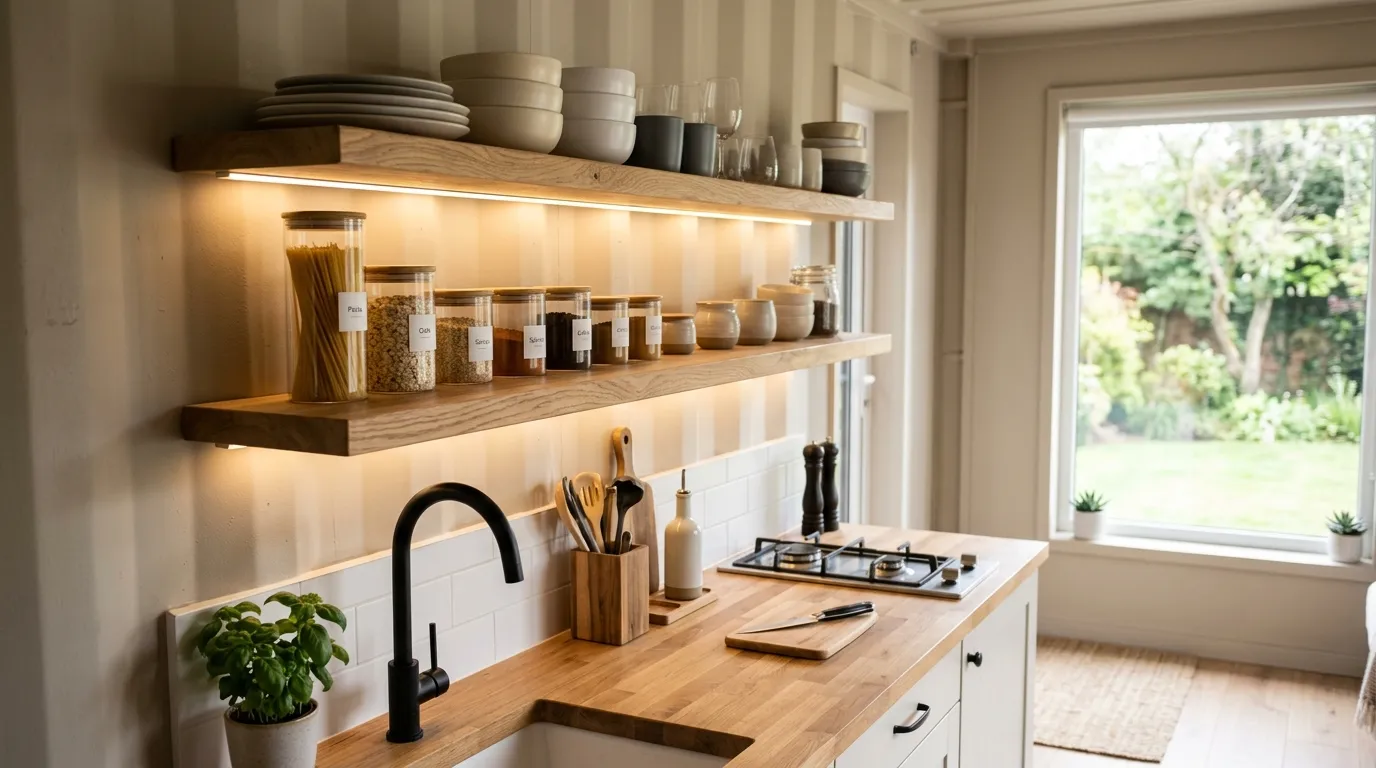
Open shelving brings both function and personality into a compact space without adding visual weight. Instead of heavy cabinets, this approach keeps walls feeling lighter and more open while still offering practical storage. In smaller layouts, it helps maintain a sense of flow and accessibility, especially in kitchen areas. Everyday items become part of the design, adding subtle character while keeping everything easy to reach and use during daily routines.
I’ve noticed that this setup works best when items are kept minimal and thoughtfully arranged. Too many objects can quickly create clutter, so simplicity is key. When styled well, open shelves can make even a small space feel curated and intentional. They also encourage better organization habits since everything remains visible. The overall effect is a balanced mix of practicality and style, making the home feel more open, functional, and visually appealing.
7. Industrial Metal Finish
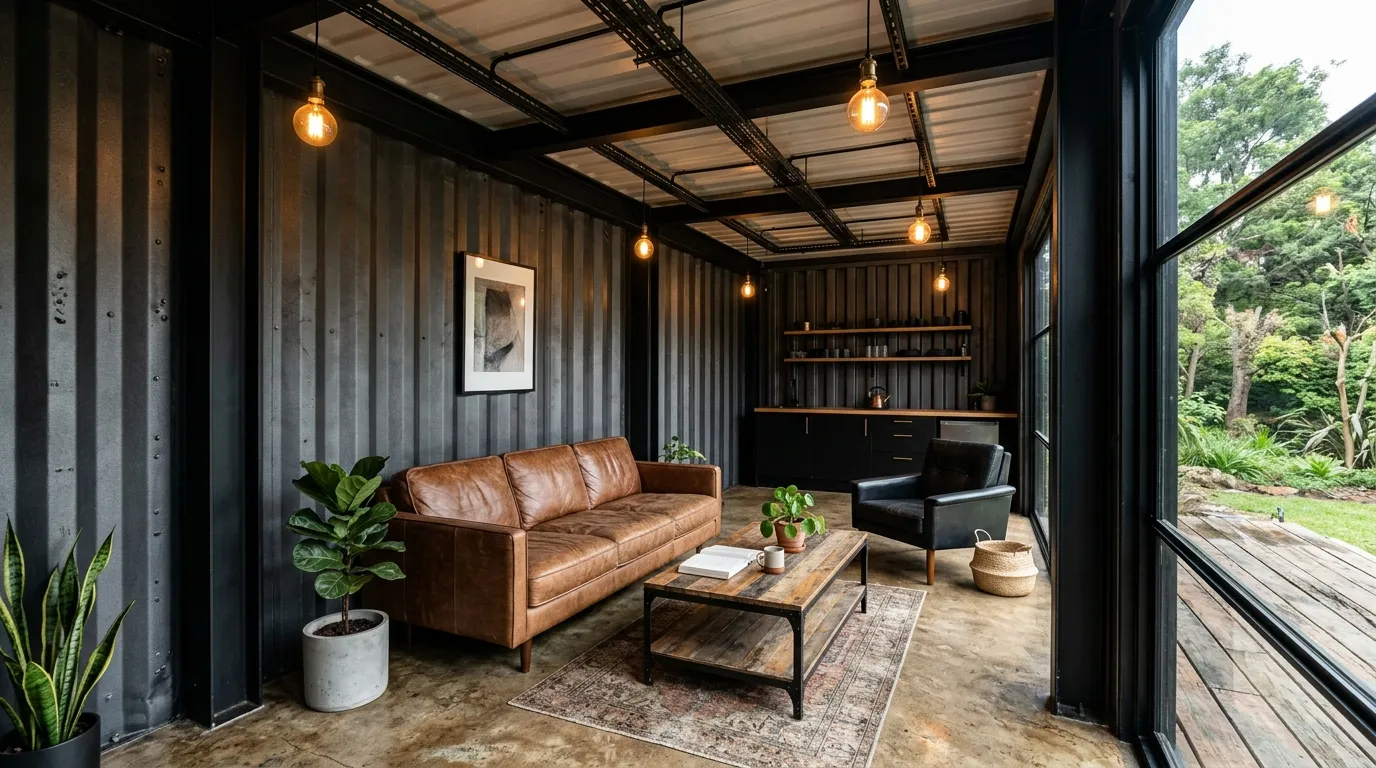
Raw materials can turn a simple container into a striking modern space with strong personality. An industrial metal finish embraces the original structure instead of hiding it, creating a bold and authentic aesthetic. This approach works especially well in compact homes because it reduces the need for additional layers or finishes. Clean metal surfaces paired with warm lighting balance the space, preventing it from feeling too cold while maintaining a sleek, contemporary look.
In my experience, the key is combining metal with softer elements like wood or textiles to create comfort. Without this balance, the space can feel too harsh or uninviting. When done right, the contrast adds depth and visual interest without overwhelming the room. This design choice also simplifies maintenance and keeps the space durable over time. The result is a compact home that feels modern, edgy, and effortlessly stylish.
8. Wooden Accent Walls
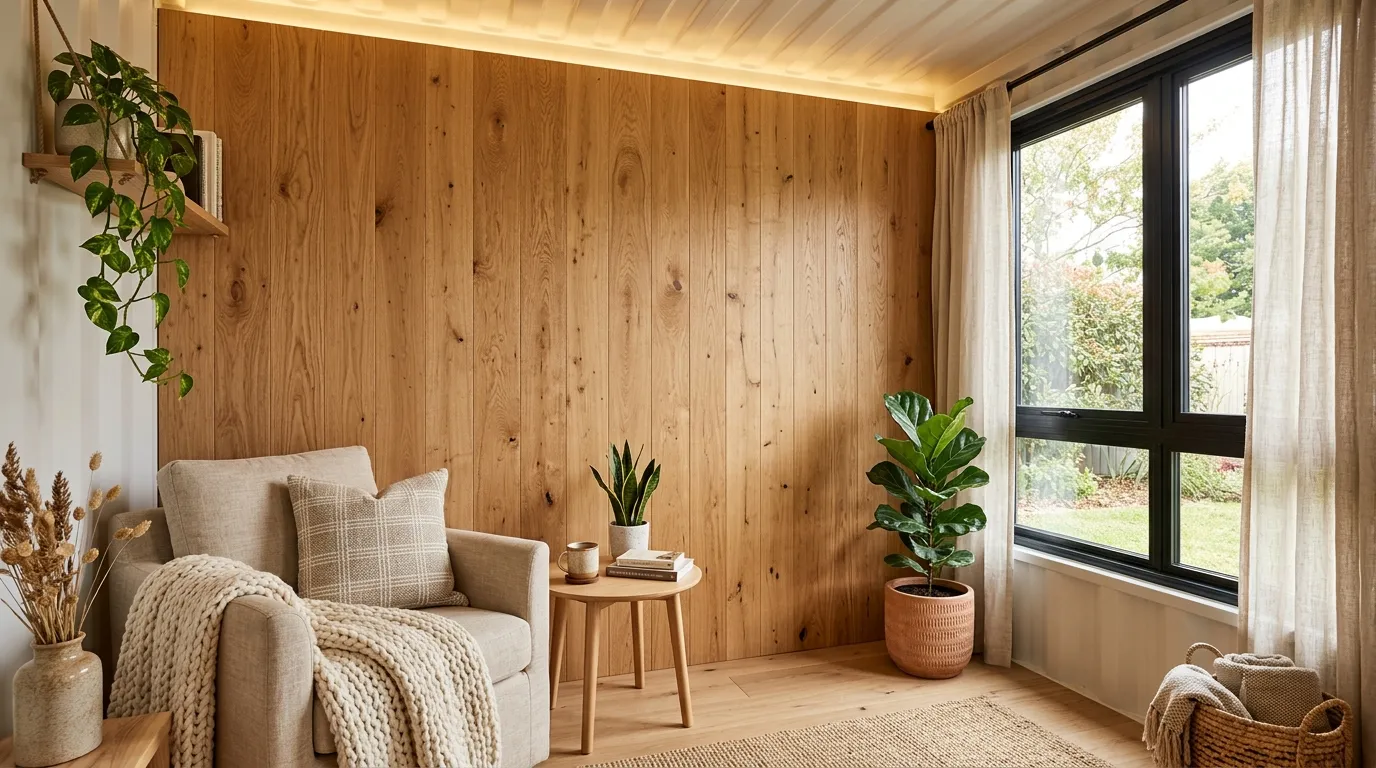
Warm wood tones instantly make a small interior feel more welcoming and comfortable. Adding a wooden accent wall introduces texture and depth without overcrowding the space. In compact layouts, this helps break visual monotony while still maintaining a clean, cohesive look. The natural grain patterns bring a sense of calm and balance, making the home feel less rigid and more lived-in. It’s a simple upgrade that delivers a strong visual impact.
I’ve noticed that lighter wood tones tend to work best in smaller areas, as they keep the space feeling open rather than heavy. Pairing wood with neutral colors enhances its warmth without overpowering the design. This combination creates a relaxing environment that feels both modern and timeless. The accent wall becomes a focal point that adds personality while still supporting a clean, uncluttered aesthetic that suits compact living perfectly.
9. Multi-Container Layout
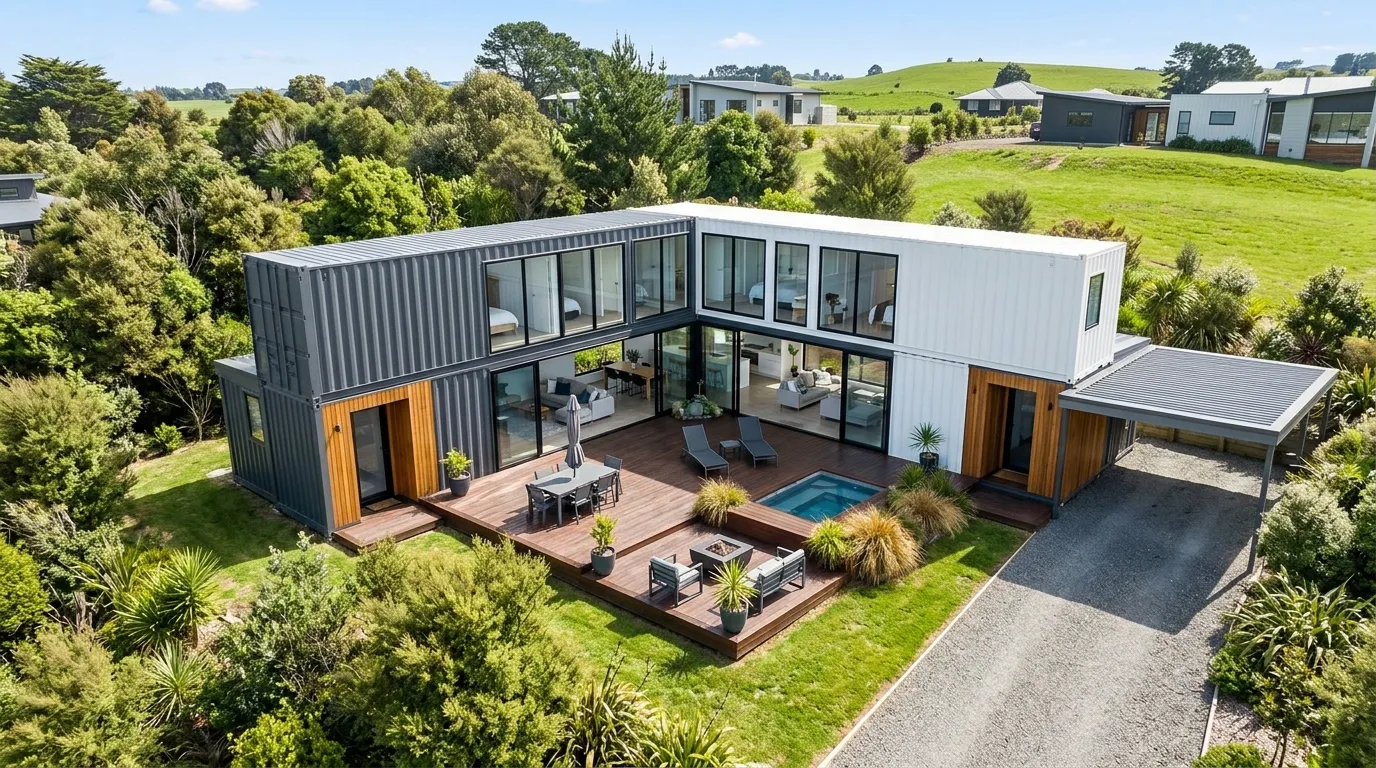
When one unit isn’t enough, combining multiple sections creates a more flexible and spacious home. This layout allows different areas to serve distinct purposes while still maintaining a cohesive design. In larger shipping container homes, this approach is often used to separate private and shared spaces, making daily living more comfortable. The added structure also opens opportunities for outdoor zones like patios, which enhance both functionality and visual appeal.
I’ve seen this design work especially well for families or anyone needing extra room without moving to traditional construction. The modular nature makes it easier to expand over time, which adds long-term flexibility. Strategic placement of each unit can also improve natural light and airflow throughout the home. The result is a balanced living environment that feels structured, open, and adaptable while still retaining the unique charm of container-based design.
10. Rooftop Deck Design
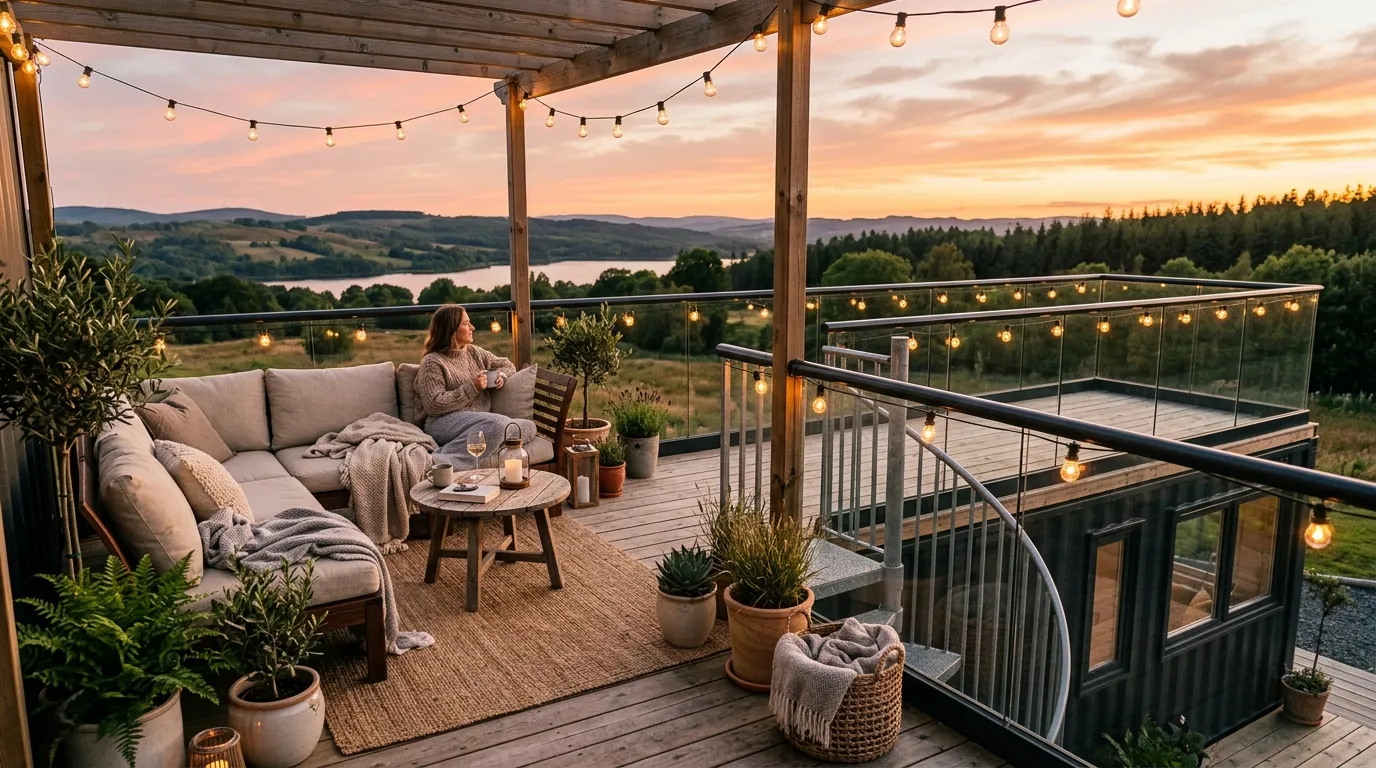
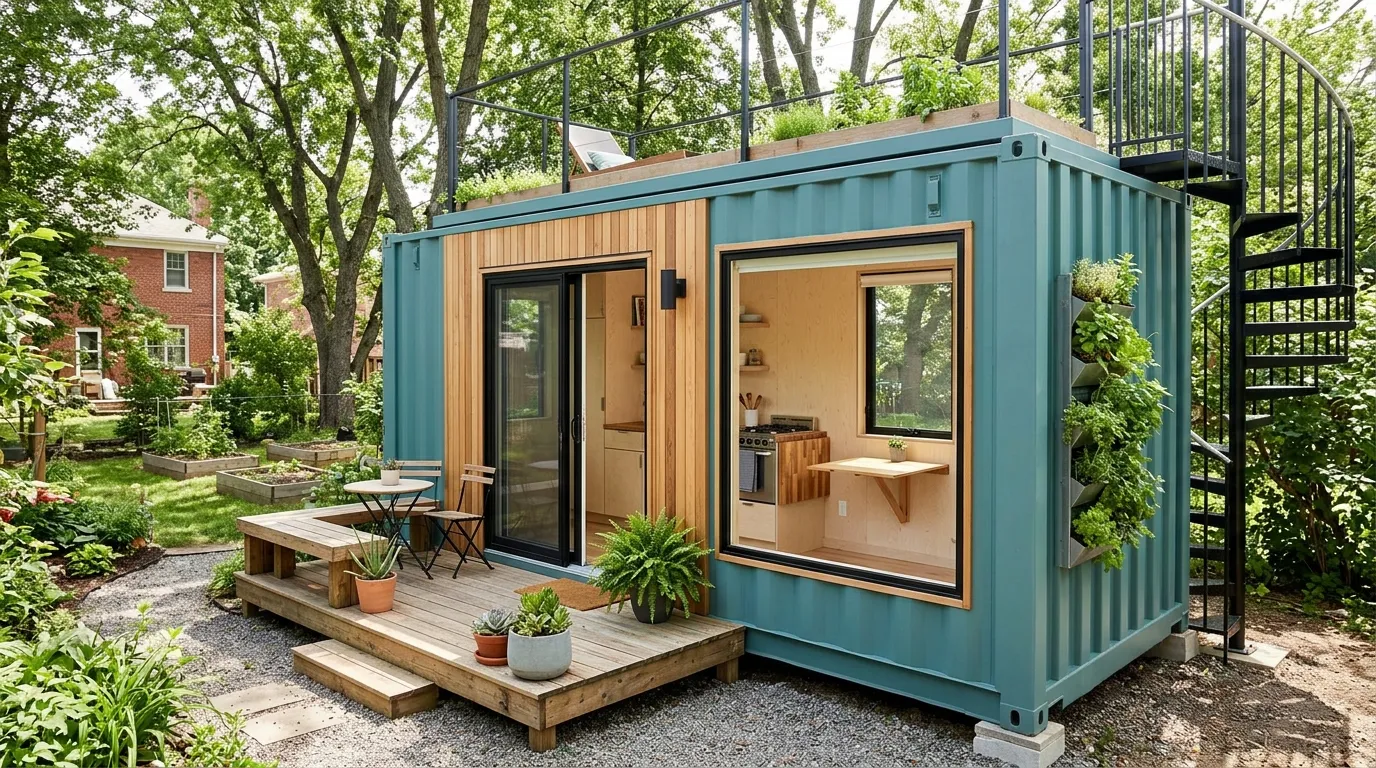
A rooftop deck instantly expands how a compact home is experienced without adding extra square footage. Instead of feeling limited indoors, this elevated space offers a fresh, open-air retreat that balances the smaller interior. In many shipping container homes, rooftops are transformed into cozy lounges or dining areas, creating a natural extension of the living space. The added height also provides better views, making even a simple setup feel special and relaxing.
What makes this idea truly valuable is how it improves everyday living. I’ve noticed that having access to an outdoor area changes how people use their home, especially in smaller spaces. It becomes a place to unwind, socialize, or simply enjoy quiet moments. With the right lighting and seating, the atmosphere feels inviting at any time of day. This design adds both function and lifestyle value, making the home feel more complete and enjoyable.
11. Built-In Storage Walls
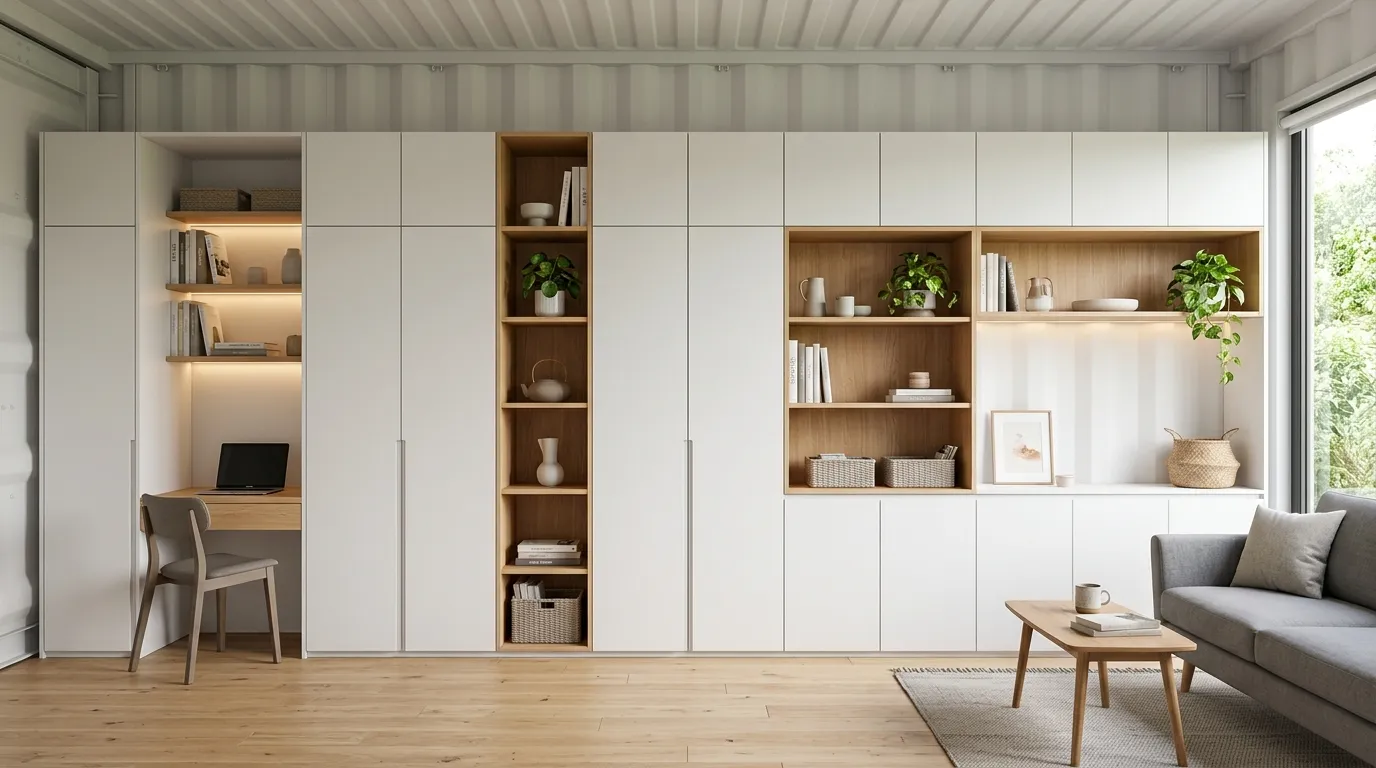
Storage can quickly become a challenge in smaller homes, but built-in walls solve this problem in a clean and efficient way. Instead of scattered cabinets or bulky furniture, everything is integrated into one streamlined surface. This keeps the space feeling open while still offering plenty of room for essentials. In compact layouts, this approach helps maintain a sense of order and calm, which is essential for comfortable daily living.
In my experience, the most effective designs keep the storage visually simple and consistent with the overall interior style. Hidden compartments and smooth finishes prevent the wall from feeling heavy or overwhelming. I’ve seen this work especially well in homes where every inch matters, as it eliminates wasted space. The result is a balanced environment where functionality meets clean design, making the home feel more spacious, organized, and easy to live in.
12. Glass Partition Zones
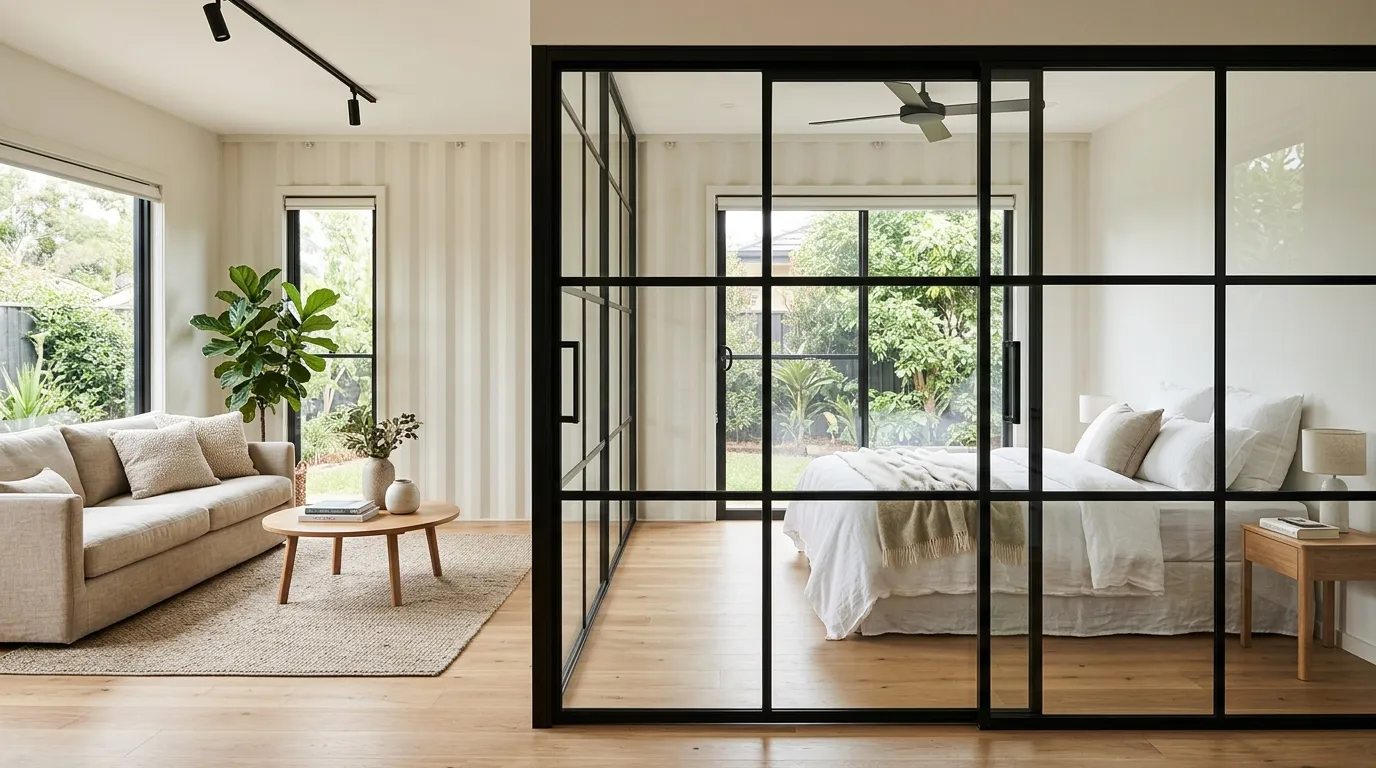
Dividing a small space without making it feel cramped can be tricky, but glass partitions offer a smart solution. Instead of solid walls that block light and reduce openness, transparent dividers create defined zones while maintaining visual flow. This is especially useful in compact layouts where every bit of light matters. The result is a space that feels structured yet still open, allowing different areas to serve their purpose without feeling disconnected.
I’ve noticed that this approach works best when paired with minimal framing and neutral tones. The simplicity keeps the design clean while still adding a modern architectural element. It also allows natural light to travel freely across the space, which makes a noticeable difference in how the home feels throughout the day. This balance between separation and openness creates a comfortable, functional layout that feels both stylish and practical.
13. Compact Kitchen Line
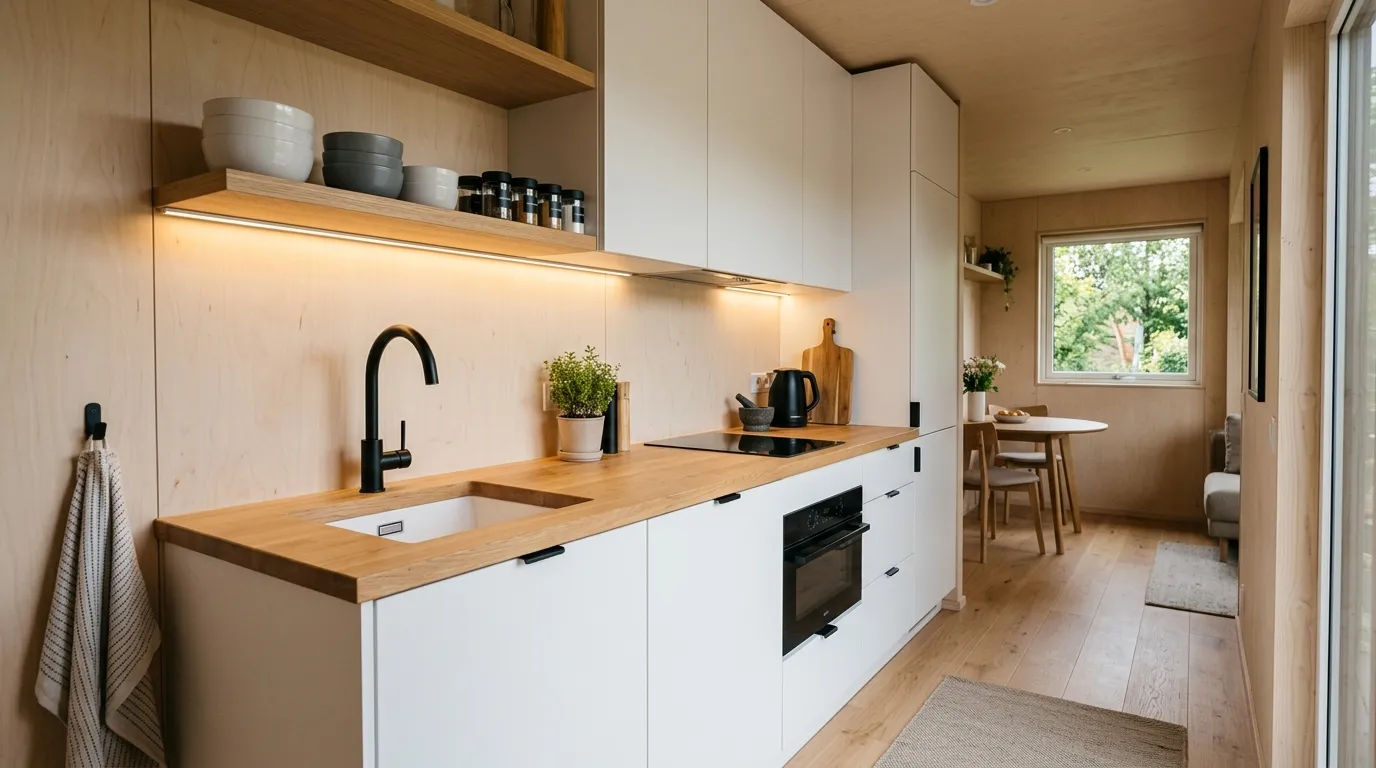
A linear kitchen setup keeps everything streamlined, making it ideal for narrow interiors. By placing all appliances, storage, and workspace along one wall, the rest of the area remains open and easy to navigate. In many shipping container homes, this approach prevents the space from feeling overcrowded while still offering full functionality. Clean lines and minimal cabinetry further enhance the sense of openness, creating a kitchen that feels modern, practical, and visually balanced.
What makes this layout effective is how naturally it fits into daily routines without disruption. I’ve seen this work especially well when paired with smart storage and compact appliances that don’t overwhelm the design. The flow becomes intuitive, with everything positioned within reach. This reduces unnecessary movement and keeps the cooking experience simple and efficient. The result is a kitchen that blends seamlessly into the living space while maintaining both style and usability.
14. Floor-to-Ceiling Windows
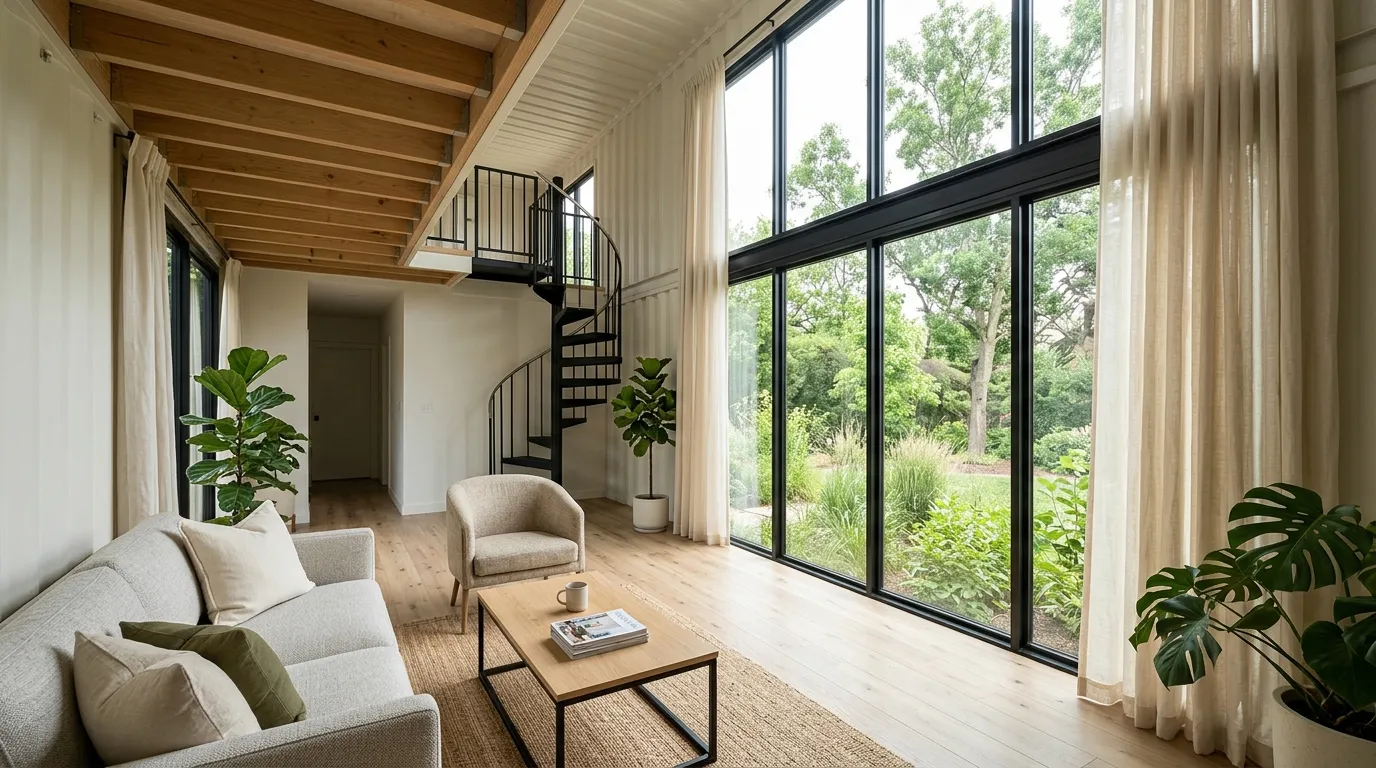
Natural light can completely transform a compact interior, and full-height windows are one of the most effective ways to achieve it. By extending glass from floor to ceiling, the space instantly feels taller and more open. This design removes visual barriers, allowing the outside environment to become part of the interior experience. The result is a bright, airy atmosphere that feels far less confined than traditional small spaces.
In my experience, this feature works best when combined with a simple, uncluttered layout that allows light to travel freely. I’ve noticed that even a small room can feel significantly larger when natural light fills every corner. It also improves the overall mood of the space, making it feel more inviting and comfortable throughout the day. This approach enhances both aesthetics and functionality, creating a home that feels open, fresh, and connected to its surroundings.
15. Hidden Murphy Bed
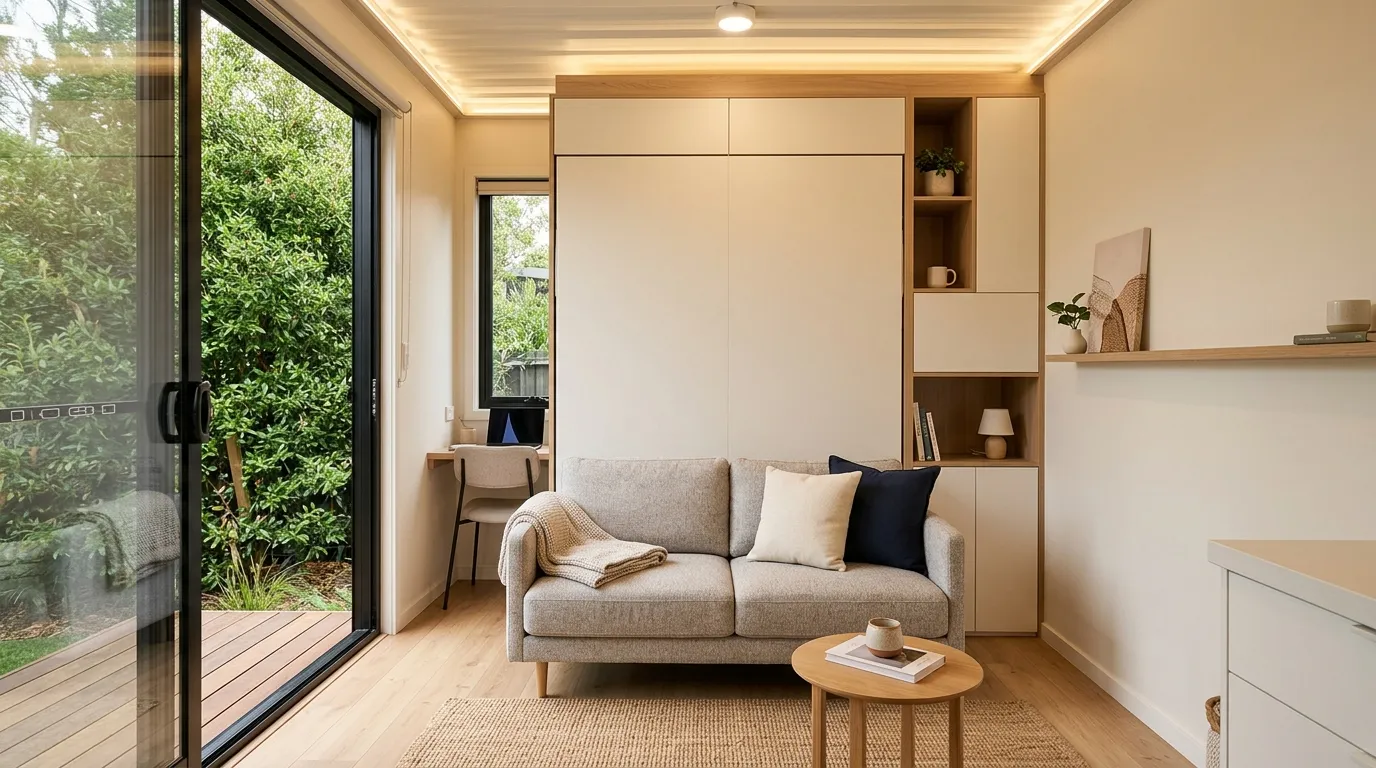
A hidden Murphy bed is one of the smartest solutions for maximizing limited space without sacrificing comfort. During the day, the bed disappears into the wall, instantly opening up the area for other activities like working or relaxing. This creates a flexible environment that adapts to your needs throughout the day. In smaller homes, this kind of transformation makes a noticeable difference in how spacious and functional the interior feels.
I’ve noticed that this setup works best when the design blends seamlessly with surrounding cabinetry, making the bed almost invisible when stored. This keeps the room looking clean and uncluttered, which is essential in compact living. The ability to switch between sleeping and living modes adds both convenience and efficiency. It turns a single-purpose room into a dynamic space that feels larger, more organized, and easier to use every day
16. Outdoor Patio Extension
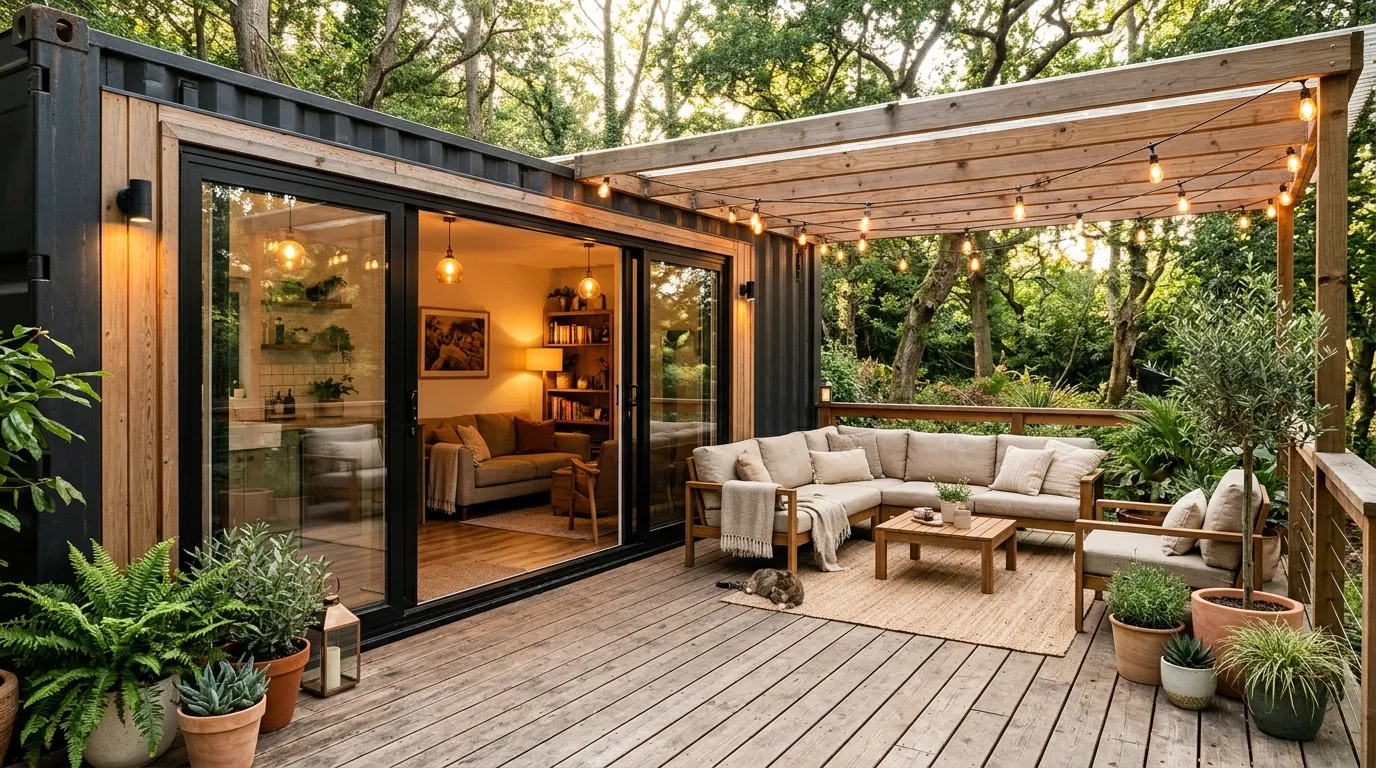
Stepping outside should feel like an extension of your home, not a separate space. A patio deck creates that seamless connection by expanding the usable area beyond the walls. In many shipping container homes, this simple addition transforms how the space is experienced daily. Instead of feeling confined indoors, you gain a comfortable outdoor zone that supports relaxation, dining, or social gatherings while keeping the overall footprint small.
In my experience, the most effective patio designs maintain visual continuity with the interior through matching materials or colors. I’ve seen this approach create a smooth transition that makes both spaces feel unified. Even a small deck can significantly improve how open and breathable the home feels. With thoughtful furniture placement and lighting, it becomes a functional extension that enhances comfort, usability, and overall lifestyle without requiring major structural changes.
17. Dark Modern Exterior
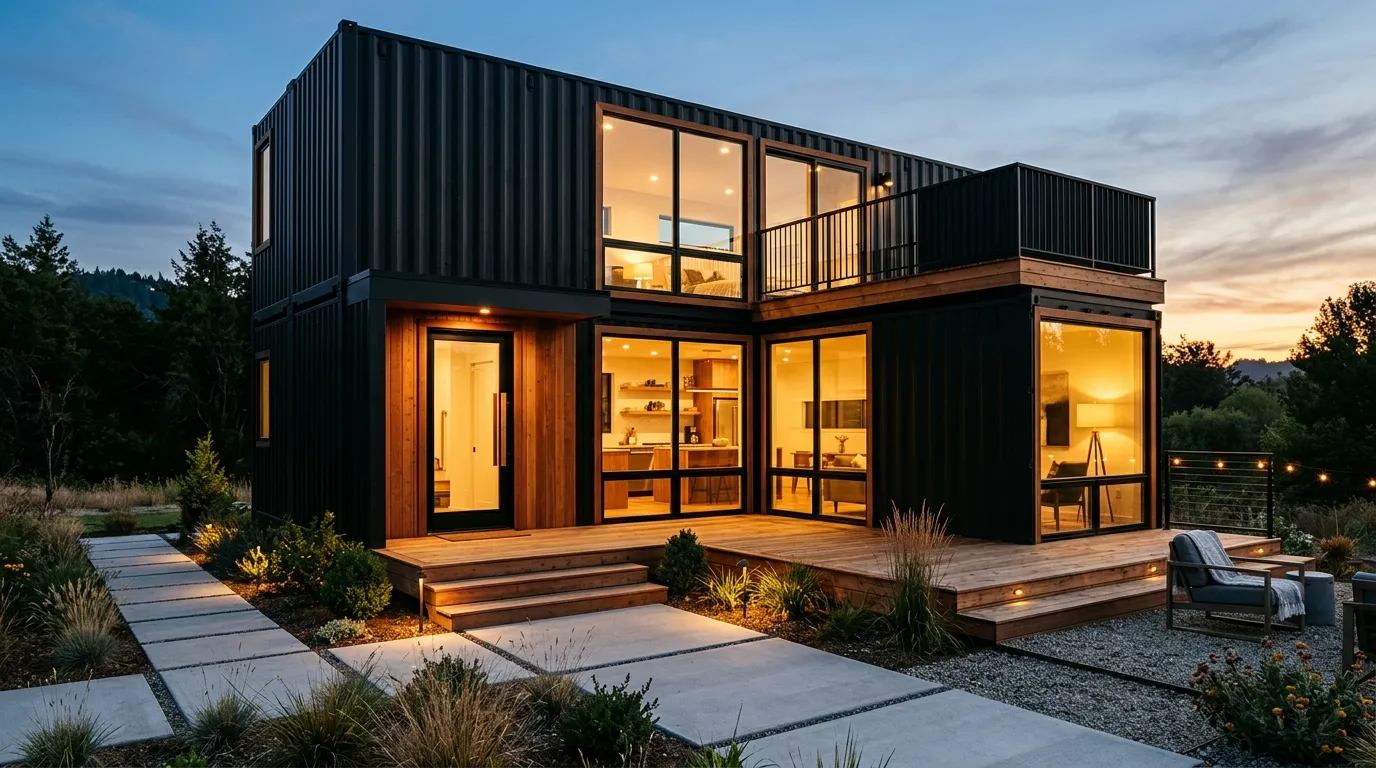
A darker exterior instantly gives a compact home a strong, modern identity that stands out. Deep tones like matte black or charcoal emphasize clean lines and create a sleek architectural presence. In smaller builds, this contrast adds depth and sophistication without requiring additional decorative elements. The bold finish also works beautifully with natural surroundings, allowing the structure to feel grounded yet visually striking.
I’ve noticed that pairing dark exteriors with warm lighting and natural materials creates the best balance. Without contrast, the design can feel too heavy, but adding wood or soft lighting brings warmth and dimension. This combination enhances both daytime and evening aesthetics, making the home feel inviting rather than stark. The result is a compact structure that feels intentional, stylish, and effortlessly modern from every angle.
18. Skylight Lighting Design
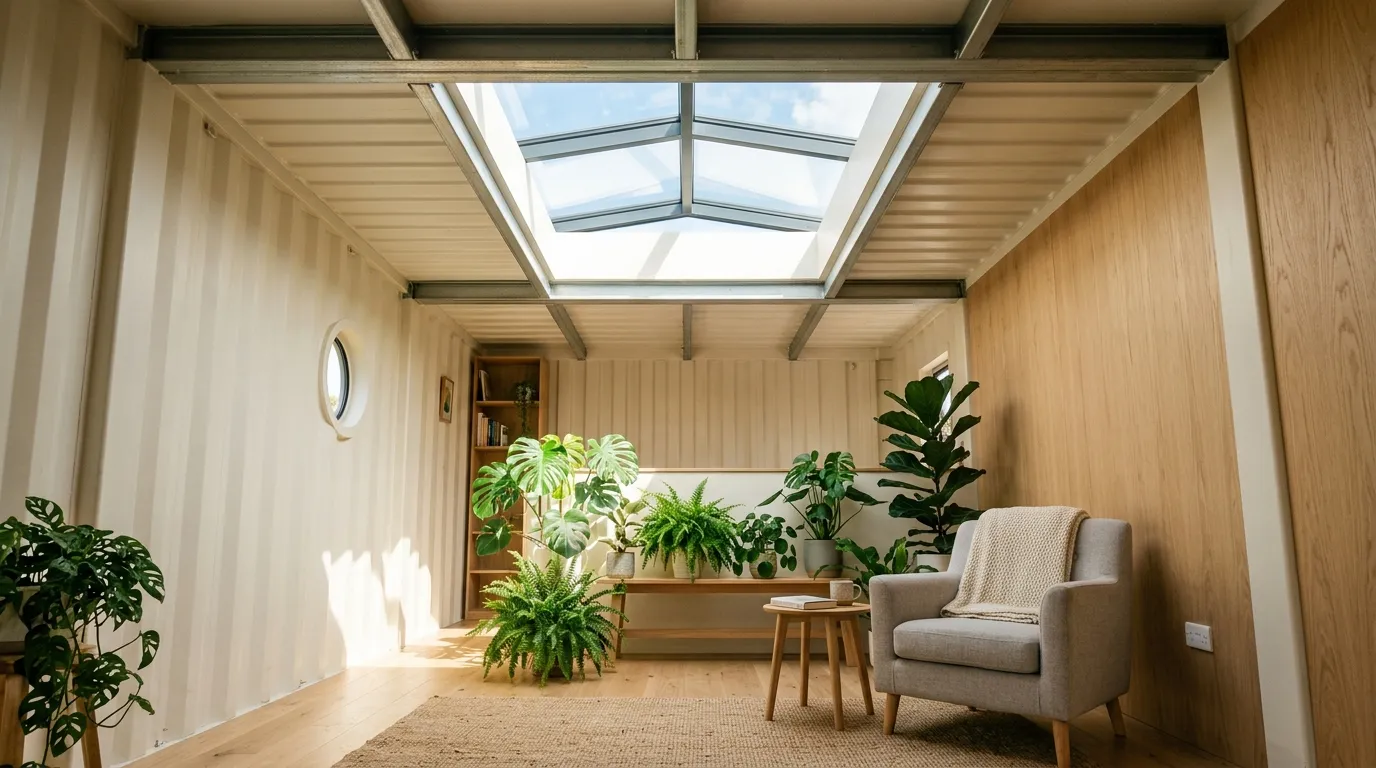
Natural light from above can completely transform how a compact space feels throughout the day. Skylights allow sunlight to reach areas that traditional windows cannot, making the interior feel brighter and more evenly lit. This is especially valuable in narrow layouts where side windows are limited. The added light enhances colors, textures, and overall mood, creating a more uplifting and comfortable environment.
In my experience, skylights work best when positioned strategically above key areas like living or dining zones. I’ve seen this design improve not only brightness but also the perception of height, making the ceiling feel higher than it is. The shifting natural light throughout the day adds a dynamic quality that keeps the space feeling alive. This simple addition creates a noticeable upgrade in both functionality and visual appeal.
19. Vertical Garden Wall
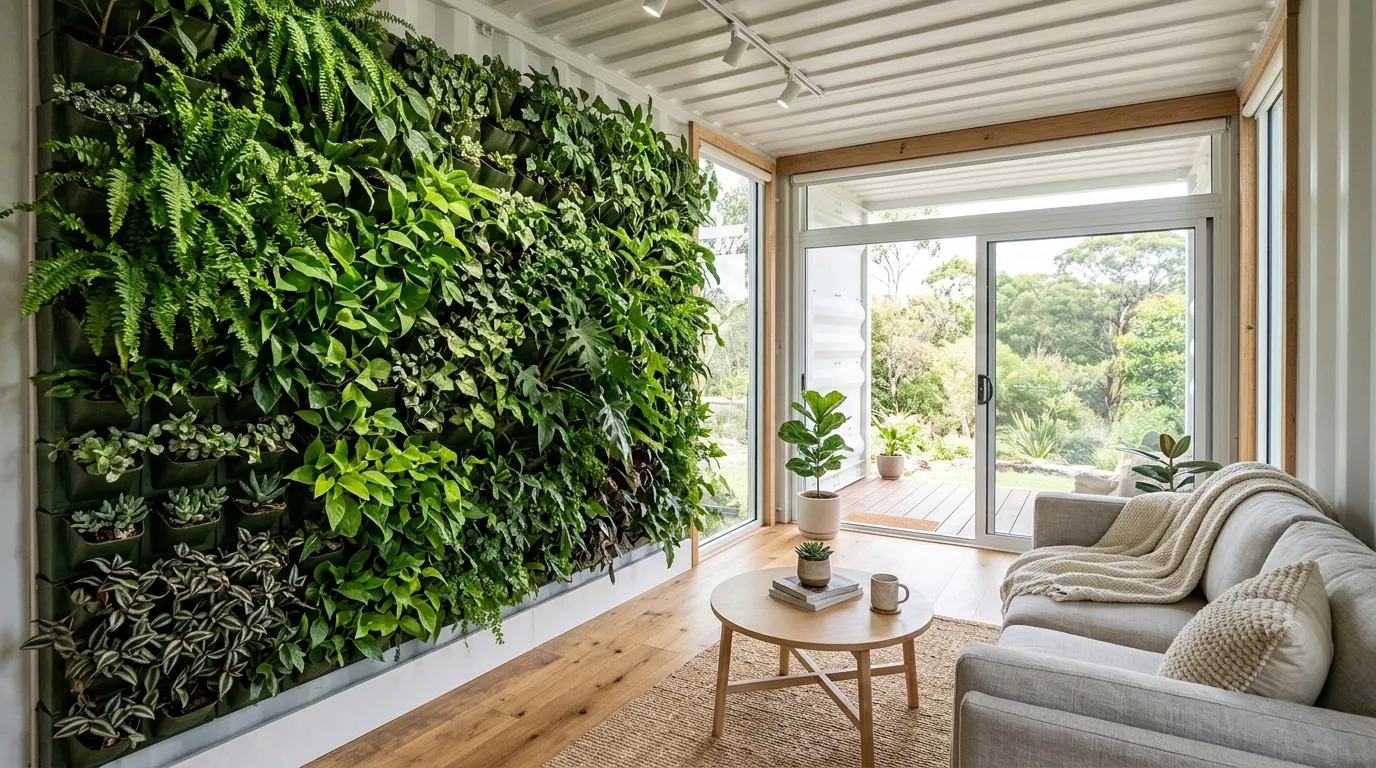
A vertical garden introduces life and freshness into a compact space without using valuable floor area. Instead of placing plants around the room, this approach turns an entire wall into a living feature. In shipping container homes, where space is limited, this design creates a strong visual impact while maintaining functionality. The greenery adds softness, balances harder materials, and creates a calming atmosphere that feels refreshing every time you enter the space.
In my experience, this works best when plant selection is simple and easy to maintain. I’ve noticed that too many varieties can feel cluttered, while a consistent pattern looks more intentional and clean. Proper lighting also plays a key role in keeping the plants healthy and vibrant. When done right, a vertical garden becomes more than decoration—it transforms the entire mood of the home, making it feel more open, lively, and naturally inviting.
20. Compact Bathroom Pod
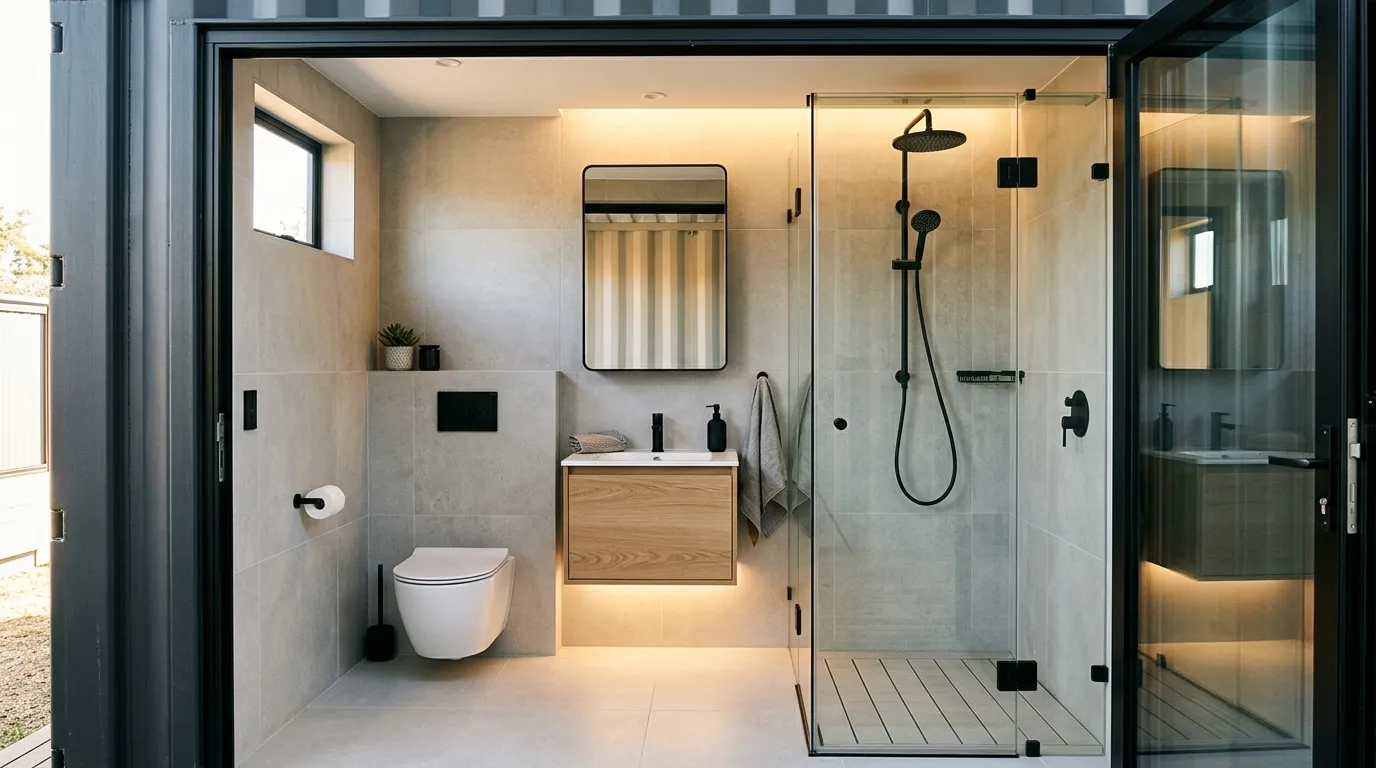
Designing a functional bathroom in a small space requires smart planning, and a compact pod layout does exactly that. By grouping all essential elements into one efficient zone, the rest of the home remains open and uncluttered. In smaller layouts, this approach keeps everything organized while still offering comfort and usability. Clean lines and minimal materials help the space feel modern without becoming visually overwhelming.
I’ve noticed that this setup works best when fixtures are kept simple and well-proportioned. Oversized elements can quickly make the space feel cramped, while compact designs maintain balance. Good lighting and reflective surfaces also help make the area feel larger than it actually is. The result is a bathroom that feels complete, functional, and visually clean without taking away from the rest of the home’s layout.
21. Neutral Color Palette
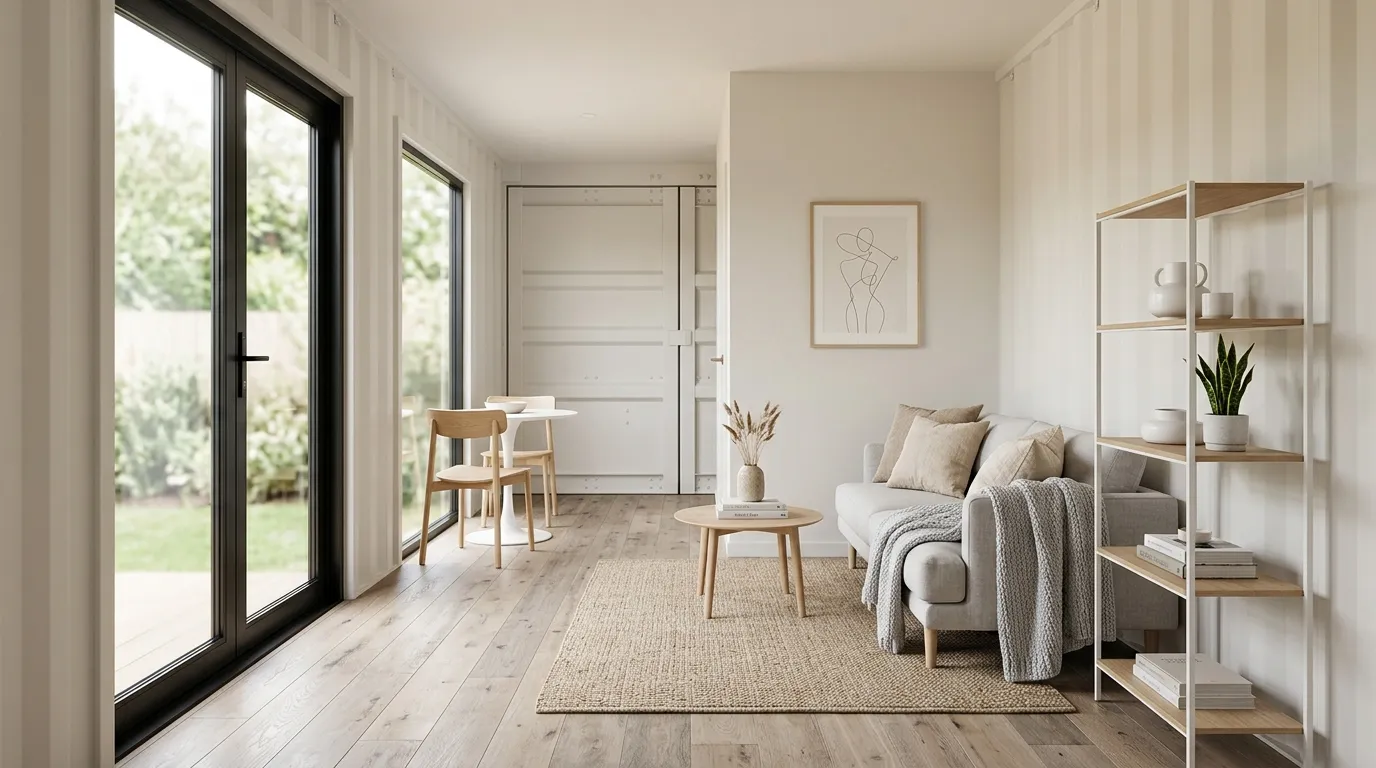
A neutral color palette helps unify a compact space and makes it feel more open and relaxing. Soft tones like beige, white, and light gray reflect light gently, reducing visual heaviness and creating a smooth, continuous look. In smaller interiors, this approach prevents the design from feeling crowded or overwhelming. It allows the eye to move freely across the space, making everything feel more balanced and visually comfortable.
In my experience, layering different shades and textures within a neutral palette creates depth without adding clutter. I’ve seen this approach work especially well when combined with natural materials like wood or fabric. The subtle variations keep the space interesting while maintaining simplicity. This balance results in a home that feels calm, timeless, and easy to personalize, making it ideal for long-term living in a compact environment.
22. Smart Lighting Layers
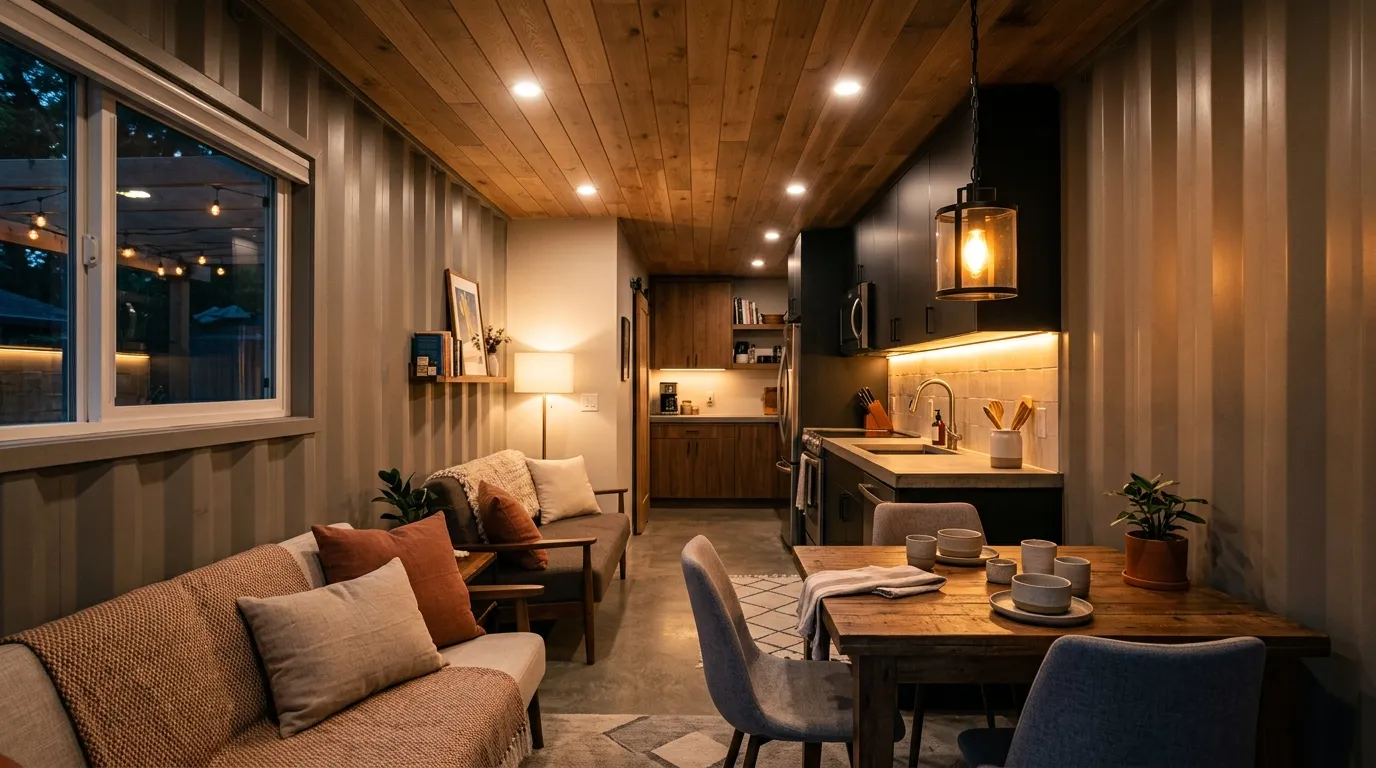
Lighting can completely reshape how a compact space looks and feels, especially when layered thoughtfully. Instead of relying on a single overhead source, combining different types of lighting creates depth and balance throughout the interior. In shipping container homes, this approach helps eliminate dark corners and highlights key areas like seating, kitchen zones, or decor features. The result is a space that feels more dynamic, comfortable, and visually appealing at any time of day.
In my experience, the best results come from mixing warm ambient lighting with focused task lights and subtle accent features. I’ve seen this transform even the smallest interiors into cozy, inviting environments that feel much larger than they are. Strategic placement makes each area more functional while also enhancing the overall mood. This layered approach not only improves visibility but also adds a sense of warmth and personality, making the home feel complete and thoughtfully designed.
Conclusion
Small spaces don’t have to feel limiting—they can feel intentional, stylish, and incredibly functional. These ideas show how thoughtful design can completely transform the way a home looks and works, even within a compact footprint. In shipping container homes, every detail matters, and even the smallest upgrade can make a noticeable difference.
I’ve seen how simple changes like better lighting or smarter layouts can turn a tight space into something truly enjoyable to live in. Save your favorite ideas, try one that fits your lifestyle, and share this inspiration with someone who needs it. Your dream space might be smaller than you think—but it can feel bigger than ever.
FAQs
1. Are container homes good for small spaces?
Yes, they are designed for efficiency. With smart layouts and space-saving features, they make small living feel practical and comfortable.
2. How can I make a small container home feel bigger?
Use natural light, neutral colors, multi-functional furniture, and open layouts. These elements visually expand the space.
3. Are these ideas budget-friendly?
Many of them are. Simple changes like lighting, paint, and furniture choices can make a big impact without high costs.
4. Can I customize the layout easily?
Yes, flexibility is one of the biggest advantages. You can adapt layouts, combine units, or upgrade features over time.
5. Which idea should I try first?
Start with lighting or furniture changes. I’ve noticed these give the fastest and most noticeable improvement in small spaces.