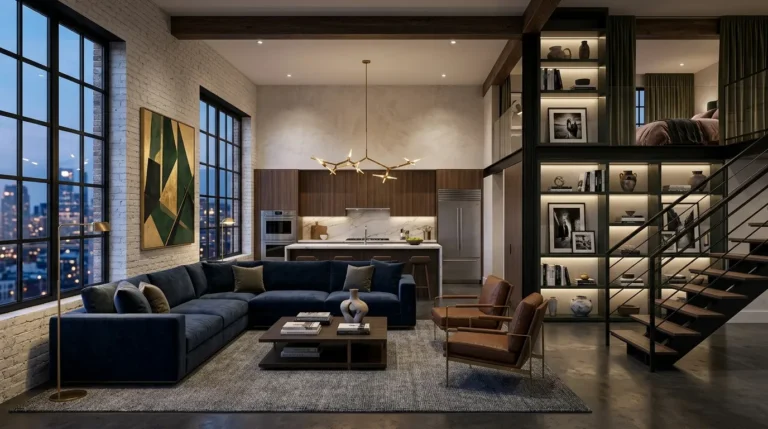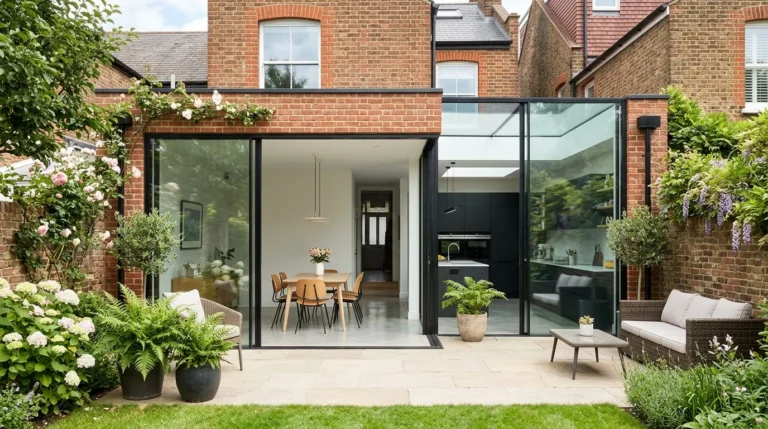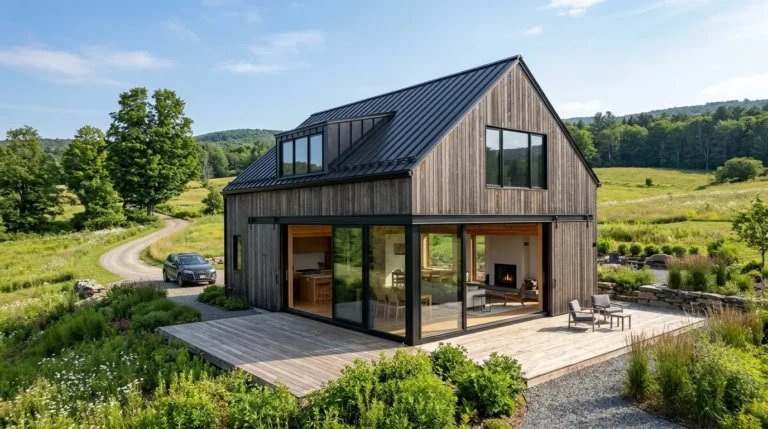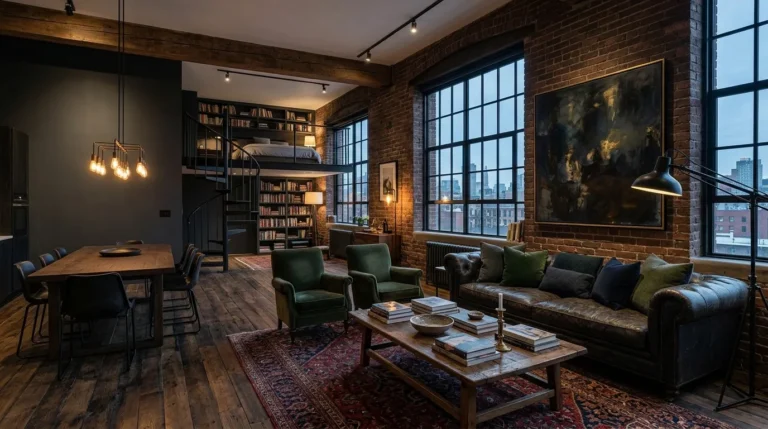
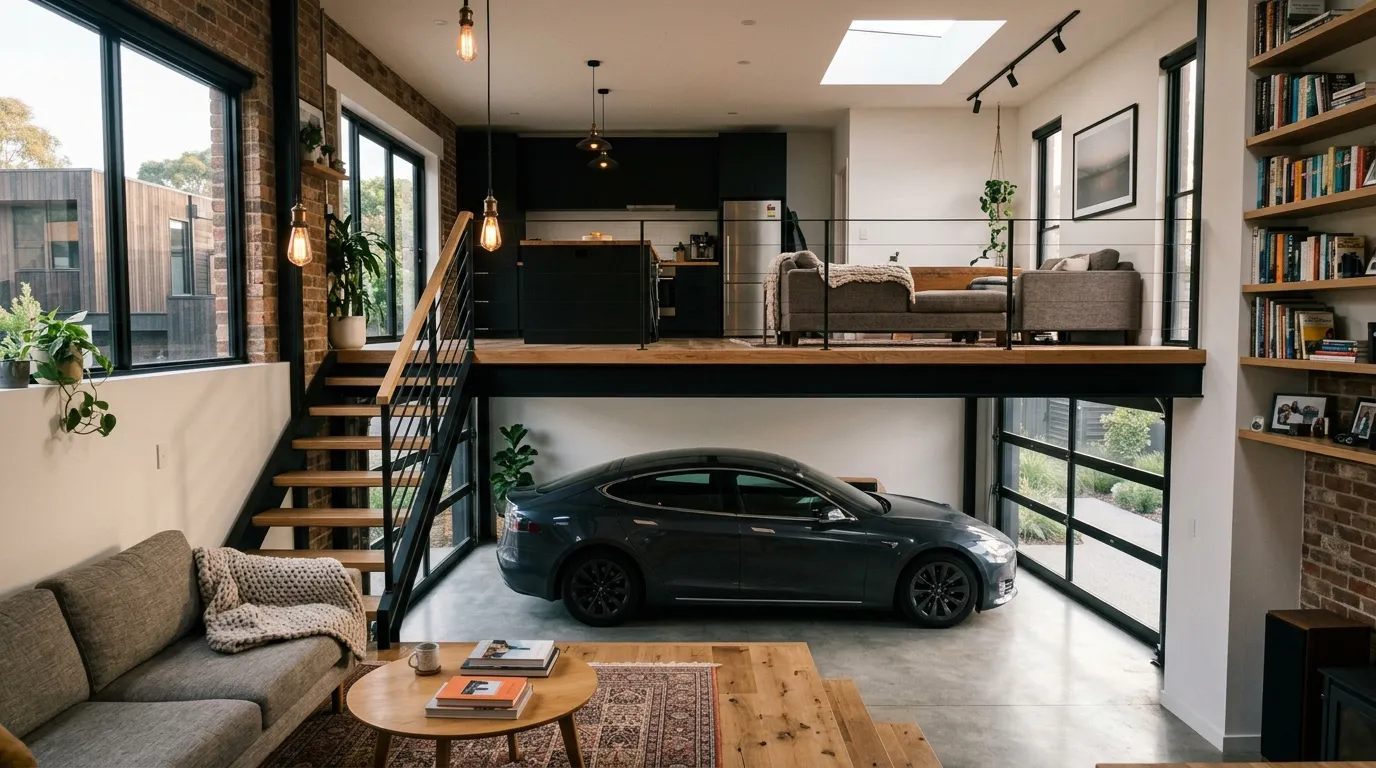
Introduction
Struggling to make the most of your unused garage space? These Garage Loft Designs might be exactly what you need. From cozy retreats to smart multifunctional layouts, this guide is packed with ideas that can completely transform how your home feels and functions.
In many homes, the garage loft becomes a forgotten area or a cluttered storage zone. I’ve noticed that with the right design approach, this overlooked space can turn into one of the most beautiful and practical parts of your home. Whether you want a relaxing lounge, a compact bedroom, or a productive workspace, these ideas help you visualize real possibilities. This article will inspire you with simple, stylish, and achievable setups that bring both beauty and purpose to your loft.
1. Industrial Metal Loft
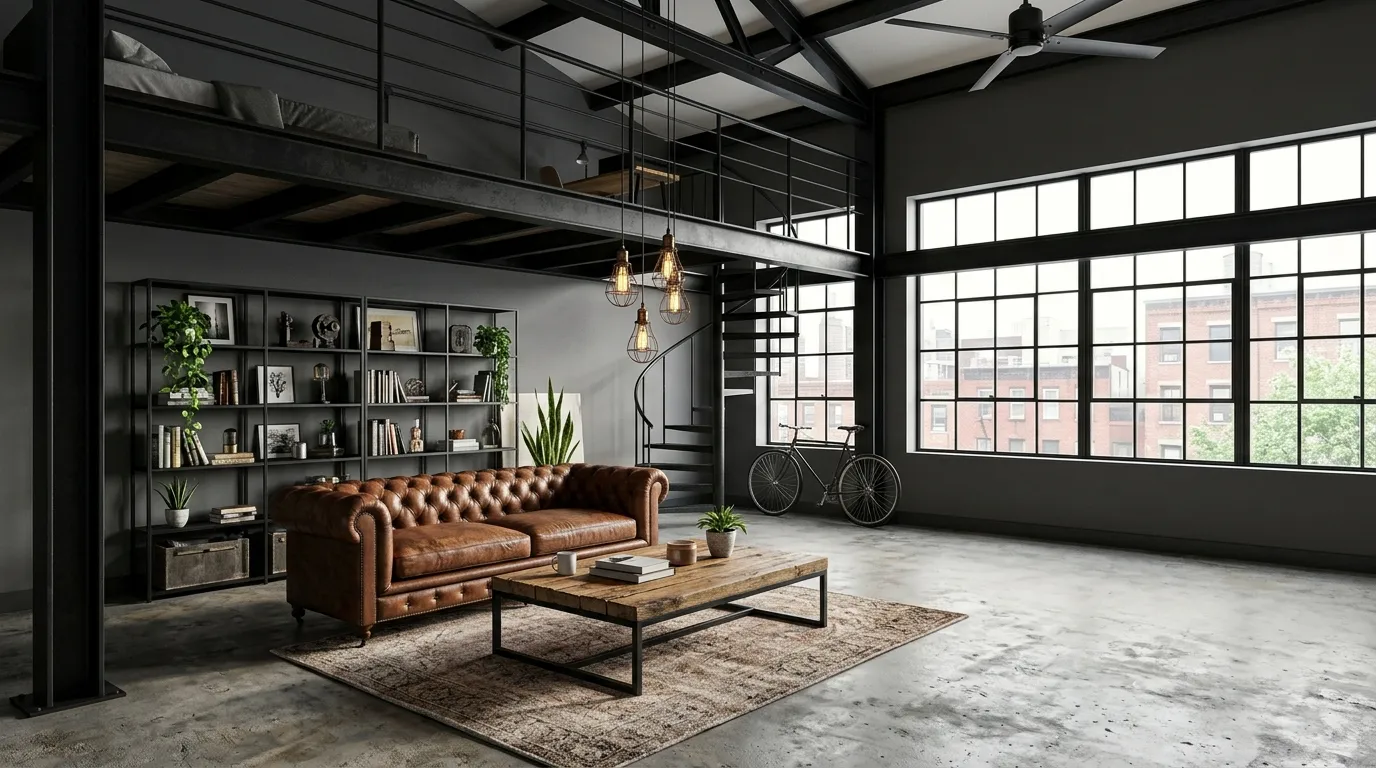
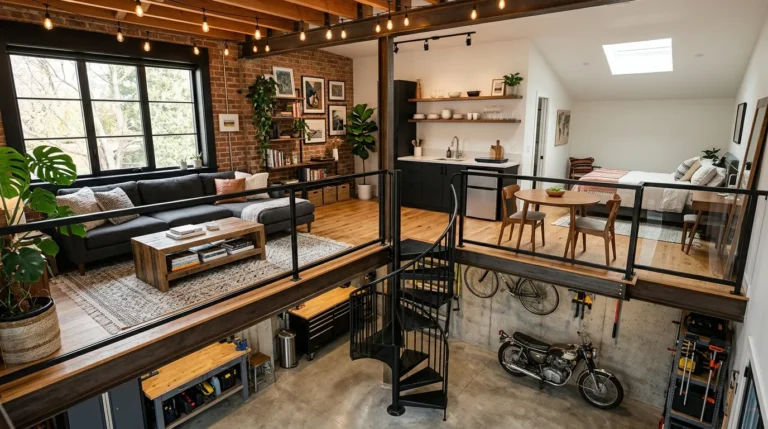
This setup instantly gives your space a bold, urban personality that feels both modern and timeless. The combination of raw materials like steel and concrete creates a grounded, masculine look that stands out without feeling overwhelming. I’ve noticed that when natural light hits these darker textures, it softens the entire space and adds depth. That balance is what makes this design so appealing for modern homes. It transforms an ordinary upper-level garage space into something that feels like a stylish city loft with strong character and visual impact.
Another reason this design works so well is its practicality and low maintenance. Concrete floors are easy to clean, and metal structures are highly durable, making them perfect for everyday use. In my experience, this kind of setup is ideal for homeowners who want something visually striking without constant upkeep. When paired with warm lighting and a few textured elements like leather or wood, the space becomes inviting rather than cold. It’s a perfect example of how garage loft designs can combine raw aesthetics with real-life functionality in a seamless and livable way.
2. Scandinavian Minimal Loft
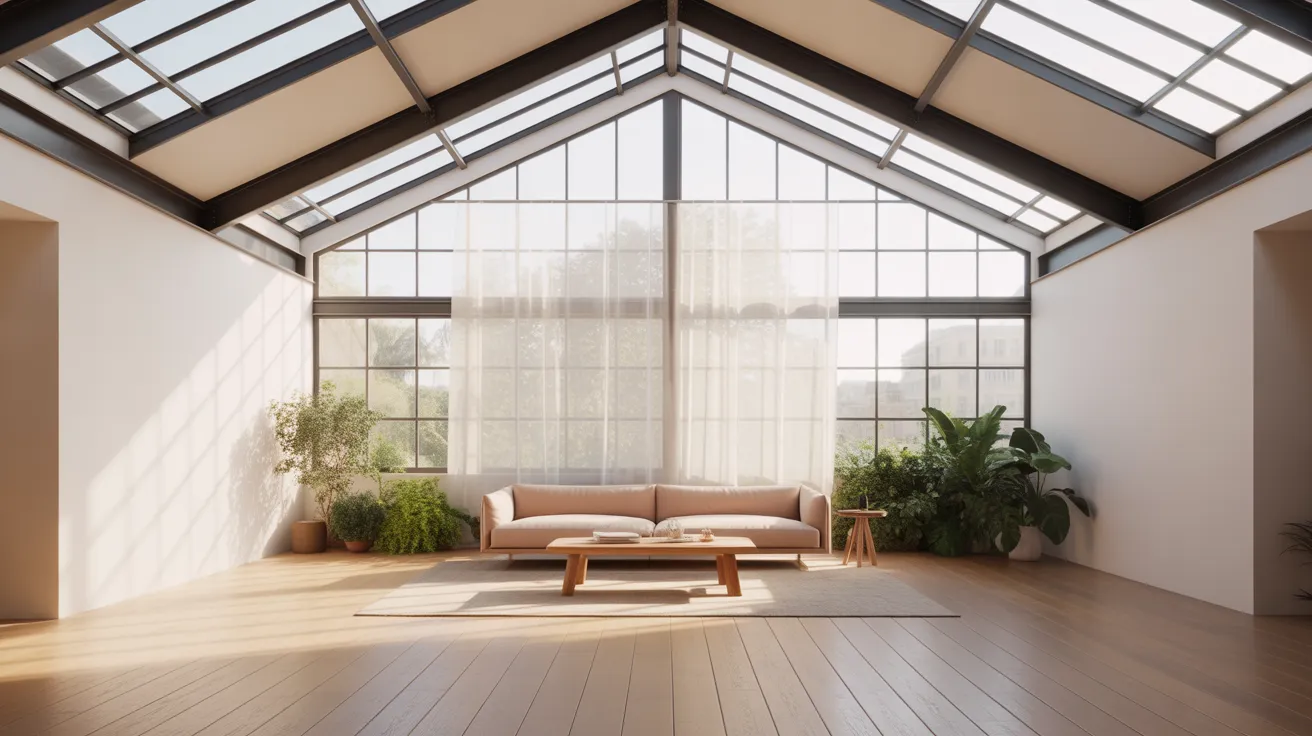
This design instantly makes a loft feel calm, open, and effortlessly stylish. The use of whites and soft neutrals reflects light beautifully, which is especially important in smaller or enclosed garage spaces. I’ve seen this approach work incredibly well when homeowners want a peaceful retreat rather than a bold statement. The simplicity allows every element to breathe, creating a sense of balance and clarity. It transforms the loft into a bright, serene environment that feels much larger than it actually is, making it perfect for modern living.
What makes this idea truly effective is how it blends beauty with everyday comfort. The minimal layout doesn’t just look good—it also makes cleaning and organizing much easier. In my experience, people tend to maintain these spaces better because there’s less clutter to manage. Adding a few natural textures like wood and soft fabrics prevents the design from feeling cold or empty. That’s why many designers recommend this approach for loft spaces, as it creates a perfect harmony between simplicity, function, and visual warmth without overwhelming the space.
3. Rustic Wood Loft
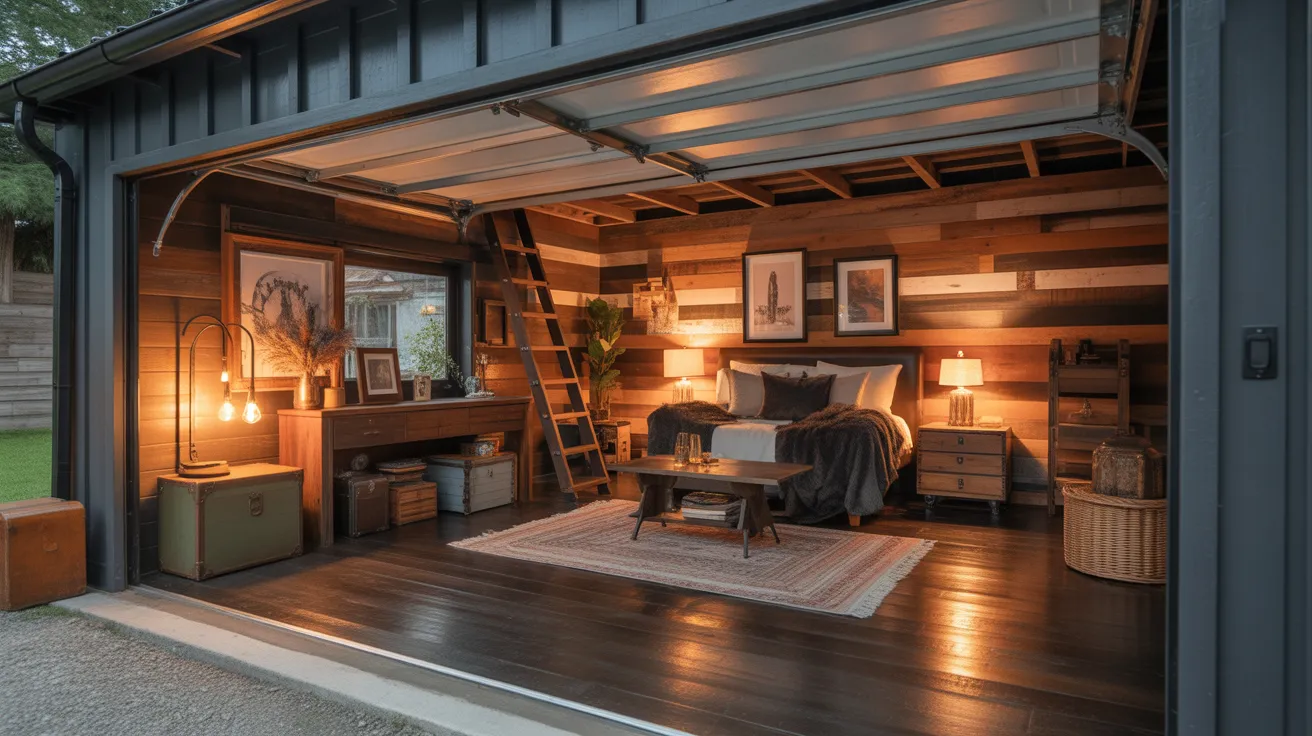
This design brings an instant sense of warmth and comfort that makes the loft feel like a personal escape. The use of reclaimed wood adds texture and history, which gives the space a unique personality that newer materials often lack. I’ve noticed that warm lighting plays a huge role here, as it enhances the natural tones and creates a relaxing atmosphere. It transforms a simple garage loft into a cozy retreat where you actually want to spend time, whether it’s for relaxing evenings or quiet weekends indoors.
Another reason this idea works so well is its emotional connection to nature and comfort. The layered textures, from rugs to wooden finishes, create a lived-in feel that’s both welcoming and practical. In my experience, people are naturally drawn to spaces that feel warm and grounded like this. It’s also a great way to make use of recycled materials, adding both sustainability and character. This style shows how garage loft designs can go beyond modern trends and create something timeless, cozy, and deeply personal.
4. Glass Railing Loft
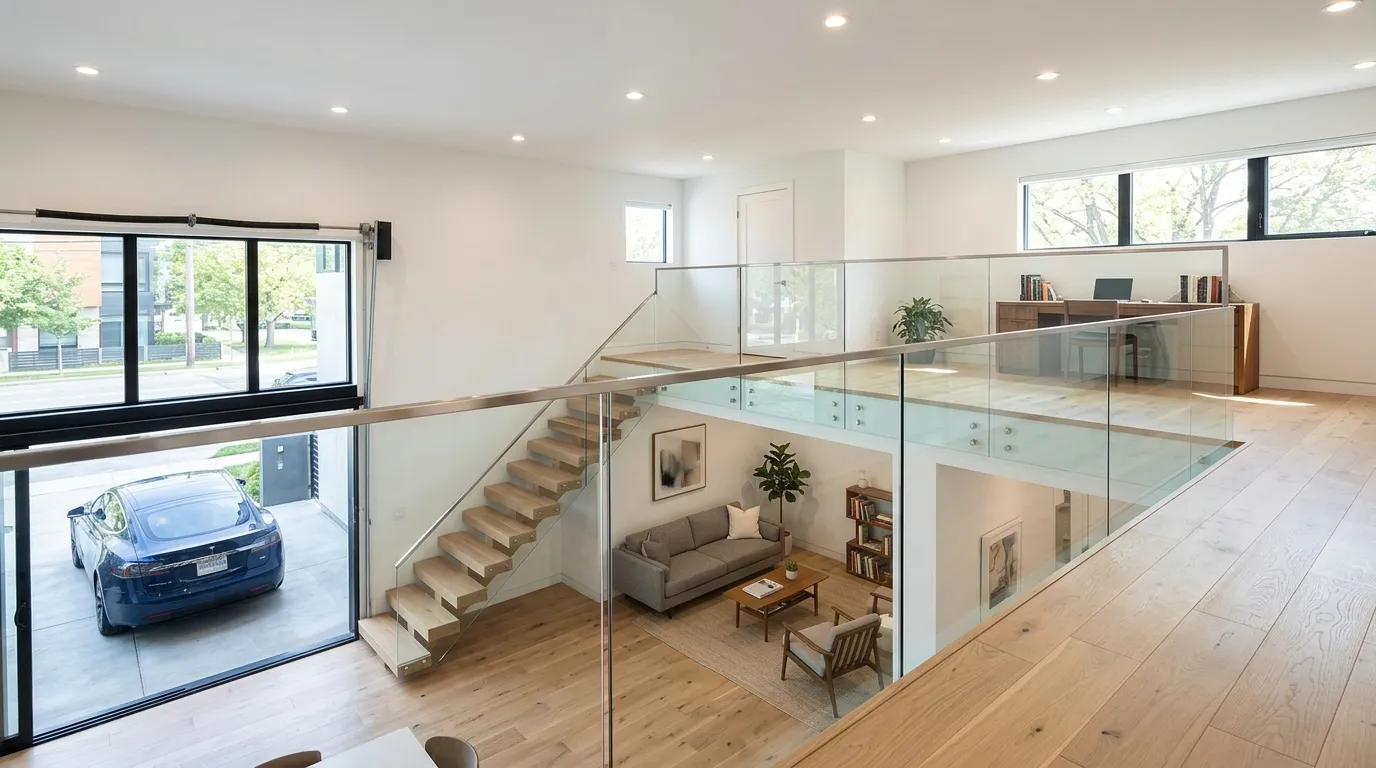
This design instantly creates a sense of openness that many loft spaces struggle to achieve. The transparent railing removes visual barriers, allowing your eyes to travel freely across the room. I’ve noticed that even compact lofts feel significantly larger when solid dividers are replaced with glass. It enhances both natural and artificial light, making the entire area feel brighter and more inviting. The result is a clean, modern environment that feels less confined and more connected, which is exactly what most homeowners want from an elevated garage space.
Beyond aesthetics, this setup also improves how the space functions daily. The openness makes communication and movement between levels feel more natural and less restricted. In my experience, it’s especially effective in homes where the loft serves as a living or relaxation area. Pairing glass with warm materials like wood or soft textiles prevents the space from feeling too sterile. That balance creates a refined yet livable environment, proving that smart structural choices can dramatically improve both the look and feel of a loft without adding unnecessary complexity.
5. Compact Studio Loft
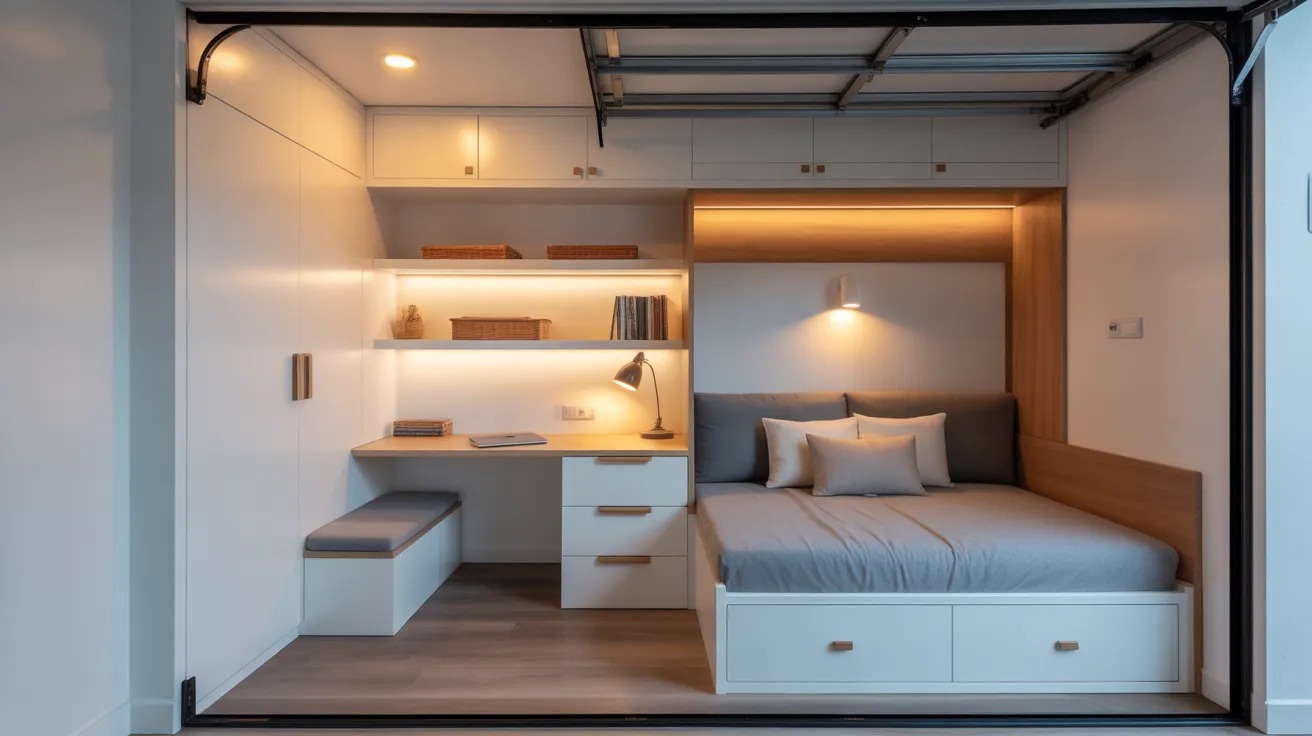
This layout proves that even the smallest loft can feel complete and comfortable with the right planning. Every piece of furniture serves a purpose, which helps eliminate wasted space and clutter. I’ve seen this approach work incredibly well in homes where the loft needs to function as a bedroom, workspace, or even a rental unit. The simplicity keeps the area practical while still feeling modern and inviting. It transforms a tight upper space into a fully functional living zone that supports everyday needs without feeling overwhelming.
What makes this idea truly valuable is how it encourages smarter living habits. With limited room, organization becomes effortless because everything has a designated place. In my experience, people tend to maintain these setups better because the design naturally supports cleanliness and order. Choosing foldable or built-in elements also adds flexibility, allowing the space to adapt when needed. This type of loft setup shows how thoughtful design can turn even the most compact areas into highly efficient, stylish, and comfortable environments.
6. Floating Bed Loft
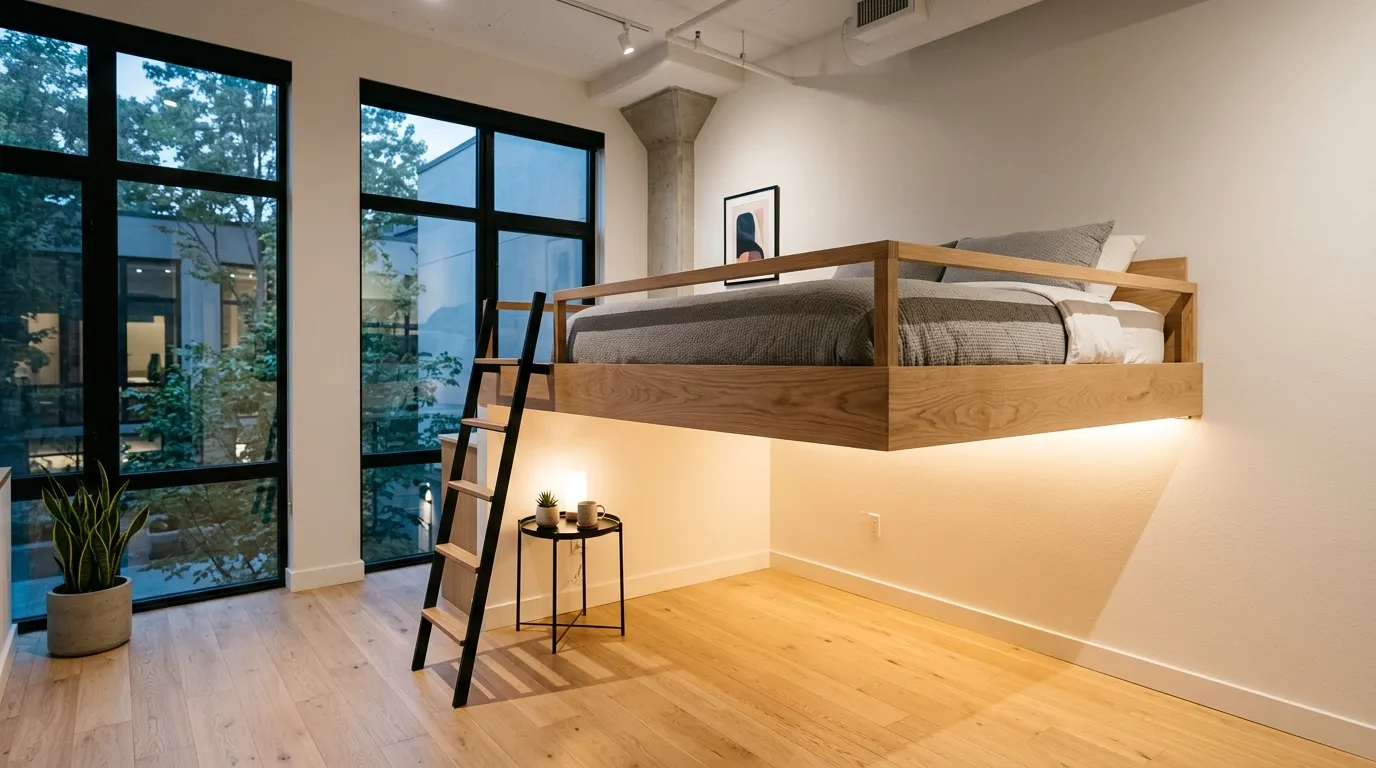
This design immediately captures attention with its clean and almost weightless appearance. The floating bed creates a strong focal point while keeping the floor area open and uncluttered. I’ve noticed that this setup works especially well in lofts where space is limited but style is a priority. The open area underneath can be used creatively, whether for storage, seating, or simply maintaining a spacious feel. It transforms the loft into something unique and modern, making the entire space feel thoughtfully designed rather than just functional.
Another major advantage is how this layout improves both movement and visual flow. Without bulky furniture blocking the floor, the space feels easier to navigate and more breathable. In my experience, adding soft lighting beneath the bed enhances the floating effect and creates a cozy atmosphere at night. This combination of design and practicality makes it a popular choice for modern interiors. It shows how one bold feature can completely redefine a loft, turning it into a stylish and efficient space that feels both innovative and comfortable.
7. Mezzanine Lounge Loft
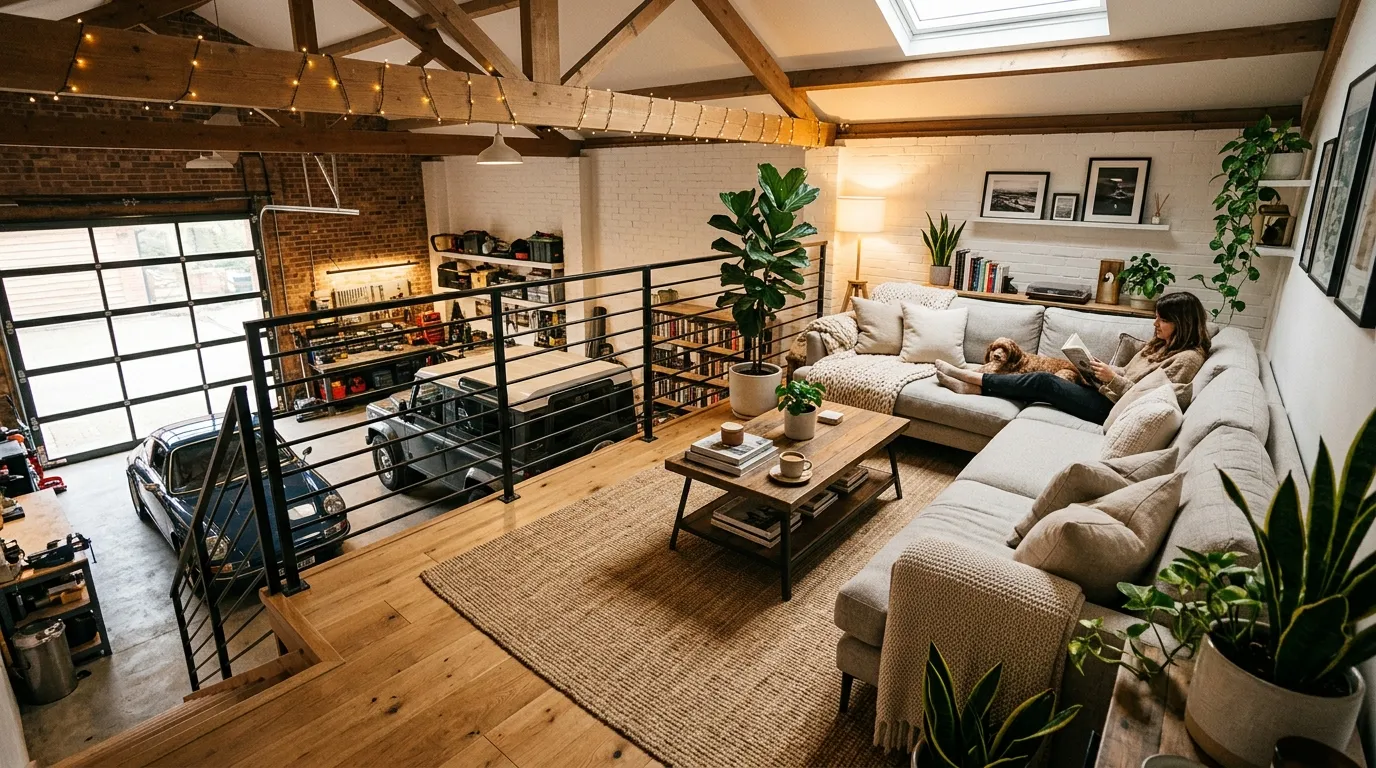
This setup instantly turns an unused upper area into a comfortable and inviting retreat. The mezzanine layout allows you to enjoy a separate space without completely closing it off from the rest of the home. I’ve noticed that this kind of design works beautifully for people who want a quiet corner without feeling isolated. The open railing keeps everything connected while still defining the area. It transforms a basic loft into a cozy lounge where you can unwind, read, or simply relax after a long day.
What makes this idea especially effective is its flexibility and ease of use. The space can adapt to different needs, from a casual hangout to a peaceful reading nook. In my experience, adding soft textures like cushions and rugs makes a big difference in how inviting the space feels. The elevated position also gives a unique perspective of the home, which adds to its charm. This type of loft design proves that you don’t need complex changes to create a functional and enjoyable living area above your garage.
8. Modern Black Loft
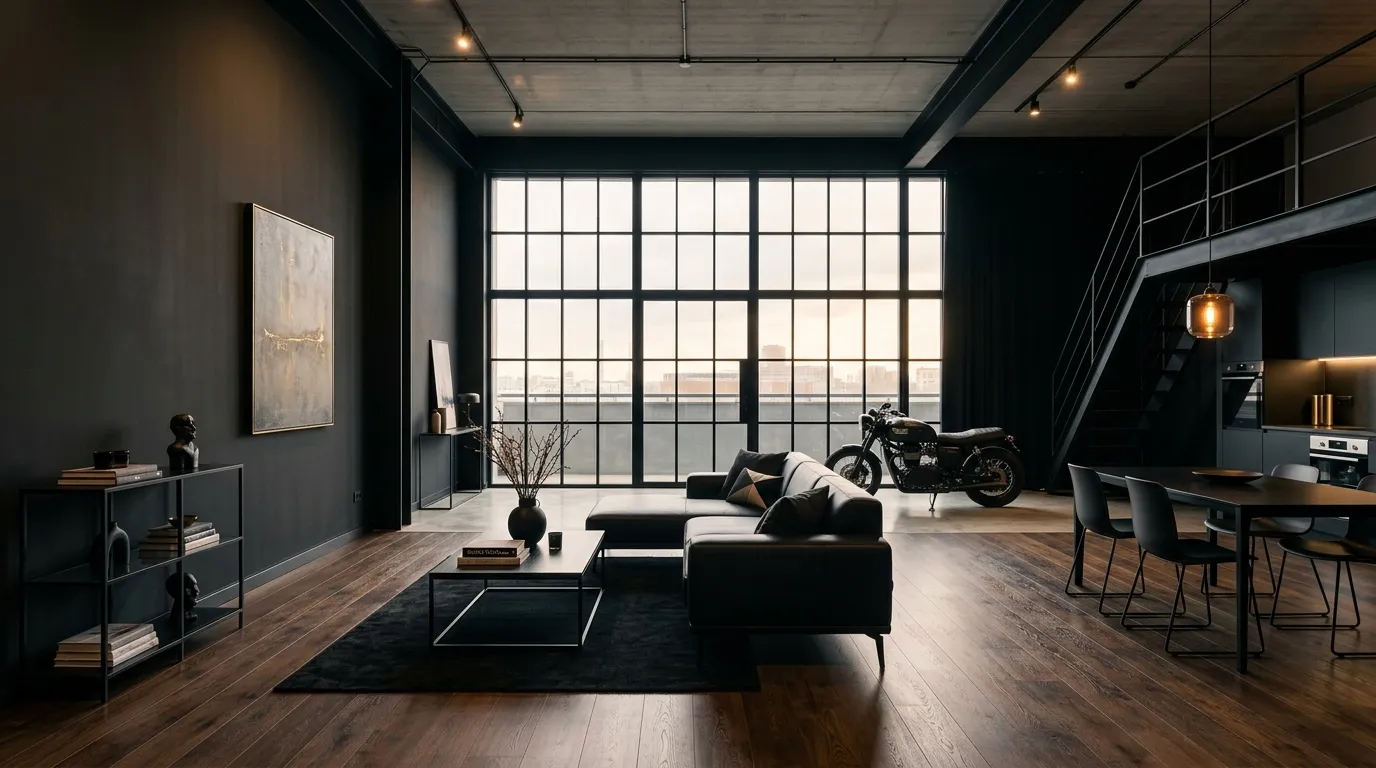
This design delivers instant impact with its bold and confident look. The use of black tones creates depth and a sense of luxury that feels modern and refined. I’ve seen this style work incredibly well when balanced with the right lighting, which softens the darkness and keeps the space comfortable. The simplicity of the design ensures that it never feels cluttered, allowing each element to stand out. It transforms a plain loft into a statement space that feels both stylish and intentional.
Another reason this idea works so well is its ability to hide imperfections and maintain a clean appearance. Dark surfaces are often more forgiving when it comes to daily wear, which makes them practical for long-term use. In my experience, pairing black with subtle textures like wood or soft fabrics adds warmth and prevents the space from feeling flat. This approach creates a perfect balance between bold aesthetics and everyday comfort, making the loft feel both dramatic and livable at the same time.
9. Skylight Bright Loft
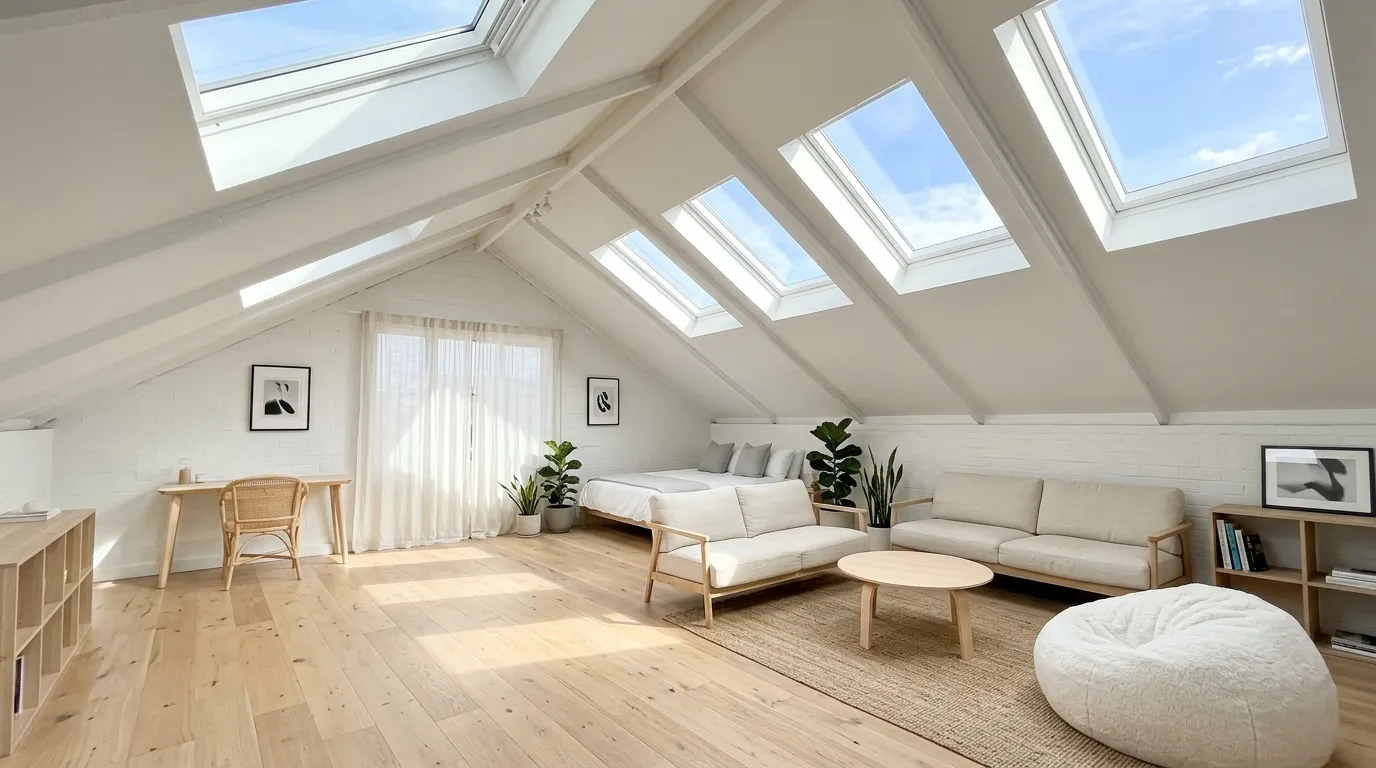
This design completely transforms the feel of a loft by bringing in abundant natural light from above. Skylights change how the space is experienced throughout the day, creating dynamic lighting and soft shadows that make everything feel alive. I’ve noticed that even smaller lofts feel significantly larger when natural light is introduced from the ceiling. It creates a bright and uplifting environment that feels refreshing and open. This approach turns a previously dim area into one of the most inviting parts of the home.
Beyond aesthetics, this idea also improves comfort and energy efficiency in a very practical way. Natural light reduces the need for artificial lighting during the day, which can make the space more sustainable and cost-effective. In my experience, people naturally spend more time in areas that feel bright and airy like this. Adding light fabrics and neutral tones enhances the effect even further. This type of setup shows how a simple architectural feature can completely elevate a loft, making it feel more vibrant and enjoyable to use.
10. Open Concept Loft
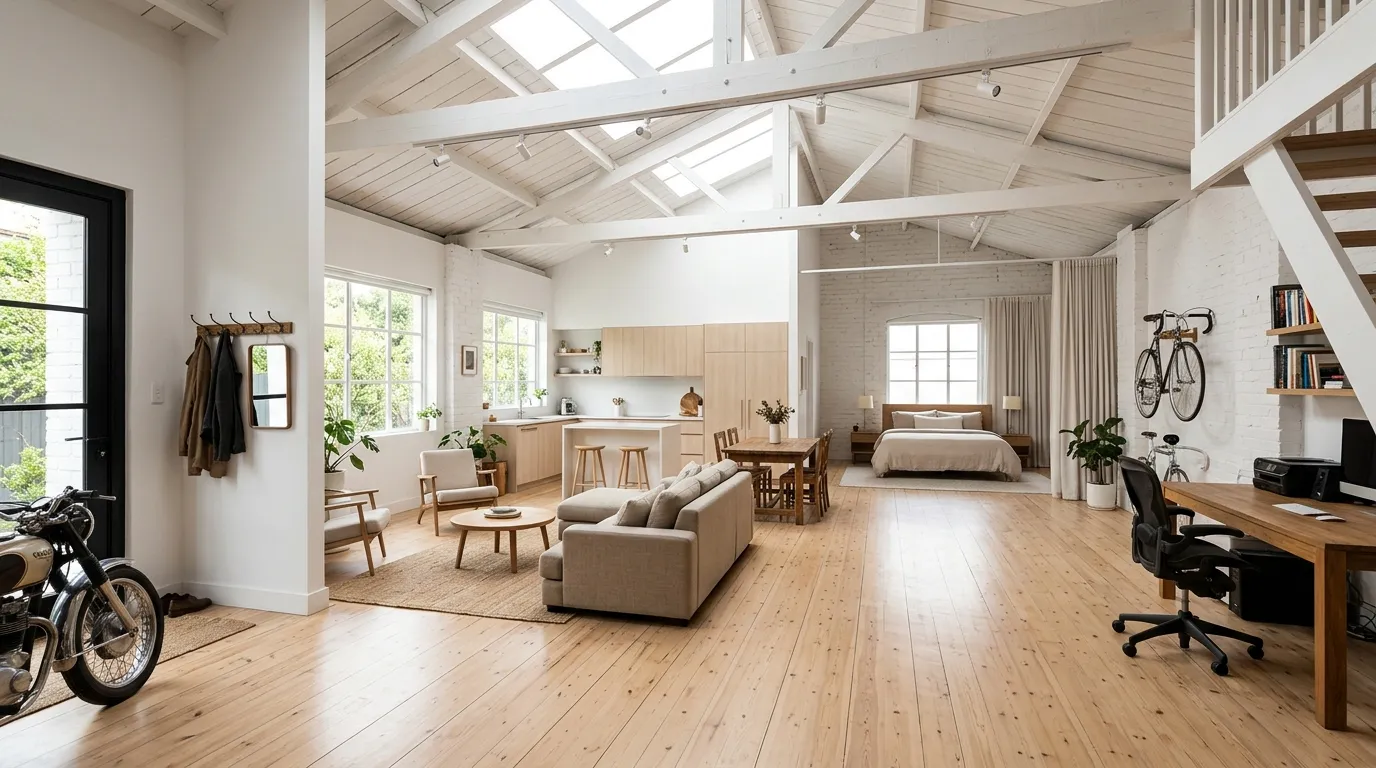
This layout instantly creates a sense of freedom and flow that many enclosed lofts lack. By removing unnecessary walls and partitions, the entire space feels connected and easy to navigate. I’ve noticed that this approach works especially well in lofts where square footage is limited but functionality is essential. The openness allows light to travel freely, making every corner feel brighter and more inviting. It transforms the loft into a flexible living area where different activities can coexist without feeling cramped or disconnected.
Another key benefit is how adaptable this design is for everyday life. You can easily shift between relaxing, working, or sleeping without needing separate rooms. In my experience, this kind of layout encourages a more organized and intentional use of space. Using rugs or furniture placement to define zones keeps everything visually structured without adding physical barriers. This idea shows how thoughtful planning can turn a simple loft into a highly functional and visually cohesive environment that supports modern living effortlessly.
11. Loft Home Office
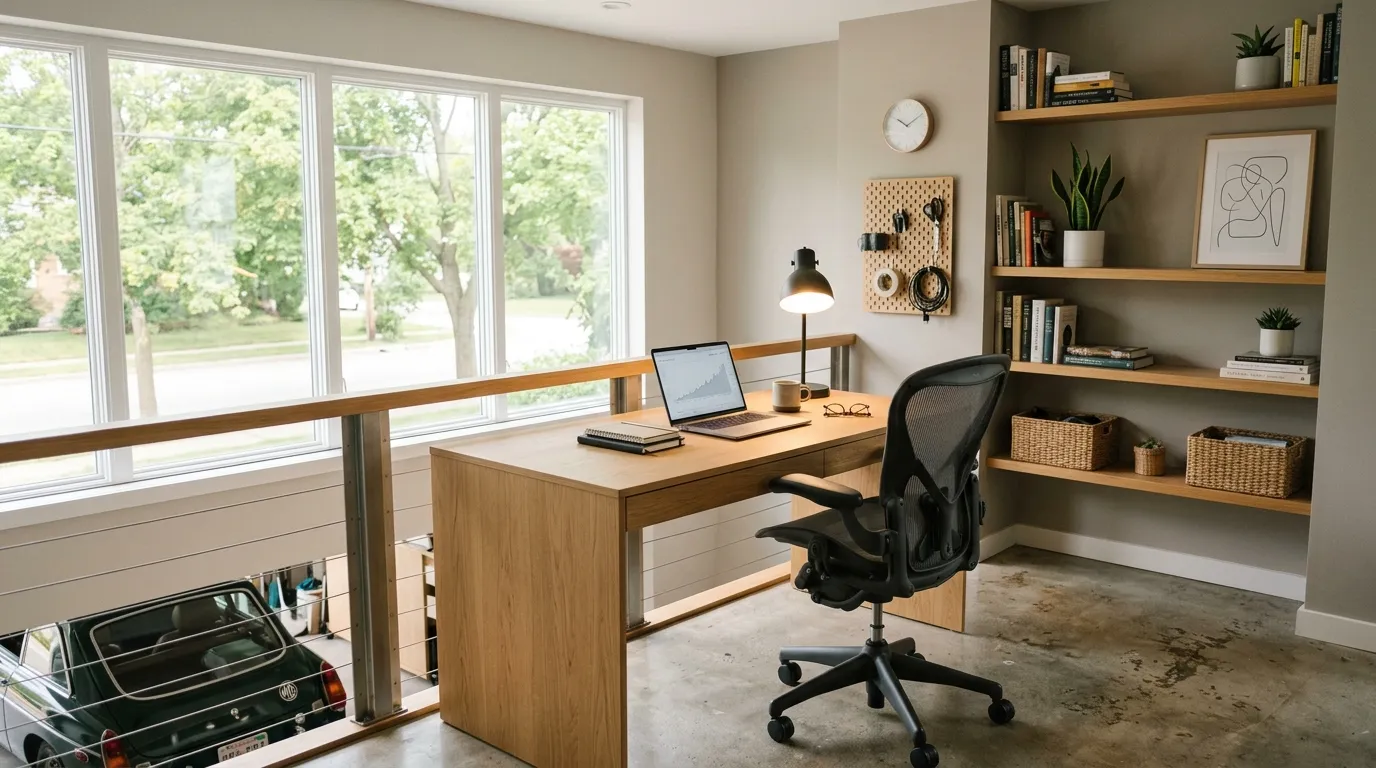
This setup turns an underused loft into a highly productive and focused workspace. The elevated position naturally creates separation from the rest of the home, which helps reduce distractions. I’ve seen this work especially well for remote workers who need a quiet and consistent environment. Natural light plays a big role here, as it boosts energy and concentration throughout the day. It transforms the loft into a practical office that feels both comfortable and efficient, making daily tasks easier to manage.
What makes this idea truly valuable is its ability to improve work-life balance without requiring extra rooms. Having a dedicated area for work helps mentally separate professional tasks from personal time. In my experience, even a simple desk setup in a well-designed loft can significantly increase productivity. Adding organized storage and minimal decor keeps the space clean and focused. This type of design proves that a garage loft can become a highly functional workspace that supports both creativity and efficiency in everyday life.
12. Cozy Reading Loft
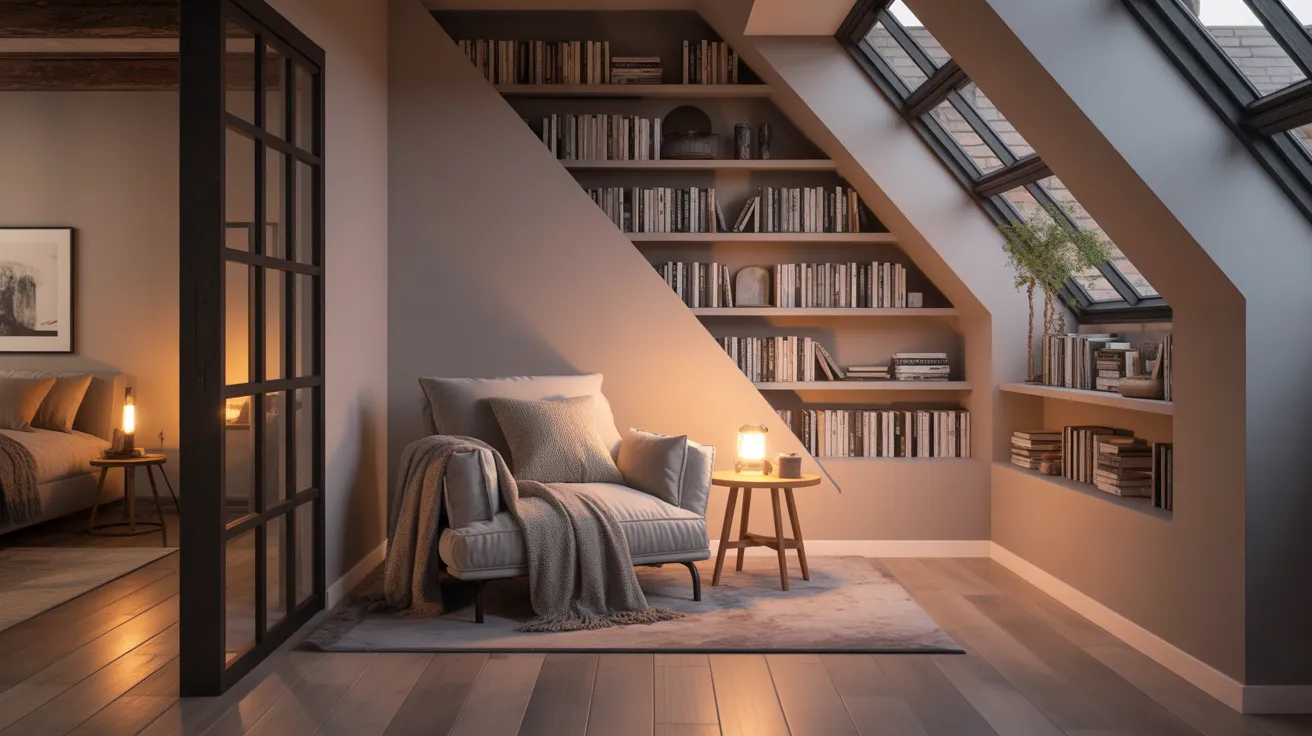
This design transforms the loft into a calm and comforting retreat that feels separate from the busy parts of the home. The combination of soft seating, warm lighting, and accessible books creates an environment that naturally encourages relaxation. I’ve noticed that even a small corner can feel incredibly inviting when layered with cozy textures. It turns the loft into a personal space where you can slow down, read, and recharge. The atmosphere feels intimate and peaceful, making it perfect for quiet moments.
Another reason this idea works so well is its emotional and mental benefit. Having a dedicated space for relaxation helps create a healthy balance in daily routines. In my experience, people are more likely to read or unwind when the environment is specifically designed for it. Adding warm lighting and comfortable seating makes the space feel even more inviting. This setup shows how a simple design choice can turn a loft into a meaningful and restorative area that supports both comfort and well-being.
13. Glass Wall Loft
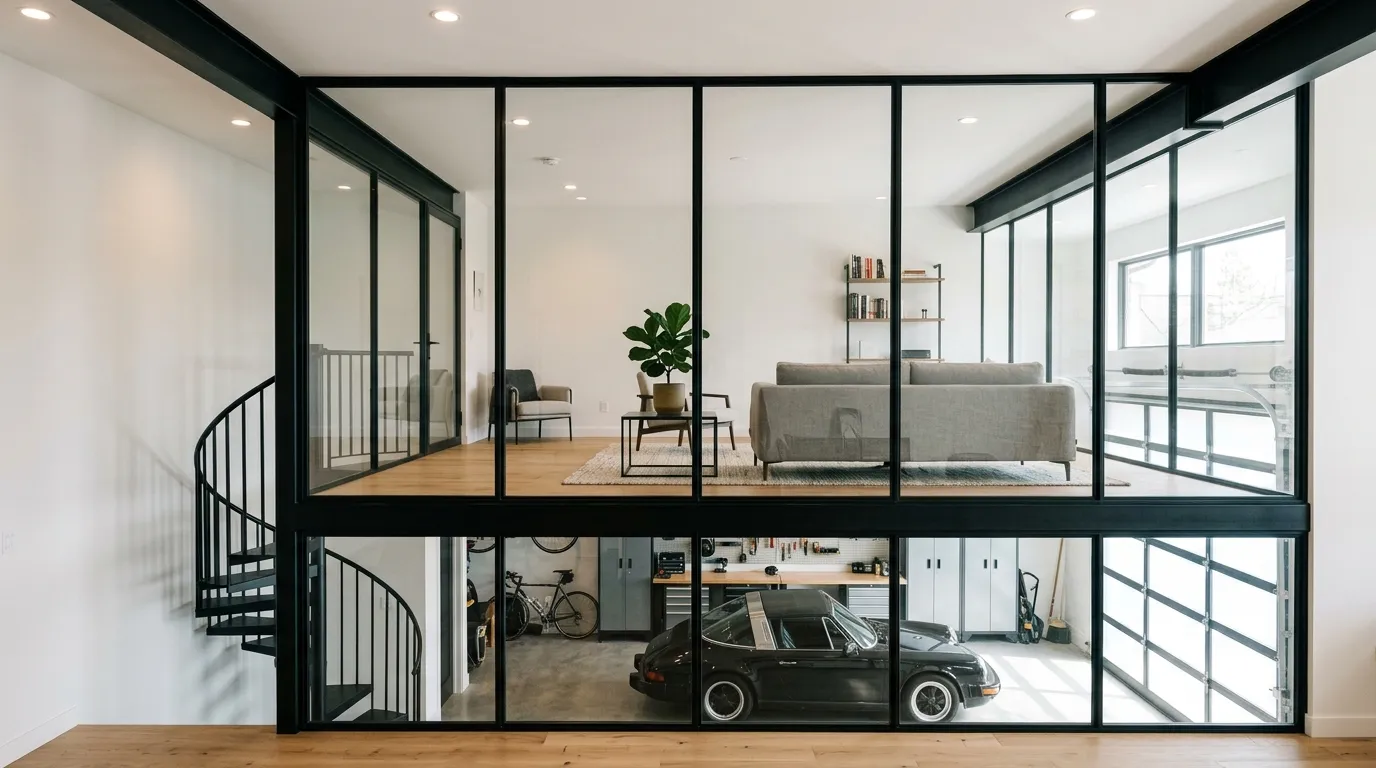
This design offers the perfect balance between openness and structure, which many lofts struggle to achieve. The glass walls allow light to pass through freely while still creating a defined boundary for the space. I’ve noticed that this setup works especially well in homes where you want a sense of privacy without sacrificing brightness. It transforms the loft into a distinct area while keeping the overall layout cohesive. The transparency adds a clean and modern look that feels both functional and visually appealing.
Another major advantage is how it enhances the overall flow of the home. Instead of feeling like a closed-off upper space, the loft remains visually connected to the rest of the interior. In my experience, this makes the entire home feel larger and more thoughtfully designed. Pairing glass with subtle frames or soft textures helps maintain warmth and prevents the space from feeling too sterile. This idea shows how smart design elements can create separation without heaviness, making the loft both practical and elegant.
14. Boho Chic Loft
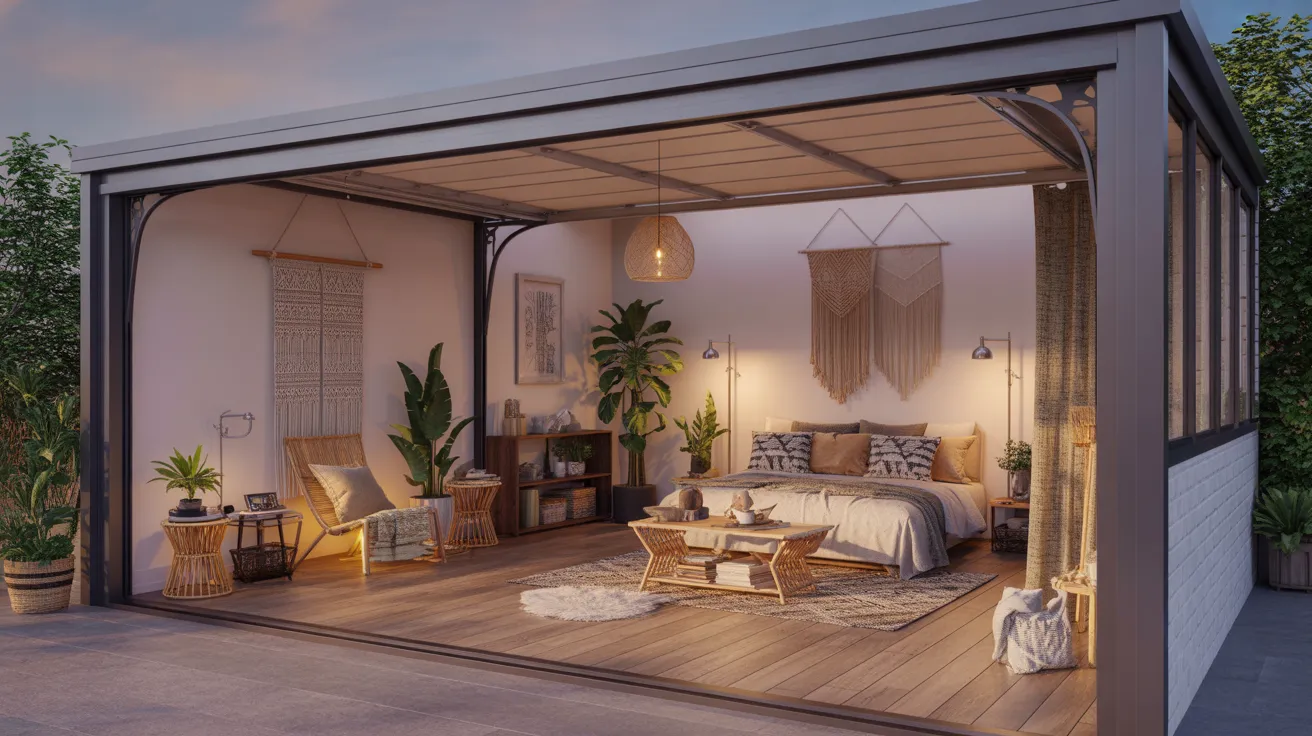
This design brings a relaxed and creative energy that instantly makes the loft feel personal and inviting. The mix of textures, patterns, and natural elements creates a space that feels lived-in and full of character. I’ve seen this style work beautifully for people who enjoy decorating with freedom rather than strict rules. The combination of soft fabrics, plants, and warm tones transforms the loft into a cozy retreat that feels both stylish and comfortable. It encourages self-expression while maintaining a balanced and harmonious look.
What makes this idea stand out is its flexibility and emotional warmth. You can easily update or change elements without needing a complete redesign. In my experience, adding plants and layered textiles makes the biggest difference in creating that signature boho feel. The space naturally feels more relaxed and welcoming, which makes it perfect for everyday living. This approach shows how a loft can become a creative and comforting environment that reflects personality while still being functional and visually appealing.
15. Built-In Storage Loft
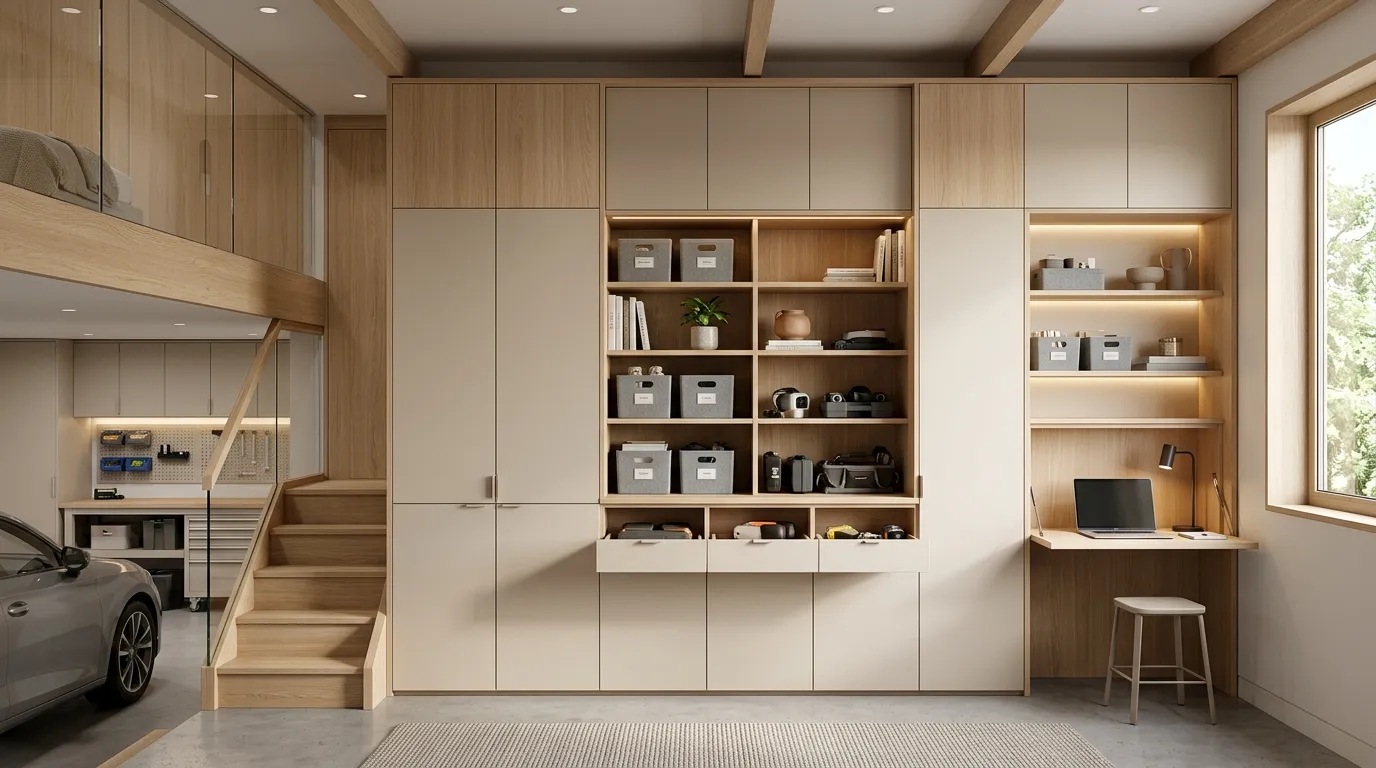
This design focuses on making the most of every available inch, which is essential in loft spaces. Built-in storage keeps everything organized without adding bulky furniture that takes up valuable room. I’ve noticed that when storage is integrated into the design, the space automatically feels cleaner and more intentional. It transforms the loft into a highly efficient area where everything has its place. This approach is especially useful for maintaining a tidy and visually pleasing environment without constant effort.
Another key benefit is how it supports long-term organization and ease of use. With designated storage areas, it becomes much easier to maintain order in daily life. In my experience, people are far more likely to keep a space clean when storage is convenient and accessible. The seamless design also keeps the aesthetic minimal and uncluttered. This idea proves that functionality and style can work together perfectly, turning a loft into a practical yet beautifully organized part of the home.
16. Loft Bedroom Retreat
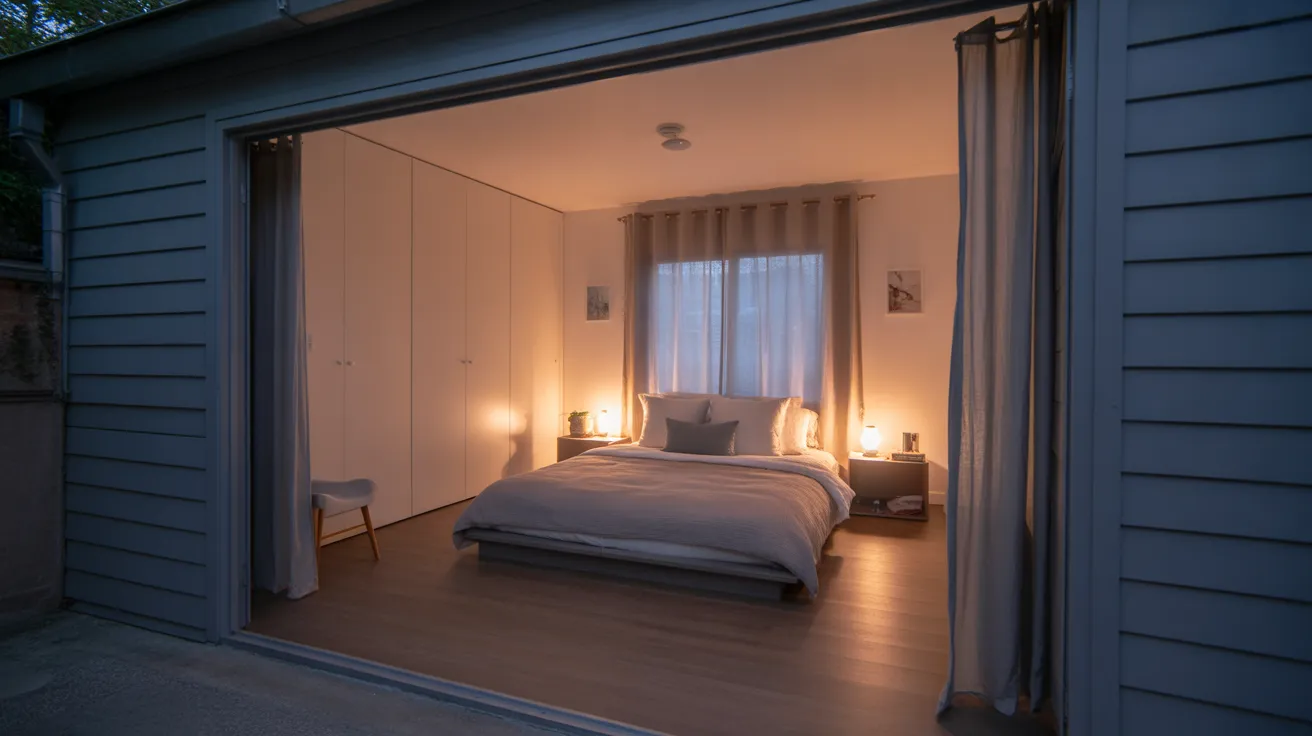
This setup transforms the loft into a peaceful sleeping sanctuary that feels separate from the rest of the home. The elevated position naturally creates a sense of privacy, making it perfect for rest and relaxation. I’ve noticed that using soft colors and minimal decor helps quiet the mind, especially in spaces meant for sleep. It turns a simple upper level into a calming retreat where you can fully unwind. The overall atmosphere feels light, comfortable, and intentionally designed for better rest.
Another reason this idea works so well is its simplicity and practicality. By focusing only on essential furniture, the space remains uncluttered and easy to maintain. In my experience, a clean and minimal bedroom setup leads to better sleep quality and a more peaceful environment. Adding warm lighting and soft textures enhances comfort without overwhelming the design. This approach shows how a loft can become a highly functional bedroom that feels cozy, private, and perfectly suited for everyday living.
17. Dual-Level Loft
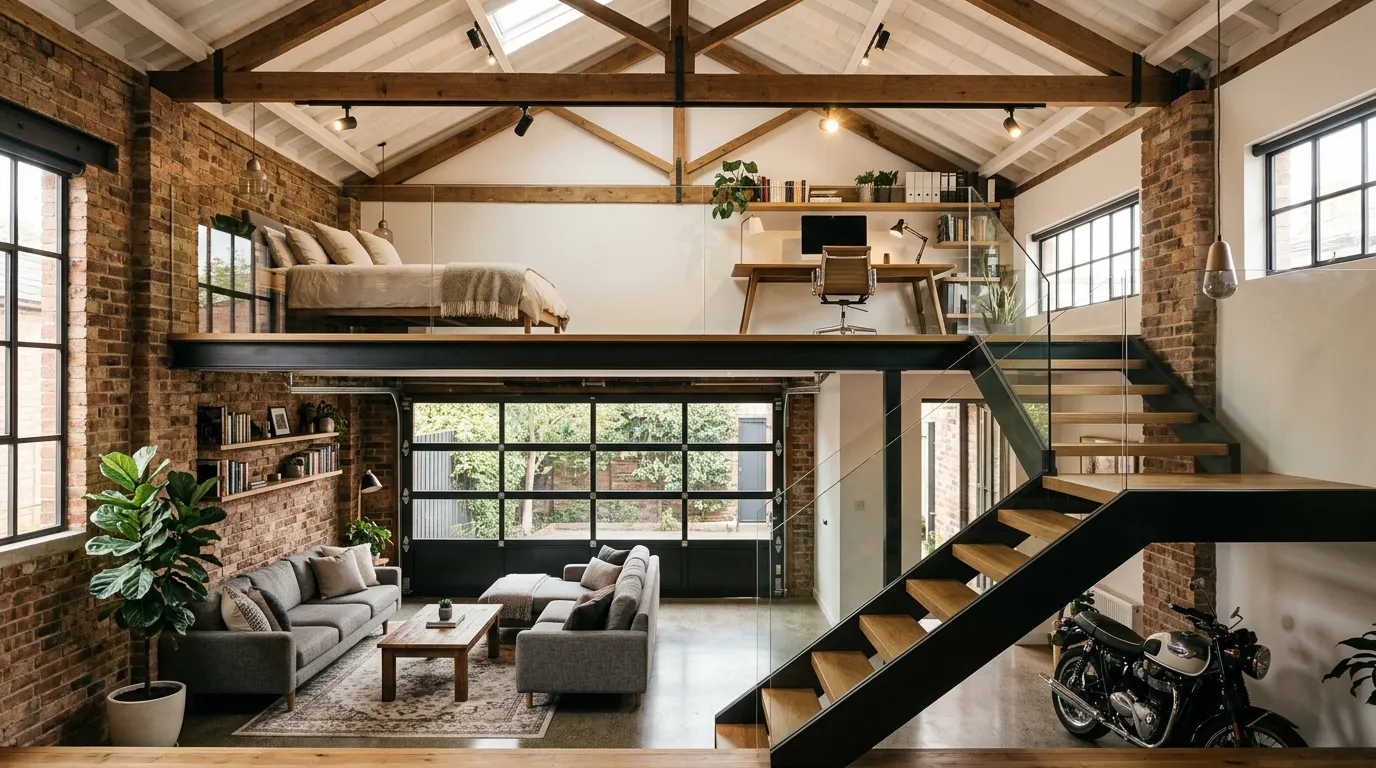
This design makes full use of vertical space by creating two distinct functional zones within the loft. Instead of spreading everything across one level, it introduces a layered layout that feels both dynamic and organized. I’ve seen this approach work especially well in homes where space is limited but multiple uses are needed. The separation helps each area serve its purpose without interference. It transforms the loft into a structured and efficient environment that feels thoughtfully planned and visually engaging.
Another advantage is how it enhances both privacy and usability at the same time. Having separate levels allows you to divide activities like sleeping, working, or relaxing without needing additional rooms. In my experience, this layout makes daily routines feel more organized and less chaotic. The vertical design also adds a sense of uniqueness that standard layouts often lack. This idea shows how smart planning can turn a loft into a multi-functional space that feels larger, more efficient, and architecturally interesting.
18. Neutral Tone Loft
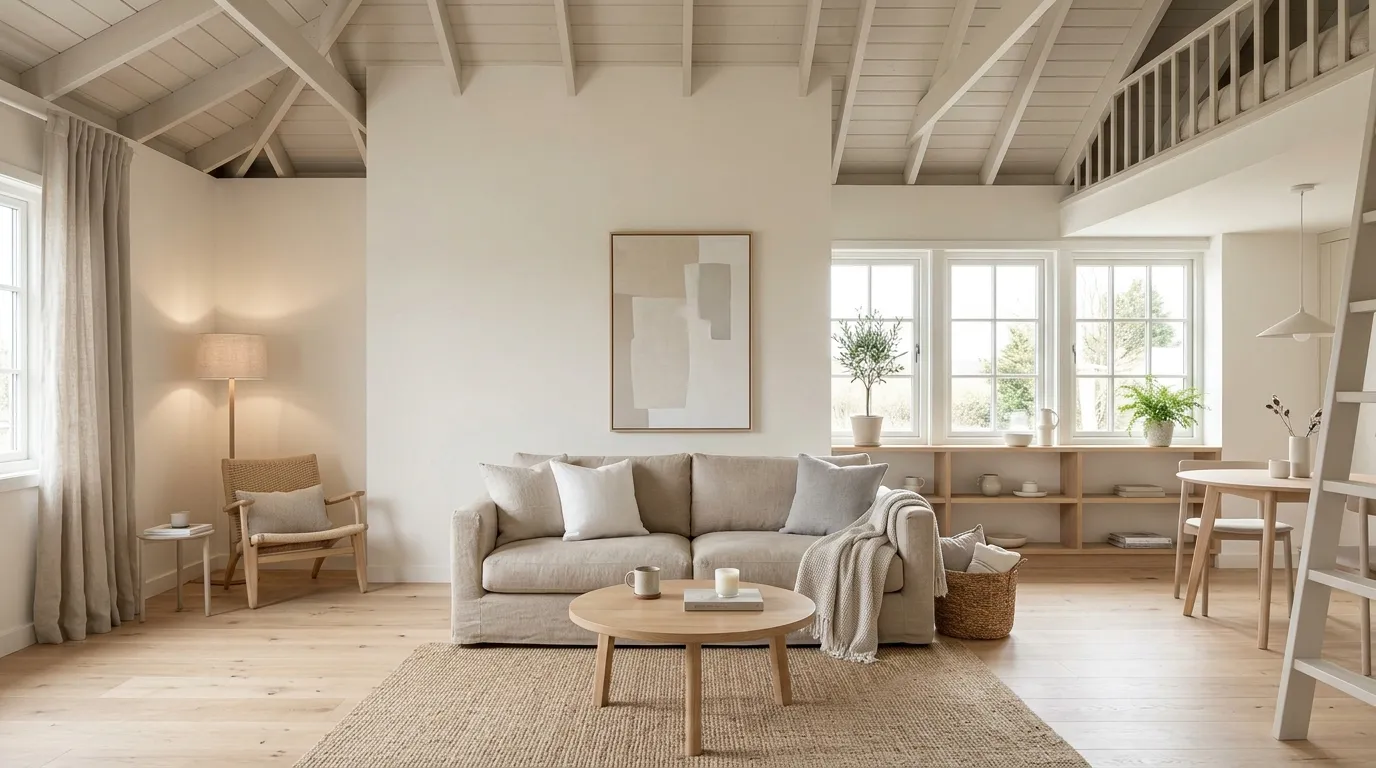
This design creates a calm and balanced environment that feels both modern and timeless. Neutral tones help reduce visual noise, making the loft feel more spacious and organized. I’ve noticed that spaces with soft color palettes are easier to live in because they don’t overwhelm the senses. It transforms the loft into a peaceful area that works well for relaxing, working, or everyday use. The simplicity of the colors allows other design elements to stand out naturally without competing for attention.
Another reason this idea is so effective is its flexibility and long-term appeal. Neutral spaces are easy to refresh with small changes like cushions, artwork, or lighting. In my experience, homeowners prefer this approach because it adapts to different trends without requiring a full redesign. The balanced palette also makes the space feel more cohesive and polished. This setup proves that a simple color strategy can completely elevate a loft, making it feel elegant, functional, and easy to maintain over time.
19. Industrial Brick Loft
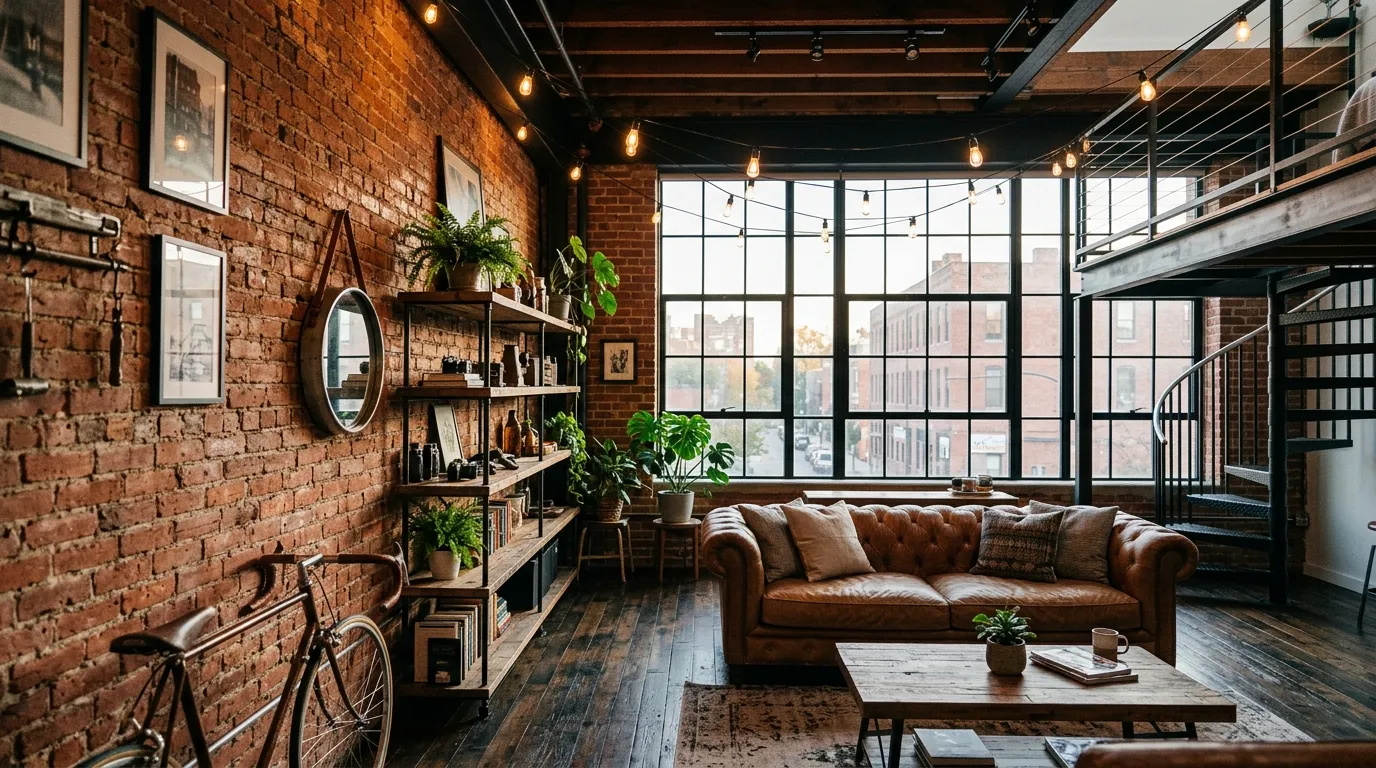
This design instantly brings depth and personality to a loft through its rich textures and warm tones. The exposed brick acts as a natural focal point, giving the space a raw yet inviting character. I’ve noticed that combining brick with metal and wood creates a balanced look that feels both rugged and comfortable. It transforms a plain loft into a space that feels established and full of history. The warmth of the materials prevents the industrial style from feeling cold, making it more livable and welcoming.
Another advantage of this setup is its durability and low-maintenance appeal. Brick walls are long-lasting and require minimal upkeep, which makes them practical for everyday living. In my experience, they also pair beautifully with simple furnishings, allowing the texture to stand out without overcrowding the space. Adding warm lighting enhances the tones and creates a cozy atmosphere. This approach shows how strong material choices can elevate a loft into a visually rich and functional area that feels both stylish and timeless.
20. Minimal White Loft
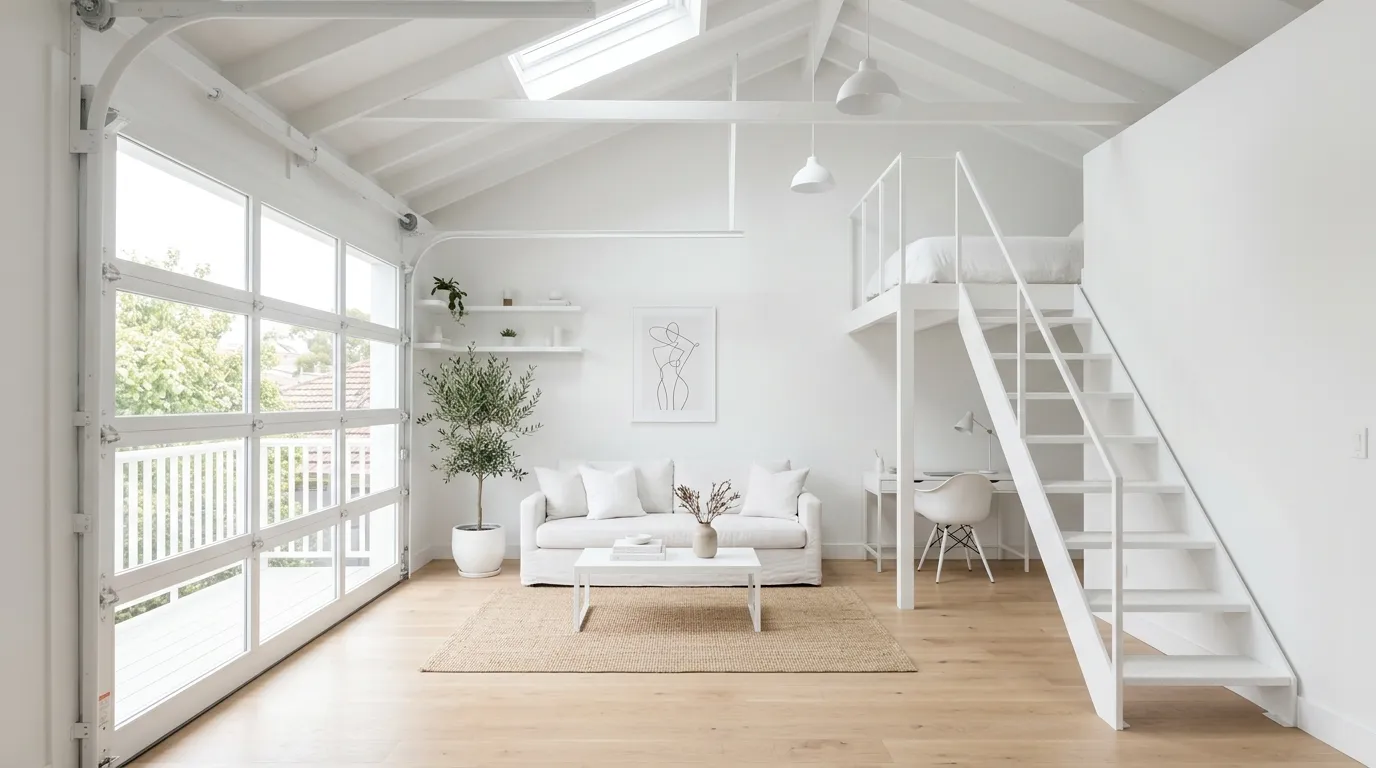
This design creates an instantly fresh and open atmosphere that feels both modern and calming. The all-white palette reflects light across the space, making even smaller lofts feel significantly larger. I’ve noticed that this approach works especially well when natural light is available, as it enhances the brightness even further. It transforms the loft into a clean and peaceful environment that feels uncluttered and easy to enjoy. The simplicity allows the space to feel breathable and visually light.
What makes this idea especially practical is how easy it is to maintain and update over time. A white base acts like a blank canvas, allowing you to introduce new accents without changing the entire design. In my experience, adding subtle textures like rugs or cushions prevents the space from feeling too plain. This setup is one of the most flexible options for modern homes, showing how simplicity can create a bright, elegant, and highly adaptable loft environment.
21. Green Plant Loft
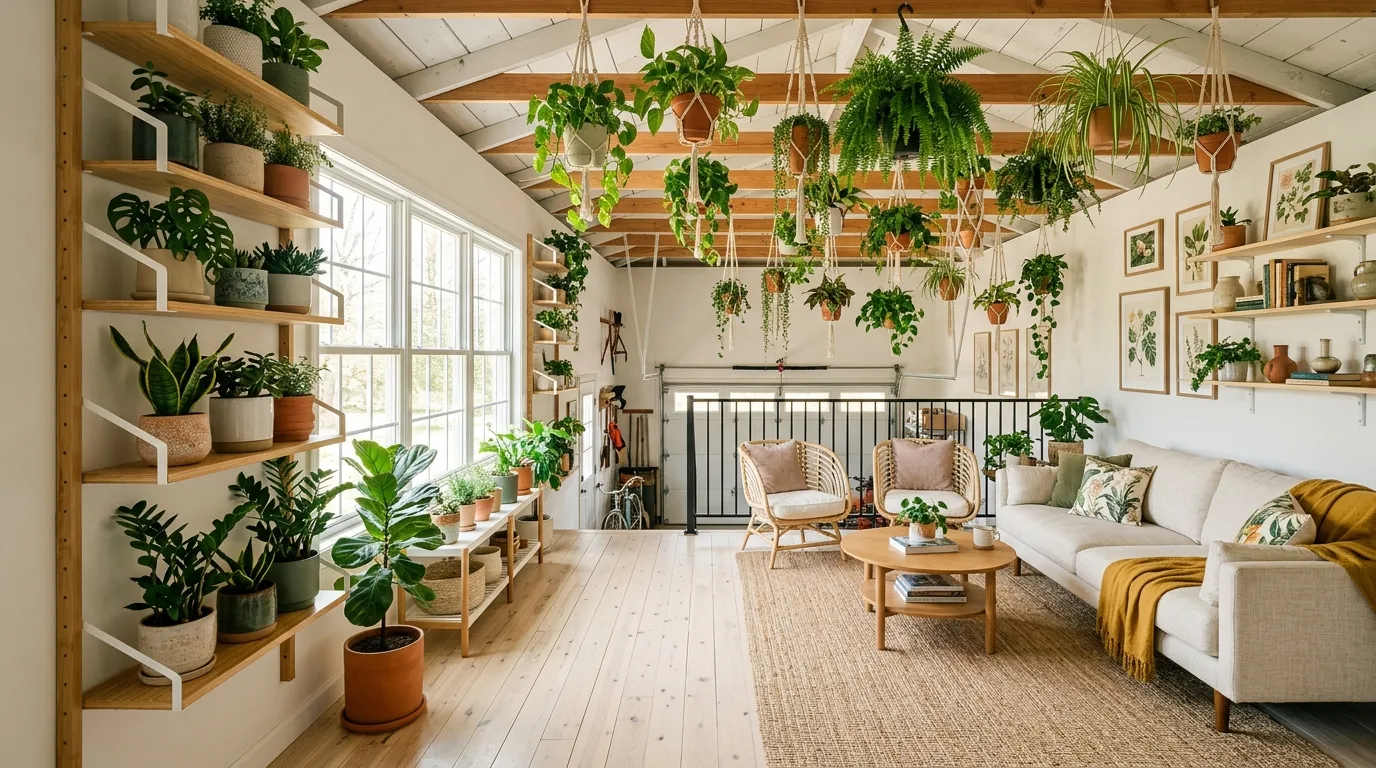
This design transforms the loft into a lively and refreshing space by incorporating natural greenery throughout. Plants instantly soften the environment and make it feel more welcoming and alive. I’ve seen this work especially well in lofts that feel a bit empty or cold, as greenery adds warmth without clutter. It creates a connection to nature that makes the space more enjoyable to spend time in. The result is a balanced and calming environment that feels both stylish and refreshing.
Another reason this idea stands out is its impact on well-being and daily comfort. Plants can improve air quality and create a more relaxing atmosphere, which enhances the overall living experience. In my experience, even a few well-placed plants can make a noticeable difference in how a space feels. Pairing greenery with natural materials like wood further enhances the effect. This setup shows how simple additions can completely elevate a loft, turning it into a healthier and more inviting part of the home.
22. Smart Tech Loft
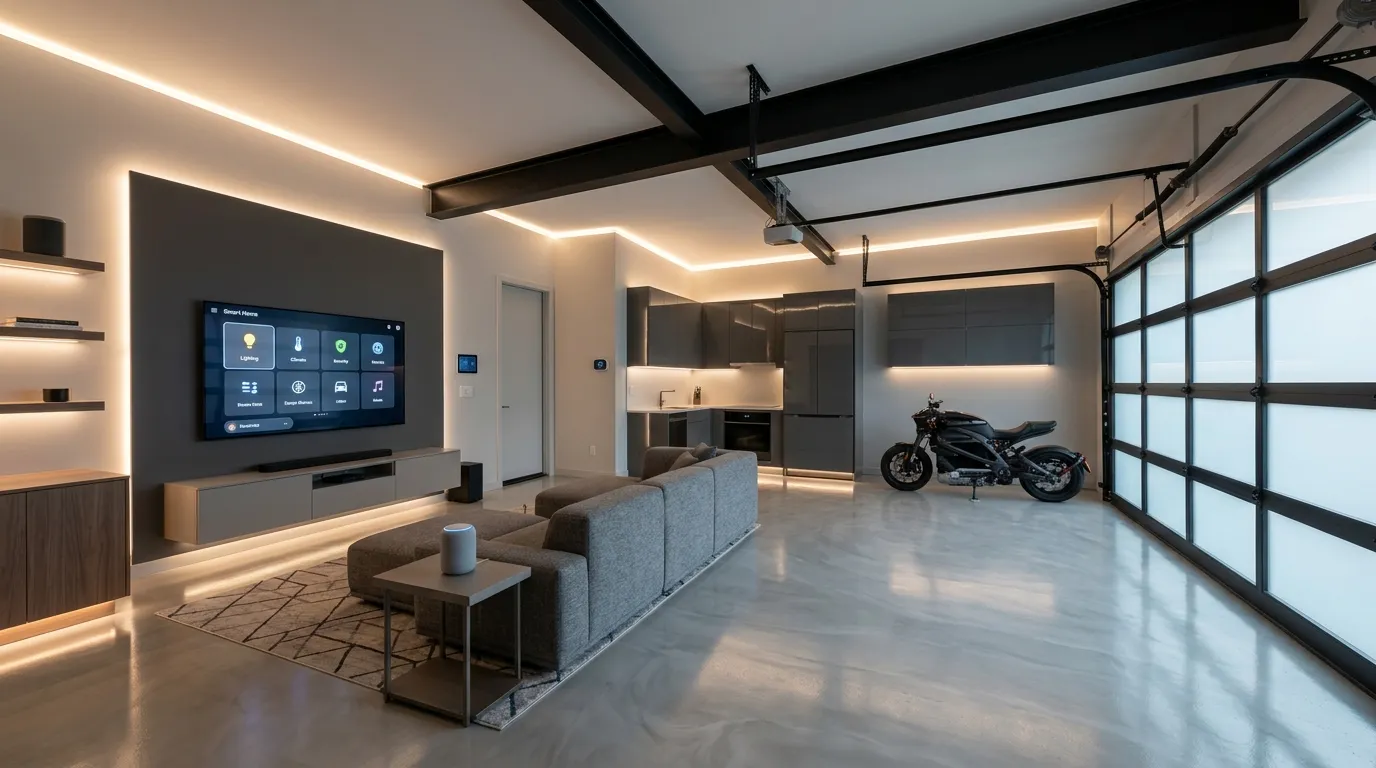
This design transforms a loft into a highly efficient and modern living space by integrating smart technology seamlessly. Lighting, temperature, and entertainment can all be controlled effortlessly, which makes everyday living smoother and more enjoyable. I’ve noticed that when technology is built into the design rather than added later, the space feels cleaner and more intentional. It turns the loft into a smart environment that adapts to your needs, whether you are relaxing, working, or entertaining guests.
Another major advantage is how it improves comfort without adding visual clutter. Hidden systems keep the space looking minimal while still offering advanced functionality. In my experience, this approach works best when combined with simple furniture and neutral tones, allowing the technology to enhance rather than dominate the design. It shows how modern upgrades can elevate a loft into a future-ready space that feels both stylish and incredibly practical for everyday use.
23. Warm Lighting Loft
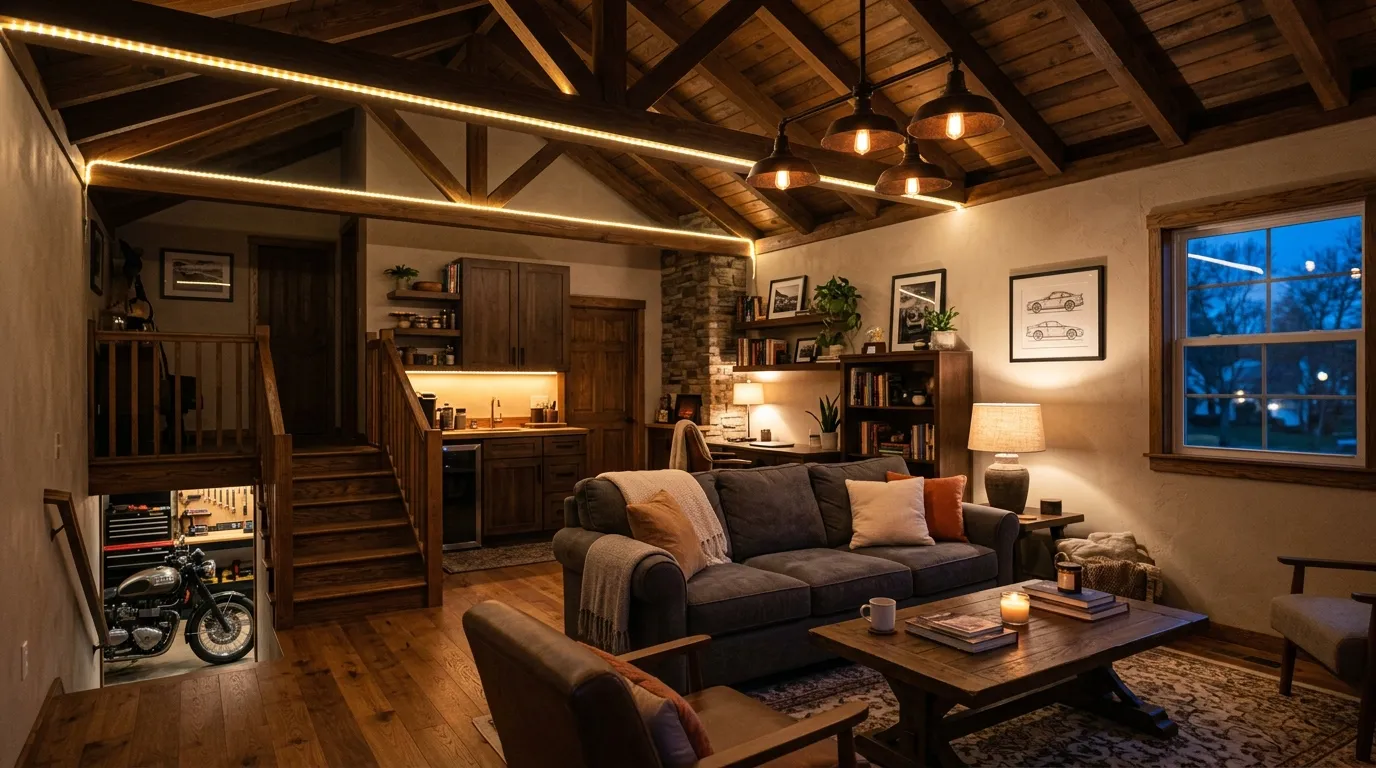
This design focuses on how lighting alone can completely change the feel of a loft. Warm tones create a soft and inviting glow that makes the space feel more comfortable and lived-in. I’ve noticed that even simple setups become more appealing when the lighting is adjusted correctly. It transforms the loft into a relaxing environment, especially during evenings when harsh lights can feel overwhelming. The gentle glow highlights textures and creates a sense of depth that makes the space feel richer.
What makes this idea especially effective is its simplicity and affordability. You don’t need major renovations to achieve a noticeable improvement in atmosphere. In my experience, layering different light sources like lamps and LED strips creates the best results. It allows you to adjust the mood depending on the time of day or activity. This approach shows how a small design choice can have a big impact, turning a basic loft into a warm and welcoming space that feels comfortable every day.
24. Multi-Use Family Loft
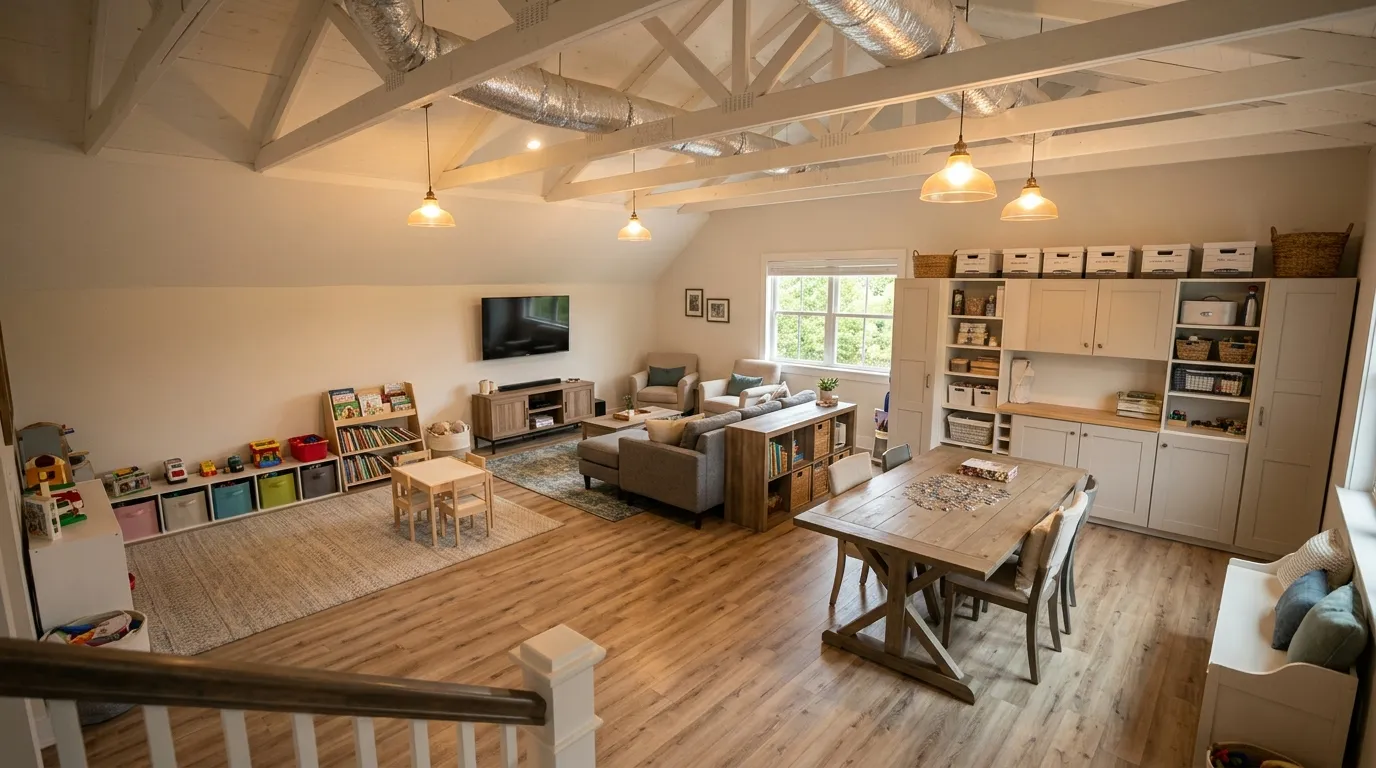
This design turns the loft into a versatile space that supports everyday family life. Instead of dedicating it to a single purpose, the layout allows for multiple activities to happen comfortably in one area. I’ve seen this work especially well in homes where extra space is limited but flexibility is essential. It transforms the loft into a shared environment where everyone can relax, play, or spend time together. The open yet organized setup keeps everything functional without feeling chaotic.
Another reason this idea stands out is its practicality and long-term value. A multi-use layout adapts easily as family needs change over time. In my experience, using durable materials and clear zones helps maintain order even with daily use. This type of setup is often considered one of the most effective Garage Loft Designs because it balances comfort, function, and flexibility. It shows how thoughtful planning can turn a loft into one of the most useful and enjoyed spaces in the entire home.
Conclusion
Transforming your loft doesn’t require a massive renovation—just the right ideas and a clear vision. These designs show how small changes can create a space that feels stylish, functional, and truly enjoyable to use. I’ve seen how even simple upgrades can completely change the energy of a home.
If you’re planning to upgrade your space, these Garage Loft Designs offer the perfect starting point. Save this post on Pinterest for later, try one idea that fits your style, and share it with someone who could use a little inspiration. Your dream space might be closer than you think.
FAQs
1. What is the best use for a garage loft space?
The best use depends on your lifestyle and needs. Many people turn it into a bedroom, home office, lounge, or even a small studio. In my experience, multi-functional setups work best because they maximize the limited space while keeping it practical and flexible for everyday use.
2. How can I make a small loft feel bigger?
Use light colors, minimal furniture, and smart storage solutions. Adding mirrors or glass elements also helps reflect light and create openness. I’ve noticed that keeping the layout simple and clutter-free makes a huge difference in how spacious the loft feels.
3. Do I need a high ceiling for a loft design?
Not necessarily. While higher ceilings offer more flexibility, even low-height lofts can be designed beautifully. The key is choosing low-profile furniture, using vertical storage, and keeping the design minimal to avoid a cramped feeling.
4. How do I add privacy to a loft space?
You can use curtains, glass partitions, wooden slats, or shelving dividers to create separation without closing off the space completely. In many cases, semi-open solutions work best because they maintain light flow while still offering privacy.
5. Is converting a garage loft expensive?
It can vary depending on the design and upgrades. Simple changes like lighting, paint, and furniture are budget-friendly, while structural changes cost more. I’ve seen many people achieve amazing results with small, affordable upgrades by focusing on smart design choices.
6. What flooring works best for garage lofts?
Wood, laminate, or vinyl flooring are popular choices because they are durable and visually appealing. Carpets can add warmth in bedroom-style lofts. In my experience, choosing easy-to-maintain materials is always a smart long-term decision.
7. How do I improve lighting in a garage loft?
Combine natural light with layered artificial lighting like ceiling lights, lamps, and LED strips. Skylights or larger windows can make a big impact if possible. I’ve noticed that warm lighting instantly makes loft spaces feel more inviting and comfortable.
8. Can a garage loft increase home value?
Yes, a well-designed loft can add functional living space, which often increases property value. Buyers usually appreciate flexible areas like offices or guest rooms, making it a worthwhile investment in many cases.