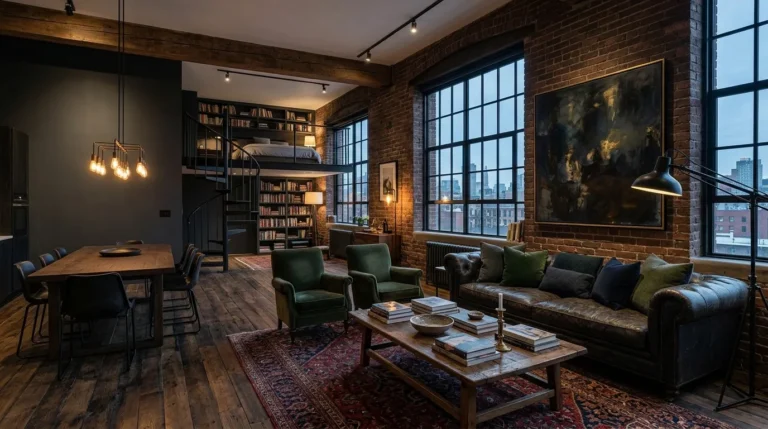
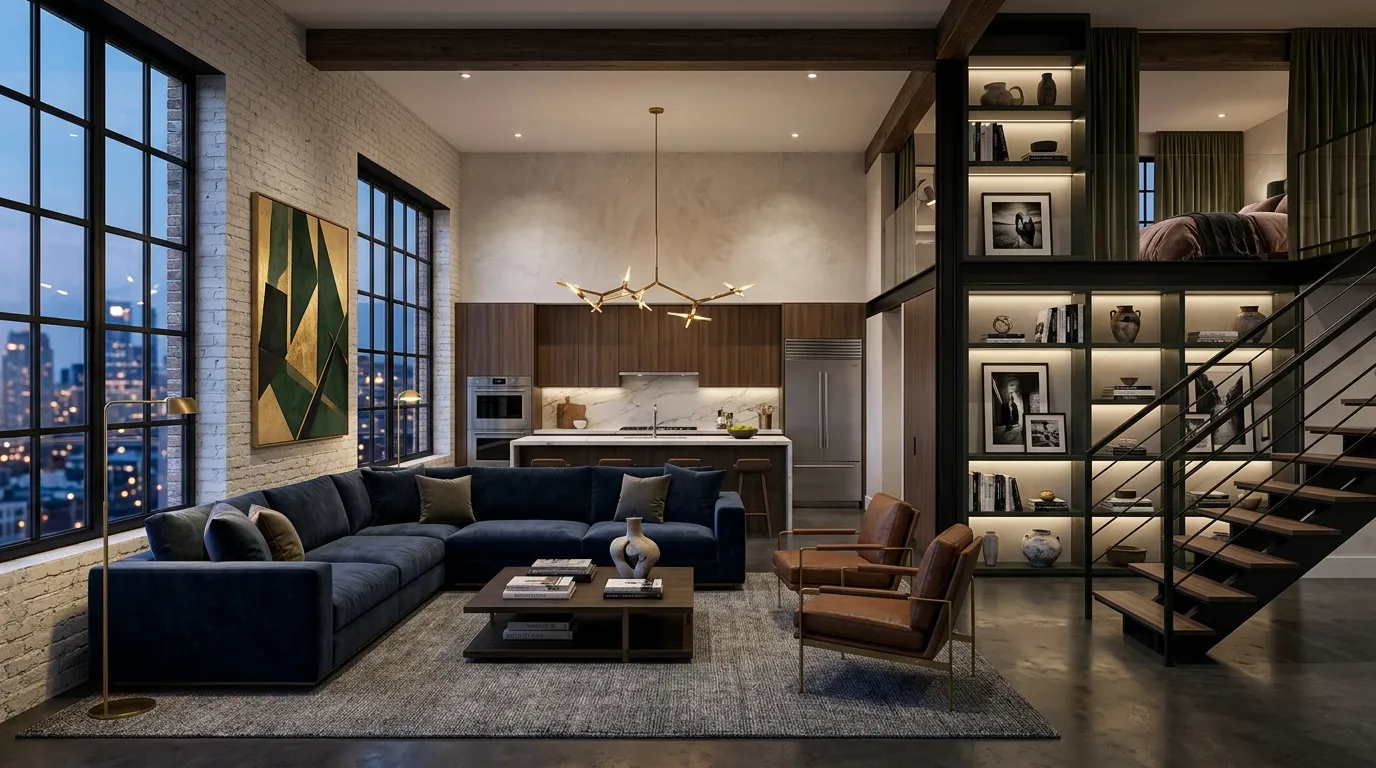
Introduction
Want your space to feel instantly elevated without a full renovation? These sophisticated loft ideas are the secret.
Small design shifts can completely change how your home looks and feels.
This article brings together 22 visually stunning ideas that help you create a refined, expensive-looking space without overcomplicating things. Whether your loft feels too empty, too industrial, or just lacks personality, these ideas focus on simple upgrades that make a real difference. In my experience, it’s often the subtle details—lighting, textures, and layout—that transform a space the most. I’ve seen many people benefit from focusing on fewer, better design choices instead of filling every corner.
Each idea is easy to visualize, practical to apply, and designed to inspire you to take action. You’ll discover how to balance warmth with modern style, create depth without clutter, and make your space feel more intentional. If you’re looking for inspiration that’s both beautiful and actually doable, you’re in the right place.
1. Neutral Luxe Palette
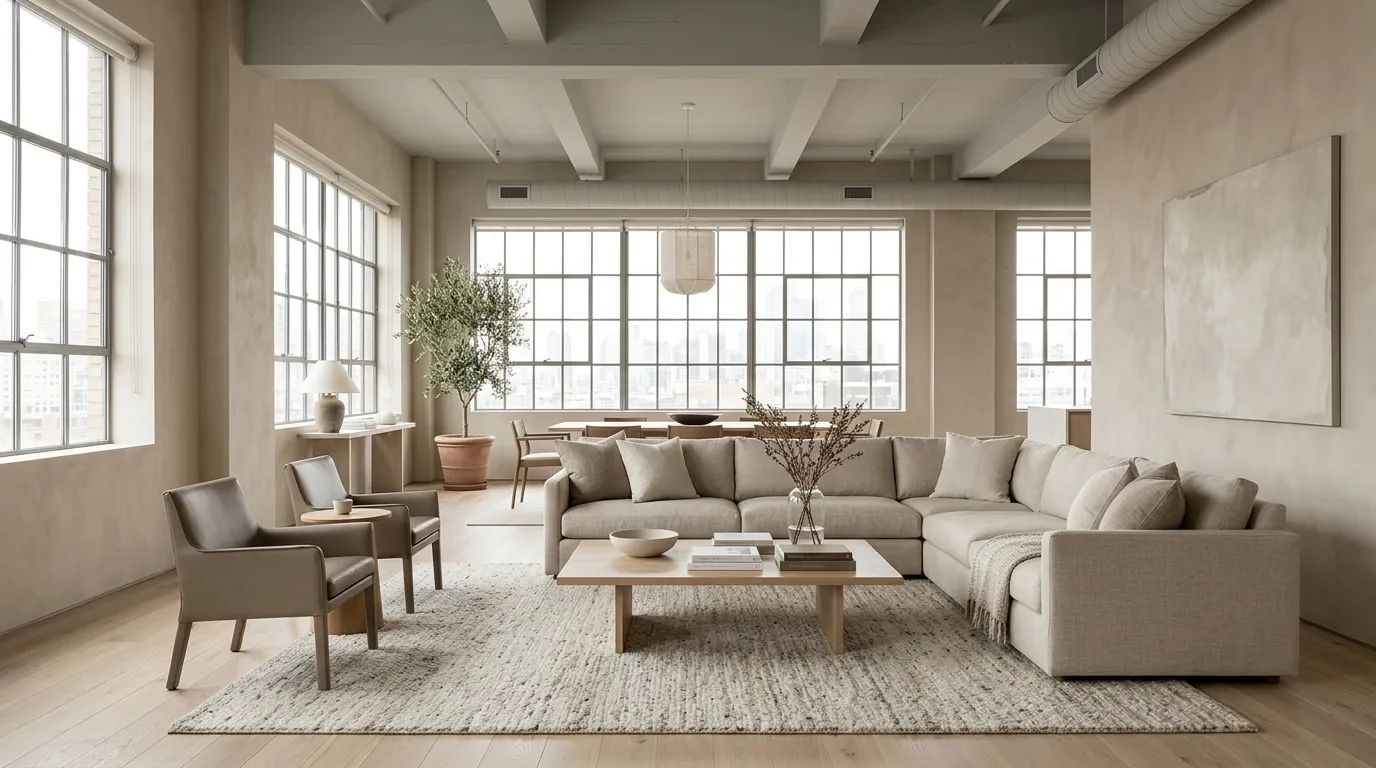
A soft, neutral palette instantly makes any space feel elevated and thoughtfully designed. Instead of relying on bold colors, this approach builds depth using subtle tones and layered textures that feel rich without trying too hard. In my experience, combining warm beige with soft gray creates a balanced look that feels both modern and timeless. This idea works especially well in open layouts where too many colors can feel chaotic. The result is a clean, cohesive environment that naturally feels more expensive and calming.
What makes this style truly effective is how flexible and forgiving it is in real homes. You can easily switch cushions, throws, or decor without disrupting the overall aesthetic. I’ve noticed that natural light plays a huge role here, as it enhances the softness of each tone and adds dimension throughout the day. Even with minimal furniture, the space never feels empty because the textures do the heavy lifting. This makes it perfect for anyone wanting a refined look without constantly updating their entire setup.
2. Statement Pendant Lighting
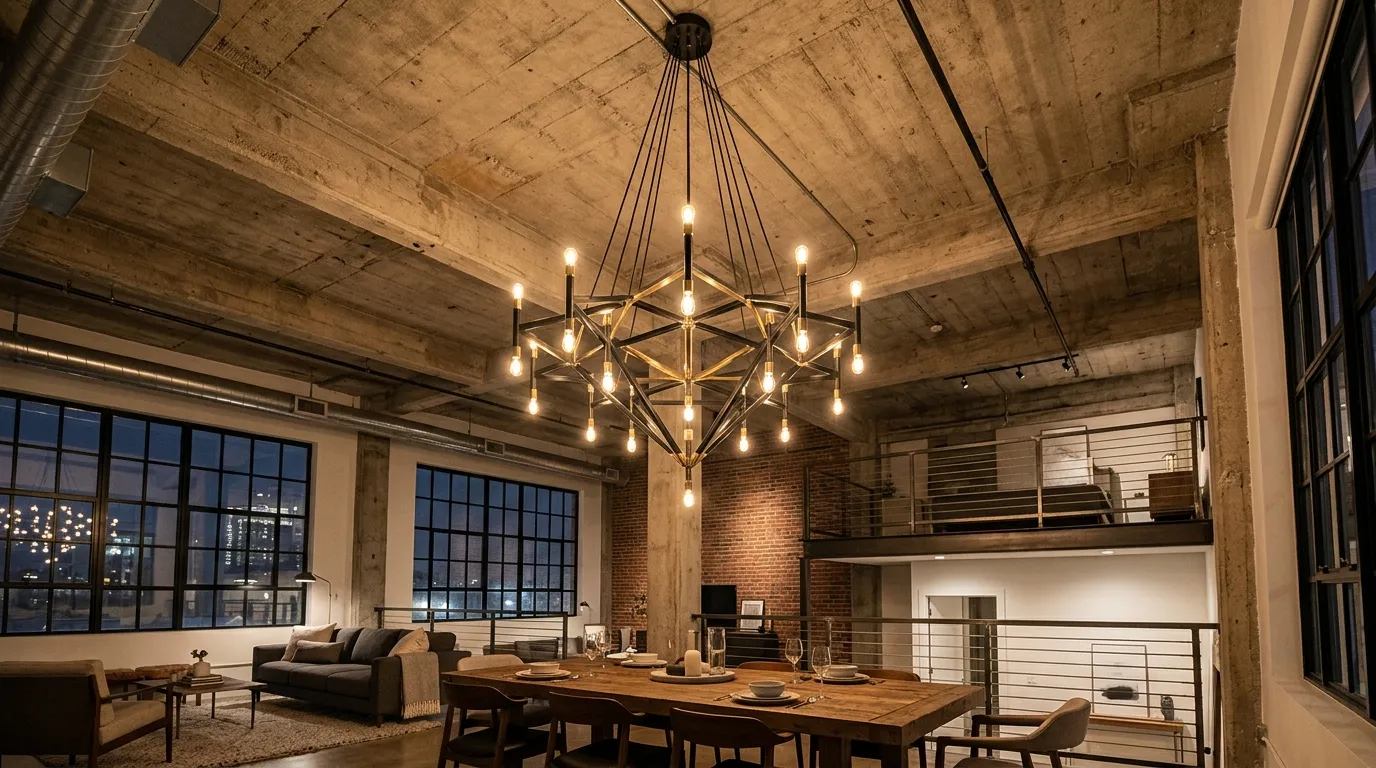
A bold pendant light can completely transform how a loft feels the moment you walk in. Instead of blending into the background, it becomes the focal point that anchors the entire space visually. I’ve seen this work especially well in homes with high ceilings where empty vertical space often feels underutilized. Choosing a sculptural or oversized fixture adds personality while still keeping the layout clean. It’s a simple upgrade that delivers a strong visual impact without requiring major changes to furniture or layout.
Beyond aesthetics, the right lighting choice also changes the mood of the entire room. Warm-toned bulbs create a cozy and inviting glow, especially during evenings when natural light fades. That’s why many designers recommend layering lighting sources, but starting with one strong centerpiece makes everything else easier to style. I’ve noticed that even a minimal setup feels more complete when lighting is thoughtfully chosen. It helps define zones within an open space while maintaining that airy, uncluttered feel that makes lofts so appealing.
3. Floor-to-Ceiling Drapes
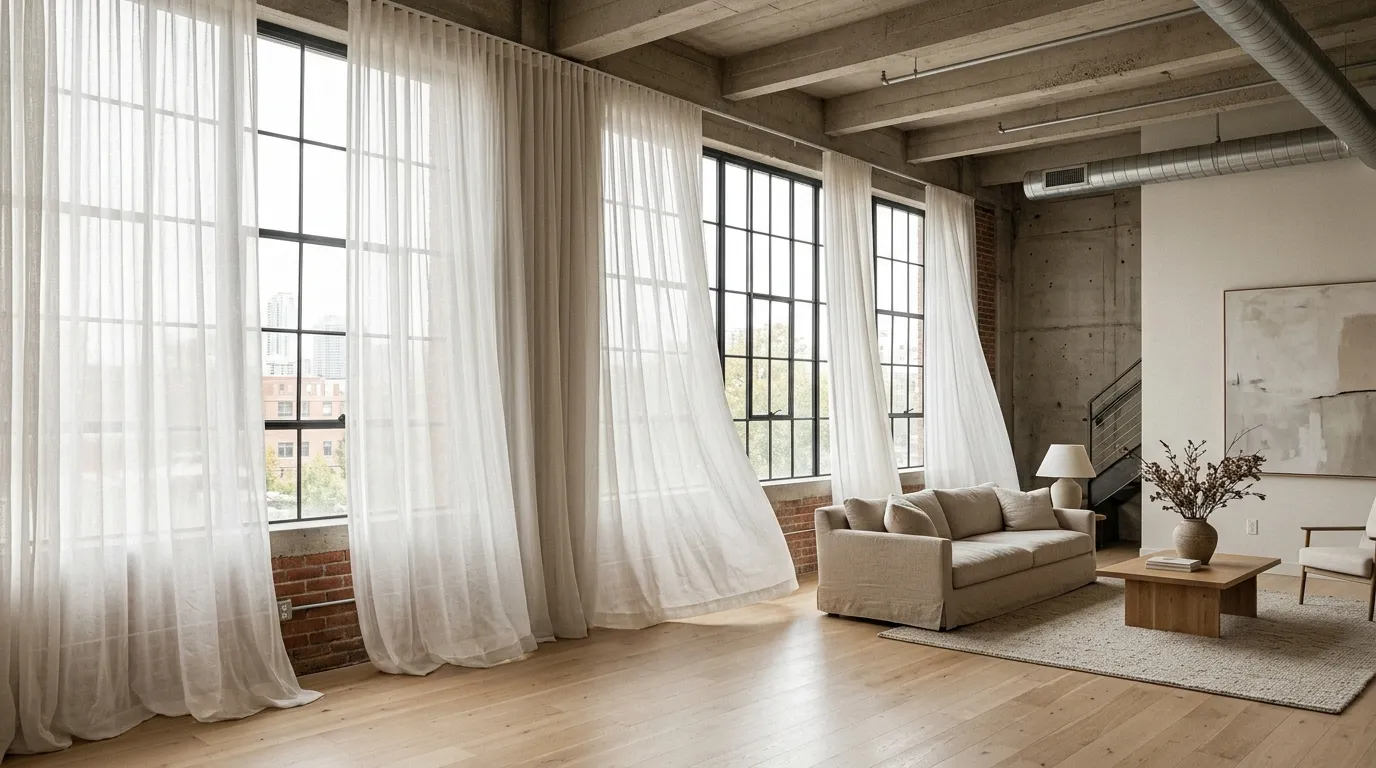
Floor-to-ceiling drapes are one of the easiest ways to make a space feel taller and more refined instantly. Instead of stopping at the window frame, extending fabric all the way up draws the eye upward and emphasizes height. I’ve noticed this works especially well in loft-style homes where vertical space is a key feature. Light, sheer fabrics allow sunlight to filter through beautifully, creating a soft glow that enhances the entire room. The effect feels luxurious without being heavy or overly formal.
What makes this idea practical is how it balances style and function effortlessly. You still get privacy and light control while keeping the space open and airy. In many homes, bare windows can make a room feel unfinished, but adding full-length drapes instantly completes the look. I’ve seen this simple upgrade transform even basic interiors into something that feels more polished and intentional. It also pairs well with almost any design style, making it a safe yet impactful choice for long-term styling.
4. Exposed Brick Contrast
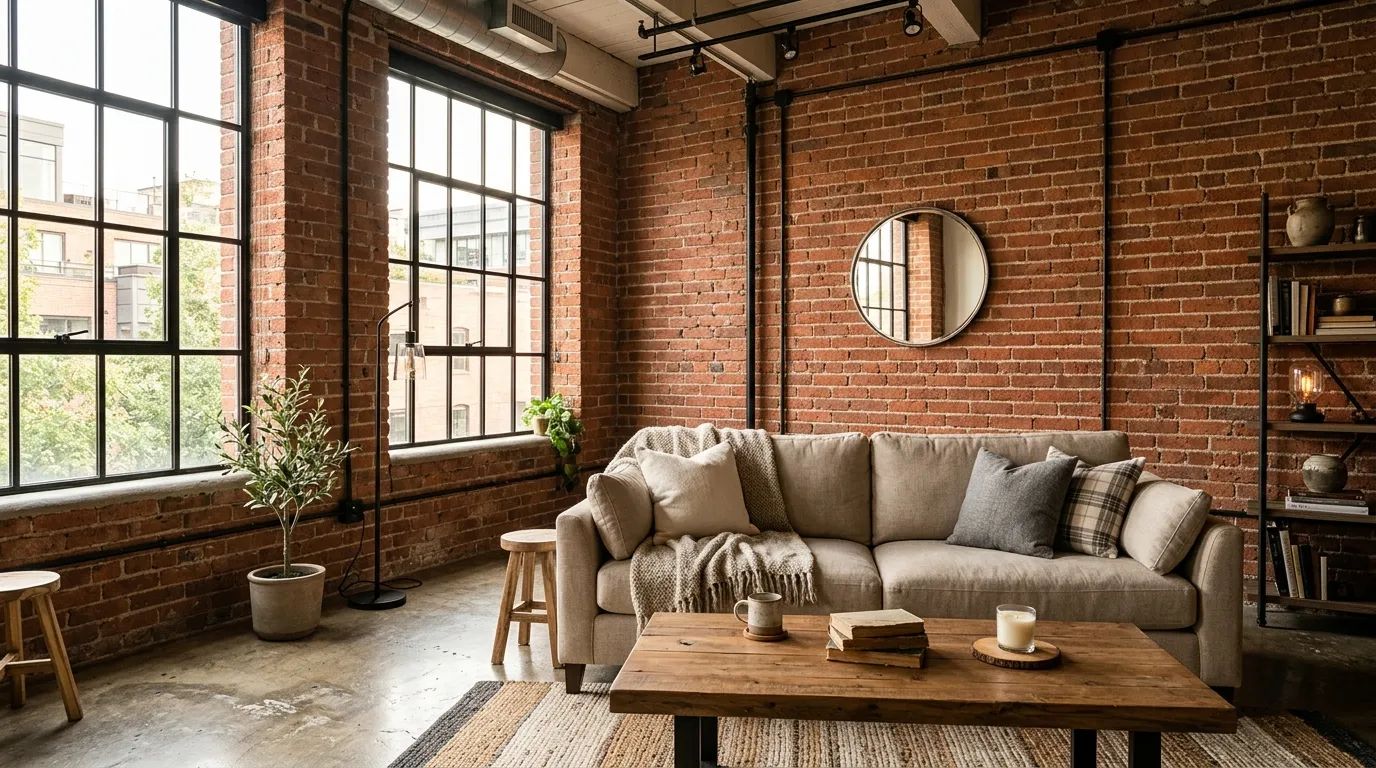
An exposed brick wall instantly adds depth and character that feels impossible to fake. Instead of relying on decorations, the texture itself becomes the design feature that draws attention. I’ve noticed that pairing brick with clean, modern furniture creates a striking balance between raw and refined elements. This contrast makes the space feel thoughtfully curated rather than overly styled. It also helps break the monotony of flat walls, giving the room a more layered and visually interesting appearance.
What makes this idea practical is how low-maintenance it is once in place. You don’t need constant updates or seasonal decor changes to keep the space looking good. In many homes, even a single brick wall can completely shift the atmosphere and make everything feel more intentional. I’ve seen this work especially well when combined with warm lighting, which enhances the natural tones of the brick. The result is a cozy yet elevated environment that feels both stylish and lived-in.
5. Glass Partition Walls
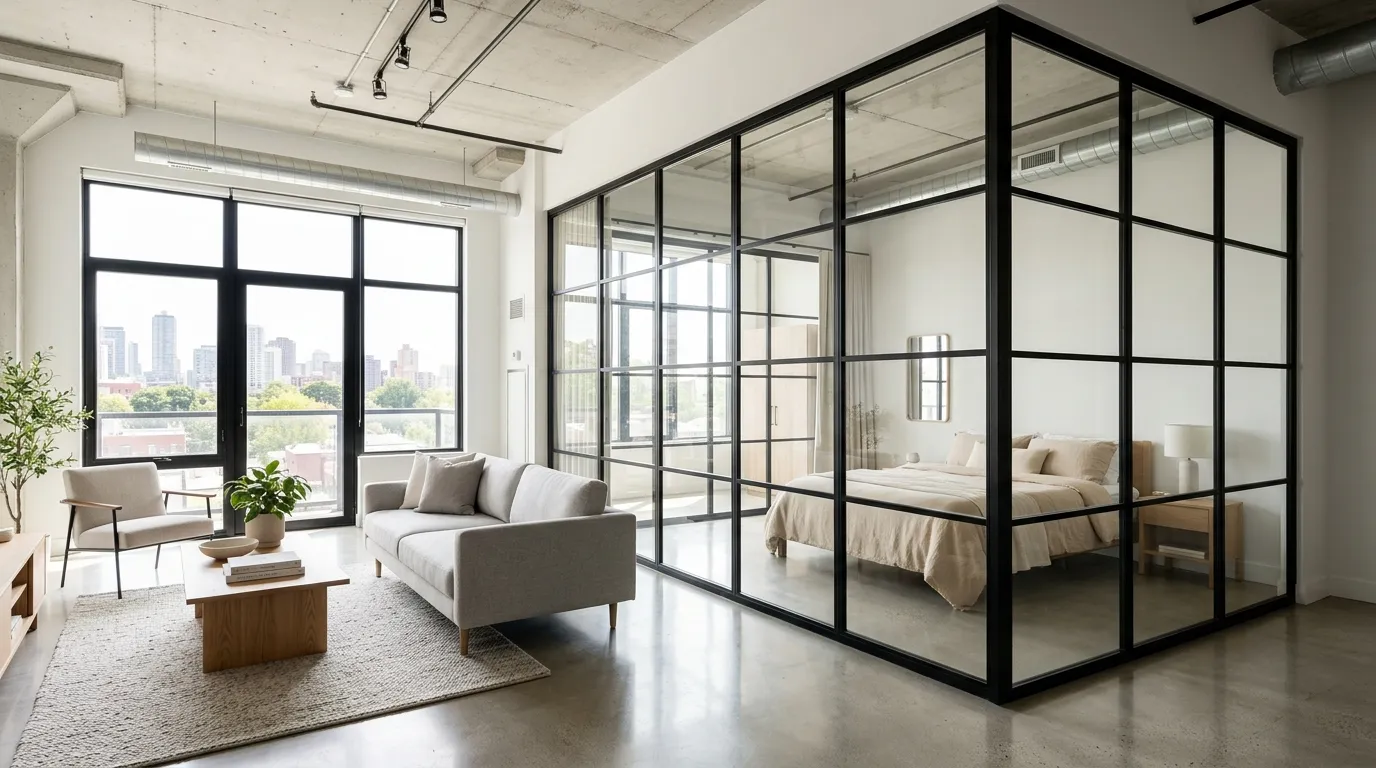
Glass partitions are a smart way to create defined zones while still keeping the space open and breathable. Instead of solid walls that close everything off, transparent panels allow light to move freely throughout the room. I’ve noticed this works especially well in loft layouts where maintaining openness is important. The black metal framing adds just enough structure to make the design feel intentional. It creates a balance between privacy and connection without sacrificing brightness or visual space.
This idea is also highly practical for everyday living. You can separate a sleeping area or workspace without making the home feel smaller or cramped. I’ve seen this approach used in compact spaces where flexibility is key, and it always makes the layout feel smarter. It also adds a modern architectural touch that feels expensive without requiring major renovation. Over time, it continues to feel fresh because it blends seamlessly with different decor styles and color schemes.
6. Sculptural Minimal Furniture
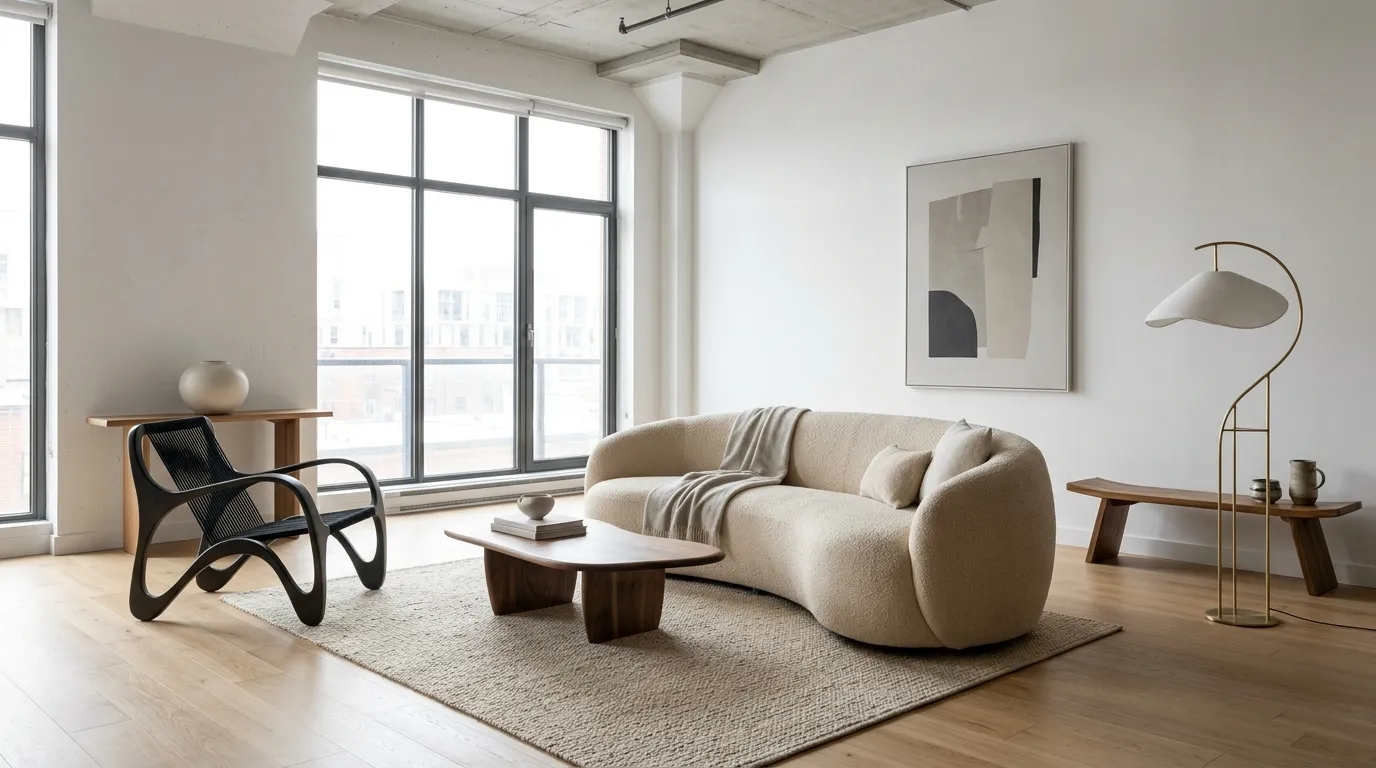
Sculptural furniture brings personality into a space without adding clutter or unnecessary items. Instead of filling the room with multiple pieces, a few well-chosen designs create a strong visual impact. I’ve noticed that curved sofas or uniquely shaped chairs naturally draw attention and make the space feel more curated. This approach works especially well in open layouts where every item is more visible. It allows the room to feel intentional while still maintaining a clean and uncluttered look.
What makes this style effective is its simplicity combined with strong design presence. You don’t need to constantly rearrange or update decor because the furniture itself carries the aesthetic. In my experience, investing in a few standout pieces often works better than buying many smaller items. It also makes daily living easier since there is less visual noise and more breathing room. The overall result is a refined space that feels modern, balanced, and effortlessly put together.
7. Dark Accent Walls
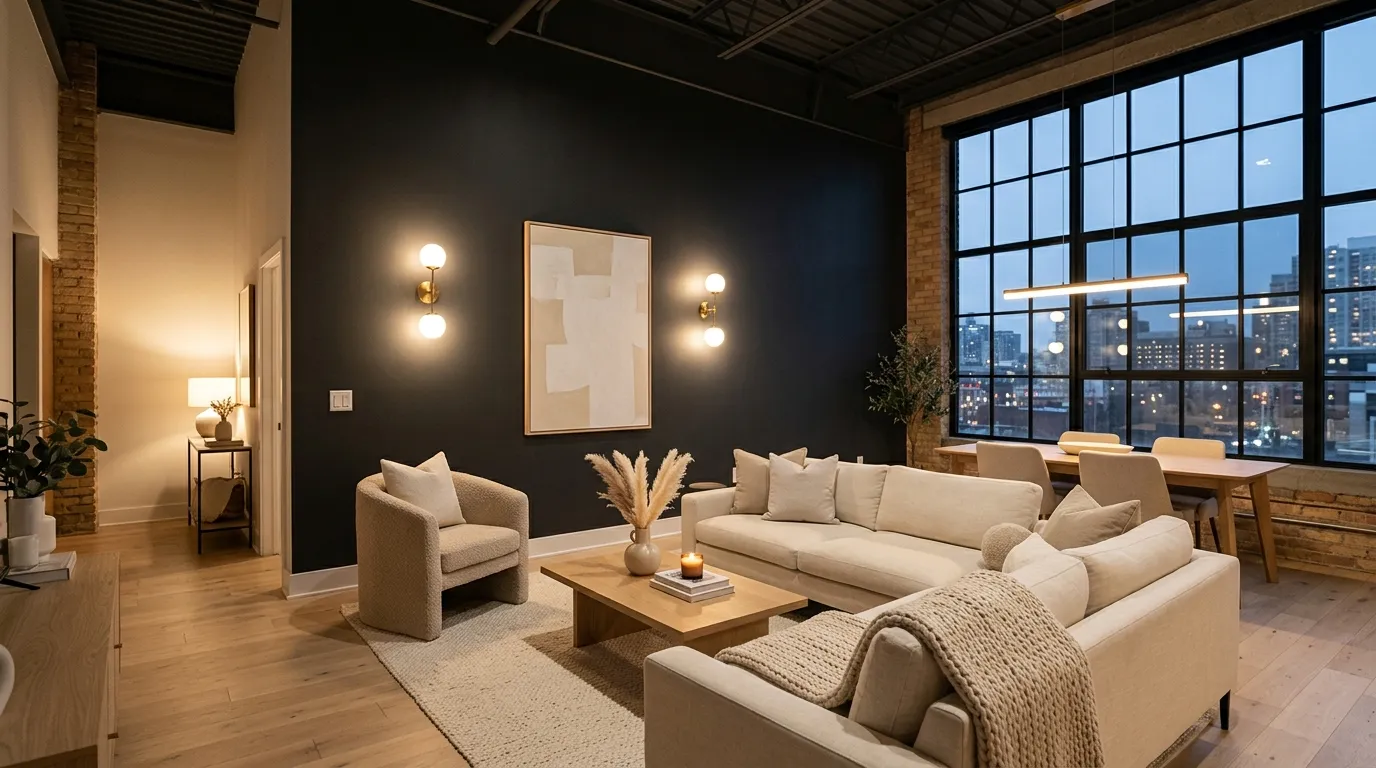
A dark accent wall can instantly transform a plain space into something more dramatic and refined. Instead of making the room feel smaller, it actually adds depth when balanced with lighter furniture and flooring. I’ve noticed that deep tones like charcoal or navy create a strong visual anchor that makes everything else look more intentional. This approach works especially well in open layouts where certain areas need definition. The contrast naturally draws the eye and gives the space a more layered and polished feel.
What makes this idea practical is how easily it can be updated or adjusted over time. You don’t need to redesign the entire space to make a noticeable impact. In my experience, pairing dark walls with warm lighting softens the intensity and keeps the room inviting. It also helps highlight textures and materials that might otherwise go unnoticed. This balance between bold and subtle elements creates a space that feels both stylish and comfortable for everyday living.
8. Layered Textured Rugs
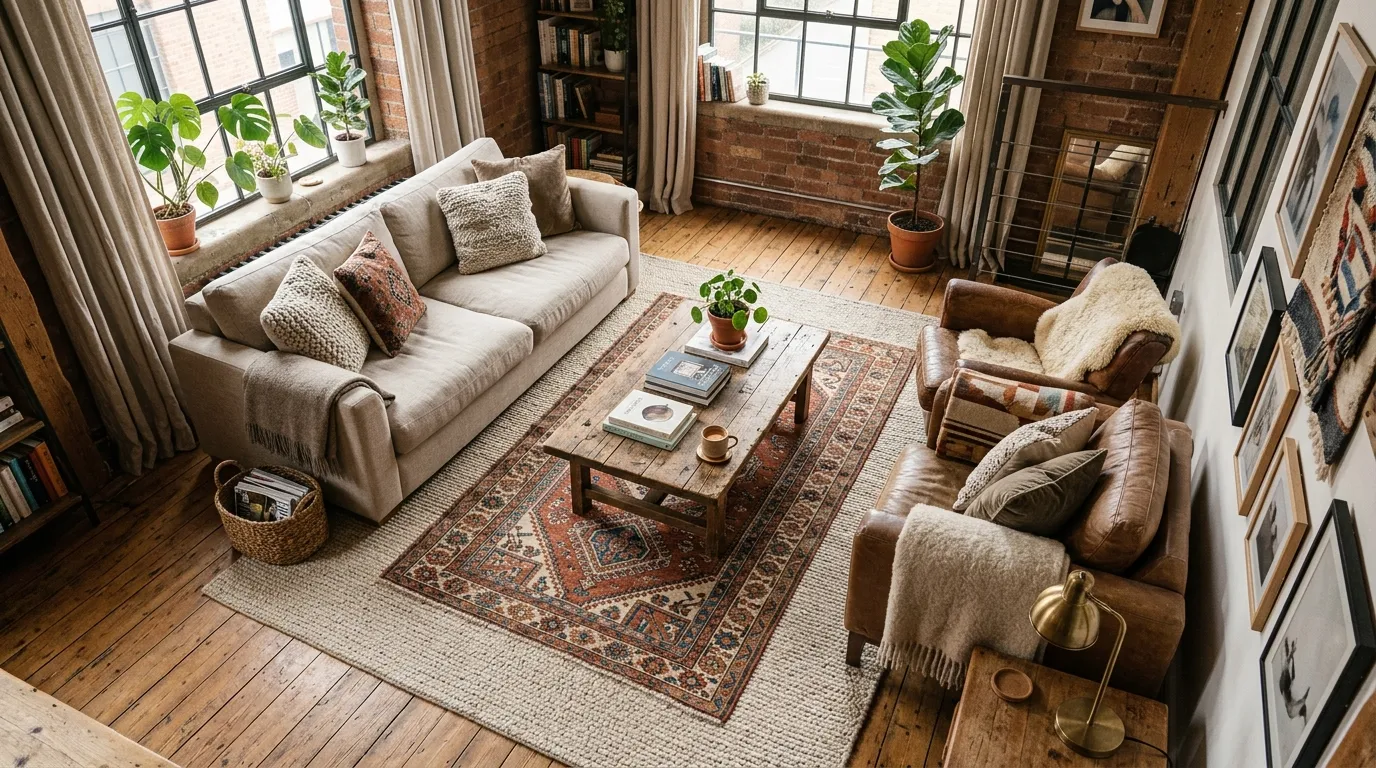
Layering rugs is a simple trick that instantly makes a space feel warmer and more inviting. Instead of relying on a single flat surface, combining textures adds depth and visual interest underfoot. I’ve seen this work especially well in loft spaces with concrete or wood floors that can feel a bit cold on their own. A larger neutral rug paired with a smaller patterned one creates a relaxed, lived-in feel. It also helps break up large open areas into more defined, comfortable zones.
This idea is not only stylish but also highly flexible for real homes. You can switch the top layer seasonally or whenever you want a quick refresh without replacing everything. I’ve noticed that mixing textures like wool and cotton creates a balanced look that feels intentional but not overly styled. It also adds comfort, especially in areas where people gather or relax. The result is a space that feels cozy, layered, and visually complete without adding unnecessary furniture.
9. Open Metal Shelving
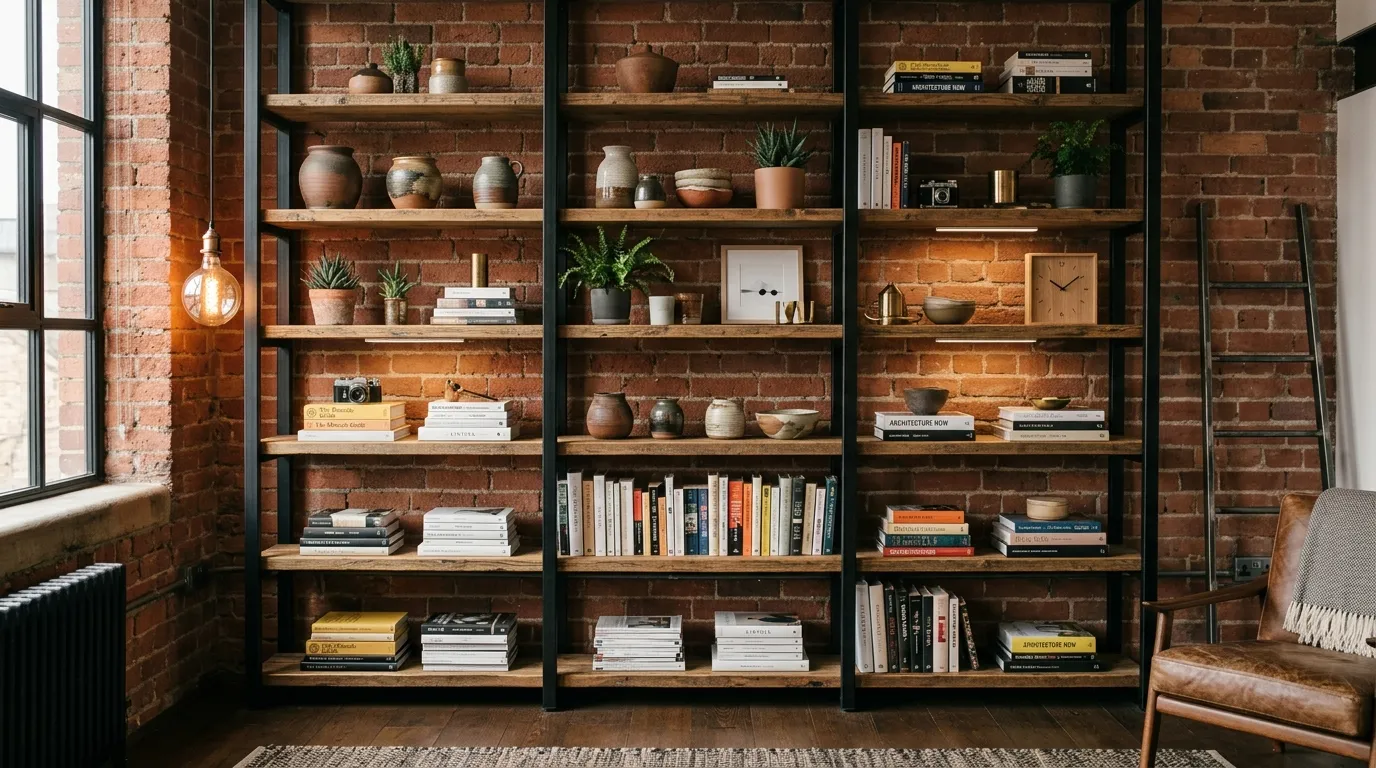
Open metal shelving brings both function and style into a space without making it feel crowded. Instead of hiding everything away, it allows you to display items in a way that feels curated and personal. I’ve noticed that using a mix of books, ceramics, and small decor pieces creates a balanced look that doesn’t feel overwhelming. The metal frame adds structure while keeping the overall design light. This makes it a great option for maintaining openness while still adding storage.
What makes this approach effective is the balance between practicality and aesthetics. You get easy access to everyday items while also creating a visually pleasing setup. In my experience, keeping spacing intentional is key to avoiding clutter. Leaving some empty areas helps each item stand out more. It also allows the shelves to feel like part of the design rather than just storage. Over time, you can update the styling without changing the structure, keeping the space fresh and adaptable.
10. Marble Surface Accents
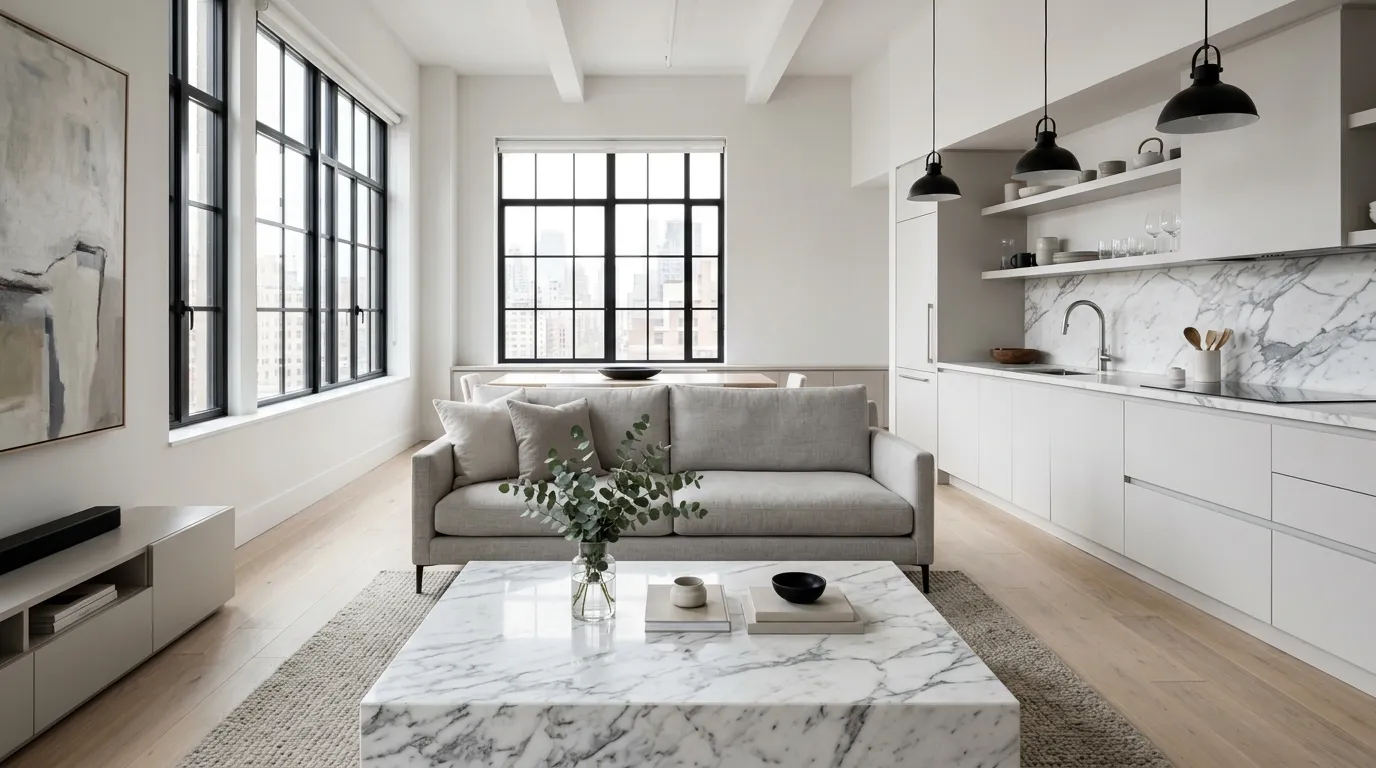
Marble accents instantly elevate a space with their natural patterns and polished finish. Even a small addition like a coffee table or countertop can make the room feel more refined and thoughtfully designed. I’ve noticed that the subtle veining adds visual interest without overwhelming the overall look. This makes it perfect for open layouts where balance is important. The smooth surface also reflects light softly, helping the entire space feel brighter and more expansive without adding extra decor.
What makes this idea practical is how easily it integrates into different styles over time. You don’t need a full marble installation to achieve the effect. In my experience, mixing marble with warm wood or soft fabrics creates a balanced and inviting environment. It also holds up well visually, maintaining its appeal even as other elements change. This makes it a reliable choice for anyone wanting a touch of elegance without committing to a complete redesign.
11. Warm Wood Elements
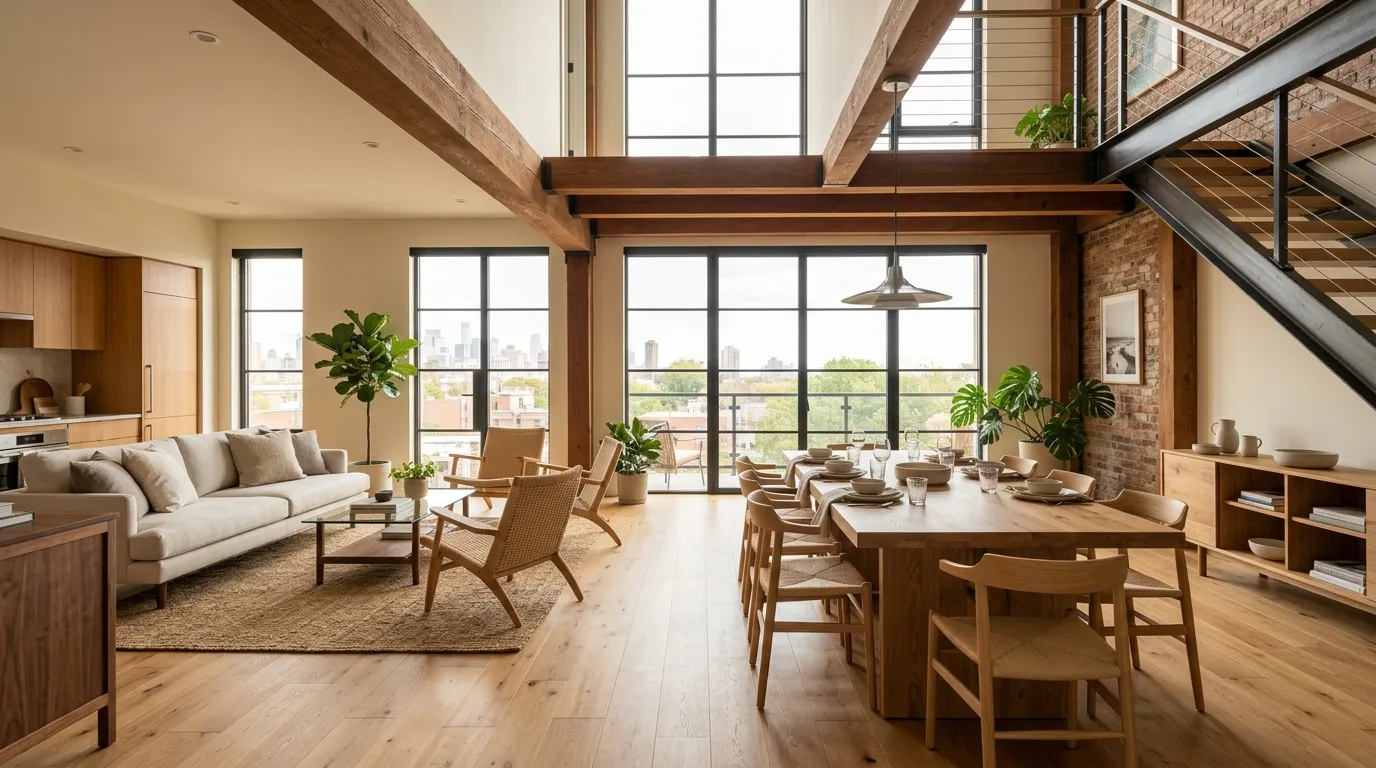
Warm wood tones bring a sense of comfort that balances out cooler materials often found in loft interiors. Instead of feeling too stark or industrial, the space becomes more inviting and grounded. I’ve seen this work especially well when wood is used across multiple elements like flooring, furniture, or ceiling beams. It creates continuity and a natural flow throughout the room. The warmth of the material softens the overall look while still keeping it refined and cohesive.
This idea is also incredibly versatile for everyday living. Wood pairs easily with different textures and colors, making it simple to update the space over time. In my experience, even small additions like a wooden table or shelving can shift the entire mood of a room. It also ages well, often looking better with time as it develops character. That’s why many designers recommend incorporating natural materials to create a space that feels both stylish and comfortable long term.
12. Large Abstract Art
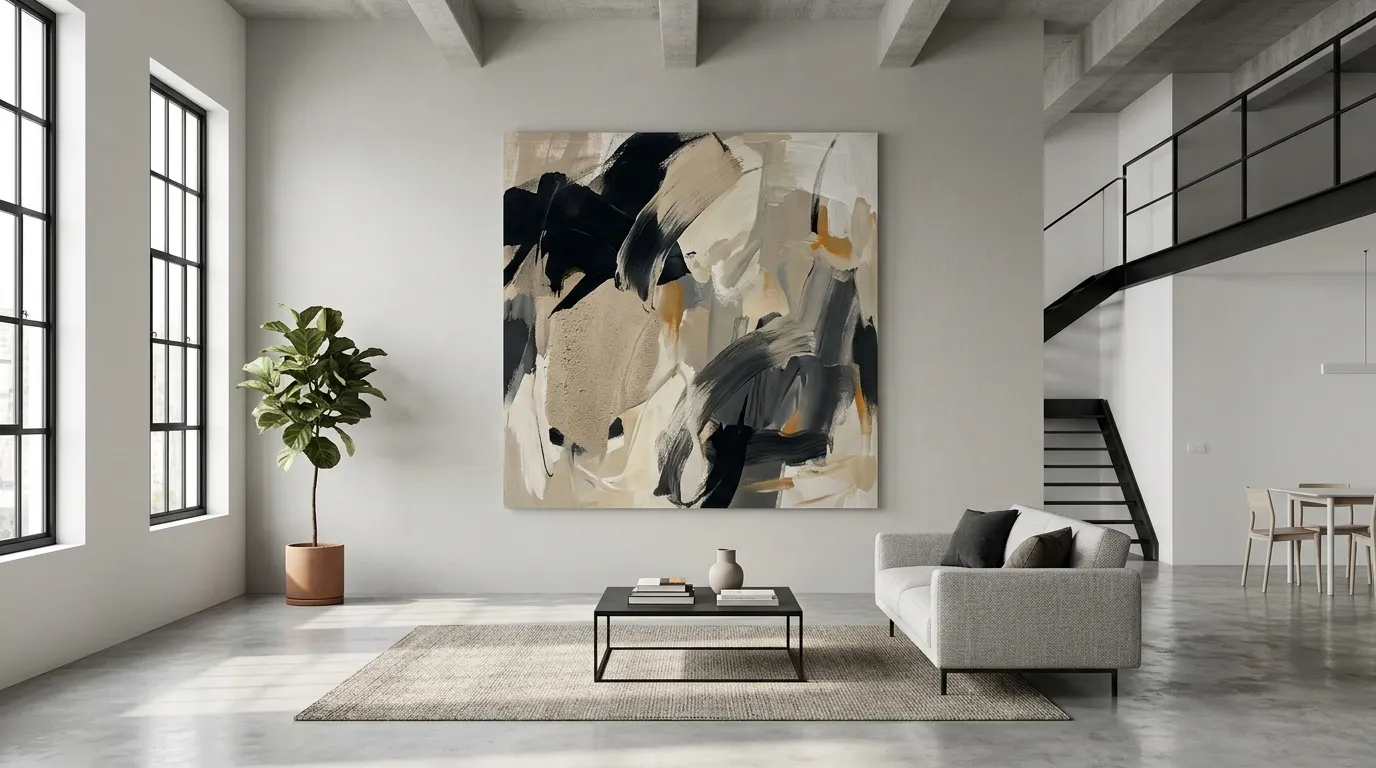
Large abstract artwork can completely transform a wall from empty to impactful in seconds. Instead of filling the space with multiple small pieces, one oversized artwork creates a clean and confident statement. I’ve noticed that abstract designs work especially well because they don’t overpower the room with too much detail. They allow the viewer to interpret the space freely while still adding visual depth. This makes the entire room feel more curated and intentional without adding unnecessary elements.
What makes this idea effective is how it balances simplicity with expression. You can introduce subtle color variations without disrupting the overall palette. In my experience, placing artwork at eye level and keeping surrounding decor minimal enhances its impact even more. It also helps anchor the room visually, especially in open layouts where walls can feel disconnected. Over time, it remains relevant because abstract styles adapt easily to different design changes, making it a long-lasting choice.
13. Monochrome Color Scheme
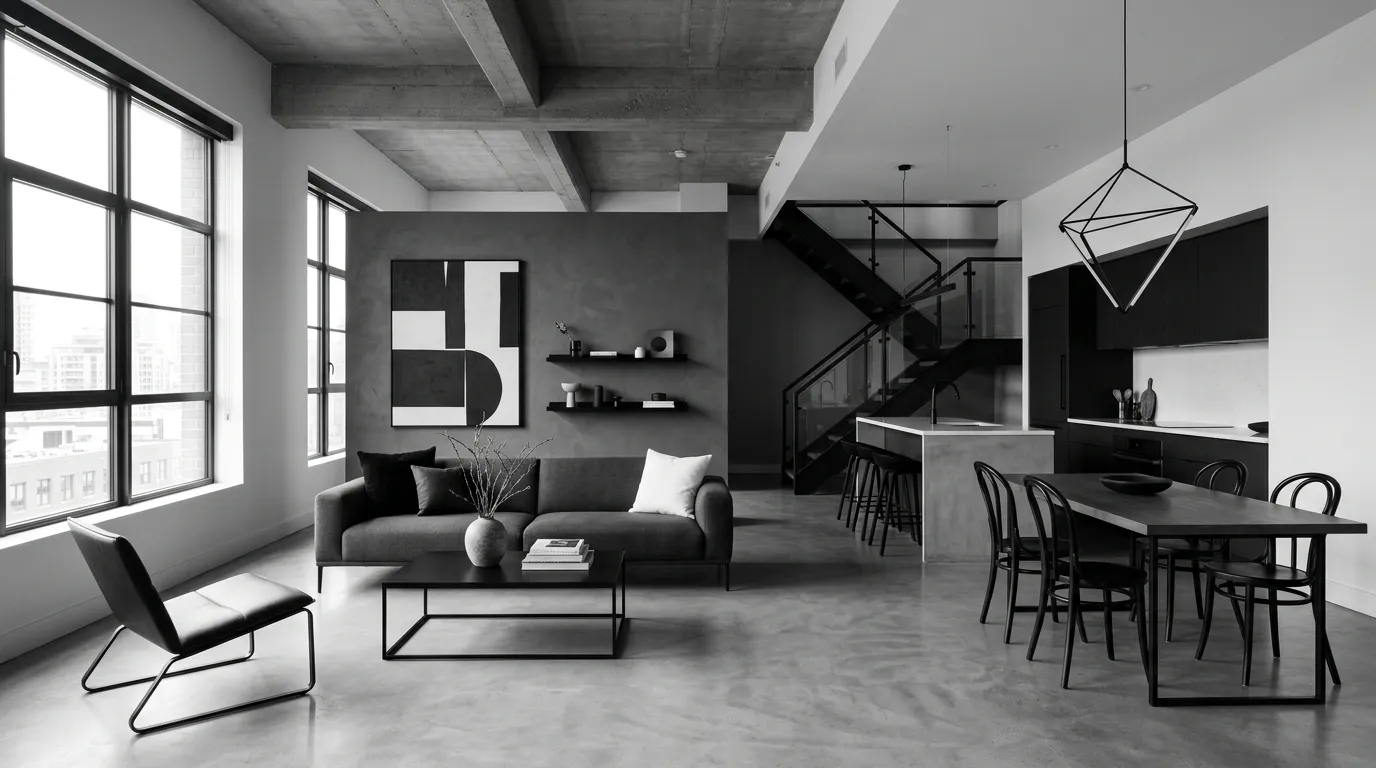
A monochrome color scheme brings instant clarity and structure to an open space. By limiting the palette to a few tones, every element feels more connected and deliberate. I’ve noticed that this approach works especially well in a sophisticated loft because it allows textures and materials to stand out more than colors. Instead of visual clutter, you get a calm and balanced environment that feels refined. The contrast between light and dark elements also adds depth without overwhelming the space.
What makes this style practical is its simplicity in everyday living. You don’t have to worry about matching multiple colors or constantly updating decor. In my experience, adding subtle variations in texture like fabric, metal, or wood keeps the space from feeling flat. It also makes cleaning and organizing feel easier because everything already looks streamlined. This approach creates a timeless foundation that stays stylish while allowing small accents to refresh the look whenever needed.
14. Hidden Storage Design
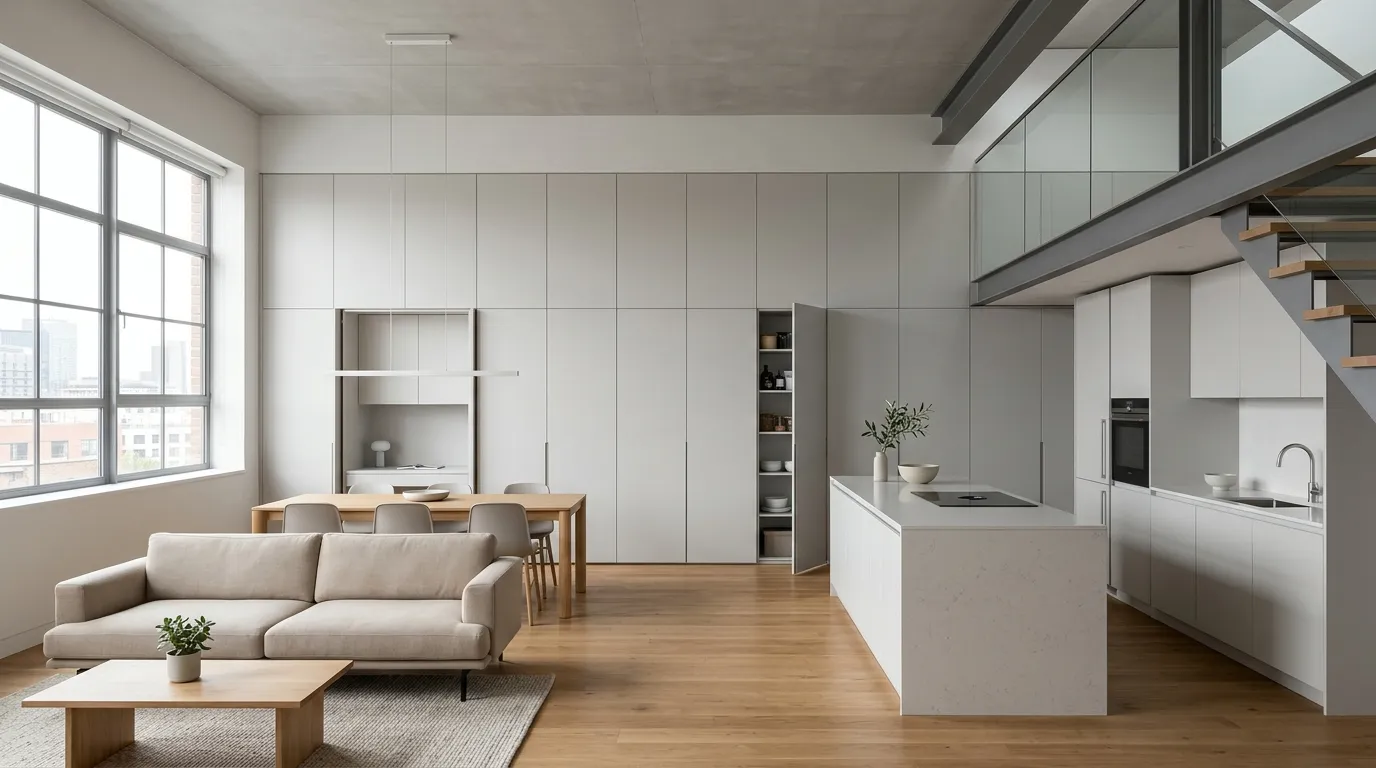
Hidden storage is one of the smartest ways to maintain a clean and polished environment without sacrificing functionality. Instead of visible cabinets or shelves, everything is tucked away behind seamless panels that blend into the walls. I’ve seen this work incredibly well in open spaces where clutter can quickly disrupt the overall look. By keeping storage out of sight, the room feels more spacious and intentional. It allows the design to shine without distractions from everyday items.
This idea is especially useful for real-life living where practicality matters just as much as style. You still have all the storage you need, but it doesn’t interfere with the visual flow of the room. In my experience, even small hidden compartments can make a big difference in keeping things organized. It also reduces the need for constant tidying because everything has its place. The result is a space that feels calm, functional, and effortlessly put together.
15. Mixed Metal Finishes
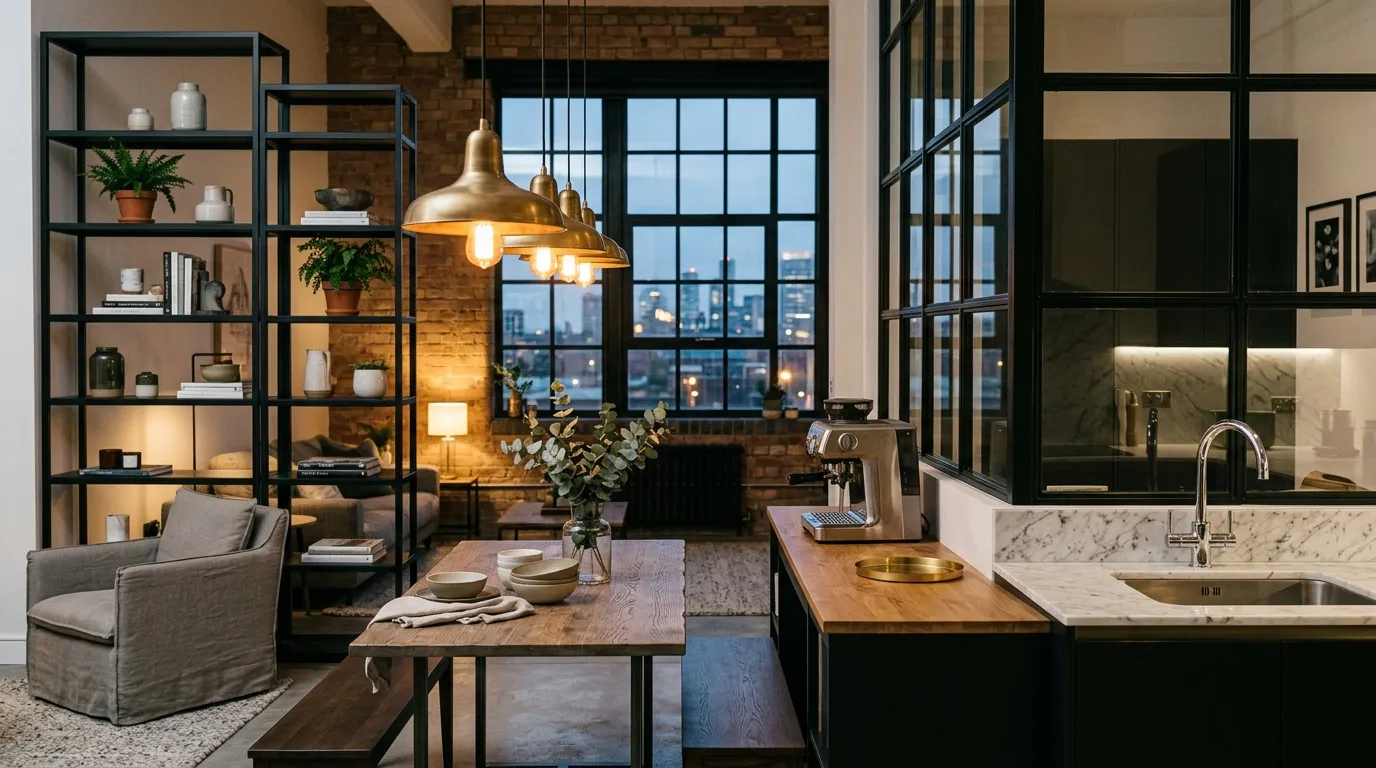
Mixing metal finishes is a subtle way to add complexity and richness to a space without relying on bold colors. Instead of matching everything perfectly, combining tones like brass, black steel, and chrome creates a more natural and layered look. I’ve noticed that this approach makes the space feel more curated rather than overly styled. It also allows different elements to stand out without competing with each other. The contrast between finishes adds visual interest while still keeping the overall design cohesive.
What makes this idea effective is its flexibility in real homes. You don’t need to replace everything to achieve this look. In my experience, even small changes like switching light fixtures or hardware can introduce enough variation. It also works well with both warm and cool color palettes, making it easy to adapt over time. This balance between consistency and contrast helps create a space that feels thoughtfully designed and visually engaging without being overwhelming.
16. Low Profile Seating
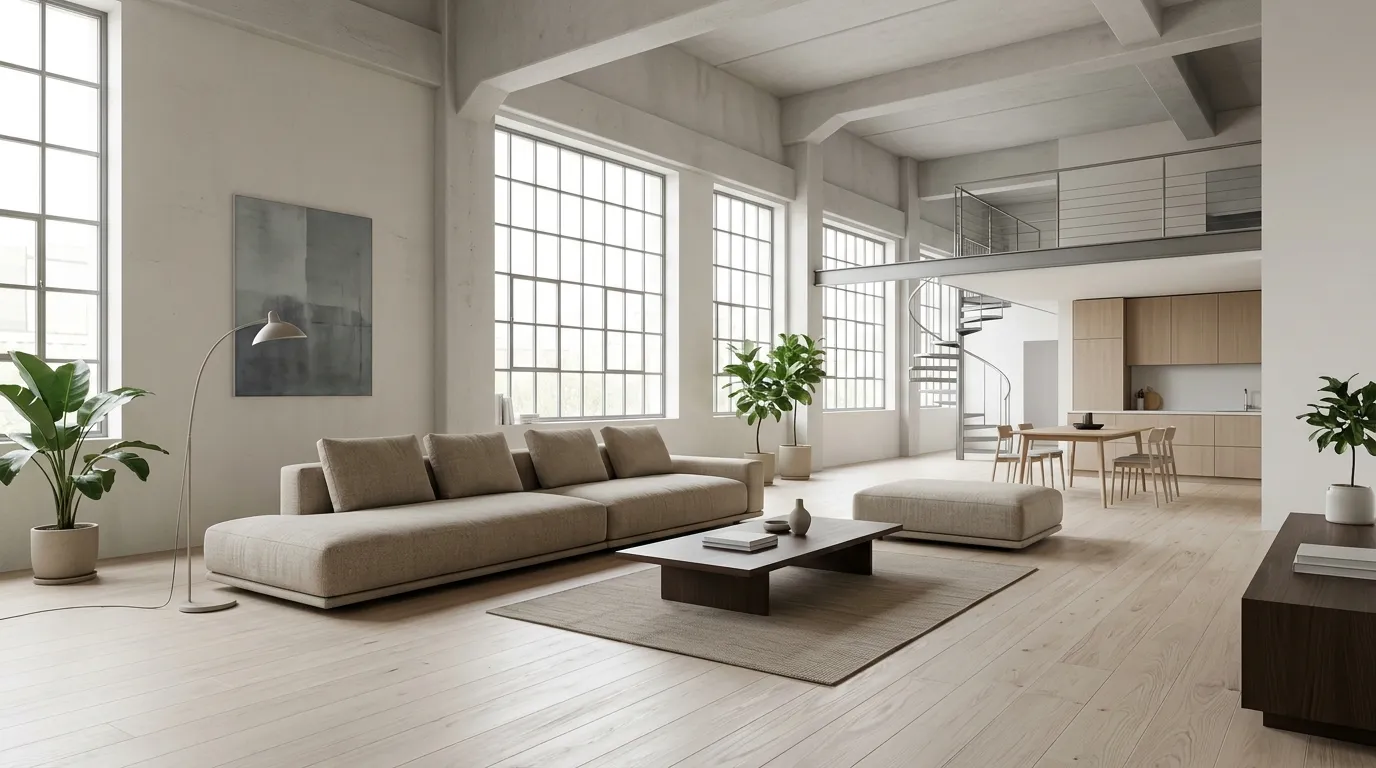
Low-profile seating subtly shifts how a space feels without requiring major changes. By keeping furniture closer to the ground, the room instantly appears taller and more open. I’ve noticed this works especially well in loft interiors where ceiling height is a key feature. The lower visual weight also helps maintain a clean and uncluttered look. Instead of bulky furniture dominating the space, everything feels lighter and more intentional, creating a calm and modern environment.
This idea is also highly practical for everyday living. Low seating often feels more relaxed and inviting, making it perfect for casual lounging or entertaining. In my experience, pairing it with soft textures like cushions or rugs adds comfort without losing the sleek aesthetic. It also leaves more visual space for other design elements like lighting or artwork to stand out. The result is a balanced layout that feels both stylish and easy to live in.
17. Oversized Wall Mirror
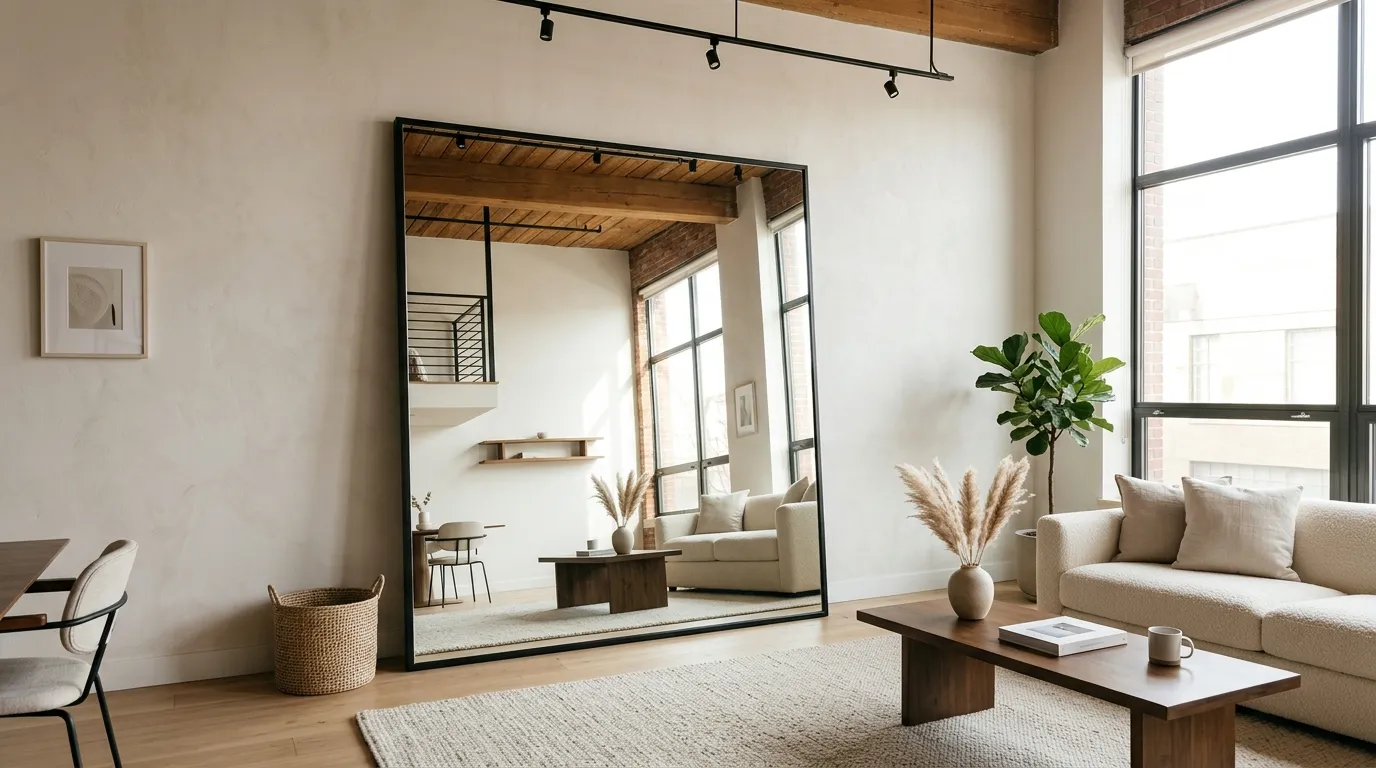
An oversized mirror is one of the easiest ways to visually expand a space without adding furniture. By reflecting light and surrounding elements, it creates the illusion of a larger and brighter room. I’ve seen this work especially well in loft spaces where openness is already a key feature. Placing the mirror strategically across from a window enhances natural light even more. It becomes both a functional and decorative element that elevates the entire environment.
What makes this idea practical is how simple it is to implement. You don’t need to renovate or redesign the space to see a noticeable difference. In my experience, leaning a large mirror against the wall rather than mounting it creates a more relaxed and modern feel. It also allows flexibility if you want to change the layout later. This small addition can completely shift how the room feels, making it more open, airy, and visually balanced.
18. Soft Ambient Lighting
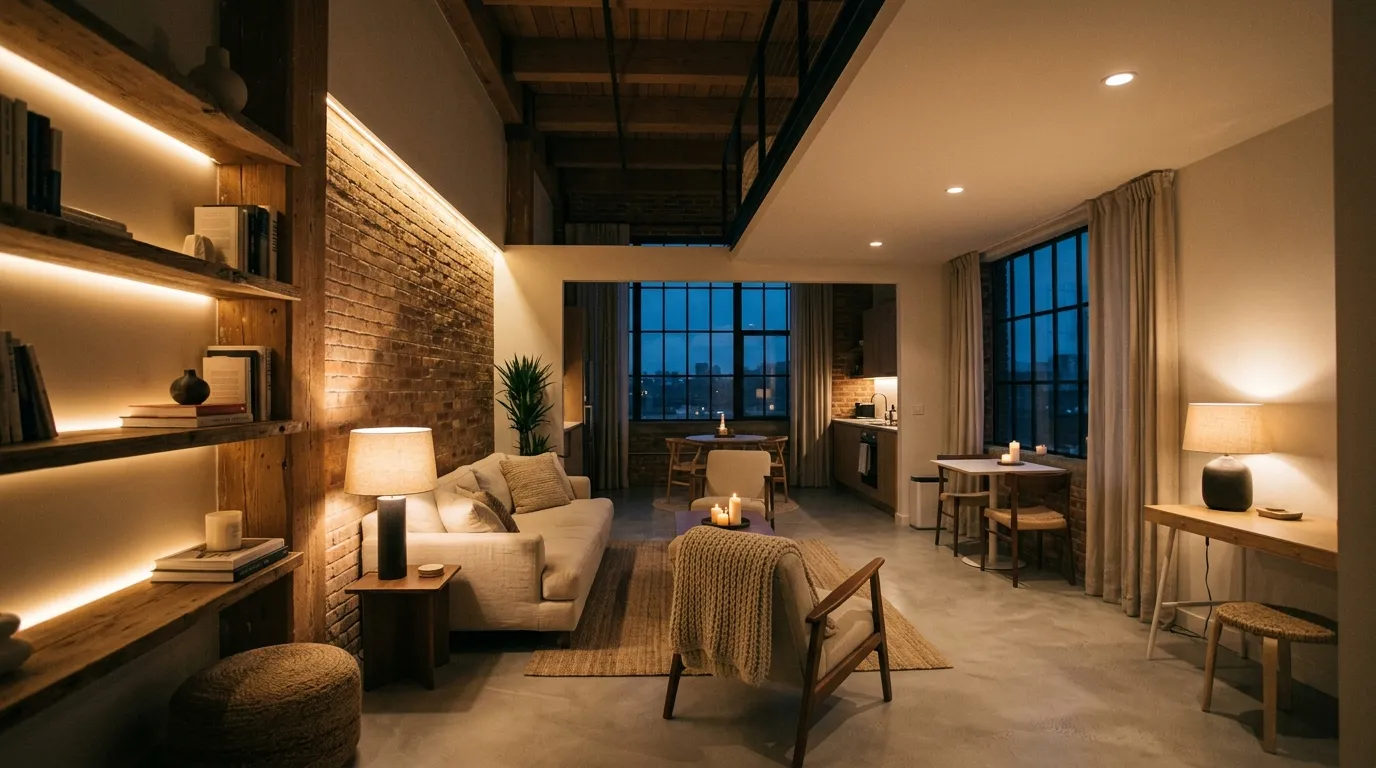
Soft ambient lighting transforms how a space feels, especially during the evening hours. Instead of relying on a single bright source, layered lighting creates a warm and comfortable glow that spreads evenly. I’ve noticed this makes loft interiors feel more inviting and less stark, especially when paired with neutral tones. The gentle illumination highlights textures and materials without creating harsh contrasts. It allows the space to transition smoothly from daytime brightness to a cozy nighttime setting.
This approach is also highly adaptable for different needs throughout the day. You can adjust lighting levels depending on the mood or activity, making the space more functional. In my experience, combining floor lamps, table lamps, and subtle LED strips creates the best balance. It also helps define different zones within an open layout without adding physical barriers. The result is a space that feels calm, flexible, and thoughtfully designed for both style and comfort.
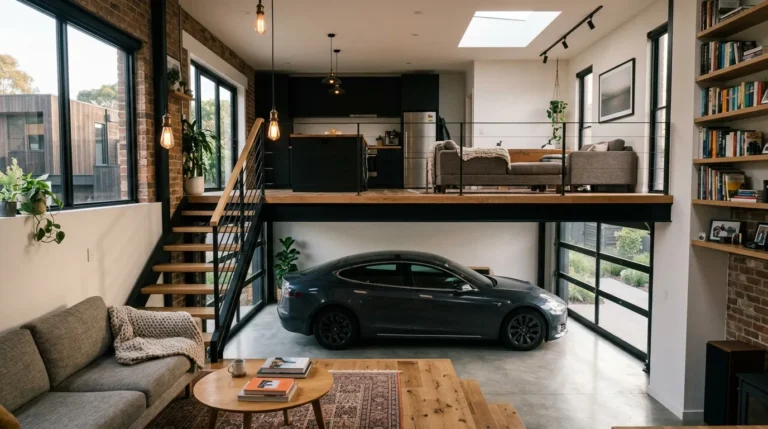
19. Floating Staircase Design
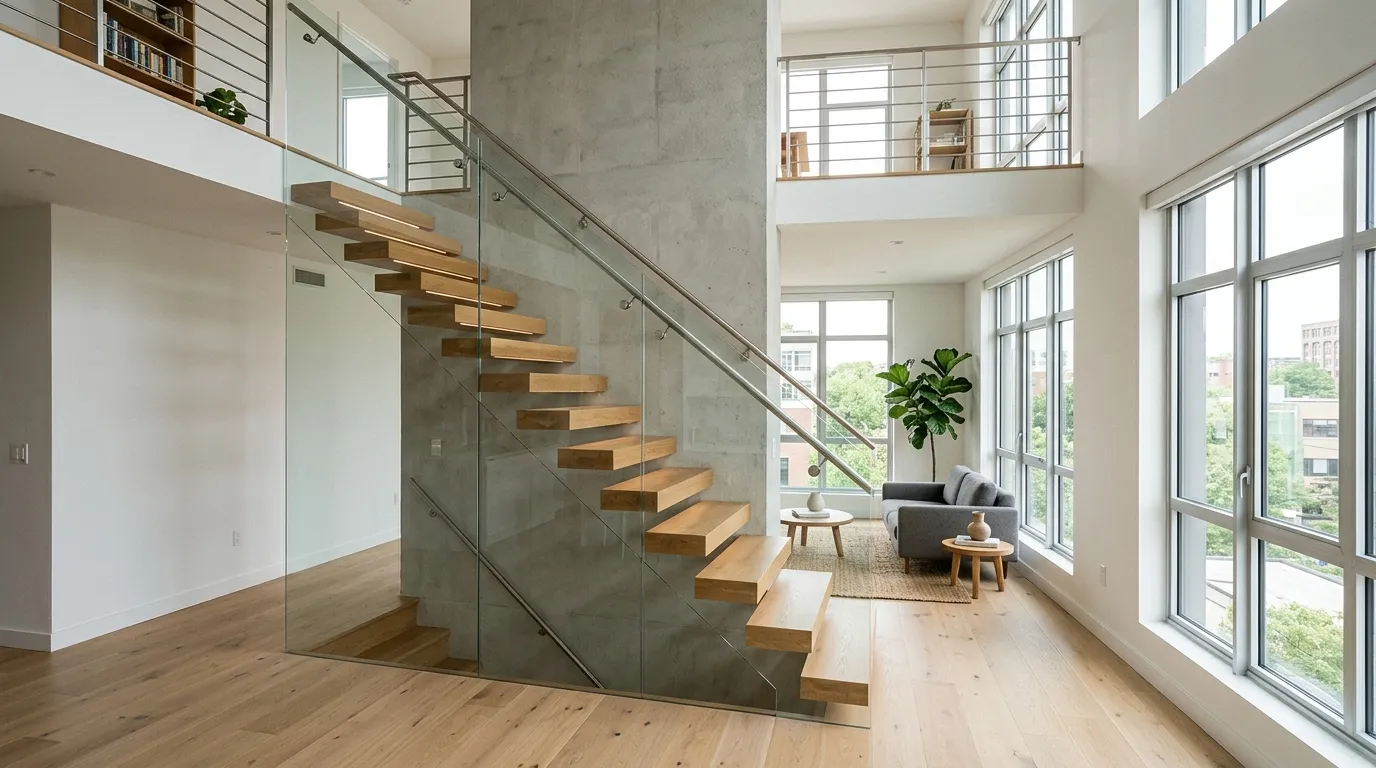
A floating staircase instantly becomes a standout feature that elevates the entire interior. Instead of bulky structures, the open design allows light to pass through, keeping the space bright and airy. I’ve noticed that this style works especially well in loft layouts where maintaining openness is essential. The clean lines and minimal structure create a modern look that feels both functional and artistic. It transforms a basic necessity into a design statement that adds real value.
What makes this idea effective is how it balances form and function without overwhelming the room. You still get full usability, but with a much lighter visual impact. In my experience, combining wood steps with glass or metal railings enhances the overall aesthetic even further. It also makes surrounding elements like walls or furniture stand out more. The result is a space that feels architecturally refined while remaining practical for everyday use.
20. Built-In Window Seating
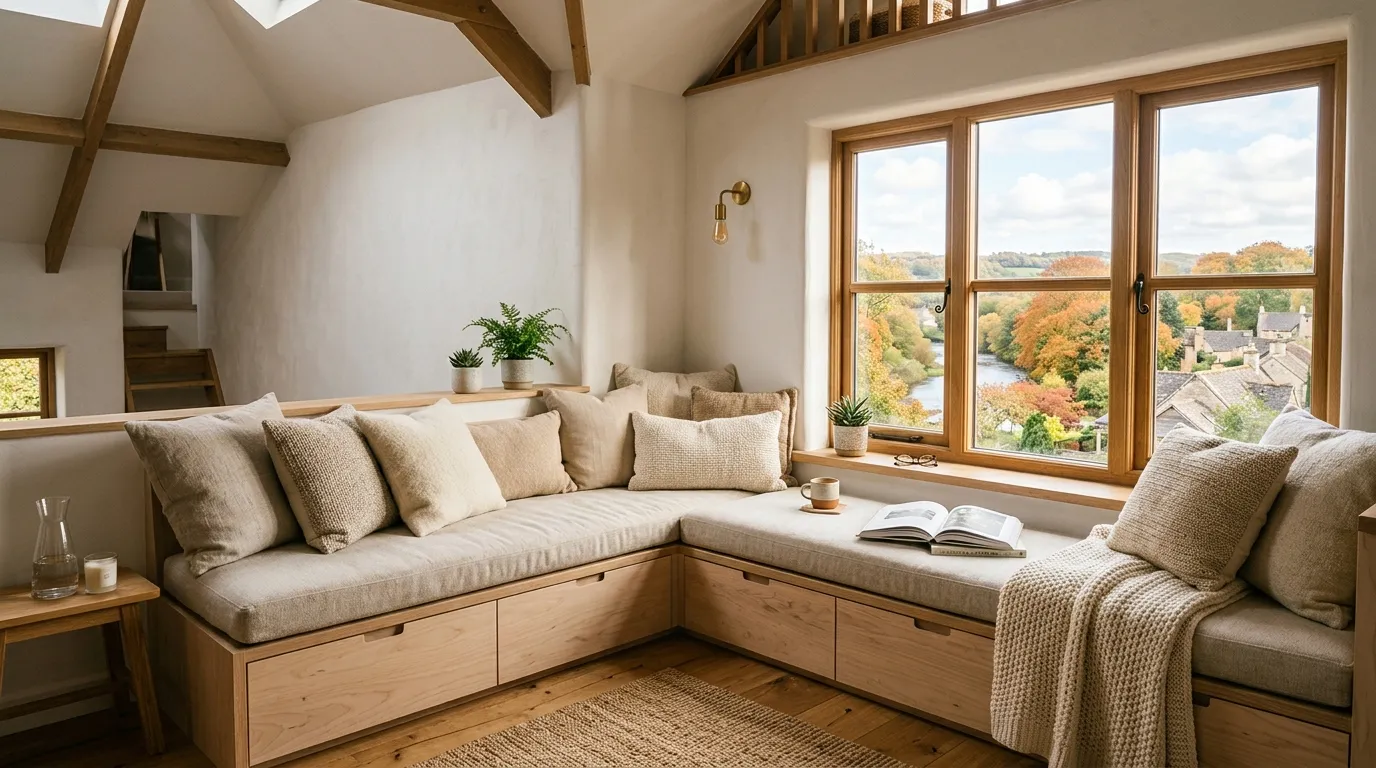
A built-in window seat transforms an overlooked area into one of the most inviting spots in the home. Instead of leaving the space empty, it becomes a cozy nook perfect for reading or relaxing. I’ve seen this work especially well in loft interiors where every corner can serve a purpose. The natural light makes the seating area feel bright and comfortable throughout the day. It also adds a sense of warmth that balances the openness of the layout.
This idea is also practical for daily use and smart space planning. Many designs include hidden storage underneath, making it both beautiful and functional. In my experience, adding soft cushions and neutral fabrics keeps the look cohesive while enhancing comfort. It’s a simple upgrade that doesn’t require a large footprint but delivers a big impact. The result is a space that feels more personal, inviting, and thoughtfully designed.
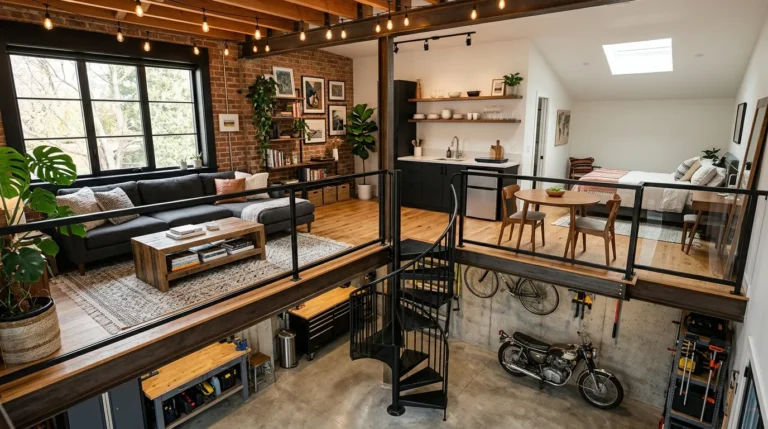
21. Concrete and Wood Mix
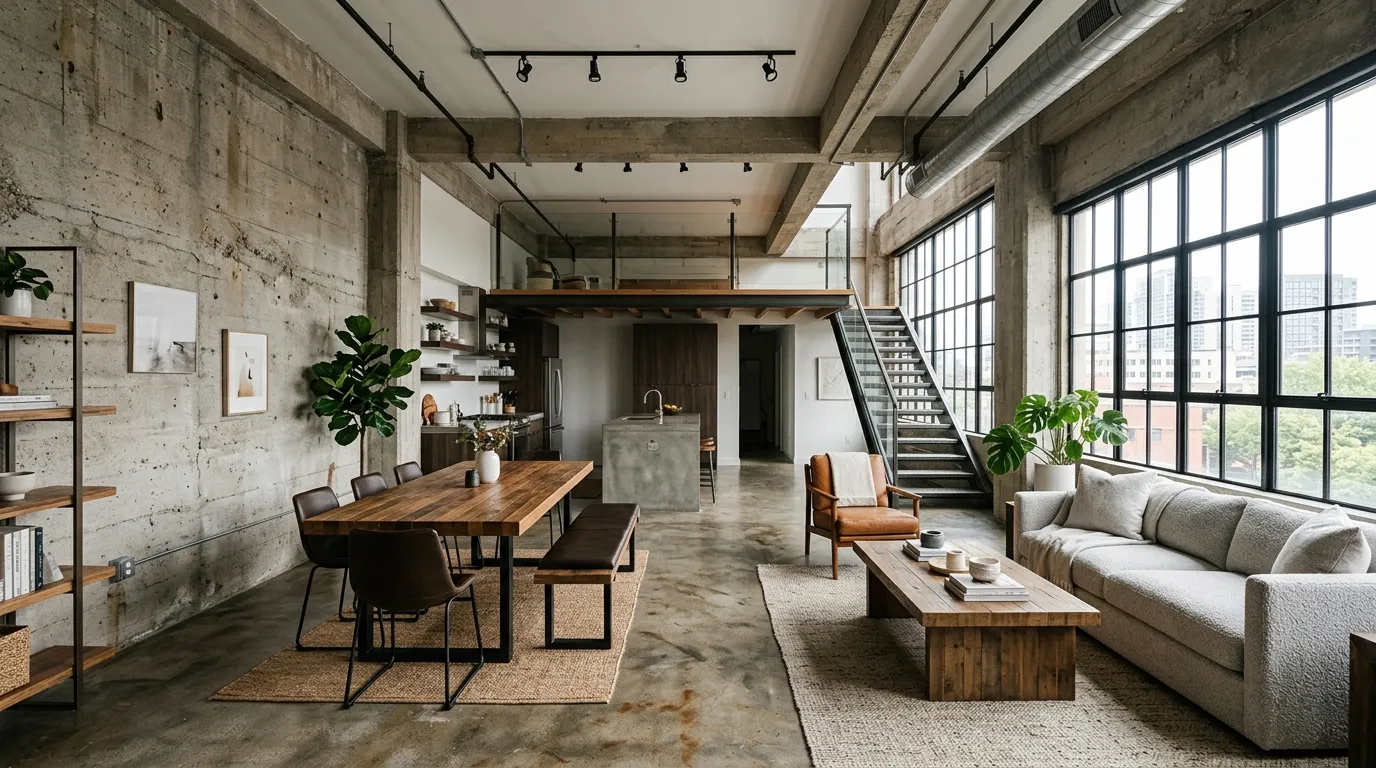
Combining concrete and wood creates a balanced look that feels both modern and comfortable. The raw texture of concrete adds an industrial edge, while wood softens the overall atmosphere. I’ve noticed that this mix works especially well in loft interiors where exposed materials are part of the design. Instead of feeling cold or unfinished, the space becomes layered and intentional. The contrast between hard and soft elements adds visual depth without needing excessive decoration.
What makes this approach effective is how naturally these materials complement each other. You don’t need to overthink the design because the contrast already creates interest. In my experience, using wood in key areas like furniture or flooring helps ground the space and make it feel more livable. At the same time, concrete keeps the look clean and contemporary. The result is a well-balanced environment that feels stylish, practical, and comfortable over time.
22. Minimal Decor Styling
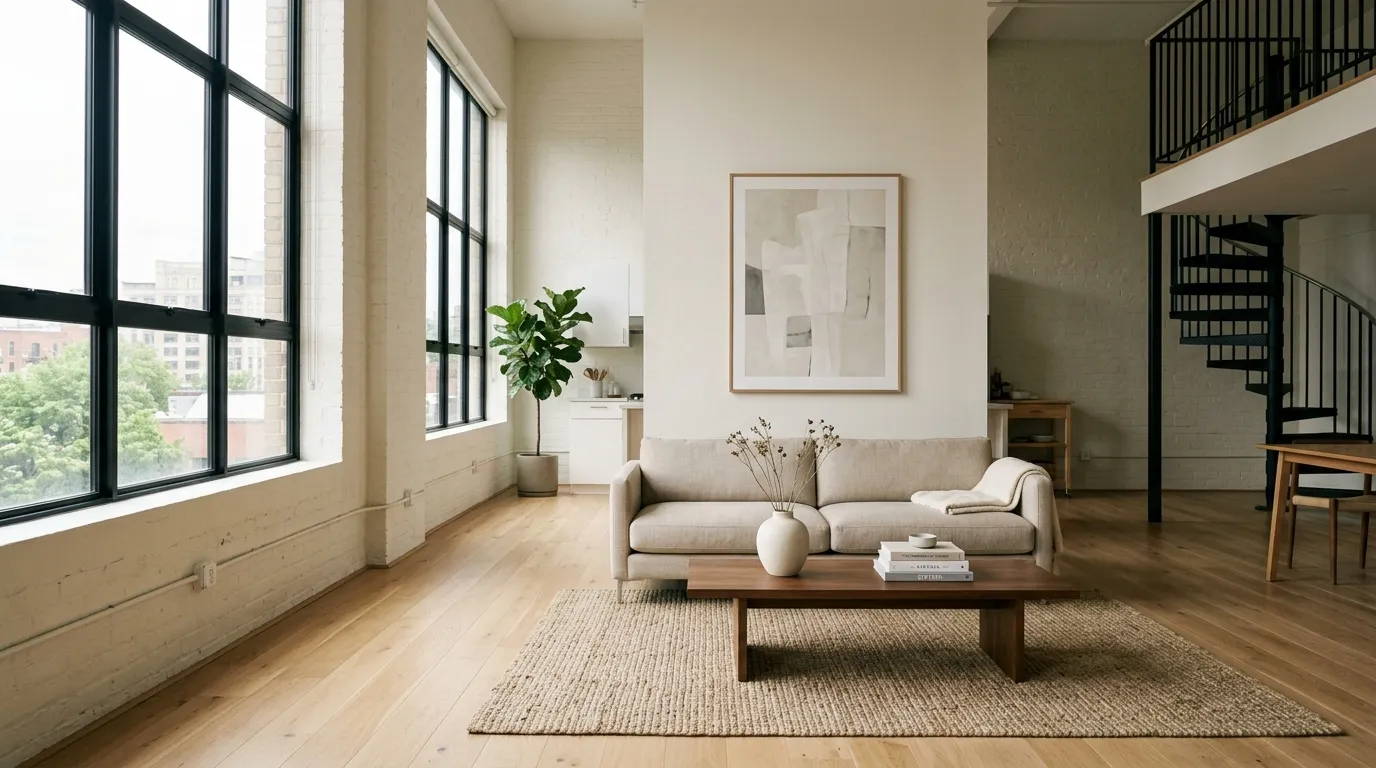
Minimal decor styling is what truly brings everything together and allows the space to breathe. Instead of filling every surface, carefully chosen pieces create a sense of balance and clarity. I’ve noticed that this approach works especially well in a sophisticated loft because it lets the architecture and materials stand out naturally. The absence of clutter makes each item feel more important and thoughtfully placed. It creates a calm environment that feels both modern and timeless without requiring constant updates.
What makes this idea practical is how easy it is to maintain over time. You don’t need to keep adding new items to refresh the look. In my experience, editing down decor often improves the space more than adding to it. Keeping only meaningful or functional pieces helps maintain a clean and organized feel. It also makes daily living simpler since there is less to manage. The result is a refined, balanced space that feels effortless, intentional, and comfortable.
Conclusion
Creating a refined space doesn’t require a complete overhaul—just the right ideas applied thoughtfully. These 22 concepts show how small, intentional changes can completely transform the look and feel of your home. From lighting to textures, every detail plays a role in shaping a more elevated environment. I’ve seen how even one or two updates can make a space feel entirely new and more inviting.
If you found inspiration here, save this post on Pinterest so you can revisit these ideas anytime. Try a few changes in your own sophisticated loft and see what works best for your style. Don’t forget to share this with others who want a space that feels both modern and effortlessly refined.
FAQs
1. What makes a loft design feel sophisticated?
A refined loft usually combines clean lines, balanced colors, and thoughtful materials. It’s less about adding more and more about choosing better. I’ve noticed that neutral palettes, layered textures, and intentional lighting instantly create a more elevated feel. Keeping the space uncluttered also helps highlight key design elements.
2. How can I make my loft look expensive on a budget?
Focus on small, high-impact upgrades like lighting, textiles, and decor placement. You don’t need luxury items—just smart styling. In my experience, swapping harsh lighting for warm tones, adding a large rug, or using minimal decor can completely change the atmosphere without spending too much.
3. Which colors work best for a refined loft look?
Neutral tones like beige, gray, white, and soft earth shades work best. They create a calm and cohesive base that feels timeless. You can then layer textures or subtle contrasts to add depth without overwhelming the space.
4. How do I keep my loft from feeling empty or cold?
Balance is key. Open spaces can feel cold if they lack texture or warmth. Adding rugs, wood elements, soft lighting, and fabric layers makes the space feel more inviting. I’ve seen this simple combination completely change the mood of a room.
5. Is minimal decor better for loft interiors?
Yes, but it needs to be intentional. Minimal doesn’t mean empty—it means carefully choosing pieces that add value. A few well-placed items often look more refined than overcrowded surfaces. This approach also makes the space easier to maintain.
6. What type of lighting works best in loft spaces?
Layered lighting works best. Combine ambient lighting, task lighting, and a statement fixture to create depth. Warm lighting is especially important because it softens industrial elements and makes the space feel more comfortable.
7. Can I mix modern and industrial styles in a loft?
Absolutely. In fact, that mix often creates the most interesting spaces. Pairing raw materials like concrete or metal with softer elements like wood or fabric creates a balanced, lived-in look that feels both stylish and practical.