
Introduction
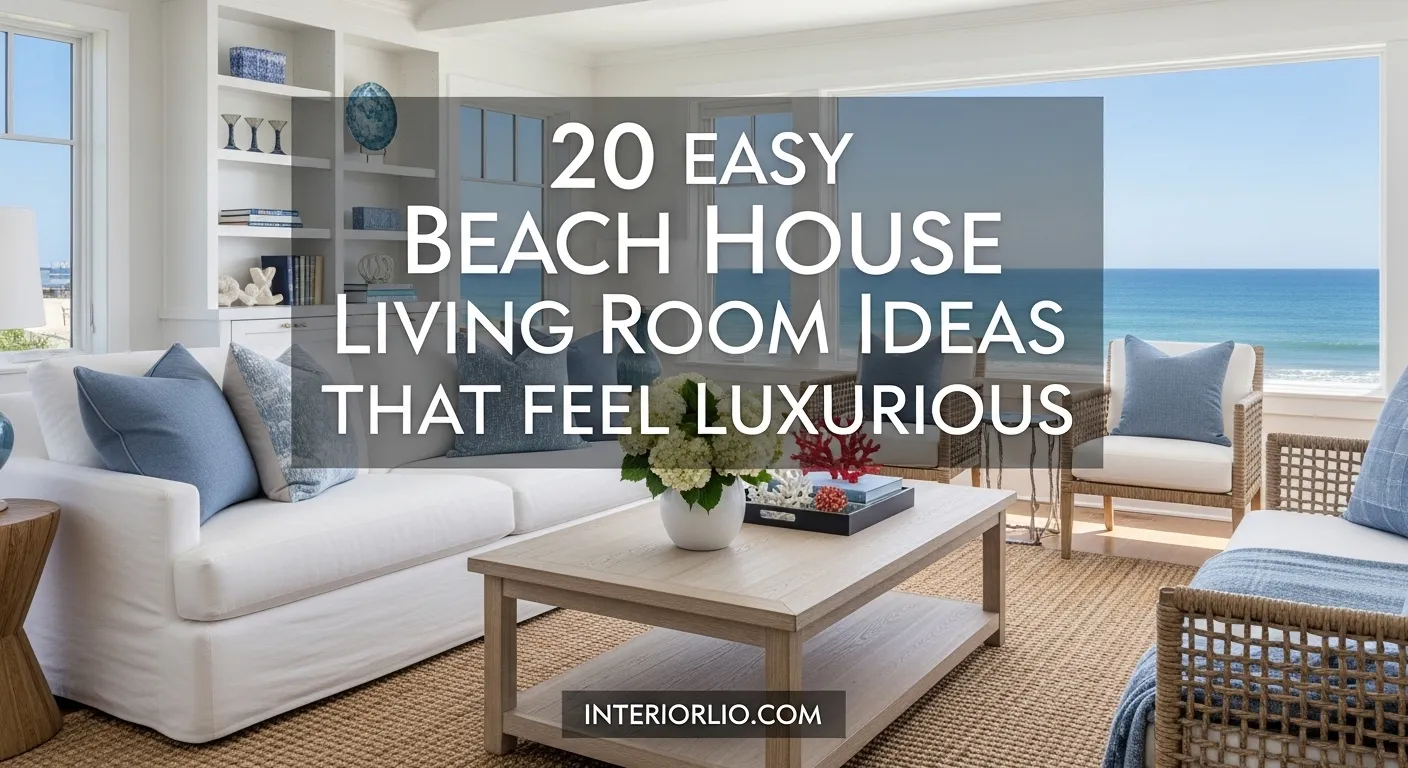
Dreaming of a beach house living room that feels light, luxurious, and effortlessly relaxing? You’re not alone. Many people struggle to create a space that feels both stylish and comfortable without overcomplicating the design.
This guide is all about simple, beautiful ideas that instantly upgrade your space without requiring a full renovation. From soft neutral palettes to bold coastal accents, each idea is designed to help you create a room that feels calm, inviting, and visually stunning. I’ve noticed that even small changes—like adjusting colors or textures—can completely shift how a space feels and functions.
Whether you’re starting fresh or refreshing your current setup, these ideas will help you design a space that feels personal, practical, and Pinterest-worthy. You’ll walk away with inspiration you can actually use, not just admire.
1. Soft White Driftwood
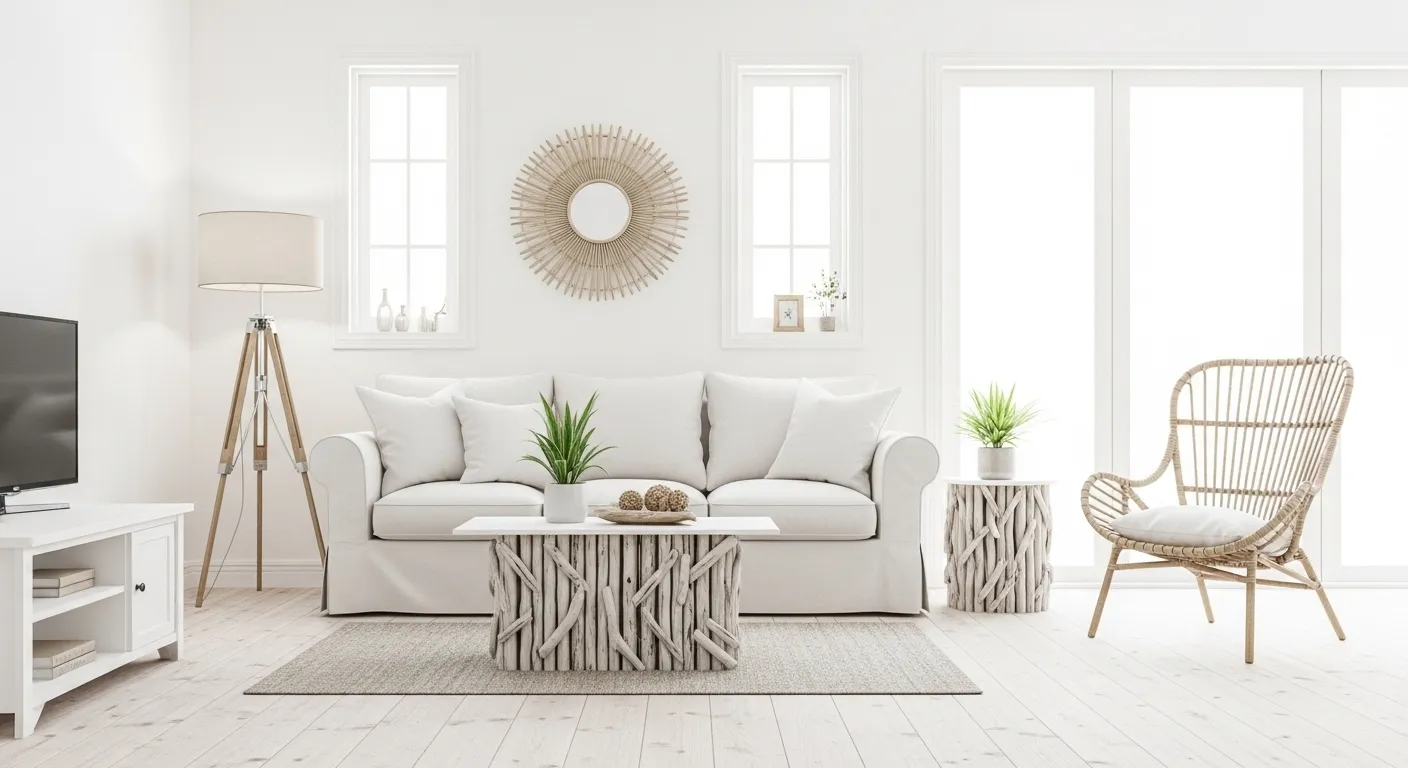
A calm, light-filled space instantly feels more luxurious when you keep the palette soft and natural. This idea focuses on crisp white walls paired with driftwood textures that bring in an organic coastal touch without overwhelming the room. The combination feels effortless but refined, making it perfect for a relaxing beach house living room where comfort and style meet in a very natural way that doesn’t feel forced or overly designed.
The beauty of this look is how easy it is to achieve without spending a lot. I’ve noticed that even small driftwood accents like a coffee table or shelves can completely change the mood of a space. The white tones reflect sunlight beautifully during the day, while at night the textures add warmth. This setup works especially well in smaller spaces because it keeps everything feeling open, breathable, and visually uncluttered while still looking thoughtfully styled.
2. Navy Coastal Elegance
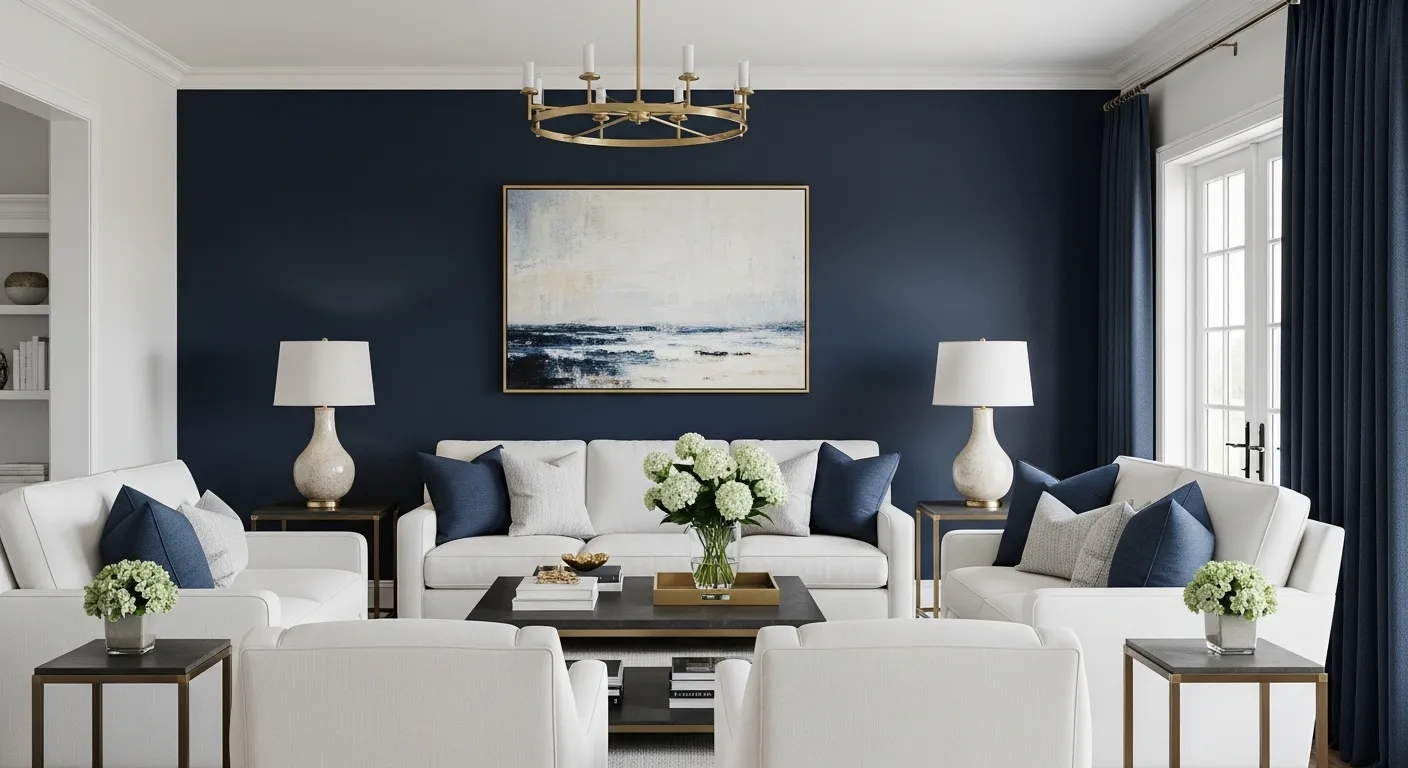
A deeper color palette can instantly elevate the space, and navy blue is one of the easiest ways to add that rich, coastal elegance. When paired with white or cream furniture, it creates a clean contrast that feels both classic and luxurious. This style works beautifully in a beach house living room because it reflects ocean tones while still keeping the space grounded and sophisticated without feeling too dark or heavy.
I’ve seen this work especially well when navy is used on a feature wall, sofa, or even curtains. It gives the room a strong visual anchor while the lighter elements balance it out. Adding touches of brass or gold can enhance the upscale feel without overdoing it. The result is a space that feels intentional and designer-inspired, yet still relaxed enough for everyday living near the coast.
3. Sandy Beige Retreat
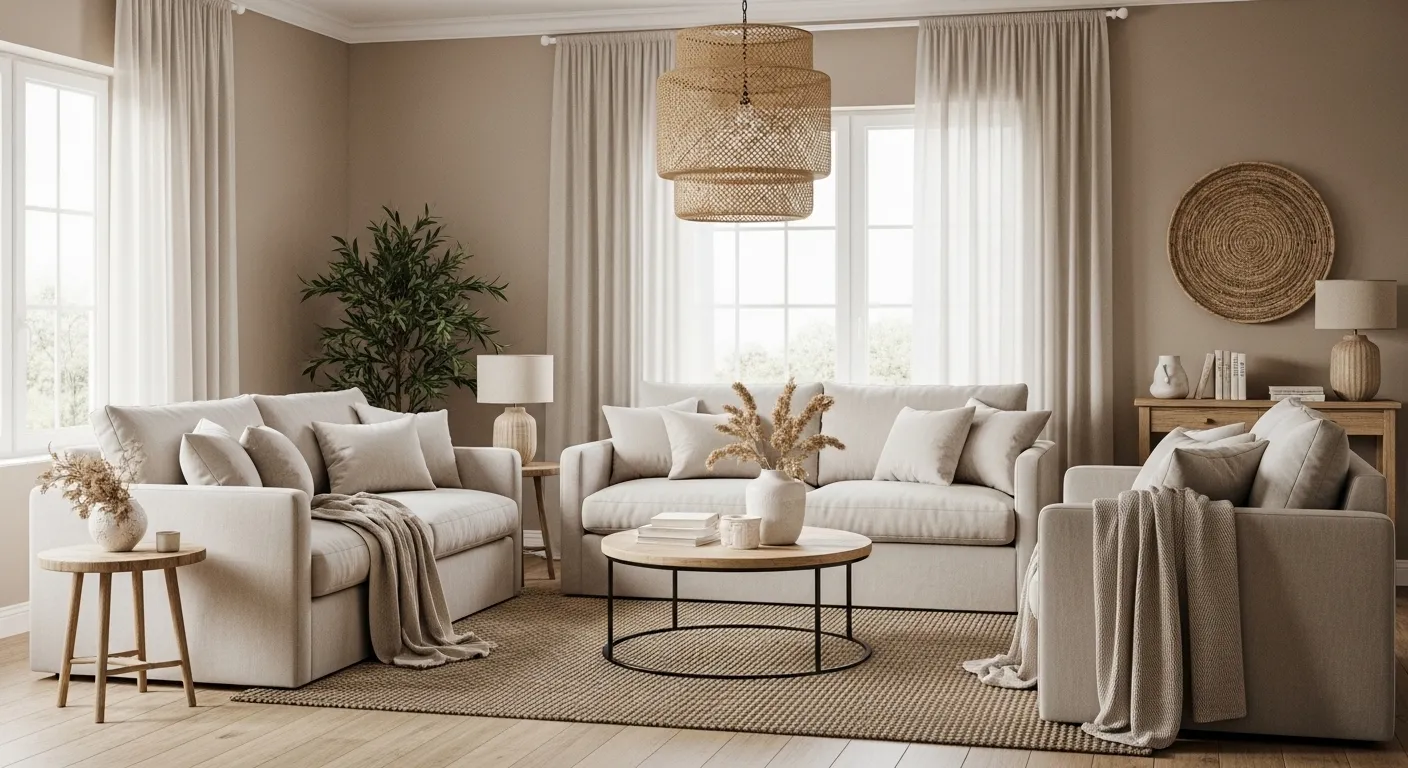
Soft sandy tones bring a sense of warmth that instantly makes the space feel inviting and relaxed. This idea leans into beige, cream, and light tan shades that mirror the natural colors of the beach. It’s perfect for anyone who wants a cozy yet elegant setup that still feels connected to the coastal environment without relying on bold colors or strong contrasts.
In my experience, this palette works beautifully with layered textures like linen sofas, woven rugs, and soft throw blankets. These elements add depth without making the room feel busy. The key is keeping everything in a similar tone range so the space flows naturally. This approach makes the room feel calm, cohesive, and effortlessly stylish, which is exactly what most people want when designing a peaceful coastal-inspired living area.
4. Aqua Coral Mix
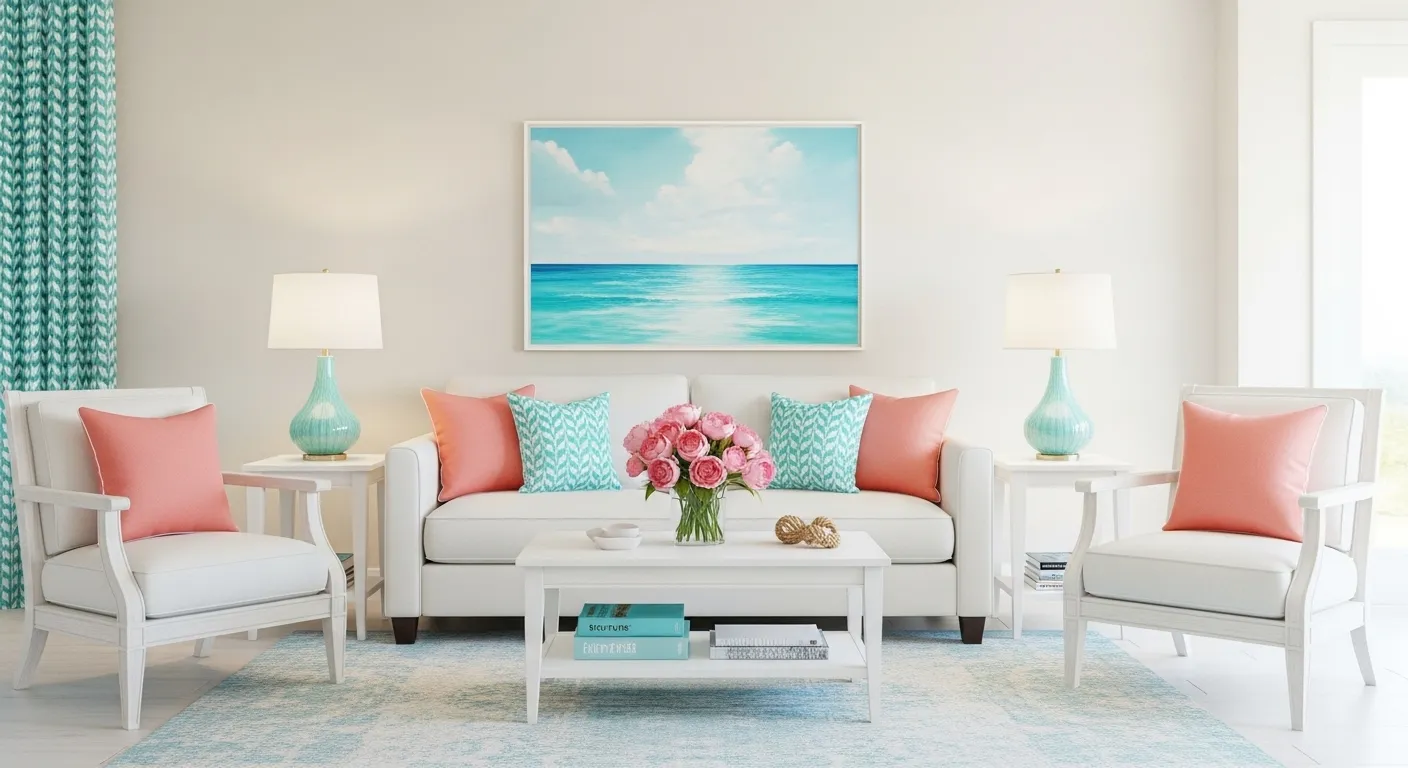
A splash of aqua paired with soft coral tones can completely transform a plain space into something vibrant yet balanced. This combination reflects tropical ocean colors while keeping the look soft enough for everyday living. When used in cushions, artwork, or accent chairs, these colors create a cheerful focal point without taking over the entire room, making it perfect for a relaxed coastal setting.
I’ve noticed that keeping the base neutral is key to making this palette work. White or light beige furniture helps tone down the brightness while still letting the colors stand out. This balance keeps the space from feeling too busy. The result is a room that feels fresh, welcoming, and full of personality while still maintaining a clean and stylish coastal aesthetic.
5. Gray Ocean Calm
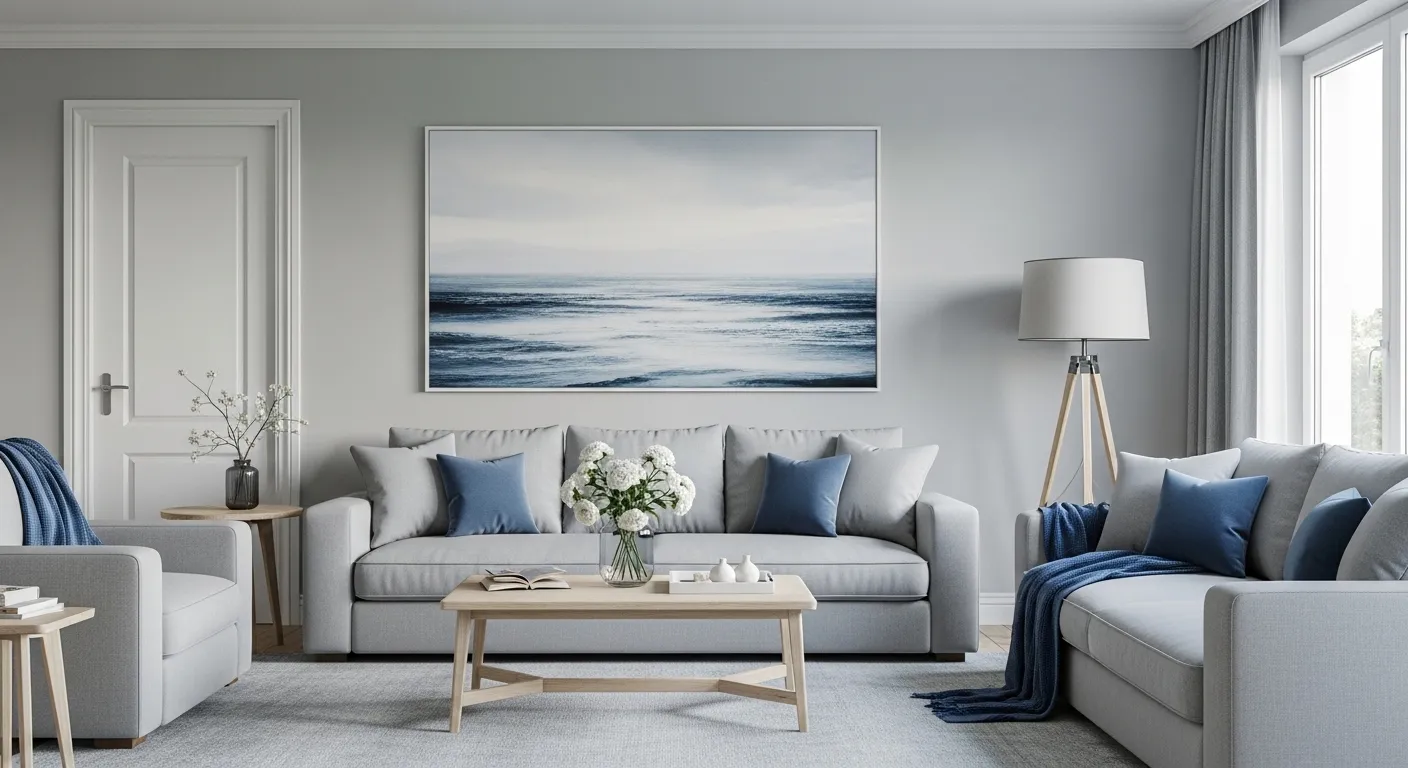
A soft gray palette inspired by cloudy ocean skies brings a calm and modern feel to the space. This idea is perfect for those who prefer a more understated look while still keeping a coastal connection. Light gray walls or sofas paired with muted blue accents create a gentle, relaxing environment that feels both contemporary and timeless.
That’s why many designers recommend gray as a base color for coastal interiors. I’ve seen this work well when combined with natural textures like wood or linen, which prevent the space from feeling too cold. The overall effect is balanced and peaceful, offering a refined take on coastal living that feels effortless and comfortable without relying on bright or overly themed decor.
6. Seafoam Fresh Look
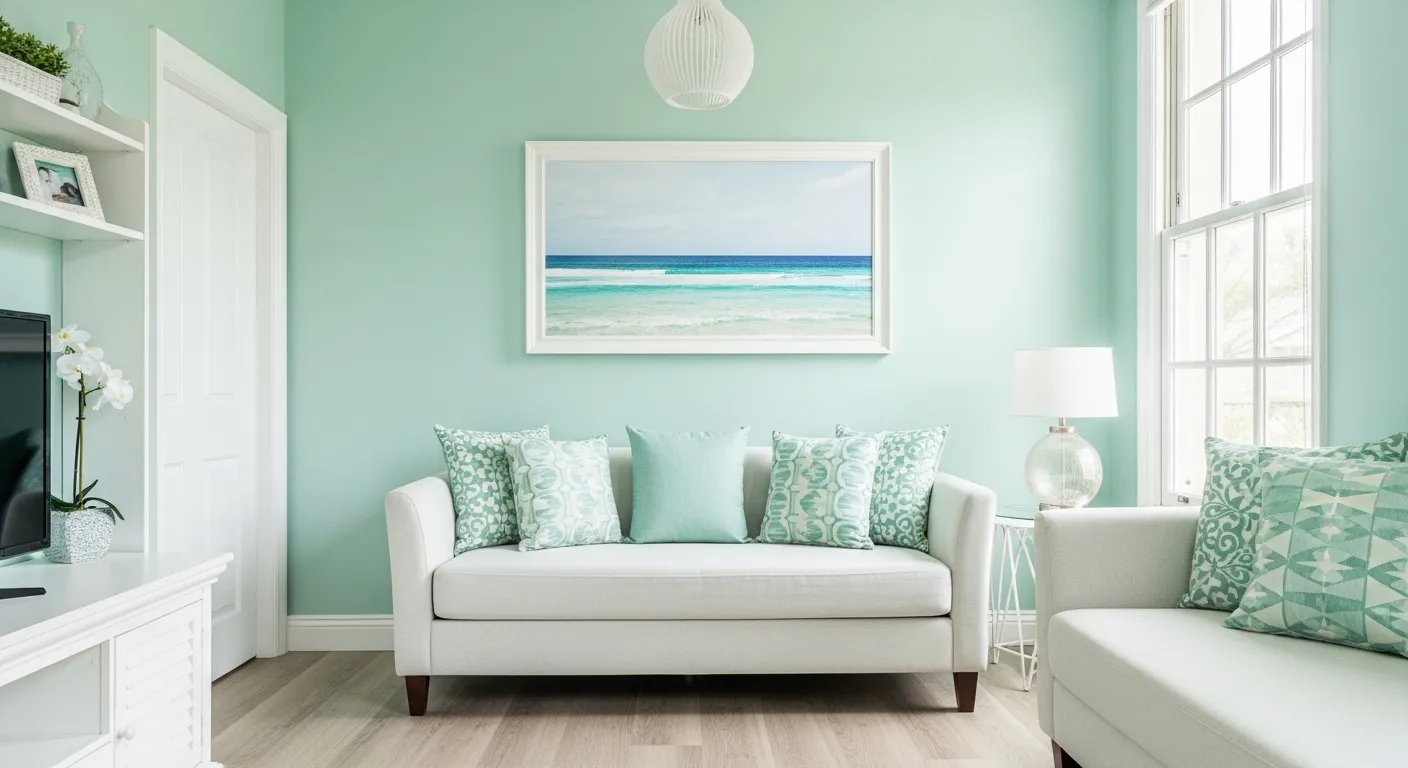
Seafoam green brings a gentle splash of color that instantly freshens up the entire room. It’s soft enough to feel calming but still noticeable enough to add personality. Whether used on walls, cushions, or decor pieces, this shade reflects natural coastal tones and helps create a breezy atmosphere that feels open and uplifting throughout the day.
In my experience, this color works best when paired with crisp white elements that enhance its brightness. The combination makes the room feel larger and more inviting, especially in spaces that don’t get a lot of natural light. It’s a simple upgrade that delivers a noticeable transformation, turning an ordinary setup into a light, coastal-inspired retreat that feels both stylish and easy to live in.
7. Coastal Boho Neutrals
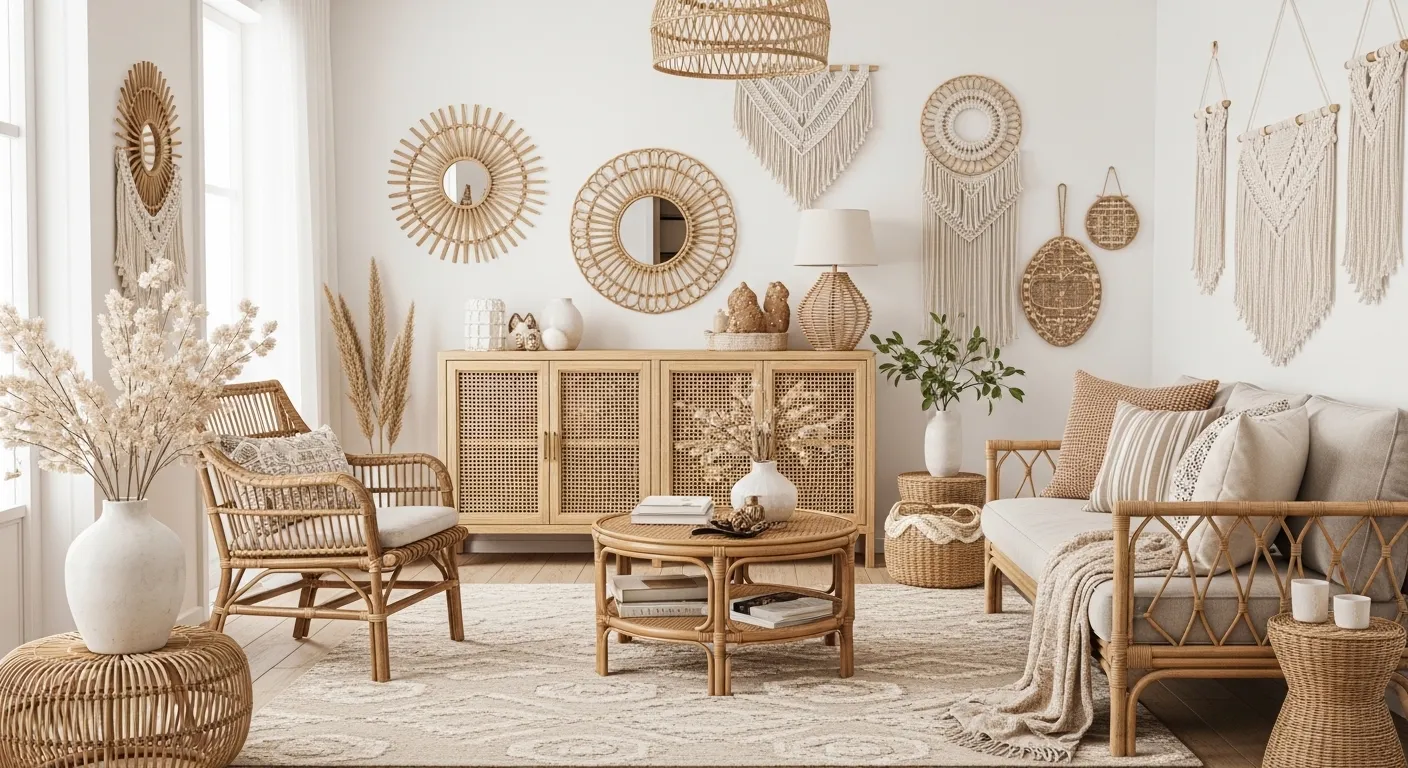
A relaxed mix of coastal and boho styles creates a space that feels warm, inviting, and effortlessly stylish. This idea uses soft neutrals like cream, beige, and light brown, combined with woven textures and handmade decor pieces. The result is a layered look that feels personal and comfortable without losing that airy coastal vibe that makes the space feel open.
I’ve noticed this style works best when you mix different materials like rattan, linen, and jute. These textures add depth without needing bold colors. That’s why many designers recommend focusing on layers rather than patterns. The overall effect is a cozy yet breathable space that feels curated over time, making it perfect for a relaxed coastal home where comfort and character matter.
8. Sky Blue Linen
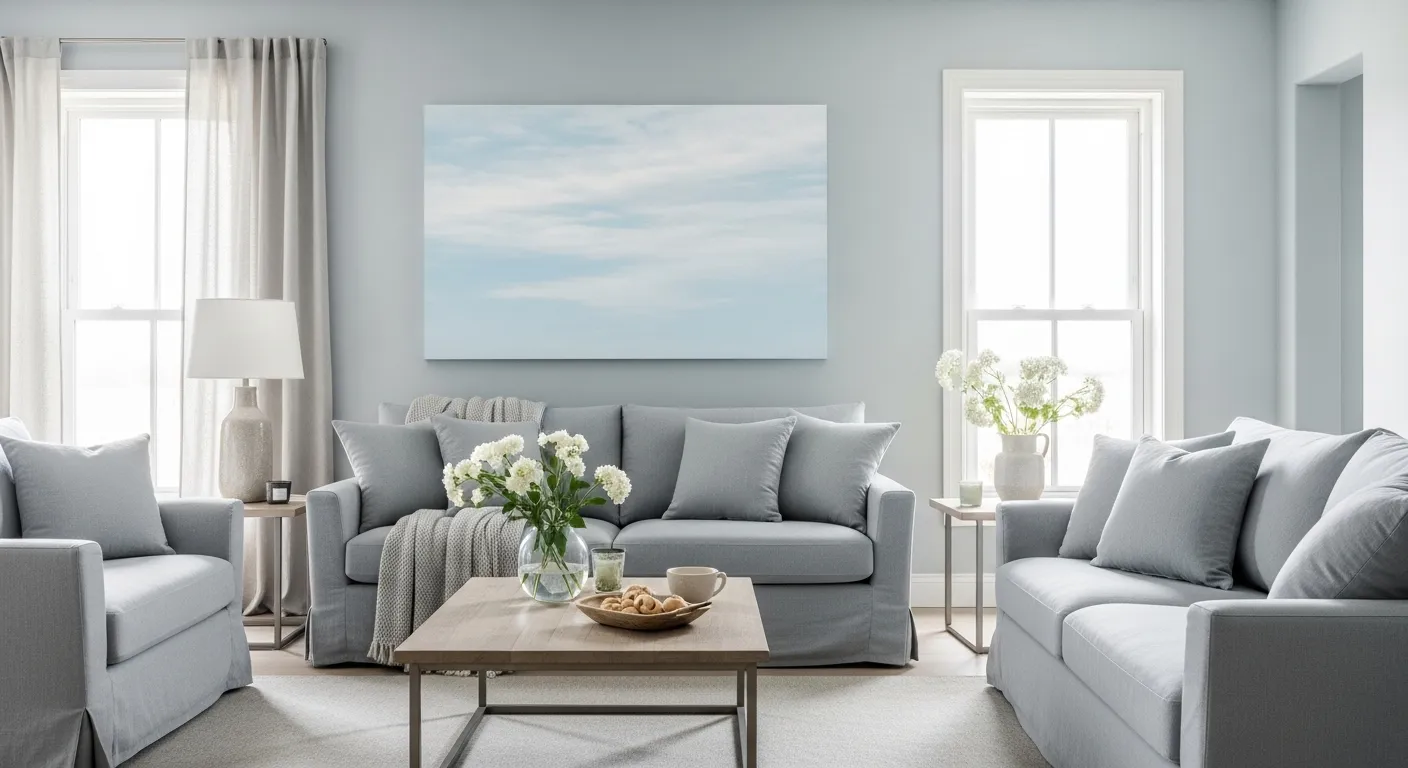
Light sky blue combined with soft linen textures brings a peaceful and open feel to the room. This idea focuses on subtle color rather than bold contrast, making it perfect for creating a calm and relaxing environment. The gentle blue tones mimic the sky, helping the space feel more expansive and connected to nature.
In my experience, linen fabrics play a big role in making this look feel authentic. Sofas, curtains, or cushions in linen add softness and movement, especially when natural light flows through the room. This combination creates a gentle, breezy atmosphere that feels effortless. It’s a simple way to make the space feel fresh, elegant, and naturally coastal without overcomplicating the design.
9. Teal Gold Luxe
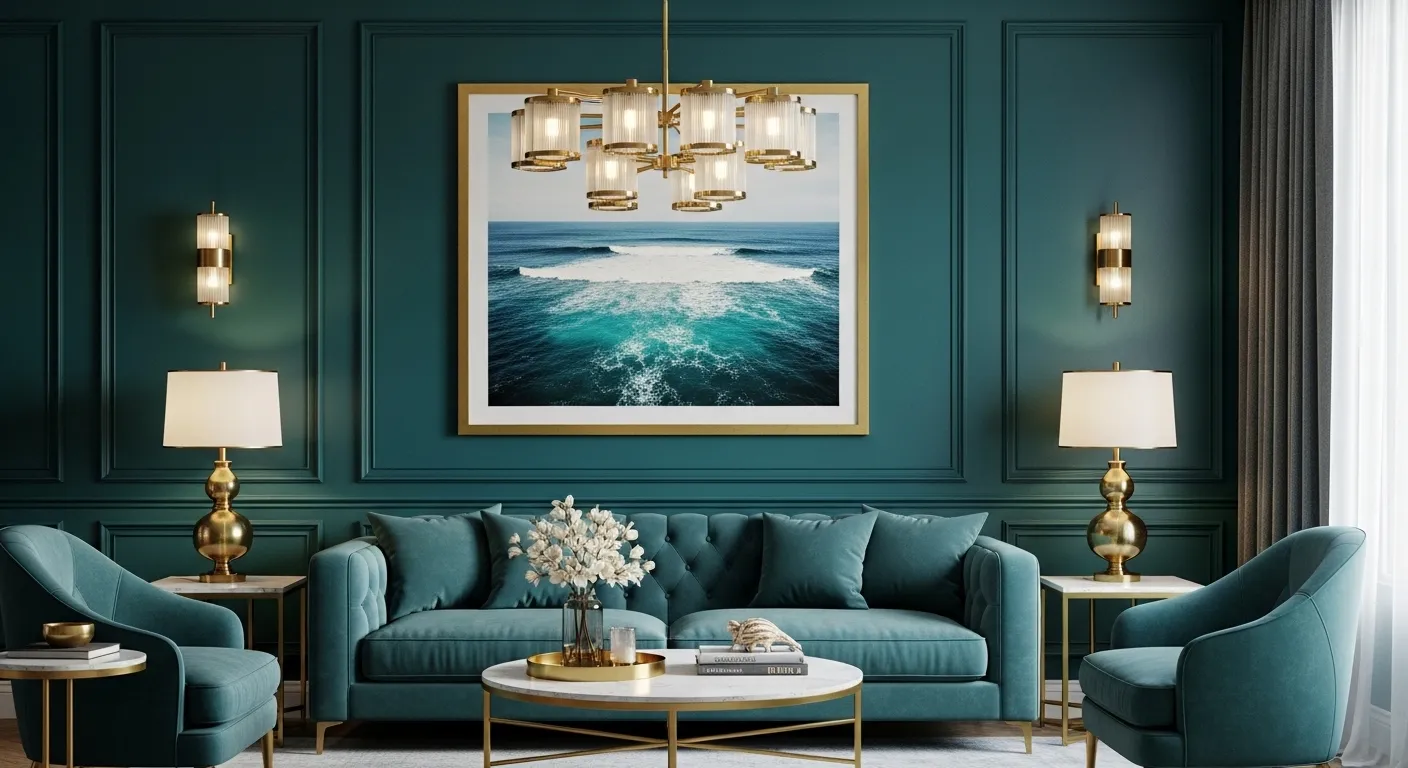
Teal paired with gold accents introduces a more luxurious side of coastal design. The deep teal tones bring richness, while gold details add a subtle shine that enhances the overall look. This combination works especially well for those who want a space that feels elegant while still connected to ocean-inspired colors.
I’ve seen this work beautifully when teal is used in sofas or accent chairs, with gold appearing in lighting or decor pieces. The key is balance, so the space doesn’t feel too heavy. When done right, it creates a refined and stylish atmosphere that stands out while still maintaining a relaxed coastal essence that feels comfortable and visually impressive.
10. All White Texture
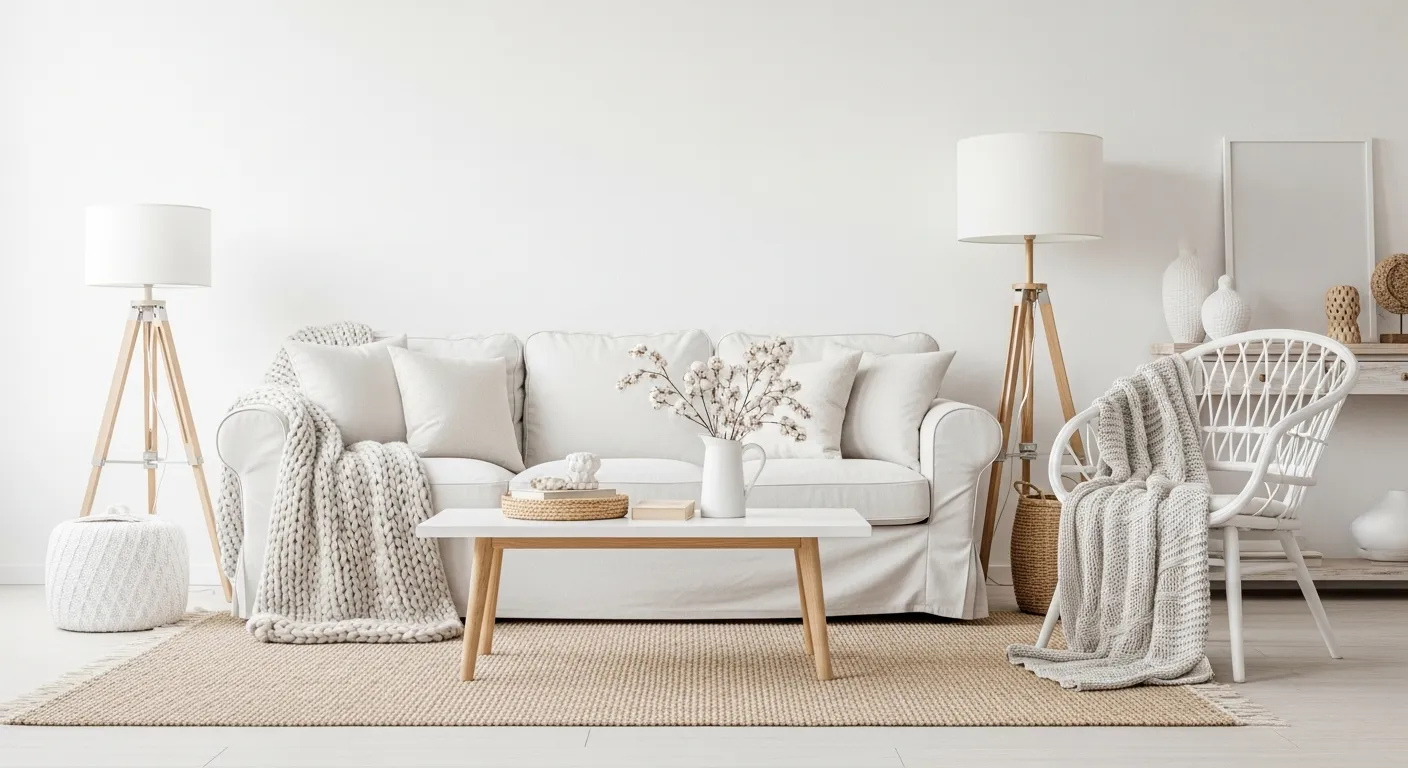
An all-white setup can feel incredibly luxurious when layered with the right textures. Instead of looking plain, the space comes alive through materials like linen, cotton, wood, and subtle patterns. This approach keeps everything light and airy while still adding enough detail to make the room feel styled and intentional rather than empty.
I’ve noticed that mixing textures is what makes this idea successful. A soft white sofa, a chunky knit throw, and a woven rug can create depth without adding color. Natural light enhances every layer, making the room feel even more open. This style works beautifully for anyone who wants a peaceful, minimal look that still feels warm and welcoming in everyday use.
11. Muted Pastel Charm
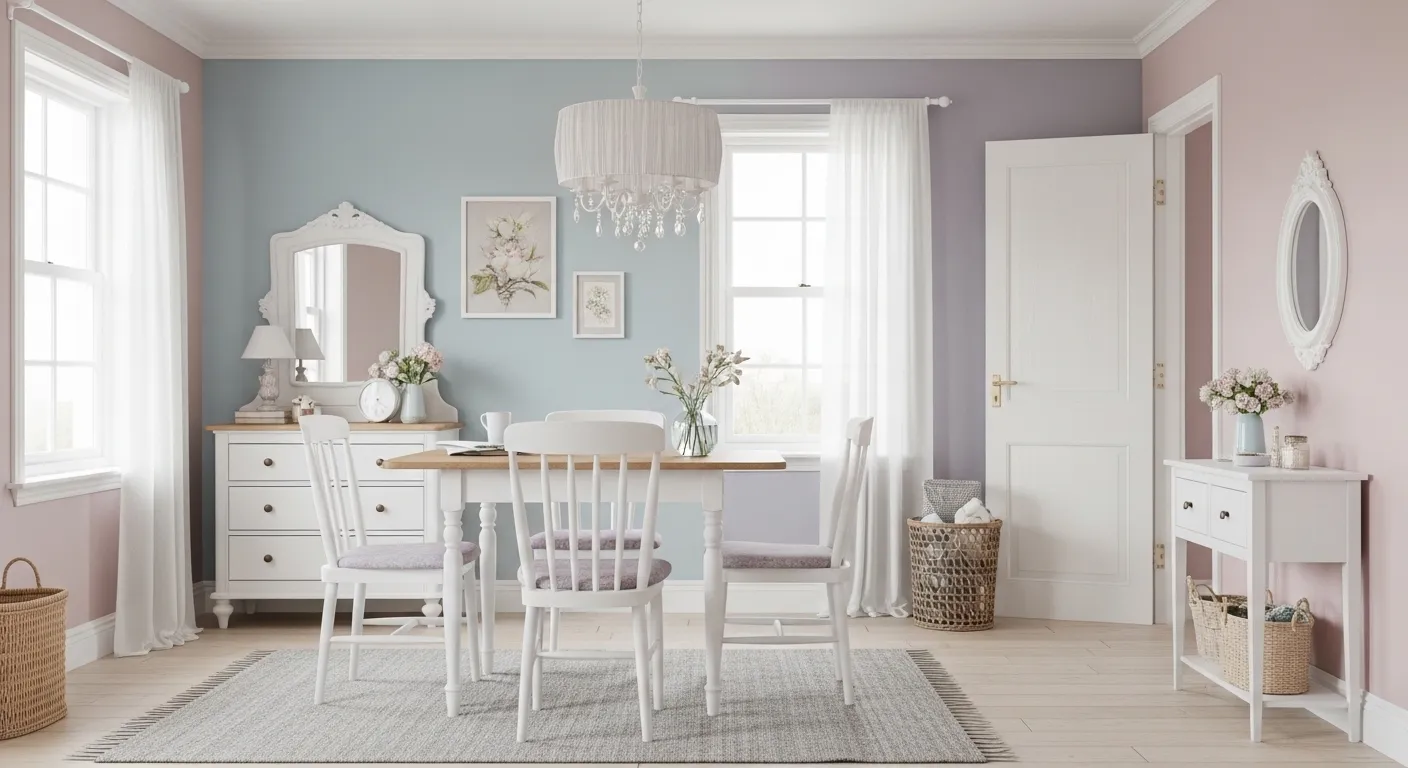
Muted pastels bring a delicate charm that feels both calming and visually interesting. Soft shades like blush, pale blue, and light lavender add just enough color to keep the room from feeling too neutral. These tones blend beautifully with coastal elements, creating a space that feels light, fresh, and slightly playful.
In my experience, this palette works best when kept soft and balanced with white or cream furniture. Too much color can take away from the calm feeling, so subtle accents are key. I’ve seen this work well with vintage-style decor or light wood finishes, creating a space that feels unique, personal, and gently styled without being overpowering.
12. Deep Blue Contrast
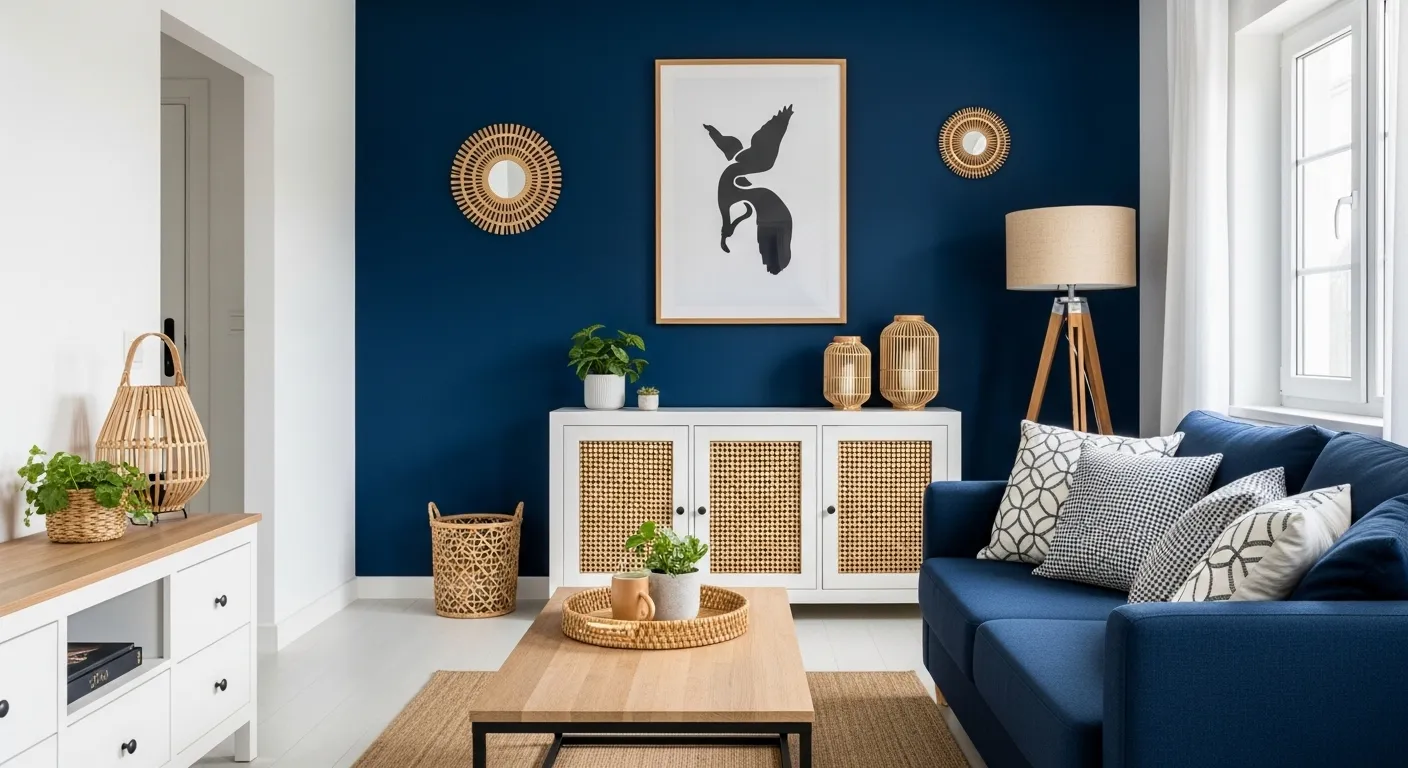
A strong contrast between deep blue and bright white can instantly make a space feel more defined and stylish. This idea focuses on creating visual impact through color balance, where dark tones anchor the room and lighter elements keep it feeling open. It’s a simple yet powerful way to elevate the overall design.
I’ve seen this approach work especially well with feature walls or large furniture pieces in deep blue. The contrast draws attention while still maintaining a clean coastal feel. When paired with natural textures like wood or woven decor, the space feels balanced and inviting. This combination offers a refined look that feels both bold and comfortable at the same time.
13. Natural Wood Cream
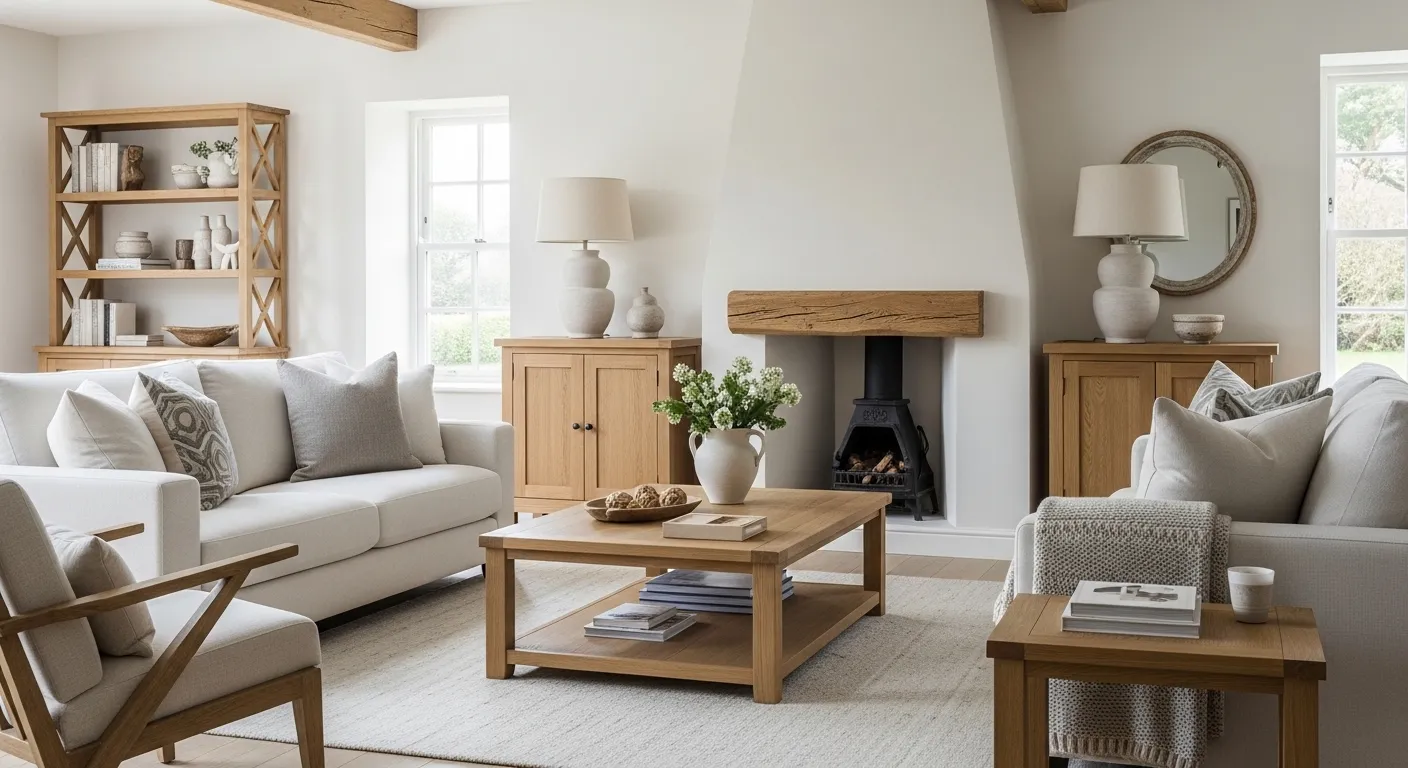
A blend of natural wood and soft cream tones creates a space that feels both warm and airy at the same time. This idea focuses on balance, where light upholstery keeps things fresh while wooden elements add depth and character. It’s a perfect choice for anyone who wants a coastal-inspired space that doesn’t feel too white or too minimal.
I’ve noticed this combination works especially well with oak or light-toned wood finishes. Coffee tables, shelving, or exposed beams can instantly make the space feel more grounded. When paired with cream sofas and soft textiles, the overall look becomes cozy yet refined. It’s a practical setup that feels timeless and easy to live with every day.
14. Turquoise Accent Pop
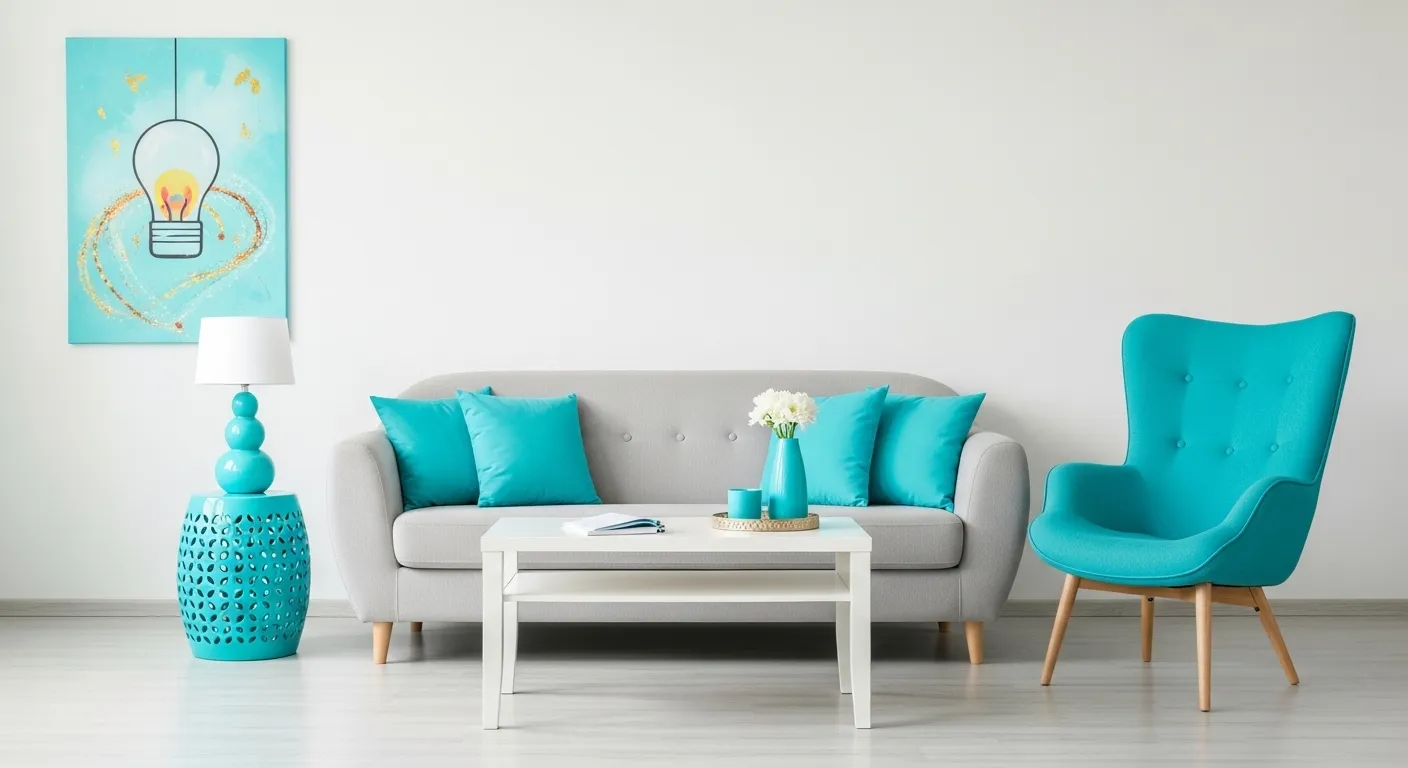
A pop of turquoise can instantly bring life into an otherwise neutral room. This idea works by keeping the main setup simple while introducing bold color through accents like cushions, artwork, or a statement chair. The result is a lively and fresh look that still feels controlled and stylish.
In my experience, limiting the turquoise to a few key pieces makes the biggest impact. Too much can feel overwhelming, but just the right amount creates a strong visual highlight. I’ve seen this work well in spaces that need a little energy without a full redesign. It’s a quick and effective way to refresh the overall look.
15. Blush Coastal Warmth
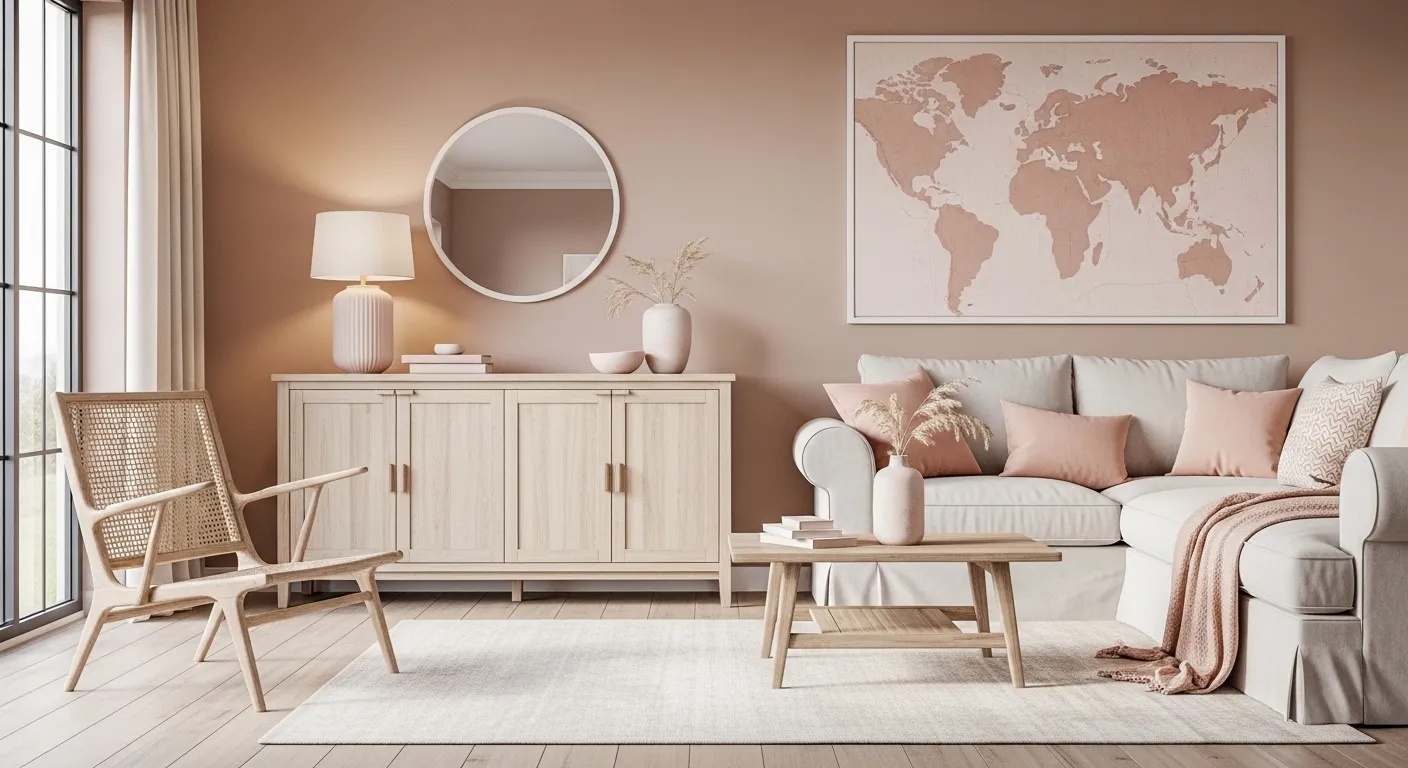
Soft blush tones introduce a gentle warmth that makes the space feel more inviting and comfortable. This idea blends coastal elements with a slightly modern color twist, creating a look that feels fresh but still relaxed. The softness of blush keeps the room from feeling too cold or overly neutral.
I’ve seen this work beautifully when combined with light wood and cream textures. The warmth of the blush adds depth without overpowering the space. That’s why many designers use it as a subtle accent rather than a main color. The result is a balanced, welcoming environment that feels both stylish and easy to enjoy daily.
16. Coastal Farmhouse Blend
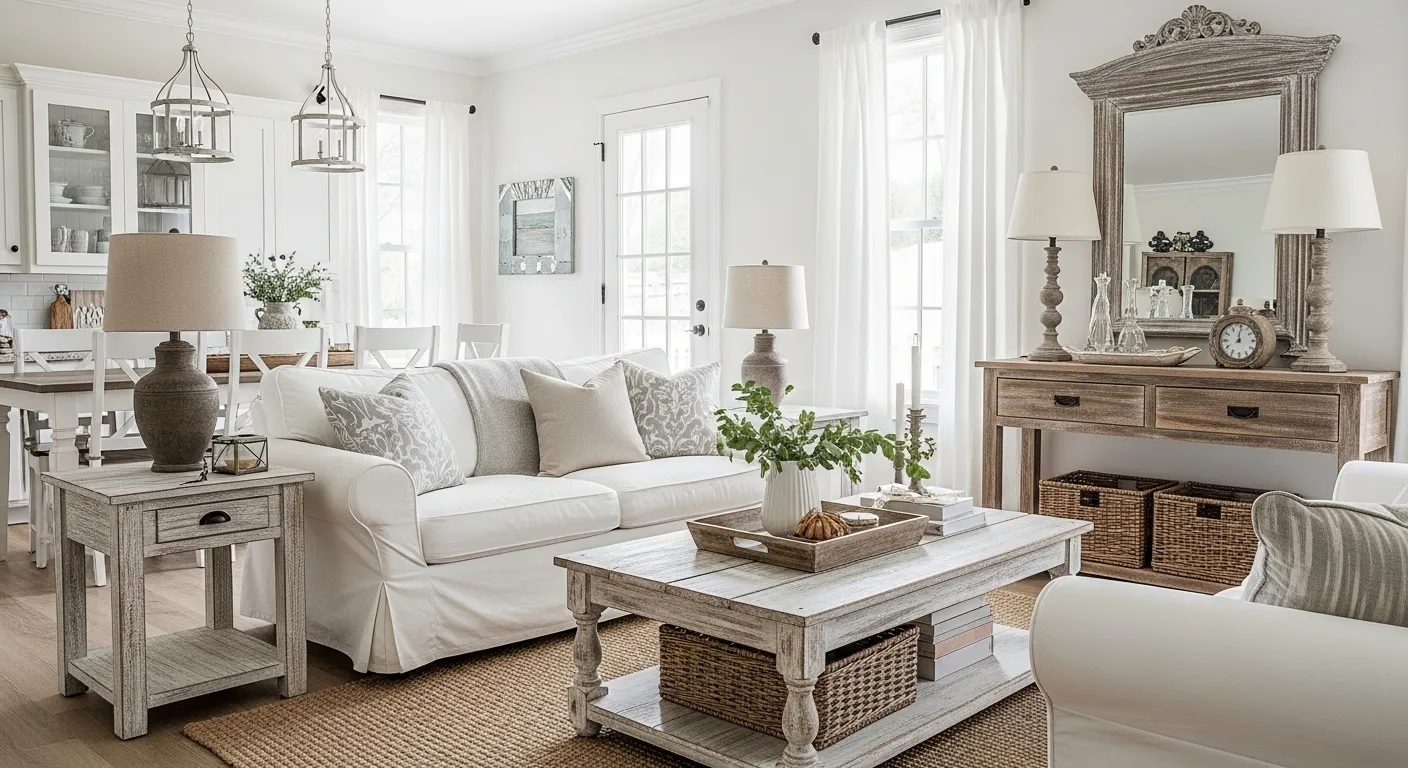
A mix of farmhouse and coastal elements creates a space that feels both charming and relaxed. This idea uses white tones, weathered wood, and simple furniture to build a look that feels lived-in yet stylish. The balance between rustic textures and light colors keeps the room from feeling heavy while still adding personality.
I’ve noticed that distressed wood pieces, like coffee tables or shelves, make a big difference in achieving this style. When paired with soft fabrics and neutral tones, the space feels warm without losing its airy feel. This approach works especially well for creating a welcoming environment that feels comfortable for everyday living while still looking thoughtfully designed.
17. Olive Sand Tones
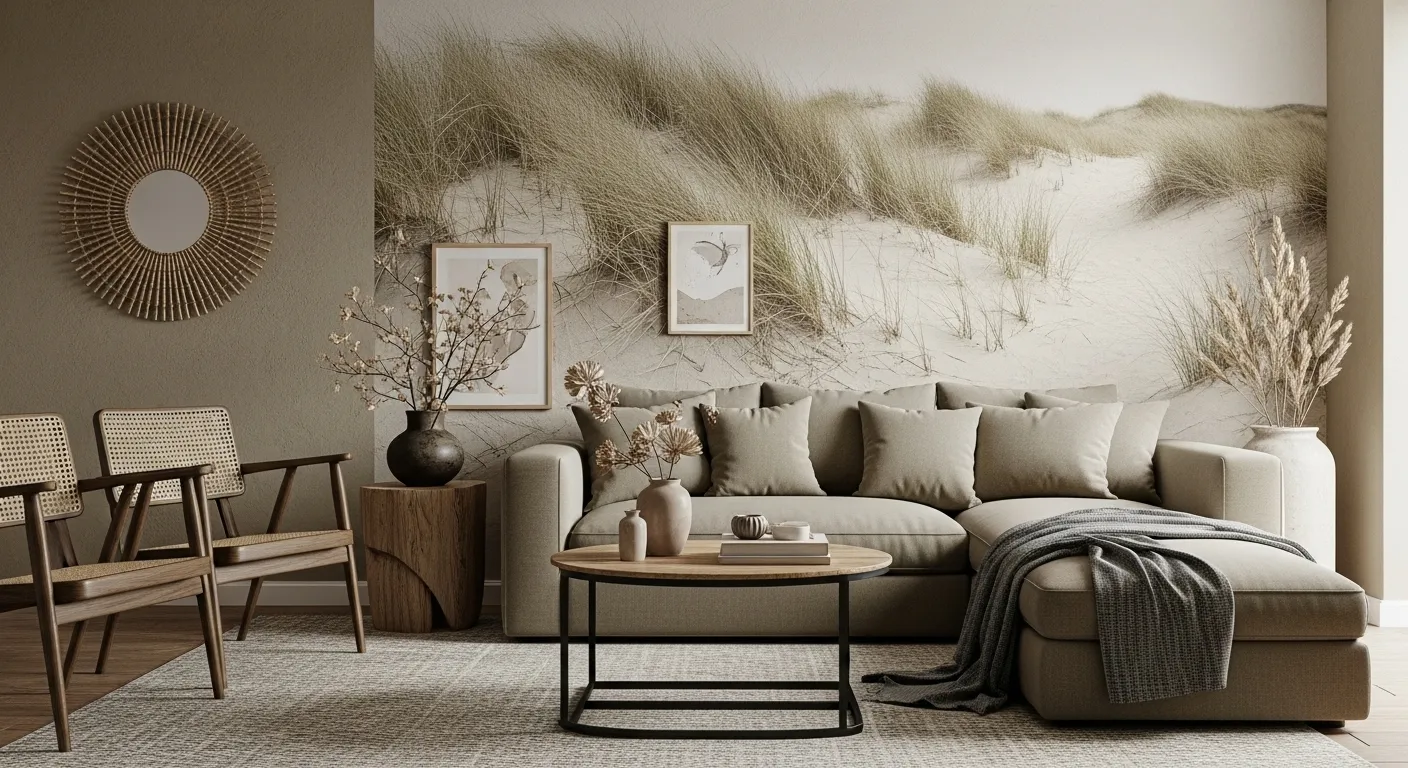
Olive green paired with sandy beige tones creates a unique coastal look that feels more earthy and natural. This idea steps away from typical blues and instead focuses on subtle, grounded colors inspired by dunes and coastal plants. The result is a calm and balanced space that feels fresh yet different.
In my experience, this palette works best with textured materials like linen, jute, and wood. These elements enhance the natural feel without making the space look too styled. I’ve seen this work well in homes where a softer, more organic look is preferred. It creates a peaceful environment that still feels connected to the coastal setting.
18. Monochrome Coastal Mix
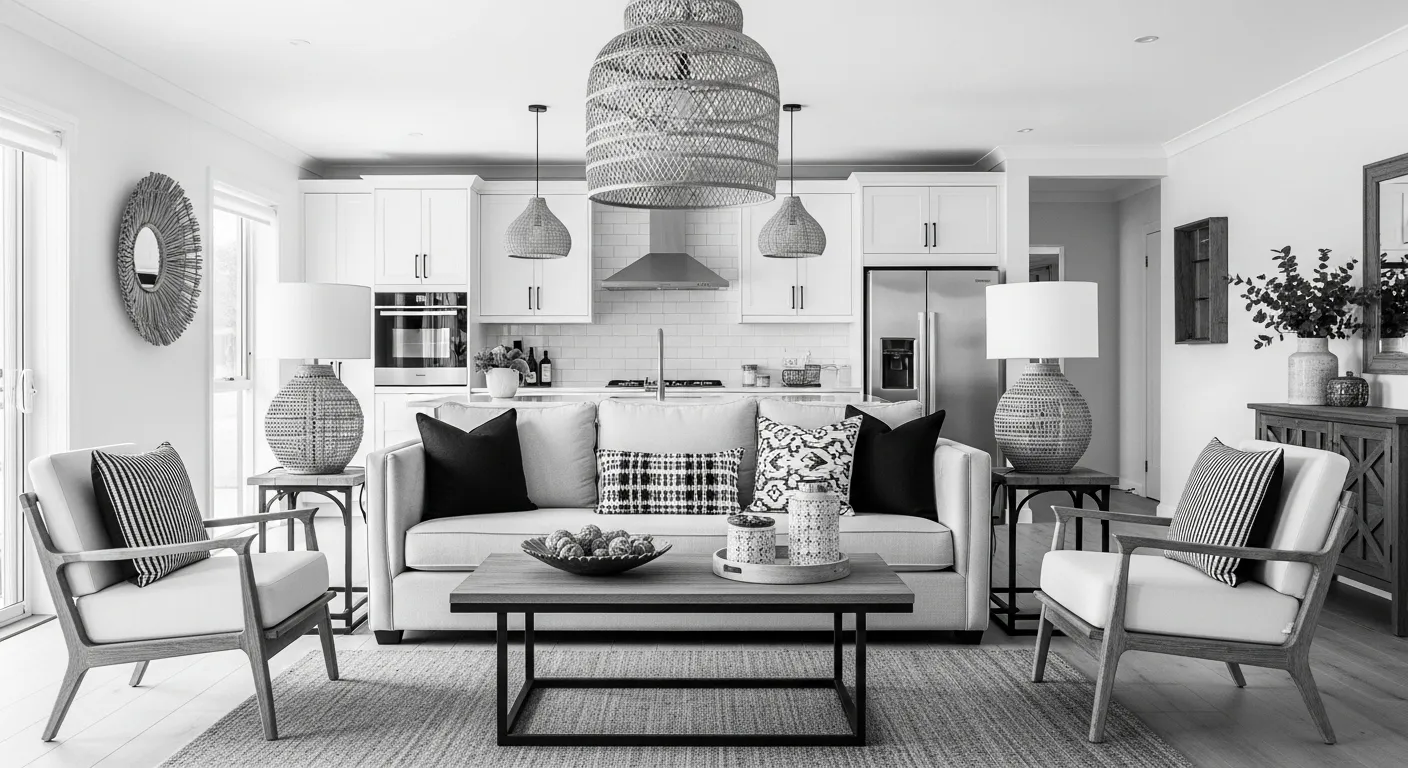
A monochrome palette of black, white, and gray offers a modern twist on coastal design. This idea focuses on clean lines and strong contrast while still keeping the space open and airy. It’s perfect for those who prefer a more minimal and structured look without relying on traditional coastal colors.
I’ve seen this style work best when softened with natural textures like wood or woven decor. Without these elements, the space can feel too sharp. Adding subtle coastal touches keeps the balance right. The result is a space that feels contemporary, polished, and still comfortable enough for everyday use.
19. Sunset Color Glow
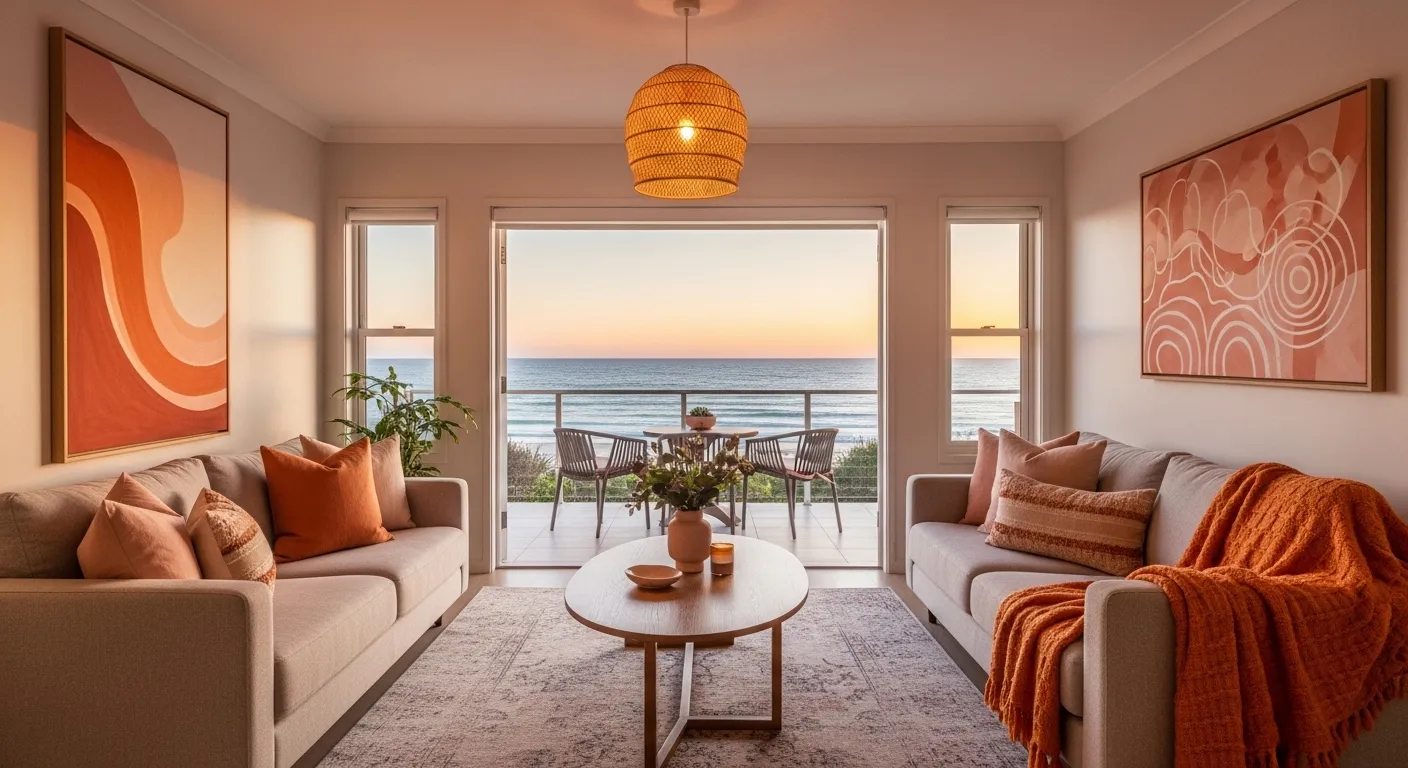
Warm sunset shades like soft orange, peach, and dusty pink can completely transform the mood of a room. This idea captures the feeling of a beach sunset and brings it indoors in a subtle, stylish way. When used in accents like cushions, throws, or wall art, these tones create a glowing effect that feels both relaxing and visually rich.
I’ve noticed this palette works best when balanced with neutral furniture to keep the space from feeling too bold. The warmth adds comfort, especially in the evenings when lighting enhances the tones. This approach creates a cozy yet elevated environment that stands out while still feeling natural and connected to the coastal setting.
20. Glassy Blue Silver
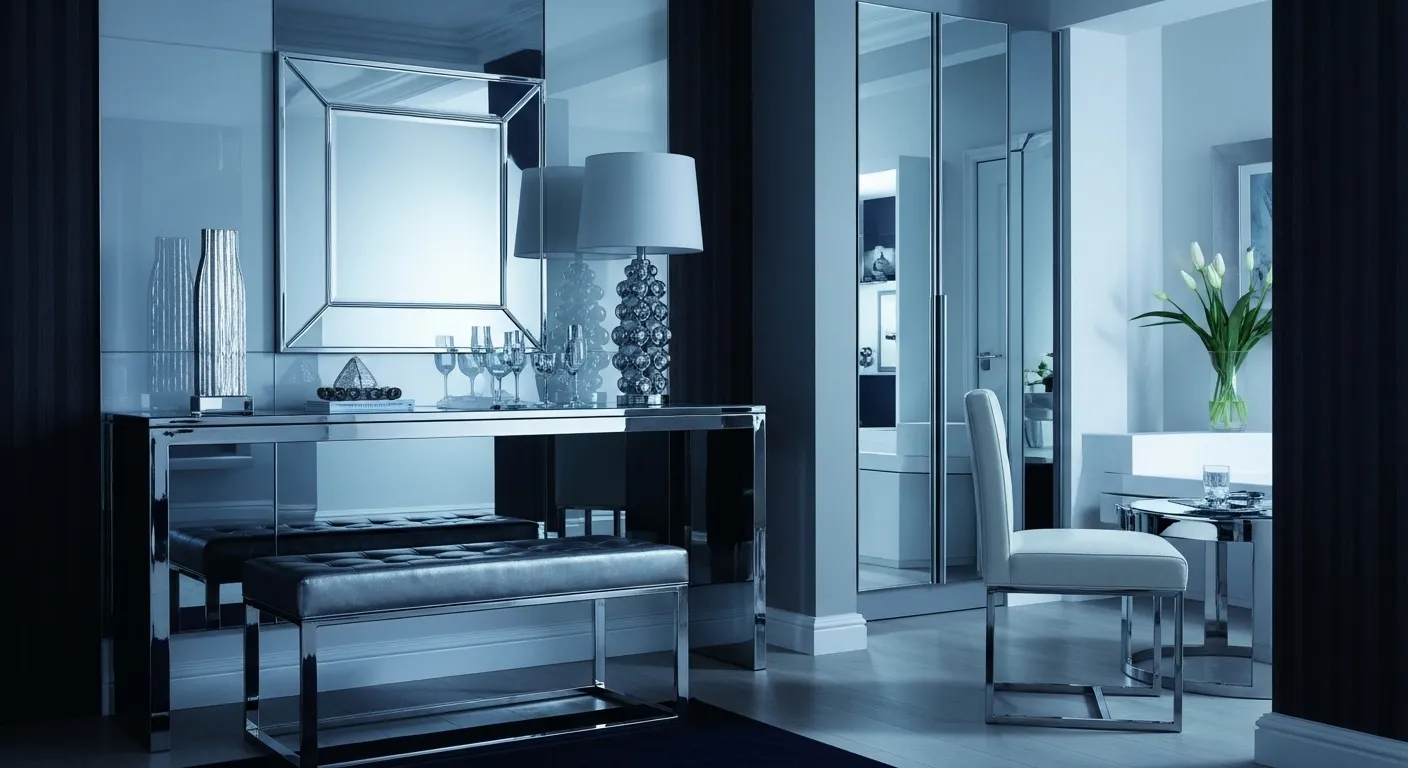
Glassy blue tones paired with silver accents create a clean and polished look that feels modern yet coastal. This idea focuses on reflective surfaces and cool tones that enhance natural light and make the space feel more open. It’s a great option for creating a fresh and refined atmosphere without adding heavy elements.
In my experience, using silver in small details like lighting, frames, or decor pieces can make a big difference. The reflective quality adds brightness and a subtle sense of luxury. When combined with soft blue tones, the overall look becomes calm, airy, and slightly upscale, making it perfect for a stylish coastal-inspired space.
Conclusion
Creating a beautiful space doesn’t have to be complicated or expensive. With the right mix of colors, textures, and simple upgrades, your beach house living room can feel both luxurious and comfortable at the same time. Each idea in this guide is designed to be easy to try, so you can start small and still see a big difference.
I’ve seen how even one thoughtful change can transform the entire feel of a room. Save your favorite ideas on Pinterest, try a few that match your style, and share this with anyone looking to refresh their space. Your dream coastal living room is closer than you think.
FAQs
1. What colors work best for a coastal-style living room?
Soft neutrals like white, beige, and cream work best as a base. You can then add blues, greens, or warm sunset tones for a coastal touch without overwhelming the space.
2. How can I make my living room look more luxurious on a budget?
Focus on textures like linen, wood, and woven materials. Small upgrades like cushions, lighting, and decor accents can create a high-end feel without spending much.
3. Do I need a large space to achieve a beach-style look?
Not at all. Light colors, mirrors, and minimal furniture can make even small rooms feel open, airy, and coastal-inspired.
4. What furniture works best for this style?
Simple, comfortable furniture with clean lines works best. Think linen sofas, wooden tables, and light-toned finishes for a relaxed yet stylish look.
5. How do I keep the space from looking too plain?
Layer textures instead of adding too many colors. Rugs, throws, and natural materials help create depth while keeping the overall look clean and balanced.