Introduction
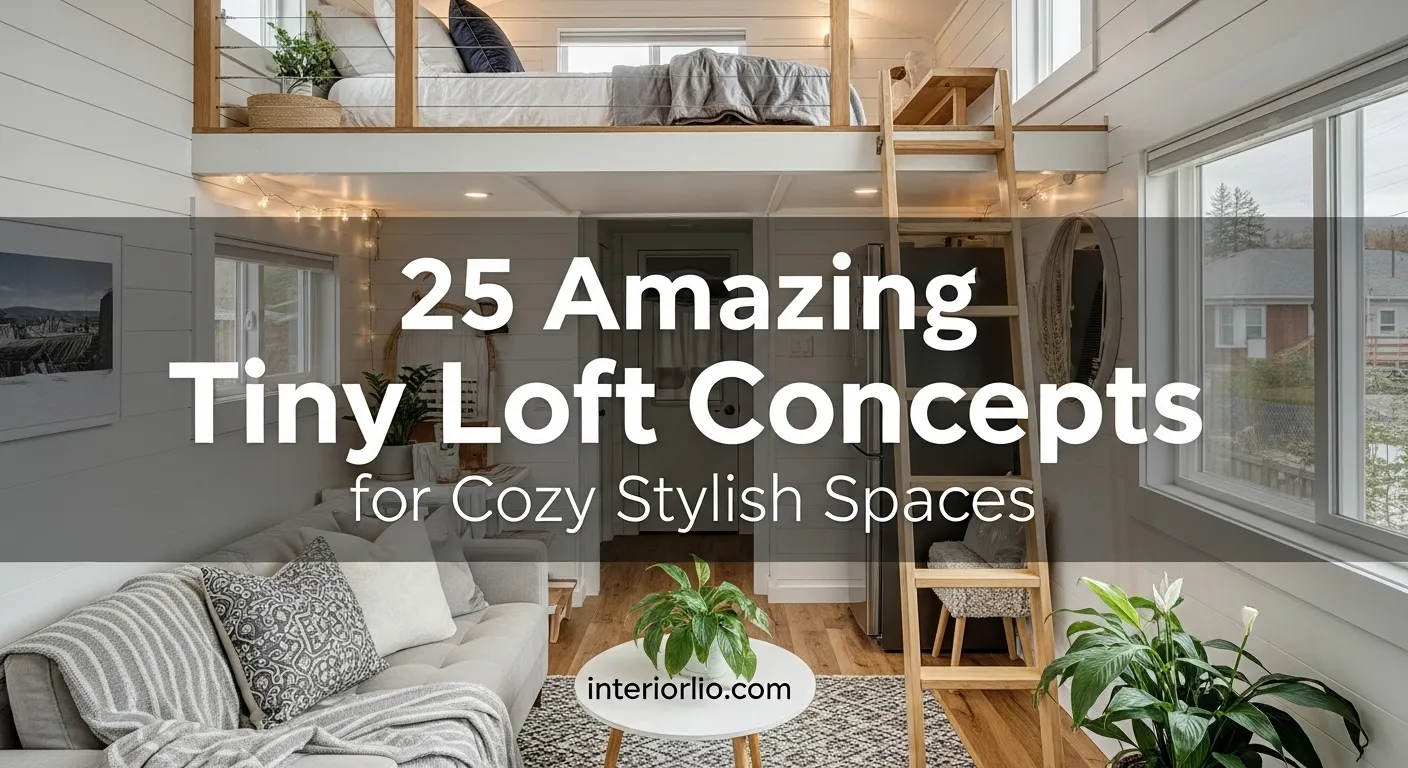
Struggling to make your small space feel bigger, brighter, and more stylish? These tiny loft concepts are designed to completely transform how your home looks and feels. Whether you’re working with a studio apartment or a compact room, the right layout and design choices can unlock hidden potential you didn’t even realize you had.
In my experience, small spaces aren’t limiting—they just need smarter design thinking. I’ve noticed that even simple changes like better lighting, vertical layouts, or color choices can instantly make a loft feel more open and functional. This guide brings together practical, real-life ideas that not only save space but also add personality and comfort. If you’ve been wanting a home that feels cozy yet stylish, you’re about to discover exactly how to make it happen.
1. Neutral Wood Loft
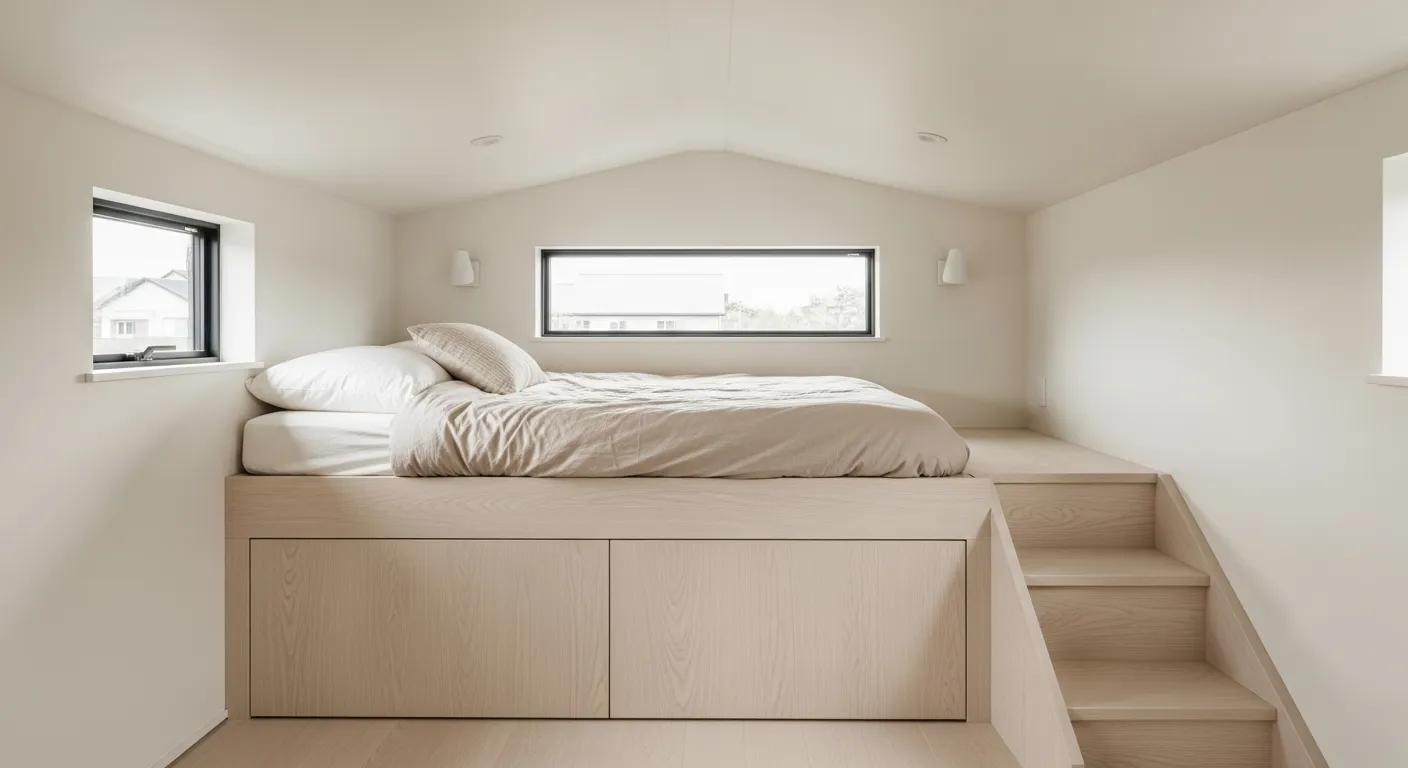
A soft, wood-toned loft instantly makes a small space feel peaceful and visually larger. Light oak textures reflect natural light beautifully, which is why this setup works especially well in compact homes with limited windows. In my experience, neutral palettes reduce visual clutter and help your eyes move smoothly across the room, making everything feel more open. This kind of setup blends simplicity with warmth, which is essential when working with limited square footage and vertical design layouts.
This idea stands out because it balances function and comfort without overwhelming the space. A raised sleeping platform with hidden storage underneath maximizes every inch while keeping the room tidy and breathable. I’ve noticed that when people choose lighter wood and soft beige tones, the entire loft feels less cramped and more inviting. It’s one of those tiny loft concepts that quietly transforms how a small home feels, making it both practical and aesthetically calming without requiring complex design changes.
2. Industrial Metal Loft
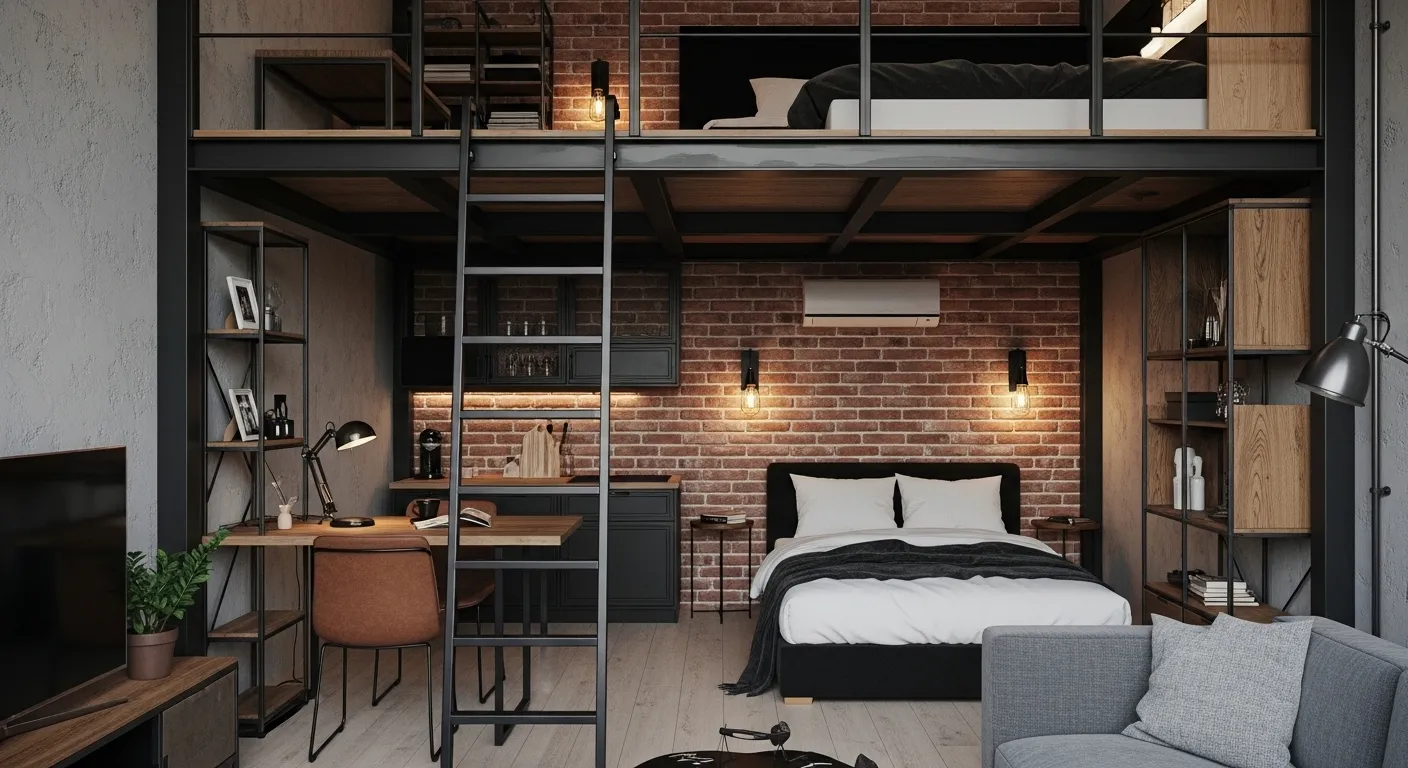
This loft style immediately grabs attention with its bold, raw textures and strong visual contrast. Dark metal frames paired with exposed brick create depth, which helps small spaces feel more layered instead of flat. I’ve seen this work especially well in apartments where the goal is to make a statement without adding clutter. The mix of steel, wood, and warm lighting gives the loft a cozy yet edgy feel that stands out from more traditional designs.
What makes this idea effective is how it uses vertical elements to build personality without sacrificing function. A slim metal ladder, open shelving, and compact furniture keep the layout efficient while still looking stylish. In my experience, industrial setups are great for people who prefer low-maintenance materials that age well over time. This approach turns a small loft into a visually striking space, proving that even limited square footage can carry a strong design identity.
3. White Minimal Loft
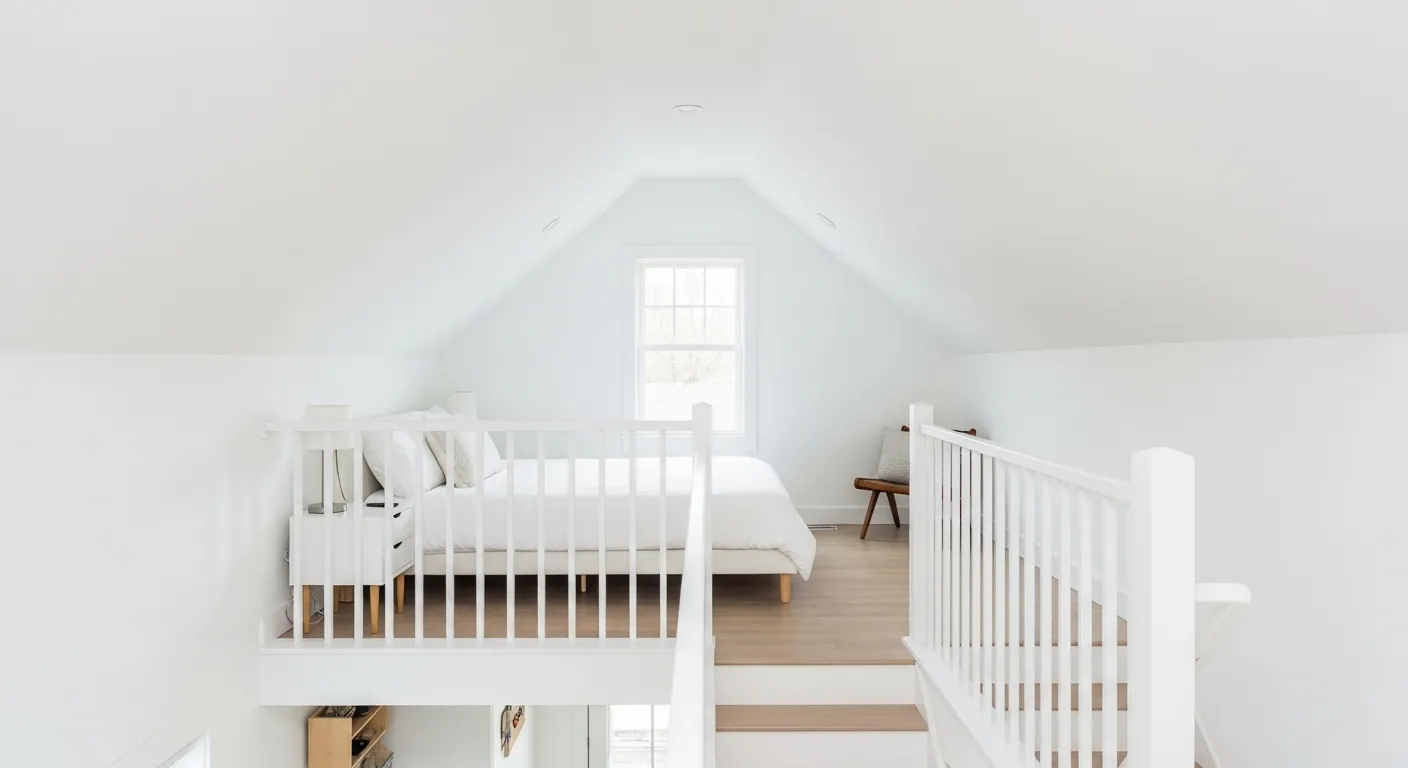
A fully white loft design creates an instantly open and breathable environment that feels larger than it actually is. Light reflects off every surface, which enhances brightness and reduces shadows that can make small spaces feel tight. I’ve noticed that even the smallest loft areas feel more expansive when everything is kept light and visually simple, especially in homes with limited natural light sources.
This setup works because it removes unnecessary visual noise and focuses on clean, intentional design. A floating bed platform and hidden storage keep everything organized while maintaining that sleek, minimal look. In my experience, white interiors are easier to update over time since you can change accents without redesigning the whole space. That’s why this approach remains one of the most effective tiny loft concepts for creating a modern, fresh, and highly livable small home.
4. Glass Wall Loft
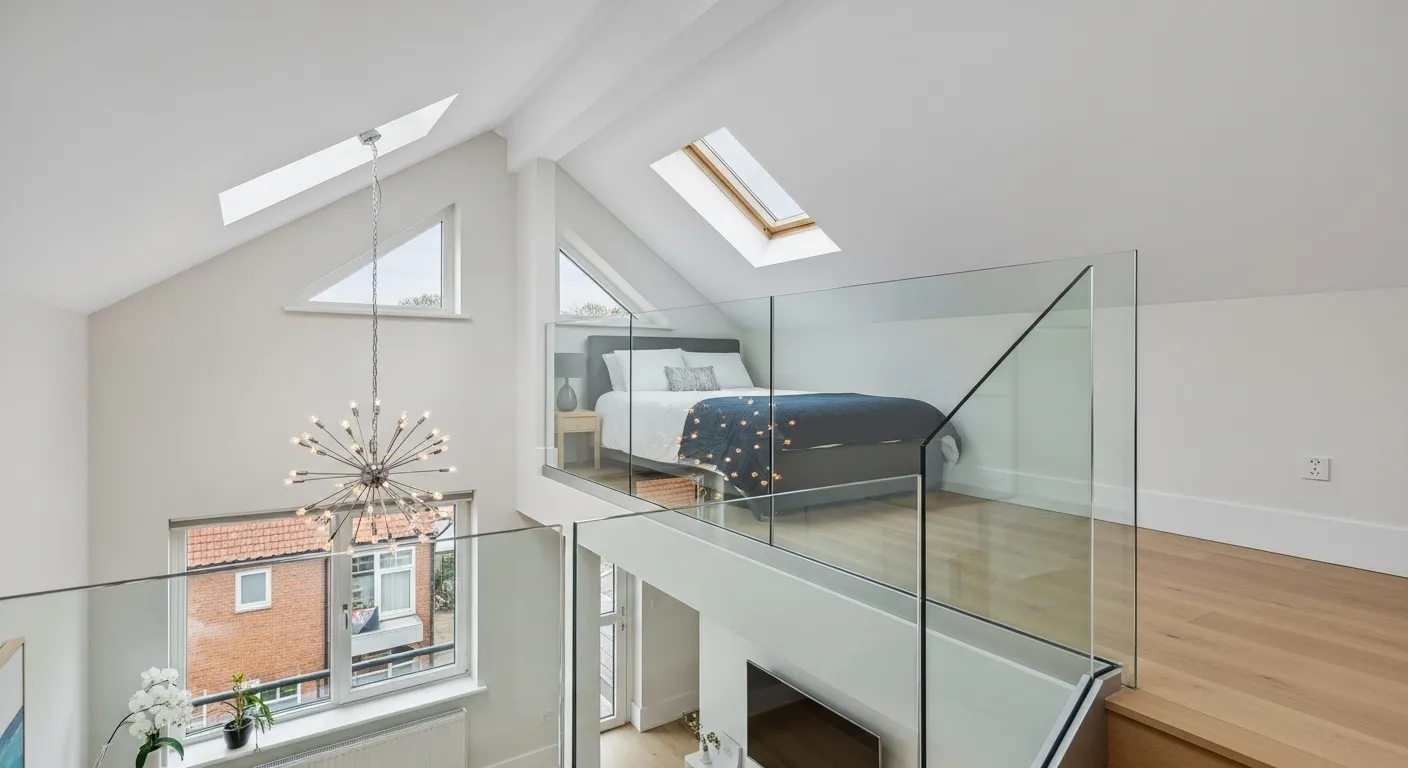
A glass wall loft instantly makes a compact space feel open and connected without losing structure. Transparent partitions allow light to pass through easily, which reduces the boxed-in feeling common in small layouts. I’ve noticed that even a simple glass divider can visually double the perceived space by keeping sightlines uninterrupted. This approach is especially useful in homes where natural light is limited but still needs to reach multiple areas.
What makes this idea practical is how it balances openness with subtle separation. Instead of solid walls, glass panels define zones while maintaining a cohesive look. In my experience, this setup works beautifully for loft bedrooms where privacy is needed without sacrificing brightness. It’s one of those tiny loft concepts that feels modern and smart, helping small homes look more spacious, refined, and thoughtfully designed without major structural changes.
5. Cozy Attic Loft
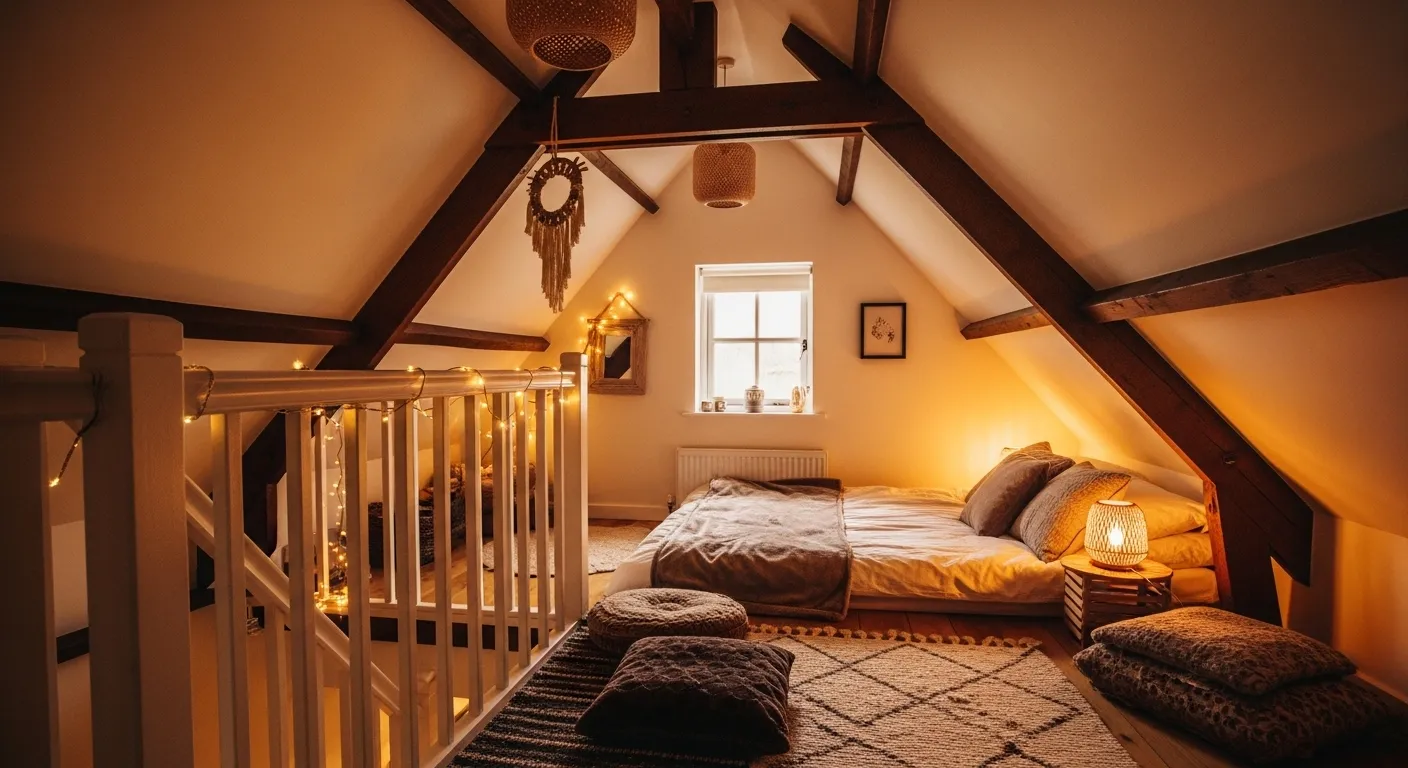
A cozy attic loft turns an often-unused space into one of the most inviting areas in the home. Sloped ceilings naturally create a tucked-in feeling, which makes the space feel secure and relaxing. I’ve seen this work especially well when soft lighting and layered textiles are added, transforming a simple attic into a warm retreat. This setup feels personal and comforting, which is exactly what small homes need to avoid feeling cramped or overly functional.
The charm of this idea lies in embracing the structure rather than fighting it. Low furniture, soft rugs, and warm tones work together to enhance the cozy atmosphere. In my experience, attic lofts are perfect for creating a quiet sleeping zone or reading nook that feels separate from the rest of the home. This approach proves that even unconventional spaces can become beautiful and functional when designed thoughtfully and with comfort in mind.
6. Floating Bed Loft
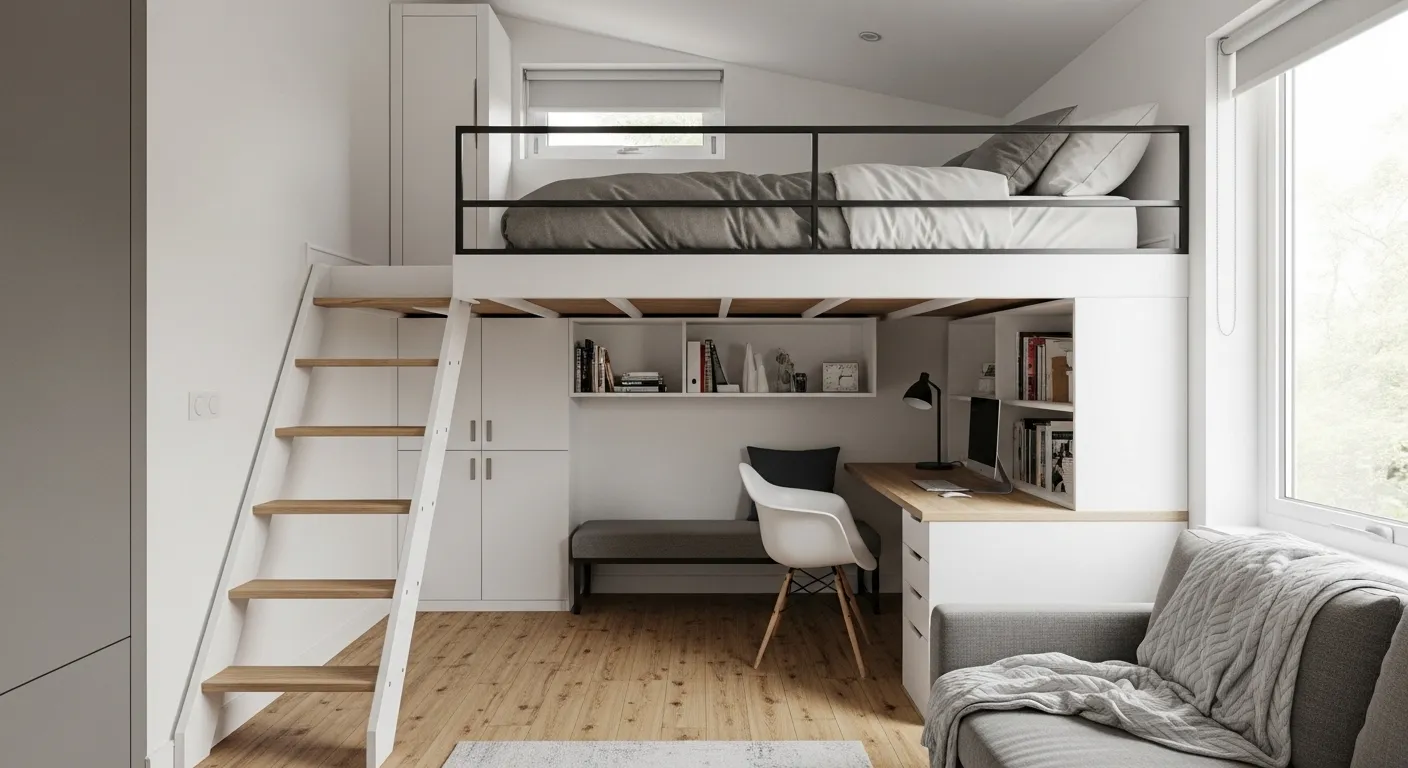
A floating bed loft instantly changes how space is used by freeing up valuable floor area underneath. This design creates a clean and uncluttered look, making the entire room feel more open. I’ve noticed that when the bed appears suspended, it draws attention upward, which enhances the sense of height in small homes. This subtle shift in visual focus can make a compact space feel more dynamic and thoughtfully arranged.
What makes this setup effective is its combination of style and practicality. The space below can be used for a desk, seating, or storage, depending on your needs. In my experience, this is one of the most efficient ways to maximize functionality without overcrowding the room. It’s a smart choice for anyone exploring tiny loft concepts that prioritize both aesthetics and usability, creating a modern living space that feels intentional and well-organized.
7. Boho Chic Loft
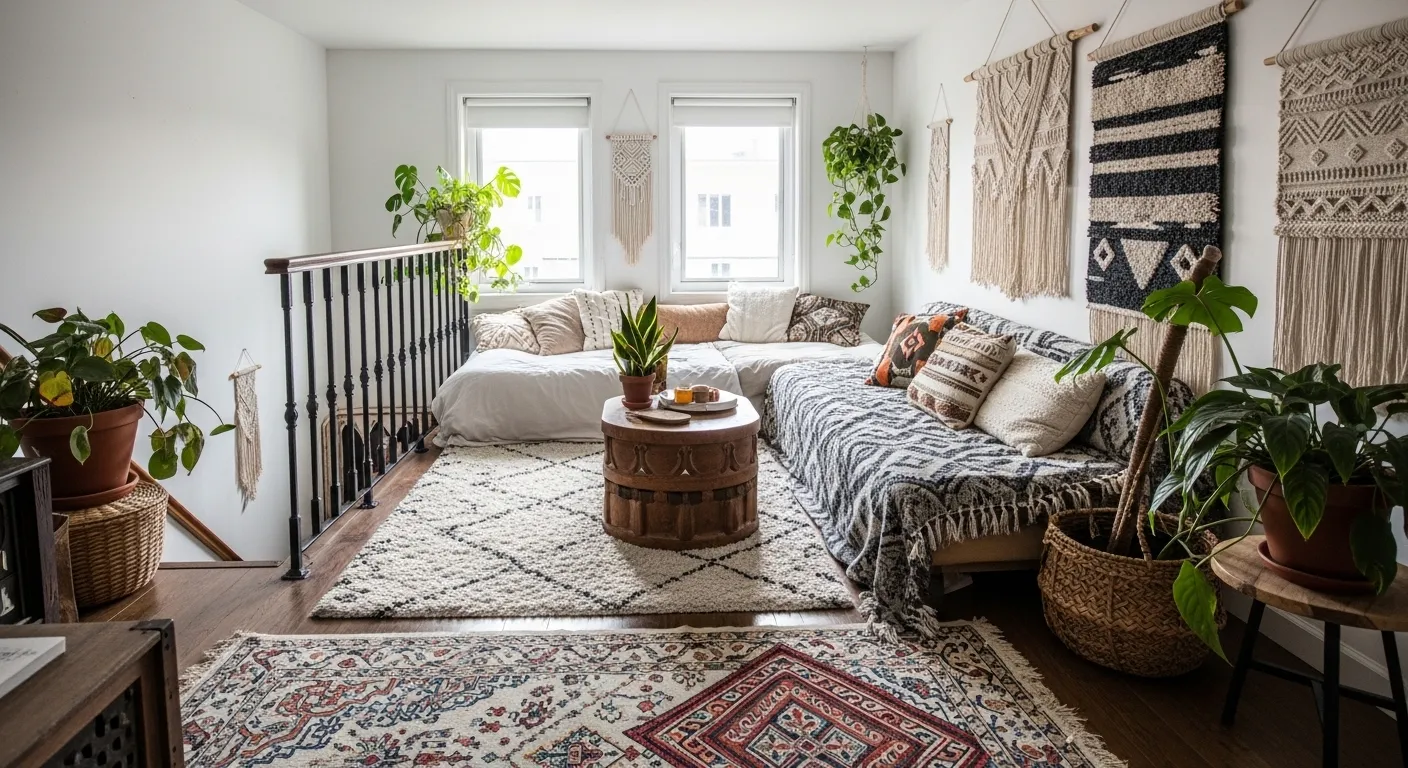
A boho chic loft instantly brings warmth and personality into a small space through layered textures and natural tones. The mix of fabrics, plants, and handmade elements creates a relaxed environment that feels inviting rather than staged. I’ve noticed that even the smallest lofts feel more comfortable when soft rugs and wall hangings are added, as they reduce visual harshness and add depth. This setup works beautifully for anyone who wants their space to feel creative and personal.
What makes this idea effective is its flexibility and ease of styling over time. You can keep adding or changing elements without redesigning the entire space. In my experience, boho interiors grow naturally with your lifestyle, making them perfect for evolving homes. This is one of those tiny loft concepts that transforms a simple structure into a soulful and expressive living space, full of warmth, comfort, and unique character.
8. Dark Modern Loft
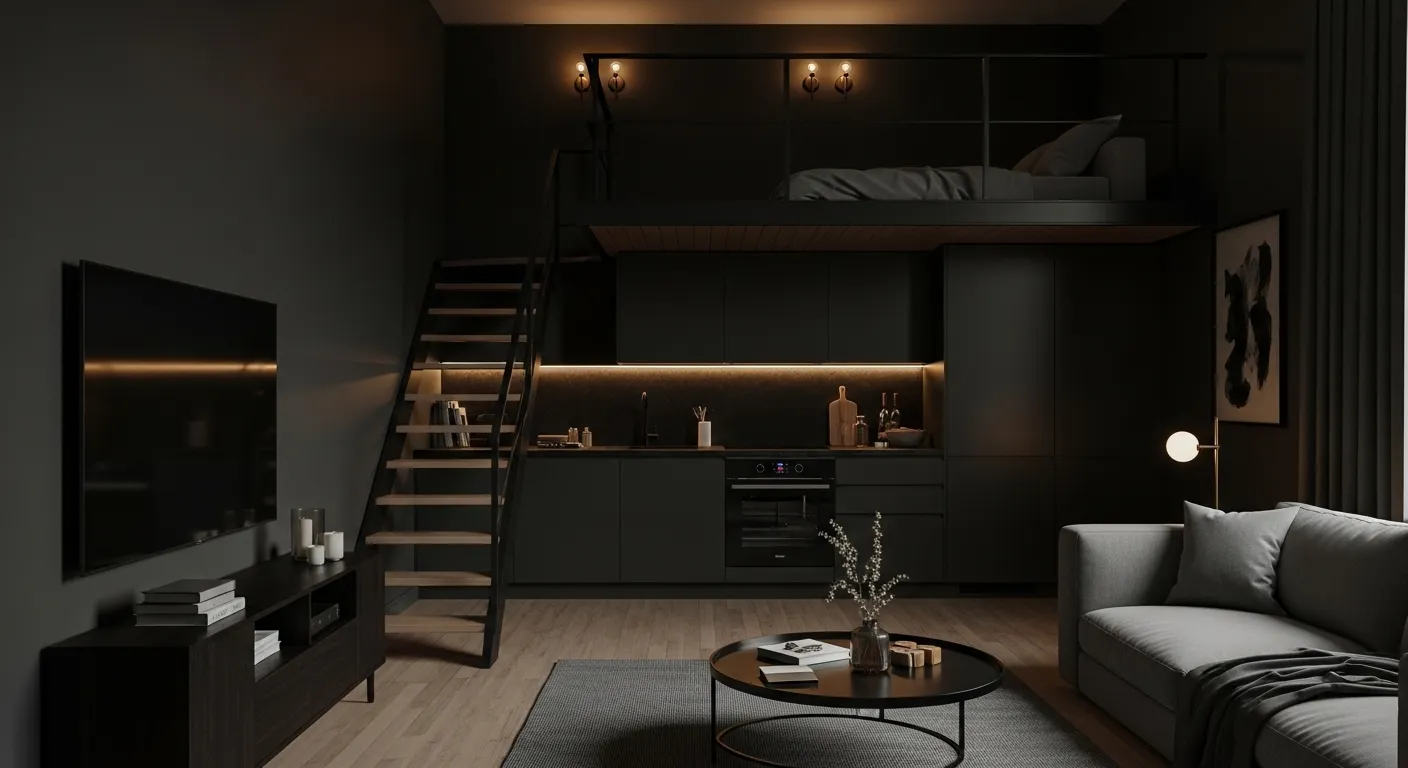
A dark modern loft creates a strong visual impact by using deep tones and controlled lighting. While it may seem risky for small spaces, I’ve seen this approach work incredibly well when balanced with warm lights and minimal clutter. Dark walls add depth, making the space feel layered rather than confined. This style is perfect for those who want a bold, sophisticated environment that feels intentional and unique.
The key to making this idea successful is lighting and balance. Soft, warm lights prevent the space from feeling too heavy, while clean lines keep everything organized. In my experience, dark interiors actually hide imperfections better and create a more polished look. This setup proves that tiny loft concepts don’t always need light colors to feel beautiful, as long as contrast and lighting are handled thoughtfully.
9. Pastel Soft Loft
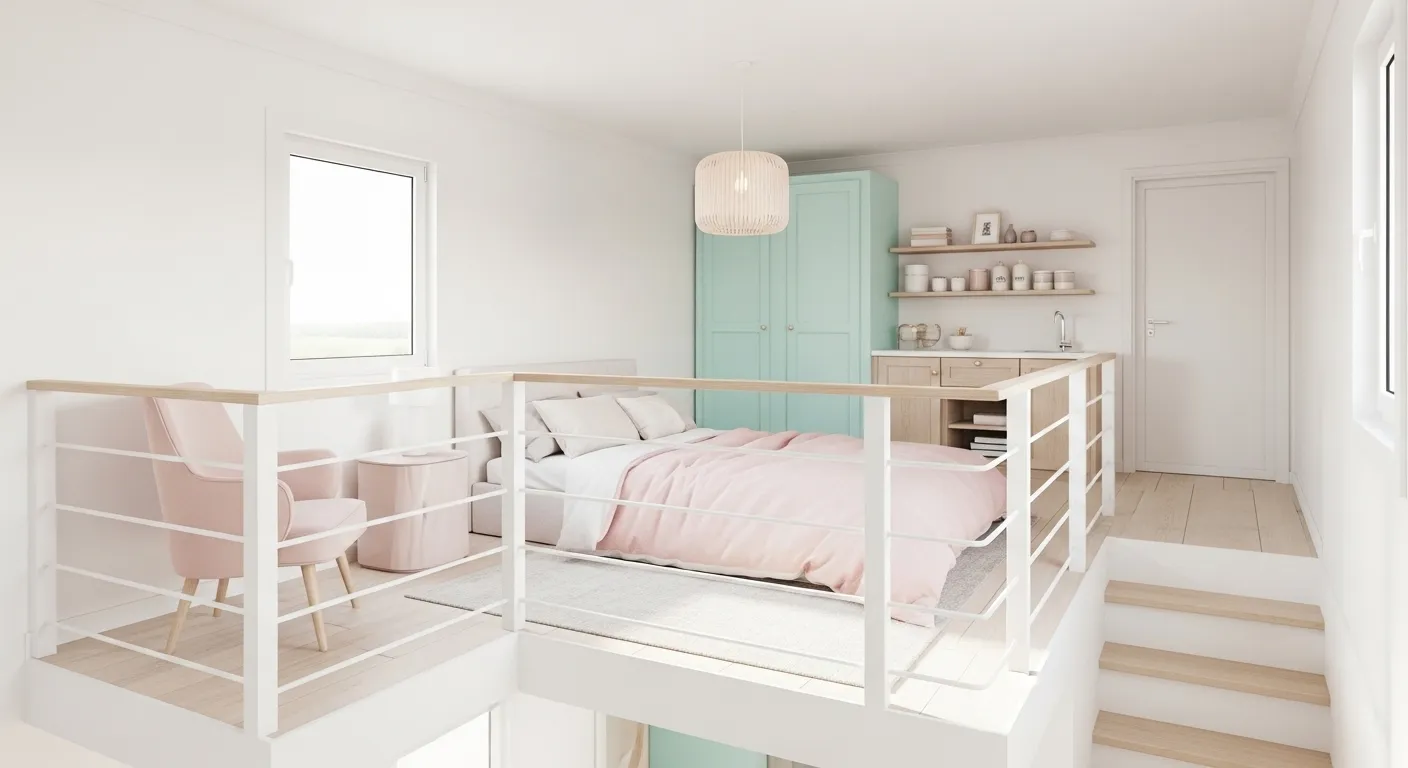
A pastel soft loft creates a peaceful environment that feels light, airy, and visually soothing. Gentle tones like blush, mint, and cream reflect light softly, which helps reduce visual tension in small areas. I’ve noticed that this color approach works especially well in spaces meant for relaxation, as it naturally promotes a calm mood. Even a few pastel accents can transform a plain loft into a serene and welcoming retreat.
This idea works because it balances color without overwhelming the space. Soft hues paired with white or neutral bases keep everything feeling open and fresh. In my experience, pastel palettes are easy to maintain and update, making them ideal for long-term use. It’s one of those tiny loft concepts that quietly enhances comfort and beauty, turning a compact space into a soft, stylish, and emotionally calming home environment.
10. Scandinavian Loft Style
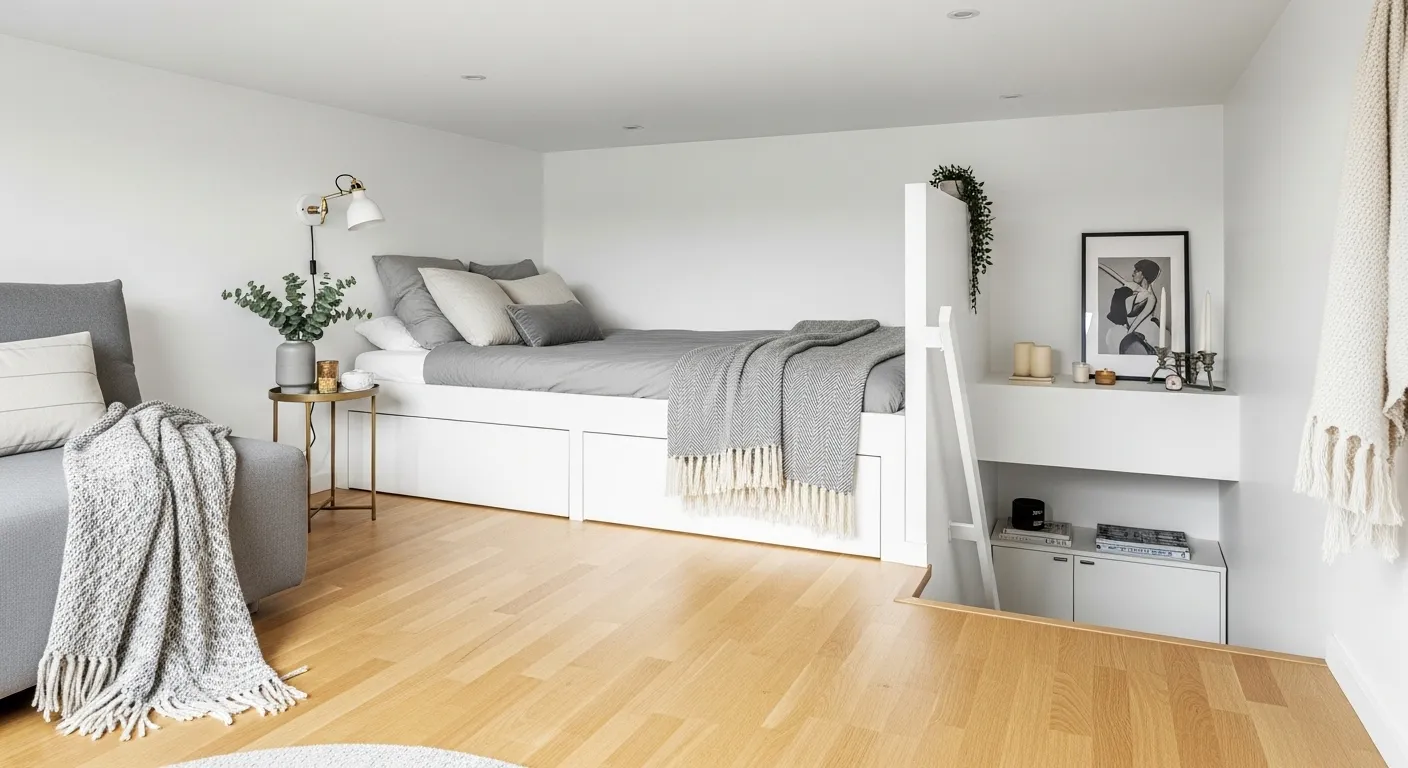
A Scandinavian loft style makes small spaces feel calm, organized, and effortlessly functional. Light wood tones paired with white walls reflect natural light, creating an open and breathable atmosphere. I’ve noticed that this approach works especially well in homes where simplicity is key, as it removes distractions and focuses on comfort. The clean lines and soft textures help create a balanced environment that feels both modern and welcoming.
What makes this idea effective is its focus on practicality without sacrificing style. Every element has a purpose, from the raised sleeping area to compact storage solutions. In my experience, Scandinavian interiors are easier to maintain because they avoid unnecessary clutter. This is one of those tiny loft concepts that blends beauty with everyday usability, making it ideal for anyone who wants a peaceful and highly livable small space.
11. Loft with Workspace
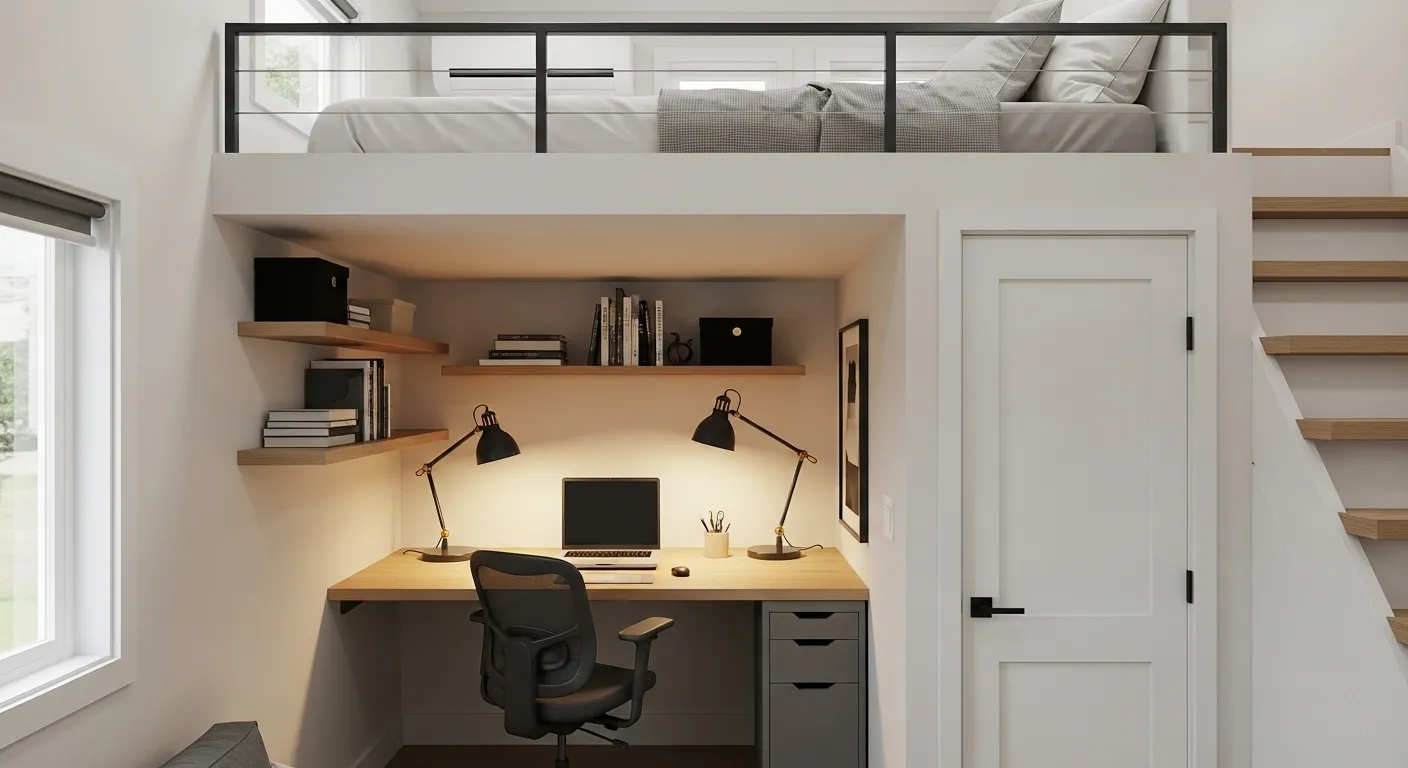
A loft with a built-in workspace transforms a small home into a highly functional living environment. By placing a desk under the sleeping area, you create two distinct zones without using extra floor space. I’ve seen this work especially well for people working from home, as it helps maintain focus while keeping everything organized. This setup makes the most of vertical design, which is essential in compact layouts.
The strength of this idea lies in its practicality and clear separation of functions. Having a dedicated work area improves productivity while keeping the rest of the space uncluttered. In my experience, this setup also helps create a mental boundary between work and rest, even in small homes. It’s one of the most useful tiny loft concepts for modern living, where flexibility and efficiency are more important than ever.
12. Hidden Storage Loft
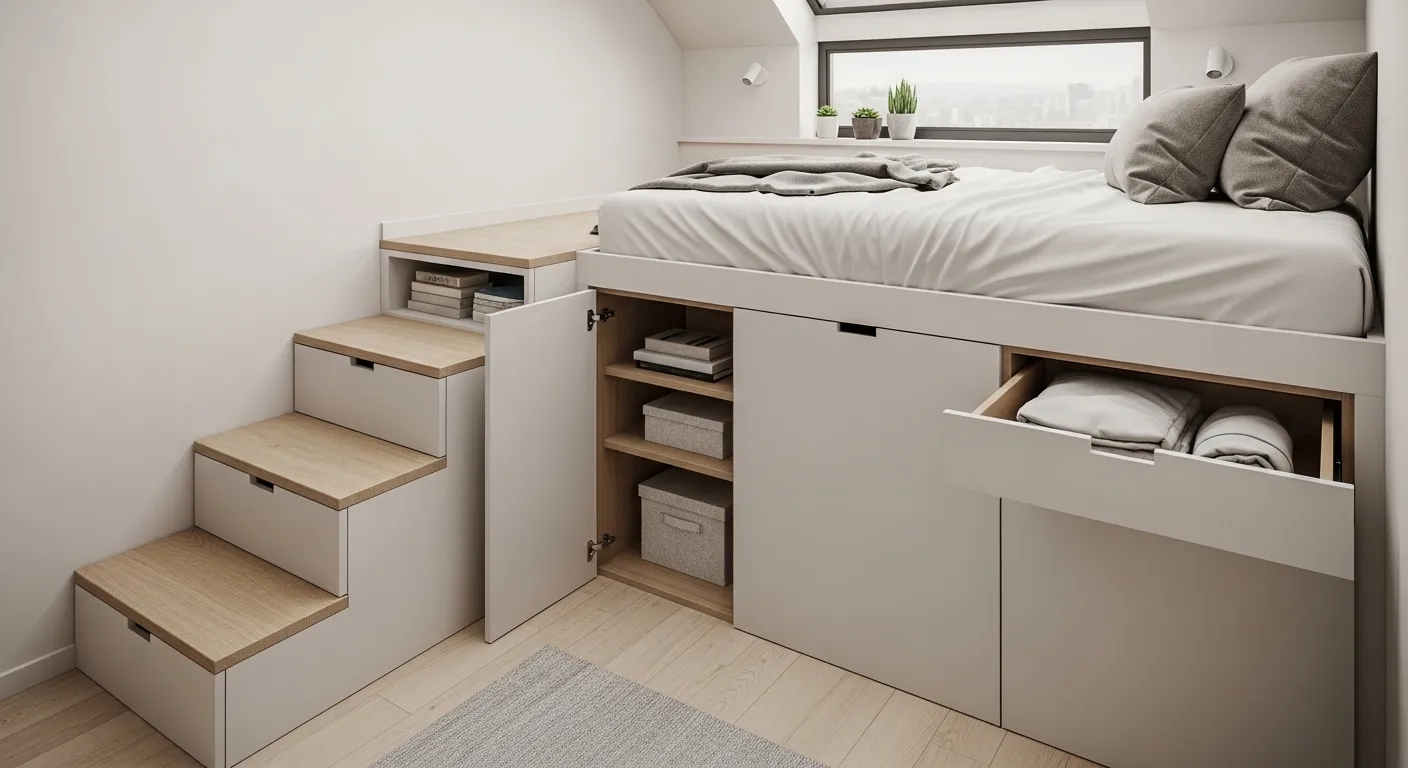
A hidden storage loft is one of the smartest ways to make a small space feel organized and stress-free. Built-in compartments under stairs, beds, and walls keep everything out of sight while still easily accessible. I’ve noticed that when storage is integrated this way, the space feels much larger because there are fewer visible items creating clutter. This approach helps maintain a clean and calm environment, which is essential in compact living areas.
What makes this idea stand out is how seamlessly it blends function with design. Instead of adding bulky furniture, storage becomes part of the structure itself. In my experience, this not only improves organization but also enhances the overall look of the loft. It’s one of those tiny loft concepts that solves real-life space problems while keeping the design sleek, practical, and visually appealing.
13. Loft with Skylight
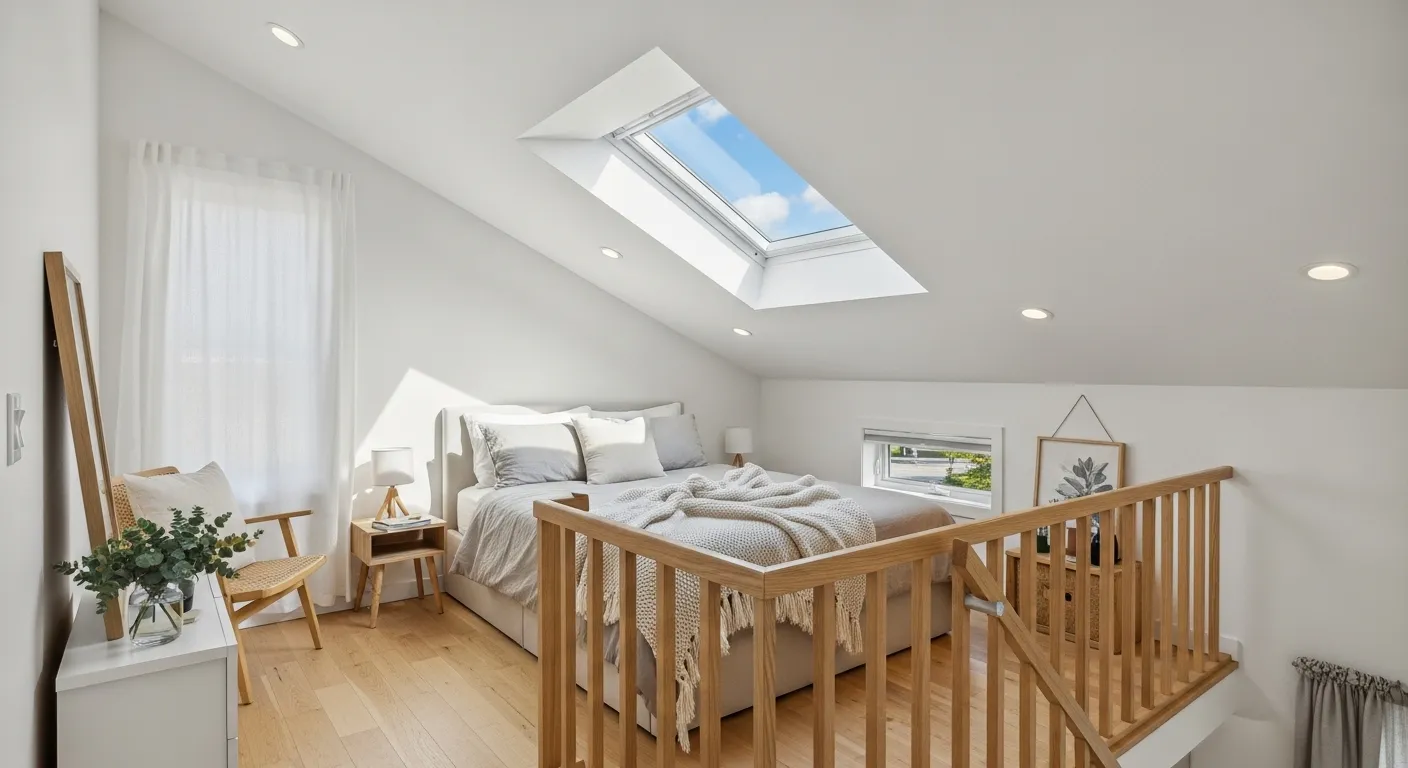
A loft with a skylight completely changes how a small space feels by introducing natural light from above. This overhead brightness reduces shadows and makes the entire area feel more open and uplifting. I’ve noticed that even compact lofts instantly feel larger when sunlight spreads evenly across walls and floors. This setup works especially well in homes where side windows are limited, as it creates a fresh and naturally illuminated environment.
What makes this idea powerful is its ability to connect the indoor space with the outdoors. Watching the sky from your loft adds a unique and calming experience that standard layouts often lack. In my experience, natural light improves both the visual appeal and the overall mood of a home. It’s one of those tiny loft concepts that enhances daily living by making the space feel brighter, healthier, and more inviting.
14. Loft with Curtains
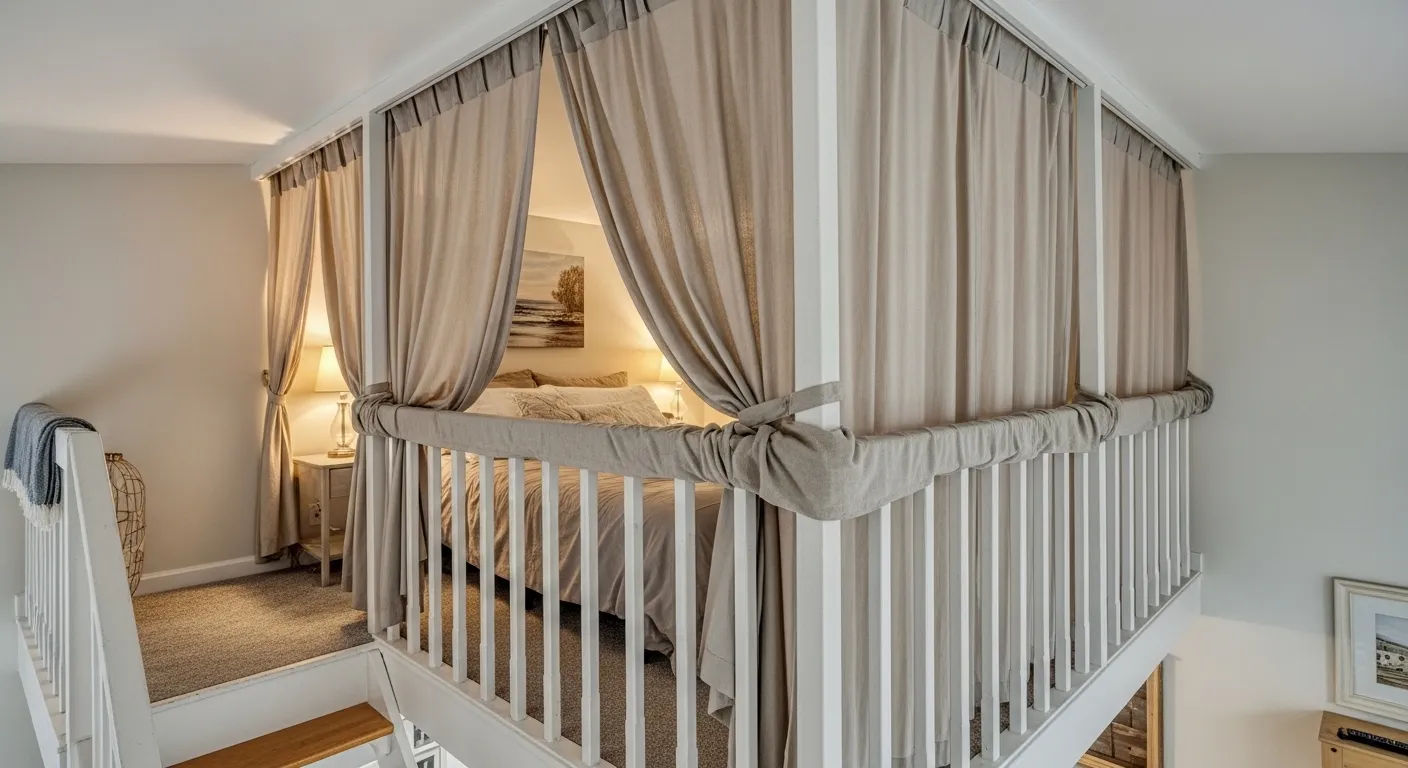
A loft with curtains offers a flexible way to create privacy without making the space feel closed off. Soft fabric panels can be drawn when needed and opened to keep the layout airy and connected. I’ve seen this work especially well in small homes where permanent walls would make the space feel tight. Curtains add movement and softness, which helps balance the structure of a compact loft.
This idea works because it combines functionality with a light visual touch. Instead of blocking light, sheer or soft fabrics allow brightness to pass through while still defining separate areas. In my experience, this setup is perfect for creating a cozy sleeping corner without sacrificing openness. It’s one of the most adaptable tiny loft concepts, offering both privacy and flexibility in a simple and stylish way.
15. Compact Corner Loft
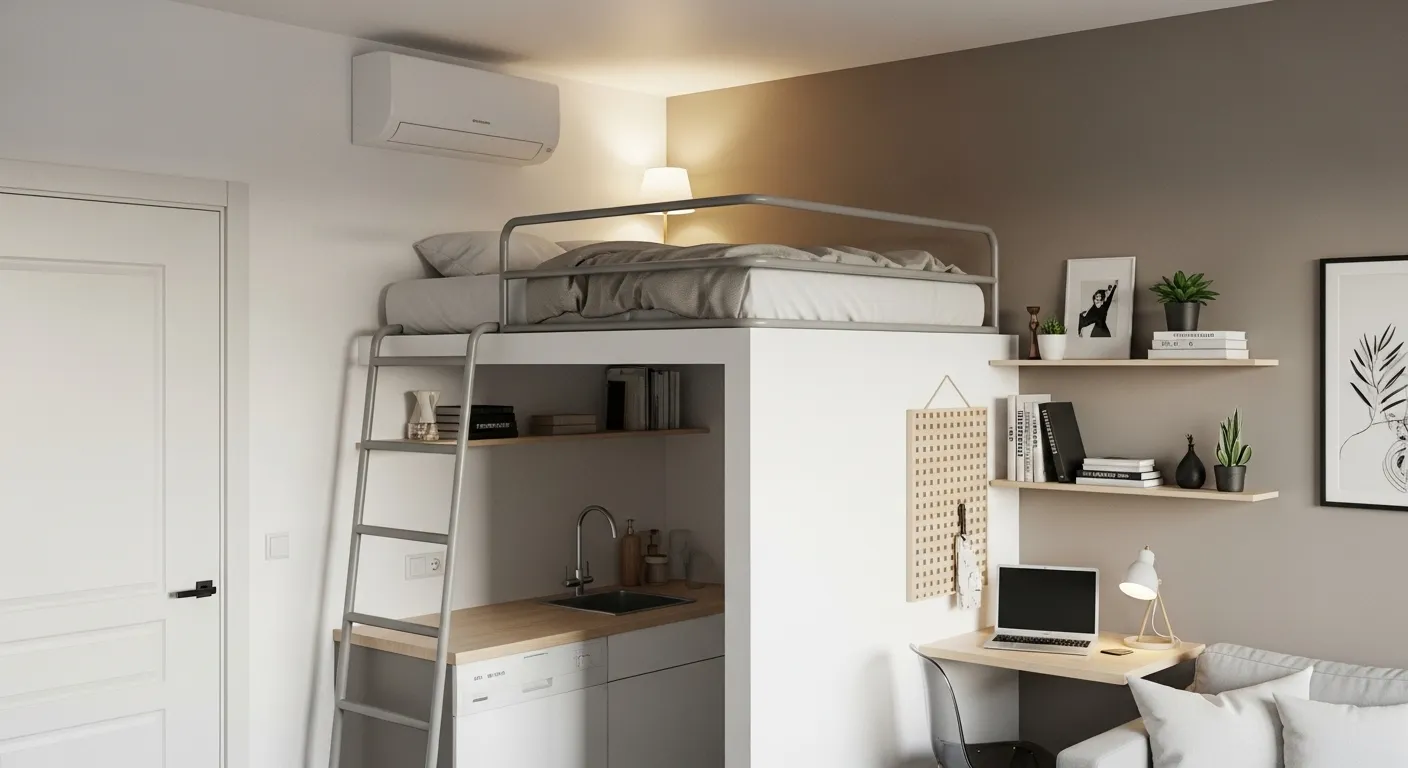
A compact corner loft makes smart use of space that often goes unused in small homes. By placing the loft in a corner, you free up the central area for movement and other functions. I’ve noticed that this layout works especially well in studio apartments where every inch matters. It creates a defined sleeping area without disrupting the overall flow of the room.
What makes this idea practical is its simplicity and efficiency. A small raised platform, a slim ladder, and minimal furniture keep the design clean and functional. In my experience, corner setups are easier to integrate into existing layouts without major changes. This is one of those tiny loft concepts that proves even the smallest areas can be transformed into something useful, comfortable, and visually balanced.
16. Japandi Calm Loft
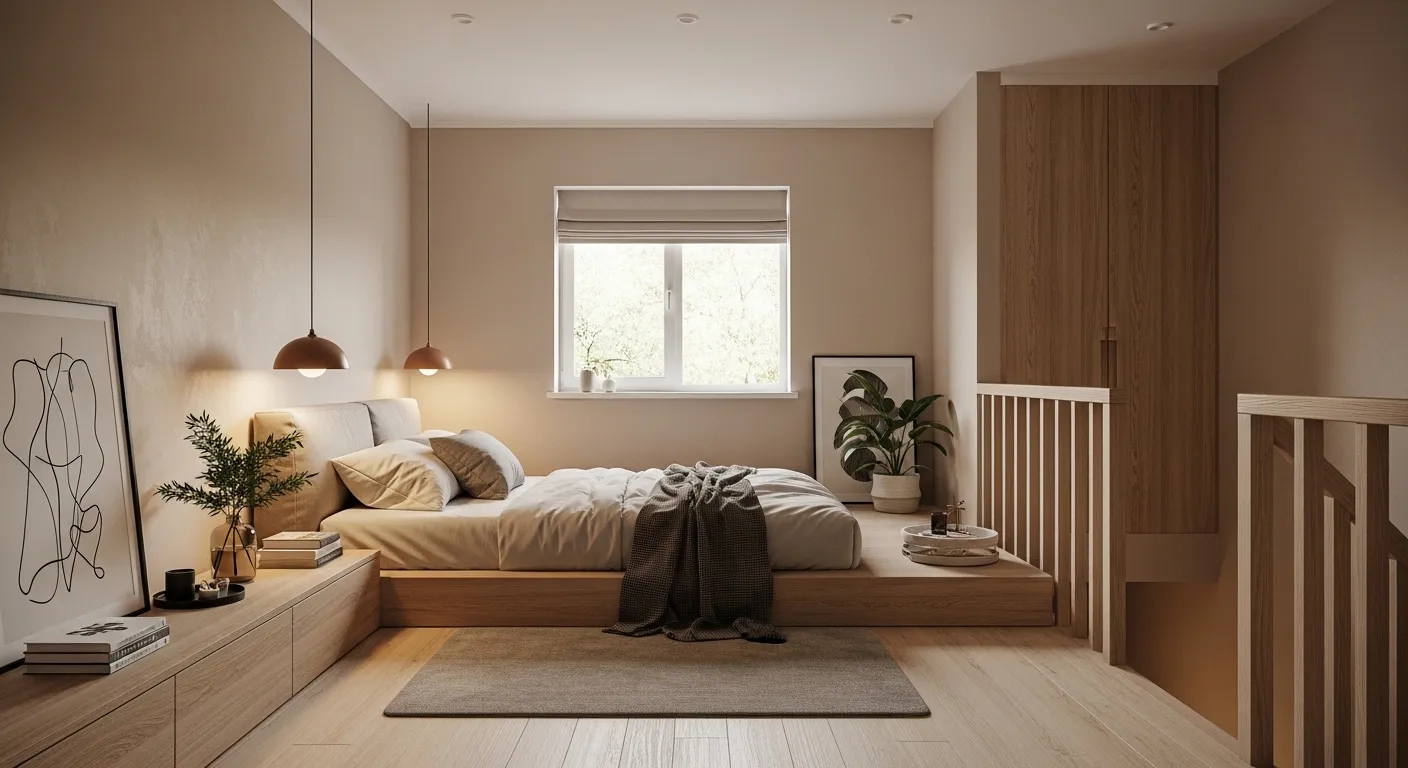
A Japandi calm loft creates a deeply relaxing space by combining minimal design with natural warmth. Soft wood tones, clean lines, and neutral colors reduce visual noise and make the loft feel balanced. I’ve noticed that when furniture is kept low and simple, the space feels more grounded and open at the same time. This style works especially well in small homes where too many elements can quickly feel overwhelming.
What makes this idea effective is its focus on intentional living and comfort. Every item has a purpose, which helps maintain a clean and organized environment. In my experience, Japandi interiors make daily life feel more peaceful because they remove unnecessary distractions. It’s one of those tiny loft concepts that not only improves how a space looks but also how it feels, creating a calm and harmonious home.
17. Loft with Bookshelves
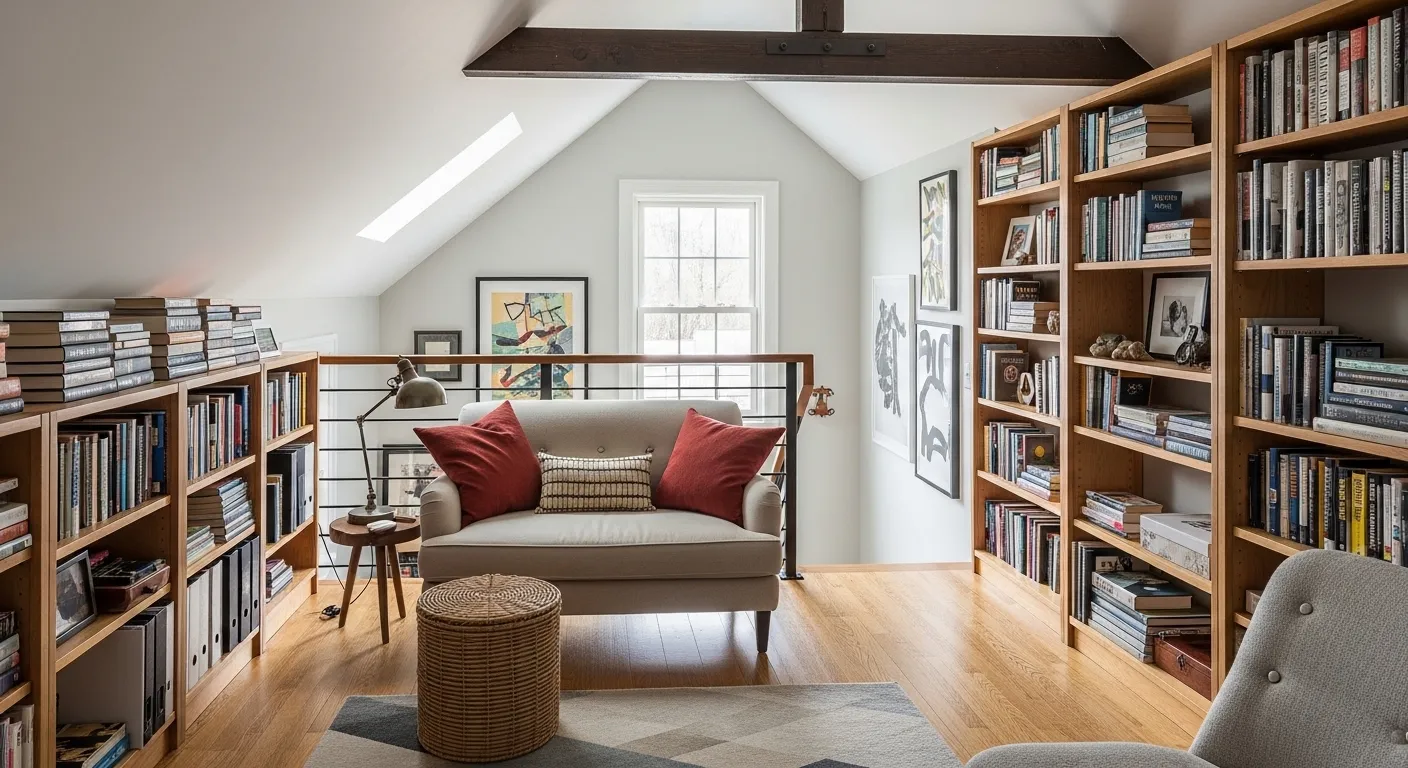
A loft with bookshelves transforms a simple structure into a warm and intellectual space full of character. Vertical shelving makes use of wall space while adding depth and texture to the room. I’ve seen this work beautifully in small homes where storage needs to double as decor. Books naturally create a cozy and lived-in feeling, making the loft more inviting and personal.
This idea works because it blends function with emotional comfort. Instead of plain walls, shelves filled with books and decor make the space feel richer and more dynamic. In my experience, having visible storage like this encourages organization while adding visual interest. It’s one of those tiny loft concepts that turns a practical need into a design feature, creating a space that feels both smart and inspiring.
18. Loft with Ladder Access
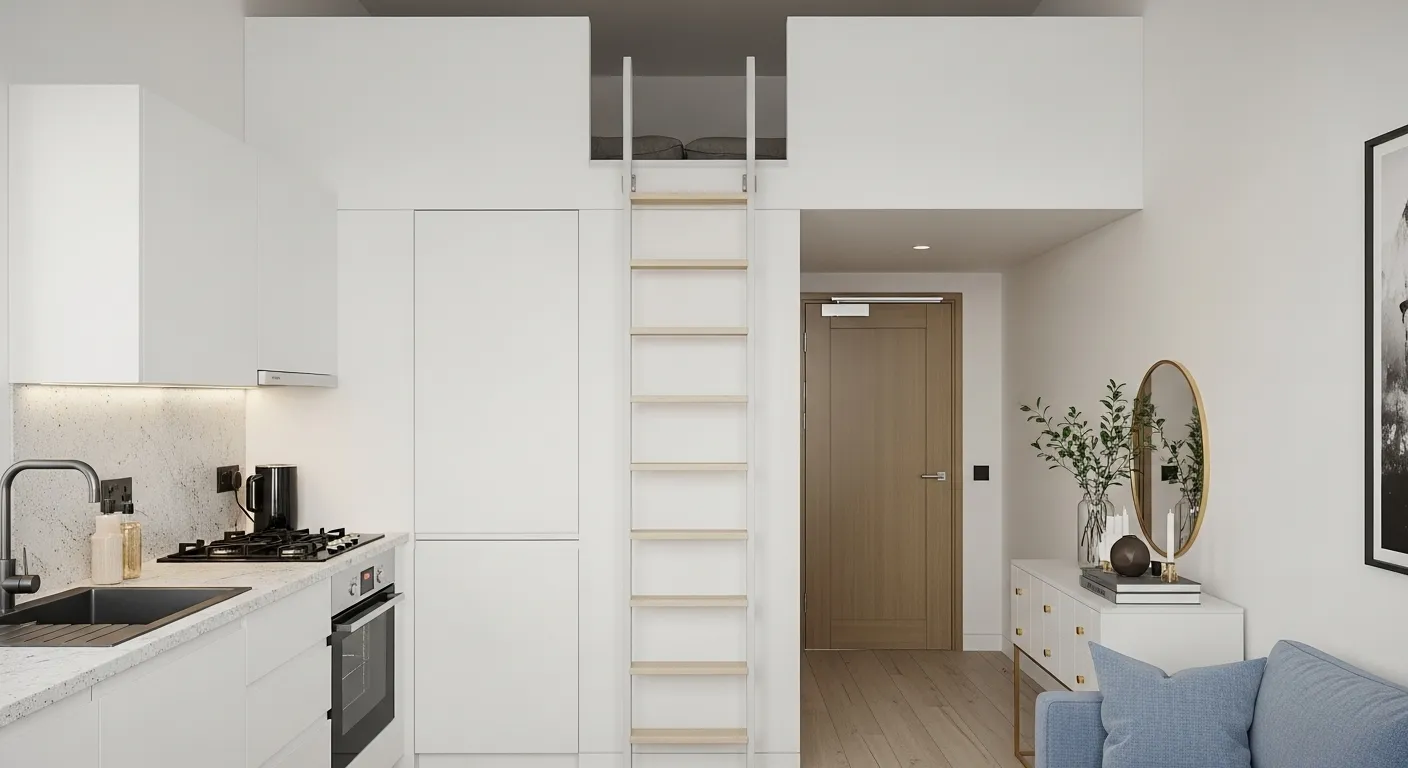
A loft with ladder access is one of the most space-efficient ways to design a small vertical layout. Unlike bulky stairs, a slim ladder takes up minimal room, leaving more floor space available for other uses. I’ve noticed that this approach works especially well in tight apartments where every inch counts. The vertical design also draws the eye upward, helping the space feel taller and more open.
What makes this idea effective is its simplicity and practicality. A well-designed ladder can become a stylish feature rather than just a functional element. In my experience, this setup is perfect for people who want a clean and minimal layout without sacrificing usability. It’s one of those tiny loft concepts that proves small design changes can make a big difference in both space efficiency and overall aesthetics.
19. Loft with Sofa Below
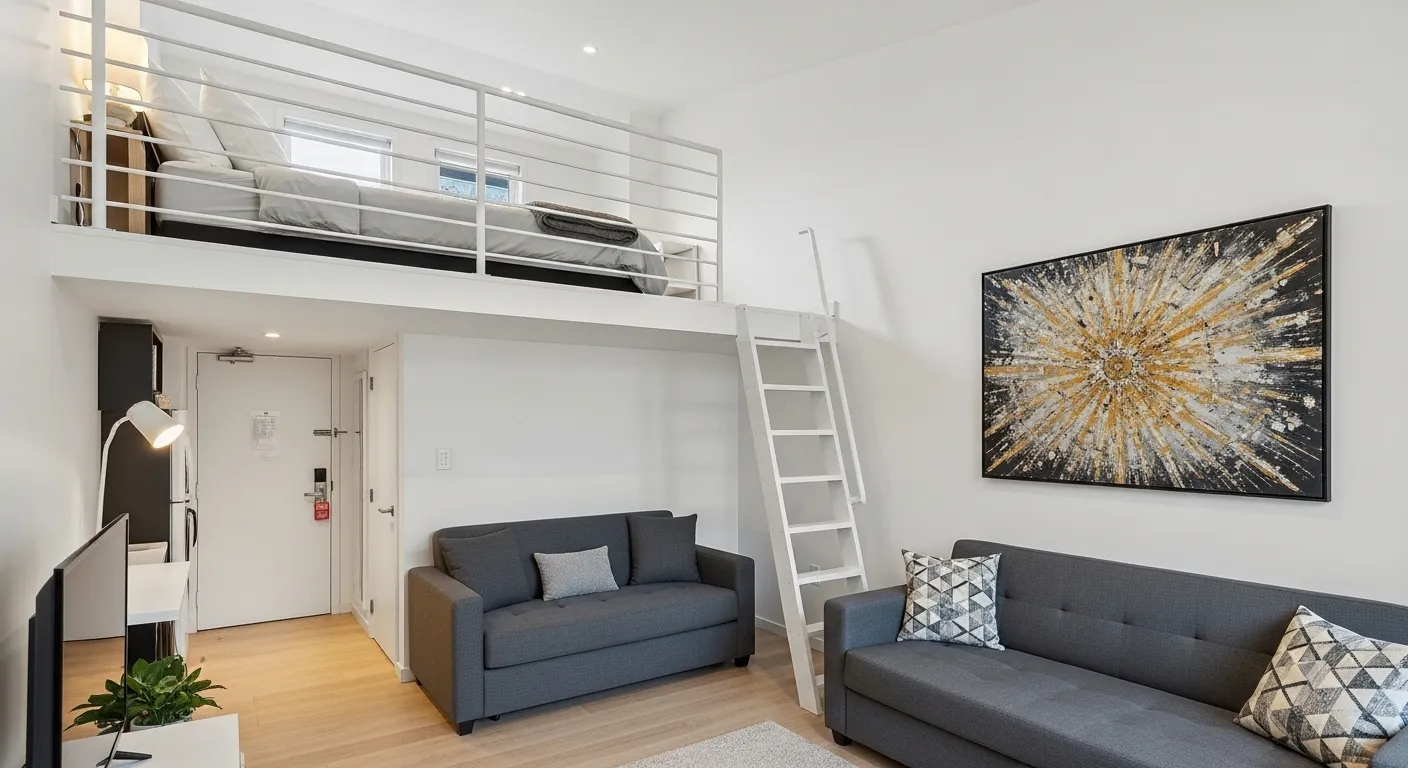
A loft with a sofa below instantly turns a compact space into a functional living area without adding extra square footage. By stacking the sleeping and seating zones, you create a natural flow that feels both practical and comfortable. I’ve noticed that this setup works especially well in studio apartments where separate rooms aren’t possible. It allows you to relax, entertain, and sleep within the same footprint while still feeling organized.
What makes this idea effective is its ability to create clear zones within a small layout. The sofa adds comfort and makes the space feel like a complete home rather than just a sleeping area. In my experience, this arrangement improves daily usability by giving you a place to unwind without cluttering the room. It’s one of those tiny loft concepts that brings balance between function and comfort in a very smart way.
20. Monochrome Gray Loft
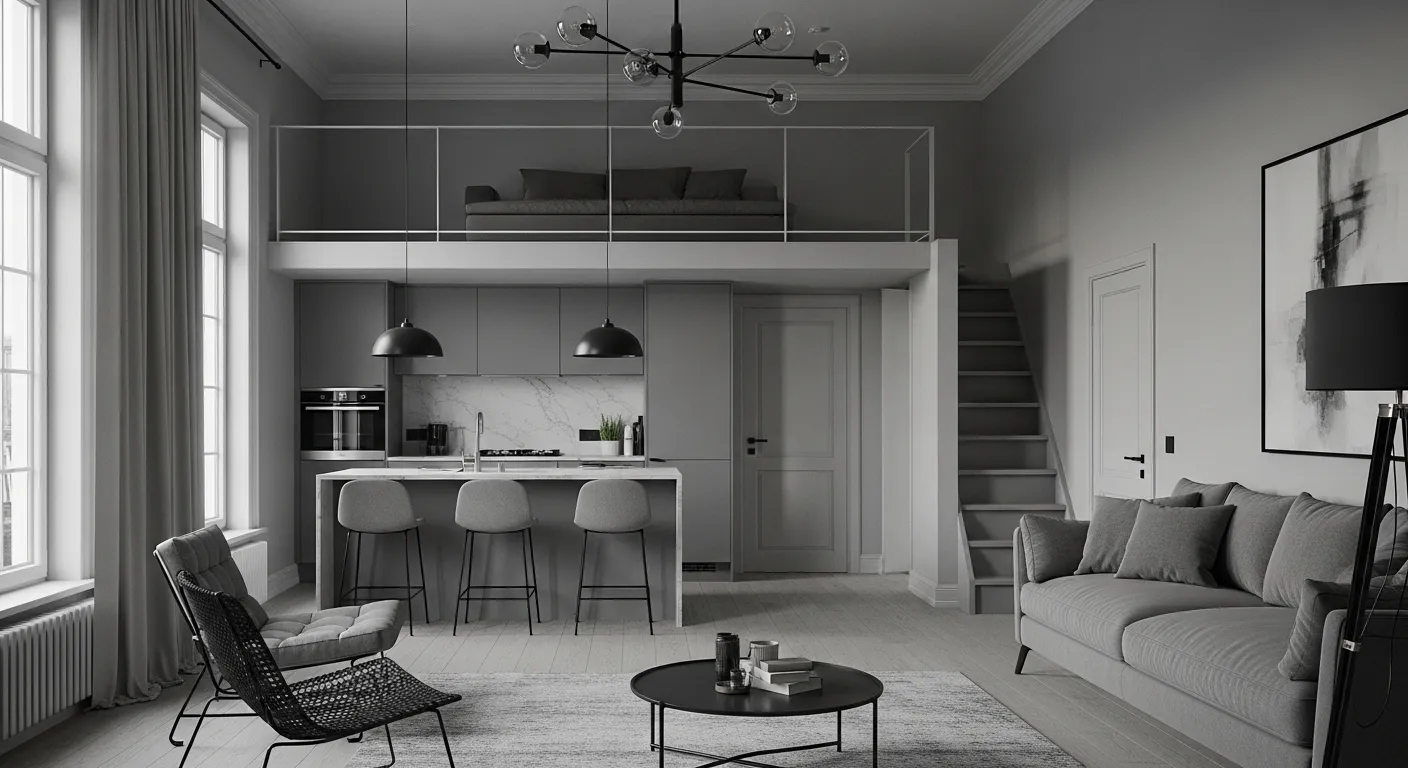
A monochrome gray loft creates a calm and sophisticated atmosphere using a single color palette with subtle variations. Different shades of gray add depth without overwhelming the space, which is especially important in compact layouts. I’ve seen this approach work well in modern homes where simplicity and consistency are key. The result is a clean, polished environment that feels intentional and visually balanced.
This idea works because it removes color distractions and focuses on texture and contrast instead. Soft fabrics, matte finishes, and layered lighting keep the space from feeling flat. In my experience, monochrome interiors are easier to maintain and style over time since everything already matches. It’s one of those tiny loft concepts that delivers a sleek and timeless look while still feeling comfortable and practical.
21. Rustic Cabin Loft
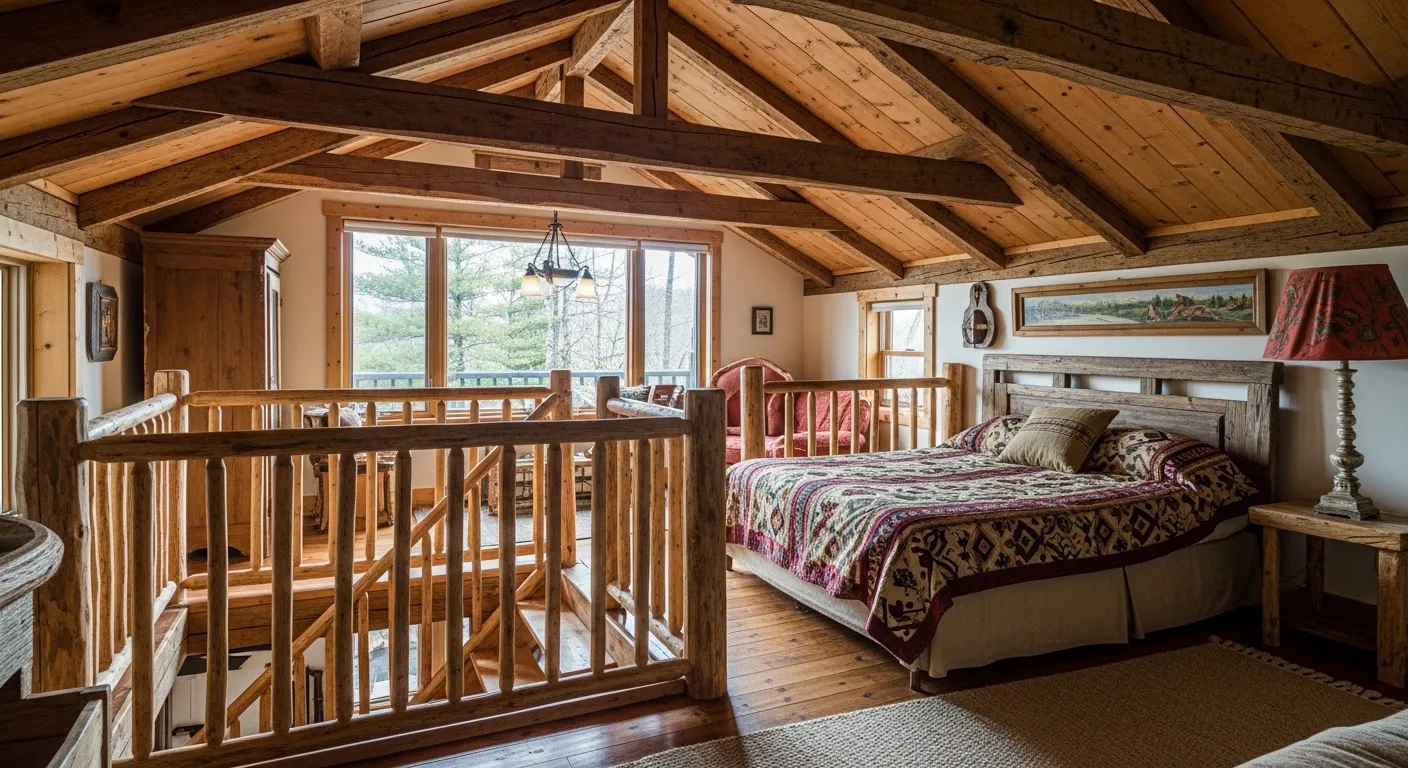
A rustic cabin loft brings a sense of warmth and comfort that feels deeply rooted and inviting. Natural wood textures, exposed beams, and earthy tones create a space that feels grounded and authentic. I’ve noticed that even small lofts feel more welcoming when raw materials are used, as they add character without needing extra decoration. This style is perfect for creating a cozy retreat within a compact home.
What makes this idea stand out is its emotional warmth and timeless appeal. The use of natural materials creates a connection to nature, which enhances relaxation and comfort. In my experience, rustic designs age beautifully and become even more charming over time. It’s one of those tiny loft concepts that turns a simple space into a warm, comforting environment that feels like a true escape from busy daily life.
22. Loft with Glass Railing
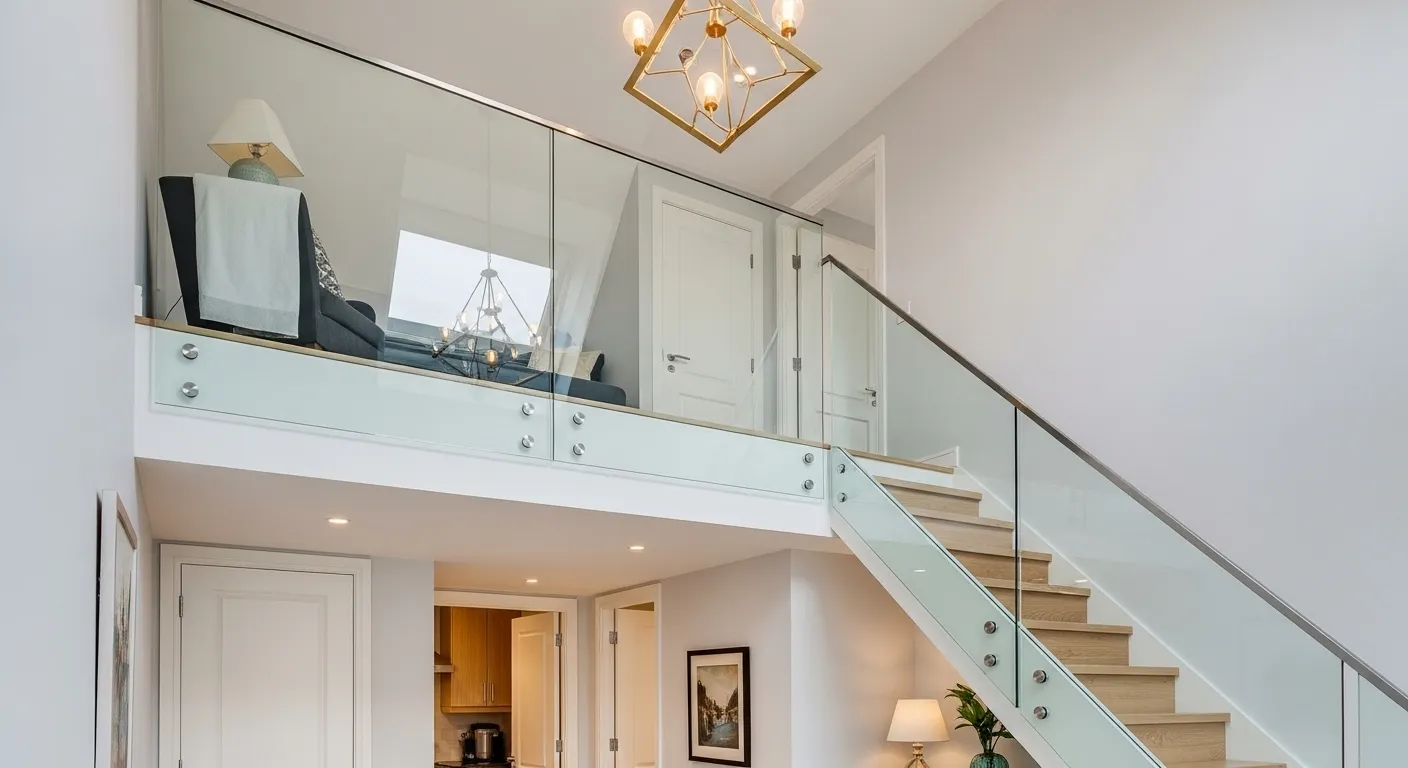
A loft with a glass railing instantly feels more open because it removes heavy visual barriers. Instead of solid materials, clear panels keep the space connected while still maintaining safety. I’ve noticed that this small design choice can significantly change how spacious a loft appears, especially in compact homes where every visual element matters. It allows light to move freely, making both levels feel brighter and more connected.
What makes this idea practical is its ability to combine safety with modern aesthetics. The railing protects the upper level without interrupting the overall design flow. In my experience, this setup works especially well in contemporary homes where clean lines and openness are key. It’s one of those tiny loft concepts that subtly improves both functionality and visual space without requiring major changes.
23. Color Block Loft
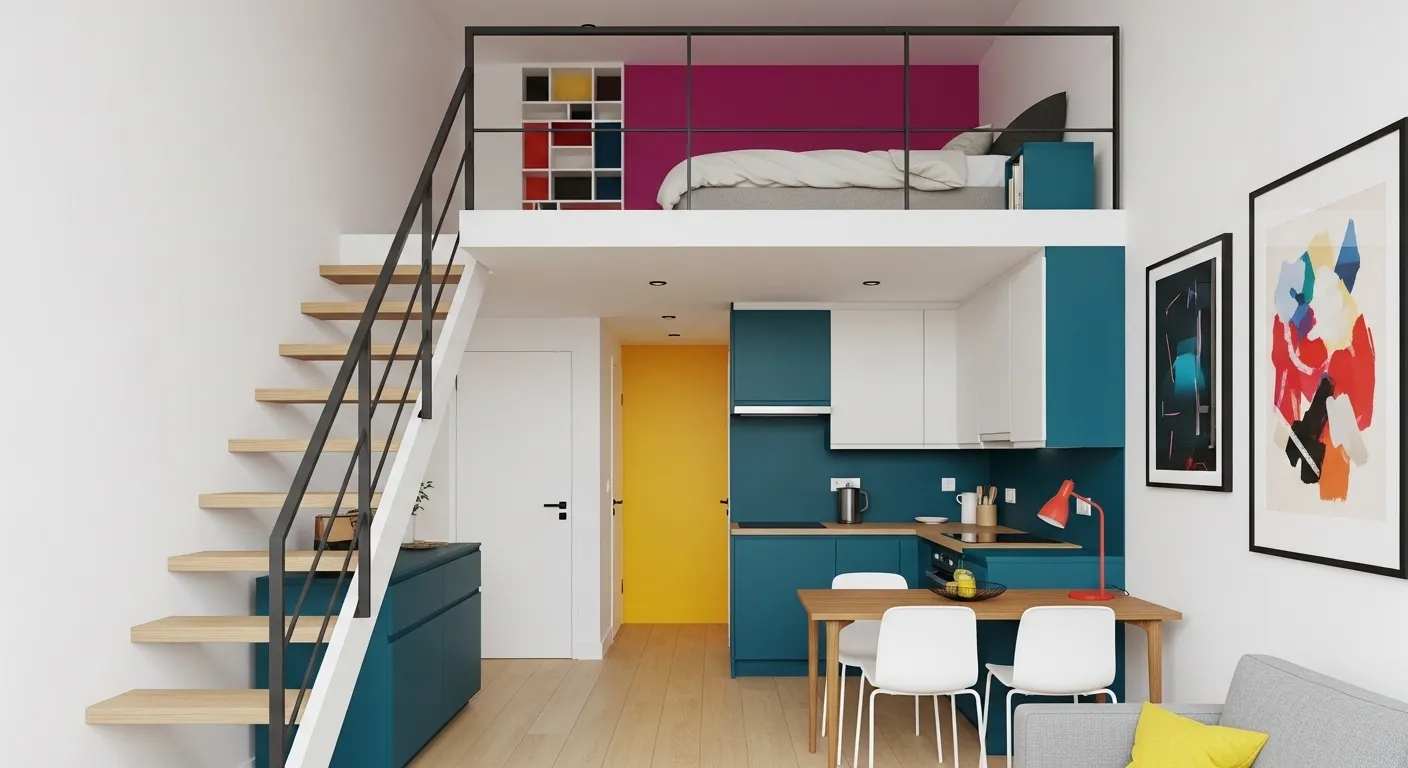
A color block loft transforms a small space by using bold color sections to create visual structure. Instead of adding more furniture, different colors define areas and add personality. I’ve seen this approach work especially well in compact homes where layout changes aren’t possible. The contrast between tones creates energy and makes the space feel more dynamic and thoughtfully designed.
This idea works because it uses color as a design tool rather than decoration. Strategic placement of bold and neutral tones keeps the space balanced while still feeling expressive. In my experience, color blocking is a simple way to refresh a loft without major renovations. It’s one of those tiny loft concepts that brings creativity and structure together, making even a small space feel unique and full of life.
24. Multi-Level Mini Loft
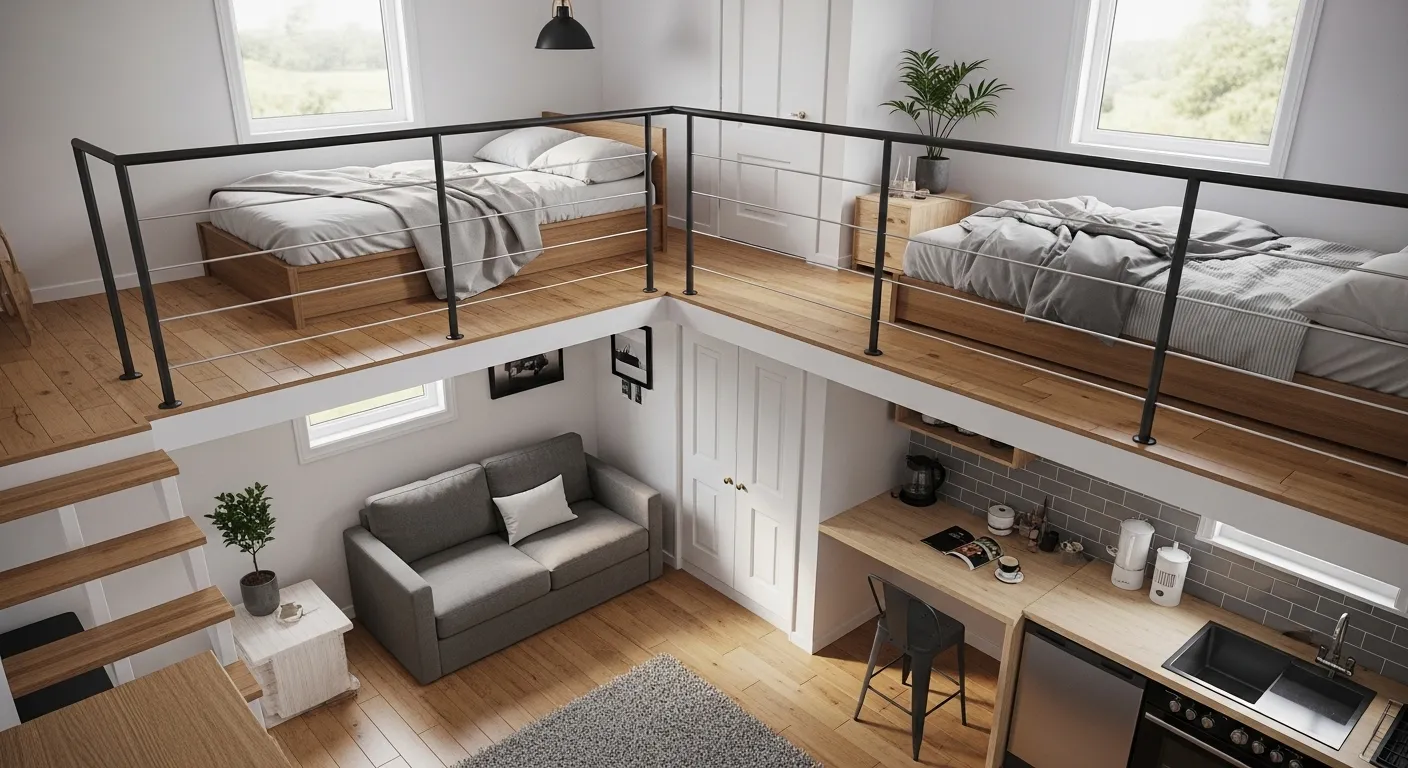
A multi-level mini loft makes the most of vertical space by creating several small platforms instead of one single level. This layered approach adds depth and makes the space feel more dynamic and functional. I’ve noticed that even very small homes feel more organized when different activities are separated by levels rather than walls. It creates a natural flow without closing off the space.
What makes this idea effective is its ability to combine multiple functions in one compact footprint. Each level serves a purpose, whether it’s sleeping, storage, or seating. In my experience, this setup works best when the design remains simple and uncluttered. It’s one of those tiny loft concepts that transforms limited space into a highly efficient and visually interesting living environment.
25. Loft with Greenery
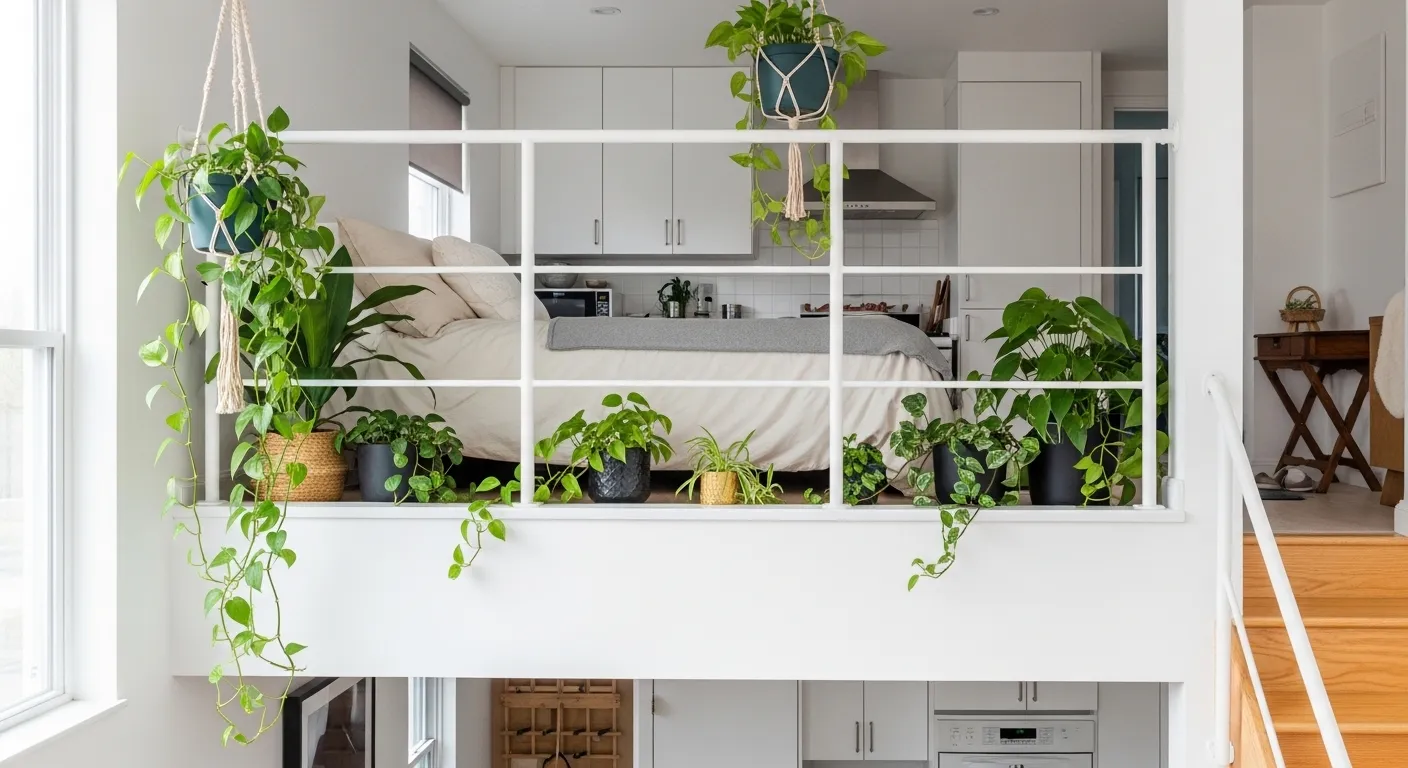
A loft with greenery instantly feels more alive, fresh, and welcoming, even in the smallest spaces. Plants add natural color and texture, which helps soften hard surfaces and create a balanced environment. I’ve noticed that even a few well-placed plants can completely change the mood of a loft, making it feel calmer and more connected to nature. This setup works especially well in urban homes where outdoor access may be limited.
What makes this idea powerful is how easily it transforms both the look and feel of a space. Hanging plants, shelf greenery, and small potted accents don’t take up much room but create a strong visual impact. In my experience, greenery also makes a home feel more personal and relaxing over time. It’s one of those tiny loft concepts that brings comfort, beauty, and a refreshing atmosphere into compact living spaces without requiring major design changes.