Introduction:
Struggling to make your space feel bigger, brighter, and more beautiful? You’re not alone—and the right small room design ideas can change everything. Even the tiniest room can feel open, stylish, and surprisingly luxurious with a few smart adjustments.
This article is your go-to guide for transforming compact spaces into something you’ll truly love. From lighting tricks to smart furniture choices, each idea is simple, practical, and easy to apply. I’ve noticed that even small changes—like adjusting colors or adding the right textures—can completely shift how a room feels. Whether you’re decorating a bedroom, living area, or studio, these ideas will help you create a space that looks high-end without needing a big budget or major renovation.
1. Light Neutral Palette
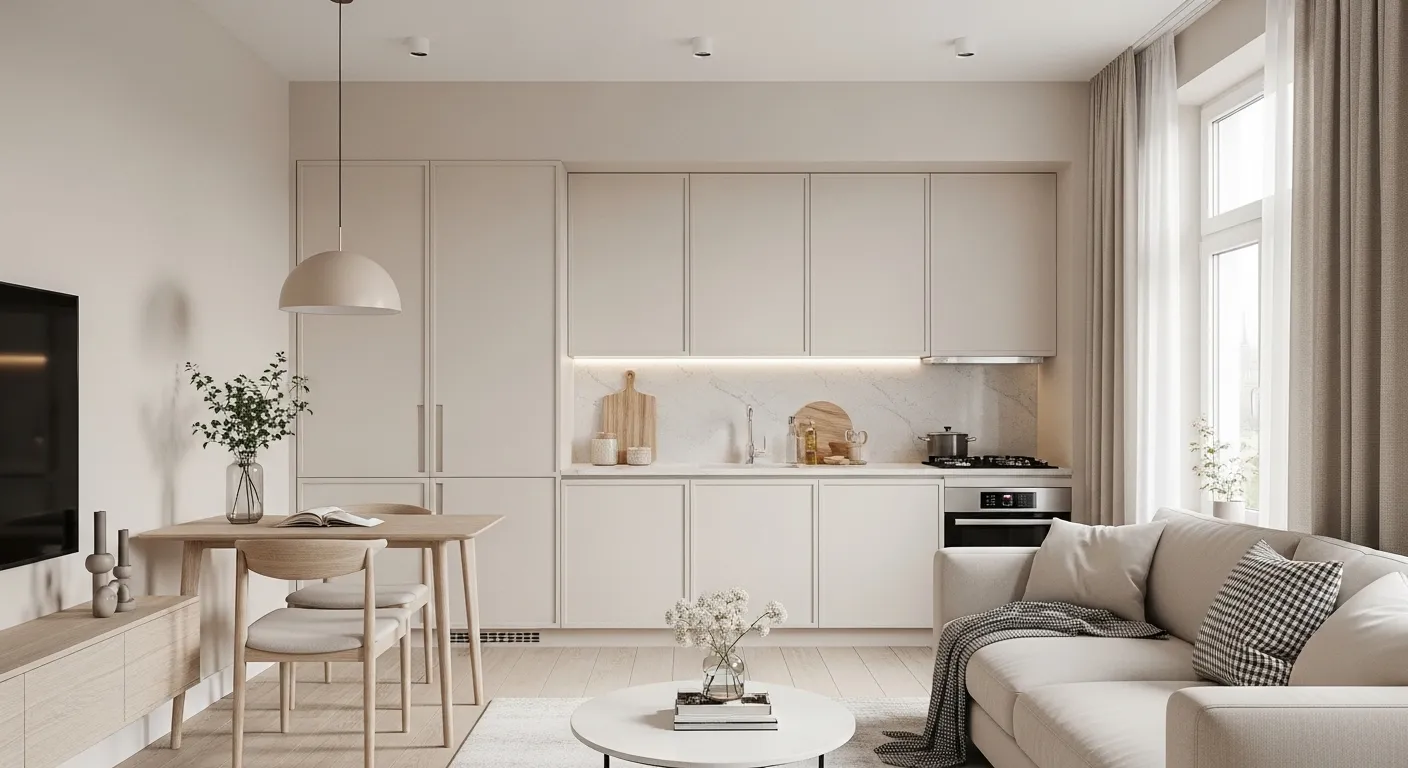
A light neutral palette can completely transform how a compact space feels the moment you walk in. Soft shades like beige, cream, and warm whites reflect natural light beautifully, making even tight areas appear more open and breathable. In my experience, switching from darker tones to lighter hues is one of the fastest ways to visually expand a room without any structural changes. It also creates a soothing atmosphere that feels both modern and timeless, which is why it remains a go-to choice for many interior designers working with limited space.
Another reason this approach works so well is its flexibility and simplicity in styling. Neutral tones act as a blank canvas, allowing furniture, textures, and small decor pieces to stand out without overwhelming the room. I’ve noticed that when everything blends softly, the eye moves smoothly across the space, making it feel larger than it actually is. This is especially helpful in small room design where every visual detail matters. By keeping the palette light and cohesive, you create a space that feels effortlessly elegant and surprisingly luxurious.
2. Floor-Length Curtains
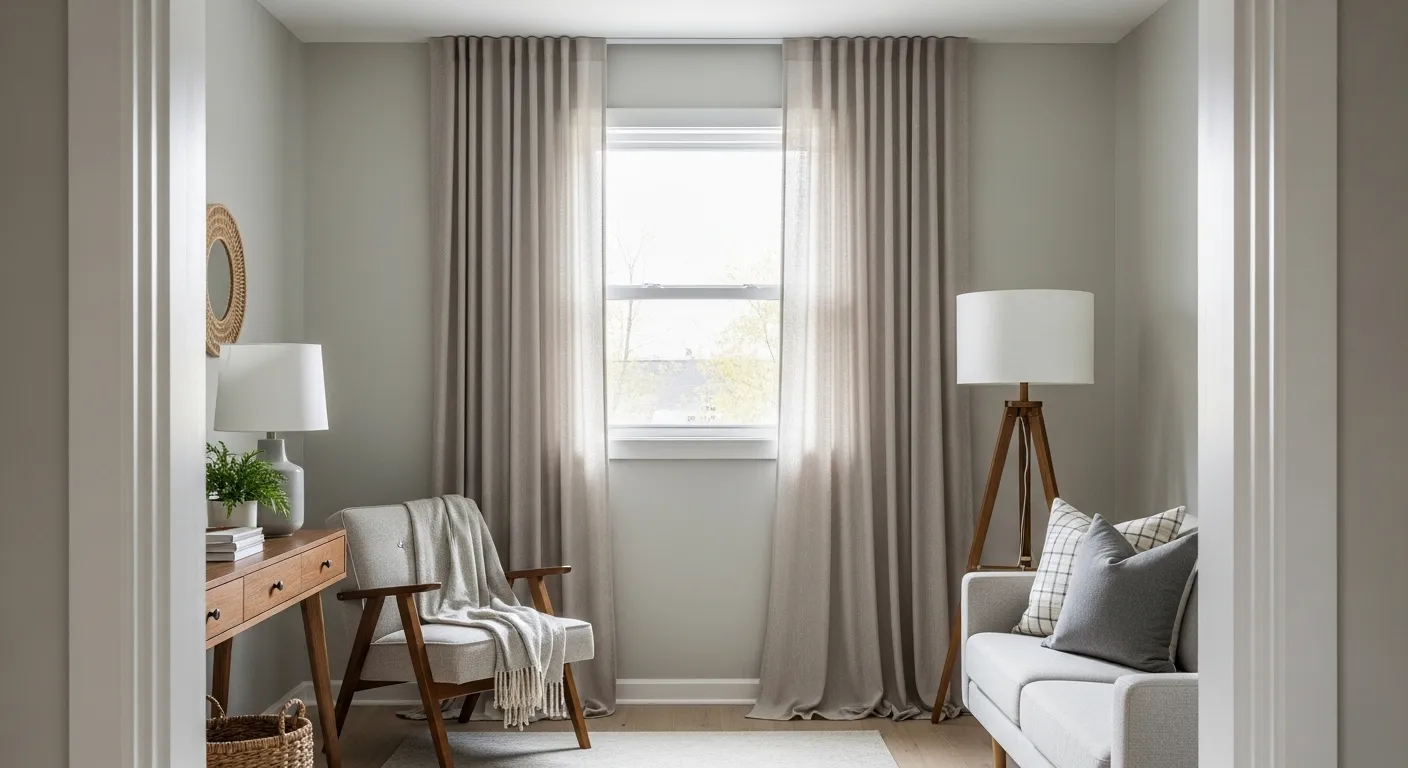
Floor-length curtains can visually stretch your space in a way that feels almost magical. By hanging them higher than the window frame, closer to the ceiling, you instantly create the illusion of taller walls. This small trick draws the eye upward, making the entire room feel more grand and open. I’ve seen this work especially well in apartments where windows are small, yet the right curtain placement transforms the entire look. It adds vertical drama without crowding the room, which is essential when working with limited square footage.
Beyond height illusion, these curtains also bring a soft, luxurious texture into the space. Light fabrics like linen or sheer cotton allow sunlight to filter through gently, creating a warm and inviting glow. In small room design, this balance between light and texture is crucial because it prevents the room from feeling flat or boxed in. The flowing fabric adds movement and elegance, making even the simplest room setup feel thoughtfully designed and visually appealing without adding clutter.
3. Floating Wall Shelves
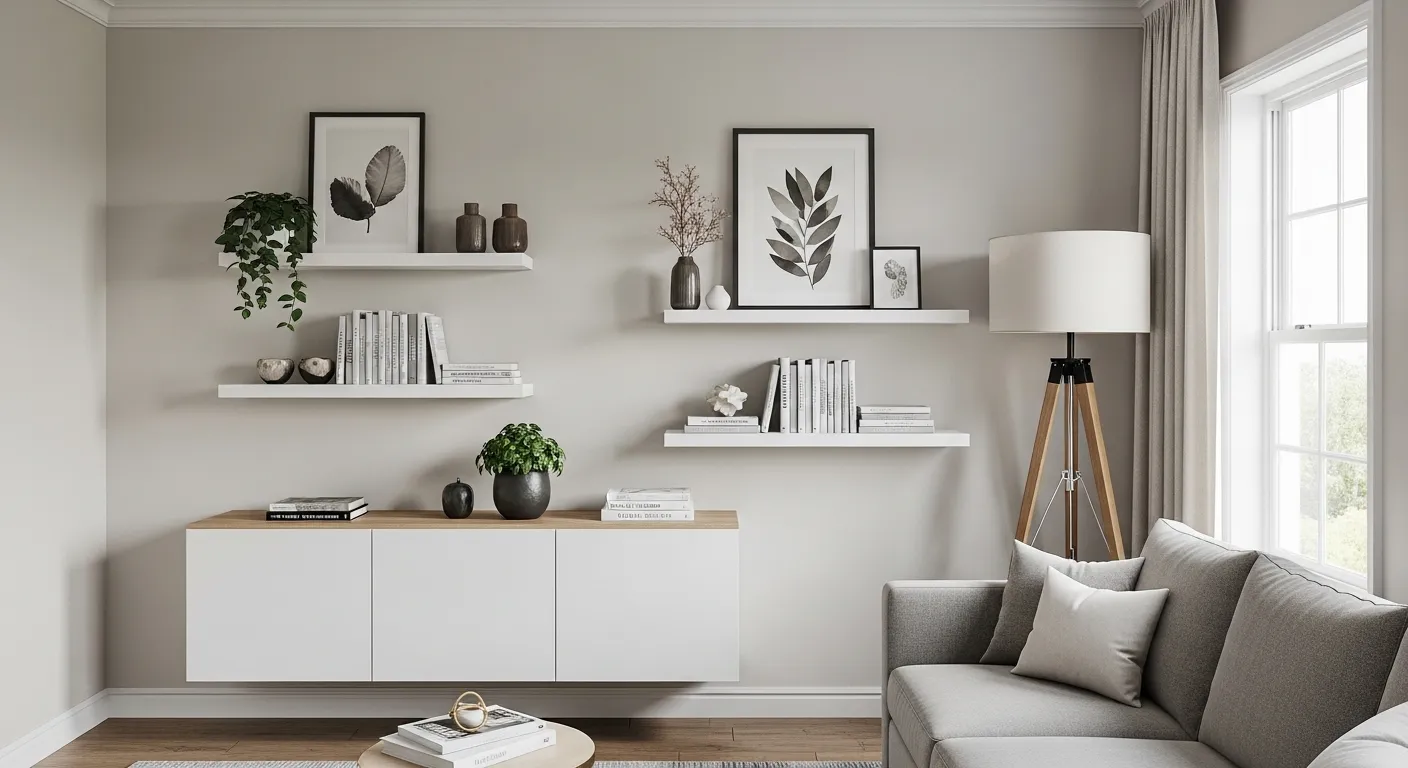
Floating wall shelves are one of the smartest ways to add storage without sacrificing precious floor space. Instead of bulky cabinets or heavy furniture, these shelves keep everything lifted and visually light. I’ve noticed that when items are arranged vertically, the room instantly feels less crowded and more structured. This approach is especially useful in smaller spaces where every inch matters. By using walls effectively, you create a balance between function and style, allowing the room to breathe while still staying organized.
What makes floating shelves even more effective is how customizable they are. You can style them with a mix of practical and decorative items, like books, plants, or framed art, without overwhelming the space. In my experience, keeping the arrangement minimal and intentional is key to maintaining that clean, luxurious feel. In small room design, it’s not just about storage—it’s about how that storage looks. When done right, floating shelves can turn a simple wall into a stylish focal point.
4. Large Wall Mirror
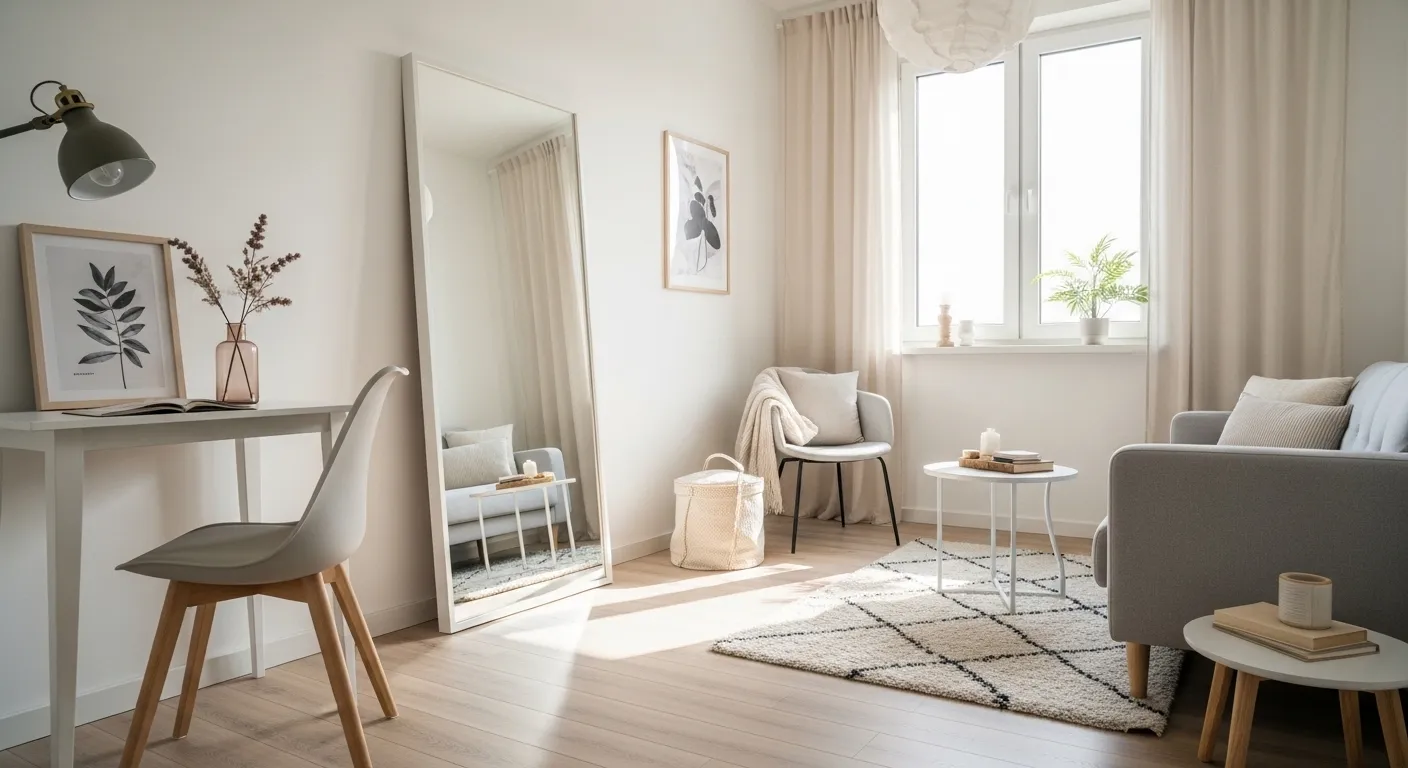
A large wall mirror is one of the easiest ways to visually double the size of a room without changing anything physically. By reflecting light and surroundings, it creates the illusion of depth that makes tight spaces feel far more open. I’ve seen this work especially well when placed opposite a window, where it bounces natural light across the room beautifully. This simple trick can transform a dim, cramped corner into a bright and inviting space that feels much more breathable and balanced.
What makes this idea even more effective is how effortlessly it blends into any style. Whether your space is modern, cozy, or minimal, a well-placed mirror adds elegance without overwhelming the room. In small room design, creating visual expansion is key, and mirrors do this naturally without adding bulk. I’ve noticed that even one oversized mirror can shift the entire perception of space, making the room feel more luxurious and thoughtfully designed without requiring major effort or expense.
5. Multi-Functional Furniture
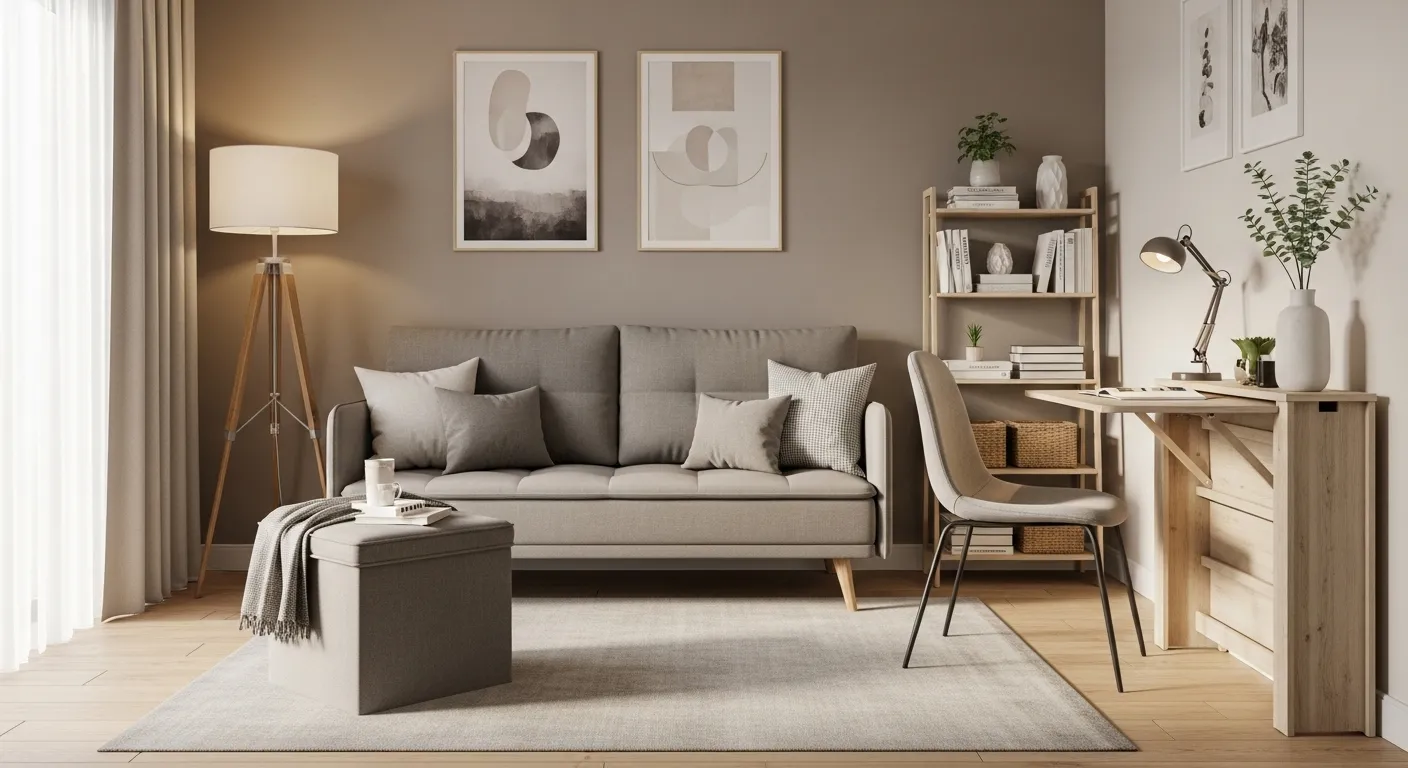
Multi-functional furniture can completely change how you use a small space on a daily basis. Instead of filling the room with separate pieces, you combine function into fewer items that serve multiple purposes. I’ve tried using a storage ottoman and a foldable desk in compact spaces, and the difference in usability is immediate. It allows you to keep essentials nearby without overcrowding the room. This approach is especially helpful when every piece needs to justify the space it occupies.
Beyond practicality, this type of furniture also contributes to a cleaner and more modern look. When there are fewer bulky items around, the room automatically feels more open and breathable. I’ve noticed that spaces designed this way feel more intentional and less chaotic. In small room design, efficiency is just as important as aesthetics, and multi-functional pieces strike that balance perfectly. They help create a home that feels both stylish and easy to live in without sacrificing comfort.
6. Vertical Storage Units
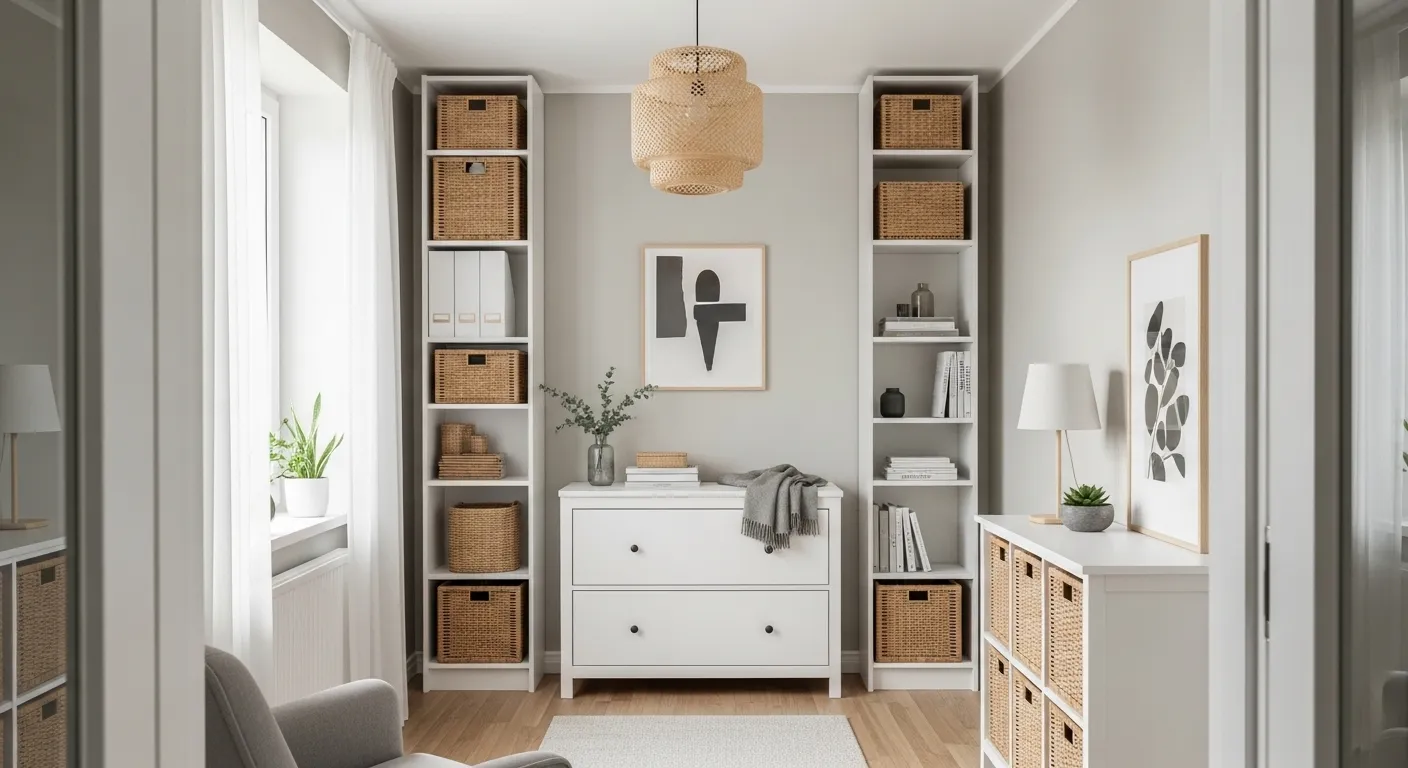
Vertical storage units are a game-changer when floor space is limited but storage needs are high. Instead of spreading items across the room, you build upward, which keeps the layout clean and open. I’ve seen this approach work incredibly well in small apartments where every square foot matters. By utilizing height, you free up walking space and reduce visual clutter, making the room feel more structured and easy to navigate.
Another advantage of vertical storage is how it naturally enhances the perception of height in a room. When your eyes are drawn upward, the space feels taller and less confined. In my experience, pairing tall units with light colors and minimal styling creates a balanced look that feels both functional and elegant. In small room design, smart storage solutions like this not only solve practical problems but also contribute to a more refined and spacious overall feel.
7. Under-Bed Storage
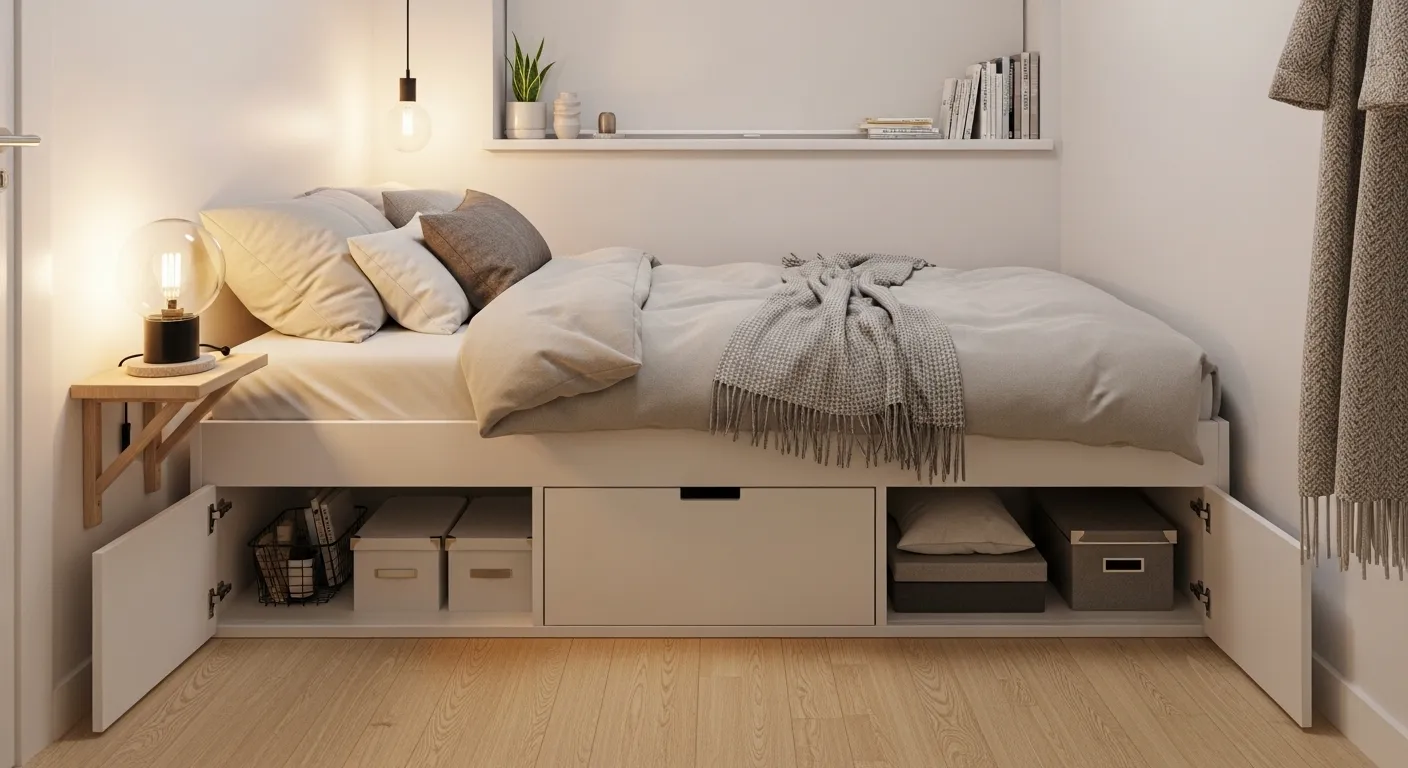
Under-bed storage is one of the most underrated ways to create extra space without changing the room layout. That unused area beneath the bed can hold everything from seasonal clothes to extra bedding, keeping your main space neat and uncluttered. I’ve tried this in compact bedrooms, and it immediately made the room feel more organized without adding any bulky furniture. It’s a simple upgrade that quietly improves functionality while keeping the overall design clean and visually light.
What makes this idea so effective is how invisible it feels once everything is tucked away. Instead of filling corners with storage bins or cabinets, you keep everything neatly hidden yet easily accessible. In small room design, reducing visible clutter plays a huge role in making the space feel more open and calm. I’ve noticed that when surfaces stay clear, the entire room feels more breathable and put together, giving it that effortless, luxurious vibe without needing expensive decor.
8. Glass Furniture Pieces
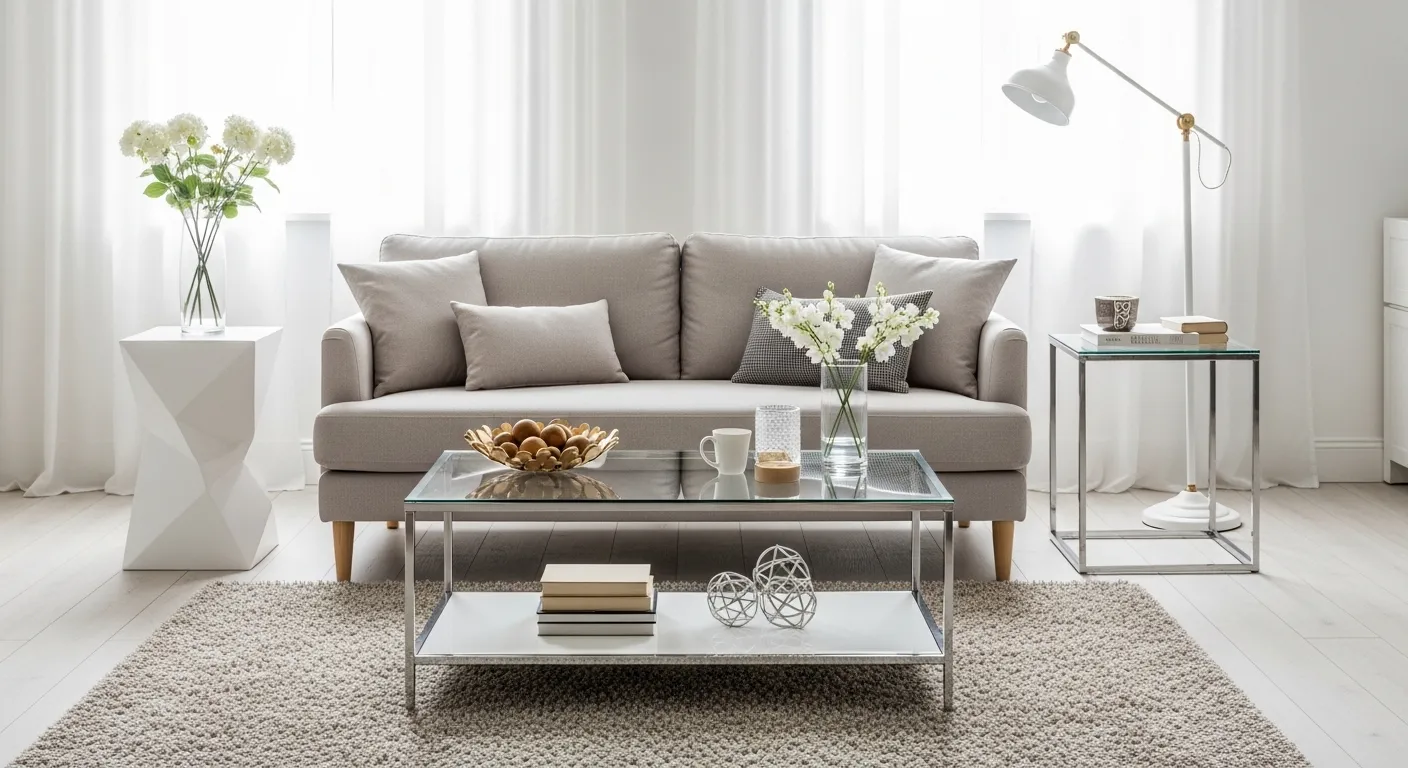
Glass furniture can visually disappear in a room, which makes it perfect for tight spaces. Unlike bulky wooden pieces, transparent surfaces don’t block the eye, allowing the room to feel more open and continuous. I’ve noticed that even replacing one solid table with a glass version can make a noticeable difference. It keeps the layout functional without adding visual weight, which is essential when trying to create a spacious and breathable environment.
Another reason this works so well is the way glass interacts with light. It reflects and diffuses natural brightness, adding a subtle glow to the space without overwhelming it. In small room design, maintaining that balance between function and openness is key. From my experience, pairing glass furniture with soft textures like rugs and cushions creates a perfect mix of warmth and modern elegance, helping the room feel stylish without losing its light and airy charm.
9. Minimalist Wall Art
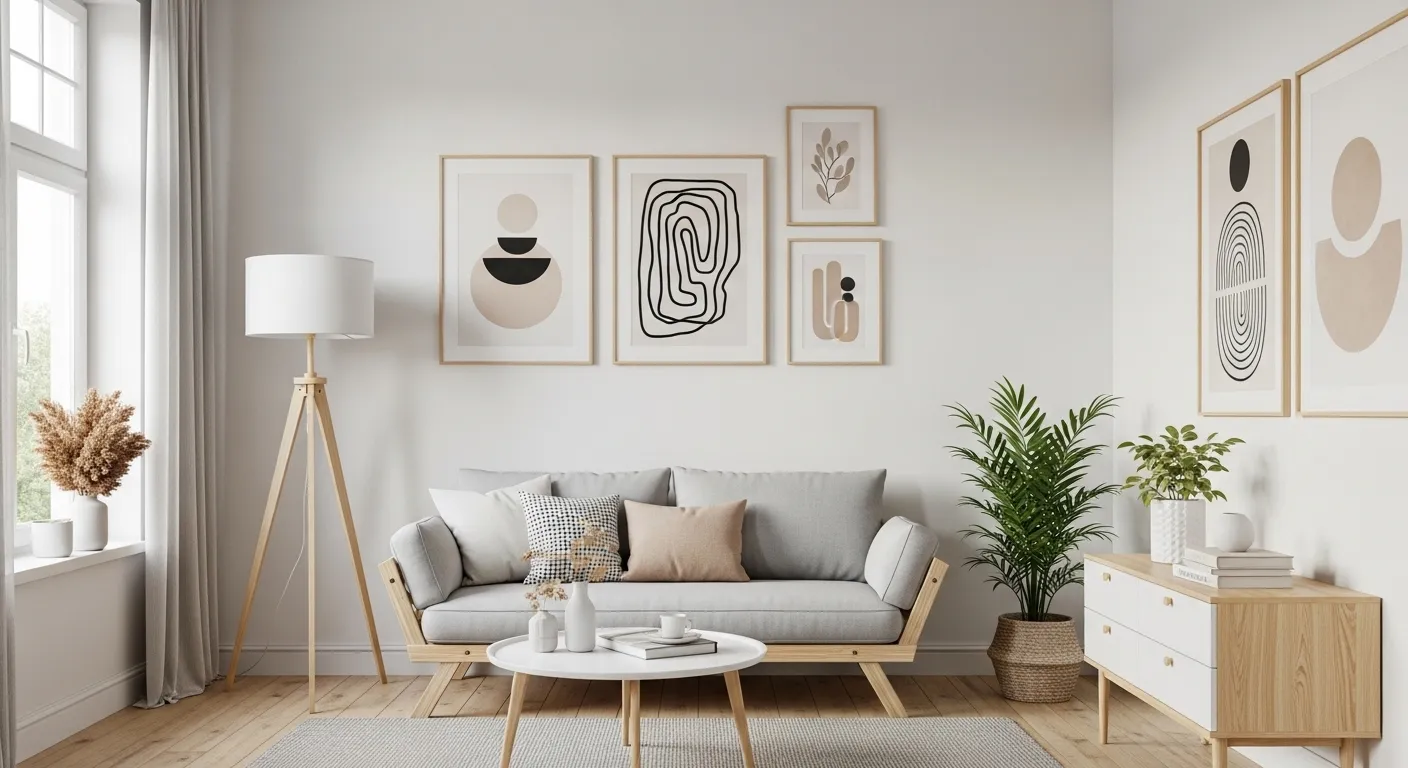
Minimalist wall art can elevate a room’s style without making it feel busy or overcrowded. Instead of filling every inch of wall space, a few well-chosen pieces create a clean and intentional look. I’ve seen that when artwork is spaced thoughtfully, it allows the room to breathe while still adding character. This approach works especially well in smaller spaces where too much decor can quickly feel overwhelming and visually heavy.
The key is choosing simple designs with soft colors or subtle contrast that blend with the overall palette. In my experience, less truly is more when it comes to wall decor in compact spaces. In small room design, maintaining visual balance is essential, and minimalist art helps achieve that effortlessly. It draws attention without dominating the room, creating a refined and polished look that feels both modern and inviting at the same time.
10. Wall-Mounted Lighting
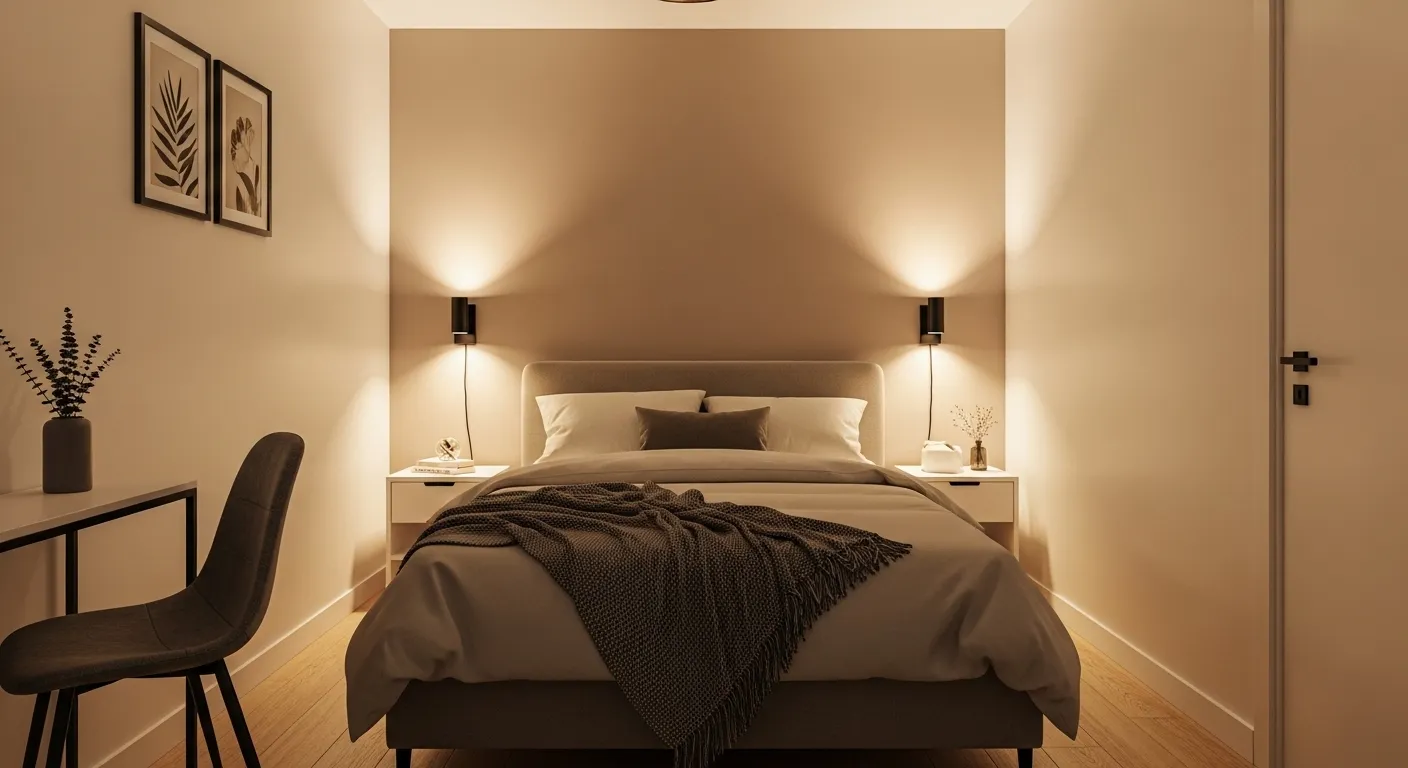
Wall-mounted lighting is a simple upgrade that makes a small space feel instantly more refined and organized. By removing bulky floor or table lamps, you open up valuable surface areas, which helps the room feel less crowded. I’ve noticed that even a small shift like this can create a cleaner layout and improve how the space functions daily. It’s especially useful in bedrooms or reading corners where lighting is essential but space is limited.
What makes this idea stand out is the way it adds both style and function without overwhelming the room. Soft wall lighting creates a warm, layered glow that feels inviting and comfortable. In small room design, lighting plays a huge role in setting the mood and enhancing depth. I’ve seen this work beautifully in compact homes where thoughtful lighting placement turns a simple setup into something that feels intentional, cozy, and surprisingly luxurious.
11. Foldable Desk Setup
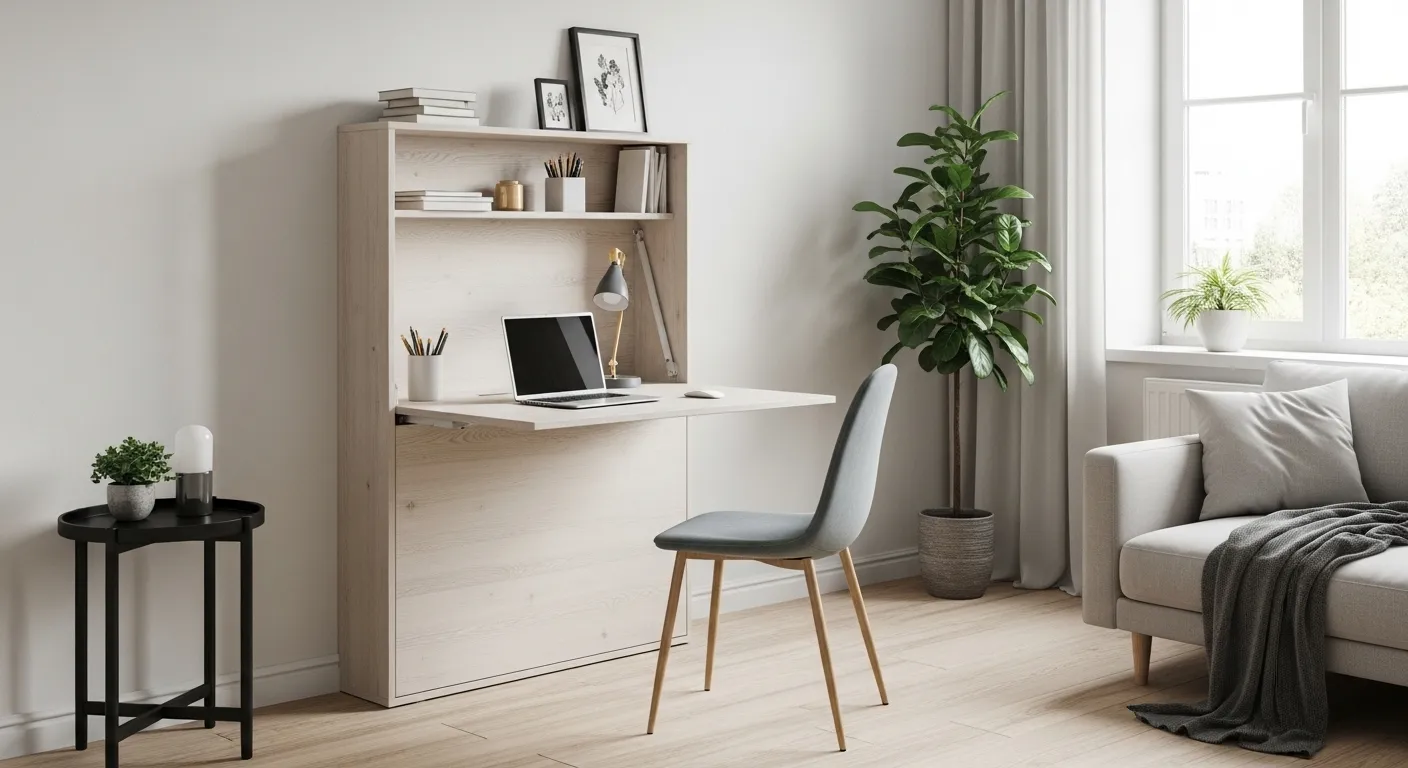
A foldable desk setup is perfect for creating a workspace without dedicating permanent space to it. When closed, it blends seamlessly into the wall, keeping the room open and uncluttered. I’ve tried this in small apartments, and it made a huge difference in how flexible the space felt. You can easily switch between work mode and relaxation mode without rearranging furniture, which is incredibly useful in compact living areas.
This idea works especially well because it supports a clean and minimal lifestyle. Instead of having a desk constantly taking up space, you only use it when needed. In small room design, flexibility is one of the most valuable features you can have. I’ve noticed that rooms with adaptable elements feel more comfortable and less restrictive. A foldable desk keeps the environment light, functional, and visually appealing without sacrificing productivity.
12. Statement Accent Wall
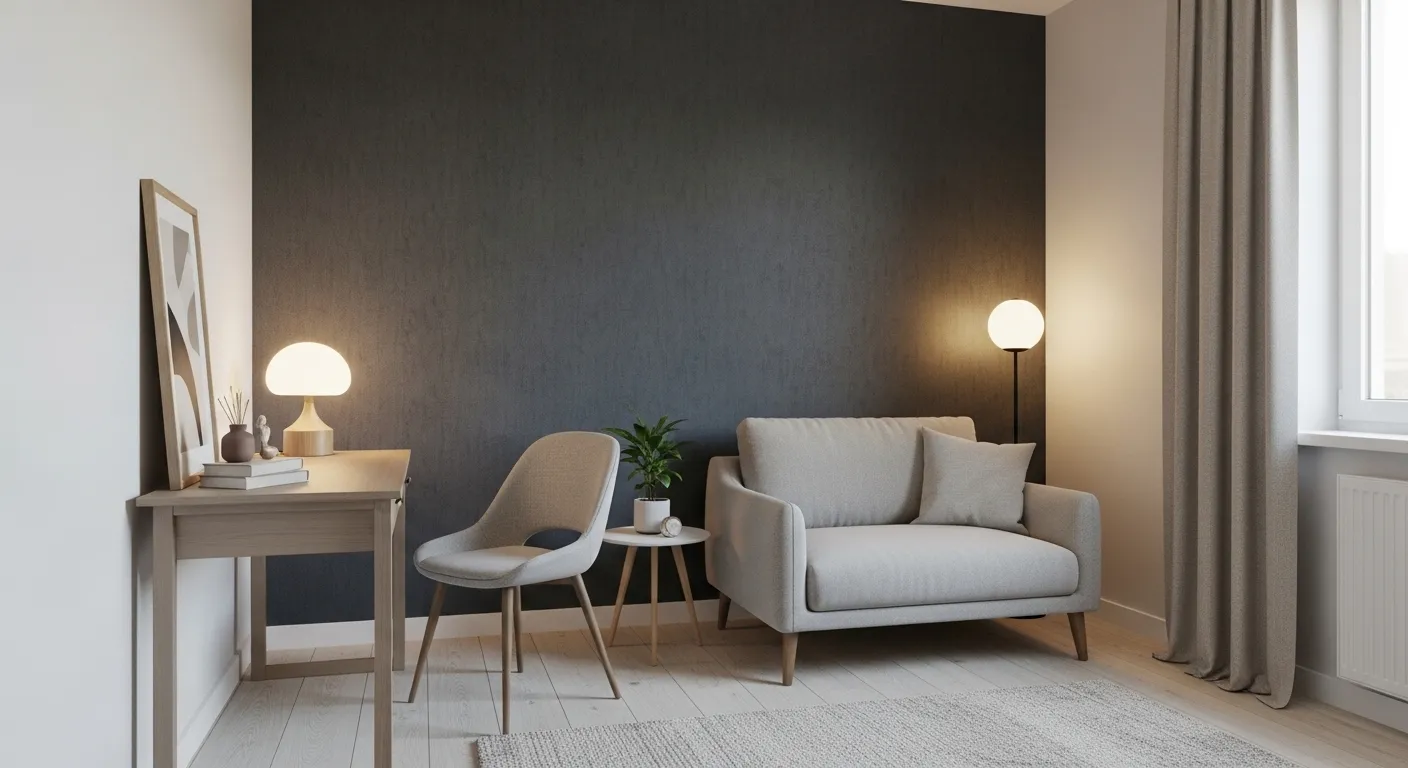
A statement accent wall can completely transform the personality of a small space without overwhelming it. By focusing on just one wall, you introduce depth and contrast while keeping the rest of the room light and balanced. I’ve seen this work especially well when the other elements remain simple, allowing the accent wall to stand out naturally. It draws attention in a controlled way, making the space feel more intentional and thoughtfully styled.
The key is choosing the right color or texture that complements the overall design without making the room feel smaller. In my experience, deeper tones or subtle patterns can actually add dimension rather than shrink the space. In small room design, it’s all about balance, and this idea achieves that beautifully. A well-executed accent wall creates a bold yet elegant look that makes even the simplest room feel more dynamic and visually engaging.
13. Low-Profile Furniture
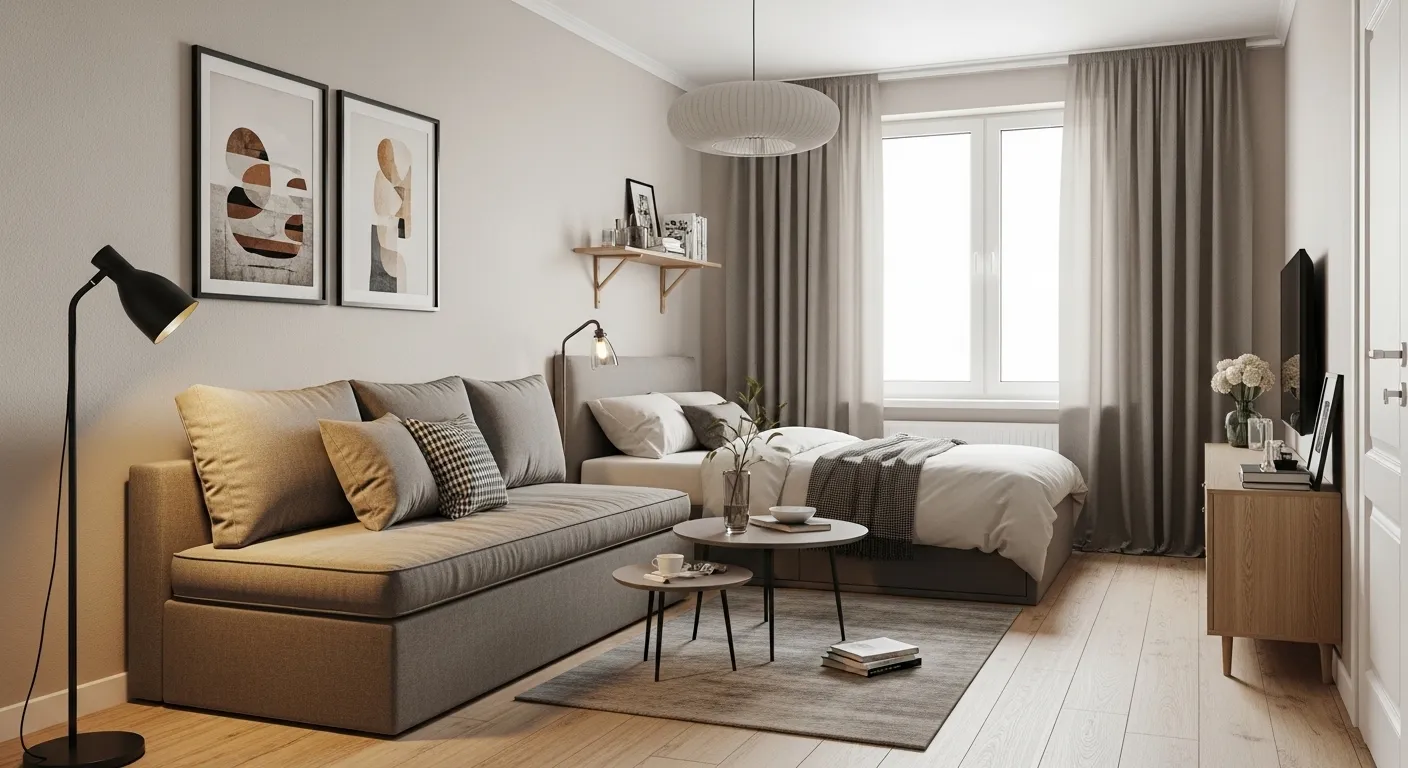
Low-profile furniture can subtly change how spacious a room feels without altering its size. By keeping furniture closer to the ground, you create more visible space above, which makes the ceiling appear higher. I’ve noticed this works especially well in rooms with standard or low ceilings where every visual trick matters. It helps the space feel less cramped and more breathable, even when the layout remains the same.
This approach also creates a sleek and modern aesthetic that feels calm and uncluttered. Instead of bulky, tall furniture dominating the room, everything feels grounded and balanced. In small room design, managing visual weight is essential, and low-profile pieces do that effortlessly. From my experience, combining this with light colors and simple decor enhances the effect, making the room feel both stylish and surprisingly spacious without needing major changes.
14. Hidden Storage Benches
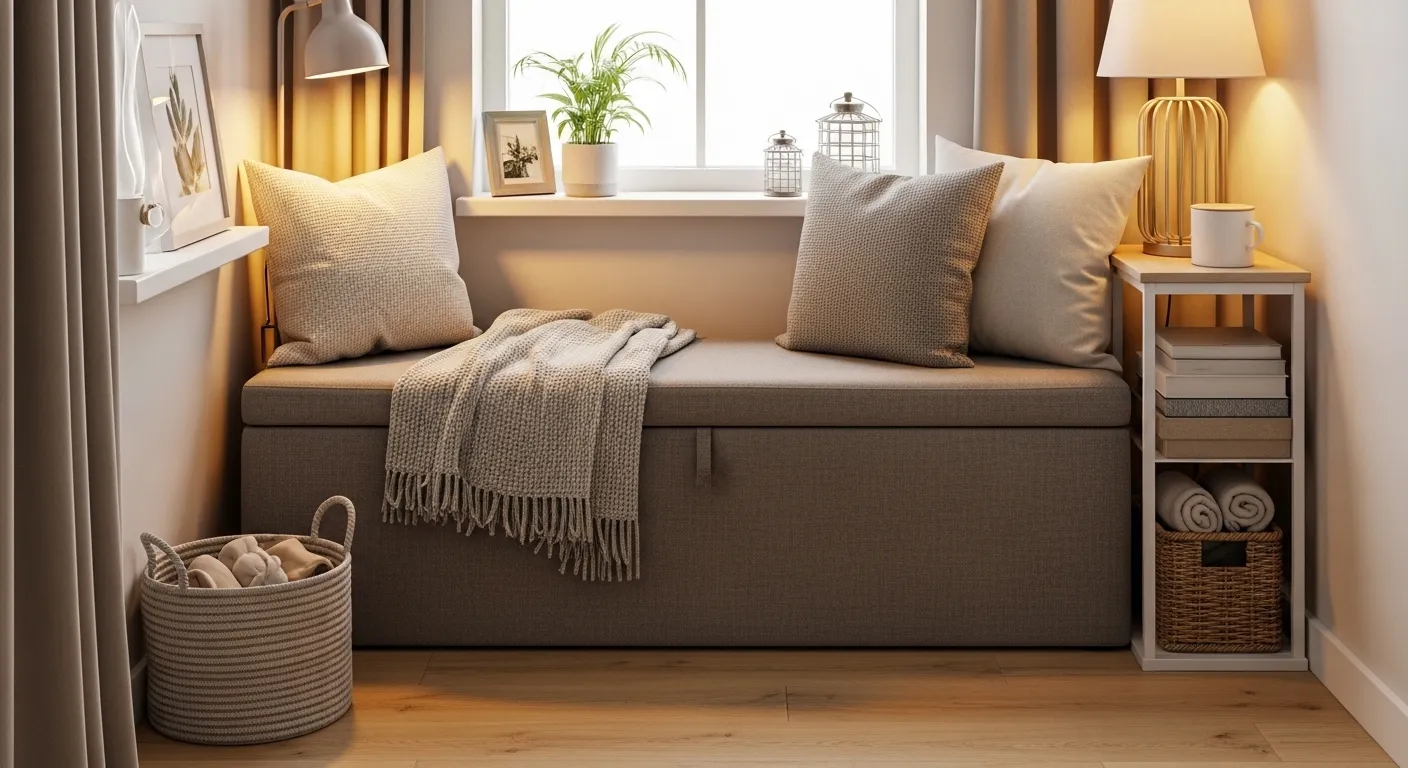
Hidden storage benches are a smart way to combine comfort with practicality in a small space. Instead of adding separate storage units, you get a dual-purpose piece that keeps things tidy while offering extra seating. I’ve seen this work beautifully in bedrooms and entryways where space is limited but storage is essential. It allows you to keep everyday items close without making the room feel crowded or overloaded.
What makes this idea stand out is how seamlessly it blends into the design. When closed, it looks like a simple bench, but inside, it holds everything from blankets to books. In small room design, hidden storage solutions make a huge difference because they reduce visible clutter. I’ve noticed that when items are tucked away, the room instantly feels more peaceful and organized, creating a clean and polished environment that’s both functional and visually appealing.
15. Layered Soft Lighting
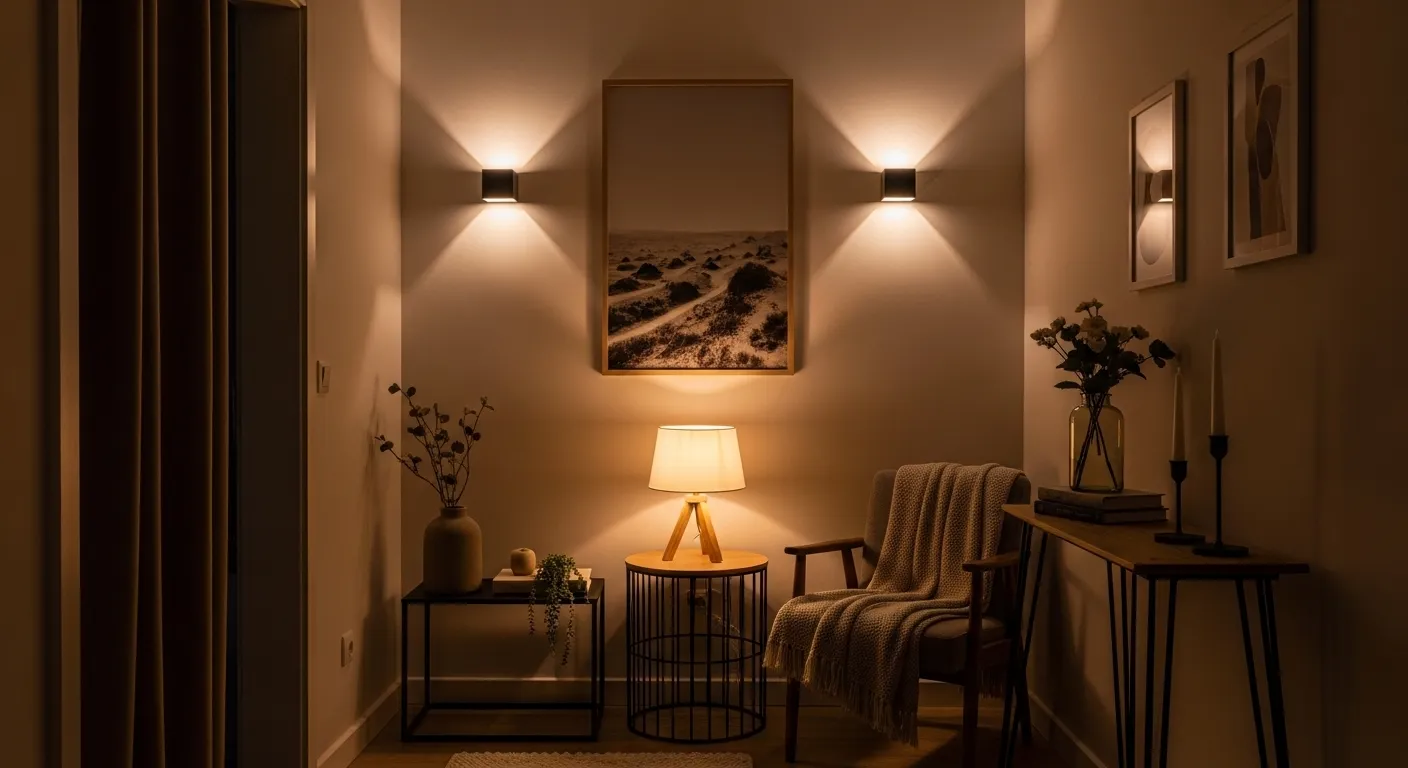
Layered soft lighting can completely change the mood of a small space, making it feel warm and inviting instead of flat and dull. Instead of relying on a single overhead light, combining multiple light sources creates depth and softness. I’ve noticed that even a simple mix of a table lamp and wall light can make the room feel more dynamic. This approach helps eliminate harsh shadows and creates a balanced glow that feels comfortable and relaxing.
In small room design, lighting plays a powerful role in shaping how the space is experienced. Soft layers of light make the room feel more intimate and thoughtfully designed. I’ve seen this work especially well in the evenings when the lighting creates a cozy, almost luxurious atmosphere. By controlling how light spreads across the room, you can highlight key areas and make the entire space feel more polished and visually appealing.
16. Slim Furniture Legs
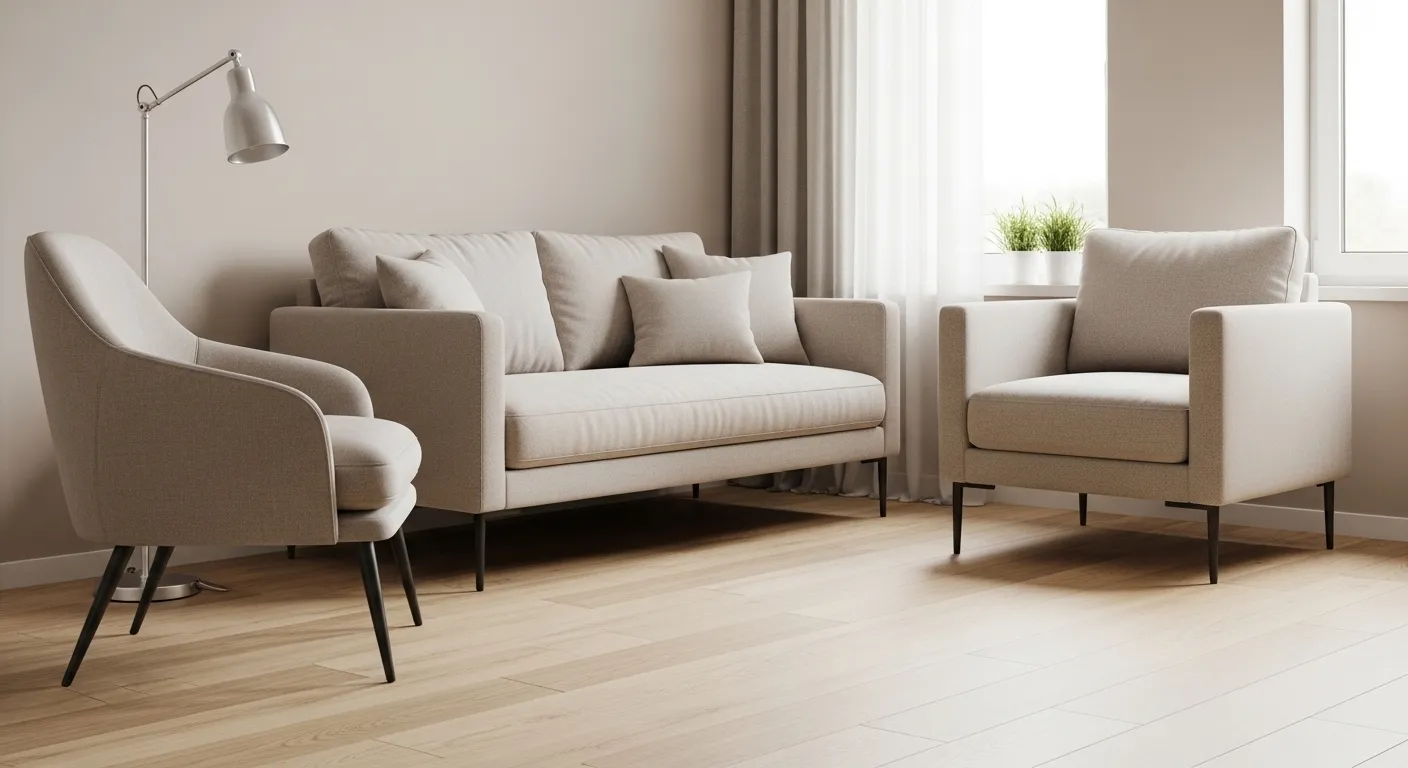
Slim furniture legs can make a surprising difference in how open a room feels. When furniture is slightly elevated, it allows you to see more of the floor, which instantly creates a sense of space and continuity. I’ve noticed that bulky, floor-hugging pieces tend to make rooms feel tighter, while raised furniture feels lighter and more breathable. This small visual trick helps the layout feel less restricted without changing anything major.
Another reason this works so well is the way it improves the overall flow of the room. With more visible floor area, your eyes can move freely, making the space feel larger than it is. In small room design, these subtle details have a big impact on perception. From my experience, pairing slim-legged furniture with light flooring enhances this effect even more, creating a clean and modern look that feels both stylish and spacious.
17. Monochrome Color Scheme
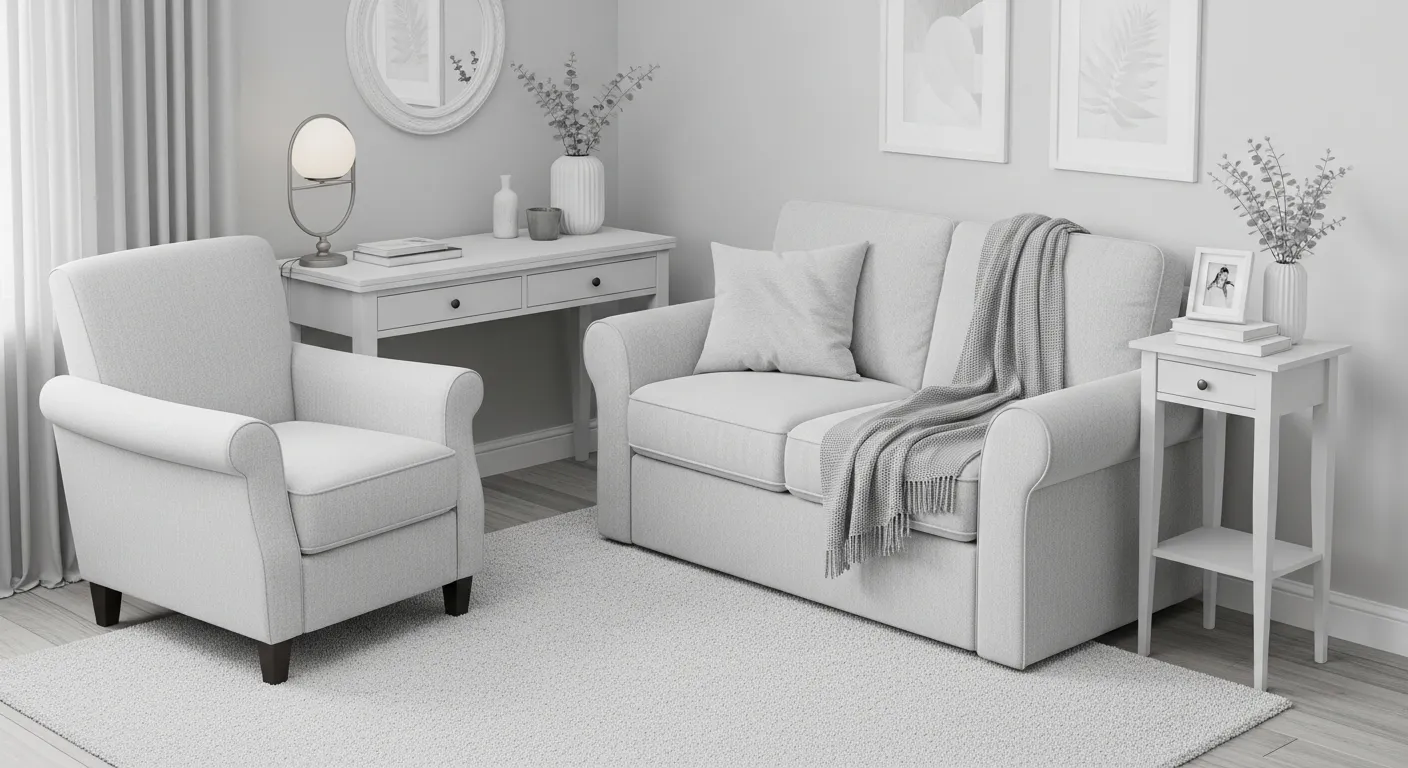
A monochrome color scheme helps unify a small space, making it feel more organized and visually calm. Instead of mixing too many colors, sticking to one palette allows everything to blend smoothly. I’ve noticed that when colors flow naturally, the room feels less busy and more spacious. This approach is especially effective in compact areas where too much contrast can make the space feel fragmented and smaller than it actually is.
What makes monochrome styling so appealing is its ability to add depth without overwhelming the room. By playing with different shades and textures within the same color family, you create subtle variation while maintaining harmony. In small room design, this balance is key to achieving a refined look. I’ve seen this technique turn even the simplest spaces into elegant setups that feel intentional, stylish, and easy on the eyes.
18. Compact Corner Seating
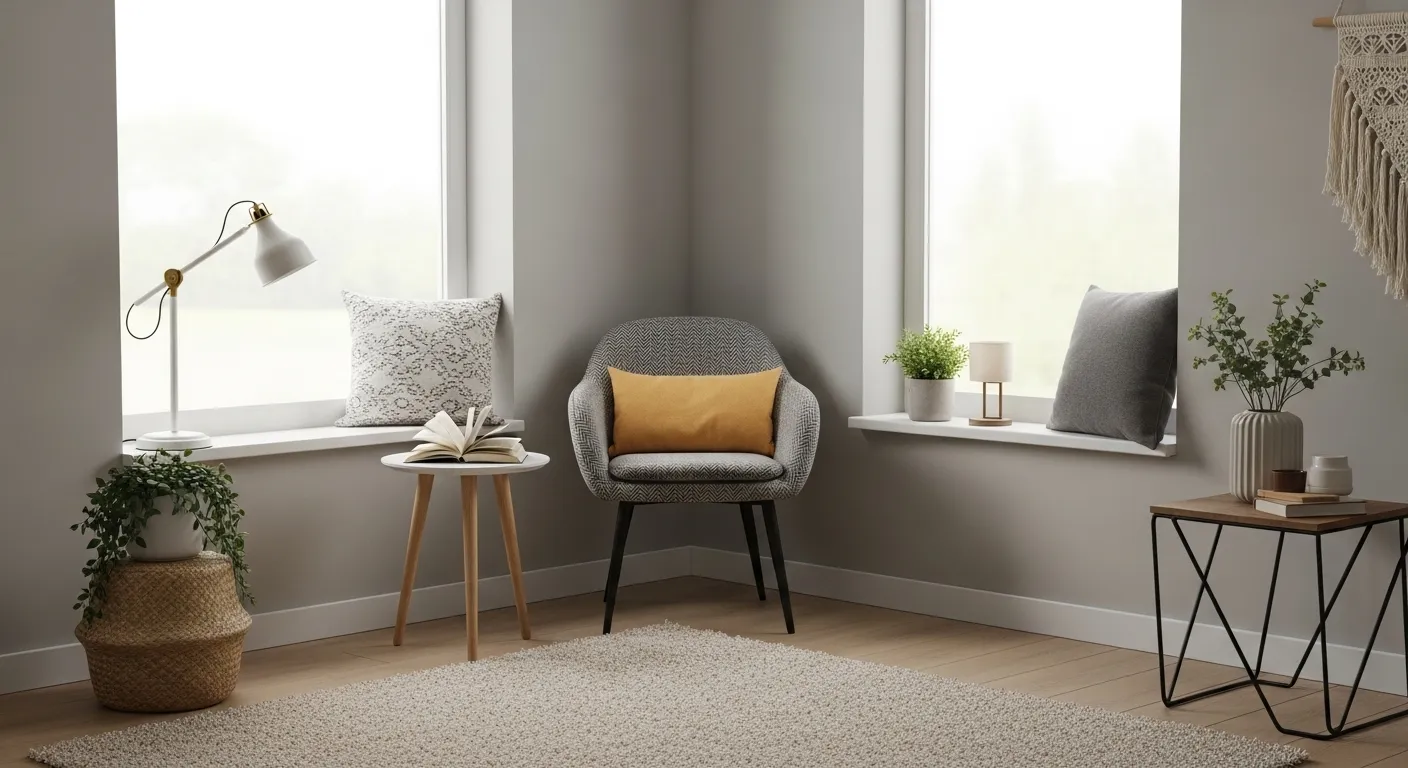
Compact corner seating is a smart way to make use of areas that often go unused. Instead of leaving corners empty, adding a small chair or seating nook brings both function and warmth to the space. I’ve seen this work especially well in living rooms and bedrooms where extra seating is needed but space is limited. It creates a dedicated spot for reading, relaxing, or simply unwinding without disrupting the main layout.
This idea also adds a layer of personality and comfort that makes the room feel more complete. When designed thoughtfully, a corner nook becomes a cozy highlight rather than an afterthought. In small room design, maximizing every inch is essential, and corners offer hidden potential. I’ve noticed that even a simple setup with a chair and soft lighting can transform a plain area into a welcoming and practical feature.
19. Sheer Window Curtains
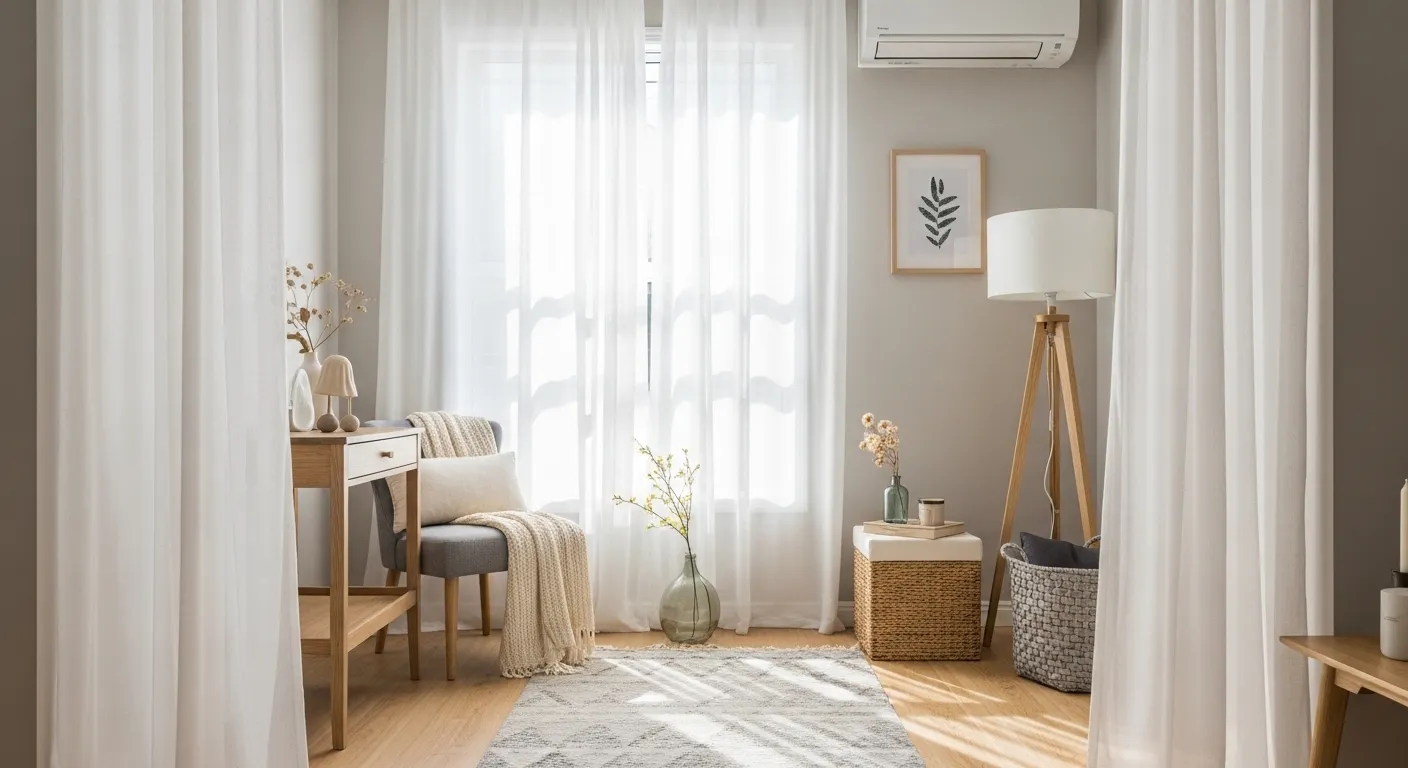
Sheer window curtains can instantly brighten a room without blocking precious natural light. Unlike heavy drapes, they allow sunlight to filter through softly, creating a gentle glow that makes the space feel open and welcoming. I’ve noticed that rooms with sheer curtains feel more breathable and less confined, especially during the daytime. This simple switch can transform how light moves across the room, making everything appear softer and more inviting.
Another reason this works so well is the balance it creates between privacy and openness. You still get coverage without sacrificing brightness, which is essential in smaller spaces. In small room design, maximizing light is one of the most effective ways to enhance the feeling of space. From my experience, pairing sheer curtains with light-colored walls amplifies the effect, creating a clean and elegant look that feels calm and effortlessly stylish.
20. Minimal Floor Decor
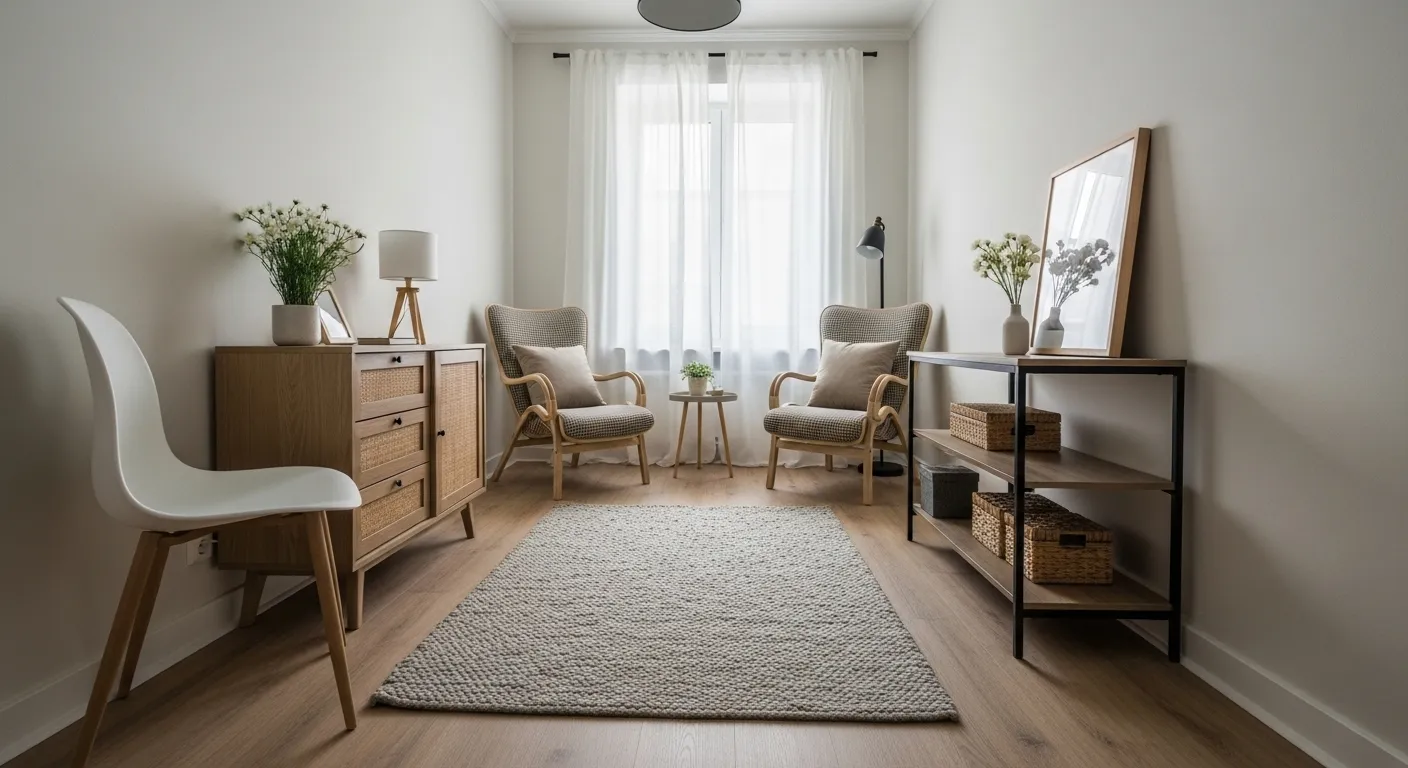
Keeping floor decor minimal is one of the simplest ways to make a room feel more spacious. When the floor is clutter-free, the entire layout feels open and easy to move through. I’ve noticed that too many small items on the ground can quickly make a space feel cramped. By limiting decor to just one or two essential pieces, like a rug, you create a clean foundation that allows the rest of the room to stand out.
This approach also helps highlight the main elements of the space without unnecessary distractions. In small room design, every detail should have a purpose, and simplifying the floor area makes that possible. I’ve seen this technique work especially well in compact homes where visual clarity is key. A clean floor not only improves functionality but also gives the room a polished and modern appearance that feels calm and well-organized.
21. Built-In Wall Storage
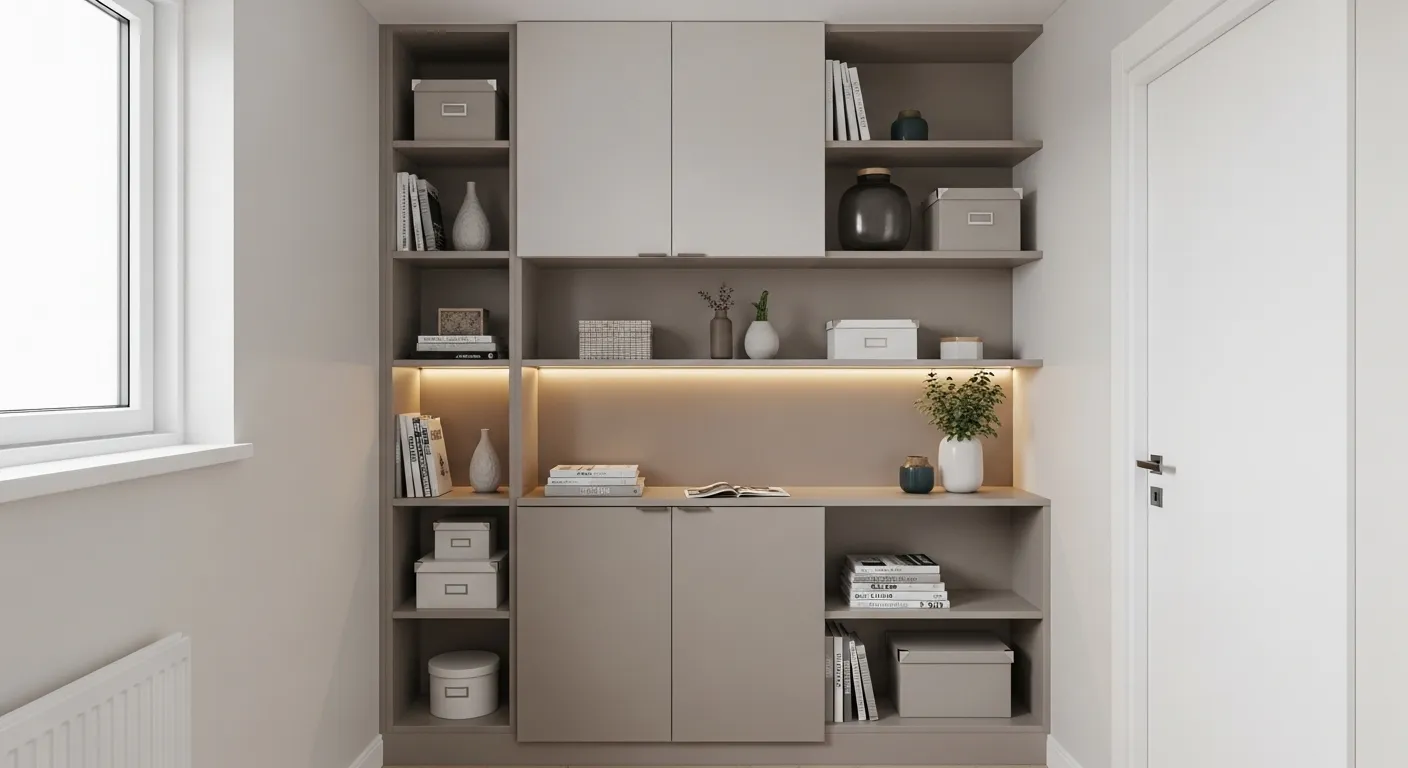
Built-in wall storage is one of the most efficient ways to keep a small space organized without adding bulky furniture. Because it’s integrated into the wall, it doesn’t take up extra room, making the layout feel clean and streamlined. I’ve seen this work especially well in compact homes where every inch counts. It allows you to store essentials neatly while maintaining a smooth and uncluttered visual flow.
What makes this idea even more powerful is how seamlessly it blends into the overall design. When storage feels like part of the wall, the room looks more cohesive and less crowded. In small room design, reducing visual interruptions is key to creating a spacious feel. From my experience, built-in solutions not only improve functionality but also give the space a refined, custom-designed look that feels both practical and luxurious.
22. Mirrored Closet Doors
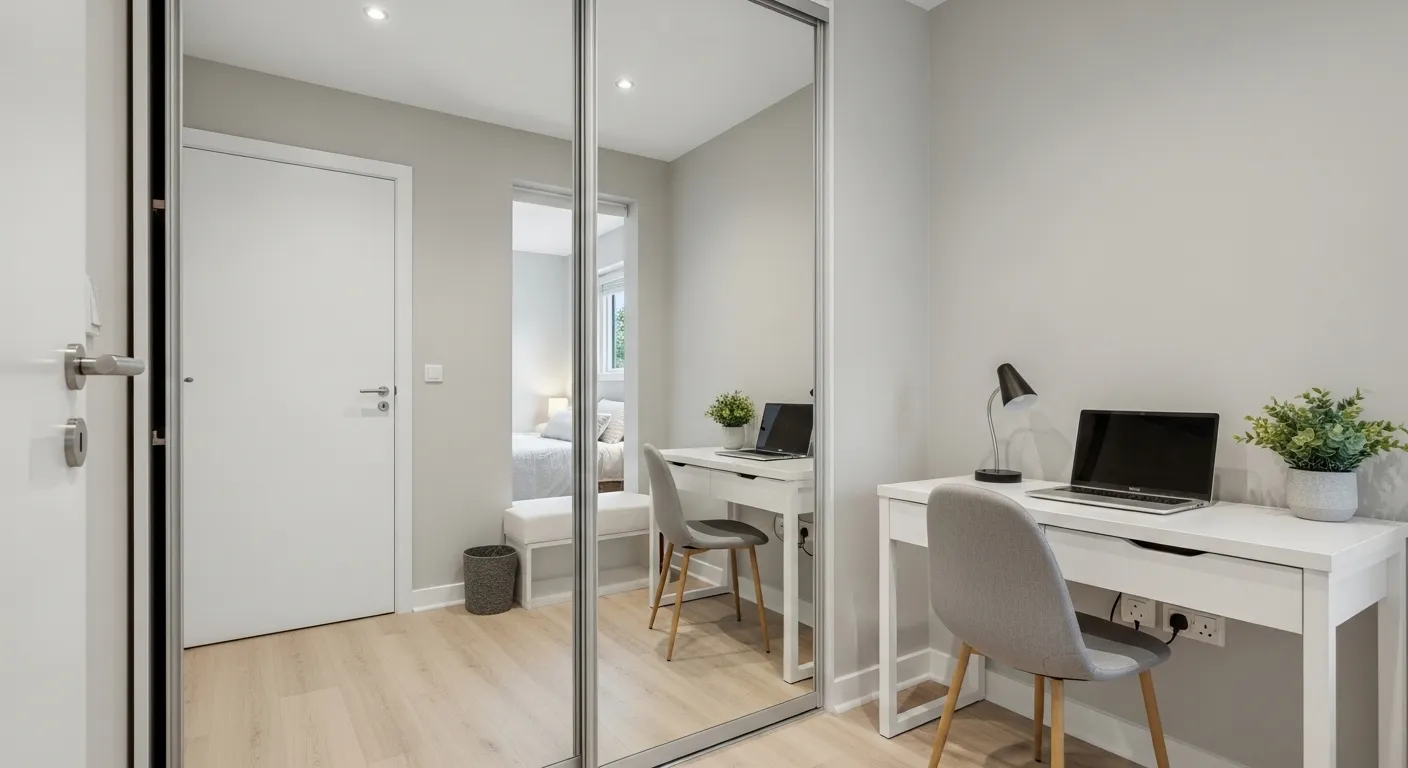
Mirrored closet doors are a clever way to combine storage with visual expansion. Instead of adding a separate mirror, the closet itself becomes a design feature that reflects light and surroundings. I’ve noticed that this instantly makes the room feel larger and more open without taking up additional space. It’s especially effective in bedrooms where closets already exist, making it a practical upgrade rather than an extra addition.
What makes this idea so powerful is how seamlessly it blends function with style. The reflective surface enhances brightness and creates depth, which is essential in compact spaces. In small room design, using elements that serve multiple purposes is always a smart approach. From my experience, mirrored doors can transform a simple room into one that feels more spacious, polished, and thoughtfully designed without requiring major changes.
23. Open Clothing Rack
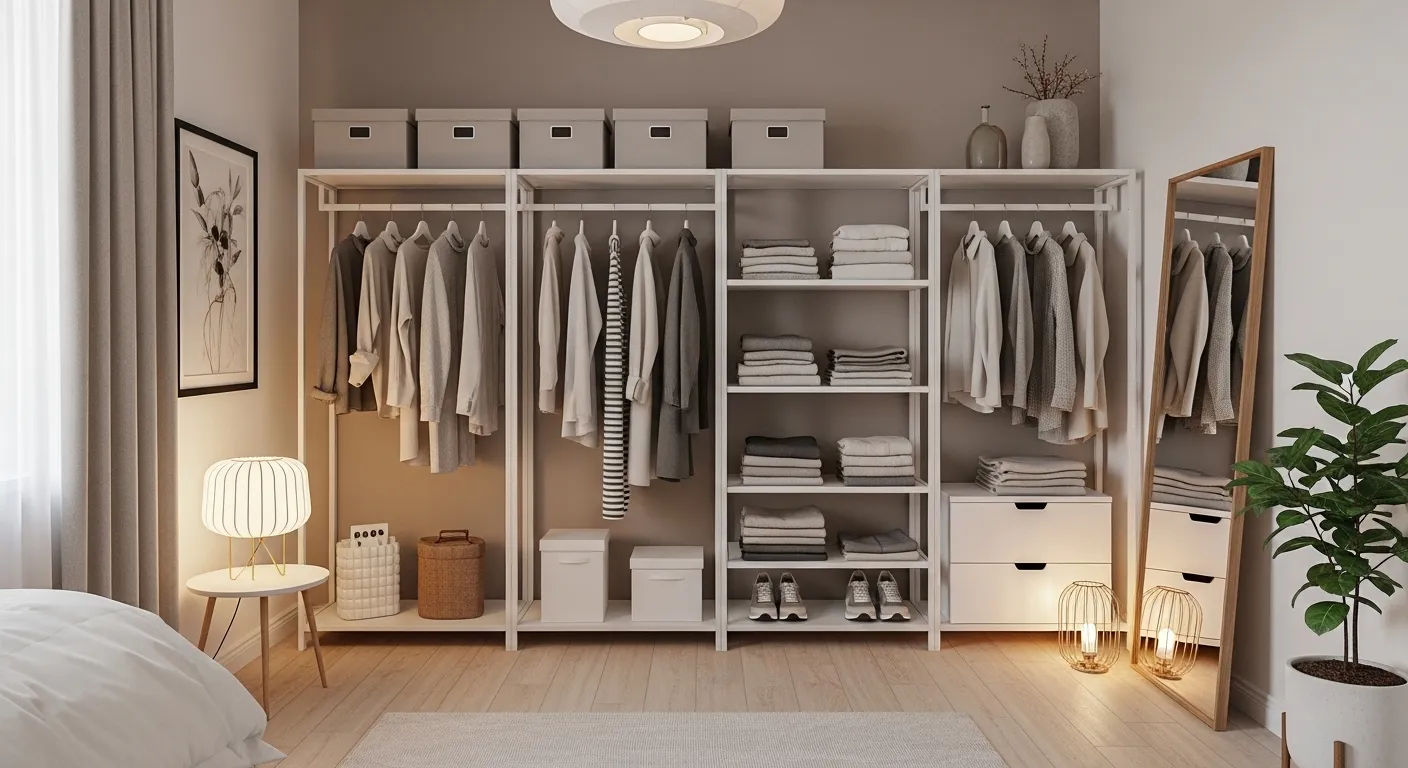
An open clothing rack can make a small space feel lighter and more flexible compared to bulky wardrobes. By keeping clothes visible and neatly arranged, it reduces the heaviness that large furniture often brings. I’ve seen this work especially well in compact rooms where traditional closets take up too much space. It creates a more open layout while still keeping everything within reach.
The key to making this idea work is maintaining a clean and organized display. In my experience, sticking to a coordinated color palette for clothing helps the setup look intentional rather than cluttered. In small room design, visual simplicity plays a huge role in how spacious a room feels. An open rack, when styled properly, can act as both storage and decor, adding personality while keeping the space airy and functional.
24. Compact Nesting Tables
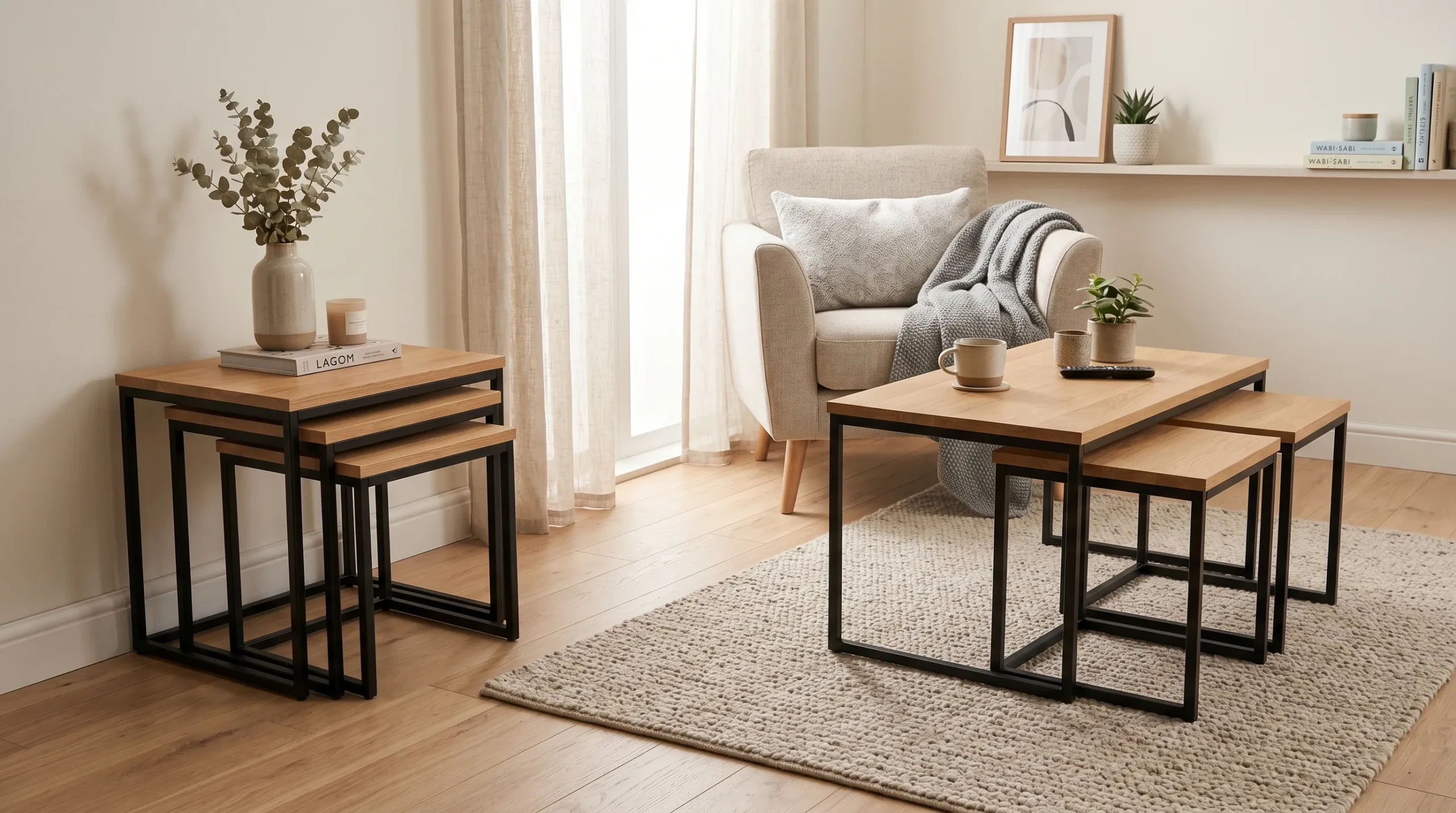
Compact nesting tables are perfect for small spaces because they offer flexibility without taking up constant room. When not in use, they stack neatly together, keeping the area clean and uncluttered. I’ve noticed that having furniture that can expand and contract based on need makes a huge difference in everyday living. It allows the room to adapt without feeling crowded.
This idea works especially well in living areas where occasional extra surface space is needed. In small room design, versatility is key, and nesting tables provide that effortlessly. From my experience, they are ideal for entertaining guests or simply adding convenience without committing to bulky furniture. Their compact nature keeps the room open while still offering practical functionality when needed.
25. Neutral Textured Layers
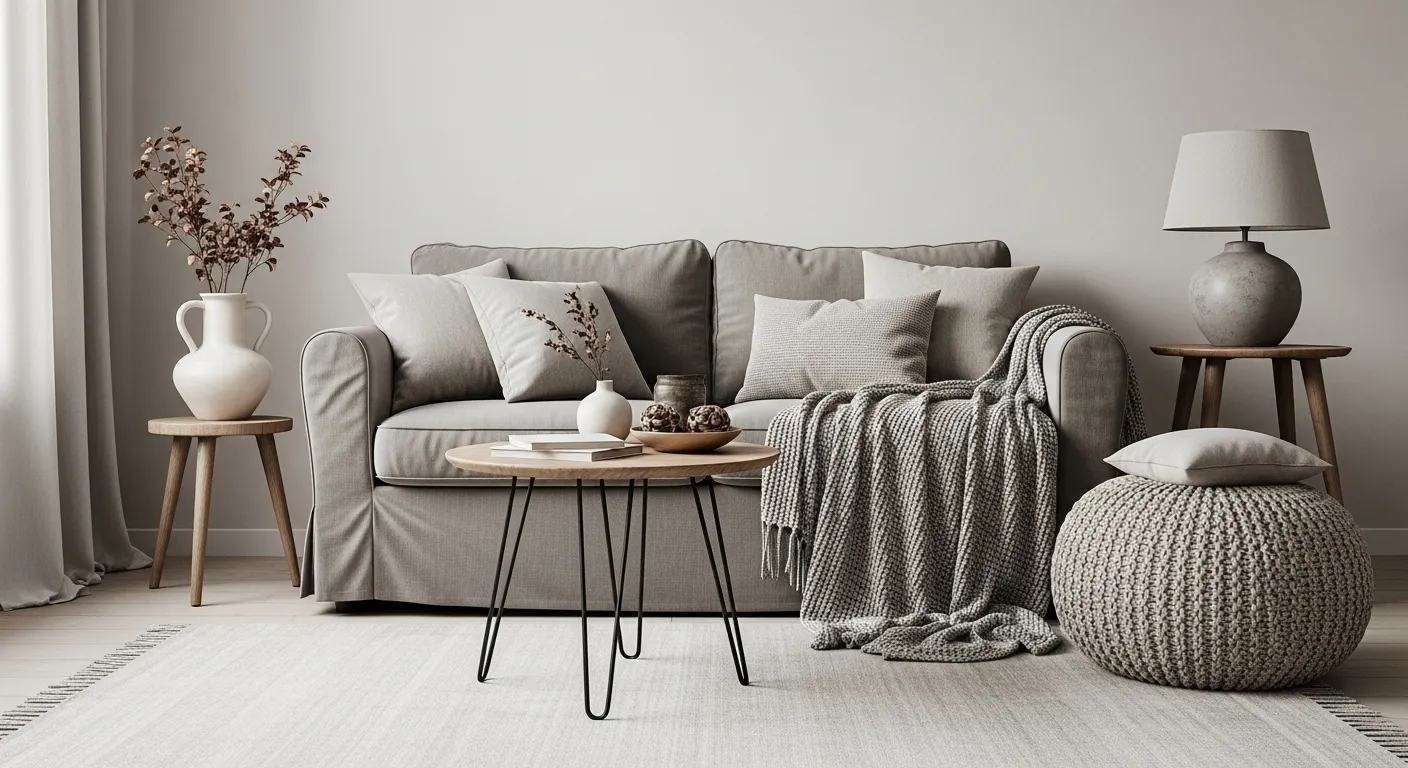
Neutral textured layers are the secret to making a simple space feel warm and luxurious without adding visual clutter. Instead of relying on bold colors, you build depth through materials like linen, wool, and soft knits. I’ve noticed that even a plain room can feel completely transformed when textures are thoughtfully combined. It adds a sense of comfort and richness that makes the space feel more inviting and lived-in.
What makes this approach especially effective is how it balances simplicity with detail. In small room design, too many bold elements can overwhelm the space, but textures create interest in a softer, more controlled way. From my experience, layering different fabrics while keeping the color palette consistent creates a polished and cohesive look. The result is a room that feels cozy, stylish, and effortlessly luxurious without appearing crowded.
Conclusion:
Creating a beautiful space isn’t about having more room—it’s about using what you have in a smarter way. These ideas show how thoughtful choices can completely transform the feel of your home. In small room design, even the smallest detail can make a big difference when done right.
I’ve seen how simple changes like lighting, layout, and texture can turn a cramped space into something calm and inviting. Now it’s your turn—try one or two ideas, save this guide on Pinterest for later, and share it with someone who needs inspiration. Your dream space might be smaller than you think, but it can still feel amazing.
FAQs
Q1: How can I make a small room look bigger without renovation?
Use light colors, mirrors, and minimal furniture. These visually expand the space and improve light flow instantly.
Q2: What colors work best for small spaces?
Soft neutrals like white, beige, and light gray work best because they reflect light and create an open feel.
Q3: Is dark furniture bad for small rooms?
Not always, but too much can feel heavy. Balance it with light walls and textures to keep the room from feeling cramped.
Q4: How do I reduce clutter in a small room?
Use hidden storage, multi-functional furniture, and keep only essential items visible for a clean look.
Q5: What is the biggest mistake in small room decorating?
Overcrowding with too much furniture or decor. Keeping things simple and intentional makes the biggest difference.